Discover which is cheaper: disposable or cloth diapers over 3 years. Use our cost comparison calculator to compare expenses, savings, and long-term value for your baby.
By Shubhra Mishra — a mom of two who turned her own confusion during pregnancy into BumpBites, a global mission to make food choices clear, safe, and stress-free for every expecting mother. 💛
Check whether any food is safe during pregnancy with the BumpBites Food Safety Checker.
Quick take: Over three years, disposable diapers typically cost $2,200‑$2,800, while a well‑chosen cloth system averages $1,800‑$2,200 once you factor in buying, washing and supplies. Use a simple cost calculator to see where you land, then decide which option fits your budget, lifestyle and values.
It’s 10 p.m., the house is quiet, and you just caught a glimpse of a diaper bill on the kitchen counter. A quick scroll on your phone lands you on a page titled “Disposable vs cloth diapers: 3‑year cost comparison calculator,” and suddenly the numbers feel overwhelming. You’re not alone—many new parents wonder whether the upfront expense of cloth diapers pays off, or if the convenience of disposables is worth the monthly price tag.
🔢 Calculate it for your situation: Use our Diaper Budget Calculator for a personalized result in seconds.
Good news: you can demystify the math in just a few minutes. Below we break down the average cost per diaper, the hidden expenses of washing, the point at which cloth becomes cheaper, and the non‑financial factors that matter to you. By the end you’ll have a clear answer to the big question, a ready‑to‑use calculator, and practical tips to keep diaper spending under control.
How much do disposable diapers cost per year?
Disposable diapers are priced per unit, but the true annual cost depends on three variables: the average price per diaper, how many diapers a baby uses each day, and how long the baby stays in diapers (usually about 2½ years). Below is a snapshot of 2024 U.S. pricing from major retailers and the NHS consumer guide.
Average price per diaper: $0.25‑$0.35 for standard brands; $0.35‑$0.45 for premium “organic” or “hypoallergenic” lines.
Daily usage: Newborns use 10‑12 diapers per day; toddlers (12‑24 months) drop to 6‑8; after 24 months most babies use 4‑6.
Typical diaper lifespan: 30 months (≈ 2 years ½).
Putting those numbers together, a mid‑range scenario—$0.30 per diaper, 9 diapers per day, 30 months—looks like this:
Item
Cost
Daily diaper count (average)
9
Days in 30 months
912
Total diapers needed
8,208
Cost per diaper
$0.30
3‑year total
$2,462
Even if you shop the sales, the range usually lands between $2,200 and $2,800 for a single child. Adding taxes, occasional “overnight” premium packs, and the occasional “extra‑large” size for a growing toddler can push the total a little higher. In addition, many families factor in the cost of diaper rash creams—on average $15‑$25 per year—when estimating the true expense of disposables.
From a clinical perspective, the American College of Obstetricians and Gynecologists (ACOG) notes that diaper changes should be frequent enough to keep the skin dry, which can increase the number of disposables used in the first months. This reinforces why the per‑day diaper count is a critical variable in any budgeting exercise.
What are the upfront and ongoing costs of cloth diapers?
Cloth
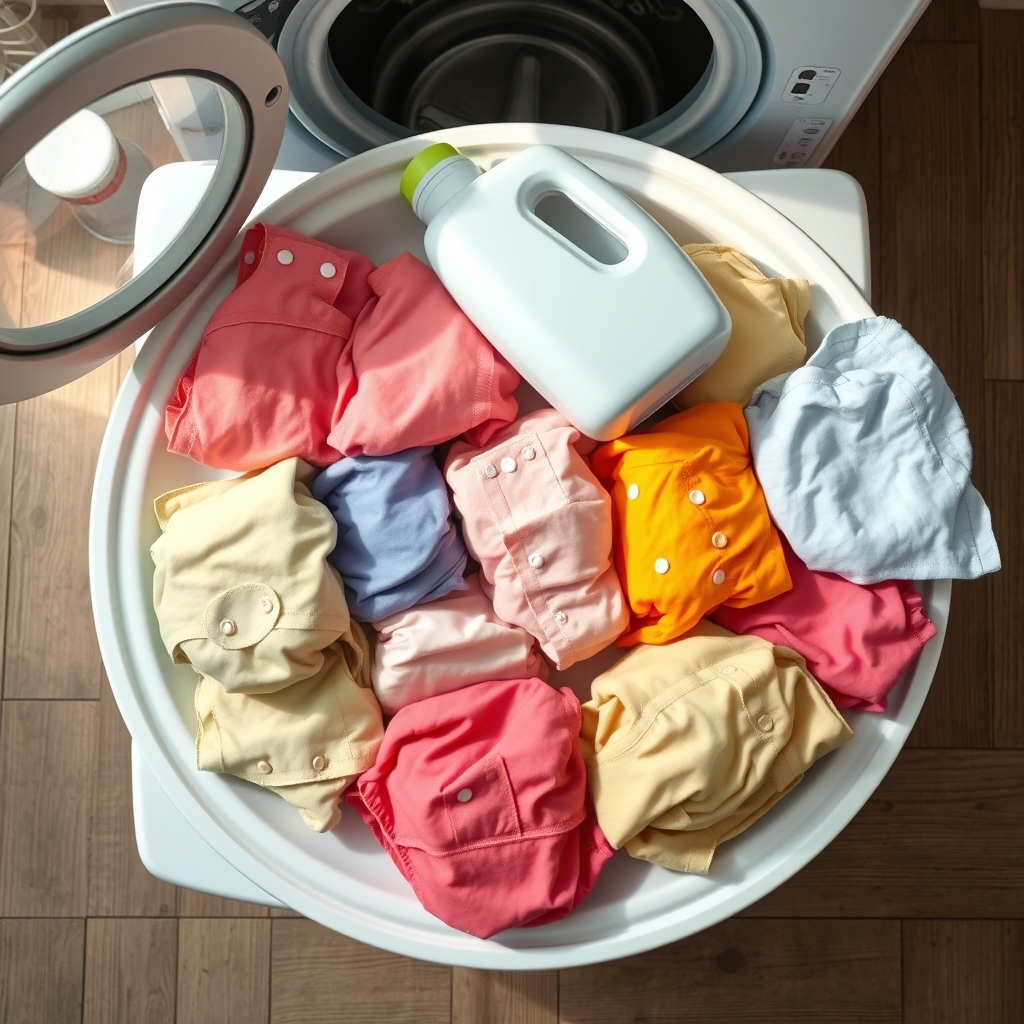
diapering looks like a bigger financial commitment at first glance because you must purchase the diapers themselves, a washing routine, and a few accessories. The good news is that most of those costs are one‑time or recur infrequently.
Below is a typical cost breakdown for a starter set that can accommodate a newborn through the toddler stage (up to 35 lb). Prices are drawn from the UK NHS and the CDC guidance on diaper hygiene.
Diaper set (20‑25 pieces): $400‑$550 for a hybrid of prefolds and all‑in‑ones.
Washing supplies: detergent ($30‑$50), diaper‑safe stain remover ($15‑$25), and a liner (optional, $20‑$30).
Equipment (optional but common): a large‑capacity washing machine cycle (extra $0.10‑$0.20 per load) or a dedicated laundry basket ($25‑$40).
Water & electricity: average household utility cost adds about $0.08‑$0.12 per load, which equals roughly $5‑$8 per month when washing 2‑3 loads weekly.
When you spread those numbers across three years, the total looks like this:
Cost component
One‑time
Annual
3‑year total
Diaper set
$475
–
$475
Detergent & supplies
–
$45
$135
Water & electricity
–
$66
$198
Overall 3‑year cost
–
–
$808
Most families add a few extra expenses—such as a diaper pail, a drying rack, or occasional replacement of worn‑out diapers—bringing the realistic range to $1,500‑$2,200 over three years. That still undercuts disposable totals for many households, especially when you factor in the reusable nature of the cloth system.
Importantly, the FDA requires that both disposable and cloth diaper manufacturers meet strict absorbency and flammability standards. While cloth diapers are not “FDA‑approved” in the same way as medical devices, they must comply with the Consumer Product Safety Commission (CPSC) regulations that the FDA references for textile safety. This means the materials are vetted for skin‑friendly performance, a reassurance echoed by the NHS diaper‑care guidelines.
Build a reusable diaper kit once and reuse it for years—your wallet and the planet thank you.
Building your own 3‑year cost comparison – the calculator explained
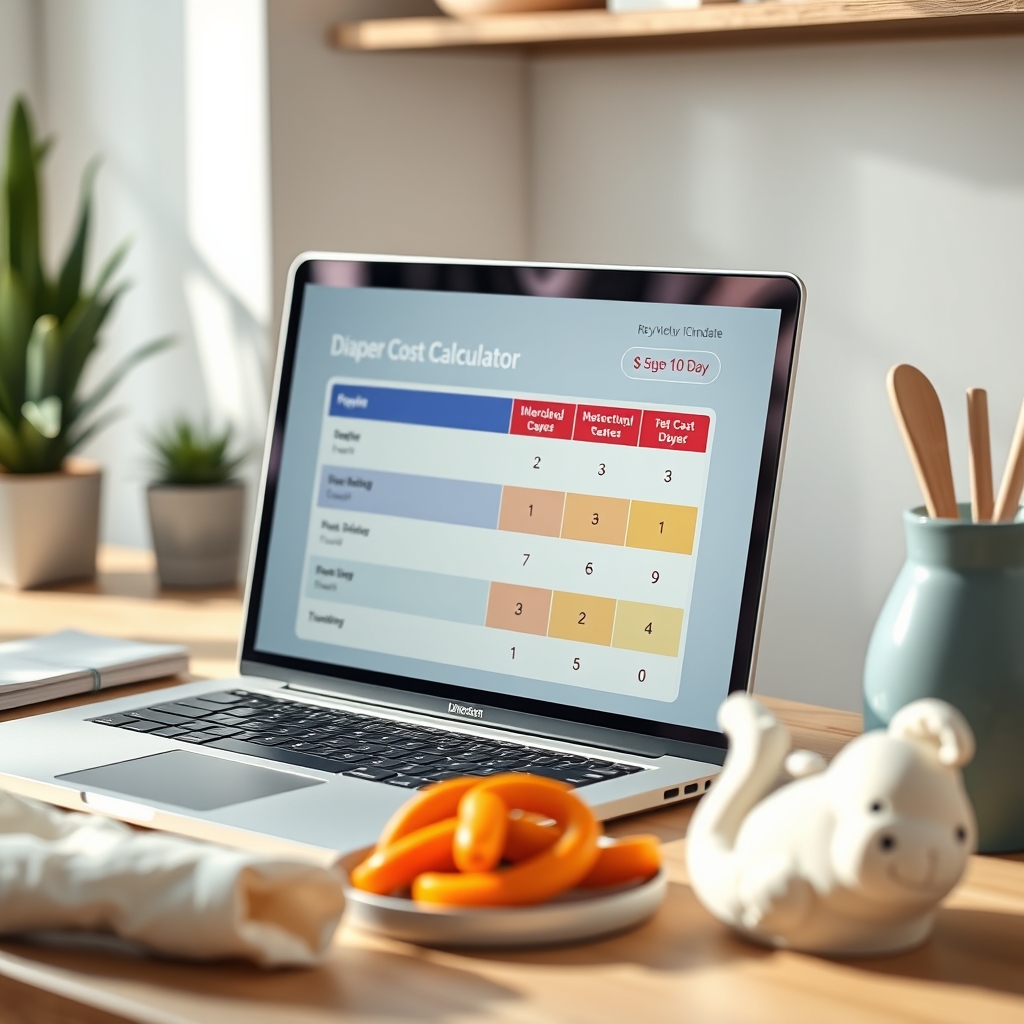
Numbers become clearer when you plug your own variables into a cost calculator. The Diaper Budget Calculator lets you enter the exact price you pay for disposables, the number of diapers you expect to use each day, and your local water‑and‑electricity rates. It then spits out a side‑by‑side comparison with cloth‑diaper totals.
Here’s how to use it step by step:
Enter the price per disposable diaper you usually buy (most stores list a per‑unit price on the pack).
Input your average daily diaper count. If you’re unsure, the calculator offers a quick “newborn,” “infant,” and “toddler” selector.
Specify the number of days you plan to diaper (default is 912 days, which equals 30 months).
For cloth, type in the cost of your starter set and the annual expense for detergent, water and electricity. If you already own some items, subtract their cost.
Hit “Calculate” and review the chart. The tool highlights the break‑even month—the point when cloth becomes cheaper than disposables.
Because the calculator updates instantly, you can experiment with different scenarios: what if you switch to a premium disposable brand? What if you wash diapers in cold water only? The visual output makes budgeting less intimidating and more empowering.
Visualize your numbers with the Diaper Budget Calculator before you decide.
Break‑even point: when cloth becomes cheaper
The break‑even point is the month when the cumulative spending on cloth diapers overtakes the cumulative spending on disposables. In most realistic scenarios, that happens between 12 and 18 months. Let’s walk through a typical example:
Disposable: $0.30 per diaper, 9 diapers per day → $2,462 total over 30 months.
Cloth: $475 starter set, $45 detergent + $66 utilities per year → $808 total over 30 months.
Month‑by‑month, disposables start high and stay steady, while cloth starts with the upfront $475 and then adds roughly $11 per month for supplies. By month 13, the cumulative cloth cost (≈ $475 + 13 × $11 ≈ $617) is still lower than disposables (≈ 13 × $81 ≈ $1,053). By month 18, the gap widens further, confirming that most families recoup the initial outlay well before the toddler years.
However, the break‑even can shift dramatically if any of the following change:
Higher detergent or utility rates (e.g., in areas with expensive water).
Buying premium “organic” disposables that cost $0.45 each.
Using fewer cloth diapers per wash (e.g., washing only a few per load increases per‑diaper cost).
That’s why the calculator is useful: it accounts for your specific utility rates, diaper counts, and any discounts you might have.
Factors that swing the numbers (baby size, brand, utility rates, etc.)
Even a perfect calculator can’t predict everything. Real‑world factors add nuance to the cost picture.
Baby size and growth rate
Babies grow at different speeds. A larger newborn may need size 2 or 3 diapers from day 1, which are usually 5‑10 % more expensive per unit. Conversely, a small baby may stay in size 1 longer, reducing the number of diapers needed. Cloth systems typically include a range of sizes, so you can reuse the same diaper longer, while disposables require you to buy larger packs as your baby grows.
Brand and material
Disposable brands vary from store‑brand (≈ $0.25) to boutique “organic cotton” (≈ $0.45). Cloth brands range from budget‑friendly bamboo (≈ $400 for a set) to high‑end Swedish cotton (≈ $800). The material affects washability—some fabrics need a warm wash, which raises utility costs, while others can be cleaned in cold water.
Water and electricity costs
In the United States, the average cost per kilowatt‑hour is $0.13, while in the UK it’s about £0.34. A typical wash cycle uses 0.5 kWh of electricity and 20 gallons of water. Multiply those by local rates to get a per‑load cost, then factor in how many loads you need each week (usually 2‑3). If you have a solar panel or a low‑tariff electricity plan, your cloth expenses drop dramatically.
Washing frequency and method
Some parents wash diapers every night, others batch‑wash twice a week. More frequent washes raise utility bills but can reduce the need for pre‑soaking supplies. Hand‑washing, while labor‑intensive, can cut electricity use but may require more detergent.
Discounts and bulk buying
Buying disposables in bulk (e.g., 500‑pack) can shave $0.02 per diaper, saving $200 over three years. Many cloth diaper brands offer “buy‑one‑get‑one‑half‑off” deals on extra inserts, which can lower the long‑run cost if you need more absorbency as your baby grows.
Insurance and tax considerations
In some regions, diaper expenses qualify as a medical expense for tax deductions, especially when a baby has a diagnosed skin condition that requires specialized diapers. The ACOG notes that families with infants who develop severe diaper dermatitis may be eligible for reimbursement through flexible spending accounts (FSAs) or health savings accounts (HSAs). Checking with your employer’s benefits administrator can uncover hidden savings.
Choosing budget‑friendly cloth diaper brands
If you decide cloth is the right path, the brand you pick can make a big difference in both cost and convenience. Look for companies that offer a “starter kit” with a mix of sizes, because buying each size separately often adds up quickly. Many mid‑range brands, such as **Bambino Mio** or **GroVia**, provide kits for under $500 that include prefolds, all‑in‑ones, and a few inserts. These kits typically come with a discount on additional supplies, which helps keep the three‑year total nearer the low end of the $1,500‑$2,200 range.
Another way to stretch your budget is to shop second‑hand. Reputable baby‑gear consignment stores and online marketplaces often list gently used cloth diapers at 30‑50 % off retail. Just be sure the diapers are still in good condition, have no lingering odors, and come with the original care instructions. The NHS recommends washing any second‑hand cloth diapers at a minimum of 60 °C (140 °F) the first time to ensure proper sanitation.
How to transition between diaper types
Many families start with disposables for the newborn period and switch to cloth once the baby’s schedule stabilizes. If you’re planning a transition, give your baby a week to adjust to the new material before you rely on it for overnight sleep. Begin with a few daytime cloth changes and keep a small stash of disposables for emergencies or outings. This hybrid approach lets you test absorbency, fit, and your own laundry routine without committing fully.
When you feel confident, gradually increase the cloth‑to‑disposable ratio. A common milestone is “one night of cloth diapers, then two,” and so on, until you’re comfortable with a full night‑time cloth schedule. Tracking diaper changes in a simple notebook can help you spot any gaps in coverage that might lead to leaks or skin irritation.
Safety tips for washing cloth diapers
The CDC and NHS both stress that proper washing is key to preventing bacterial buildup. Use a detergent that’s free of additives like fragrance or bleach, which can irritate a baby’s skin. A warm (30‑40 °C) wash with a full load maximizes cleaning efficiency while saving water. Adding a half‑cup of white vinegar once a month helps remove detergent residues that can cause rash.
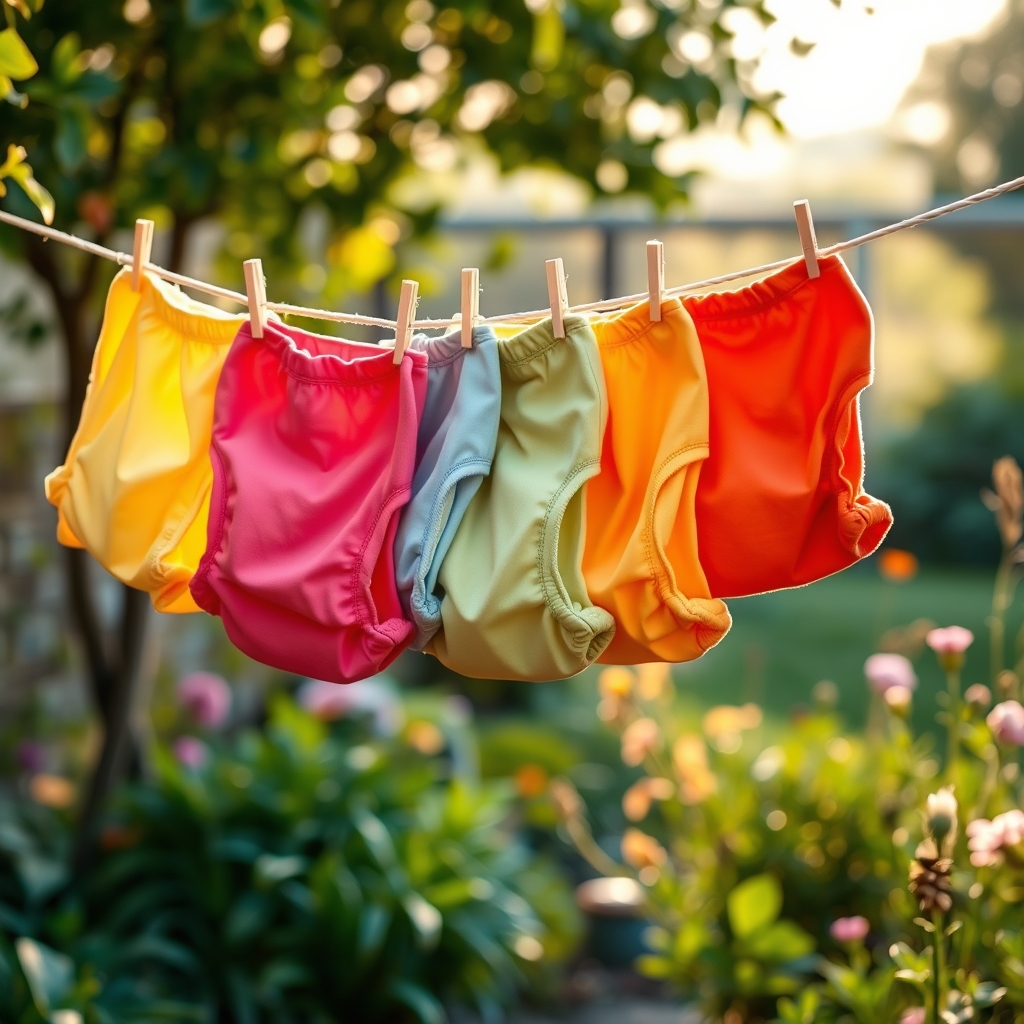
After washing, dry the diapers fully before storing them. If you line‑dry indoors, ensure good airflow to avoid mildew. For families in humid climates, a low‑heat tumble‑dry for 20‑30 minutes can speed up the process without damaging the fibers. Finally, keep a separate laundry basket for soiled diapers—this reduces cross‑contamination with other household linens.
Environmental and health considerations beyond the dollars
Money isn’t the only metric families weigh. The environmental footprint of diapers is substantial: the EPA estimates that disposable diapers make up about 30 % of landfill waste in the United States. A single disposable diaper contains 0.5 g of plastic and takes up to 500 years to decompose.
Cloth diapers, when washed efficiently, can reduce that waste by 80‑90 %. However, the environmental benefit hinges on using cold water, line‑drying when possible, and selecting sustainably sourced fabrics (e.g., organic cotton or bamboo). The World Health Organization (WHO) notes that the carbon impact of laundry depends heavily on the energy mix of the local grid.
Health‑wise, both options are considered safe when used correctly. The CDC advises that cloth diapers should be rinsed before washing and stored in a dry place to prevent bacterial growth. Disposable diapers, especially those with added fragrances, can cause skin irritation in a small percentage of babies—something the American Academy of Pediatrics (AAP) notes as a reason to consider alternatives if your baby develops persistent diaper rash.
From a clinical standpoint, ACOG emphasizes that the choice of diaper does not affect a baby’s growth or development, but proper skin care is essential. Frequent diaper changes—regardless of type—help keep the skin dry and reduce the risk of irritant dermatitis. If a rash persists despite diligent care, a pediatrician may recommend a barrier cream or a switch to a different diaper material.
Line‑drying cloth diapers saves energy and adds a moment of calm to your day.
Practical tips to stretch your diaper budget
Even after you’ve run the numbers, everyday habits can shave dollars off your diaper spend.
Buy disposables in bulk during sales. Look for “buy‑one‑get‑one‑free” promotions and use coupons from store apps.
Choose a mixed system. Many families use cloth for nighttime and disposables for daytime outings, cutting both laundry and buying cost.
Wash efficiently. Use a full‑load, cold‑water cycle with a high‑efficiency detergent. Add a half‑cup of white vinegar to reduce detergent residue.
Reuse inserts. Some cloth systems let you wash and reuse the absorbent insert up to 10 times before replacement.
Line‑dry when weather permits. It saves $5‑$10 per month on electricity and prolongs the life of the fabric.
Track your expenses. Keep a simple spreadsheet of diaper purchases and laundry costs; you’ll spot trends and know when to adjust.
These steps not only lower the bottom line but also make diapering feel less like a financial burden. In addition, consider setting a “diaper fund” in a separate savings account. Contributing a modest $20 each month can cover unexpected costs like a replacement set or a sudden increase in utility rates, keeping your budget on track without stress.
From our medical team: Diaper choice does not affect a baby’s growth or development. Focus on keeping the skin clean and dry, regardless of the product you use. If you notice persistent redness, rash, or a foul odor, discuss it with your pediatrician—they can help you adjust the routine and rule out infection.
Choosing the right diaper system for your family
No single diaper system fits every household. Your decision should balance cost, convenience, environmental values, and the practical realities of your home. If you have limited laundry space, a hybrid approach—using cloth diapers at night and disposables during the day—can give you the environmental benefits of cloth while keeping the daytime routine simple. Parents who travel frequently often favor disposables for their portability, but many find that a small, pre‑packed “travel kit” of cloth diapers (including a portable wet bag) works just as well.
If you’re concerned about skin sensitivities, look for fragrance‑free, hypoallergenic disposable brands or choose cloth diapers made from organic cotton. The NHS recommends a “cotton‑first” approach for babies with eczema, because cotton is less likely to trap moisture and irritants. In contrast, if you’re budgeting tightly, a bulk purchase of store‑brand disposables combined with a modest cloth starter set can give you the best of both worlds.
Impact of diapering on sleep and routine
Nighttime diaper changes can disrupt both parent and baby sleep. Cloth diapers that are highly absorbent can often go longer without a change—some parents report 8‑10 hours of dry sleep for a toddler using a well‑fitted all‑in‑one. However, a wet cloth diaper left on too long can lead to skin irritation, so it’s essential to monitor the diaper’s saturation level.
Disposable diapers, especially those with “overnight” designs, are engineered to lock away moisture, reducing the need for a middle‑of‑the‑night change. If you’re struggling with frequent awakenings, consider a trial period where you use a premium overnight disposable for the first month, then switch to a high‑absorbency cloth option to see which supports better sleep for your baby and yourself. Tracking sleep patterns alongside diaper changes can reveal surprising correlations and help you fine‑tune your routine.
🔢 Ready to crunch your numbers? Use our Diaper Budget Calculator for a personalized result in seconds.
Myth vs. fact
Myth: Cloth diapers are always cheaper than disposables.
Fact: Cloth can be less expensive over three years, but the total cost depends on how many diapers you wash, your utility rates, and whether you buy premium disposables. Running the numbers with a calculator gives the most accurate answer for your situation.
Myth: Disposable diapers are “hygienic” and therefore safer.
Fact: Both disposable and cloth diapers meet safety standards set by the FDA and the NHS. Proper washing of cloth diapers and regular changing of disposables keep babies equally protected from irritation and infection.
Myth: You need to wash cloth diapers after every single use.
Fact: The CDC recommends a quick rinse to remove solids, then a full wash within 24 hours. This balances hygiene with water‑saving efficiency.
Key takeaways
Average disposable diaper cost over three years is $2,200‑$2,800; cloth systems range $1,500‑$2,200 when you include washing.
The break‑even point usually occurs between 12‑18 months, assuming typical utility rates and diaper counts.
Use the Diaper Budget Calculator to plug in your local prices and see personalized results.
Factors like baby size, brand, water cost, and washing frequency can shift the total cost dramatically.
Cloth diapers reduce landfill waste by up to 90 % and can lower skin‑irritation risk if you choose fragrance‑free options.
Simple habits—bulk buying, efficient washing, line‑drying—help you stay under budget regardless of the system you pick.
Consider your sleep routine, laundry capacity, and any skin sensitivities when choosing between or combining systems.
Frequently asked questions
How much do disposable diapers cost over three years?
Most families spend between $2,200 and $2,800 for three years of disposables, assuming $0.30 per diaper and an average use of 9 diapers per day.
Are cloth diapers cheaper than disposables?
Generally, yes—when you factor in the one‑time purchase and ongoing washing costs, cloth diapers often total $1,500‑$2,200 over three years, making them cheaper for many households.
What is the average cost per diaper?
Disposable diapers range from $0.25 for store brands to $0.45 for premium organic lines; cloth diapers cost about $400‑$800 for a starter set that lasts the entire diapering period.
How do I calculate diaper expenses?
Enter your diaper price, daily usage, and utility rates into a cost calculator like the Diaper Budget Calculator; it will automatically compare disposable and cloth totals and show the break‑even month.
Do cloth diapers save money in the long run?
Yes, especially if you wash efficiently, buy a durable starter set, and reuse inserts. Savings become clear after the first year, and the total cost usually stays below disposable spending.
What factors affect diaper cost?
Key factors include baby size, diaper brand, water and electricity rates, washing frequency, and whether you buy disposables in bulk or get discounts on cloth supplies.
Can I use a hybrid diaper system?
Absolutely. Many parents combine cloth diapers for nighttime or at home with disposables for outings. A hybrid approach lets you enjoy the environmental and cost benefits of cloth while retaining the convenience of disposables when you’re on the go.
Are diaper expenses tax‑deductible?
In the U.S., diaper costs are generally not deductible, but if a medical condition (e.g., severe eczema) requires a specific type of diaper, the expense may qualify as a medical deduction on your Schedule A. Check with a tax professional or your HSA/FSA administrator for details.
Can I use cloth diapers if I have a small washing machine?
Yes. Most manufacturers recommend washing no more than 12‑15 diapers per load to maintain performance. If your machine is compact, you may need to do two smaller loads per week; the added utility cost is usually offset by the lower per‑diaper price.
What’s the best way to store soiled cloth diapers before washing?
Keep a breathable wet‑bag or a lined laundry basket in a well‑ventilated area. Avoid sealed plastic containers, which can trap moisture and promote bacterial growth. Changing the bag daily and rinsing diapers before storage helps maintain hygiene.
When to call your doctor
If your baby develops a persistent diaper rash that doesn’t improve after 48 hours of proper cleaning, shows signs of infection (pus, fever, or foul odor), or you notice any unusual skin changes, contact your pediatrician right away. This article provides general budgeting information and is not a substitute for personalized medical advice.
References
American Academy of Pediatrics (AAP). “Diapering and Skin Care.” 2023 clinical guidance.
Centers for Disease Control and Prevention (CDC). “Diapering Basics.” Updated 2024.
National Health Service (NHS). “Choosing the right diaper.” 2024 consumer guide.
World Health Organization (WHO). “Solid Waste Management.” 2022 report.
U.S. Energy Information Administration (EIA). “Average electricity rates.” 2024 data.
U.K. Office for National Statistics (ONS). “Average domestic water charges.” 2024.
Not sure about the label on Disposable Vs Cloth Diapers 3 Year Cost Comparison Calculator products?
Snap the ingredients list and SafeFilter checks every ingredient for your stage — only 3 free scans this month, then you're locked until reset. Unlimited from $7/mo or $50/yr.
When Shubhra Mishra was expecting her first child in 2016, she was overwhelmed by conflicting food advice — one site said yes, another said never. By the time her second baby arrived in 2019, she realized millions of mothers face the same confusion.
That sparked a five-year journey through clinical nutrition papers, cultural diets, and expert conversations — all leading to BumpBites: a calm, compassionate space where science meets everyday motherhood.
Her long-term vision is to build a global community ensuring safe, supported, and free deliveriesfor every mother — because no woman should face pregnancy alone or uninformed. 🌿
🌍 Stand with mothers, shape safer guidance
Join a small circle of experts who review BumpBites articles so expecting parents everywhere can decide with confidence.