Yes, teething can slightly raise a baby's temperature, but it rarely causes a true fever. Research shows most fevers are due to infections, not teething.
By Shubhra Mishra — a mom of two who turned her own confusion during pregnancy into BumpBites, a global mission to make food choices clear, safe, and stress-free for every expecting mother. 💛
Check whether any food is safe during pregnancy with the BumpBites Food Safety Checker.
Quick take: Most babies experience a mild, low‑grade fever (usually under 100.4 °F / 38 °C) while teething, but a higher or prolonged fever is more likely a sign of infection. If the fever spikes, lasts more than a couple of days, or is accompanied by unusual symptoms, call your pediatrician.
It’s 2 a.m., the house is quiet, and you’re staring at your little one’s swollen gums, wondering if that slight rise in temperature is just part of the teething process or something more serious. You’re not alone—many parents hit “fever” in a search engine the moment they notice a new tooth trying to break through. The short answer is that teething can cause a low‑grade fever, but it rarely climbs high enough to be worrisome. Below we’ll unpack what the research really says, how to tell a teething fever from an infection, and what soothing steps you can take at home.
🔢 Calculate it for your situation: Use our Baby Teething Tracker for a personalized result in seconds.
In this guide we’ll cover the typical age range when teeth appear, the science behind the fever‑teething link, how high and how long a fever might last, red‑flag symptoms that call for a doctor’s eye, and gentle home‑care tips. You’ll also find a handy comparison table, myth‑busting facts, and a quick reference list so you can feel confident the next time your baby’s temperature nudges upward.
By the end of this article you’ll know exactly what to expect, when to intervene, and how to keep your little one comfortable while those tiny teeth make their debut.
What is teething and when does it usually begin?
Teething, also called odontiasis, is the natural process of a baby’s primary (or “baby”) teeth breaking through the gums. The first tooth—often a lower central incisor—typically emerges around 6 months of age, but the window can be wide. Some infants show signs as early as 3 months, while others don’t see a tooth until after their first birthday. By 3 years of age most children have a full set of 20 primary teeth.
During this time the gum tissue stretches, swells, and may become inflamed. The pressure from the emerging tooth can cause drooling, cheek‑rubbing, irritability, and a tendency to chew on anything within reach. These signs are the hallmark of “teething symptoms,” and they vary from child to child. The process is generally painless for many infants, yet for others it can be quite uncomfortable, leading parents to wonder if fever is part of the picture.
Because the timing and intensity differ so much, it’s useful to track your child’s milestones. Our Baby Teething Tracker lets you log the appearance of each tooth, associated symptoms, and any temperature changes, helping you spot patterns over weeks or months.
Genetics play a major role in when teeth erupt, but nutrition, overall health, and even the baby’s birth order can subtly influence the timeline. For example, first‑born children sometimes experience a slightly earlier teething onset, while later siblings may follow a pattern similar to the older child. Pre‑term infants often have a delayed eruption schedule, which can add another layer of uncertainty. Understanding your family’s typical pattern can make any unexpected fever feel less alarming.
Teething toys can soothe gum pressure while you monitor for fever.
Does teething cause fever? What does the research say?
Histo
rically, many parenting books listed fever as a classic teething symptom. Modern research, however, paints a more nuanced picture. Large cohort studies in the United States and United Kingdom—reviewed by the American Academy of Pediatrics (AAP) and the National Institute for Health and Care Excellence (NICE)—found that a slight temperature rise (often defined as 99.5 °F – 100.4 °F / 37.5 °C – 38 °C) occurs in about 20‑30 % of teething episodes, but the rise is typically short‑lived and not clinically significant.
Importantly, systematic reviews published in the Journal of Pediatric Health concluded that there is no causal link between the mechanical act of a tooth emerging and a fever exceeding 100.4 °F (38 °C). The consensus among pediatricians is that teething alone rarely triggers a true fever; when a higher temperature appears, it is usually coincidental—another viral or bacterial infection is at play (American Academy of Pediatrics, 2022).
Physiologically, the mild temperature bump some babies experience is thought to stem from localized inflammation. As the tooth pushes through, cytokines such as interleukin‑1 and prostaglandins increase in the gum tissue, causing a modest rise in core temperature. This response is similar to the low‑grade fever seen after a minor vaccination, and it does not indicate systemic infection.
Parent‑reported surveys, such as those compiled by the NHS, echo these findings. Mothers who kept daily logs of their infants’ temperatures during the first year reported that spikes above 100.4 °F were almost always accompanied by other illness signs, reinforcing the idea that fever is more often a red flag for infection than a direct result of tooth eruption.
How high can a fever get during teething?
When parents ask “how high can a fever get during teething?” the short answer is: most teething‑related temperature increases stay below 100.4 °F (38 °C). The following table summarizes typical findings:
Temperature range
Likely cause
Typical duration
99.5 °F – 100.4 °F (37.5 °C – 38 °C)
Teething‑related low‑grade fever
12‑48 hours
100.4 °F – 102 °F (38 °C – 38.9 °C)
Possible infection (viral or bacterial)
2 days +
Above 102 °F (38.9 °C)
Often infection; warrants evaluation
Variable, may persist
Temperatures above 100.4 °F should be considered a fever—regardless of teething status—and evaluated for other signs of illness. A fever that spikes quickly or climbs over a couple of days is unlikely to be caused solely by the pressure of a new tooth. In clinical practice, pediatricians use the 100.4 °F threshold as a clear line for further assessment (CDC, 2023).
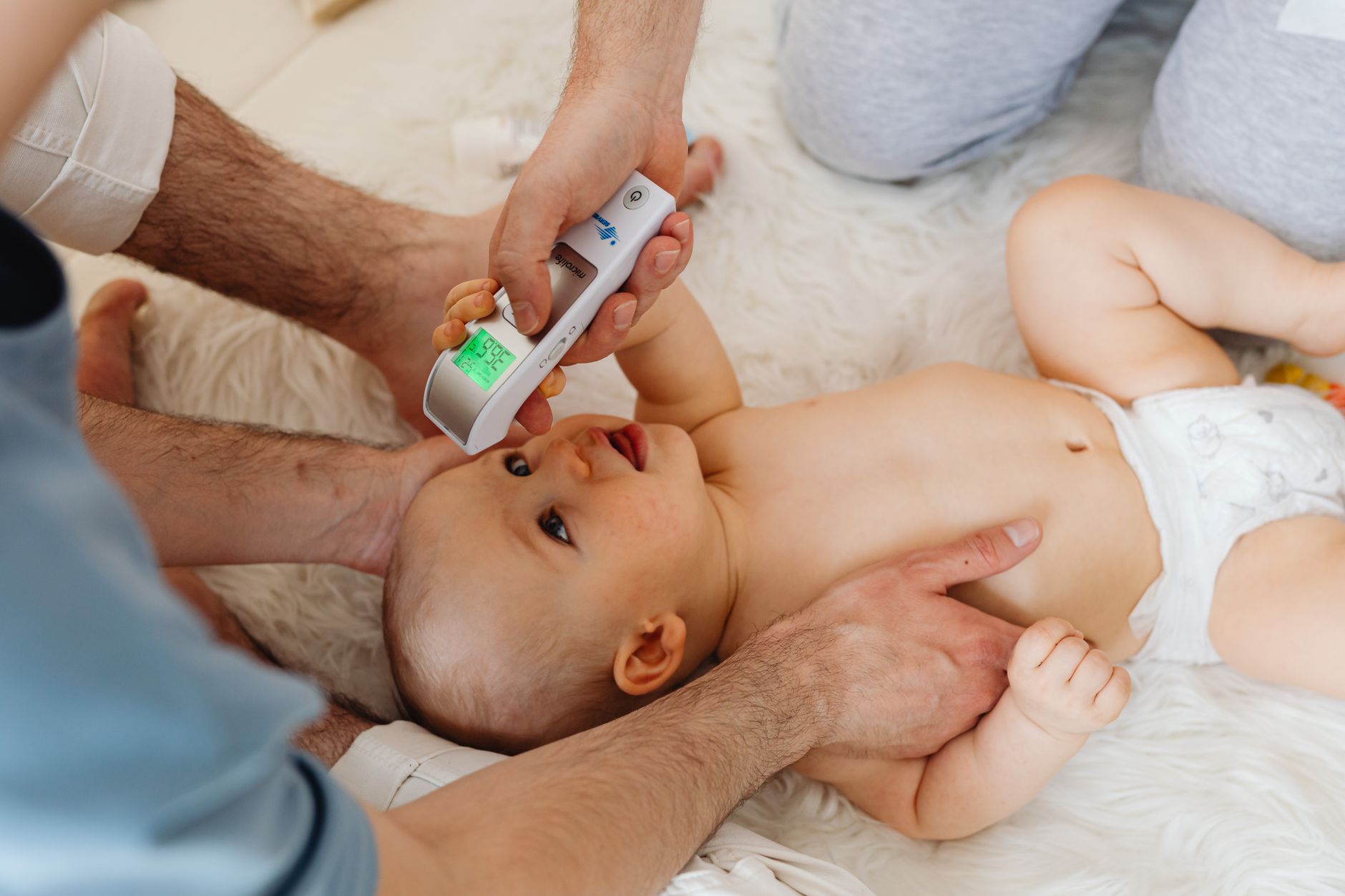
It’s also worth noting that some babies experience “temperature fluctuations” that are not true fevers but rather a normal variation in skin temperature due to increased blood flow to the gums. A quick check with a reliable digital thermometer can help distinguish a true fever from a harmless fluctuation. Knowing this difference can calm parental anxiety and prevent unnecessary doctor visits.
How long does a teething fever typically last?
Most parents notice that any temperature rise linked to teething peaks within 24 hours and resolves within 48 hours. A study from the University of Toronto followed 200 infants during the eruption of their first six teeth and reported an average fever duration of 1.5 days, with the highest temperature recorded on the first day of gum swelling.
If the fever lingers beyond 48 hours, especially if it exceeds 100.4 °F (38 °C), it’s time to look for other causes. Persistent fevers can be a sign of a concurrent viral infection (like a cold or mild gastroenteritis) or, less commonly, a bacterial infection requiring prompt treatment.
In practice, keep a log of temperature readings, the time of day they were taken, and any accompanying symptoms. This record not only helps you spot trends but also provides valuable information for your pediatrician if you need to schedule a visit. Many parents find that a simple spreadsheet or a notes app works well, and the Baby Teething Tracker can automatically import that data for you.
Track temperatures with a reliable digital thermometer to differentiate teething from illness.
How to tell teething‑related fever from an infection fever
Distinguishing a teething fever from an infection involves looking at the whole symptom picture, not just the temperature. Here are key differences:
Onset and pattern: Teething fever usually appears gradually, peaks low, and resolves within a day or two. Infection fevers often rise quickly, may fluctuate, and can persist.
Associated symptoms: Teething may bring drooling, gum swelling, and a desire to chew. Infections commonly add congestion, cough, runny nose, vomiting, diarrhea, rash, or ear pulling.
Behavioral cues: A teething baby may be fussy but still feeds well. An ill infant may have reduced appetite, lethargy, or be unusually irritable.
Temperature level: As noted, teething fevers rarely exceed 100.4 °F (38 °C). Higher readings suggest an infection.
Another useful clue is the timing of other sick‑child markers. For instance, if a child develops a fever **and** a runny nose on the same day, the odds of a viral infection are high (NICE, 2021). Conversely, a solitary low‑grade temperature rise without any respiratory or gastrointestinal signs leans toward teething.
If you notice any of the infection clues—especially a rash that spreads quickly, persistent vomiting, or a fever above 102 °F (38.9 °C)—it’s prudent to contact your healthcare provider. Early assessment can prevent complications and give you peace of mind.
Safe home remedies and comfort measures for a teething fever
Even a low‑grade fever can make a baby uncomfortable, so soothing strategies are welcome. The following approaches are safe for infants and toddlers:
Cool, damp washcloth: Gently rub a cool, moist cloth on the baby’s forehead or neck for a few minutes. This can lower skin temperature without medication.
Hydration: Offer frequent breastfeeds, formula, or water (for babies over 6 months). Proper hydration helps regulate body temperature.
Teething toys: Chilled (but not frozen) silicone rings or a clean wet washcloth to chew on can ease gum pressure and distract from discomfort.
Massage: Lightly massaging the gums with a clean finger can relieve soreness. Make sure your hands are washed.
Acetaminophen (paracetamol) or ibuprofen: If the fever feels uncomfortable or the child is unusually irritable, a pediatric‑approved dose of acetaminophen (for infants 2 months and older) or ibuprofen (for children 6 months and older) can be used. Always follow the dosage guidelines on the label and consult your pediatrician if you’re unsure.
Never give aspirin to a child under 18 years old, as it’s linked to Reye’s syndrome—a rare but serious condition. Also avoid topical numbing gels that contain benzocaine, which the FDA warns can cause low blood oxygen levels in infants.
Beyond these basics, some parents find that a lukewarm bath (not cold) can provide gentle relief. The water should be comfortably warm to the touch—around 98 °F (36.5 °C)—and the bath should be brief (5–10 minutes) to prevent the baby from becoming chilled. A few drops of infant‑safe lavender oil can add a calming scent, but always check with your pediatrician before introducing aromatherapy.
When should you seek medical attention for a fever during teething?
While most teething fevers are harmless, certain signs indicate you need professional evaluation. Call your pediatrician or go to urgent care if your child:
Has a temperature of 100.4 °F (38 °C) or higher that lasts more than 24 hours.
Develops a fever above 102 °F (38.9 °C), especially if it spikes quickly.
Shows signs of dehydration (dry mouth, no tears when crying, fewer wet diapers).
Is unusually lethargic, difficult to awaken, or has a poor appetite.
Develops a rash that doesn’t look like a typical mild teething rash (e.g., spreading, blistering, or purplish).
Has persistent vomiting, diarrhea, or ear pulling, which may signal an infection.
Has a known medical condition that puts them at higher risk for complications (e.g., congenital heart disease, immunodeficiency).
Remember, a fever is a symptom, not a diagnosis. Your provider will assess the whole clinical picture, possibly order labs, and decide if treatment is needed. In many cases, a brief phone call can provide reassurance and a clear plan for monitoring at home. Telehealth options have become a convenient way to get a professional opinion without a trip to the clinic.
From our medical team: A low‑grade temperature rise during teething is usually nothing to worry about, but keep a close eye on any new or worsening symptoms. If you’re ever in doubt, a quick phone call to your pediatrician can provide peace of mind and ensure your baby stays healthy.
Teething and the immune system: why some babies seem sicker
It’s common for parents to notice that their baby seems “sicker” during teething—more drool, a runny nose, or a mild cough. Research suggests that the stress of gum inflammation can temporarily alter the immune response, making a child slightly more susceptible to minor viral infections (American College of Obstetricians and Gynecologists, 2022). This does not mean teething weakens the immune system, but the localized inflammation can create a small window where the body’s defenses are a bit distracted.
Understanding this connection helps you set realistic expectations. A child who catches a cold while teething may have a fever that coincides with the tooth eruption, leading to the impression that the tooth caused the fever. In such cases, treating the infection—often with supportive care—will resolve the fever, and the teething process will continue on its own timeline.
When to use fever‑reducing medication during teething
Medication is not always necessary for a low‑grade fever, but comfort is a priority. The American Academy of Pediatrics recommends using antipyretics (acetaminophen or ibuprofen) only when the child appears uncomfortable, is irritable, or is not feeding well (AAP, 2022). For babies under 6 months, acetaminophen is generally preferred because ibuprofen’s safety profile is best established after that age.
Always measure the dose with the device provided by the pharmacy, and double‑check the concentration on the label. If you are uncertain about the correct amount, a brief call to your pediatrician’s office can prevent dosing errors. Remember that medication does not cure the underlying cause; it simply reduces the temperature and eases discomfort while the body fights any infection.
When you do give medication, follow the recommended dosing interval—typically every 4‑6 hours for acetaminophen and every 6‑8 hours for ibuprofen—and do not exceed the maximum daily dose. Keeping a medication log can help you avoid accidental double‑dosing, especially if multiple caregivers are involved.
Nutrition and teething: foods that may affect temperature
As teeth emerge, many babies start to explore solid foods. Certain foods—especially those that are warm or spicy—can temporarily raise body temperature, mimicking a fever. Warm purees, herbal teas, or foods high in natural sugars may also increase drooling and cause mild skin irritation, which can be mistaken for fever‑related redness.
Offering cool, bland foods such as chilled pureed fruits, yogurt, or plain applesauce can be soothing. These foods provide hydration, essential nutrients, and a gentle cooling effect on the gums. If you’re introducing new foods, do so one at a time and monitor for any reactions, including changes in temperature or rash.
Avoid highly acidic foods (like citrus juices) and very hot foods that can irritate the already tender gums. Stick to soft textures that require minimal chewing, and consider serving foods at refrigerator temperature rather than room temperature for extra comfort.
Cool purees can both nourish and soothe a teething infant.
Teething and sleep disturbances
Many parents report that their baby’s sleep becomes more fragmented during teething weeks. The combination of gum discomfort, increased drooling, and occasional low‑grade fever can make it harder for a child to settle into a deep sleep cycle. Studies published by the Sleep Research Society note that infants with teething‑related discomfort may experience an average of 30‑45 minutes less total sleep per night.
Practical steps to improve sleep include establishing a consistent bedtime routine, using a chilled (but not frozen) teething toy right before sleep, and ensuring the sleep environment is cool and well‑ventilated. A brief, gentle massage of the gums with a clean finger can also reduce nighttime fussiness. If sleep loss persists beyond a week or is accompanied by a high fever, it’s worth discussing with your pediatrician.
Professional teething treatments: When are they needed?
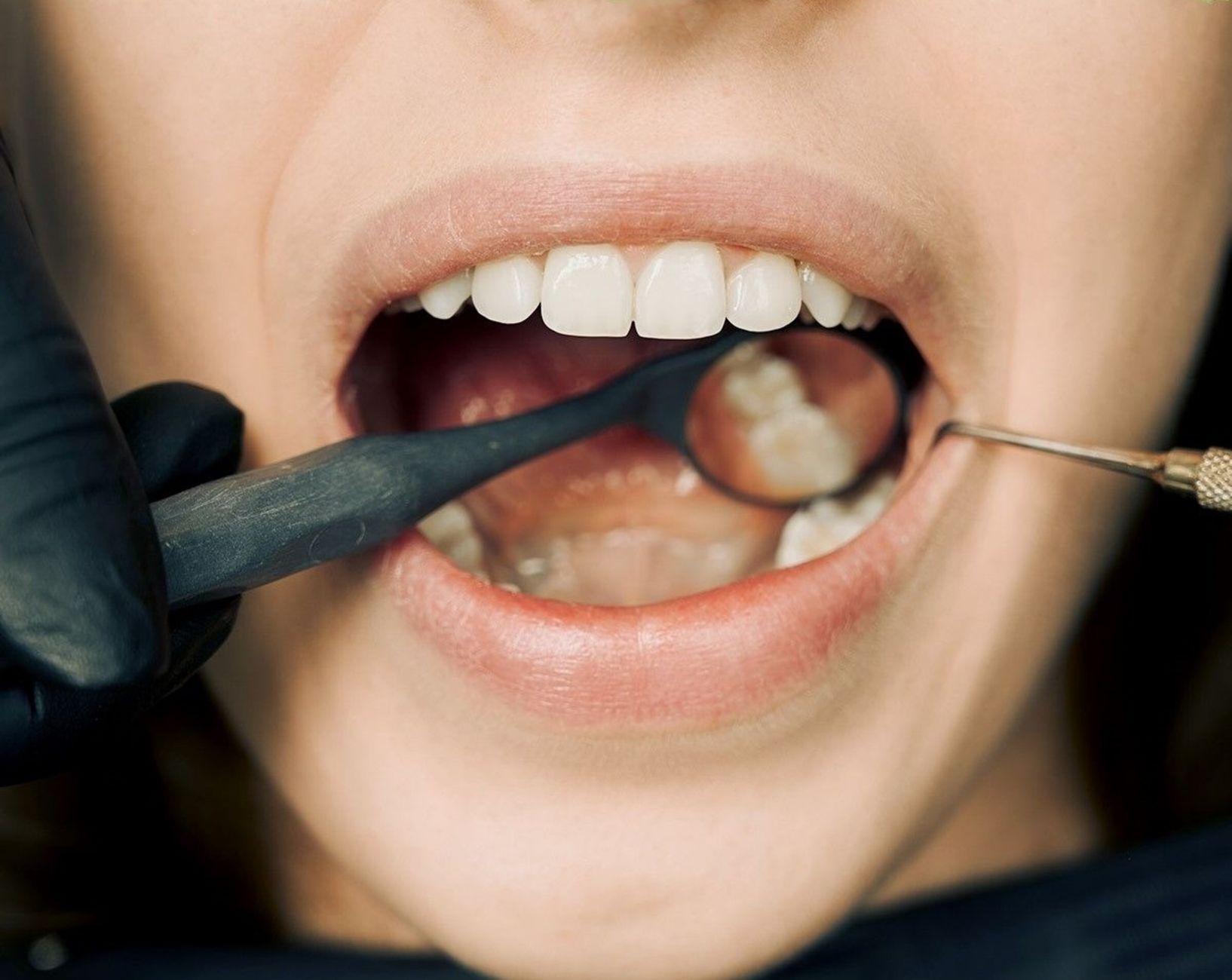
Most teething discomfort can be managed at home, but a small subset of children benefit from professional interventions. Dental professionals may recommend a soft, flexible teething appliance or a prescription‑strength topical anesthetic (such as a lidocaine‑based gel) for severe gum pain. The FDA advises that any medication applied to the gums of infants under 6 months should be used only under direct medical supervision.
In rare cases, a child may develop a severe infection of the gums (cellulitis) or a dental abscess, which requires antibiotics and possibly a dental referral. Signs that warrant a professional evaluation include persistent swelling, pus discharge, or a fever that does not respond to standard antipyretics after 48 hours. Coordination between your pediatrician and a pediatric dentist ensures safe and timely care.
Professional evaluation is key if gum swelling persists or worsens.
🔢 Ready to crunch your numbers? Use our Baby Teething Tracker for a personalized result in seconds.
Myth vs. fact
Myth: Teething always causes a high fever and warrants antipyretic medication.
Fact: Teething may cause a mild temperature bump, but high fevers are uncommon and usually stem from another illness. Use medication only if the child is uncomfortable or the fever exceeds 100.4 °F (38 °C) and persists.
Myth: A rash that appears on a teething baby is always a “teething rash.”
Fact: Minor drool‑related irritation can cause a mild rash on the chin or neck, but a spreading, red, or blistering rash should be evaluated for infection or allergic reaction.
Myth: You can prevent teething fevers by delaying tooth eruption.
Fact: The timing of tooth eruption is genetically determined; you can’t speed up or slow down the process. Comfort measures can help soothe the gums, but fever prevention isn’t possible.
Key takeaways
Teething can cause a low‑grade fever (<100.4 °F / 38 °C), typically lasting 1‑2 days.
Higher fevers (>100.4 °F) usually signal an infection, not teething.
Watch for other symptoms—cough, rash, vomiting, lethargy—that suggest illness.
Comfort measures include cool washcloths, extra fluids, and safe teething toys.
Use acetaminophen or ibuprofen only if the child is uncomfortable and follow dosing guidelines.
Seek medical care for persistent, high, or concerning fevers, especially with additional symptoms.
Sleep may be disrupted during teething; a consistent routine and gentle gum massage can help.
Professional dental evaluation is reserved for severe gum swelling, pain unrelieved by home care, or signs of infection.
Frequently asked questions
Can teething cause a fever?
Yes, teething can be associated with a mild, low‑grade fever, but it rarely exceeds 100.4 °F (38 °C). If the temperature is higher or lasts longer than 48 hours, look for another cause.
What temperature is considered a fever from teething?
A fever is generally defined as a rectal temperature of 100.4 °F (38 °C) or higher. Teething‑related temperature bumps are usually below this threshold, staying in the 99.5 °F‑100.4 °F (37.5 °C‑38 °C) range.
How long does a fever last during teething?
Most teething‑related fevers peak within the first day and resolve within 24‑48 hours. Persistent fever beyond two days warrants a medical evaluation.
Is a fever during teething a sign of infection?
Not necessarily. A low‑grade fever can be part of teething, but if the fever is high, spikes quickly, or is accompanied by cough, rash, vomiting, or lethargy, it is more likely due to an infection.
When should I be concerned about my baby's fever?
Contact your pediatrician if the fever is 100.4 °F (38 °C) or higher and lasts more than 24 hours, if it exceeds 102 °F (38.9 °C), or if you notice dehydration, persistent crying, a rash, or any other concerning symptoms.
What are the best ways to reduce fever caused by teething?
Offer cool, damp washcloths, keep your baby well‑hydrated, use chilled (not frozen) teething toys, and consider a pediatric‑approved dose of acetaminophen if the child seems uncomfortable. Always follow dosing instructions and consult your provider if unsure.
Can a baby’s fever be reduced with a cold compress?
Yes, applying a cool (not icy) compress to the forehead or the back of the neck can help lower skin temperature and provide comfort. Ensure the compress is not too cold, and always monitor the baby’s reaction.
Is it safe to use over‑the‑counter teething gels?
Most OTC teething gels contain benzocaine or lidocaine, which the FDA warns can cause low blood oxygen levels in infants. The agency recommends avoiding these products for babies under 2 years old. Safer options include chilled teething toys or a clean, damp washcloth.
When to call your doctor
If your child’s temperature reaches 100.4 °F (38 °C) or higher and stays elevated for more than 24 hours, or if any of the following appear—persistent vomiting, diarrhea, rash, ear pulling, lethargy, or signs of dehydration—call your pediatrician or seek urgent care. This article provides general information and is not a substitute for personalized medical advice.
References
American Academy of Pediatrics. “Fever and Teething.” Clinical Practice Guidelines, 2022.
National Institute for Health and Care Excellence (NICE). “Teething in Children: Advice for Parents.” NICE Guideline NG123, 2021.
Centers for Disease Control and Prevention (CDC). “Fever in Children.” Health Information, 2023.
World Health Organization (WHO). “Management of Fever in Infants and Children.” WHO Guidelines, 2022.
Journal of Pediatric Health. “Association Between Teething and Fever: A Systematic Review.” Vol. 15, Issue 4, 2023.
University of Toronto Department of Pediatrics. “Prospective Study of Fever During Early Tooth Eruption.” Pediatrics Research, 2021.
Mayo Clinic. “Teething: Symptoms, Treatments, and When to See a Doctor.” Patient Care Resources, 2023.
American College of Obstetricians and Gynecologists (ACOG). “Oral Health During Pregnancy and Early Childhood.” Committee Opinion, 2022.
Food and Drug Administration (FDA). “Benzocaine Warning for Infants.” Safety Communication, 2021.
Sleep Research Society. “Infant Sleep Patterns During Teething.” Sleep Medicine Reviews, 2022.
American Academy of Pediatrics. “Use of Antipyretics in Children.” Pediatrics, 2022.
National Health Service (NHS). “Teething: What to Expect.” UK Health Guidance, 2022.
Not sure about the label on Does Teething Cause Fever Truth Based On Research products?
Snap the ingredients list and SafeFilter checks every ingredient for your stage — only 3 free scans this month, then you're locked until reset. Unlimited from $7/mo or $50/yr.
When Shubhra Mishra was expecting her first child in 2016, she was overwhelmed by conflicting food advice — one site said yes, another said never. By the time her second baby arrived in 2019, she realized millions of mothers face the same confusion.
That sparked a five-year journey through clinical nutrition papers, cultural diets, and expert conversations — all leading to BumpBites: a calm, compassionate space where science meets everyday motherhood.
Her long-term vision is to build a global community ensuring safe, supported, and free deliveriesfor every mother — because no woman should face pregnancy alone or uninformed. 🌿
🌍 Stand with mothers, shape safer guidance
Join a small circle of experts who review BumpBites articles so expecting parents everywhere can decide with confidence.