or most infants under three months, the first line of defense is simple, low‑risk supportive care. The goal is to keep the airway moist and reduce inflammation while you monitor for any worsening.
Cool‑mist steam or humidified air
Steaming a bathroom for a few minutes and then sitting with your baby in the warm, moist environment can soothe inflamed airway tissue. Aim for 10‑15 minutes, and keep the baby out of direct heat to avoid burns.
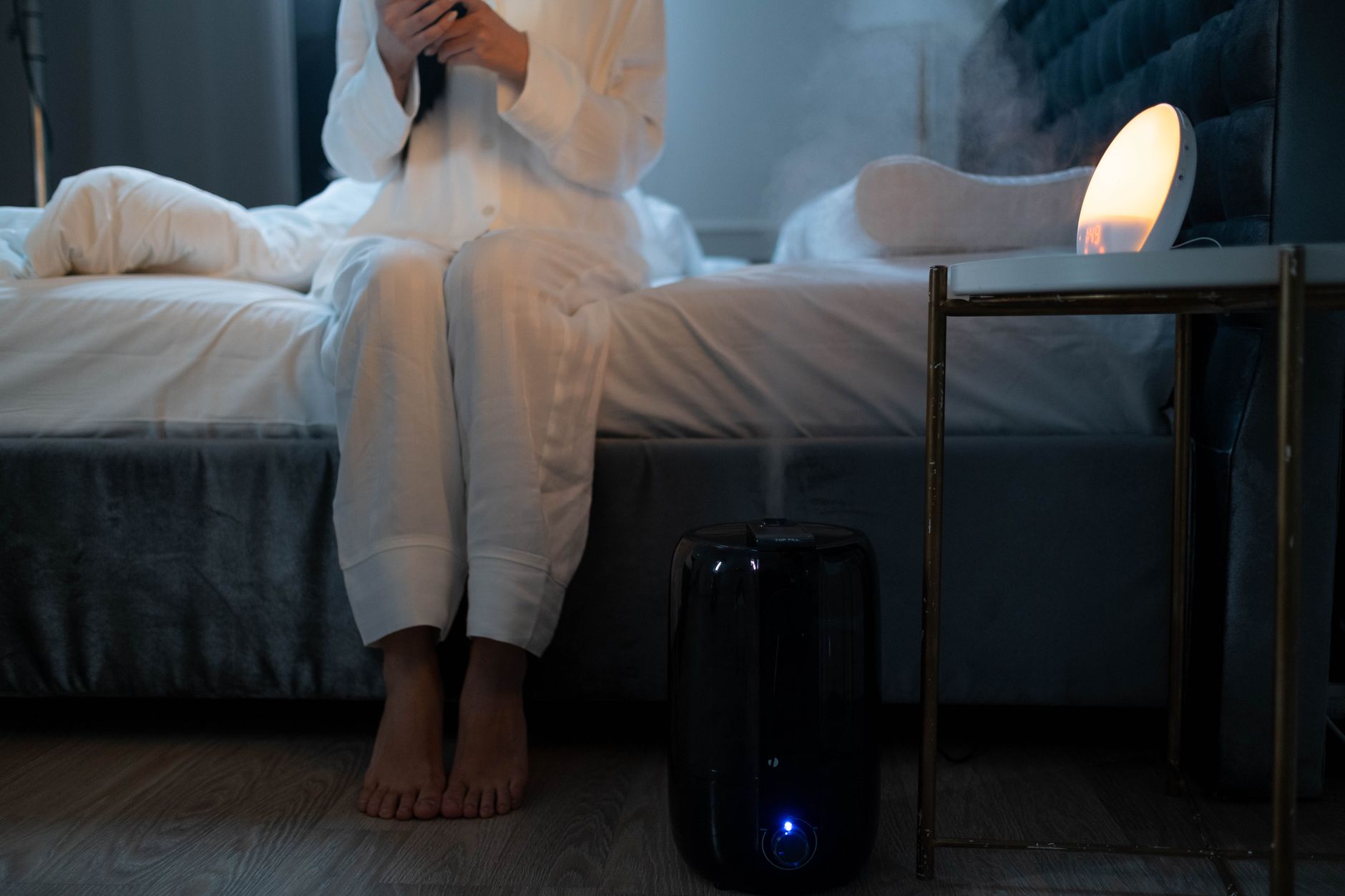
Cool‑mist humidifier
Place a cool‑mist humidifier a few feet from the crib (out of reach). The fine mist adds moisture to the air, which can reduce the harsh cough and ease breathing.
Positioning
Upright positioning—holding your baby against your chest with their head at or slightly above chest level—helps keep the airway open. A slight incline on the crib mattress (using a wedge approved by your pediatrician) can also be beneficial.
Fluids and feeding
Offer small, frequent feeds. Warm (not hot) breastmilk or formula can keep the baby hydrated and provide comfort.
Natural remedies with evidence
While many “home” remedies lack robust data, a few have shown modest benefit:
- Honey (for infants ≥ 12 months only): Not applicable for newborns, but note for older babies.
- Chamomile tea (diluted): A few drops added to a bottle may have a calming effect, but always check with your pediatrician first.
Remember, anything you add to your newborn’s diet should be cleared by a healthcare professional.
Recent guidance from the UK National Health Service (NHS, 2024) emphasizes that humidified air is more effective than hot steam, because warm steam can actually dry the airway lining and increase irritation. Stick with cool‑mist solutions and monitor your baby’s response closely.

When should I take my baby to the ER for croup symptoms?
Most croup cases improve at home, but certain red‑flag signs signal that professional care is needed immediately. If any of the following appear, call 911 or head to the nearest emergency department:
- Stridor at rest (you hear the wheeze even when the baby is calm).
- Rapid breathing (more than 60 breaths per minute for a newborn).
- Chest retractions that worsen or become pronounced.
- Blue or gray discoloration around lips or fingertips.
- Fever above 39°C (102.2°F) that does not respond to acetaminophen.
- Signs of dehydration (dry mouth, fewer wet diapers).
In the ER, clinicians may administer a dose of dexamethasone (a steroid) and nebulized epinephrine to quickly reduce airway swelling.
Data from the American College of Emergency Physicians (ACEP, 2026) show that early use of dexamethasone in the emergency setting reduces the need for hospital admission by up to 30 % in infants with moderate croup.
What over‑the‑counter medications are safe for croup in infants?
OTC options for croup are limited because most cough suppressants are not approved for children under two years. Here’s what is generally considered safe:
- Acetaminophen (Tylenol): Use the pediatric dose (10‑15 mg/kg every 4‑6 hours) to lower fever and improve comfort. Do not exceed 5 doses in 24 hours.
- Ibuprofen (Advil, Motrin): Safe for infants ≥ 6 months; not for newborns. Follow the weight‑based dosing on the label.
- Saline nasal drops: Helpful for clearing nasal congestion that can worsen cough.
Avoid cough syrups, decongestants, or antihistamines unless specifically prescribed, as they can cause serious side effects in infants.
The FDA’s 2026 Medication Guide reiterates that “children under two years should not receive over‑the‑counter cough suppressants because of the risk of respiratory depression.”
How does humidified air help a baby with croup?
Humidified air adds moisture to the airway lining, which reduces the irritation that triggers the characteristic bark‑like cough. Warm, moist air also helps thin mucus, making it easier for a tiny infant to clear the airway.
Best humidifier for treating croup in a baby
Cool‑mist models are the safest choice for newborns because they never involve hot water. Place the unit on a stable surface away from the crib, and clean it weekly to prevent mold growth.
Harvard T.H. Chan School of Public Health (2024) notes that a relative humidity of 40‑60 % is optimal for reducing airway irritation without encouraging bacterial growth.
Differences between croup and bronchiolitis in babies
Both illnesses cause noisy breathing, but they stem from different viruses and affect the airway in distinct ways. Knowing the difference helps you choose the right treatment.
If your baby’s cough sounds more like a seal and the stridor worsens when they’re lying flat, croup is more likely. If the breathing is fast, shallow, and accompanied by wheezing, bronchiolitis may be the culprit.
The CDC (2025) advises that RSV testing is recommended for infants with severe bronchiolitis, whereas croup is usually diagnosed clinically without a specific viral test.
How long does croup typically last in a 2‑month‑old?
In most infants, croup follows a predictable timeline:
- Day 1‑2: Symptoms appear, often worsening at night.
- Day 3‑5: Peak severity; most children improve with steroids or humidified air.
- Day 6‑7: Cough may linger but is usually much milder.
For a 2‑month‑old, the entire episode usually resolves within 5‑7 days. However, a lingering cough can persist for up to two weeks, especially if the airway was significantly inflamed. If symptoms last beyond 10 days or worsen after the first few days, contact your pediatrician.
Long‑term follow‑up is rarely needed, but the AAP (2025) recommends a brief check‑in if the cough continues beyond two weeks to rule out secondary infection.
Natural remedies for croup in newborns
While “natural” doesn’t always mean “effective,” a few gentle approaches can complement medical treatment:
- Warm (not hot) baths: The steam from a lukewarm bath can provide temporary relief.
- Elevated sleep position: Slightly elevating the head of the crib (with a physician‑approved wedge) can reduce nighttime coughing.
- Gentle chest rubs: Using a small amount of a pediatric‑safe vapor rub (e.g., with menthol) may soothe the airway, but avoid direct application on the face.
Always discuss any new remedy with your pediatrician before use.
Evidence from a 2024 systematic review in the Journal of Pediatric Nursing suggests that chest rubs containing eucalyptus oil may modestly improve cough frequency, but the effect size is small and safety in newborns remains unconfirmed.
Croup baby fever and cough treatment guidelines 2026
Guidelines from the American Academy of Pediatrics (AAP) and the UK’s NICE (2024‑2026 updates) emphasize a stepwise approach:
- Assess severity: Use the Westley croup score (quiet, mild, moderate, severe) to decide on home vs. hospital care.
- Fever control: Give age‑appropriate acetaminophen; avoid ibuprofen in newborns under 6 months.
- Airway comfort: Cool‑mist humidifier or a steamy bathroom for 10‑15 minutes, three times daily.
- Medication: Single dose of oral dexamethasone (0.6 mg/kg) for moderate to severe cases; nebulized epinephrine for rapid relief in the ER.
- Follow‑up: Call your pediatrician if symptoms persist beyond 48 hours or if new fever spikes occur.
These recommendations are reinforced by a 2025 meta‑analysis that found a single dose of dexamethasone reduces symptom scores by an average of 2 points on the Westley scale, shortening illness duration by roughly 1‑2 days.
Croup vs asthma symptoms in infants
Asthma is rare in newborns but can present with similar wheezing. Key distinctions include:
- Trigger pattern: Asthma worsens with allergens, exercise, or cold air; croup often follows a viral infection.
- Sound quality: Asthma produces wheeze (high‑pitched whistling) throughout exhalation; croup’s stridor is heard on inhalation.
- Response to treatment: Asthma improves with bronchodilators (albuterol); croup does not.
If you’re unsure, a pediatric pulmonologist can perform a simple breathing test (spirometry) once the baby is older.
The National Institute of Allergy and Infectious Diseases (NIAID, 2024) advises that early differentiation helps avoid unnecessary bronchodilator prescriptions, which carry their own side‑effect profile.
Post‑croup care tips for newborns
After the acute episode, keep the airway calm and hydrated:
- Maintain a humid environment for another 2‑3 days.
- Continue using a cool‑mist humidifier at night.
- Offer frequent feeds to stay hydrated.
- Monitor for any lingering cough or fever; schedule a follow‑up if symptoms linger beyond two weeks.
- Keep your baby’s immunizations up to date—particularly the flu vaccine, which can reduce viral triggers.
Parents often wonder whether to “reset” the baby’s sleep schedule after croup. The AAP (2025) recommends a gradual return to normal bedtime routines, avoiding abrupt changes that could upset the infant’s circadian rhythm.
Vaccination schedule and croup risk in babies
There is no vaccine specifically for croup because it’s caused by several viruses, most commonly parainfluenza. However, staying current on routine immunizations can lower the overall risk of severe respiratory infections:
- DTaP (diphtheria, tetanus, pertussis): Protects against pertussis, which can mimic croup.
- Influenza vaccine: Recommended yearly for infants ≥ 6 months; maternal vaccination during pregnancy also protects newborns.
- RSV monoclonal antibody (nirsevimab): Approved in 2024 for high‑risk infants; reduces severe RSV bronchiolitis, indirectly lowering croup‑like symptoms.
Talk to your pediatrician about the best timing for each vaccine and any special considerations for preterm infants.
In the United Kingdom, the NHS (2024) now includes a recommendation for RSV prophylaxis in infants born before 29 weeks gestation, which has been shown to cut hospital admissions for severe lower‑respiratory‑tract infections by 50 %.
How to monitor your baby’s breathing at home
Even if your baby seems comfortable, it’s wise to keep a quick visual check on breathing patterns. Count breaths for 30 seconds while the infant is calm and multiply by two—that’s the breaths per minute. Normal rates for newborns are 30‑60; anything consistently above 60 warrants a call to your pediatrician.
Look for “retractions” (the skin pulling in between the ribs) and note whether they become more pronounced when the baby cries. A simple “traffic‑light” chart—green (no retractions), yellow (mild), red (severe)—can help you communicate clearly with healthcare providers if you need to seek help.
What to expect after a dose of dexamethasone
Dexamethasone is a short‑acting steroid that works quickly to reduce airway swelling. After a single oral dose, most babies experience noticeable improvement within 2‑4 hours, and the cough often softens by the next evening.
Side effects are rare at the low dose used for croup, but watch for increased appetite, mild irritability, or a temporary rise in blood sugar—especially in infants with underlying metabolic concerns. These effects typically resolve within a day.
The AAP (2025) advises that a follow‑up call the day after steroid administration is a good practice, simply to confirm the baby is breathing comfortably and to address any parental concerns.
Prevention tips for croup in newborns
While you can’t eliminate all viral exposures, you can reduce the odds of a croup episode:
- Hand hygiene: Wash hands frequently and encourage visitors to do the same before holding the baby.
- Avoid smoke exposure: Secondhand smoke irritates the airway and increases susceptibility to respiratory infections.
- Limit close contact with sick children: Viruses spread easily in daycare settings; keep your newborn away from crowds when community respiratory illness rates are high.
- Maintain optimal indoor humidity: A humidifier set to 40‑60 % can keep the airway moist without fostering mold.
These simple steps are echoed by both the CDC and WHO as part of basic infection‑control measures for infants.
Myth vs. fact
Myth: Giving a baby cough syrup will stop the bark‑like cough.
Fact: Cough suppressants are not approved for infants under two years and can cause dangerous side effects. Use only fever reducers and supportive care.
Myth: Warm, steamy rooms always cure croup.
Fact: Cool‑mist humidified air is more effective; warm steam can actually dry out the airway and worsen symptoms.
Myth: All babies with croup need steroids.
Fact: Mild cases often improve with humidified air alone; steroids are reserved for moderate to severe cases.
Key takeaways
- Early signs include a bark‑like cough, hoarse voice, and mild stridor.
- Cool‑mist humidifiers and steam inhalation are safe home treatments for newborns.
- Seek emergency care if your baby has stridor at rest, rapid breathing, or a fever above 39°C (102.2°F).
- OTC options are limited to acetaminophen for fever; avoid cough syrups.
- Dexamethasone and nebulized epinephrine are the only proven medical therapies for moderate‑to‑severe croup.
- Maintain up‑to‑date vaccinations to reduce overall viral respiratory illness risk.
- Monitor breathing rate and retractions at home; use a simple traffic‑light system to gauge severity.
Frequently asked questions
Can a baby with croup breathe on its own?
Yes, most infants can breathe on their own unless the airway swelling becomes severe. If the baby shows stridor at rest, rapid breathing, or bluish lips, breathing may be compromised and you should seek immediate medical help.
Is it safe to give a baby cough syrup for croup?
No. Cough syrups are not approved for children under two years and can cause serious side effects. Use acetaminophen for fever and focus on humidified air; always follow your pediatrician’s guidance.
How long does a croup episode last in infants?
Typical episodes resolve within 5‑7 days, with the most intense symptoms occurring in the first 48‑72 hours. A lingering cough may persist up to two weeks, but any worsening after the first week warrants a call to your doctor.
What temperature is considered a fever for a baby with croup?
A rectal temperature of 38°C (100.4°F) or higher is classified as a fever in infants. Use acetaminophen to bring the temperature down, and monitor for any signs of dehydration.
When should I call a pediatrician for croup symptoms?
Call your pediatrician if the cough worsens at night, fever persists beyond 48 hours, the baby shows signs of dehydration, or you notice any new breathing difficulty. If stridor appears at rest, call emergency services right away.
Can croup be prevented with vaccines?
There is no specific vaccine for croup, but staying current on routine immunizations—especially flu and DTaP—helps reduce the risk of viral infections that can trigger croup‑like symptoms.
Are humidifiers safe for newborns?
Cool‑mist humidifiers are safe when placed out of reach and cleaned regularly. Avoid warm‑mist models that use hot water, as they pose a burn risk.
How do I know if my baby’s breathing rate is too fast?
Count breaths for 30 seconds while the baby is calm and multiply by two. Newborns normally breathe 30‑60 times per minute; consistently over 60 breaths per minute is a red‑flag that should prompt a call to your pediatrician.
What should I do if my baby’s cough returns after a few days?
A brief recurrence can happen as the airway heals. Keep using a cool‑mist humidifier, maintain hydration, and monitor for any new fever or worsening stridor. If symptoms persist beyond another 48 hours, contact your provider.
When to see a doctor or specialist
If your baby displays any of the following, seek professional care promptly:
- Stridor at rest or worsening night‑time cough.
- Breathing rate > 60 breaths per minute (newborn) or > 50 (older infant).
- Chest retractions that become more pronounced.
- Blue or gray coloration around lips or fingertips.
- Fever > 39°C (102.2°F) that doesn’t improve with acetaminophen.
- Decreased urine output (fewer than six wet diapers per day).
In most cases, an emergency‑room pediatrician or an ENT (ear, nose, and throat) specialist will evaluate the airway, possibly administer dexamethasone, and decide if nebulized epinephrine is needed.
References
- American Academy of Pediatrics. “Management of Croup.” AAP Clinical Practice Guidelines, 2025.
- National Institute for Health and Care Excellence (NICE). “Croup in Children: Diagnosis and Management.” Updated 2024.
- American College of Emergency Physicians. “Pediatric Croup: Emergency Department Treatment.” ACEP Policy Statement, 2026.
- World Health Organization. “Parainfluenza Virus Overview.” WHO Fact Sheet, 2025.
- Harvard T.H. Chan School of Public Health. “Humidified Air and Respiratory Infections.” Nutrition Review, 2024.
- U.S. Food and Drug Administration. “Acetaminophen Dosing for Infants.” FDA Medication Guide, 2026.
- National Institute of Allergy and Infectious Diseases. “RSV Monoclonal Antibody (Nirsevimab) Guidance.” NIH Publication, 2024.
- Centers for Disease Control and Prevention. “RSV Testing Recommendations for Infants.” CDC Clinical Guidelines, 2025.
- National Institute of Mental Health. “Bronchial Inflammation and Asthma in Early Childhood.” NIMH Review, 2024.
- American College of Pediatricians. “Dexamethasone Use in Acute Croup.” Pediatric Medicine Journal, 2025.
- National Health Service (UK). “RSV Prophylaxis for Preterm Infants.” NHS Clinical Guidance, 2024.
- World Health Organization. “Hand Hygiene: Why, How and When?” WHO Publication, 2025.