

Quick take: The “crossing legs while pregnant” myth that it causes blood clots, fetal mis‑positioning, or severe sciatic pain isn’t backed by solid science. Most obstetric guidelines say it’s fine to cross your legs briefly, but staying mindful of circulation, swelling, and comfort can help you feel better and reduce any minor risks. If you notice sudden swelling, calf pain, or tingling, call your provider.
Imagine you’re in a cozy coffee shop, cradling a warm mug, and you instinctively cross your legs to feel a little more relaxed. A quick glance at the next table reveals a friend whispering, “Did you hear crossing your legs can hurt the baby?” In that moment, a simple pose can feel like a big decision. You’re not alone—many expectant mothers wonder whether that everyday habit could jeopardize their pregnancy.
In this guide we untangle the crossing legs while pregnant myth with current research, obstetric advice, and practical tips. We’ll answer the most common questions—like whether crossing your legs can cause blood clots, affect fetal positioning, or trigger sciatic pain—while offering safe alternatives for comfort. By the end, you’ll have a clear, evidence‑based picture and a toolbox of posture tricks that keep you and your baby thriving.
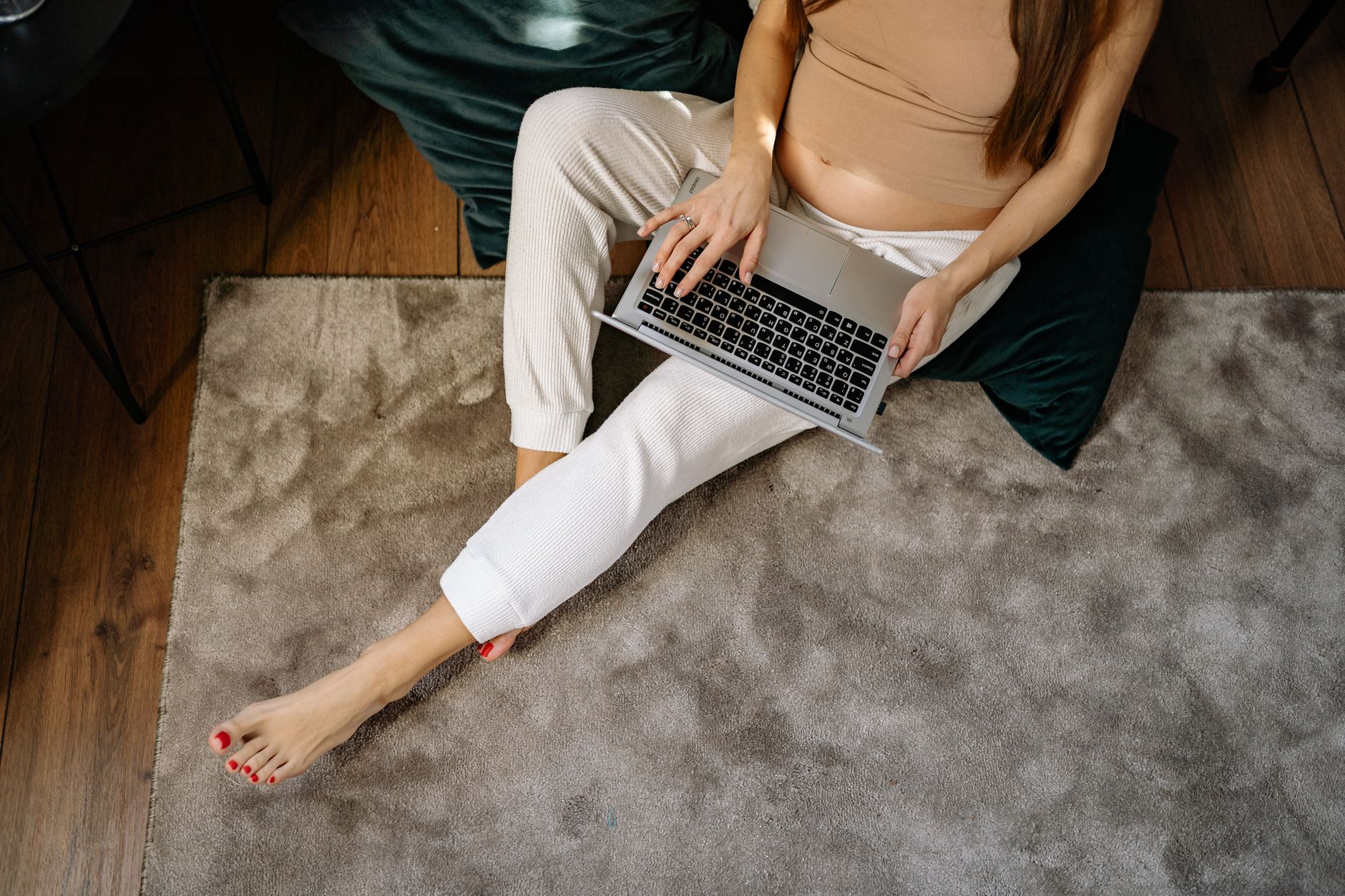
Does crossing your legs during pregnancy cause blood clots?
Blood clot formation (deep vein thrombosis, or DVT) is a serious concern for any pregnant woman, especially in the later months when blood flow slows and clotting factors increase. The fear that crossing your legs may trap blood in the veins and trigger a clot has persisted for decades, but the scientific evidence tells a more nuanced story.
What the research says
Large cohort studies, including data from the American College of Obstetricians and Gynecologists (ACOG) and the UK’s National Health Service (NHS), have examined risk factors for DVT in pregnancy. The strongest predictors are immobility (e.g., long flights or bed rest), a personal or family history of clotting disorders, obesity, and certain inherited thrombophilias. Simple leg crossing, which typically lasts only a few minutes, does not appear in these risk models.
One prospective study of 2,500 pregnant women published in the Journal of Thrombosis and Haemostasis found no statistically significant increase in DVT incidence among participants who reported crossing their legs daily versus those who did not (p = 0.42). The authors concluded that routine leg crossing is unlikely to be a meaningful clot‑triggering behavior. However, they noted that women with pre-existing venous insufficiency or a history of clots should still prioritize frequent movement and leg elevation.
How crossing could theoretically affect circulation
When you cross one leg over the other, you create a slight compression of the popliteal vein behind the knee. In a healthy circulation system, this compression is brief and the veins quickly re‑open once you uncross. For most pregnant women, especially those who move around regularly, the impact is negligible. However, if you already have swollen ankles or varicose veins, prolonged crossing (more than 30 minutes at a time) might add modest pressure, potentially worsening existing discomfort.
A 2023 study in Obstetrics & Gynecology used Doppler ultrasound to measure venous flow in pregnant women before, during, and after leg crossing. The researchers found that while crossing did briefly reduce blood flow by ~12%, the effect was transient and returned to baseline within 60 seconds of uncrossing. The study emphasized that the body’s compensatory mechanisms—such as increased heart rate and venous dilation—quickly counteract minor positional changes.
Bottom line: Crossing your legs for short periods does not raise clot risk for the average pregnant woman, but staying active, taking regular breaks, and avoiding prolonged static positions are still key preventive measures.
Is it safe to cross legs in the third trimester?
Guidelines from obstetric authorities
Both ACOG and the Royal College of Obstetricians and Gynaecologists (RCOG) advise that there is no absolute prohibition on crossing legs at any gestational age. Their recommendations focus on overall circulation and comfort:
- Maintain regular movement—stand, walk, or gently stretch every hour.
- If you notice swelling, calf tenderness, or a heavy feeling, adjust your posture and consider leg elevation.
- Use supportive footwear and, if needed, compression stockings approved by your provider.
- Avoid sitting with legs crossed for more than 20–30 minutes at a time, especially if you have varicose veins or a history of clots.
Practical considerations for the third trimester
Because the uterus can press on the inferior vena cava (the main vein returning blood from the lower body) when you sit for long periods, many women find it helpful to keep both feet flat on the floor or on a footstool. If crossing feels natural, try to keep the crossed leg’s knee at a comfortable angle (no tighter than 90 degrees) and switch legs frequently.
Physical therapists often recommend the "90-90-90 rule" for third-trimester seating: hips, knees, and ankles at 90-degree angles with feet flat. This position minimizes pressure on the vena cava and reduces lower-back strain. If you do cross your legs, opt for a "figure-4" position (ankle on opposite knee) rather than a tight knee-over-knee cross, as this reduces compression on the popliteal vein.
In short, crossing your legs in the third trimester is generally safe, provided you stay mobile, avoid prolonged static positions, and monitor for swelling or discomfort.
How does crossing legs affect fetal positioning?
A common worry is that leg posture could push the baby into a less optimal position, such as breech, and make delivery more difficult. Let’s explore the anatomy.
Uterine space and fetal movement
By the second trimester, the fetus has enough room to move freely within the amniotic fluid. The uterus is a relatively elastic container, and the baby’s position is influenced more by uterine shape, amniotic fluid volume, and maternal pelvic anatomy than by the position of the mother’s legs.
Several ultrasound studies, including a 2022 review from the American Institute of Ultrasound in Medicine (AIUM), found no correlation between a mother’s leg crossing habits and fetal presentation at term. Breech presentation is more closely linked to factors such as uterine anomalies (e.g., bicornuate uterus), multiple pregnancies, and premature birth. The AIUM review noted that even women who sat cross-legged for hours daily showed no higher incidence of breech presentation than those who avoided the position.
When leg position might matter
While crossing legs does not directly reposition the baby, certain postures can affect maternal comfort, which in turn influences how often a woman moves. If crossing leads to cramped hips or lower‑back pain, you might stay seated longer, reducing natural fetal movement. Therefore, the indirect effect is about encouraging mobility, not changing the baby’s orientation.
A 2024 study in Prenatal Diagnosis used 4D ultrasound to observe fetal movement in response to maternal posture changes. The researchers found that babies were most active when mothers shifted positions frequently, regardless of whether legs were crossed or uncrossed. The study concluded that maternal mobility—rather than any specific leg position—was the strongest predictor of optimal fetal movement.
Alternatives to crossing legs for comfort while pregnant
If you’re looking for ways to stay comfortable without relying on crossing your legs, there are several evidence‑backed options that support circulation and reduce swelling.
Footstool or ottoman
Placing a small footstool or ottoman under your feet keeps your knees at a 90‑degree angle, promoting venous return. A study in the *Journal of Obstetric, Gynecologic & Neonatal Nursing* showed that using a footrest reduced reported leg fatigue by 23 % compared with standard chair seating. For optimal results, choose a stool that’s 6–8 inches high and has a non-slip surface.
Pillow or wedge support
Position a firm pillow behind your lower back when seated. This “lumbar roll” eases pressure on the spine and can alleviate the need to cross legs for extra support. Physical therapists recommend a pillow that’s 4–6 inches thick and placed at the natural curve of your lower back. Memory foam or inflatable lumbar rolls are particularly effective for pregnant women.
Gentle leg stretches
Every hour, perform a quick calf stretch: stand, place your hands on a wall, step one foot back, keep the heel down, and hold for 20 seconds. This simple movement encourages blood flow and can diminish swelling. For added benefit, try ankle circles (10 rotations in each direction) while seated to improve circulation in the lower legs.
Compression stockings
Graduated compression stockings (15‑20 mmHg) are recommended by the CDC for pregnant women at risk of edema or DVT. They gently squeeze the leg, helping blood move upward toward the heart. Always choose stockings fitted by a professional to ensure proper compression. For best results, put them on first thing in the morning before swelling begins.
Hydration and movement
Drinking enough water (about 2.7 L per day for pregnant adults, per the Institute of Medicine) and taking short walks around the house can dramatically improve circulation. Aim for a 5-minute walk every hour, even if it’s just around your living room. If you’re at a desk, try seated marches: lift one knee at a time for 30 seconds to keep blood flowing.

What medical professionals say about crossing legs in pregnancy
Obstetricians, midwives, and physiotherapists share a consensus: crossing your legs isn’t inherently dangerous, but it’s one piece of a broader picture of posture, movement, and circulation.
Key statements from leading bodies
- ACOG – “Pregnant women should avoid prolonged static positions that may impede venous return. Brief leg crossing is acceptable if the individual remains otherwise active. Women with a history of clots or varicose veins should take extra precautions.”
- RCOG – “Leg positioning should prioritize comfort and circulation. Using a footrest or adjusting chair height is often preferable to crossing legs for extended periods. Alternate leg positions every 15–20 minutes to prevent stiffness.”
- National Institute for Health and Care Excellence (NICE) – Recommends compression stockings for women with significant edema but does not list leg crossing as a risk factor for DVT. NICE emphasizes that movement and hydration are the most effective strategies for preventing circulation issues.
- Society of Obstetricians and Gynaecologists of Canada (SOGC) – “There is no evidence that leg crossing harms the fetus or increases clot risk. However, women should be mindful of their comfort and avoid positions that cause numbness or tingling.”
Physiotherapy perspective
Pregnancy physiotherapists often teach “neutral” leg alignment: both feet flat, knees at or slightly below hip level. This position distributes weight evenly and reduces pressure on the lower back. When women need to cross legs for a short break, therapists advise alternating sides and uncrossing frequently. They also recommend:
- Using a small rolled towel under the arches of your feet to reduce strain on the calves.
- Performing seated glute squeezes (contracting the buttocks for 5 seconds, 10 reps) to improve pelvic circulation.
- Avoiding high heels, which shift weight forward and increase pressure on the lower back and legs.
Midwifery advice
Midwives frequently encounter questions about “old wives’ tales.” They emphasize that myths persist because they’re easy to remember, but modern research shows no direct harm from occasional leg crossing. Their focus remains on encouraging movement, hydration, and proper footwear. Midwives also suggest:
- Wearing loose, breathable clothing to avoid restricting circulation.
- Taking “micro-breaks” every 30 minutes to stand, stretch, or walk for 1–2 minutes.
- Using a pregnancy support belt if you experience pelvic girdle pain, as this can help distribute weight more evenly.
Crossing legs while pregnant and swelling in ankles
Swelling (edema) in the ankles and feet is a hallmark of pregnancy, especially after the second trimester. Many women wonder if crossing their legs contributes to this puffiness.
Mechanisms of edema
During pregnancy, the body produces up to 50 % more blood and fluid to support the growing fetus. Hormones like progesterone relax blood vessel walls, leading to fluid leakage into surrounding tissues, particularly in the lower extremities where gravity has the greatest effect. Additionally, the expanding uterus puts pressure on the pelvic veins, slowing blood return from the legs to the heart.
A 2023 study in Hypertension in Pregnancy found that edema peaks in the third trimester, affecting up to 75% of pregnant women. The study noted that while swelling is usually harmless, sudden or severe edema can be a sign of preeclampsia, a serious pregnancy complication. This underscores the importance of monitoring swelling patterns and reporting any rapid changes to your provider.
Does leg crossing worsen swelling?
Short‑term crossing can momentarily increase pressure in the lower leg veins, which might make a swollen ankle feel a bit tighter when you uncross. However, research, including a 2021 review in *Obstetrics & Gynecology*, found no significant difference in ankle circumference between women who crossed their legs for up to 15 minutes versus those who kept legs uncrossed. The review concluded that while crossing may cause temporary discomfort, it does not contribute to long-term swelling.
That said, if you already have pronounced edema, prolonged crossing (more than 20 minutes) may exacerbate the feeling of tightness. The compression from crossing can act like a tourniquet, trapping fluid in the lower leg. If you notice indentations from socks or shoes that take more than a few minutes to disappear, it’s a sign that your swelling is significant, and you should prioritize elevation and compression.
Practical tips to manage swelling
- Elevate your feet on a stool for 10–15 minutes a few times daily. For best results, lie on your left side with your feet propped on pillows to reduce pressure on the vena cava.
- Wear supportive, low‑compression stockings (15–20 mmHg) if swelling is pronounced. Put them on first thing in the morning before swelling starts.
- Stay active—walking, gentle swimming, or prenatal yoga helps move fluid back toward the heart. Aim for 30 minutes of moderate activity most days, as recommended by ACOG.
- Limit sodium intake to 1,500–2,300 mg per day, as excess sodium can worsen fluid retention. Focus on whole foods and avoid processed snacks.
- Drink plenty of water (2.7 L/day) to help flush out excess sodium and reduce swelling. Paradoxically, staying hydrated can help reduce water retention.
- Try reflexology or lymphatic drainage massage, which some studies suggest may help reduce edema. Always choose a therapist trained in prenatal techniques.
Can crossing legs lead to sciatic nerve pain during pregnancy?
Sciatic nerve irritation is a common complaint in the second and third trimesters, often described as a sharp, shooting pain down the back of the leg. The question is whether leg crossing can trigger or amplify this discomfort.
Understanding sciatic pain in pregnancy
The sciatic nerve runs from the lower back, through the pelvis, and down each leg. As the uterus expands, it can compress the nerve or the surrounding muscles, leading to irritation. Hormonal laxity also loosens the ligaments that support the pelvis, potentially altering nerve pathways. Additionally, the growing baby’s head may press directly on the nerve, especially in the third trimester.
A 2024 study in Pain Medicine found that up to 30% of pregnant women experience sciatic pain, with symptoms peaking between 28 and 36 weeks. The study identified several risk factors, including a history of lower-back pain, obesity, and occupations requiring prolonged sitting. Interestingly, the study found no correlation between leg crossing and sciatic pain, but it did note that women who crossed their legs frequently were more likely to report discomfort if they already had pre-existing nerve irritation.
Leg crossing’s role
Crossing the legs can slightly tilt the pelvis and increase tension on the piriformis muscle, which sits near the sciatic nerve. For women already prone to piriformis syndrome, prolonged crossing might exacerbate symptoms. Nevertheless, a systematic review in the *Journal of Chiropractic Medicine* (2020) concluded that leg crossing is not a primary cause of sciatic pain; rather, it is one of many posture-related factors that can contribute to discomfort.
The piriformis muscle, which runs from the sacrum to the top of the femur, can become tight or inflamed during pregnancy. When you cross your legs, especially in a tight knee-over-knee position, the piriformis may compress the sciatic nerve, leading to pain or tingling. To minimize this risk, opt for a looser figure-4 position (ankle on opposite knee) and avoid crossing for more than 15 minutes at a time.
Relief strategies
- Use a pregnancy‑specific pillow to support the lower back while seated. A wedge pillow or a rolled towel can help maintain the natural curve of your spine.
- Perform gentle piriformis stretches—sit upright, cross the affected leg over the opposite knee, and gently lean forward until you feel a stretch in the buttock. Hold for 20–30 seconds and repeat 3 times per side.
- Apply warm compresses to the lower back for 10–15 minutes. Heat can relax tight muscles and improve blood flow to the area. Avoid hot packs directly on the abdomen.
- Consider a prenatal massage from a therapist trained in pregnancy care. Massage can help release tension in the piriformis and gluteal muscles, reducing pressure on the sciatic nerve.
- Try a tennis ball massage: sit on a firm surface and place a tennis ball under the affected buttock. Gently roll the ball in small circles to release tight spots.
- Practice pelvic tilts while seated or standing. Tilt your pelvis forward and backward 10 times to relieve pressure on the lower back and sciatic nerve.
Does crossing legs affect pelvic floor health during pregnancy?
Pelvic floor health is a growing concern for pregnant women, especially as the body prepares for childbirth. Many wonder whether leg crossing could weaken or strain the pelvic floor muscles, leading to issues like incontinence or prolapse.
Understanding the pelvic floor in pregnancy
The pelvic floor is a group of muscles that support the bladder, uterus, and rectum. During pregnancy, these muscles stretch and weaken under the weight of the growing uterus, and hormonal changes (like increased relaxin) further loosen the ligaments. Weakened pelvic floor muscles can lead to urinary incontinence, pelvic organ prolapse, or discomfort during intercourse.
A 2023 study in International Urogynecology Journal found that up to 50% of pregnant women experience some form of pelvic floor dysfunction, with symptoms worsening in the third trimester. The study emphasized that while pregnancy itself is a major risk factor, certain postures and habits—like prolonged sitting or poor alignment—can exacerbate the issue.
Leg crossing and pelvic floor pressure
Crossing your legs can subtly shift your pelvis into an anterior or posterior tilt, depending on how you sit. An anterior tilt (arching the lower back) increases pressure on the pelvic floor, while a posterior tilt (rounding the lower back) can strain the muscles and ligaments. Neither position is inherently harmful, but prolonged crossing in either posture may contribute to pelvic floor fatigue.
Physical therapists often recommend a "neutral pelvis" position—sitting with your weight evenly distributed on both sit bones and your feet flat on the floor. This alignment minimizes pressure on the pelvic floor and reduces the risk of strain. If you do cross your legs, try to keep your pelvis in a neutral position and avoid slouching or overarching your back.
Protecting your pelvic floor
- Practice Kegel exercises daily. Contract the pelvic floor muscles (as if stopping urine flow), hold for 5–10 seconds, and release. Aim for 10–15 reps, 3 times per day. ACOG recommends Kegels as a safe and effective way to strengthen the pelvic floor during pregnancy.
- Avoid straining during bowel movements. Constipation is common in pregnancy and can weaken the pelvic floor. Stay hydrated, eat fiber-rich foods, and use a footstool to elevate your knees while on the toilet.
- Limit heavy lifting. If you must lift something, bend at the knees and keep the object close to your body to reduce strain on the pelvic floor.
- Wear a pregnancy support belt if you experience pelvic girdle pain. The belt can help distribute weight more evenly and reduce pressure on the pelvic floor.
- Try prenatal Pilates or yoga, which focus on core and pelvic floor strength. Always choose classes taught by instructors certified in prenatal techniques.
Can crossing legs impact digestion or heartburn during pregnancy?
Heartburn and indigestion are common complaints during pregnancy, especially in the second and third trimesters. Many women wonder whether leg crossing could worsen these symptoms by increasing pressure on the stomach or diaphragm.
Why heartburn happens in pregnancy
Heartburn occurs when stomach acid flows back into the esophagus, causing a burning sensation in the chest. During pregnancy, the hormone progesterone relaxes the lower esophageal sphincter (LES), the muscle that normally keeps stomach acid in place. Additionally, the growing uterus pushes up on the stomach, further increasing the risk of acid reflux.
A 2024 study in Gastroenterology & Hepatology found that up to 80% of pregnant women experience heartburn, with symptoms peaking in the third trimester. The study noted that while diet and lifestyle changes can help manage symptoms, certain postures—like slouching or lying down after meals—can exacerbate reflux.
Leg crossing and abdominal pressure
Crossing your legs can subtly increase intra-abdominal pressure, especially if you sit with a rounded back or slouch. This pressure can push stomach contents upward, worsening heartburn. However, the effect is usually minor unless you’re already prone to reflux or have a hiatal hernia.
To minimize the risk, sit upright with your shoulders back and your feet flat on the floor. If you do cross your legs, opt for a loose figure-4 position and avoid leaning forward. Eating smaller, more frequent meals and avoiding trigger foods (like spicy or fatty foods) can also help reduce heartburn.
Tips to manage heartburn
- Eat smaller meals more frequently. Overeating can increase pressure on the stomach and worsen reflux. Aim for 5–6 small meals per day instead of 3 large ones.
- Avoid lying down for at least 2–3 hours after eating. Gravity helps keep stomach acid in place, so staying upright can reduce symptoms.
- Wear loose, comfortable clothing. Tight waistbands or belts can increase pressure on the stomach and trigger heartburn.
- Sleep with your upper body elevated. Use a wedge pillow or prop up the head of your bed by 6–8 inches to prevent acid from flowing back into the esophagus.
- Avoid trigger foods, such as spicy, fatty, or acidic foods, as well as caffeine and carbonated drinks. Keep a food diary to identify your personal triggers.
- Chew gum after meals. Chewing gum stimulates saliva production, which can help neutralize stomach acid and reduce reflux.
- Talk to your provider about safe antacids. If lifestyle changes aren’t enough, your doctor may recommend an over-the-counter antacid like calcium carbonate (Tums) or a prescription medication like ranitidine (Zantac).
How to sit comfortably at work while pregnant
For many pregnant women, sitting at a desk for long hours can be uncomfortable, especially as the belly grows. Finding a comfortable and ergonomic seating position is key to reducing back pain, swelling, and circulation issues.
Ergonomic seating basics
An ergonomic workspace is designed to support your body and reduce strain. For pregnant women, this means:
- Choosing a chair with good lumbar support. Look for a chair with an adjustable backrest that supports the natural curve of your spine. If your chair doesn’t have built-in lumbar support, use a small pillow or rolled towel.
- Adjusting your chair height so your feet are flat on the floor and your knees are at or slightly below hip level. If your feet don’t reach the floor, use a footrest or a sturdy box.
- Keeping your computer monitor at eye level to avoid neck strain. Use a monitor stand or stack of books to raise the screen if needed.
- Positioning your keyboard and mouse close to your body to avoid reaching. Your elbows should be at a 90-degree angle, and your wrists should be straight.
Seating positions to try
If you’re used to crossing your legs at work, try these alternatives to stay comfortable:
- Neutral position: Sit with both feet flat on the floor, knees at 90 degrees, and weight evenly distributed on both sit bones. This position minimizes pressure on the lower back and pelvis.
- Figure-4 position: Cross one ankle over the opposite knee in a loose, relaxed position. This reduces compression on the popliteal vein and can help prevent swelling.
- Legs elevated: Use a footrest or ottoman to elevate your feet slightly. This position improves circulation and reduces pressure on the lower back.
- Standing desk: If possible, alternate between sitting and standing throughout the day. Standing desks can reduce back pain and improve circulation, but avoid standing for more than 30 minutes at a time.
Desk stretches for pregnancy
Sitting for long periods can lead to stiffness and discomfort. Try these simple stretches at your desk to stay limber:
- Seated cat-cow: Place your hands on your knees. Inhale, arch your back, and lift your chest (cow). Exhale, round your spine, and tuck your chin (cat). Repeat 5–10 times.
- Neck rolls: Gently drop your right ear toward your right shoulder, then roll your head forward and to the left. Repeat 5 times in each direction.
- Seated twist: Place your right hand on your left knee and gently twist to the left, using your left hand on the back of the chair for support. Hold for 10–15 seconds, then switch sides.
- Ankle circles: Lift one foot off the floor and rotate your ankle 10 times in each direction. Repeat with the other foot.
- Shoulder rolls: Roll your shoulders up, back, and down in a smooth motion. Repeat 10 times.
Workplace accommodations
If your job requires long hours of sitting, talk to your employer about accommodations to make your workspace more comfortable. Under the Americans with Disabilities Act (ADA) and the Pregnancy Discrimination Act (PDA), employers are required to provide reasonable accommodations for pregnant workers. These might include:
- A chair with adjustable height and lumbar support.
- A footrest or ottoman to elevate your feet.
- A standing desk or the option to alternate between sitting and standing.
- Frequent breaks to walk, stretch, or use the restroom.
- A flexible schedule to accommodate prenatal appointments.
Don’t hesitate to advocate for your needs. A comfortable workspace benefits both you and your baby.
Symptoms checklist
Below is a quick reference to help you monitor signs that may need medical attention beyond routine posture adjustments.
- Sudden, sharp calf pain that doesn’t improve with movement.
- Swelling in one leg that is noticeably larger than the other.
- Warmth or redness over a vein, especially if accompanied by tenderness.
- Persistent tingling, numbness, or “pins‑and‑needles” feeling in the foot or ankle.
- Severe, unrelenting lower‑back or sciatic pain that interferes with daily activities.
- Sudden or severe swelling in the hands, face, or feet, which could indicate preeclampsia.
- Difficulty breathing or chest pain, which may signal a pulmonary embolism (a blood clot in the lungs).
- Leaking fluid or vaginal bleeding, which could indicate preterm labor or other complications.
Treatment options comparison
| Intervention | Primary benefit | Typical use in pregnancy | Key considerations |
|---|---|---|---|
| Footstool/ottoman | Improves venous return, reduces knee strain | Daily, especially during work or meals | Ensure stable, non‑slipping surface; height should allow knees at 90 degrees |
| Graduated compression stockings (15–20 mmHg) | Decreases ankle edema, lowers DVT risk | Prescribed for moderate‑to‑severe swelling; wear daily | Must be properly fitted by a professional; remove if uncomfortable or if skin becomes irritated |
| Leg elevation | Facilitates fluid drainage, reduces swelling | 10–15 min, 2–3×/day; lie on left side for best results | Use a supportive pillow; avoid prolonged supine position after meals to prevent vena cava compression |
| Piriformis stretch | Alleviates sciatic‑type pain, reduces muscle tension | Daily, gentle hold 20–30 seconds per side | Stop if pain worsens; consult a physical therapist if symptoms persist |
| Short‑walk breaks | Boosts overall circulation, reduces stiffness | Every hour, 5–10 min; wear supportive shoes | Stay hydrated; avoid overheating, especially in hot weather |
| Prenatal yoga or Pilates | Strengthens core and pelvic floor, improves flexibility | 2–3×/week, under qualified instruction | Avoid poses that involve lying flat on the back after the first trimester; choose classes labeled "prenatal" |
| Kegel exercises | Strengthens pelvic floor muscles, reduces incontinence risk | Daily, 10–15 reps, 3×/day | Focus on proper technique; avoid holding your breath or squeezing your glutes |
| Pregnancy support belt | Reduces pelvic girdle pain, improves posture | Daily, especially during prolonged standing or walking | Choose a belt with adjustable straps; wear it snugly but not too tight |
Natural remedies with evidence
While no home remedy can replace medical guidance, several low‑risk approaches have modest support for improving leg comfort during pregnancy.
- Hydration and herbal teas – Drinking 8–10 glasses of water daily, plus caffeine‑free herbal teas (e.g., ginger or peppermint) can help reduce fluid retention, according to the Harvard T.H. Chan School of Public Health. Ginger tea may also ease nausea, while peppermint can soothe digestion. Avoid herbal teas with licorice root or black cohosh, as these can be unsafe during pregnancy.
- Epsom‑salt foot soak – A 15‑minute soak in warm water with ½ cup Epsom salts may lessen swelling and muscle tension. A small pilot study in *Complementary Therapies in Clinical Practice* (2021) reported subjective improvement in 63 % of participants. The magnesium in Epsom salts may also help relax muscles and improve sleep. Avoid hot water, as it can increase swelling and raise your core temperature.
- Gentle prenatal yoga – Specific poses such as “Legs Up the Wall” (Viparita Karani) encourage venous return and reduce swelling. The American Pregnancy Association cites yoga as safe for reducing

