

Quick take: Losing weight with Crohn's disease requires a **gentle, nutrient-dense approach** that prioritizes foods your gut can tolerate while supporting healing and energy. Focus on **low-FODMAP, anti-inflammatory meals** in small, frequent portions; pair with **gentle movement** and **supplements** like vitamin D and probiotics. Avoid crash diets or restrictive plans — your goal is sustainable healing, not rapid weight loss. Always work with your gastroenterologist or dietitian to tailor calories, medications, and triggers to your unique needs.Crohn's Diet for Weight Loss: The Complete 2026 Guide
It was 3 AM when I realized I’d been staring at my grocery list for 20 minutes. The words "low-FODMAP" and "anti-inflammatory" blurred together, but the real panic was this: How do I lose weight without triggering a flare? I’d gained 12 pounds in the last three months, my jeans felt like lead, and every meal left me bloated or exhausted. I’d tried cutting carbs, then cutting fats, then "just eating less"—none of it worked. Then I read the words no one had told me before: Crohn's disease and weight loss are a two-edged sword. You can't just "diet" like everyone else.
Weight loss with Crohn's isn't about calories in, calories out—it's about **finding foods that fuel you without fighting your gut**. Many women with Crohn's struggle with chronic inflammation, nutrient deficiencies, and food intolerances that make traditional weight-loss diets backfire. The right approach is **gentle, flexible, and science-backed**—and it starts with understanding how your disease interacts with your metabolism.
This guide covers everything you need to know: **what to eat, how to meal prep, which supplements help, and how to avoid common mistakes**. We’ll break down the best foods, a week-by-week plan, and how to navigate medications that might affect your weight. By the end, you’ll have a **personalized roadmap**—not a one-size-fits-all diet.
Important note: Crohn's disease is complex, and weight loss should never be your sole focus. Your priority is **healing your gut and managing symptoms**. If you’re losing weight unintentionally or struggling with malnutrition, seek help from a gastroenterologist and registered dietitian specializing in IBD. The goal here is **sustainable, healthy weight management**—not rapid results.
--- ## Understanding Crohn's Disease and Weight Loss: Why It's DifferentIf you’ve ever tried to lose weight with Crohn's, you’ve likely hit a wall. Unlike general weight loss, where a calorie deficit is the name of the game, Crohn's complicates things because:
- Inflammation disrupts digestion, making it harder to absorb nutrients even when you eat enough.
- Food intolerances (like gluten or dairy) can trigger flare-ups, and flare-ups slow metabolism.
- Medications (like steroids or immunosuppressants) can cause weight gain or muscle loss.
- Malabsorption leads to deficiencies (like vitamin B12 or iron), which hijack your metabolism.
Many women with Crohn's tell us they’ve been told to "just eat more" to gain weight—but that’s not weight loss-friendly. The truth is, **you can lose weight on a Crohn's diet—if you do it the right way**. The key is **prioritizing healing foods that won’t trigger symptoms** while creating a slight calorie deficit without starving yourself.
Representative story: "I lost 8 pounds in a month without feeling deprived—until I realized I was eating only rice and chicken. My energy crashed, and I got constipated. That’s when I learned: **weight loss with Crohn's is about balance, not restriction.**" —Sarah, 34
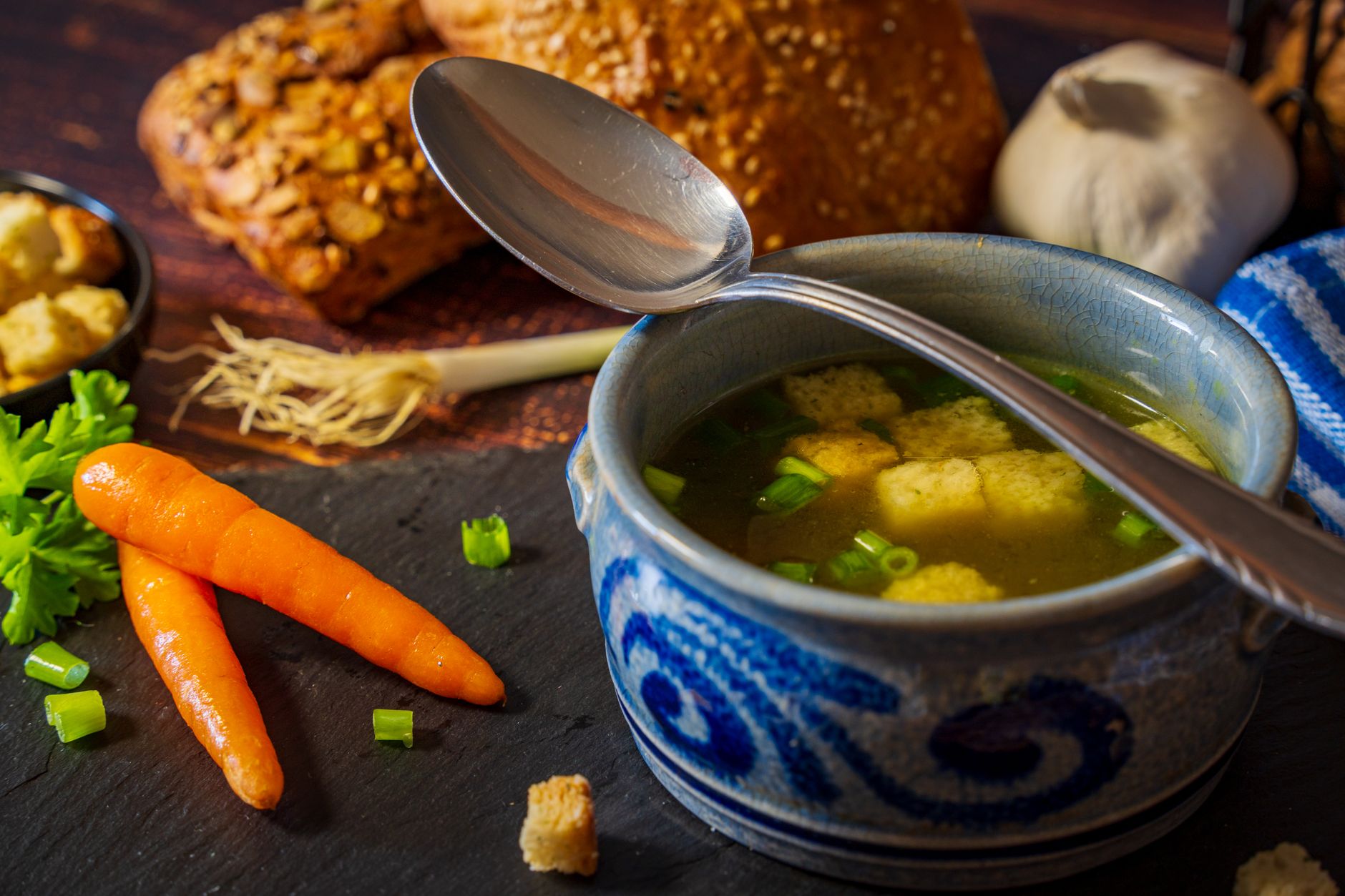
Not all foods are created equal when you have Crohn's. The best foods for weight loss are those that:
- Are **easy to digest** (low in fiber, fat, and FODMAPs during flares).
- Provide **high nutritional density** (vitamins, minerals, protein) to support healing.
- Are **anti-inflammatory** to reduce gut irritation.
- Help **maintain steady energy** (avoid blood sugar crashes).
Here’s your cheat sheet:
| Food Category | Best Choices | Avoid During Flares | Why? |
|---|---|---|---|
| Proteins | Eggs, skinless chicken, turkey, lean beef, white fish (cod, tilapia), tofu, Greek yogurt (if tolerated) | Processed meats, fried foods, high-fat cuts of meat | Protein supports muscle and metabolism; lean options are gentler on digestion. |
| Carbohydrates | White rice, quinoa, oatmeal (cooked), gluten-free pasta, sweet potatoes (cooked), bananas (ripe) | Whole grains, raw veggies, high-FODMAP fruits (apples, pears, cherries) | Cooked carbs are easier to digest; fiber can trigger bloating. |
| Fats | Olive oil, avocado oil, nuts (in moderation), seeds (pumpkin, sunflower), fatty fish (salmon, sardines) | Fried foods, butter, coconut oil, high-fat dairy | Healthy fats support gut lining; fried foods slow digestion. |
| Veggies | Steamed carrots, zucchini, spinach, cucumber, cooked eggplant | Raw cruciferous veggies (broccoli, cabbage), onions, garlic | Cooked veggies are gentler; raw ones can cause gas/bloating. |
| Fruits | Bananas, blueberries, cantaloupe, watermelon, cooked apples | Citrus, pineapple, dried fruit, high-FODMAP fruits | Low-FODMAP fruits are easier to digest; dried fruit is high in sugar. |
Pro tip: If you’re unsure what triggers your flare-ups, keep a **food diary** (apps like Cronometer or MyFitnessPal work) to track symptoms. Many women with Crohn's find that **gluten, dairy, and high-FODMAP foods** are culprits—even if they tolerate them in small amounts.
Bonus: If you’re curious about other low-FODMAP diets, check out our AIP Elimination Diet for Weight Loss guide—it shares principles that overlap with Crohn's management.
--- ## Crohn's Diet Plan for Weight Loss: Week by Week (Sample Meal Plan)Ready for a **realistic, week-by-week plan**? Below is a **gentle, nutrient-dense** approach that avoids common pitfalls (like eating only bland foods). Adjust portions based on your activity level and how your body responds.
Key rules:
- Eat **smaller, more frequent meals** (5–6 per day) to avoid blood sugar crashes.
- Prioritize **protein at every meal** to support muscle and metabolism.
- Stay hydrated—**dehydration worsens constipation and bloating**.
- If you’re in a flare, **focus on the "easiest to digest" list** above.
| Day | Breakfast | Snack | Lunch | Snack | Dinner |
|---|---|---|---|---|---|
| Monday | Scrambled eggs with spinach + white toast | Greek yogurt (low-fat) + blueberries | Grilled chicken + quinoa + steamed carrots | Hard-boiled egg + cucumber slices | Baked salmon + mashed sweet potato + sautéed zucchini |
| Tuesday | Oatmeal with almond butter + banana | Turkey slices + gluten-free crackers | Quinoa salad (white rice, cooked chicken, olive oil, spinach) | Cottage cheese + pineapple (cooked) | Lean beef stir-fry (with bell peppers, cooked) + white rice |
| Wednesday | Smoothie (spinach, banana, Greek yogurt, almond milk) | Rice cakes + avocado | Grilled turkey + roasted sweet potatoes + steamed green beans | Tuna salad (with olive oil mayo) on gluten-free bread | Baked cod + quinoa + sautéed carrots |
| Thursday | Greek yogurt + chia seeds + honey | Hard cheese cubes + apple slices (cooked) | Chicken + white rice + steamed spinach | Hummus (low-FODMAP) + cucumber sticks | Grilled chicken + mashed potatoes + roasted zucchini |
| Friday | Avocado toast (gluten-free bread) + poached eggs | Protein shake (almond milk, banana, protein powder) | Salmon + quinoa + steamed asparagus | Rice cakes + almond butter | Turkey meatballs + white rice + sautéed carrots |
| Saturday | Scrambled tofu + white toast | Greek yogurt + blueberries | Grilled chicken + sweet potato + steamed spinach | Hard-boiled eggs + cucumber | Baked cod + quinoa + roasted zucchini |
| Sunday | Oatmeal + almond butter + banana | Turkey slices + gluten-free crackers | Quinoa bowl (white rice, grilled chicken, olive oil, steamed veggies) | Cottage cheese + cooked apple | Lean beef + mashed sweet potato + sautéed carrots |
Pro tip: If you’re meal prepping, **cook grains and proteins in bulk** (like quinoa, chicken, and rice) to save time. Store in portioned containers for easy assembly. Our Atkins Diet Breakfast Ideas guide has more tips on quick, nutrient-packed meals.

Weight loss with Crohn's isn’t about deprivation—it’s about **smart nutrition, gut healing, and metabolic balance**. Here’s how to do it right:
1. Focus on Macronutrient Balance (Not Just Calories)
Many women with Crohn's make the mistake of cutting carbs or fats too aggressively, which can backfire. Instead:
- Protein: 20–30% of calories (supports muscle and metabolism).
- Healthy fats: 25–35% of calories (supports gut lining and satiety).
- Carbs: 40–50% of calories (focus on low-FODMAP, cooked carbs).
- 150g protein (chicken, eggs, Greek yogurt)
- 50g healthy fats (olive oil, avocado, nuts)
- 180g carbs (quinoa, rice, bananas)
2. Prioritize Low-FODMAP and Anti-Inflammatory Foods
If you’re in a flare, **low-FODMAP is your best friend**. The Monash University FODMAP app is a great tool to identify triggers. Anti-inflammatory foods (like fatty fish, turmeric, and leafy greens) can also help reduce gut irritation.
3. Supplement Smartly (With Your Doctor’s Approval)
Many women with Crohn's are deficient in **vitamin D, B12, iron, and magnesium**. Supplements can help, but **don’t start without checking with your doctor**. Common ones include:
- Vitamin D3 + K2 (supports immunity and bone health)
- Probiotics (Lactobacillus, Bifidobacterium) (supports gut microbiome)
- Omega-3s (EPA/DHA) (reduces inflammation)
- Iron (if deficient) (only if prescribed)
Myth: "I can just take a multivitamin and be fine." Fact: Crohn's patients often need **higher doses of specific nutrients** (like vitamin D or B12) to compensate for malabsorption. Always get bloodwork first.
--- ## Crohn's Diet Low FODMAP Weight Loss: The Evidence-Based GuideIf you’ve tried a low-FODMAP diet before, you might think it’s too restrictive. But for weight loss with Crohn's, it can be **a game-changer**—if done right. Here’s why:
- Reduces bloating and gas, which can make you feel fuller faster.
- Eliminates trigger foods (like onions, garlic, and high-FODMAP fruits) that worsen inflammation.
- Helps identify personal triggers (many women find they tolerate certain high-FODMAP foods in small amounts).
How to do it without feeling deprived:
- Use the Monash FODMAP app to track foods.
- Focus on **low-FODMAP versions of your favorite meals** (e.g., gluten-free pasta, lactose-free dairy).
- Reintroduce high-FODMAP foods **one at a time** (with a dietitian’s help) to see if they trigger symptoms.
Example swap:
- Instead of apples (high-FODMAP), try bananas or blueberries.
- Instead of onions (high-FODMAP), use green bell peppers (low-FODMAP).
- Instead of milk (high-FODMAP), use lactose-free yogurt.
Supplements can be a **powerful tool** for weight loss with Crohn's—if you choose the right ones. Here’s what the research says:
| Supplement | Typical Dose | Best Time to Take | Food Sources | Known Interactions |
|---|---|---|---|---|
| Vitamin D3 + K2 | 1,000–5,000 IU D3 + 100–200 mcg K2 | With a fatty meal (enhances absorption) | Fatty fish, egg yolks, fortified dairy | Steroids (may increase calcium levels) |
| Omega-3s (EPA/DHA) | 1,000–2,000 mg combined | With meals (reduces nausea) | Wild salmon, sardines, flaxseeds | Blood thinners (may increase bleeding risk) |
| Probiotics (Lactobacillus, Bifidobacterium) | 10–20 billion CFU | With meals (improves survival) | Yogurt (if tolerated), kimchi, sauerkraut | Immunosuppressants (may reduce effectiveness) |
| Magnesium | 200–400 mg | Before bed (supports relaxation) | Spinach, almonds, dark chocolate | Antibiotics (may reduce absorption) |
| Zinc | 15–30 mg | With meals | Oysters, beef, pumpkin seeds | Antacids (may reduce absorption) |
Pro tip: If you’re taking **immunosuppressants (like azathioprine or methotrexate)**, some supplements (like probiotics) may interfere. Always check with your doctor before starting anything new.
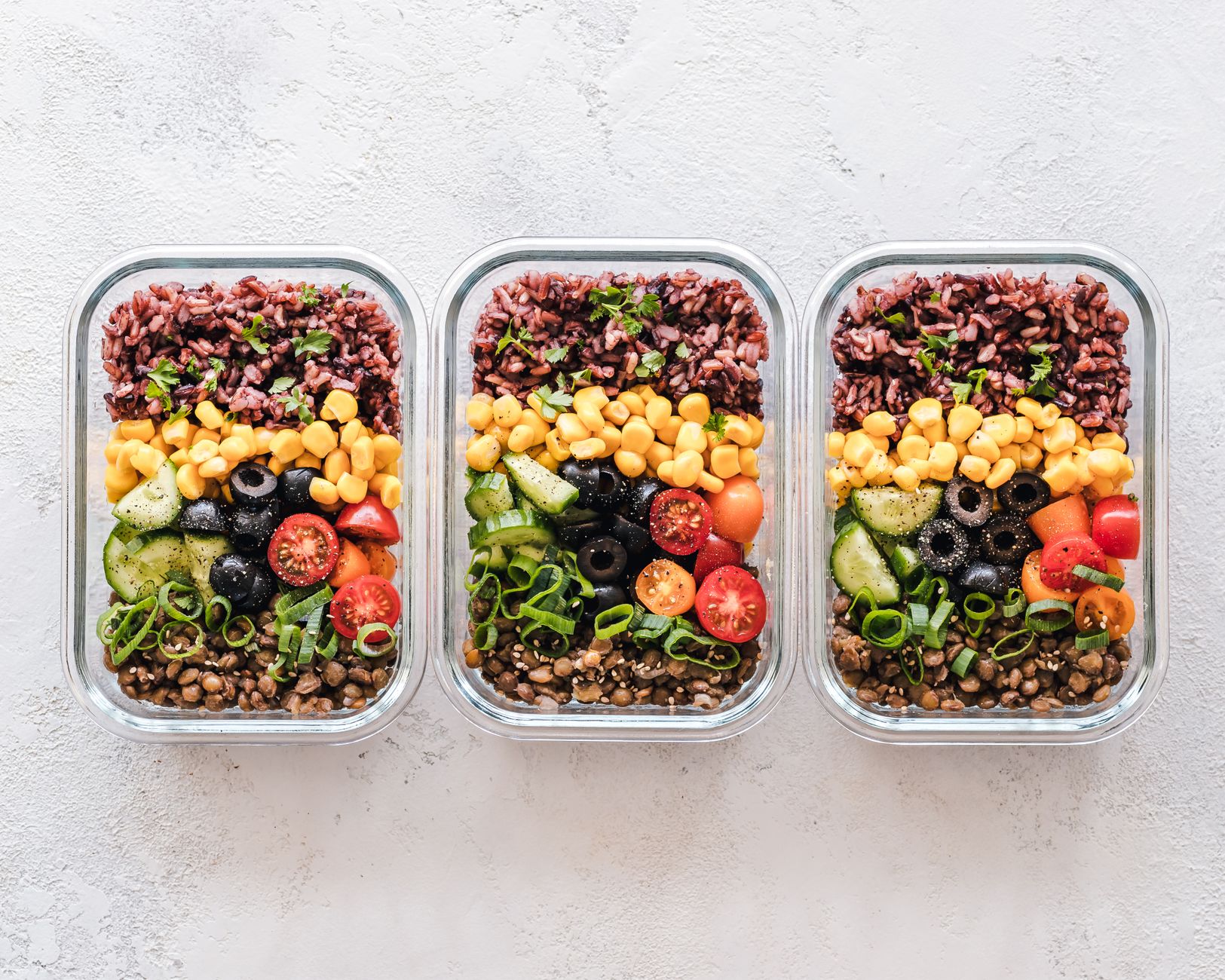
--- ## Crohn's Diet Weight Loss Meal Prep: Save Time Without Sacrificing NutritionMeal prepping with Crohn's can feel overwhelming—but it’s **one of the best ways to stay on track**. Here’s how to do it right:
1. Batch-Cook Grains and Proteins
- Cook **1–2 cups of quinoa, white rice, or gluten-free pasta** at the start of the week.
- Grill or bake **chicken, turkey, or fish** in bulk and store in portions.
- Roast **veggies (zucchini, carrots, sweet potatoes)** with olive oil and herbs.
2. Pre-Portion Snacks
- Hard-boiled eggs, cheese cubes, and rice cakes go a long way.
- Portion out nuts or seeds (like almonds or sunflower seeds) in small bags.
- Make **overnight oats** (gluten-free oats + almond milk + chia seeds) for grab-and-go breakfasts.
3. Use Freezer-Friendly Meals
- Freeze **soups, stews, or casseroles** in portions.
- Portion out **cooked meats or veggies** and freeze for quick meals.
Example meal prep day:
- Sunday: Cook grains, grill chicken, roast veggies, make soup.
- Monday–Thursday: Assemble meals from prepped ingredients.
- Friday: Freeze leftovers or prep for the next week.
Many women with Crohn's make weight-loss mistakes that **worsen symptoms** or slow progress. Here’s what to avoid:
1. Cutting Out All Carbs (Especially During Flares)
Mistake: "I’m on a low-carb diet to lose weight, so I avoid rice and potatoes." Reality: Carbs are **essential for energy**, especially when you’re healing. Instead of cutting them out, **choose low-FODMAP, cooked carbs** (like white rice or sweet potatoes).
2. Ignoring Hydration
Mistake: "I’m too busy to drink water." Reality: Dehydration **worsens constipation and bloating**, making weight loss harder. Aim for **at least 8 cups of water daily** (more if you’re active).
3. Skipping Protein
Mistake: "I’m trying to lose weight, so I eat less meat." Reality: Protein **supports muscle and metabolism**. If you’re losing weight unintentionally, you need **more protein, not less**.
4. Not Tracking Symptoms
Mistake: "I’m eating the same foods, so why am I still bloated?" Reality: Food triggers change over time. Keep a **food diary** to spot patterns.
5. Comparing Yourself to Others
Mistake: "She lost 10 pounds in a month—why can’t I?" Reality: Crohn's is unique to each person. **Focus on your progress, not others’.**
--- ## Crohn's Diet Weight Loss vs. Weight Gain: How to Tell What’s WorkingWith Crohn's, weight loss isn’t always a good thing—**unintentional weight loss** (especially with fatigue or malnutrition) is a red flag. Here’s how to tell the difference:
| Intentional Weight Loss (Good) | Unintentional Weight Loss (Bad) |
|---|---|
| You’re eating enough calories (1,600–2,200, depending on activity) | You’re losing weight despite eating "enough" |
| Your energy levels are stable | You’re constantly fatigued or dizzy |
| Your bowels are regular (no diarrhea or constipation) | You have frequent diarrhea or constipation |
| You’re not skipping meals | You’re eating less than usual due to nausea or pain |
| Your doctor approves your plan | You’ve lost more than 5% of your body weight in a month |
If you’re losing weight unintentionally:
- See your gastroenterologist to rule out **malabsorption or flare-ups**.
- Get a **nutritional workup** (blood tests for deficiencies).
- Consider **enteral nutrition** (a liquid diet) if oral intake isn’t enough.
Some women experience **unexpected side effects** when trying to lose weight with Crohn's. Common ones include:
- Constipation (from low-fiber diets or dehydration). Fix: Drink more water and try **psyllium husk** (if approved by your doctor).
- Fatigue (from low-calorie intake or iron deficiency). Fix: Increase calories slightly and check your iron levels.
- Bloating (from reintroducing high-FODMAP foods). Fix: Reintroduce foods **one at a time** and track symptoms.
- Muscle loss (from not enough protein). Fix: Prioritize **lean proteins** at every meal.
- Hormonal imbalances (from low body fat). Fix: If you’re losing too much weight, **stop and reassess** with your doctor.
If you experience severe side effects (like persistent vomiting, weight loss >5% in a month, or extreme fatigue), see your doctor immediately.
--- ## Crohn's Diet Weight Loss Success Stories: Real Women, Real ResultsHearing from others who’ve navigated this journey can be **incredibly validating**. Here’s what some women with Crohn's have shared:
- Sarah, 34: "I lost 8 pounds in a month by focusing on **small, frequent meals** and **low-FODMAP foods**. The key was **not skipping protein**—I ate eggs, chicken, and Greek yogurt at every meal."
- Emily, 28: "I thought I had to avoid all carbs, but **cooked white rice and bananas** helped me lose weight without feeling deprived. I also **tracked my symptoms** to avoid triggers."
- Jennifer, 42: "I was losing weight unintentionally until I realized I was **not eating enough calories**. My dietitian helped me increase portions of **nutrient-dense foods** (like salmon and quinoa) and I stabilized my weight."
Key takeaway: **There’s no one-size-fits-all plan**. What works for Sarah might not work for Emily—but the **principles of gentle nutrition, symptom tracking, and professional guidance** apply to all.
--- ## Crohn's Diet Weight Loss and Medication: How They InteractIf you’re on **Crohn's medications**, they can **affect weight loss**—sometimes helping, sometimes hindering. Here’s what to know:
1. Steroids (Prednisone, etc.)
- Can cause **weight gain** (especially belly fat).
- May increase **appetite**, making it harder to maintain a deficit.
- **Solution:** Focus on **protein and fiber** to offset muscle loss, and **limit sugar/salt** to reduce bloating.
2. Immunosuppressants (Azathioprine, Methotrexate)
- Can cause **nausea or mouth sores**, reducing appetite.
- May increase **risk of infections**, which can slow metabolism.
- **Solution:** Eat **small, nutrient-dense meals** and **supplement with probiotics** (if approved).
3. Biologics (Humira, Remicade, etc.)
- Generally **don’t affect weight** directly.
- May reduce **inflammation**, helping you **lose weight more easily** if you were previously in a flare.
- **Solution:** Pair with **anti-inflammatory foods** (like salmon and turmeric) to maximize benefits.
4. Antibiotics
- Can disrupt **gut bacteria**, leading to **bloating or diarrhea**.
- May reduce **appetite** due to side effects.
- **Solution:** Eat **probiotic-rich foods** (like yogurt or kefir) and **hydrate well** to support gut health.
Always check with your doctor before making changes** to your diet or supplements while on medication.
--- ## Crohn's Diet Weight Loss: When to See a Doctor or SpecialistWhile this guide provides a **strong foundation**, some situations require **medical attention**. See your doctor if:
- You’re losing **more than 5% of your body weight in a month** without trying.
- You experience **persistent diarrhea, vomiting, or extreme fatigue**.
- You have **signs of malnutrition** (dizziness, hair loss, brittle nails).
- Your **bowel movements change suddenly** (more than 4–6 per day or very loose).
- You’re **constipated for more than 3 days** despite drinking water.
- You have **severe abdominal pain or bleeding**.
Who to see:
- Gastroenterologist (for flare-ups or malabsorption)
- Registered dietitian (IBD-specialized) (for personalized meal plans)
- Endocrinologist (if you have hormonal imbalances from weight loss)
Let’s clear up some common misconceptions:
Myth: "I can just eat less to lose weight like everyone else."
Fact: Crohn's disrupts digestion and nutrient absorption, so **restrictive diets often backfire**. Focus on **nutrient-dense, gut-friendly foods** instead.
Myth: "Low-FODMAP diets are too restrictive for long-term weight loss."
Fact: Many women with Crohn's **reintroduce high-FODMAP foods later** after healing. The goal is **temporary elimination**, not a permanent restriction.


