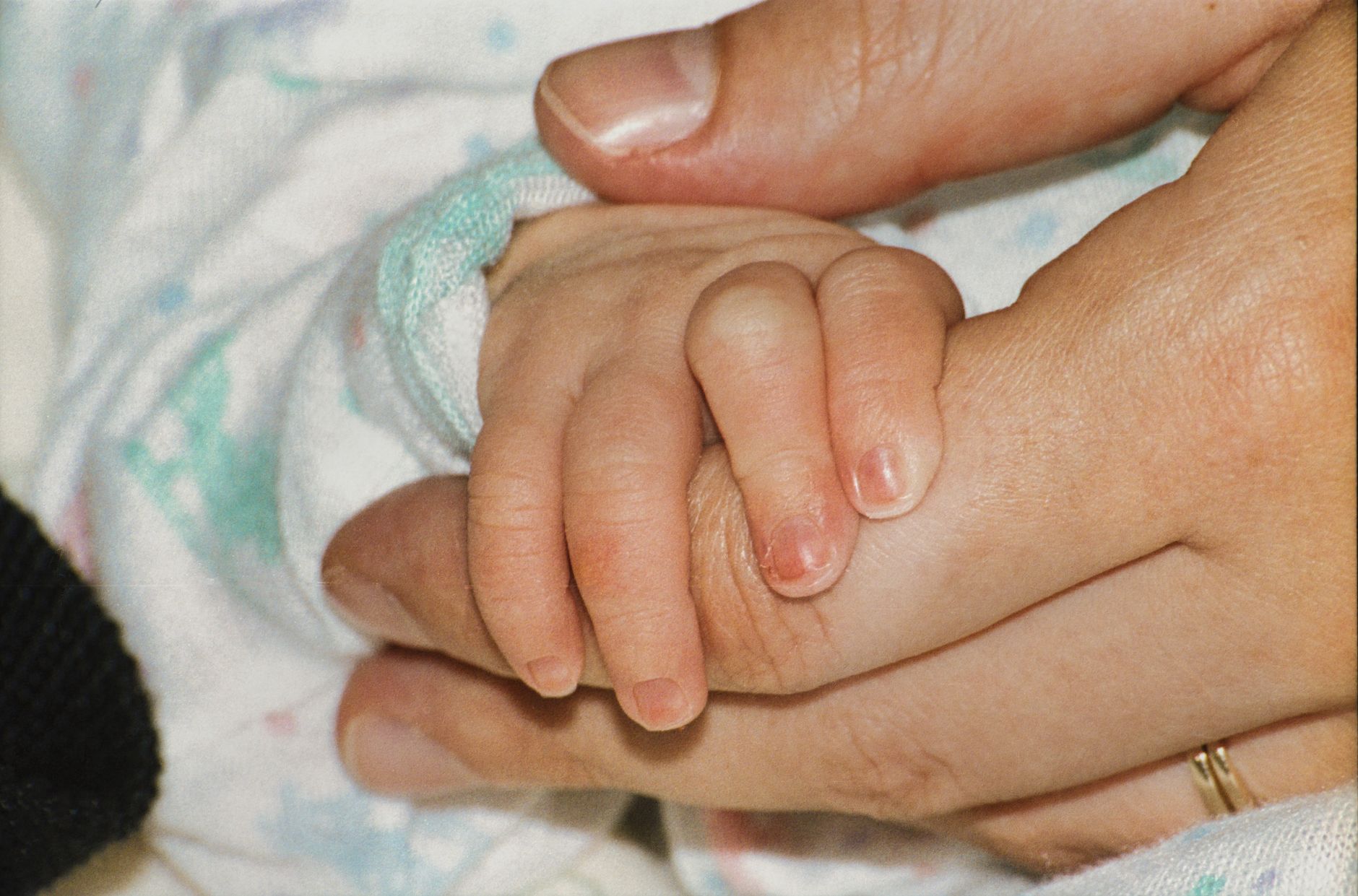
Understand common reactions after baby vaccines. Most are mild and normal, like fever or fussiness. Learn to distinguish these from worrying signs that require medical attention, ensuring your baby's safety post-immunization.
By Shubhra Mishra — a mom of two who turned her own confusion during pregnancy into BumpBites, a global mission to make food choices clear, safe, and stress-free for every expecting mother. 💛
Check whether any food is safe during pregnancy with the BumpBites Food Safety Checker.
Quick take: It's completely normal for babies to have mild reactions after vaccines, like a low-grade fever, fussiness, or redness at the injection site. These usually resolve within 24–48 hours. While serious reactions are rare, it's important to know the signs that warrant a call to your pediatrician or even emergency help, such as a very high fever, severe allergic symptoms, or inconsolable crying.
The day your baby gets their first set of vaccines can feel like a big milestone, often mixed with a bit of worry. You want to protect them from serious illnesses, but the thought of them feeling unwell afterward can be daunting. It’s 2 a.m., your little one feels warm, and you’re scrolling through search results, wondering if this fussiness is normal or something more serious. Take a deep breath. You’re not alone in feeling this way, and we’re here to help you understand what to expect.
🔢 Calculate it for your situation: Use our Vaccine Reaction Tracker for a personalized result in seconds.
Most babies experience only mild, temporary side effects after their immunizations, which are a sign that their immune system is working to build protection. These reactions are usually manageable at home with comfort measures. However, knowing the difference between a normal post-vaccine reaction and a potentially worrying one is key to feeling confident and getting help when you need it.
This article will walk you through the common reactions you might see, how long they typically last, and most importantly, the specific signs that mean it’s time to call your doctor or seek urgent care. We'll also share practical tips for comforting your baby and distinguishing vaccine side effects from other illnesses.
Understanding Vaccine Side Effects: Why They Happen
When your baby receives a vaccine, their immune system is introduced to a tiny, weakened, or inactive part of a virus or bacteria. This "pretend" infection prompts their body to produce antibodies and memory cells, preparing it to fight off the real disease if encountered later. The mild reactions you see after a vaccine are a normal part of this immune response.
Think of it like a training exercise for their body. Just as an athlete might feel a bit sore after a workout, your baby's immune system is getting a workout. These reactions are typically short-lived and harmless, indicating that the vaccine is doing its job. They are a sign that your baby is building crucial immunity, not that they are getting sick from the vaccine itself.
The specific reactions your baby experiences can vary depending on the type of vaccine administered, their individual immune system, and even the injection site. Generally, reactions are more common after certain vaccines, such as the DTaP (diphtheria, tetanus, and acellular pertussis) and MMR (measles, mumps, and rubella) vaccines, but still remain mild for the vast majority of infants.
Common and Normal Reactions After Baby Vaccines
It's
reassuring to know that most post-vaccine reactions are mild and temporary. These are the signs that your baby’s immune system is actively responding to the vaccine. Here’s a breakdown of what’s considered normal and how to manage it:
Fever After Baby Vaccines: What's Normal?
A low-grade fever is one of the most common reactions after vaccinations, especially after the DTaP or pneumococcal (PCV) vaccines. This fever usually indicates that your baby's immune system is kicking into gear. It typically develops within 12–24 hours after the shot and resolves on its own within 24–48 hours.
Typical range: A temperature between 100.4°F (38°C) and 102°F (38.9°C) is generally considered a low-grade fever.
Comfort measures: Keep your baby lightly dressed, offer plenty of fluids (breast milk or formula), and ensure they are comfortable. A fever-reducing medication like infant acetaminophen (Tylenol) can be given if your baby is fussy or uncomfortable, but always follow your doctor’s dosing instructions based on weight and age. Do not give ibuprofen to babies under 6 months old.
When to worry: A fever above 102°F (38.9°C) in a baby under 3 months old, or any fever above 104°F (40°C) at any age, warrants a call to your pediatrician.
Redness, Swelling, and Tenderness at the Injection Site
It’s very common to see some localized reaction where the shot was given. This is due to the immune cells rushing to the area. You might notice a small area of redness, swelling, or tenderness at the injection site on your baby's arm or thigh. This reaction typically appears within a few hours of the vaccine and usually subsides within 1–2 days.
Appearance: The redness or swelling might be a few centimeters in diameter. It might feel slightly warm to the touch.
Comfort measures: Gently apply a cool, damp cloth to the area for 5–10 minutes at a time. Avoid rubbing or massaging the area vigorously. Dress your baby in loose-fitting clothing that doesn't rub against the site.
When to worry: If the redness or swelling spreads significantly beyond the immediate injection site, becomes very hot, or is accompanied by pus, contact your doctor.
Fussiness and Irritability After Shots
Many parents report their babies being more fussy or irritable after vaccinations. This is a very normal response to feeling a little unwell, similar to how an adult might feel a bit under the weather after a flu shot. This fussiness usually starts a few hours after the shots and can last for a day or two.
Why it happens: Your baby might be experiencing mild discomfort from the injection site, a low-grade fever, or just generally feeling a bit off.
Comfort measures: Offer extra cuddles, skin-to-skin contact, gentle rocking, or breastfeeding/bottle feeding. Distraction with toys or soft music can also help. Sometimes, a warm bath can be soothing.
Duration: Typically, fussiness resolves within 24–48 hours. If it's persistent and inconsolable for more than a few hours, or lasts longer than two days, it's worth a call to your pediatrician.
Mild Lethargy or Sleepiness
Some babies might be unusually sleepy or lethargic after their shots. This is often a way their body conserves energy while their immune system is working. They might sleep more than usual or seem less active. This mild lethargy typically lasts for a day or two.
What to expect: Your baby might nap longer or more frequently. They may seem a bit quieter or less interested in play.
Comfort measures: Allow your baby to rest as much as they need. Ensure they are still easily roused for feeds and respond to your voice or touch.
When to worry: If your baby is unusually difficult to wake, unresponsive, or seems limp, this is a more serious sign and requires immediate medical attention.
It's normal for babies to be a little sleepier than usual after their immunizations.
Temporary Loss of Appetite
Just like adults who feel under the weather, babies might have a temporary decrease in appetite after vaccinations. They might not finish their usual amount of breast milk or formula. This is generally not a cause for concern as long as they are still taking in fluids and show signs of adequate hydration (wet diapers).
What to expect: Your baby might feed for shorter periods or refuse a feeding.
Comfort measures: Continue to offer feeds regularly, but don’t force them. Focus on keeping them hydrated.
When to worry: If your baby refuses to feed for several consecutive hours, shows signs of dehydration (fewer wet diapers, sunken soft spot, no tears), or seems unusually weak, contact your doctor.
Mild Rash After Vaccines
While less common with most routine infant vaccines, a mild rash can sometimes occur, particularly after the MMR (measles, mumps, rubella) vaccine. This rash is usually not itchy, does not indicate an allergic reaction, and is a sign of the body developing immunity to measles. It typically appears 7-14 days after the MMR vaccine and lasts for a few days.
Appearance: Small, flat, red spots, usually not raised or itchy.
Comfort measures: Generally, no specific treatment is needed. Keep the baby comfortable.
When to worry: If the rash is accompanied by swelling of the face or throat, difficulty breathing, or seems particularly widespread and itchy, seek immediate medical attention as it could indicate a severe allergic reaction.
For parents who want to keep a close eye on their baby's post-vaccine symptoms and note down timings, our Vaccine Reaction Tracker can be a helpful tool. It allows you to log specific reactions, their intensity, and duration, which can be useful information to share with your pediatrician.
When to Worry: Signs of a Potentially Serious Reaction
While rare, serious reactions to vaccines can occur. It's crucial for parents to be aware of these signs so they can seek immediate medical attention. Remember, these are extremely uncommon, but knowing what to look for can provide peace of mind and ensure prompt care if needed.
High Fever (Above 104°F / 40°C)
While a low-grade fever is normal, a very high fever can be concerning. The American Academy of Pediatrics (AAP) recommends contacting your doctor if your baby's temperature reaches 104°F (40°C) or higher at any age, or if any fever above 100.4°F (38°C) occurs in a baby under 3 months old. For older infants, a high fever that doesn't respond to fever-reducing medication or is accompanied by other worrying symptoms also warrants a call.
Key concern: While fevers themselves rarely cause brain damage, a very high fever can sometimes indicate a more serious underlying issue or a severe reaction.
Action: Call your pediatrician immediately.
Severe Allergic Reactions (Anaphylaxis)
Anaphylaxis is a life-threatening allergic reaction that requires immediate emergency medical care. It is extremely rare after vaccines, occurring in about 1 in a million doses, and usually happens within minutes to a few hours of the vaccination. Medical staff are trained to recognize and treat anaphylaxis on-site.
Seizures (also called convulsions or fits) after vaccination are very rare. They can sometimes be triggered by a high fever (febrile seizures), but can also be a sign of a more serious neurological reaction. A seizure might look like uncontrolled jerking movements, staring spells, or loss of consciousness.
Key concern: Seizures always warrant immediate medical attention to determine the cause and ensure safety.
Action: Call 911 immediately.
Inconsolable Crying (High-Pitched, Persistent)
While fussiness is common, inconsolable crying that lasts for several hours and is unusually high-pitched can be a sign of distress. If your baby is crying intensely for 3 hours or more, and you can't comfort them with normal methods like feeding, rocking, or changing, it's a reason to contact your doctor.
Key concern: This type of crying can sometimes indicate pain or a neurological reaction.
Action: Call your pediatrician for advice.
Unusual Lethargy or Unresponsiveness
Mild sleepiness is normal, but a baby who is unusually lethargic, difficult to wake, or completely unresponsive requires urgent medical attention. This means they are not reacting to your voice, touch, or light, and seem unusually limp.
Key concern: This could indicate a severe systemic reaction or a neurological issue.
Action: Call 911 immediately.
Severe Swelling or Redness Beyond the Injection Site
Localized redness and swelling are normal, but if the swelling extends significantly beyond the injection site (e.g., swelling of the entire limb), becomes very hard or hot, or is accompanied by severe pain, it could be a sign of a more intense inflammatory reaction or a rare infection.
Key concern: While typically not life-threatening, it needs medical assessment.
Action: Contact your pediatrician.
Vomiting or Diarrhea (When Severe or Persistent)
Occasional spitting up or a slightly loose stool might happen, but severe or persistent vomiting and diarrhea after vaccines are not typical reactions. If your baby is vomiting repeatedly, projectile vomiting, or having profuse watery diarrhea, especially if accompanied by signs of dehydration, it’s a cause for concern.
Key concern: Risk of dehydration and potential for other illness.
Action: Call your pediatrician.
Minor redness and swelling at the injection site are normal reactions as your baby's immune system gets to work.
Differentiating Normal Reactions from Unrelated Illness
One of the biggest challenges for parents is figuring out if their baby's symptoms are a vaccine side effect or the start of an unrelated illness. Babies, especially newborns and infants, can get sick easily, and it's easy to attribute every sniffle or cough to the recent shots. Here’s how to differentiate:
Most vaccine reactions are mild, short-lived (usually 24-48 hours), and specific to the known side effects of the vaccine given. If symptoms appear several days after the vaccine, or if they include things not typically associated with vaccines (like a runny nose, cough, or widespread rash that isn't the MMR-related one), it's more likely an unrelated illness.
For example, a baby who develops a cough and congestion a few days after their shots is likely catching a common cold, not having a vaccine reaction. Similarly, projectile vomiting that starts 48 hours after a vaccine is less likely to be vaccine-related than stomach flu.
Here's a table to help you compare:
Symptom
Likely Vaccine Reaction
Likely Unrelated Illness
Fever
Low-grade (100.4-102°F / 38-38.9°C), within 12-24 hours, lasts 1-2 days.
Any temperature, can appear anytime, often accompanied by other specific symptoms (e.g., cough, runny nose, sore throat).
Injection Site Issues
Redness, swelling, tenderness at site, appears within hours, lasts 1-2 days.
No injection site issues, or issues not related to vaccine (e.g., bug bite, skin infection elsewhere).
Fussiness/Irritability
Mild to moderate, starts within hours, lasts 1-2 days, often relieved by comfort measures.
Persistent, severe, inconsolable crying (especially if high-pitched and doesn't respond to comfort), can last longer, often with other symptoms.
Lethargy/Sleepiness
Mild, easily roused, still feeds, lasts 1-2 days.
Severe difficulty waking, unresponsiveness, limpness, not interested in feeding, lasts longer.
Appetite Changes
Mild decrease, still takes some fluids, lasts 1-2 days.
Refusal to feed for many hours, signs of dehydration (e.g., dry mouth, sunken soft spot, fewer wet diapers).
Rash
Very rare for most vaccines; for MMR, a mild, non-itchy measles-like rash 7-14 days later.
Widespread, itchy, raised rash (e.g., eczema flare, chickenpox, allergic reaction to food/drug), often with other symptoms like fever, runny nose.
Vomiting/Diarrhea
Very rare and usually mild (e.g., rotavirus vaccine can cause mild, temporary diarrhea).
Persistent, severe, projectile vomiting, profuse watery diarrhea, signs of dehydration, often with fever and other GI symptoms.
Respiratory Symptoms
Not a typical vaccine reaction.
Cough, runny nose, congestion, wheezing, rapid breathing are signs of a cold, flu, RSV, or other respiratory illness.
When in doubt, always err on the side of caution and contact your pediatrician. They can help you assess your baby's symptoms and guide you on the next steps.
Comfort Measures and Managing Mild Side Effects
For the typical, mild reactions your baby might experience, there are several things you can do at home to help them feel more comfortable and soothe their distress. Many moms tell us the same thing: a little extra love and attention goes a long way on vaccine day.
Pain Relief and Fever Reduction
Infant Acetaminophen (Tylenol): If your baby is fussy or has a fever, your doctor might recommend infant acetaminophen. Always use the correct dosage for your baby's weight and age, as prescribed by your pediatrician. Never give more than the recommended dose, and don't give it to babies under 2 months old without specific medical advice.
Infant Ibuprofen (Advil, Motrin): Ibuprofen can be used for babies 6 months and older, again, always following your doctor's dosing instructions. It can help with pain and fever.
Important note: Some doctors advise against giving fever reducers *before* vaccines, as it might slightly reduce the immune response. It's generally recommended to give them *after* if symptoms develop and cause discomfort. Discuss this with your pediatrician.
Soothing the Injection Site
Cool Compress: Gently apply a clean, cool, damp cloth to the injection site for 5-10 minutes at a time, several times a day. This can help reduce swelling and discomfort.
Gentle Movement: Lightly moving the limb where the shot was given (e.g., gently bending and straightening the leg) can sometimes help reduce stiffness and discomfort.
Avoid Rubbing: Resist the urge to rub or massage the injection site vigorously, as this can increase irritation.
Extra Cuddles and Comfort
Skin-to-Skin Contact: Holding your baby skin-to-skin can be incredibly soothing, helping to regulate their temperature and calm their nervous system.
Gentle Rocking and Swaying: The rhythmic motion can be very comforting for a fussy baby.
Feeding: Offer frequent feeds (breast milk or formula). Sucking is a natural comfort mechanism for babies, and it also ensures they stay hydrated.
Distraction: Sometimes, a change of scenery, a favorite toy, or soft music can help distract a fussy baby.
Ensuring Hydration and Rest
Plenty of Fluids: Continue to offer breast milk or formula frequently, even if your baby is a bit sleepier or less interested in solids. Hydration is key, especially if they have a fever.
Allow Rest: Let your baby sleep as much as they need to. Don't wake them unnecessarily, but ensure they are still easily roused for feeds.
Light Clothing: Dress your baby in light, comfortable clothing to prevent overheating, especially if they have a fever.
Offering frequent feeds and extra cuddles can help comfort your baby after their immunizations.
🔢 Ready to crunch your numbers? Use our Vaccine Reaction Tracker for a personalized result in seconds.
When to Call Your Pediatrician (Specific Thresholds)
It's always best to trust your parental instincts. If something feels off, or you're concerned about any symptom, don't hesitate to reach out to your pediatrician. They are your best resource for personalized medical advice for your baby.
Here are clear guidelines for when to make that call:
Fever:
Any fever (100.4°F / 38°C or higher) in a baby under 3 months old.
A fever of 102°F (38.9°C) or higher in a baby 3 to 6 months old.
A fever of 104°F (40°C) or higher at any age.
A fever that lasts longer than 48 hours, regardless of temperature.
A fever that doesn't respond to fever-reducing medication or keeps returning quickly.
Injection Site Reactions:
Redness or swelling that spreads significantly beyond the immediate injection site (e.g., covers the entire limb).
The injection site becomes very hot, hard, or has pus.
The area is extremely painful to the touch, and your baby is inconsolable.
Fussiness and Crying:
Inconsolable, high-pitched crying that lasts for 3 hours or more and cannot be comforted.
Fussiness or irritability that lasts longer than 48 hours and seems to be worsening.
Lethargy and Responsiveness:
Your baby is unusually difficult to wake, seems extremely sleepy, or is unresponsive to your voice or touch.
Your baby is limp or unusually weak.
Feeding and Hydration:
Your baby refuses to feed for several consecutive hours.
Signs of dehydration: fewer wet diapers than usual (e.g., less than 6 in 24 hours for infants), no tears when crying, dry mouth, sunken soft spot on the head.
Other Symptoms:
A widespread rash (not the mild MMR-related one) that is itchy or looks concerning.
Severe or persistent vomiting or diarrhea.
Any symptom that genuinely worries you or seems out of the ordinary for your baby.
When you call, be prepared to provide your baby's age, the specific vaccine(s) received, the time of vaccination, their current temperature, and a detailed description of their symptoms and how long they've been occurring.
When to Call 911 (Emergency Situations)
Some reactions require immediate emergency medical attention. These are very rare, but it is critical to recognize them quickly.
Difficulty breathing: This can include wheezing, gasping, rapid breathing, or your baby's chest pulling in with each breath.
Severe allergic reaction (anaphylaxis): Swelling of the face, lips, tongue, or throat; widespread hives; sudden weakness or floppiness; pale or bluish skin.
Seizures or convulsions: Any uncontrolled jerking movements, rigid body, or loss of consciousness.
Unresponsiveness: Your baby is unresponsive, limp, or cannot be woken up.
Choking or severe vomiting: If your baby is choking, or has sudden, severe, projectile vomiting that is causing distress or difficulty breathing.
If you observe any of these symptoms, do not hesitate. Call 911 (or your local emergency number) immediately.
From our medical team: "It's natural to feel anxious after your baby's vaccinations, but remember that the vast majority of reactions are mild and temporary. Your baby's immune system is incredible, and these minor discomforts are a small price for the powerful protection vaccines offer against serious diseases. Always prioritize your comfort measures, keep an eye on symptoms, and never hesitate to call your pediatrician if you have any concerns—that's what we're here for."
Myth vs. Fact
There's a lot of information and misinformation floating around about vaccines. Let's clear up some common myths:
Myth: Vaccines cause autism.
Fact: This claim has been thoroughly debunked by numerous large-scale scientific studies around the world. The original study linking vaccines to autism was retracted and found to be fraudulent. Major health organizations like the CDC, WHO, and AAP have all confirmed there is no link between vaccines and autism.
Myth: Giving babies multiple vaccines at once overloads their immune system.
Fact: A baby's immune system is incredibly robust and capable of handling many challenges simultaneously. From the moment they are born, babies are exposed to countless bacteria and viruses daily. The number of antigens (substances that trigger an immune response) in all childhood vaccines combined is far less than what a baby encounters from just a common cold. Spreading out vaccines leaves babies vulnerable to preventable diseases for longer.
Myth: It's better to get natural immunity than vaccine immunity.
Fact: While natural infection does provide immunity, it comes at a significant cost. Diseases like measles, polio, and whooping cough can cause severe illness, hospitalization, lifelong disabilities, or even death. Vaccines offer protection without the risk of suffering from the disease itself. The risks of vaccination are vastly lower than the risks of contracting the actual disease.
Myth: My baby's rash after the MMR vaccine means they have measles.
Fact: A mild, non-itchy rash can occur 7-14 days after the MMR vaccine. This is a normal and harmless reaction, indicating that your baby's immune system is responding to the weakened measles virus in the vaccine. It is not actual measles and is not contagious.
Key Takeaways
Most reactions to baby vaccines are mild and temporary, like low-grade fever, fussiness, or redness at the injection site.
These normal reactions usually appear within 12-24 hours and resolve within 1-2 days.
Comfort your baby with extra cuddles, feeds, a cool compress on the injection site, and pediatrician-approved pain relief if needed.
Be alert for signs of more serious reactions, such as very high fever, severe allergic symptoms (difficulty breathing, widespread hives, swelling), seizures, or unusual lethargy.
Know when to call your pediatrician for concerning symptoms (e.g., fever above specific thresholds, persistent inconsolable crying, severe swelling).
Call 911 immediately for emergency symptoms like difficulty breathing, signs of anaphylaxis, seizures, or unresponsiveness.
Remember that serious vaccine reactions are extremely rare, and vaccines are crucial for protecting your baby's health.
Frequently Asked Questions
What are normal reactions after baby vaccines?
Normal reactions after baby vaccines typically include a low-grade fever (100.4-102°F / 38-38.9°C), redness, swelling, and tenderness at the injection site, mild fussiness or irritability, and slight sleepiness or decreased appetite. These usually appear within hours and resolve within 1-2 days.
When should I worry about my baby's reaction to vaccines?
You should worry and contact your doctor if your baby has a very high fever (above 104°F / 40°C), especially if under 3 months old, or if they experience severe symptoms like difficulty breathing, widespread hives, facial swelling, seizures, inconsolable high-pitched crying for several hours, or unusual limpness/unresponsiveness. Always trust your instincts if something feels truly concerning.
How long do vaccine side effects last in babies?
Most common vaccine side effects in babies, such as fever, fussiness, and injection site reactions, typically last for 24 to 48 hours. Some reactions, like a mild rash after the MMR vaccine, can appear 7-14 days later and last a few days, but these are also temporary and harmless.
What are the signs of a serious vaccine reaction in an infant?
Signs of a serious vaccine reaction in an infant, though rare, include severe allergic reactions (anaphylaxis) with symptoms like difficulty breathing, swelling of the face/throat, widespread hives, or sudden weakness. Other serious signs are seizures, very high fever (above 104°F / 40°C), or unusual unresponsiveness/limpness. These require immediate medical attention.
Can a baby get a fever after vaccines?
Yes, it is very common for a baby to develop a low-grade fever after vaccines, especially after the DTaP and pneumococcal (PCV) shots. This fever is a normal sign that their immune system is building protection and usually resolves within 1-2 days. Keep them hydrated and offer comfort measures.
Is it normal for a baby to be sleepy after shots?
Yes, it's normal for some babies to be a little sleepier or more lethargic than usual after their shots. This mild increase in sleepiness typically lasts for a day or two as their body works to develop immunity. Ensure they are still easily roused for feeds and responsive to your touch.
When to Call Your Doctor
Your pediatrician is your best resource for any concerns about your baby's health. While most post-vaccine reactions are mild and transient, contact your doctor if:
Your baby's fever reaches 102°F (38.9°C) or higher (or 100.4°F / 38°C if under 3 months old).
Any fever lasts longer than 48 hours.
The injection site becomes very red, swollen, hot, or painful, and spreads significantly beyond the immediate area.
Your baby has inconsolable, high-pitched crying for 3 hours or more.
Your baby is unusually difficult to wake, unresponsive, or seems limp.
You notice signs of dehydration (fewer wet diapers, dry mouth, sunken soft spot).
Your baby develops a widespread, itchy, or concerning rash.
You have any other symptom or concern that worries you about your baby's well-being.
This article is for informational purposes only and is not a substitute for professional medical advice, diagnosis, or treatment. Always seek the advice of your pediatrician or other qualified health provider with any questions you may have regarding a medical condition.
Not sure about the label on Common Reactions After Baby Vaccines Normal Vs Worrying products?
Snap the ingredients list and SafeFilter checks every ingredient for your stage — only 3 free scans this month, then you're locked until reset. Unlimited from $7/mo or $50/yr.
When Shubhra Mishra was expecting her first child in 2016, she was overwhelmed by conflicting food advice — one site said yes, another said never. By the time her second baby arrived in 2019, she realized millions of mothers face the same confusion.
That sparked a five-year journey through clinical nutrition papers, cultural diets, and expert conversations — all leading to BumpBites: a calm, compassionate space where science meets everyday motherhood.
Her long-term vision is to build a global community ensuring safe, supported, and free deliveriesfor every mother — because no woman should face pregnancy alone or uninformed. 🌿
🌍 Stand with mothers, shape safer guidance
Join a small circle of experts who review BumpBites articles so expecting parents everywhere can decide with confidence.