Quick take: Most cold sores during pregnancy can be managed safely with doctor‑approved antivirals, gentle over‑the‑counter creams, and simple home remedies. Avoiding triggers, practicing good hygiene, and talking to your provider about treatment options are the best ways to protect you and your baby. If a sore spreads, causes fever, or appears near delivery, seek medical care right away.
Imagine it’s 2 a.m. You’ve just felt a tingle on your lip, and a small blister is forming. The same sore that flared up last year is back, and now you’re 24 weeks pregnant. Your heart races—not just because of the blister, but because you worry about what it might mean for your baby.
You’re not alone. Many pregnant people experience cold sores, medically known as oral herpes caused by the herpes simplex virus (HSV‑1). The good news is that, with the right information, you can treat the outbreak safely, keep the virus from spreading, and minimize any impact on labor and delivery.
This guide walks you through everything you need to know about cold sore during pregnancy treatment: from safe antivirals and soothing home remedies to the tiny risk of newborn transmission and postpartum care. We’ll answer the exact questions you’re typing into Google, so you can feel confident making decisions with your provider.
Can I take antiviral medication for cold sores while pregnant?
Prescription antivirals such as acyclovir (Zovirax) and valacyclovir (Valtrex) are the most effective way to shorten a cold‑sore outbreak. The American College of Obstetricians and Gynecologists (ACOG) states that these medications are category B—meaning animal studies have not shown a risk to the fetus and there are no well‑controlled studies in pregnant people.
In practice, doctors often prescribe a short course (typically 5 days) when a sore appears early, especially if you’re in the first or third trimester. The medication works best when started within 48 hours of the tingling sensation (the prodrome). Most studies, including a large cohort from the CDC, have found no increase in birth defects, miscarriage, or preterm birth when these antivirals are used as directed.
Because each pregnancy is unique, your provider will weigh factors such as:
- Timing of the outbreak (first trimester carries a theoretical concern, third trimester may affect delivery).
- Severity of your symptoms (painful sores, fever, or spread to the eyes require prompt treatment).
- Any existing health conditions (renal impairment, immunosuppression).
Bottom line: antiviral pills are generally considered safe during pregnancy, but you should always discuss dosage and duration with your OB‑GYN before starting.
Home remedies for cold sore relief during pregnancy
When you’re pregnant, you may prefer gentle, non‑medicinal options to ease discomfort. The following remedies have been reviewed by the Mayo Clinic and found to be low‑risk:
- Cold compress: Apply a clean, chilled washcloth for 10 minutes, several times a day. The cold reduces inflammation and can numb the pain.
- Honey: A dab of medical‑grade honey (Manuka honey is a popular choice) applied three times daily has antiviral properties and promotes healing.
- Lysine‑rich foods: Lysine, an essential amino acid, may help suppress HSV replication. Incorporate yogurt, cheese, and legumes into meals.
- Tea tree oil (diluted): Mix 1 drop of 100 % tea tree oil with a teaspoon of carrier oil (like coconut oil) and apply a thin layer to the sore no more than twice a day. Avoid undiluted oil, as it can irritate sensitive skin.
- Hydration and soft foods: Staying well‑hydrated and eating bland, cool foods (e.g., applesauce, smoothies) reduces irritation.
While these strategies can soothe a mild outbreak, they do not replace antiviral medication if the sore is large, painful, or near the eyes. Always let your provider know if home care isn’t enough.
Cold sore symptoms vs herpes in pregnancy
All cold sores are caused by the herpes simplex virus, but the term “herpes” can also refer to genital herpes (HSV‑2). Understanding the distinction helps you communicate clearly with your care team.
Cold sore (oral herpes, HSV‑1) symptoms:
- Tingling, itching, or burning on the lip or inside the mouth (prodrome).
- One or more small, fluid‑filled blisters that crust over within 7‑10 days.
- Usually confined to the lips, gums, or nostrils.
Genital herpes (HSV‑2) symptoms:
- Painful sores on the vulva, vagina, or perianal area.
- Systemic symptoms such as fever, body aches, and swollen lymph nodes.
- Higher risk of neonatal transmission during vaginal delivery.
If you’re unsure which type you have, a simple swab test performed by your OB‑GYN or a dermatologist can provide a definitive answer. Knowing the virus type guides both treatment and delivery planning.
Is it safe to use lip balm with sunscreen for cold sores while pregnant?
Yes—most lip balms that contain sunscreen (SPF 15–30) are safe during pregnancy. The FDA classifies sunscreen ingredients as “generally recognized as safe and effective” (GRASE) for topical use, and there is no evidence that they cross the placenta in harmful amounts.
When choosing a lip balm, look for:
- Broad‑spectrum protection (UVA and UVB).
- Physical blockers like zinc oxide or titanium dioxide, which are especially well‑studied.
- Avoidance of potentially irritating additives such as menthol, camphor, or strong fragrance.
Apply the balm liberally after meals and before bedtime. The added moisture can prevent the lip skin from cracking—a common trigger for HSV‑1 reactivation.
How to prevent cold sores from spreading to my baby
Horizontal transmission (from your mouth to your baby) is rare, but it can happen if you share utensils, kiss the infant, or have an active outbreak near the mouth. Follow these simple steps:
- Hand hygiene: Wash your hands with soap and water for at least 20 seconds after touching a sore.
- Avoid direct contact: Refrain from kissing the baby on the lips while the sore is open.
- Separate feeding tools: Use a dedicated bottle, pacifier, or spoon that has not touched your mouth.
- Cover the sore: A medicated lip patch or a clean, breathable dressing can reduce viral shedding.
- Stay up to date on treatment: Prompt antiviral therapy reduces the amount of virus you shed.
These precautions are especially important during the third trimester, when the baby’s immune system is still developing.
When should I see a doctor for cold sores during pregnancy?
Most cold‑sore outbreaks are mild and resolve on their own, but you should contact your OB‑GYN or a dermatologist if you notice any of the following red‑flag signs:
- Fever ≥ 100.4 °F (38 °C) or chills.
- Severe pain that interferes with eating or drinking.
- Sores that spread to the eyes, nose, or genital area.
- Repeated outbreaks (more than 4 times a year) or unusually large lesions.
- Signs of secondary bacterial infection: increasing redness, swelling, pus, or foul odor.
- Approaching labor (especially if the sore is near the birth canal) and you have not yet discussed antiviral prophylaxis.
When you call, be ready to describe the onset, location, and any accompanying symptoms. Early intervention can keep you comfortable and protect your baby.
Cold sore treatment options in the third trimester
The third trimester (weeks 28‑40) brings unique considerations because the timing of delivery may be affected. Here’s a concise comparison of the main treatment pathways:
If you have a high‑risk outbreak (large, perioral lesions, or ocular involvement), your provider may recommend a short antiviral course even if the sore appears late in pregnancy. This can lower the chance of viral shedding during vaginal birth.
Natural supplements for cold sore healing during pregnancy
While supplements are not a substitute for prescription antivirals, certain nutrients have modest evidence for helping the body control HSV‑1 replication:
- Lysine: 1 g per day, divided into two doses. Studies in non‑pregnant adults suggest a reduction in outbreak frequency. Safe in pregnancy at this dose.
- Vitamin C: 500–1000 mg daily supports immune function and skin repair.
- Vitamin E (topical): Apply a vitamin E oil capsule to the sore after it crusts to promote healing.
- Probiotic Lactobacillus reuteri: May improve mucosal immunity; standard prenatal probiotic doses are considered safe.
Always discuss supplement use with your provider, especially if you’re taking prenatal vitamins that already contain these nutrients.
Cold sore triggers during pregnancy
Hormonal fluctuations, stress, and immune modulation make pregnancy a prime time for HSV‑1 reactivation. Common triggers include:
- Hormone spikes: Increased estrogen and progesterone can weaken local immunity around the lips.
- Stress: Both physical (fatigue, morning sickness) and emotional stress raise cortisol, which can reactivate the virus.
- Sun exposure: UV light damages skin and can prompt an outbreak, especially on sun‑sensitive lips.
- Illness: A cold, fever, or other infection taxes the immune system.
- Trauma: Lip chapping, dental work, or aggressive cosmetic procedures.
Tracking these triggers in a simple journal can help you anticipate and pre‑empt future outbreaks.
Herpes simplex virus risk to newborn during delivery
If a pregnant person has an active genital herpes outbreak (HSV‑2) at the time of labor, the risk of neonatal herpes is ≈ 5 % with vaginal delivery, compared with < 0.5 % when a cesarean section is performed. For oral HSV‑1, the risk is far lower because the virus is not typically present in the birth canal.
Guidelines from the American Academy of Pediatrics (AAP) recommend:
- Offering a cesarean delivery if active genital lesions are present at labor onset.
- Using antiviral prophylaxis (acyclovir 400 mg 3×/day) from 36 weeks gestation for those with a history of recurrent genital herpes.
- Testing newborns for HSV if they develop fever, lethargy, or skin lesions within the first two weeks of life.
Because oral cold sores rarely involve the birth canal, you can often proceed with a vaginal delivery unless you have concurrent genital herpes.
Over‑the‑counter cold sore creams safe in pregnancy
OTC products are a convenient first line, but not all are pregnancy‑friendly. The following creams are considered low‑risk:
- Docosanol 10 % (Abreva): Works by preventing the virus from entering cells. No systemic absorption reported.
- Petroleum‑based ointments (e.g., Aquaphor): Provide barrier protection and keep the sore moist.
- Topical zinc oxide (15 %): Has mild antiviral activity and also protects against UV‑triggered outbreaks.
Avoid products containing salicylates, high‑dose camphor, or benzocaine, as these can be absorbed and have limited safety data in pregnancy.
Diet changes to reduce cold sore outbreaks while pregnant
Nutrition plays a subtle but supportive role in HSV‑1 management. Incorporate these dietary tweaks:
- Increase lysine‑rich foods: Greek yogurt, cottage cheese, lean beef, chicken, and beans.
- Limit arginine‑rich foods: Argine can promote HSV replication. Reduce excessive intake of nuts, chocolate, and whole grains if you notice frequent flare‑ups.
- Stay hydrated: Adequate water intake keeps mucosal membranes healthy.
- Boost vitamin C: Citrus fruits, strawberries, and bell peppers support immune defense.
- Balanced prenatal vitamins: Ensure you’re getting recommended folic acid, iron, and DHA, which indirectly aid overall immunity.
These changes are safe for both you and the baby and can complement antiviral therapy.
Postpartum cold sore treatment plan
After delivery, hormonal levels drop sharply, which can either calm or trigger another outbreak. A practical postpartum plan includes:
- Continue antiviral prophylaxis for 7‑10 days if you had an outbreak near delivery, especially if you’re breastfeeding.
- Maintain strict hand hygiene when handling the newborn.
- Use a gentle, fragrance‑free lip balm to keep lips moisturized.
- Schedule a follow‑up appointment within two weeks to assess healing and discuss any lingering concerns.
- Consider a low‑dose lysine supplement (500 mg × 2 daily) if outbreaks recur.
Most women find that symptoms improve within a week, but if a sore persists beyond two weeks, contact your provider.
Cold sore and breastfeeding safety
The antivirals acyclovir and valacyclovir are excreted in breast milk at low levels. The American Academy of Pediatrics (AAP) states that short‑term maternal use is compatible with breastfeeding, as infant exposure is far below therapeutic levels.
Topical agents (docosanol, petroleum‑based ointments) are also safe because systemic absorption is minimal. If you’re using a lysine supplement, the dose recommended for cold‑sore management (1 g/day) is well within the range considered safe for nursing infants.
Always inform your pediatrician and lactation consultant about any medication you’re using, so they can monitor the baby if needed.
Difference between cold sore and fever blister in pregnancy
The terms “cold sore” and “fever blister” are often used interchangeably, but they describe slightly different phases of the same HSV‑1 infection:
- Cold sore: The broader term that includes the prodrome, blister formation, ulceration, and crusting stages.
- Fever blister: Specifically refers to the fluid‑filled blister stage, usually appearing after a mild fever or stress trigger.
Both are harmless in most cases, but recognizing the stage can help you decide when to start antivirals (ideally during the prodrome, before the blister fully forms).
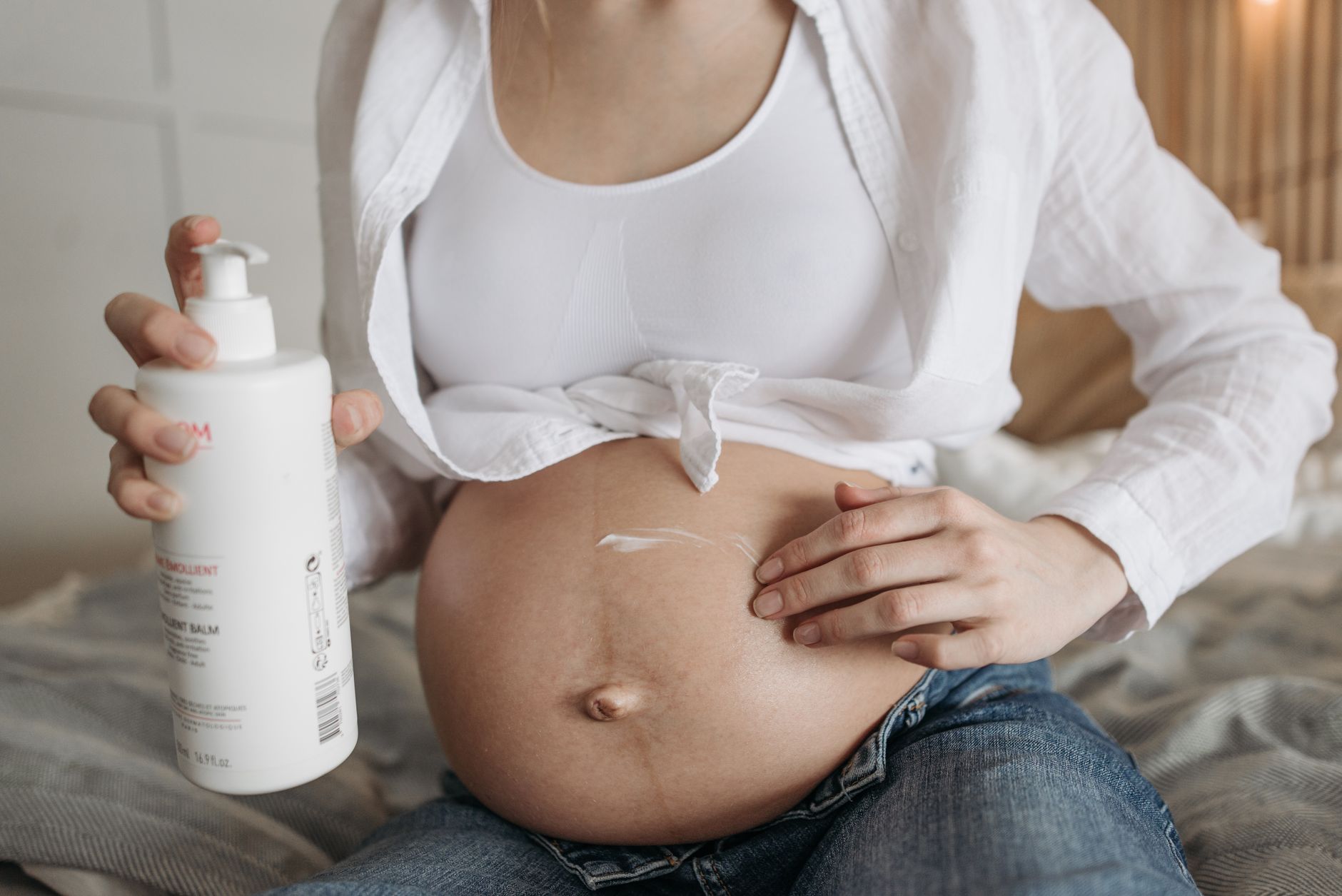
Pregnancy skin changes and cold sore frequency
During pregnancy, many women notice changes in skin texture, pigmentation, and vascularity. These shifts can influence HSV‑1 activity:
- Increased melanin: Hyperpigmentation (e.g., melasma) may coexist with more frequent cold‑sore outbreaks due to heightened skin sensitivity.
- Enhanced blood flow: Greater circulation can bring immune cells to the lips, sometimes speeding up healing.
- Hormonal spikes: Estrogen and progesterone rise can suppress local immunity, making reactivation more likely.
Tracking skin changes alongside cold‑sore episodes can reveal patterns that help you anticipate future flare‑ups.
Myth vs. fact
Myth: You must avoid all sunlight during pregnancy to prevent cold sores.
Fact: Sun exposure can trigger an outbreak, but using a lip balm with SPF protects your lips while allowing safe, moderate sunlight.
Myth: All antiviral medications are unsafe for the baby.
Fact: Acyclovir and valacyclovir are classified as pregnancy‑category B and have been used extensively without evidence of harm to the fetus.
Myth: Cold sores always mean you’ll need a cesarean delivery.
Fact: Oral HSV‑1 does not increase the risk of neonatal infection, so vaginal delivery is usually safe unless you have active genital herpes.
Key takeaways
- Antiviral pills (acyclovir, valacyclovir) are safe in all trimesters when prescribed.
- Gentle home remedies—cold compresses, honey, and diluted tea tree oil—can ease mild symptoms.
- Good hand hygiene and avoiding direct lip contact protect your baby from transmission.
- Identify triggers (stress, UV, hormonal shifts) and adjust diet or lifestyle accordingly.
- Discuss any outbreak near labor with your OB‑GYN; prophylactic antivirals can reduce viral shedding.
- Postpartum care includes continued antiviral use if needed, safe breastfeeding practices, and follow‑up monitoring.
Frequently asked questions
Can cold sores be passed to the baby during pregnancy?
Direct transmission of oral HSV‑1 from mother to baby is rare. The primary risk is when a mother has an active genital herpes (HSV‑2) lesion during delivery. For oral cold sores, practicing hand hygiene and avoiding kissing the infant on the lips while the sore is open virtually eliminates any chance of passing the virus.
Are antiviral pills safe to use while pregnant?
Yes. Both acyclovir and valacyclovir are categorized as pregnancy‑category B by the FDA. Large studies have shown no increase in birth defects, miscarriage, or preterm birth when these drugs are taken as prescribed. Always start treatment early (within 48 hours of the tingling prodrome) for best results.
What are the best home remedies for cold sores in pregnancy?
Safe options include applying a cold compress, using medical‑grade honey, diluting tea tree oil with a carrier oil, staying well‑hydrated, and consuming lysine‑rich foods such as Greek yogurt. These methods soothe discomfort and may speed healing, but they are not a replacement for prescription antivirals if the outbreak is severe.
How long does a cold sore last during pregnancy?
Typical outbreaks follow a 7‑10 day course: prodrome (1‑2 days), blister formation (2‑3 days), ulceration (1‑2 days), and crusting/healing (2‑4 days). Antiviral medication can shorten the duration by about 1‑2 days when started early.
Can stress cause cold sores to appear during pregnancy?
Yes. Elevated cortisol from emotional or physical stress can weaken local immunity, allowing HSV‑1 to reactivate. Managing stress through gentle yoga, breathing exercises, and adequate sleep can reduce outbreak frequency.
Should I avoid certain foods if I have a cold sore while pregnant?
Limiting foods high in arginine (e.g., nuts, chocolate, whole grains) may help some people, as arginine can promote HSV replication. Instead, focus on lysine‑rich foods (dairy, poultry, legumes) and maintain a balanced prenatal diet.
Is it safe to use a lip balm that contains sunscreen during pregnancy?
Yes. Lip balms with SPF 15‑30, especially those using mineral blockers like zinc oxide or titanium dioxide, are considered safe. They protect your lips from UV‑triggered outbreaks without posing a risk to the fetus.
When to see a doctor / specialist
If you experience any of the following, schedule an appointment with your OB‑GYN or a dermatologist promptly:
- Fever ≥ 100.4 °F (38 °C) or chills.
- Painful lesions that interfere with eating, drinking, or breathing.
- Spread of the sore to the eyes, nose, or genital area.
- Signs of secondary bacterial infection (increasing redness, pus, foul odor).
- Frequent outbreaks (more than 4 times a year) or unusually large lesions.
- Approaching labor with an active perioral or genital lesion.
These symptoms may indicate a complication that requires prescription antivirals, possible inpatient care, or a discussion about delivery method. Remember, this article provides general information and does not replace personalized medical advice.
References
- American College of Obstetricians and Gynecologists (ACOG). “Management of Herpes Simplex Virus In Pregnancy.” 2023 Clinical Guidance.
- Centers for Disease Control and Prevention (CDC). “Herpes Simplex Virus (HSV) and Pregnancy.” Updated 2022.
- U.S. Food and Drug Administration (FDA). “Pregnancy Category B: Acyclovir and Valacyclovir.” 2021.
- Mayo Clinic. “Cold sores (fever blisters) – Symptoms and causes.” Accessed 2024.
- American Academy of Pediatrics (AAP). “Prevention of Neonatal Herpes.” Policy Statement, 2022.
- Harvard T.H. Chan School of Public Health. “Lysine and Herpes: What the Evidence Shows.” 2023.
- National Institute of Health (NIH). “Herpes Simplex Virus – Overview.” 2024.
- World Health Organization (WHO). “Guidelines on Antiviral Use in Pregnancy.” 2022.
- American Academy of Dermatology (AAD). “Safe Skincare Ingredients During Pregnancy.” 2023.
- National Institute of Mental Health (NIMH). “Stress and Immune Function.” 2022.



