

Quick take: Cold plunges can be a powerful tool for postpartum recovery—helping reduce swelling, ease muscle soreness, and even support mental health—but safety is key. Start with 1–3 minutes at 50–55°F (10–13°C) after your provider clears you, and avoid plunges if you have severe postpartum hemorrhage risk, uncontrolled hypertension, or breastfeeding concerns. Pair with hydration, gentle movement, and rest for best results.Cold Plunge Benefits for Postpartum Women: A Modern Mom’s Honest Guide

It was 3 a.m., and the pain in my hips felt like someone had driven a truck through them. I’d just finished a diaper change that turned into a full-body stretch-and-grunt session, and the word “recovery” felt like a distant memory. That’s when I remembered the cold plunge tub I’d set up in the guest bathroom—my secret weapon for postpartum pain. I hesitated. The water looked icy, my body felt like jelly, and I wasn’t even sure if this was *safe*. But after just 90 seconds, the ache in my lower back softened, my breathing slowed, and for the first time in weeks, I felt like I could actually *breathe*. That’s the magic of cold plunges for new moms: they’re not just a trendy wellness hack—they’re a practical tool for healing when your body feels like it’s been through a war.
Cold water immersion has been used for centuries to reduce inflammation, boost circulation, and even ease mental fatigue. But postpartum recovery is a delicate balance of healing and caution. So how do you safely incorporate cold plunges into your postpartum routine? When should you start? How long should you stay in? And—most importantly—what are the real benefits (and risks) for new moms? We’ve got the answers, backed by science and tested by real moms like you.
This guide covers everything from the physiological benefits of cold plunges to practical tips for setting up your own tub at home. We’ll also address the questions that keep new moms up at night: Is this safe for breastfeeding? How often can I do it? Will it help with postpartum depression? And most importantly, we’ll help you decide whether cold plunges are right for your unique recovery journey.
--- ## How Often Should Postpartum Women Do Cold Plunges for Recovery?If you’re new to cold therapy, the idea of jumping into an ice-cold tub might feel overwhelming—especially when your body is already stretched thin. The good news? Cold plunges can be a game-changer for postpartum recovery, but frequency matters. Most postpartum women can start with 2–3 sessions per week, gradually increasing to daily use as their body adjusts. Think of it like building a workout routine: you wouldn’t bench press 200 lbs on day one, and the same goes for cold exposure.
Here’s a general guideline to follow:
| Week | Duration | Frequency | Temperature |
|---|---|---|---|
| 1–2 | 1–3 minutes | 2–3 times/week | 50–55°F (10–13°C) |
| 3–4 | 3–5 minutes | 3–4 times/week | 45–50°F (7–10°C) |
| 5+ | 5–10 minutes | Daily or every other day | 40–45°F (4–7°C) |
Key takeaway: Listen to your body. If you feel lightheaded, shivery, or overly fatigued, take a break. Cold plunges should feel challenging but not dangerous. And remember, postpartum recovery isn’t linear—some days you’ll feel up for a 10-minute plunge, and other days even 30 seconds might be a victory.
For many moms, cold plunges become part of a broader postpartum recovery routine. Pairing them with gentle movement—like postpartum belly wraps or pelvic floor exercises—can amplify the benefits. But always check with your healthcare provider before starting any new activity, especially if you had a C-section or experienced complications during delivery.
--- ## Cold Plunge Safety Guidelines for New MomsSafety is the top priority when it comes to postpartum cold plunges. While the benefits are compelling, cold water immersion can be risky if not done correctly—especially when your body is still healing. Here’s what you need to know to stay safe:
- Wait for clearance from your provider. Most women can start cold plunges after their 6-week postpartum checkup, but if you had a C-section, severe tearing, or postpartum hemorrhage, wait until you’re fully healed. Your provider can give you the green light based on your specific recovery.
- Avoid plunges if you have:
- Uncontrolled hypertension or heart conditions
- Severe postpartum hemorrhage risk (ask your provider)
- Open wounds or infections
- Severe anxiety or panic disorders (cold exposure can trigger symptoms)
- Start slow. Your first plunge should be no longer than 1–3 minutes at a temperature of 50–55°F (10–13°C). Gradually increase time and temperature as your body adapts.
- Hydrate before and after. Cold plunges can dehydrate you, which is especially risky when you’re already breastfeeding. Drink water before entering the tub and refill your glass afterward.
- Don’t plunge if you’re exhausted or overly stressed. Cold therapy can be a double-edged sword—it’s great for recovery, but it can also drain your energy. Save it for days when you’ve got a little extra bandwidth.
- Have a warm-up plan. After your plunge, wrap yourself in a warm towel or robe and enjoy a hot drink (herbal tea or warm water with lemon work well). This helps your body transition back to normal temperature.
- Monitor for adverse reactions. If you feel dizzy, nauseous, or experience chest pain, get out of the tub immediately. These could be signs of vasovagal syncope (a drop in blood pressure and heart rate) or other serious issues.
If you’re unsure whether cold plunges are right for you, start with perineal cold packs—they’re a gentler way to experience the benefits of cold therapy without full immersion. These packs are specifically designed for postpartum healing and can help reduce swelling and discomfort in the early days.
--- ## Cold Plunge Benefits for Postpartum Mood and Mental HealthLet’s talk about the elephant in the room: postpartum mental health. The emotional rollercoaster of new motherhood—sleep deprivation, hormonal shifts, and the overwhelming responsibility of caring for a tiny human—can leave even the most resilient women feeling drained. Cold plunges might sound counterintuitive for mood support, but emerging research suggests they can play a role in reducing stress and anxiety.
Here’s how cold therapy might help with postpartum mood:
- Boosts dopamine and serotonin. Cold exposure triggers the release of endorphins, dopamine, and norepinephrine—the same chemicals that improve mood and reduce stress. Some women report feeling a sense of calm or even euphoria after a plunge, often described as a "natural high."
- Reduces cortisol (the stress hormone). Chronic stress keeps cortisol levels elevated, which can worsen anxiety and fatigue. Cold therapy has been shown to lower cortisol levels after just one session, helping to counteract the relentless stress of new motherhood.
- Promotes deep breathing and relaxation. The act of cold immersion forces you to slow down and focus on your breath. This can be a powerful tool for managing anxiety, especially when you’re feeling overwhelmed by the demands of motherhood.
- May help with postpartum depression (PPD) symptoms. While cold plunges aren’t a replacement for therapy or medication, some women with PPD report feeling less emotionally exhausted after regular cold exposure. The physical relief from muscle tension and inflammation can indirectly improve mood.
- Encourages mindfulness. Cold therapy requires presence—you can’t zone out or scroll through your phone while in the tub. This mindfulness can help ground you in the present moment, which is especially helpful when your mind is racing with worries about your baby’s health, sleep, or future.
One reader, Sarah, shared her experience: "I was at my wit’s end with postpartum anxiety. I’d lie in bed at night, my mind racing with every possible disaster scenario. Then I started cold plunges—just 2 minutes at a time. At first, I hated it. But after a few weeks, I noticed my anxiety had softened. I still have bad days, but the cold plunge gives me a little anchor when the storm hits."
If you’re struggling with mood changes, combine cold plunges with other evidence-based strategies like gentle movement, sleep hygiene, and social support. And if your symptoms persist or worsen, reach out to your healthcare provider—you deserve support tailored to your needs.
--- ## Cold Plunge for Reducing Postpartum Swelling and InflammationLet’s be real: postpartum swelling is not a myth. Whether you had a vaginal delivery or a C-section, your body goes through a massive amount of stress during labor and delivery. The result? Swelling in your hands, feet, face, and even your abdomen. While most swelling subsides within a few weeks, some women experience lingering discomfort that makes everyday tasks feel harder.
Cold plunges are a science-backed way to reduce swelling and inflammation. Here’s how they work:
- Constricts blood vessels. When you immerse your body in cold water, your blood vessels constrict, which helps reduce fluid buildup and swelling.
- Slows metabolic rate in affected areas. Cold therapy temporarily slows down inflammation in the body, giving your tissues a chance to heal.
- Boosts circulation. After the plunge, your body works to warm itself back up, which increases blood flow and helps flush out toxins and excess fluid.
- Eases joint and muscle soreness. Labor and delivery can leave your hips, back, and pelvic floor feeling tight and achy. Cold therapy helps reduce muscle spasms and joint pain.

For maximum benefit, combine cold plunges with other anti-inflammatory strategies:
- Elevate your legs for 10–15 minutes a few times a day to reduce swelling.
- Stay hydrated—aim for at least 8 cups of water daily (more if you’re breastfeeding).
- Wear compression socks if you’re prone to swelling.
- Gentle movement, like pelvic floor exercises, can also help reduce fluid retention.
If your swelling persists beyond 6 weeks or is accompanied by other concerning symptoms (like severe pain or difficulty breathing), reach out to your provider. While cold plunges are helpful for most women, they’re not a cure-all.
--- ## Cold Plunge for Postpartum Muscle Soreness and Joint PainIf you’ve ever tried to lift a baby for the first time, you know how quickly your muscles can scream in protest. Postpartum muscle soreness and joint pain are incredibly common, especially if you had a C-section, episiotomy, or experienced prolonged labor. Cold plunges can be a game-changer for easing this discomfort, but they’re not the only tool in your toolkit.
Here’s how cold therapy helps with muscle and joint pain:
- Reduces muscle spasms. Cold water numbs nerve endings, which can help ease the tightness and cramping in your hips, back, and pelvic floor.
- Decreases inflammation in joints. If you’re experiencing stiffness in your knees, shoulders, or wrists, cold therapy can help reduce the inflammation that’s making movement painful.
- Promotes faster recovery. After a long day of carrying your baby, pushing a stroller, or even just sleeping in an awkward position, your muscles need a break. Cold plunges help speed up recovery by reducing soreness and fatigue.
- Eases diastasis recti discomfort. While cold therapy won’t "fix" diastasis recti (a separation of the abdominal muscles), it can help reduce the inflammation and pain that often accompany it. Pair it with postpartum belly wraps for added support.
Pro tip: If you’re dealing with specific areas of pain (like your lower back or hips), try targeted cold therapy before moving to full-body plunges. A cold pack or ice bath focused on the sore area can be just as effective—and less overwhelming.
For a full-body approach, try this simple routine:
- Start with a 2-minute cold plunge.
- Follow up with 10 minutes of gentle stretching or pelvic floor exercises.
- End with a warm shower to help your body transition back to normal temperature.
If your pain is severe or persistent, consult your healthcare provider. While cold therapy is helpful for most women, some conditions (like nerve damage or chronic pain syndromes) may require a different approach.
--- ## Cold Plunge and Breastfeeding: What to KnowBreastfeeding is one of the most rewarding—and exhausting—parts of motherhood. But if you’re considering cold plunges, you might be wondering: Will this affect my milk supply? The short answer? It depends.
Cold therapy itself doesn’t directly impact milk supply, but there are a few things to keep in mind:
- Cold plunges can reduce milk letdown temporarily. Some women report that cold exposure causes their milk ducts to constrict slightly, which can make it harder to nurse or pump for a short period. If this happens to you, try nursing or pumping before your plunge to ensure your baby is well-fed.
- Stay hydrated. Cold therapy can dehydrate you, and dehydration is one of the most common causes of low milk supply. Make sure you’re drinking plenty of water before and after your plunge.
- Avoid plunging if you’re overly stressed. Stress can lower milk supply, and cold therapy can be stressful for some women. If you feel anxious or overwhelmed during your plunge, take a break and try a gentler approach.
- Monitor your baby’s feeding patterns. If you notice a drop in wet diapers, changes in your baby’s weight gain, or signs of dehydration (like fewer wet diapers or a dry mouth), reach out to a lactation consultant. Cold plunges shouldn’t be the reason your baby isn’t getting enough milk.
If you’re breastfeeding and concerned about cold plunges, start with shorter sessions (1–2 minutes) and monitor your baby’s feeding patterns. Most women find that cold therapy doesn’t affect their milk supply—it’s just a matter of listening to your body and your baby’s cues.
For additional support, check out our guide on postpartum nutrition for breastfeeding moms, which includes tips for staying hydrated and supporting milk production.
--- ## Cold Plunge Equipment and Setup for Home UseNow that you’re ready to dive in (pun intended), let’s talk logistics. Setting up a cold plunge at home doesn’t have to be complicated or expensive. Here’s what you’ll need to get started:
- A tub or container. You don’t need a fancy ice bath tub—any large container will do. Options include:
- A plastic kiddie pool (fill it with water and ice)
- A bathtub (with a plug)
- A dedicated ice bath tub (if you’re serious about cold therapy)
- Ice or a cold water source. Fill your tub with cold water and add ice to reach your desired temperature. For beginners, aim for 50–55°F (10–13°C). As you progress, you can lower the temperature.
- A thermometer. A digital thermometer is essential for monitoring water temperature. You can find affordable ones online for under $20.
- Non-slip mat or towel. Cold water can make floors slippery—place a non-slip mat near your tub to stay safe.
- Warm clothing and a robe. You’ll want to wrap up in a warm towel or robe after your plunge to help your body transition back to normal temperature.
- Optional: cold therapy accessories.
- Floating seat or stool (for comfort)
- Noise-canceling headphones (to help you relax)
- Essential oils (like peppermint or eucalyptus) for added relaxation
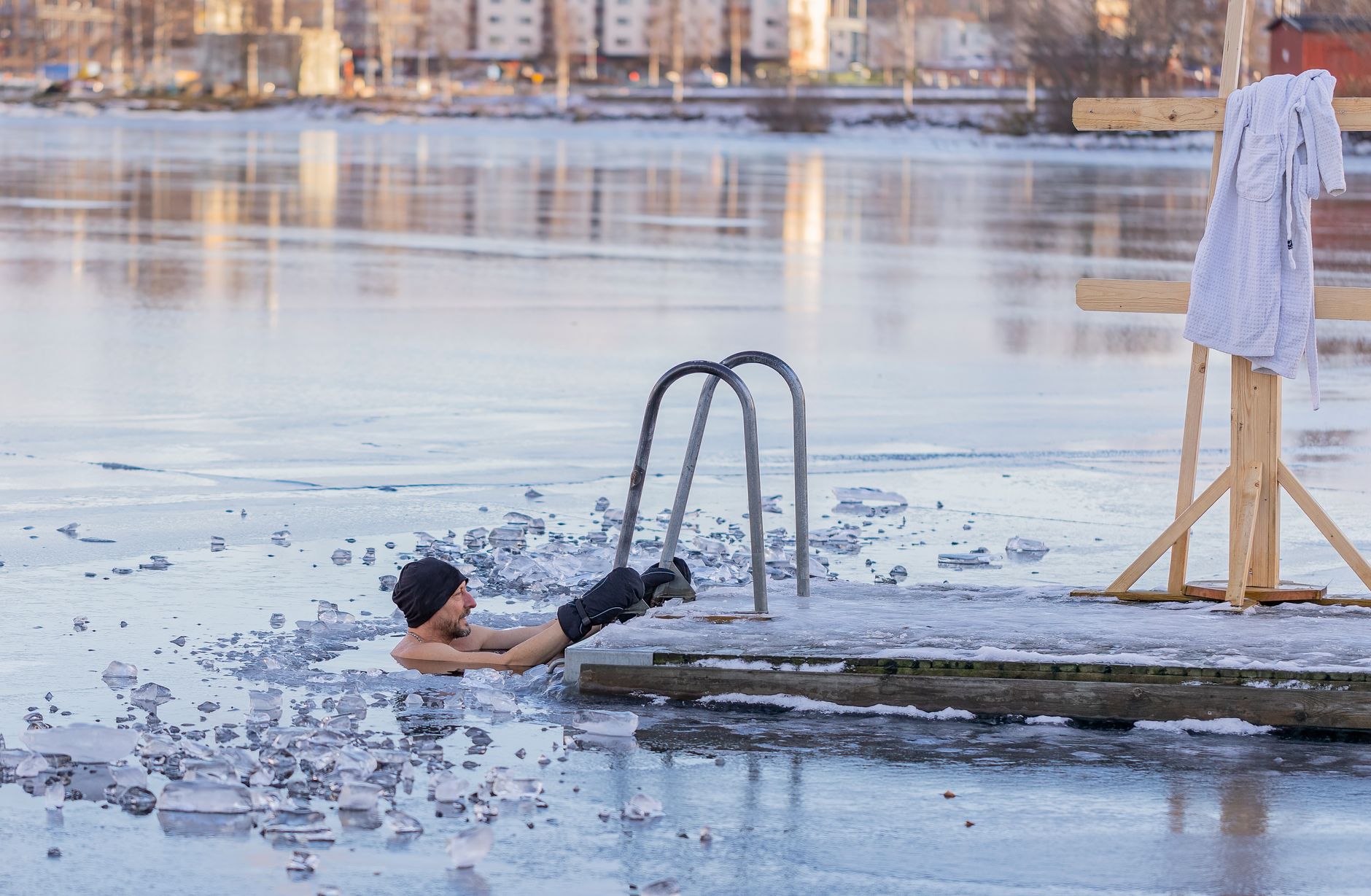
Pro tip: If you’re short on space or don’t want to deal with a full tub, try targeted cold therapy with a cold pack or ice wrap. These can be just as effective for reducing swelling and soreness in specific areas.
For inspiration, check out our guide on cold plunge routines for pregnant moms—many of the tips translate seamlessly to postpartum recovery.
--- ## Cold Plunge Timing: When to Start After DeliveryTiming is everything when it comes to postpartum recovery—and cold plunges are no exception. While the benefits are compelling, rushing into cold therapy can do more harm than good. Here’s when to start and what to expect:
- Wait until your 6-week postpartum checkup. Most healthcare providers recommend waiting until your 6-week checkup before starting cold plunges, especially if you had a C-section or experienced complications during delivery. This ensures your body has had time to heal.
- Start with gentle cold therapy. If you’re eager to experience the benefits before your checkup, try perineal cold packs or ice wraps. These are a gentler way to experience cold therapy without full immersion.
- Listen to your body. If you feel exhausted, overly sore, or emotionally drained, skip the plunge. Postpartum recovery is a marathon, not a sprint.
- Avoid plunges if you’re experiencing:
- Severe pain or discomfort
- Signs of infection (redness, swelling, fever)
- Heavy bleeding or unusual discharge
- Extreme fatigue or depression
- Gradually increase frequency and duration. Start with 1–2 minutes, 2–3 times a week, and gradually build up as your body adapts.
If you’re unsure whether cold plunges are right for you, start with a single session and monitor how you feel. Some women find immediate relief, while others need to adjust their approach. The key is to stay patient and trust your instincts.
For a full postpartum recovery timeline, check out our guide on what to expect in the first year postpartum, which includes milestones for physical and emotional healing.
--- ## Myth vs. Fact: Cold Plunge Misconceptions for Postpartum WomenCold plunges are trendy, but not everything you’ve heard is accurate. Let’s debunk some common myths:
Myth: Cold plunges will make me feel colder and more exhausted. Fact: While cold plunges can be draining at first, they actually help regulate your body’s temperature over time. The key is to start slow and listen to your body. If you feel overly fatigued, reduce the duration or frequency. Myth: Cold plunges will reduce my milk supply. Fact: Cold therapy itself doesn’t directly impact milk supply, but dehydration can. Stay hydrated and monitor your baby’s feeding patterns to ensure they’re getting enough milk. Myth: Cold plunges are only for athletes or fitness enthusiasts. Fact: Cold therapy is for anyone—including new moms! It’s a simple, science-backed way to reduce inflammation, ease pain, and boost mood. You don’t need to be a marathon runner to benefit. Myth: I should plunge every day without breaks. Fact: Overdoing it can lead to burnout or even injury. Most women should start with 2–3 sessions per week and gradually increase as their body adjusts. Myth: Cold plunges are dangerous for postpartum women. Fact: When done safely, cold plunges are low-risk for most women. However, they’re not suitable for everyone—always check with your provider before starting. --- ## Key Takeaways: Cold Plunge Benefits for Postpartum RecoveryCold plunges can be a powerful tool for postpartum recovery, but they’re not a magic bullet. Here’s what you need to remember:
- Start slow. Begin with 1–3 minutes at 50–55°F (10–13°C), 2–3 times a week.
- Prioritize safety. Wait until your 6-week checkup unless your provider says otherwise. Avoid plunges if you have certain health conditions.
- Listen to your body. If you feel dizzy, overly fatigued, or overly stressed, take a break.
- Combine with other recovery strategies. Pair cold plunges with hydration, gentle movement, and rest for best results.
- Monitor your baby’s feeding patterns if breastfeeding. Stay hydrated and ensure your baby is getting enough milk.
- Consult your provider if you’re unsure. They can give you personalized advice based on your recovery journey.
Cold plunges might feel intimidating at first, but many moms find them to be a lifesaver—literally. They’re not about pushing yourself to the limit; they’re about giving your body the tools it needs to heal. So if you’re ready to give it a try, start small, stay patient, and trust the process.
--- ## Frequently Asked Questions About Cold Plunges for Postpartum Women ### Are cold plunges safe for postpartum women? Cold plunges can be safe for most postpartum women, but safety depends on your individual recovery. Wait until your 6-week checkup unless your provider gives you the green light. Avoid plunges if you have uncontrolled hypertension, severe postpartum hemorrhage risk, or open wounds. Always start slow and monitor how you feel. ### What are the benefits of cold water immersion after giving birth? Cold water immersion after giving birth can help reduce swelling, ease muscle soreness, boost circulation, lower inflammation, and even improve mood by reducing cortisol and increasing endorphins. It’s a natural way to support your body’s healing process. ### How often can a new mom do a cold plunge? Most new moms can start with 2–3 cold plunge sessions per week, gradually increasing to daily use as their body adjusts. Listen to your body—if you feel fatigued or overly stressed, take a break. ### Can cold plunges help with postpartum depression? While cold plunges aren’t a replacement for therapy or medication, they may help reduce symptoms of postpartum depression by lowering cortisol, boosting endorphins, and promoting relaxation. Combine them with other evidence-based strategies like sleep hygiene and social support. ### Do cold plunges reduce swelling after childbirth? Yes! Cold therapy helps reduce swelling by constricting blood vessels and slowing metabolic rate in affected areas. Pair it with hydration, leg elevation, and gentle movement for best results. ### Will cold plunges affect breastfeeding? Cold plunges themselves don’t directly affect milk supply, but dehydration can. Stay hydrated and monitor your baby’s feeding patterns. If you notice any changes, consult a lactation consultant. --- ## When to See a Doctor or SpecialistWhile cold plunges are generally safe for most postpartum women, there are times when you should reach out to your healthcare provider:
- If you experience:
- Dizziness, nausea, or chest pain during or after a plunge
- Severe swelling, pain, or unusual discharge
- Signs of infection (redness, warmth, fever)
- Increased fatigue or depression that doesn’t improve
- Heavy bleeding or unusual spotting
- If you’re unsure whether cold plunges are right for you. Your provider can give you personalized advice based on your recovery journey. If you had a C-section or experienced complications during delivery, they may recommend waiting longer before starting cold therapy.
If you’re dealing with persistent pain, swelling, or mental health struggles, consider reaching out to a postpartum specialist or pelvic floor therapist. They can provide tailored support to help you heal safely and effectively.
--- ## References- American College of Obstetricians and Gynecologists (ACOG). Postpartum Care. 2023.
- Mayo Clinic. Cold Therapy (Cryotherapy). 2022.
- National Institute of Mental Health (NIMH). Postpartum Depression. 2023.
- Harvard Health Publishing. The Benefits of Cold Exposure. 2021.
- Laurence, J., et al. Cold Water Immersion and Recovery from Exercise. Sports Medicine, 2015.
- American Psychological Association (APA). Stress and the Body. 2020.
- World Health Organization (WHO). Postpartum Care Guidelines. 2022.

