

Quick take: Your home doesn’t need to be spotless before baby arrives, but deep cleaning key rooms (especially the kitchen and nursery), sanitizing baby items, and swapping harsh chemicals for safer alternatives will protect your little one’s health. Start with a 4-week timeline—focus on deep cleaning in the first trimester, baby-proofing in the second, and organizing baby gear in the third—while keeping your cleaning routine manageable with budget-friendly solutions.Cleaning House Before Baby Comes: A Modern Mom’s Honest Guide
It’s 2 a.m., your phone buzzes with a notification from your baby registry, and suddenly you’re staring at the mountain of laundry in your nursery corner—still in the original packaging. You take a deep breath, then remember the viral TikTok mom who deep-cleaned her entire house in a weekend before her baby arrived, only to realize she had no time to sleep, let alone enjoy her pregnancy. Sound familiar?
Here’s the truth: You don’t need to transform your home into a showroom before baby comes. But you do need to tackle the things that matter most—safety, hygiene, and peace of mind—without burning out. The key is focusing on what’s essential, using gentle (but effective) cleaning methods, and creating a schedule that fits your pregnancy energy levels. Think of this as your practical guide: no perfectionism, just protection.
We’ll break down exactly which rooms to prioritize, how to sanitize baby items safely, and how to declutter without the overwhelm. Oh, and we’ll share the secret to keeping pet odors (and stains) at bay—because no one wants their baby’s first sniff to be a reminder of last week’s muddy paw prints. Let’s get started.
--- ## What rooms to deep clean before baby arrivesYou don’t need to scrub every corner of your home, but certain rooms demand extra attention because they’re high-touch, high-risk for bacteria, or—let’s be honest—your baby will spend a lot of time there. Prioritize these areas:
- Kitchen: Food prep surfaces, appliances, and storage areas need to be spotless to avoid cross-contamination with harmful bacteria like E. coli or Salmonella.
- Bathroom: Showers, sinks, and toilets harbor mold, mildew, and germs that can trigger allergies or respiratory issues in babies.
- Nursery: This is where your baby will sleep, eat, and play—so surfaces like cribs, changing tables, and toys must be sanitized.
- Living areas: Floors, furniture, and window treatments (like blinds) collect dust and allergens that can irritate your baby’s developing immune system.
Many moms tell us they feel guilty about neglecting other rooms, but remember: Your baby won’t be crawling through your guest bathroom anytime soon. Focus on what’s directly related to their safety and comfort.
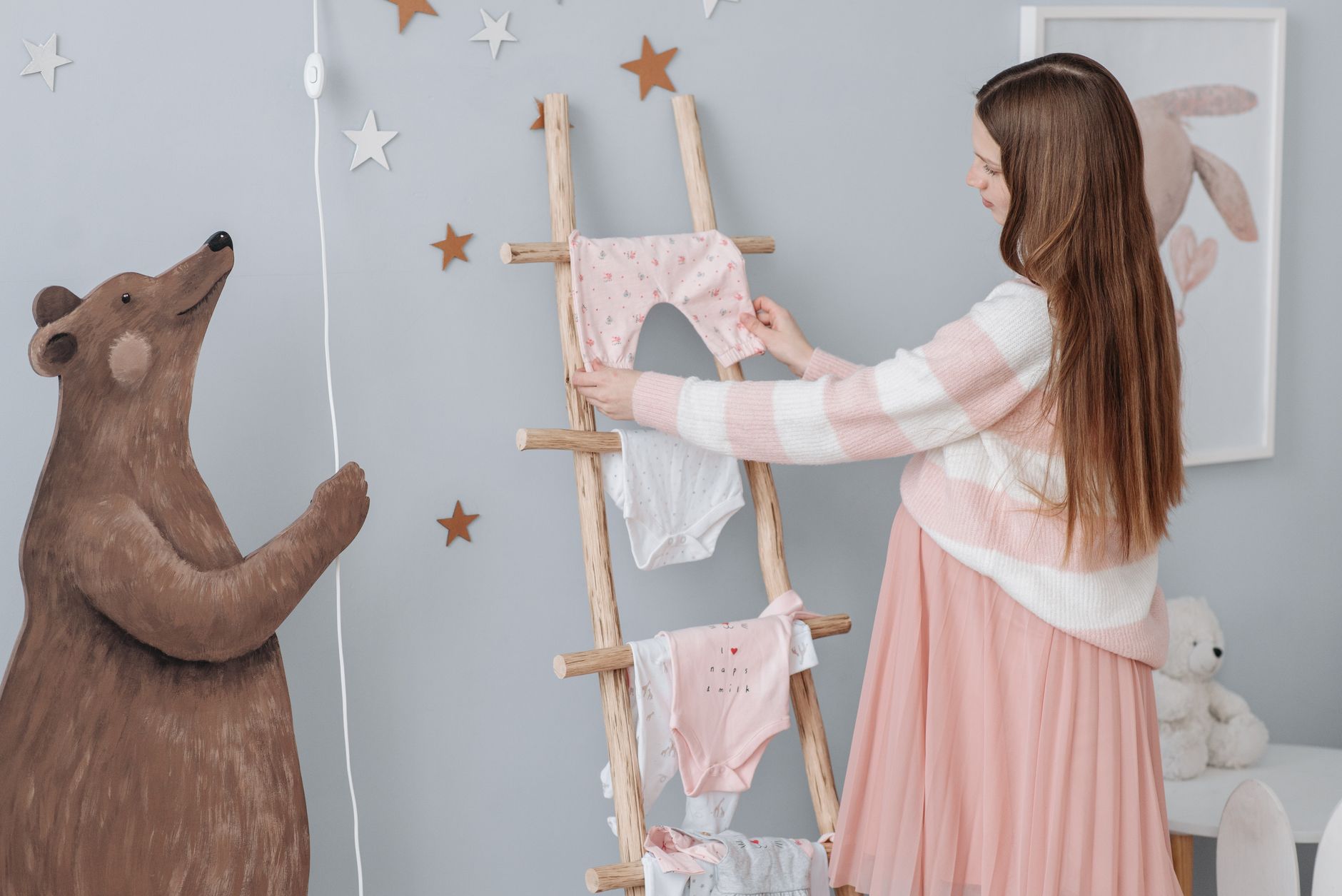
**Pro tip:** If you’re feeling overwhelmed, tackle one room per week. For example, deep clean the kitchen in the first trimester, the nursery in the second, and living areas in the third. This way, you’re not racing against the clock—and you can adjust based on how you’re feeling physically.
--- ## Best baby-proof cleaning products for new parentsNot all cleaning products are created equal—and some can be downright dangerous for babies. The good news? You don’t need to spend a fortune on expensive "baby-safe" brands. Instead, look for products labeled non-toxic, eco-friendly, or low-VOC (volatile organic compounds), and avoid anything with harsh chemicals like ammonia, bleach, or phenol.
Here’s a quick breakdown of what to avoid and what to use:
| Chemical to Avoid | Why It’s Risky | Safer Alternative |
|---|---|---|
| Bleach | Can release toxic fumes when mixed with other cleaners, and residues can irritate a baby’s sensitive skin or lungs. | Hydrogen peroxide (3%) or vinegar for disinfecting |
| Ammonia | Found in many glass cleaners; inhaling fumes can cause respiratory issues, especially for babies with allergies or asthma. | Castile soap or diluted vinegar for glass surfaces |
| Phenol | Common in disinfectants; can cause skin irritation and is linked to developmental concerns in high exposure. | Essential oil-based cleaners (like tea tree or lavender) or natural disinfectants like hydrogen peroxide |
For a deeper dive into natural cleaning during pregnancy, check out our guide on natural cleaning—it’s packed with safe, effective swaps for everything from laundry to floors.
**Budget-friendly picks:**
- Diluted white vinegar: A versatile disinfectant for counters, floors, and even baby bottles (rinse thoroughly after use).
- Hydrogen peroxide (3%): Safe for sanitizing surfaces and even gentle on baby items like pacifiers.
- Castile soap: Works as a mild cleaner for dishes, floors, and even baby gear.
- Baking soda: Great for scrubbing sinks and toilets—just avoid inhaling the dust.
**Pro tip:** Always check labels for fragrance-free options, as scents can trigger allergies or sensitivities in babies. And if you’re unsure about a product, the EWG’s Healthy Living App is a fantastic resource for vetting cleaners.
--- ## How to sanitize baby items before birthYour baby’s first crib, pacifiers, and even their car seat should be sanitized before they arrive. Here’s how to do it safely and effectively:
1. Baby gear (cribs, changing tables, strollers)
Most baby gear is made of materials like wood, plastic, or fabric that can harbor dust mites, mold, or bacteria. Here’s how to clean them:
- Wooden cribs or changing tables: Wipe down with a damp cloth and mild soap (like Castile soap). Avoid soaking wood, as it can warp or crack. For deeper cleaning, use a 50/50 mix of water and white vinegar on a microfiber cloth.
- Plastic or fabric items (like stroller seats or car seats): Follow the manufacturer’s cleaning instructions. Most can be wiped down with a disinfectant like hydrogen peroxide or a diluted bleach solution (1 part bleach to 10 parts water—always rinse thoroughly). For fabric, use a fabric-safe disinfectant spray.
- Mattresses: If your baby’s crib mattress is new, it should come pre-treated. If not, place it in direct sunlight for a few hours to kill dust mites before adding the crib sheet.
2. Pacifiers, bottles, and feeding items
These items come into direct contact with your baby’s mouth, so they need to be sterilized. Here’s how:
- Sterilizing bottles and pacifiers:
- Boiling: Place items in a pot of boiling water for 5–10 minutes (this kills 99.9% of bacteria).
- Steam sterilizer: Follow the manufacturer’s instructions (most take 8–15 minutes).
- Microwave sterilizer bags: Fill with water, add items, and microwave for the recommended time.
- Pacifiers: If you’re using a pacifier clip, clean the clip with soap and water, and replace it every 3–6 months.
- Breast pumps: Disassemble and wash parts with hot, soapy water daily. For deeper cleaning, use a breast pump cleaning solution like Medela’s Sterilizing Tablets.
3. Clothing and blankets
Wash all baby clothes, blankets, and swaddles in hot water (130°F or higher) with a fragrance-free detergent. If your washer has a sanitize cycle, use it. For delicate items like newborn hats or mittens, hand-wash with mild soap and air-dry.
**Pro tip:** If you’re worried about residues from detergents, rinse baby clothes an extra time. Some moms also opt for pre-washed, organic cotton items from the start to avoid irritation.
--- ## Creating a cleaning schedule for expectant momsPregnancy energy levels can be unpredictable—one day you’re cleaning like a pro, the next you’re too tired to lift a mop. That’s why a flexible cleaning schedule is key. Here’s a sample timeline to spread out the work over your third trimester (weeks 28–40), when energy often dips but you still have time to prep.
| Week | Focus Area | Tasks |
|---|---|---|
| 28–30 | Deep Clean Kitchen |
|
| 31–33 | Deep Clean Bathroom & Nursery |
|
| 34–36 | Declutter & Organize |
|
| 37–40 | Maintenance & Final Touches |
|
**Adjust as needed:** If you’re feeling fatigued in your third trimester, shift focus to maintenance tasks like wiping surfaces daily or doing a quick vacuum instead of deep cleaning. And if you’re approaching 37 weeks, prioritize the nursery and baby gear—you’ll want everything ready for labor!
**Pro tip:** Set a timer for 25-minute cleaning sessions (Pomodoro technique) to stay energized. And if you’re short on time, hire a professional cleaner for a deep clean—it’s worth the investment for peace of mind.
--- ## Tips for decluttering before baby arrivesLet’s be real: You’re not just cleaning your house—you’re also dealing with a mountain of baby gear, gifts, and “just in case” items. Decluttering before baby arrives isn’t about perfection; it’s about functionality. Here’s how to tackle it without the overwhelm:
1. The “One In, One Out” Rule
For every new baby item you bring into your home, donate or store something else. This keeps clutter from piling up. For example:
- If you get a new onesie, donate an unused onesie.
- If you buy a second baby book, pass down the first one.
2. The “Baby Essentials” Checklist
Before decluttering, make sure you actually need what you’re keeping. Here’s a minimalist checklist of what most new parents use:
- Diapers and wipes (start with a 3-month supply)
- Bottles and formula (or breast pump parts)
- Swaddles or sleep sacks
- Baby carrier or stroller
- Basic first-aid kit (thermometer, saline drops, infant Tylenol)
- Baby clothes (about 15–20 outfits for the first month)
For a full, printable checklist, check out our essential baby prep guide.
3. The “Baby Gear Audit”
Go through every item of baby gear you’ve received or bought:
- Keep: Items you’ll actually use (e.g., a crib if you’re not co-sleeping, a baby monitor if you want one).
- Donate: Items you won’t use (e.g., a fancy bassinet if you’re using a crib).
- Store: Seasonal items (like winter coats in summer) in labeled bins.
**Pro tip:** Use clear bins for storage so you can see what’s inside. Label them with a Sharpie for easy access. And if you’re feeling stuck, try the “maybe” box: Toss items you’re unsure about into a box, and if you don’t reach for them in a month, donate them.
If you have pets, you know they leave more than just fur behind—they also leave odors that can linger in your home. For babies with allergies or sensitive respiratory systems, pet dander and smells can be a concern. Here’s how to tackle them safely:
1. Deep Clean Pet Areas
Focus on high-traffic pet zones:
- Pet beds: Wash with hot water and a pet-safe detergent (like Tide Free & Gentle).
- Carpets and furniture: Use a pet hair remover tool or a vacuum with a HEPA filter. For stains, spot-clean with a mix of baking soda and hydrogen peroxide (test on a hidden area first).
- Litter boxes: Scoop daily and wash with an enzyme cleaner (like Rover Enzyme Cleaner) to break down odors at the source.
2. Neutralize Odors Naturally
Skip harsh air fresheners, which can irritate babies’ lungs. Instead, try:
- Vinegar solution: Mix equal parts water and white vinegar in a spray bottle, shake, and spray lightly on surfaces. Let air dry.
- Baking soda: Sprinkle on carpets, let sit for 15 minutes, then vacuum. For pet bedding, mix baking soda with a few drops of lavender oil (if your baby isn’t sensitive to scents) and let it sit overnight.
- Essential oils (cautiously): Some oils like lavender or tea tree can help neutralize odors, but avoid using them directly on baby items or in the nursery (babies’ systems are sensitive). Instead, diffuse them in a well-ventilated room.
3. Wash Pet Clothing and Blankets
If your pet sleeps on your bed or couch, wash their blankets and clothing in hot water with a pet-safe detergent. For fabric items like pet beds, use a HEPA-filter vacuum to remove dander before washing.
4. Train Your Pet to Stay Out of Certain Areas
If possible, designate a “pet-free zone” in the nursery or living areas where baby will spend time. Use baby gates or closed doors to keep pets out. If your pet is anxious about change, consider hiring a pet sitter or trainer to help them adjust to the new routine.
**Pro tip:** If you’re struggling with pet odors, consider a HEPA air purifier for the nursery. These filters out dander and allergens, which can be especially helpful for babies with allergies.
--- ## Organizing baby gear while cleaning houseLet’s face it: Baby gear is everywhere. Between the registry, hand-me-downs, and “just in case” items, it’s easy to feel like you’re drowning in plastic. The key to organizing is zoning—grouping related items together in easy-to-access spots. Here’s how to do it:
1. The “Diaper Station”
Keep diapers, wipes, and changing supplies in one central location (like a bathroom or nursery). Use a caddy or bin with compartments for:
- Diapers (sorted by size)
- Wipes
- Diaper cream
- Changing pad
- Small trash can
2. The “Feeding Station”
If you’re bottle-feeding, set up a station with:
- Bottles and formula (or breast pump parts)
- Bottle brush and drying rack
- Burp cloths
- Small trash can for used bottles
If you’re breastfeeding, keep your pump parts, bottles, and storage bags nearby.
3. The “Sleep Station”
Organize swaddles, sleep sacks, and pacifiers in a bin near the crib. Use clear bins so you can see what’s inside, and label them with the baby’s name or size.
4. The “Outings Bin”
Pack a separate bin for diaper bags, car seat, stroller, and any essentials you’ll need when you’re out. Include:
- Extra diapers and wipes
- Change of clothes for baby
- Snacks and water for you
- Baby wipes and a small trash bag
- Pacifiers (if applicable)
5. The “Seasonal Storage”
For items you won’t use year-round (like winter hats or summer swim diapers), use labeled bins and store them in a closet or under the bed. Include:
- Clothes by season
- Toys or blankets by type
- Seasonal accessories (like sun hats or mittens)
**Pro tip:** Use over-the-door organizers for small items like pacifiers, teething toys, or nail clippers. They’re space-saving and easy to access.
**Representative story:** One reader, Sarah, told us she felt overwhelmed by the amount of baby gear she had accumulated. “I had drawers full of onesies I’d never wear, and a closet packed with items I didn’t even know I owned,” she said. “I started with the ‘maybe’ box trick, and within a week, I had enough space to actually enjoy setting up the nursery. Now, everything has a home, and I don’t feel like I’m drowning in plastic.”
--- ## Cleaning tips for new parents with allergiesIf you or your baby have allergies, asthma, or sensitivities, cleaning your home safely requires extra care. Here’s how to minimize triggers:
1. Choose Hypoallergenic Cleaning Products
Avoid products with fragrances, dyes, or synthetic scents, which can irritate allergies. Opt for:
- Fragrance-free detergents (like Dr. Bronner’s)
- Allergy-friendly disinfectants (like Bleach-Free)
- HEPA-filter vacuums (like Miele)
2. Reduce Dust and Dander
Dust mites and pet dander are common triggers. To minimize them:
- Use washable, hypoallergenic bedding (like Dacron or allergy-proof covers).
- Wash bedding weekly in hot water (130°F or higher).
- Use air purifiers with HEPA filters in the nursery and living areas.
- Remove carpets or use low-pile, washable rugs.
3. Clean Gently
Avoid harsh scrubbing, which can stir up dust and allergens. Instead:
- Use microfiber cloths to trap dust instead of feathering it into the air.
- Wipe surfaces with a damp (not wet) cloth to avoid moisture buildup.
- Avoid steam cleaning carpets if you have severe allergies (it can release allergens into the air).
4. Monitor Indoor Air Quality
Keep windows open for 30 minutes daily to improve airflow, and avoid smoking or burning candles with strong scents. If you have a gas stove, use it with the range hood on to reduce indoor pollutants.
**Pro tip:** If you’re unsure about a product, check the EWG’s Healthy Living App for allergy-friendly ratings.
--- ## Budget-friendly cleaning supplies for expecting momsYou don’t need to spend a fortune to clean your home safely before baby arrives. Here’s a list of affordable, effective alternatives:
| Task | Budget-Friendly Solution | Where to Buy | Cost (Approx.) |
|---|---|---|---|
| All-purpose cleaner | Diluted white vinegar + water (1:1 ratio) | Any grocery store | $0.50 per use |
| Disinfectant | Hydrogen peroxide (3%) or rubbing alcohol (70% isopropyl) | Drugstore | $0.25 per use |
| Scrubbing agent | Baking soda or coarse salt | Grocery store | $0.10 per use |
| Glass cleaner | Equal parts water and vinegar in a spray bottle | Anywhere | $0.00 (DIY) |
| Laundry detergent | Castile soap or Woolite | Drugstore or grocery store | $0.50 per load |
| Air freshener | Simmer pot with citrus peels, cinnamon, and cloves | Grocery store | $0.50 (ingredients only) |
| Pet odor remover | Baking soda + essential oils (lavender or tea tree) | Grocery store | $1.00 per use |
**Pro tip:** Buy cleaning supplies in bulk or in large refillable bottles to save money. And if you’re short on time, set up a cleaning station with all your supplies in one place so you can tackle tasks quickly.
--- ## Myth vs. Fact: Cleaning Before BabyLet’s debunk some common misconceptions about cleaning before baby arrives:
Myth: You need to deep clean your entire house before baby arrives.
Fact: Focus on what matters most—kitchen, bathroom, nursery, and baby gear. The rest can wait until after baby arrives. Perfection isn’t the goal; safety and hygiene are.
Myth: Bleach is safe to use around babies.
Fact: Bleach releases toxic fumes when mixed with other cleaners and can irritate a baby’s lungs or skin. Opt for safer alternatives like hydrogen peroxide or vinegar.
Myth: You can’t use essential oils around babies.
Fact: While some essential oils can be irritating to babies, others like lavender or chamomile are generally safe when used diluted and in moderation. Always check with your provider first, especially if your baby has allergies or sensitivities.
Myth: You need to buy expensive baby-safe cleaning products.
Fact: Many budget-friendly, natural cleaners (like vinegar, baking soda, and Castile soap) are just as effective—and safer—for your baby.
--- ## Key Takeaways- Prioritize safety: Focus on deep cleaning the kitchen, bathroom, and nursery, and sanitize all baby items before birth.
- Swap harsh chemicals: Use non-toxic, eco-friendly cleaners to protect your baby’s health.
- Create a schedule: Spread out cleaning tasks over your third trimester to avoid burnout.
- Declutter intentionally: Keep only what you’ll actually use, and organize baby gear by function.
- Tackle pet odors early: Wash pet beds, vacuum carpets, and use natural odor neutralizers.
- Adjust for allergies: Use hypoallergenic products, reduce dust, and monitor indoor air quality.
- Stick to a budget: DIY cleaners and bulk supplies can save you money without sacrificing safety.
What is the best time to deep clean before a baby arrives?
The ideal time is during your third trimester (weeks 28–40), when you still have energy but baby is close. Start with deep cleaning key rooms like the kitchen and bathroom, then move on to the nursery and baby gear. If you’re feeling fatigued, focus on maintenance tasks like wiping surfaces daily instead of deep cleaning.
Which cleaning products are safe for babies?
Avoid products with bleach, ammonia, phenol, or strong fragrances. Instead, opt for non-toxic, eco-friendly cleaners like diluted vinegar, hydrogen peroxide, Castile soap, or baking soda. Always check labels for fragrance-free and low-VOC options. For a deeper dive, check out our guide on natural cleaning.
How often should you clean the house before a baby?
Instead of deep cleaning every room at once, spread out tasks over your third trimester. Aim for one major cleaning session per week, focusing on different areas each time. For example:
- Week 1: Kitchen
- Week 2: Bathroom
- Week 3: Nursery
- Week 4: Living areas and decluttering
After baby arrives, shift to daily maintenance (wiping surfaces, doing quick tidies) and weekly deep cleans of high-traffic areas.
What rooms need the most cleaning before a baby?
Prioritize these rooms because they’re high-touch or directly related to baby’s safety:
- Kitchen: Food prep surfaces, appliances, and storage areas harbor bacteria.
- Bathroom: Showers, sinks, and toilets collect mold, mildew, and germs.
- Nursery: Cribs, changing tables, and toys need to be sanitized.
- Living areas: Floors, furniture, and window treatments collect dust and allergens.
Other rooms can wait until after baby arrives.
Can you use bleach in a house with a baby?
No, bleach is not recommended for homes with babies. It releases toxic fumes when mixed with other cleaners and can irritate a baby’s lungs or skin. Instead, use safer alternatives like hydrogen peroxide (3%) or diluted vinegar for disinfecting. If you must use bleach, do so in a well-ventilated area and avoid using it around baby.
How to remove pet stains before baby arrives?
Pet stains can be tricky, but here’s how to tackle them:
- Blot (don’t rub) the stain to avoid spreading it.
- Use a mix of baking soda and hydrogen peroxide (test on a hidden area first) to treat the stain.
- Wash pet beds and blankets in hot water with a pet-safe detergent.
- Use an enzyme cleaner (like Rover Enzyme Cleaner) to break down odors at the source.
- Vacuum carpets and furniture with a HEPA-filter vacuum to

