

Quick take: Christian motherhood isn’t about rigid rules or guilt—it’s about weaving faith into the messy, beautiful reality of raising children. Whether you’re praying over ultrasound photos, choosing faith-based discipline, or navigating sleep deprivation while still attending Sunday service, this guide helps you blend spiritual depth with practical parenting. Remember: your faith is your anchor, not your stressor.Christian Motherhood: Faith-Based Parenting in a Modern World
It was 3 a.m. when the nursery light flickered on again. Your newborn’s cries echoed through the house, and you—exhausted, nursing a cup of lukewarm coffee—wondered: *How do I balance this moment with my faith?* You’ve memorized Bible verses about motherhood, but right now, the only prayer you can muster is a desperate whisper: *"God, just help me get through this hour."*
If this sounds familiar, you’re not alone. Millions of Christian moms—first-time parents, exhausted seasoned moms, and everyone in between—struggle to reconcile the sacred call of motherhood with the ordinary (and sometimes overwhelming) realities of diaper changes, sleepless nights, and the pressure to "do it all" for Jesus. The good news? Faith-based parenting isn’t about perfection. It’s about intentionality. It’s about trusting God with the small things *and* the big ones.
This guide is for you—the mom who wants to raise her children with faith but isn’t sure how to start, the woman who feels guilty for not attending every church event, or the new parent wondering how to pray when every day feels like a spiritual marathon. We’ll explore how to integrate faith into prenatal care, navigate the first-year chaos with spiritual resilience, and find community when you feel isolated. You’ll discover practical ways to discipline with love, name your baby with meaning, and recover postpartum with Scripture as your support system.
Whether you’re a devout believer or a curious seeker, this article is rooted in real stories, biblical wisdom, and the hard-won lessons of moms who’ve walked this path before you. And if you’re feeling overwhelmed right now, take a deep breath. We’ll start with the foundation—how to prepare your heart for motherhood *before* the baby arrives.
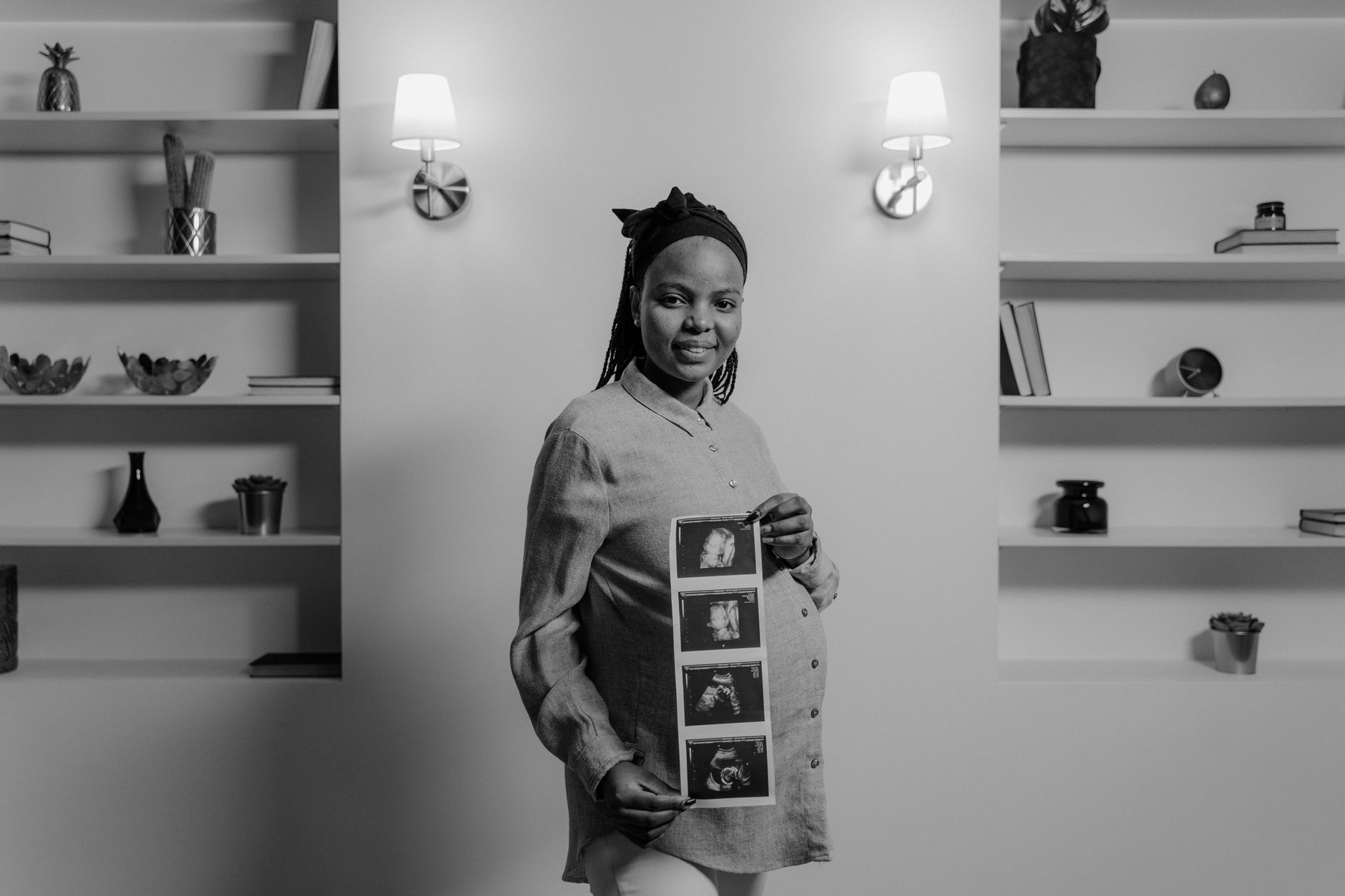
How to Prepare Your Heart for Motherhood Before the Baby Arrives
Pregnancy isn’t just a physical journey—it’s a spiritual one. Many Christian moms tell us they wish they’d spent more time preparing their hearts *before* their babies arrived. The good news? It’s never too late to start. Spiritual preparation isn’t about checking off a list; it’s about aligning your heart with God’s purpose for motherhood.
Start with prayer. Before you even see those two pink lines, begin a daily habit of praying for your unborn child. Ask God to guide your decisions, protect your baby, and give you patience for the changes ahead. Many moms find it helpful to pray specific Scriptures over their pregnancy, such as:
- “May the Lord bless you and keep you; may He make His face shine upon you and be gracious to you.” (Numbers 6:24–25)
- “The Lord Himself goes before you and will be with you; He will never leave you nor forsake you.” (Deuteronomy 31:8)
Read and meditate on motherhood in Scripture. The Bible has so much to say about motherhood—from the tender love of Ruth for Naomi to the wisdom of Proverbs 31. Dive into passages like Psalm 139 (which reminds us God knows us even in the womb) or 1 Timothy 2:15 (where childbearing is described as a “salvation” for women). Ask yourself: *What does God want me to learn about motherhood through these stories?*
Seek wisdom from other moms. If you’re part of a church or small group, reach out to women who’ve been through pregnancy and early motherhood. Their stories—both the triumphs and the struggles—can help you feel less alone. You might also find a Christian motherhood support group online or in your community. Isolation is the enemy of faith, and community is the fuel for resilience.
Prepare your home spiritually. Even before your baby arrives, create a sacred space—a corner of your room with a small altar, a Bible, and candles (if you’re comfortable with them). Light a candle on your baby’s due date or the day you find out you’re pregnant. Some moms bless their home by sprinkling holy water (if you’re Catholic) or simply praying over each room as they decorate.
Address fears with faith. Anxiety about motherhood is normal—even for the most spiritually mature women. When doubts creep in, write them down and bring them to God. Journaling can be a powerful way to process fears and see them in light of Scripture. Ask yourself: *What does God say about my fears?*
Plan for postpartum. Many Christian moms overlook the spiritual challenges of postpartum. Start researching postpartum recovery guides with a faith-based lens now. Will you need a postpartum doula who shares your values? How will you incorporate prayer into your recovery? Begin thinking about these questions *before* the baby comes so you’re not scrambling later.
Remember: God is already at work. The Bible tells us that God “works all things together for good” (Romans 8:28). Even the messy, uncertain parts of pregnancy and motherhood are part of His plan. Trust that He’s preparing you—inside and out—for the journey ahead.
--- ##How to Incorporate Faith Into Prenatal Care
Start with gratitude. Begin each prenatal appointment with a moment of thanks. Before you leave for the doctor, pray: *"God, thank You for this time to check on my baby’s health. Help me to trust You with every detail."* Some moms even keep a gratitude journal, writing down blessings—big and small—each week.
Pray over medical decisions. If you’re faced with choices like prenatal aspirin dosing or genetic testing, pray for wisdom. Ask God to guide your heart as you weigh medical advice with spiritual discernment. Remember, God doesn’t expect you to have all the answers—just to seek Him in every decision.
Create a faith-based prenatal routine. Incorporate spiritual practices into your daily life:
- Morning devotion: Start your day with Scripture, prayer, and a moment of silence. Try reading Psalm 139 aloud as you prepare for the day.
- Evening reflection: Before bed, thank God for your baby’s health and ask for protection. Some moms place their hands on their belly and pray silently.
- Weekly prayer journal: Write down specific prayers for your baby’s health, your own strength, and your family’s future.
Use faith-based resources. Many Christian apps and books can help you stay connected to God during pregnancy. Try:
- YouVersion Bible App (with pregnancy-specific reading plans).
- The Jesus Storybook Bible (for reading aloud to your baby after birth).
- Prayer Cards for Pregnancy (available from Christian bookstores).
Invite others to pray for you. Share your pregnancy journey with your church community. Ask friends or small groups to pray for you and your baby. There’s something powerful about knowing others are lifting you up to God.
Find meaning in the ordinary. Even mundane tasks like taking prenatal vitamins or attending ultrasounds can become sacred moments. Some moms bless their vitamins by praying over them or keep ultrasound photos in a special place to remind them of God’s presence.
Trust God with the unknown. Pregnancy isn’t always smooth. There may be complications, fears, or unexpected challenges. In those moments, cling to Jeremiah 29:11: *"For I know the plans I have for you,” declares the Lord, “plans to prosper you and not to harm you, plans to give you hope and a future."* God’s plans are good, even when the path isn’t clear.
--- ##Christian Parenting Tips for First-Time Moms: Building a Faith Foundation
Becoming a first-time mom is terrifying—even for the most confident Christian women. The good news? Faith isn’t about having it all figured out; it’s about starting with what you do have. Here’s how to build a faith foundation for your family from day one.
Start with prayer. Before your baby arrives, begin a daily prayer routine. Pray for wisdom, protection, and patience. Ask God to guide your decisions as you navigate diaper changes, sleep schedules, and the overwhelming list of "must-haves." Many moms find it helpful to pray specific Scriptures over their baby’s life, such as:
- “Train up a child in the way he should go; even when he is old he will not depart from it.” (Proverbs 22:6)
- “Let the little children come to me, and do not hinder them.” (Mark 10:14)
Create a home altar. Even in a small space, designate a corner of your home as a sacred area. Place a Bible, a candle, and a small cross (or other faith symbol) there. Light a candle on your baby’s first birthday or the day you brought them home. Some moms also bless their home by anointing the doors with oil (if they’re comfortable with this practice).
Read Scripture together. Start small—even one verse a day. Read Psalm 23 to your baby as you hold them. Use a children’s Bible like The Jesus Storybook Bible to introduce them to God’s love. The goal isn’t to teach complex theology but to plant seeds of faith early.
Practice gratitude. Motherhood is full of chaos, but gratitude can be your anchor. Every day, take a moment to thank God for your baby’s smile, their tiny hands, or even the fact that they’re healthy. Gratitude shifts your focus from what’s lacking to what God has provided.
Find your tribe. Surround yourself with other Christian moms. Join a Christian motherhood support group, attend a mom-and-baby Bible study, or connect with women in your church who’ve been through the first-year journey. Isolation makes faith feel harder—community makes it possible.
Embrace the messy. You don’t have to have it all together. Some of the most meaningful spiritual moments in motherhood happen in the middle of the night, during a messy playdate, or while waiting in line at the grocery store. God meets us exactly where we are.
Teach through example. Kids learn more from what we do than what we say. If you’re struggling with patience, ask God to give you grace. If you’re feeling overwhelmed, pray for strength. Your authenticity will teach your child that faith isn’t about perfection—it’s about trust.
Trust God with the details. You don’t have to have a perfect plan. God is faithful even when your house is a disaster zone and your baby is crying. Remember Psalm 127:1: *"Unless the Lord builds the house, those who build it labor in vain."* Your job isn’t to build a perfect life—it’s to trust God with the foundation.
--- ##Bible Verses for Pregnancy and Motherhood: Scriptures to Anchor Your Heart
When you’re pregnant or raising children, you’ll need more than just words of encouragement—you’ll need Scripture to anchor your heart. These verses are divided into categories to help you navigate the emotional and spiritual journey of motherhood.
Verses for Pregnancy:
- Psalm 139:13–16: *"For you created my inmost being; you knit me together in my mother’s womb. I praise you because I am fearfully and wonderfully made; your works are wonderful, I know that full well. My frame was not hidden from you when I was made in the secret place, when I was woven together in the depths of the earth."
- Jeremiah 1:5: *"Before I formed you in the womb I knew you, before you were born I set you apart."
- Luke 1:41–44: *"When Elizabeth heard Mary’s greeting, the baby leaped in her womb, and Elizabeth was filled with the Holy Spirit. In a loud voice she exclaimed: ‘Blessed are you among women, and blessed is the child you will bear! But why am I so favored, that the mother of my Lord should come to me?’"
Verses for Strength:
- Isaiah 40:31: *"But those who hope in the Lord will renew their strength. They will soar on wings like eagles; they will run and not grow weary, they will walk and not be faint."
- Philippians 4:13: *"I can do all things through Christ who strengthens me."
- 2 Corinthians 12:9: *"But He said to me, ‘My grace is sufficient for you, for my power is made perfect in weakness.’ Therefore I will boast all the more gladly about my weaknesses, so that Christ’s power may rest on me."
Verses for Discipline:
- Proverbs 22:6: *"Train up a child in the way he should go; even when he is old he will not depart from it."
- Colossians 3:21: *"Fathers, do not exasperate your children; instead, bring them up in the training and instruction of the Lord."
- Ephesians 6:4: *"Fathers, do not provoke your children to anger by the way you treat them. Rather, bring them up with the discipline and instruction of the Lord."
Verses for Joy:
- Psalm 127:3–5: *"Children are a heritage from the Lord, offspring a reward from Him. Like arrows in the hands of a warrior are children born in one’s youth. Blessed is the man whose quiver is full of them."
- Psalm 113:9: *"He gives the barren woman a home, making her the joyous mother of children."
- 1 Thessalonians 5:16–18: *"Rejoice always, pray continually, give thanks in all circumstances; for this is God’s will for you in Christ Jesus."
Verses for Grief or Loss:
- John 14:18: *"I will not leave you as orphans; I will come to you."
- Psalm 34:18: *"The Lord is close to the brokenhearted and saves those who are crushed in spirit."
- Revelation 21:4: *"He will wipe every tear from their eyes. There will be no more death or mourning or crying or pain, for the old order of things has passed away."
How to use these verses:
- Write them on sticky notes and place them around your home.
- Memorize one verse a month to anchor your heart.
- Share them with your partner, friends, or church community.
- Pray them over your baby or your family each day.
Balancing Church Commitments with Newborn Care: A Faithful Approach
There’s a myth that Christian moms have it all together—attending every church event, hosting Bible studies, and raising "perfect" children. The reality? Many moms feel guilty for missing Sunday service, overwhelmed by the idea of volunteering, or exhausted from the pressure to "do it all" for God. The truth? God doesn’t expect you to be superhuman. He expects you to be faithful—*wherever you are*.
Start with grace. If you’re a new mom, your first year is about survival, not service. That’s okay. God doesn’t measure your worth by how many church activities you attend. He measures it by how deeply you love your child and trust Him with the rest.
Prioritize your family. Your newborn’s needs should come first. If that means missing a Sunday service or a mom’s group meeting, that’s not a failure—it’s a priority. Many churches understand this and offer parent-and-baby services or flexible attendance options. Don’t hesitate to ask for accommodations.
Find your rhythm. In the early months, your schedule will be unpredictable. Instead of trying to fit into a rigid church routine, look for ways to integrate faith into your new normal:
- Pray with your baby during diaper changes.
- Read a short Bible story during feedings.
- Attend a midweek service or small group when you’re feeling more rested.
Leverage technology. If you can’t attend in person, many churches offer live-streaming services, online sermons, or podcasts. You can listen while you’re nursing, rocking your baby, or waiting in line at the grocery store.
Delegate and outsource. You don’t have to do everything alone. Ask your partner, family, or friends to help with chores so you can focus on your baby. Many churches also have postpartum support groups or meal trains to help new moms.
Focus on what matters. Not every church activity is essential. If attending every event feels like a burden, simplify. Focus on the things that nourish your soul—whether that’s Sunday service, a small group, or quiet time at home.
Remember: Your child’s spiritual growth starts at home. Your baby is learning about God through your love, your prayers, and the way you live. You don’t need a perfect church life to raise a child with faith. You just need to be present—and that’s enough.
When guilt creeps in. If you feel guilty for not attending church or serving more, remind yourself: God doesn’t love you more when you’re busy; He loves you because you’re His. Your worth isn’t tied to your productivity. It’s tied to His grace.
--- ##Faith-Based Discipline Strategies for Toddlers: Love and Boundaries
Disciplining a toddler is hard—even for the most patient Christian moms. The good news? Faith-based discipline isn’t about punishment; it’s about teaching, correcting with love, and trusting God to work in your child’s heart. Here’s how to blend biblical principles with practical parenting.
Start with love. Discipline without love is just control. The Bible teaches that God disciplines us because He loves us (Hebrews 12:6). Show your toddler that correction comes from a place of care, not anger. Use gentle, firm words like, *"I love you, and I want to help you learn."*
Teach through stories. Use Bible stories to illustrate right and wrong. When your toddler misbehaves, say, *"Remember when David was little and he made a mistake? God still loved him. Let’s talk about what we can do differently next time."* This helps them see discipline as part of their spiritual growth.
Use positive reinforcement. Praise good behavior immediately. When your toddler shares a toy or listens to you, say, *"I’m so proud of you for being kind! That’s what God would want you to do."* Positive reinforcement builds their faith and their character.
Set clear, biblical boundaries. Boundaries aren’t just about rules—they’re about teaching respect, obedience, and self-control. Use Scriptures to explain why rules matter:
- *"Respect your mother and father"* (Ephesians 6:2).
- *"Do nothing out of selfish ambition"* (Philippians 2:3).
Avoid shame. Shaming a child ("You’re so selfish!") can damage their self-esteem and their relationship with God. Instead, focus on the behavior: *"I see you’re having a hard time sharing. Let’s pray together and ask God for help."*
Pray with your child. When they’re struggling with discipline, pray with them. Say, *"God, help [child’s name] to choose kindness. Show us how to love like You do."* This teaches them that discipline is a spiritual journey, not just a parental task.
Model faith in discipline. Toddlers learn more from what you do than what you say. If you’re struggling with patience, ask God for help. Your child will see that faith isn’t about perfection—it’s about trust.
Use natural consequences. Instead of punishing, let natural outcomes teach lessons. If your toddler refuses to wear a coat and gets cold, say, *"I see you’re shivering. Let’s put your coat on so you stay warm. God wants us to take care of our bodies."* This helps them connect choices with results.
When to seek help. If discipline becomes overwhelming or your toddler shows signs of anxiety, depression, or behavioral issues, talk to your pediatrician or a Christian counselor. You’re not failing—you’re doing your best, and that’s enough.
--- ##Prayer Routine for Expectant Christian Mothers: A Daily Guide
Prayer isn’t just a spiritual exercise—it’s a lifeline for expectant moms. When you’re pregnant, the world feels bigger, the unknowns feel scarier, and the weight of responsibility can feel overwhelming. A daily prayer routine can anchor you in God’s presence, even on the hardest days.
Morning Prayer: Setting the Tone
- Gratitude: Start by thanking God for your baby’s life. Say, *"Thank You for this gift. Thank You for Your presence in my life."*
- Protection: Pray for your baby’s health and safety. Use Psalm 91:9–10 as a foundation: *"If you make the Lord your refuge, if you make the Most High your dwelling, no harm will overtake you, no disaster will come near your tent."*
- Guidance: Ask God to guide your decisions—from prenatal vitamins to doctor’s appointments. Say, *"Show me Your will for this pregnancy. Help me to trust You with every detail."*
Midday Prayer: Trusting in the Moment
- Strength: If you’re feeling anxious, pray Philippians 4:6–7: *"Do not be anxious about anything, but in every situation, by prayer and petition, with thanksgiving, present your requests to God. And the peace of God, which transcends all understanding, will guard your hearts and your minds in Christ Jesus."*
- Blessings: Pray for your baby’s character. Say, *"God, help [baby’s name] to grow in love, joy, and peace. Let them know Your love from the very beginning."*
- Faith: If you’re struggling with doubt, pray Mark 9:23–24: *"‘If you can’?” said Jesus. ‘Everything is possible for one who believes.’ Immediately the boy’s father exclaimed, ‘I do believe; help me overcome my unbelief!’"
Evening Prayer: Closing the Day
- Reflection: Spend a few minutes reflecting on your day. Thank God for small blessings—your baby’s kicks, a peaceful doctor’s visit, or a moment of joy.
- Protection: Pray for safety as you rest. Say, *"God, watch over [baby’s name] as I sleep. Keep us both in Your care."*
- Preparation: Ask God to prepare your heart for the days ahead. Say, *"Help me to be patient, loving, and trusting as I prepare for motherhood."*
Weekly Prayer Focus
- Week 1: Protection Pray for your baby’s health and safety.
- Week 2: Guidance Ask for wisdom in decisions about prenatal care.
- Week 3: Character Pray for your baby’s spiritual growth.
- Week 4: Strength Ask God to sustain you as you prepare for motherhood.
Prayer Journaling Write down your prayers and answers. Some moms keep a pregnancy prayer journal, noting:
- Prayers they’ve prayed.
- Answers they’ve received.
- Moments of peace or anxiety.
Prayer Partners Share your pregnancy journey with a friend or small group. Ask them to pray with you weekly. Knowing others are lifting you up can be a powerful source of encouragement.
When Prayer Feels Hard If you’re struggling to pray, that’s okay. God hears your heart even when your words fail. Try praying Psalm 139:23–24 as a starting point: *"Search me, God, and know my heart; test me and know my anxious thoughts. See if there is any offensive way in me, and lead me in the way everlasting."* Then simply say, *"God, I don’t know what to say, but I need You."*
---
Christian Motherhood Support Groups: Finding Community and Strength
Motherhood is hard—even for the most spiritually grounded women. There’s a difference between *knowing* you’re not alone and *feeling* it. For Christian moms, that difference can make all the difference in how we navigate the ups and downs of raising children.
Why support groups matter. Isolation is the enemy of faith. When you’re exhausted, overwhelmed, or struggling with guilt, a community of women who understand can be a lifeline. Support groups provide:
- Practical help—meals, childcare, or just a listening ear.
- Spiritual encouragement—Scripture, prayer, and accountability.
- Emotional safety—a place to share struggles without judgment.
Where to find Christian motherhood support groups.
- Local churches: Most churches have mom-and-baby groups, postpartum support circles, or small groups for new moms. Ask your pastor or women’s ministry leader for details.
- Online communities: Platforms like Facebook Groups (e.g., "Christian Moms Support Group") or forums like Focus on the Family’s Parenting Forum offer virtual community.
- Christian parenting organizations: Groups like Focus on the Family, The Village Church’s Parenting Ministry, or Pray.com offer resources and support.
- Postpartum-specific groups: After birth, many moms experience postpartum depression or anxiety. Organizations like Postpartum Support International offer faith-based support groups.
What to look for in a support group.
- Faith-based focus: Look for groups that incorporate Scripture, prayer, or biblical principles into discussions.
- Inclusivity: A good group welcomes women at all stages of motherhood—new moms, seasoned parents, and those struggling with infertility or loss.
- Practical support: Beyond emotional support, the best groups offer tangible help—meal trains, playdates, or childcare swaps.
- Accountability: Some groups use Bible studies or small-group discussions to hold each other accountable in faith and parenting.
How to get the most out of a support group.
- Be honest: Share your struggles—whether it’s postpartum anxiety, guilt over not attending church, or feeling overwhelmed. Others have been there.
- Give as much as you receive: Offer to bring a meal, help with a baby, or listen to someone else’s story. Community works best when it’s mutual.
- Pray together: Many groups start or end meetings with prayer. This reinforces that your struggles are spiritual as well as practical.
- Set boundaries: It’s okay to step back if a group isn’t the right fit. Your well-being matters.
Representative story: Sarah’s journey. Sarah, a first-time mom, felt alone in her struggles with postpartum anxiety. She joined a local church’s mom-and-baby group, where she met Lisa, a seasoned mom who’d been through postpartum depression. Lisa shared her story, prayed with Sarah, and even offered to watch her baby so Sarah could rest. *"I thought I was failing,"* Sarah says, *"but Lisa helped me see that my feelings were valid—and that God was still with me."*
Online support groups: A lifeline when you can’t attend in person. If you’re unable to meet in person, online groups can be just as valuable. Some popular options include:
- Facebook Groups: Search for groups like "Christian Moms Support Group" or "Postpartum Faith-Based Support."
- Reddit: Subreddits like r/ChristianMoms or r/PostpartumDepression often have Christian-friendly threads.
- Discord Servers: Some faith-based communities host private Discord servers for moms.
When to seek professional help. If you’re struggling with depression, anxiety, or feelings of hopelessness

