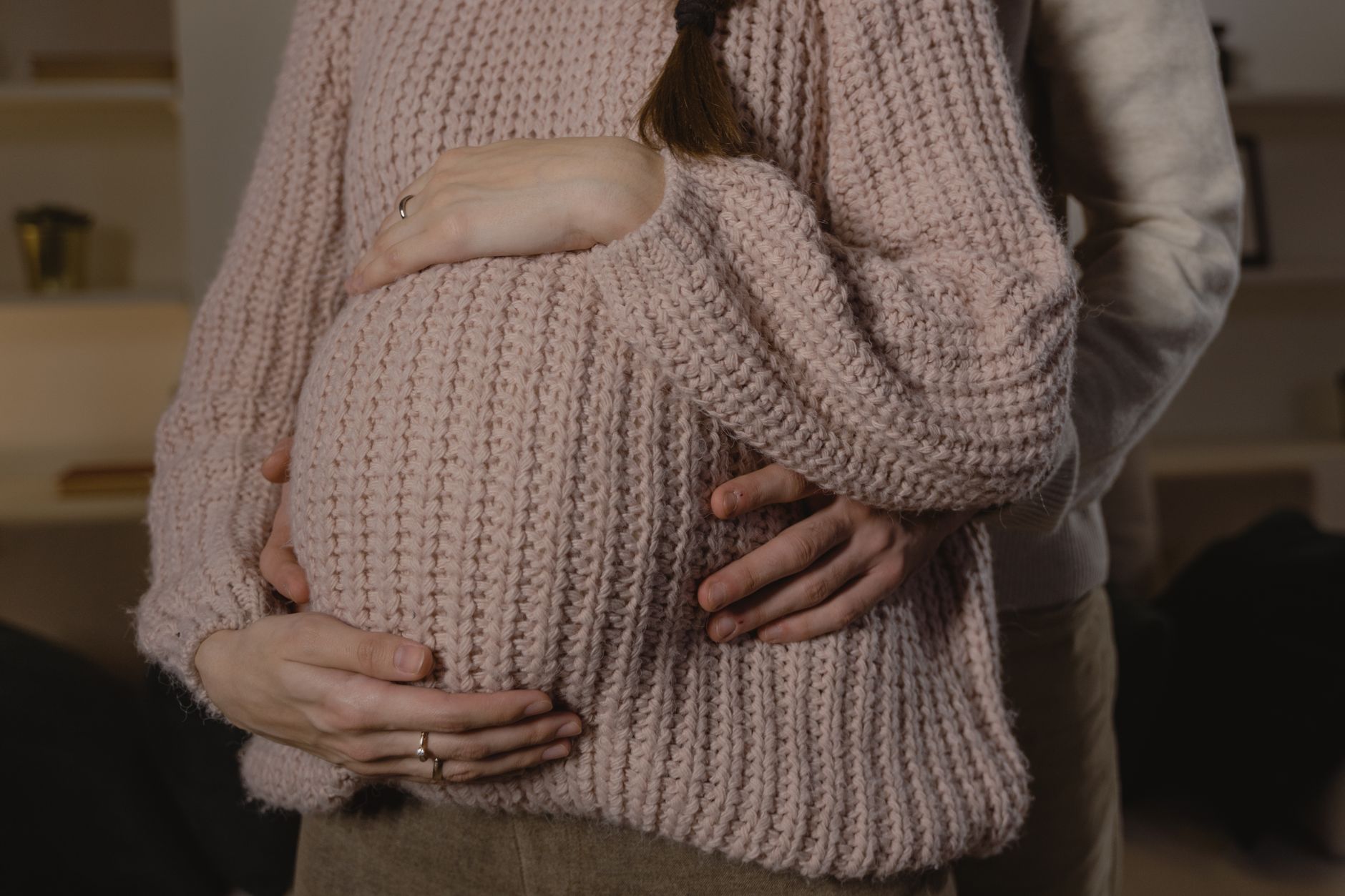
Cervical cerclage recovery typically involves a few days of rest and activity restrictions to prevent complications. Learn what to expect, how to manage discomfort, and when you can resume normal activities after your cerclage procedure for a safe and healthy pregnancy.
By Shubhra Mishra — a mom of two who turned her own confusion during pregnancy into BumpBites, a global mission to make food choices clear, safe, and stress-free for every expecting mother. 💛
Check whether any food is safe during pregnancy with the BumpBites Food Safety Checker.
Quick take: Recovering from a cervical cerclage involves managing mild discomfort, following specific activity restrictions, and close monitoring by your care team. Most women experience some cramping and spotting initially, which typically resolves within a few days. The goal is to support a full-term pregnancy, and adherence to your doctor's guidance is crucial for a successful outcome.
Finding out you need a cervical cerclage can bring a wave of emotions – relief that there's a solution, but also anxiety about the procedure itself and what recovery will look like. It's a significant step to help carry your pregnancy to term, especially if you've experienced cervical insufficiency or preterm birth before. Many parents-to-be tell us they feel a mix of hope and worry, wondering what life will be like with this temporary stitch.
A cervical cerclage is a surgical procedure where a stitch is placed around your cervix to help keep it closed and strong during pregnancy. This can be a lifesaver for pregnancies at risk of preterm birth due to a weakened or shortened cervix. Once the procedure is done, your focus shifts to recovery and navigating the rest of your pregnancy. We understand you have many questions about what to expect, how to manage discomfort, and what activities are safe.
In this comprehensive guide, we'll walk you through everything you need to know about cervical cerclage recovery, from the immediate post-op period to cerclage removal and preparing for birth. Our aim is to provide clear, reassuring, and scientifically grounded information so you can feel confident and supported every step of the way.
What to expect immediately after cervical cerclage surgery?
The first 24 to 48 hours after your cervical cerclage placement are a crucial time for monitoring and initial recovery. While the procedure itself is usually quick, your body needs time to adjust, and your care team will be watching closely for any signs of complications. You'll likely spend a few hours, or sometimes overnight, in the hospital for observation.
Immediately after the surgery, you'll be moved to a recovery room. You might still feel some lingering effects from the anesthesia (spinal, epidural, or general), such as drowsiness, nausea, or a slight headache. Your nurses will monitor your vital signs, check for any bleeding, and ensure you're comfortable. Many women describe feeling a sense of relief once the procedure is over, mixed with a natural apprehension about the healing process.
Common post-cerclage symptoms: cramping, spotting, and discharge
It's very common to experience certain symptoms in the days following your cerclage. These are usually mild and a normal part of the healing process:
Mild cramping: You might feel period-like cramps or a dull ache in your lower abdomen or back. This is often due to the cervix being manipulated and the uterus reacting to the procedure. These cramps typically subside within a few days. Over-the-counter pain relievers, approved by your doctor, can help manage this discomfort.
Light spotting or brown discharge: It's normal to see light pink, brown, or red spotting for a few days after the cerclage. This is usually from the cervix being touched during the procedure. However, if the bleeding becomes heavy, bright red, or is accompanied by severe pain, it’s important to contact your doctor immediately.
Increased vaginal discharge: You may notice an increase in clear or slightly yellowish vaginal discharge. This is often due to the cervix healing and reacting to the stitch material. As long as it doesn't have a foul odor, unusual color, or cause itching/burning, it's generally considered normal.
Pelvic pressure: Some women report feeling a sensation of pressure in their pelvic area. This can be a combination of the stitch itself and the uterus settling.
Your medical team will provide specific instructions on what to look out for and when to seek help. They'll likely advise against using tampons and douching, recommending pads instead to monitor any discharge or bleeding. Rest is key in these first few days, allowing your body to begin its recovery.
Resting comfortably and listening to your body is essential in the initial days after a cerclage.
How long is recovery after cervical cerclage placement?
The "recovery" period after a cervical cerclage isn't a single event but rather an ongoing process that extends throughout the remainder of your pregnancy. While the immediate post-operative symptoms typically resolve within a week, living with a cerclage requires continuous adjustments and monitoring until its removal, usually around 36-37 weeks of gestation.
Initial healing phase: the first week
The most acute part of recovery is generally the first 3-7 days. During this time, you'll be managing the immediate post-op symptoms like cramping and spotting. Your body is healing from the surgical intervention, and the cervix is adjusting to the presence of the stitch. It's crucial to follow your doctor's instructions regarding rest, activity restrictions, and medication during this period. Many women find they need significant downtime, perhaps taking a week off from work or daily responsibilities, to allow for proper healing and to monitor for any unusual symptoms.
Living with a cerclage: the ongoing journey
After the initial healing, the cerclage becomes a silent guardian, working behind the scenes. The goal is to maintain a healthy, stable pregnancy. This means your "recovery" transitions into a phase of careful management and lifestyle adjustments. You won't feel the cerclage itself once the initial discomfort subsides, but its presence will influence certain aspects of your daily life. This can include ongoing restrictions on physical activity, sexual intercourse, and travel, all designed to minimize any stress on the cervix.
Regular follow-up appointments with your obstetrician or maternal-fetal medicine specialist will be a key part of this ongoing recovery. These appointments often involve cervical length checks via ultrasound to ensure the cerclage is holding effectively and that your cervix isn't shortening or funneling above the stitch. It's a marathon, not a sprint, and patience is a vital part of this journey.
Cervical cerclage success rates by week
The success of a cervical cerclage is often measured by its ability to prolong pregnancy and prevent preterm birth. Success rates can vary depending on when the cerclage is placed (prophylactic vs. emergent), the underlying cause of cervical insufficiency, and individual factors. Generally, cerclages are most effective when placed early in pregnancy (prophylactic, usually between 12-14 weeks) before the cervix begins to shorten significantly. For these prophylactic cerclages, success rates in preventing preterm birth before 34 weeks can be as high as 80-90% (ACOG, RCOG).
Even for emergent or rescue cerclages, placed later in pregnancy when cervical changes have already begun, they can still significantly prolong pregnancy by several weeks, improving neonatal outcomes. For instance, the National Institutes of Health (NIH) has reported that rescue cerclage can prolong pregnancy by an average of 4-8 weeks in selected cases. The goal is always to get the baby to a gestational age where survival rates are much higher and risks of long-term complications are reduced, typically beyond 34 weeks, and ideally to full term (37 weeks or more).
What activities are restricted after a cerclage?
One of the most common questions and sources of anxiety after a cerclage is understanding exactly what activities are safe and what needs to be avoided. The primary goal of any restriction is to reduce pressure on the cervix and prevent any irritation or stress on the cerclage stitch. Your doctor will provide personalized recommendations based on your specific situation, but here are general guidelines.
Physical activity and exercise restrictions after cerclage
Most healthcare providers will recommend significant activity restrictions, especially in the initial weeks after the procedure, and often for the remainder of the pregnancy. This typically includes:
Avoiding heavy lifting: This means no lifting anything heavier than a small bag of groceries or your purse. The strain of lifting can put undue pressure on your pelvic floor and cervix.
Restricting strenuous exercise: Activities that involve jumping, running, high-impact movements, or heavy resistance training are generally off-limits. The focus shifts to gentle, non-strenuous activities.
Limiting prolonged standing: If your job or daily routine requires you to stand for long periods, your doctor might recommend modifications, such as taking frequent breaks to sit or even reducing your work hours.
No douching or tampon use: These can introduce bacteria or irritate the cervix, increasing the risk of infection.
While strict bed rest is rarely universally recommended anymore, many women are advised to take it easy. This might mean spending more time reclining, avoiding unnecessary walking, and resting frequently throughout the day. Listen to your body and your doctor's specific advice. Gentle activities like short, slow walks (if approved by your doctor) might be permitted as your pregnancy progresses, but always confirm first.
Can you walk around after a cerclage?
The answer to "Can you walk around after a cerclage?" is nuanced and highly dependent on your individual medical situation and your doctor's specific recommendations. In the immediate post-operative period (first few days), most doctors will advise significant rest, meaning limited walking. You'll likely be encouraged to move gently around your home for short periods to prevent blood clots, but not to engage in long walks or strenuous activity.
As you heal, some doctors may allow light walking, especially if your cervix is stable and there are no other complications. However, others might recommend continued restriction of activity, including walking, if you have a history of very early preterm birth or if your cervix remains very short despite the cerclage. It's crucial not to assume that walking is safe without explicit approval from your healthcare provider. If permitted, keep walks short, slow, and on flat surfaces, avoiding hills or uneven terrain.
Travel restrictions: flying after cervical cerclage
Travel, particularly flying, after a cervical cerclage also requires careful consideration. The main concerns with air travel are:
Prolonged sitting: This increases the risk of blood clots (DVT), especially in pregnancy.
Changes in cabin pressure: While generally not a direct risk to the cerclage, it can cause discomfort.
Distance from medical care: If complications arise while traveling, access to specialized obstetric care might be limited.
Many doctors will advise against non-essential air travel after a cerclage, especially for long flights. If travel is absolutely necessary, discuss it thoroughly with your doctor. They might recommend specific precautions, such as frequent walking breaks, compression stockings, and ensuring you have medical records readily available. Generally, if you are deemed at high risk for preterm labor even with the cerclage, travel will likely be strongly discouraged.
What are signs of complications after cervical cerclage?
While a cervical cerclage is generally a safe and effective procedure, it's important to be aware of the signs that could indicate a complication. Recognizing these symptoms early and contacting your doctor immediately can make a significant difference in your pregnancy outcome. Don't hesitate to reach out to your care team if you experience anything concerning.
Signs of infection
Infection is one of the most serious potential complications after a cerclage, as it can lead to preterm labor, rupture of membranes, or threaten the health of both mother and baby. The stitch itself can sometimes act as a pathway for bacteria to enter the uterus. Signs of infection include:
Fever and chills: A temperature of 100.4°F (38°C) or higher, especially if accompanied by chills, is a red flag.
Foul-smelling vaginal discharge: Any discharge that has an unusual or strong, unpleasant odor, or changes to a green/yellow color, could indicate an infection (chorioamnionitis).
Increased abdominal pain or tenderness: Persistent or worsening pain in your abdomen, especially if it feels different from typical cramping, could be a sign.
Rapid heart rate: An unusually fast pulse rate, even when resting, can sometimes be a sign of infection.
If you suspect an infection, contact your doctor right away. They may need to perform tests to diagnose the infection and potentially remove the cerclage if it's severe, to treat the infection and prevent further complications.
Signs of preterm labor or cerclage failure
Despite the cerclage, some women may still experience signs of preterm labor or the cerclage may not be able to hold the cervix closed. These signs require immediate medical attention:
Regular, painful contractions: These are contractions that become stronger, longer, and closer together, not relieved by rest or hydration. They might feel like menstrual cramps or a tightening sensation in your abdomen.
Increased pelvic pressure: A feeling that the baby is "pushing down" or increased pressure in your vagina.
Vaginal bleeding: Any bright red bleeding, especially if it's heavier than spotting, is a concern.
Fluid leakage: A sudden gush or continuous trickle of clear, pink, or yellowish fluid from your vagina could indicate your water has broken (premature rupture of membranes, or PROM). This is a serious complication with a cerclage and needs immediate assessment.
Changes in vaginal discharge: A sudden increase in watery, bloody, or mucus-like discharge (especially if it looks like a "bloody show") can signal impending labor.
Lower back pain: Persistent, dull ache in your lower back, especially if it's rhythmic or comes and goes, can be a sign of contractions.
The term "cerclage failure" typically refers to the cervix continuing to shorten or dilate *despite* the stitch, or the stitch slipping or tearing through the cervical tissue. If you experience any of these symptoms, do not wait. Call your doctor or head to labor and delivery immediately.
Can you have sex after cervical cerclage?
This is a very common and understandable question for couples. The answer, unfortunately, is typically "no" or "it depends entirely on your doctor's specific advice." For the vast majority of women with a cervical cerclage, sexual intercourse is restricted for the remainder of the pregnancy.
Why sexual activity is often restricted
The primary reasons for restricting sexual activity after a cerclage are:
Risk of infection: Semen and vaginal fluids can introduce bacteria to the cervix, increasing the risk of infection around the cerclage stitch, which could lead to complications like chorioamnionitis or preterm labor.
Uterine contractions: Orgasm, even without penetration, can sometimes trigger uterine contractions. While these are usually mild and short-lived in a typical pregnancy, they can be a concern when the cervix is compromised and supported by a cerclage.
Physical irritation: Intercourse can cause direct physical irritation or trauma to the cervix and the cerclage stitch, potentially leading to bleeding, increased discharge, or even dislodging the stitch in rare cases.
Many doctors will issue a blanket recommendation to abstain from all forms of sexual penetration and orgasm for the rest of the pregnancy once a cerclage is in place. This is a cautious approach to minimize any potential risks. Some providers might allow for non-penetrative intimacy, but even then, it's essential to avoid anything that could lead to orgasm or uterine contractions.
It's crucial to have an open and honest conversation with your healthcare provider about sexual activity. They will give you the most accurate and personalized advice based on your medical history, the reason for your cerclage, and the current stability of your pregnancy. If you are told to abstain, it's important for both partners to understand why and to find other ways to maintain intimacy during this period.
Navigating intimacy after a cerclage requires open communication and finding new ways to connect as a couple.
How to manage pain and discomfort after cerclage?
While severe pain after a cerclage is uncommon and should always be reported to your doctor, it's very normal to experience some level of discomfort, cramping, and soreness. Managing these symptoms effectively is key to a smoother recovery and reducing anxiety during your pregnancy. Remember to always consult your healthcare provider before taking any new medications or trying new pain management strategies.
Pain relief strategies
For the initial mild cramping and soreness, your doctor will likely recommend:
Over-the-counter pain relievers: Acetaminophen (such as Tylenol) is generally considered safe during pregnancy and is often recommended for mild pain. Always check with your doctor for the correct dosage and to ensure it's appropriate for you. NSAIDs (like ibuprofen) are typically avoided in pregnancy, especially in the third trimester.
Rest: This is perhaps the most effective "pain reliever" in the immediate post-op period. Giving your body time to heal and reducing physical activity can significantly reduce discomfort.
Heat therapy: A warm (not hot) bath or a heating pad set on low to your lower back or abdomen can help soothe muscle cramps. Ensure the water isn't too hot and limit bath time to prevent overheating or potential infection risk if your doctor has advised against baths.
If you experience pain that is severe, worsening, or not relieved by these measures, it's crucial to contact your doctor immediately as it could be a sign of a more serious complication.
Emotional and psychological support during recovery
Living with a cerclage can be a significant emotional and psychological challenge. The constant worry about your pregnancy, the fear of complications, and the limitations on your daily life can take a toll. It's vital to acknowledge these feelings and seek support:
Open communication with your partner: Share your fears, anxieties, and successes. Having a supportive partner who understands the restrictions and emotional burden can make a huge difference.
Connect with others: Many women find comfort and practical advice by connecting with online support groups or forums for women with cervical cerclage or high-risk pregnancies. Sharing experiences can reduce feelings of isolation.
Mindfulness and relaxation techniques: Practices like deep breathing, meditation, gentle prenatal yoga (if approved by your doctor), or listening to calming music can help manage stress and anxiety.
Distraction and engagement: Find activities you enjoy that are compatible with your restrictions. Reading, crafting, watching movies, or engaging in hobbies can help pass the time and keep your mind occupied.
Professional support: If you find yourself struggling with persistent anxiety, depression, or overwhelming fear, don't hesitate to reach out to a therapist or counselor specializing in perinatal mental health. Your doctor can often provide referrals.
Remember, it's okay not to be okay all the time. This is a challenging journey, and seeking support is a sign of strength, not weakness. Your mental well-being is just as important as your physical health during this time.
When can I return to work after cervical cerclage?
The decision of when to return to work after a cervical cerclage is highly individualized and depends on several factors, including the type of work you do, your specific medical situation, and your doctor's recommendations. There's no one-size-fits-all answer, so open communication with your healthcare provider and employer is essential.
Factors influencing return to work
Your doctor will consider the following when advising you on returning to work:
Type of job:
Sedentary desk job: If your job primarily involves sitting, you might be able to return to work sooner, perhaps within a week or two, once the immediate post-op discomfort subsides. However, even with a desk job, your doctor might recommend taking frequent breaks to stand and stretch or to work reduced hours.
Physically demanding job: If your job involves heavy lifting, prolonged standing, walking long distances, or significant physical exertion, it's highly likely your doctor will recommend an extended leave of absence or a complete change in job duties for the remainder of your pregnancy. This might mean temporary reassignment to a less strenuous role or stopping work altogether.
Commute: A long, bumpy, or stressful commute (especially if it involves public transport or significant time sitting) might also be a factor in your doctor's recommendation.
Cervical stability: Your doctor will assess your cervical length and the stability of your cerclage through follow-up ultrasounds. If there are any concerns about your cervix or if you've had previous preterm births, they will likely be more cautious about returning to work.
Overall health and symptoms: If you're experiencing ongoing cramping, spotting, or other symptoms, your doctor will likely advise continued rest.
Many women find they need at least a week off immediately after the procedure, and some may require several weeks or even a full work stoppage. It's important to discuss your specific job duties with your doctor and get their guidance in writing if needed for your employer or for disability claims. Remember, prioritizing your pregnancy and your baby's health is the most important consideration.
Diet and nutrition after cerclage surgery
While there aren't specific dietary restrictions directly related to the cerclage itself, maintaining optimal nutrition is always crucial during pregnancy, especially when managing a high-risk condition. Focus on a balanced diet rich in:
Fiber: To prevent constipation, which can cause straining and put pressure on your pelvic area. Include plenty of fruits, vegetables, and whole grains.
Hydration: Drink plenty of water throughout the day. Dehydration can sometimes trigger contractions.
Lean protein: Essential for your baby's growth and your own energy levels.
Vitamins and minerals: Continue taking your prenatal vitamins as prescribed.
If you're on modified bed rest or limiting activity, you might find your appetite or energy levels shift. Prepare easy-to-grab healthy snacks, and don't hesitate to ask for help with meal preparation if needed. Gentle movement and a healthy diet can support overall well-being and help prevent common pregnancy discomforts.
Focus on nutrient-dense foods, fiber, and plenty of fluids to support your body's healing and overall pregnancy health.
What happens during cerclage removal and recovery?
The journey with a cervical cerclage culminates in its removal, typically between 36 and 37 weeks of pregnancy. This is a significant milestone, marking the transition towards preparing for labor and birth. The removal process is usually much simpler and less invasive than the placement.
The cerclage removal process
Most cerclages are removed in your doctor's office or in a labor and delivery triage unit, usually without the need for anesthesia. The procedure itself is relatively quick, often taking only a few minutes:
Positioning: You'll lie on an examination table, similar to a routine pelvic exam.
Speculum insertion: A speculum will be inserted into your vagina to visualize your cervix, just like during a Pap test.
Locating the stitch: Your doctor will locate the ends of the cerclage stitch, which are usually visible.
Cutting and removal: The stitch will be cut and then gently pulled out.
Many women describe the removal as feeling like a strong period cramp, a sharp pinch, or a brief pulling sensation. It can be uncomfortable, but it's usually over quickly. Some women find it more painful than others, and taking an over-the-counter pain reliever like acetaminophen an hour before the appointment might help. Your doctor might also suggest breathing exercises to help you relax during the procedure.
Recovery after cerclage removal
Immediate recovery after cerclage removal is typically very quick. You can usually go home right after the procedure. It's common to experience:
Light spotting or brown discharge: This is normal for a few days as the cervix reacts to the stitch being removed.
Mild cramping: You might have some mild, period-like cramps for a day or two.
Increased discharge: Clear or slightly tinted discharge can also be normal.
You'll likely be advised to continue using pads instead of tampons to monitor any discharge. Most physical restrictions, including sexual activity, are typically lifted after cerclage removal, unless your doctor advises otherwise for specific reasons. However, many couples choose to wait a few days to allow any spotting or discomfort to resolve.
The removal of the cerclage doesn't mean labor will start immediately. While some women go into labor within a few days or a week, others may carry for another two to three weeks, or even beyond their due date. Your body will naturally begin preparing for labor in its own time. Your doctor will discuss what to expect regarding signs of labor and when to head to the hospital after the cerclage is out.
The success rate of a cerclage is often measured by its ability to allow you to reach full term or at least significantly extend your pregnancy beyond the point of viability. Many studies, including those reviewed by ACOG and RCOG, indicate that prophylactic cerclages can significantly reduce the risk of preterm birth in high-risk women, often allowing pregnancies to continue to 36-37 weeks, leading to much healthier outcomes for babies. This final step, the removal, is a testament to the success of the intervention and a hopeful sign for your impending birth.
From our medical team: "A cervical cerclage is a vital tool for many pregnancies at risk of preterm birth. While the recovery period involves careful monitoring and lifestyle adjustments, it's a testament to your resilience and commitment to a healthy outcome. Always remember that your medical team is your partner in this journey. Don't hesitate to voice any concerns, no matter how small they seem, as early detection of issues is key. We're here to support you every step of the way."
Myth vs. fact
Navigating pregnancy with a cerclage can lead to many questions and sometimes misinformation. Let's clear up some common myths:
Myth: After a cerclage, you have to be on strict bed rest for the rest of your pregnancy.
Fact: While activity restrictions are common and essential, strict, continuous bed rest is rarely universally recommended by doctors today. Current evidence, including guidance from ACOG, suggests that strict bed rest for weeks on end may not be beneficial and can even have negative side effects like muscle loss and blood clot risk. Most recommendations focus on modified activity, limiting strenuous exertion, lifting, and sexual intercourse. Your doctor will provide personalized guidance based on your specific situation.
Myth: Getting a cerclage means you'll definitely have a C-section.
Fact: Not at all! A cerclage is typically removed between 36-37 weeks of pregnancy specifically to allow for a vaginal birth. Most women with a cerclage go on to have a vaginal delivery. A C-section would only be necessary for other obstetric reasons, just like in any other pregnancy.
Myth: You'll feel the cerclage stitch inside you all the time.
Fact: After the initial healing period (usually a few days to a week), most women do not feel the cerclage stitch. The discomfort from the procedure typically resolves, and the stitch itself is usually high up on the cervix. If you feel persistent pain or a sensation of the stitch, it's important to report this to your doctor, as it could indicate a complication.
Key takeaways
Immediately after cerclage placement, expect mild cramping, spotting, and discharge for a few days; report any severe pain, heavy bleeding, or foul-smelling discharge.
Recovery is an ongoing process throughout pregnancy, involving activity restrictions and close monitoring; the cerclage itself is removed around 36-37 weeks.
Strictly follow your doctor's advice on activity limitations, including avoiding heavy lifting, strenuous exercise, and often, sexual intercourse, to protect the cerclage.
Be vigilant for signs of complications like fever, foul-smelling discharge (infection), or regular contractions, fluid leakage, and increased pelvic pressure (preterm labor/cerclage failure), and seek immediate medical attention if they occur.
Manage discomfort with doctor-approved pain relievers, rest, and heat therapy, and prioritize emotional support to cope with the stress of a high-risk pregnancy.
The cerclage removal is a quick, in-office procedure, usually causing only mild, temporary discomfort, and most women can then pursue a vaginal birth.
Frequently asked questions
How long does it take to recover from a cerclage?
Initial recovery from a cerclage, meaning the resolution of acute post-operative symptoms like cramping and spotting, typically takes about 3 to 7 days. However, "recovery" in a broader sense involves ongoing lifestyle adjustments and monitoring for the remainder of your pregnancy until the cerclage is removed around 36-37 weeks.
What are the restrictions after a cerclage?
Common restrictions after a cerclage include avoiding heavy lifting, strenuous exercise, prolonged standing, douching, and tampon use. Sexual intercourse is also typically restricted. Your doctor will provide personalized guidelines based on your specific medical history and the stability of your pregnancy.
What are the signs of cerclage failure?
Signs of cerclage failure or impending preterm labor include regular, painful uterine contractions that do not subside, a sudden increase in pelvic pressure, significant vaginal bleeding, or a gush or continuous trickle of fluid from your vagina (indicating premature rupture of membranes). Report these symptoms to your doctor immediately.
Can you walk around after a cerclage?
In the immediate post-operative period, walking is usually restricted to very short, gentle movements. As you heal, some doctors may allow light walking if your cervix is stable, but this is highly individualized. Always get explicit approval from your healthcare provider before resuming any walking or physical activity.
Is it painful to get a cerclage?
The cerclage placement procedure itself is performed under anesthesia (spinal, epidural, or general), so you won't feel pain during the surgery. Afterward, it's common to experience mild to moderate cramping and soreness for a few days, which can usually be managed with over-the-counter pain relief as advised by your doctor.
What is the success rate of cerclage?
Cervical cerclage has a good success rate, especially when placed prophylactically (early in pregnancy). For high-risk women, prophylactic cerclages can reduce the risk of preterm birth before 34 weeks by 80-90%, helping to prolong pregnancy and improve outcomes for the baby. Even emergent cerclages can significantly extend pregnancy by several weeks.
When to call your doctor
Your healthcare provider is your most important resource during your cerclage recovery. While some discomfort and spotting are normal, certain symptoms warrant immediate medical attention. Call your doctor or midwife right away, or go to labor and delivery, if you experience any of the following:
A fever of 100.4°F (38°C) or higher, or chills.
Heavy vaginal bleeding (more than light spotting) or bright red blood.
Foul-smelling, green, or unusual vaginal discharge.
Regular, painful contractions that don't go away with rest.
A sudden gush or continuous trickle of fluid from your vagina (suspected ruptured membranes).
Severe or worsening abdominal pain, or increasing pelvic pressure.
Feeling the cerclage stitch coming out or any unusual sensation in your vagina or cervix.
This article is for informational purposes only and is not a substitute for professional medical advice, diagnosis, or treatment. Always seek the advice of your physician or other qualified health provider with any questions you may have regarding a medical condition.
References
American College of Obstetricians and Gynecologists (ACOG). (2023). Cervical Insufficiency. Patient FAQ.
Royal College of Obstetricians and Gynaecologists (RCOG). (2011). Cervical Cerclage. Green-top Guideline No. 60.
National Institutes of Health (NIH) - Eunice Kennedy Shriver National Institute of Child Health and Human Development (NICHD). (2022). Cervical Cerclage for Cervical Insufficiency.
Not sure about the label on Cervical Cerclage Recovery products?
Snap the ingredients list and SafeFilter checks every ingredient for your stage — only 3 free scans this month, then you're locked until reset. Unlimited from $7/mo or lock $50/yr through Aug 31 (5 days left).
When Shubhra Mishra was expecting her first child in 2016, she was overwhelmed by conflicting food advice — one site said yes, another said never. By the time her second baby arrived in 2019, she realized millions of mothers face the same confusion.
That sparked a five-year journey through clinical nutrition papers, cultural diets, and expert conversations — all leading to BumpBites: a calm, compassionate space where science meets everyday motherhood.
Her long-term vision is to build a global community ensuring safe, supported, and free deliveriesfor every mother — because no woman should face pregnancy alone or uninformed. 🌿
🌍 Stand with mothers, shape safer guidance
Join a small circle of experts who review BumpBites articles so expecting parents everywhere can decide with confidence.