eliac disease is an autoimmune disorder where gluten triggers an immune response that damages the small intestine. For women with celiac disease, pregnancy adds an extra layer of complexity: undiagnosed or poorly managed celiac disease can lead to complications like miscarriage, preterm birth, or low birth weight (American College of Obstetricians and Gynecologists, 2022). The good news? Strictly avoiding gluten during pregnancy can reduce these risks and ensure your baby gets the nutrients they need.
Here’s what changes when you’re pregnant on a celiac-safe diet:
- Increased nutritional needs: Pregnancy demands more folate, iron, calcium, and vitamin D. Gluten-free foods like whole grains and fortified products can help, but you may need supplements.
- Hormonal shifts: Pregnancy hormones can make nausea worse, making it harder to eat. Focus on small, frequent meals and easy-to-digest foods.
- Cross-contamination risks: Shared toasters, cutting boards, or utensils can introduce gluten. We’ll cover how to avoid this later.
- Energy demands: Fatigue is common in early pregnancy, and a gluten-free diet can sometimes exacerbate it if you’re not getting enough calories. We’ll include tips for boosting energy through food choices.
One reader, Sarah, a 32-year-old nurse, shared: "I was diagnosed with celiac during my first pregnancy, and honestly, I thought I’d starve. But once I figured out how to meal prep and stock my freezer, it became manageable. My second pregnancy was so much easier because I had a system in place. One trick that helped me was keeping a stash of pre-made gluten-free smoothie packs in the freezer—just add milk and go!"
---
Sample gluten-free breakfast for pregnant celiac: Chia pudding with berries and almond butter
You’re tired, your stomach is grumbling, and you need something that’s gluten-free, high in fiber, and won’t sit like a rock in your stomach. Here’s a breakfast that checks all the boxes: chia pudding with berries and almond butter.
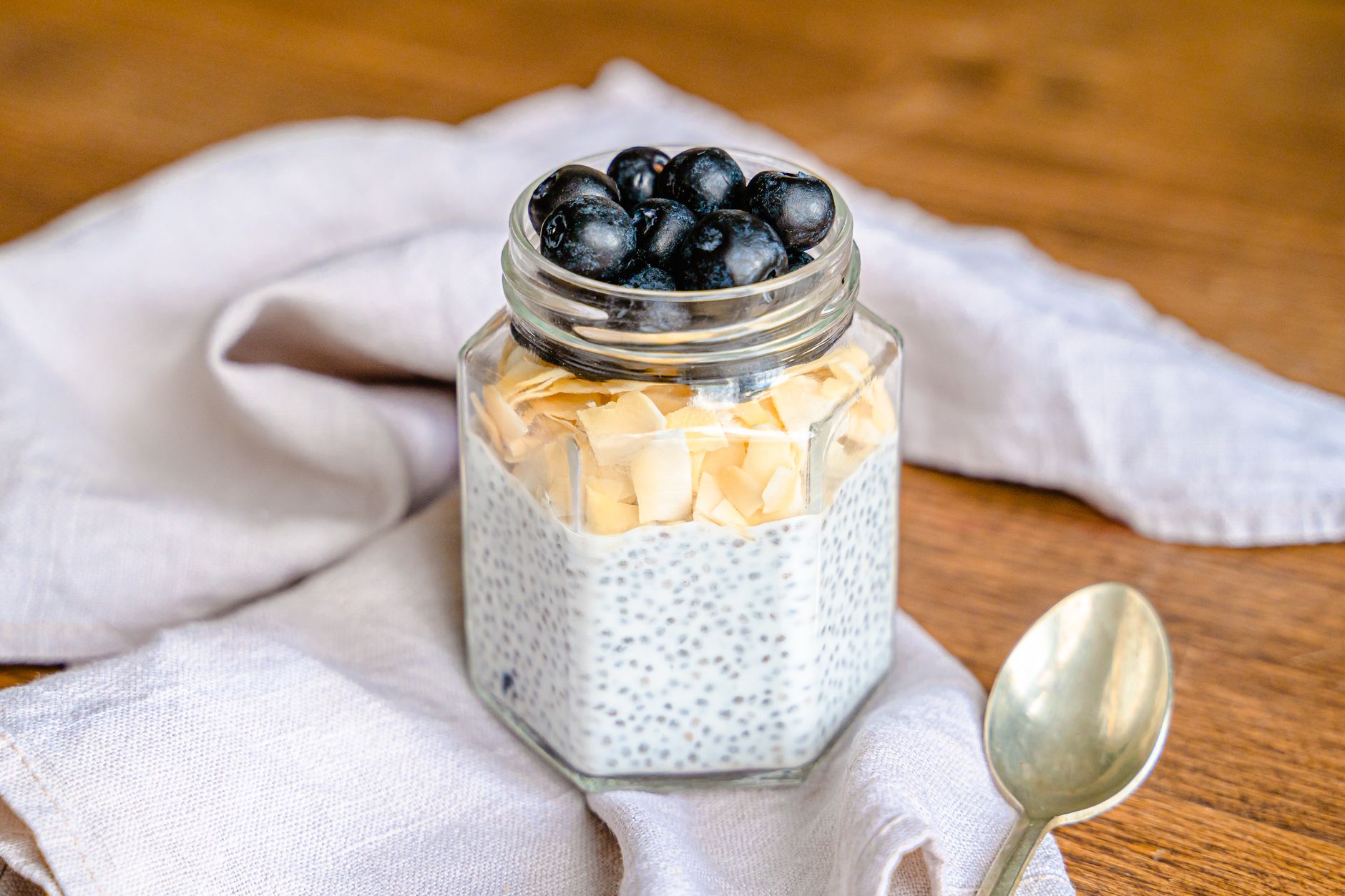
Why it works:
- Chia seeds are packed with omega-3s, fiber, and calcium—all essential for pregnancy. They also help stabilize blood sugar, which is a lifesaver when morning sickness hits.
- Berries (strawberries, blueberries, raspberries) are rich in vitamin C and antioxidants, which support your immune system and fetal development.
- Almond butter provides healthy fats and vitamin E, which is crucial for your baby’s brain development.
How to make it:
- Mix 3 tablespoons of chia seeds with 1 cup of unsweetened almond milk (or any gluten-free milk). Let it sit overnight in the fridge.
- In the morning, top with a handful of fresh or frozen berries and a spoonful of almond butter.
- Optional: Add a dash of cinnamon or a drizzle of honey (if your provider approves) for extra flavor.
For more inspiration, check out our French diet sample day, which also emphasizes nutrient-dense breakfasts—just swap the gluten-free grains for their gluten-free counterparts.
---
Gluten-free lunch ideas for celiac during pregnancy: Grilled chicken salad with olive oil dressing
Lunchtime is where many women with celiac disease hit a wall—they’re too tired to cook, or they’re unsure what’s safe to order out. But this grilled chicken salad is so simple, it’ll become your go-to meal. It’s packed with protein, healthy fats, and veggies to keep you full and energized.
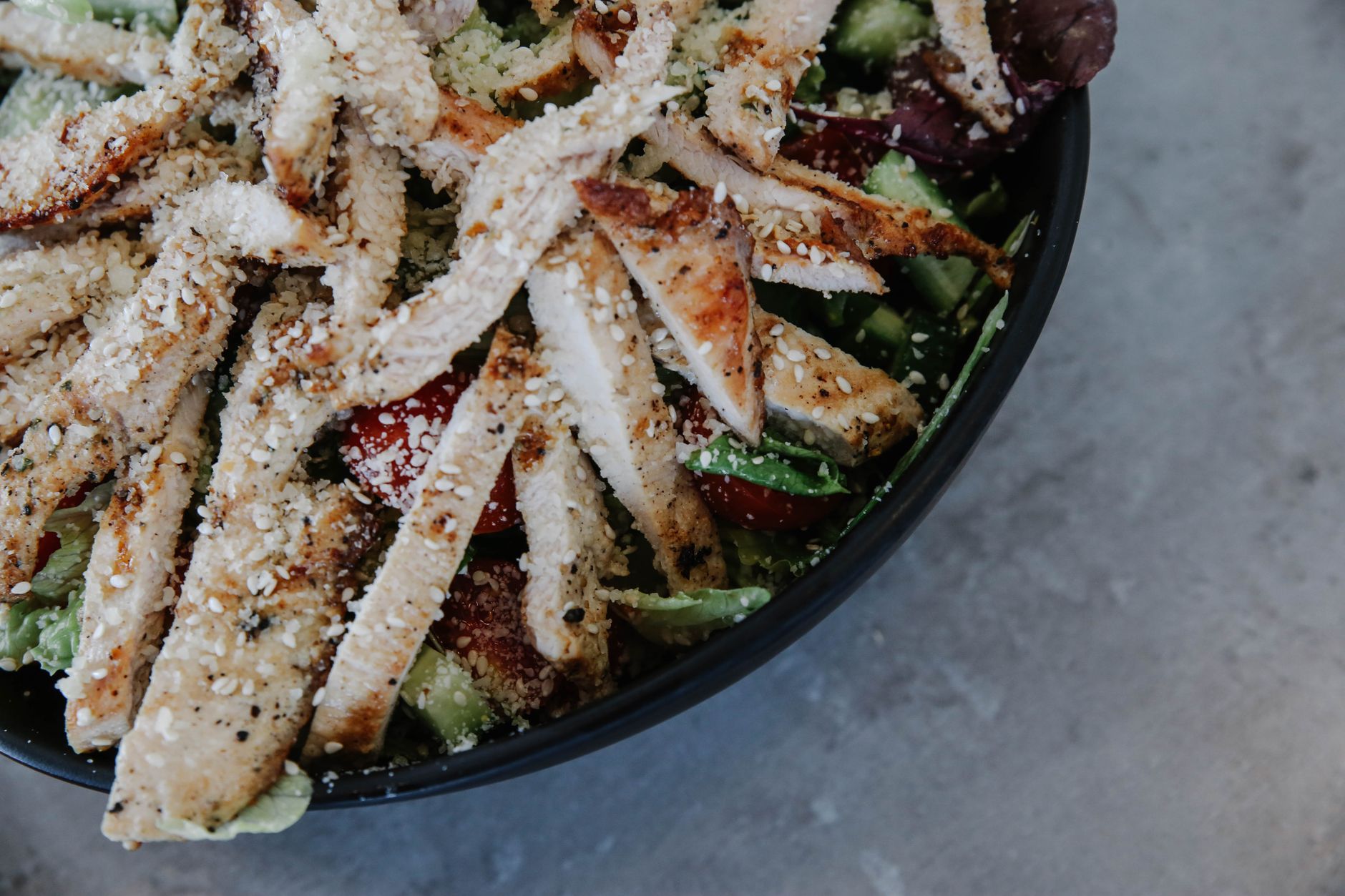
Ingredients:
- 4 oz gluten-free grilled chicken breast
- 2 cups mixed greens (spinach, arugula, or romaine)
- ½ avocado, sliced
- ½ cup cherry tomatoes, halved
- ¼ cucumber, sliced
- ¼ cup crumbled feta cheese (optional)
- 1 tablespoon olive oil
- 1 teaspoon lemon juice
- Salt and pepper to taste
Dressing: Whisk together olive oil, lemon juice, salt, and pepper. Drizzle over the salad just before eating to keep the greens crisp.
Why this lunch works for pregnancy:
- Chicken provides lean protein for your baby’s growth.
- Avocado delivers healthy fats, which are crucial for your baby’s brain development.
- Leafy greens are rich in folate, which helps prevent neural tube defects.
Restaurant tip: When eating out, ask your server to confirm that the salad is prepared without shared fryers or cross-contamination. Many restaurants can accommodate gluten-free needs if you communicate clearly.
---
Gluten-free dinner recipes for celiac-safe diet: Baked salmon with roasted sweet potatoes and steamed broccoli
Dinner should be comforting, nourishing, and—let’s be honest—something you can prep ahead. This baked salmon with roasted sweet potatoes and steamed broccoli is a pregnancy powerhouse. Salmon is loaded with omega-3s, sweet potatoes provide vitamin A, and broccoli delivers fiber and folate.
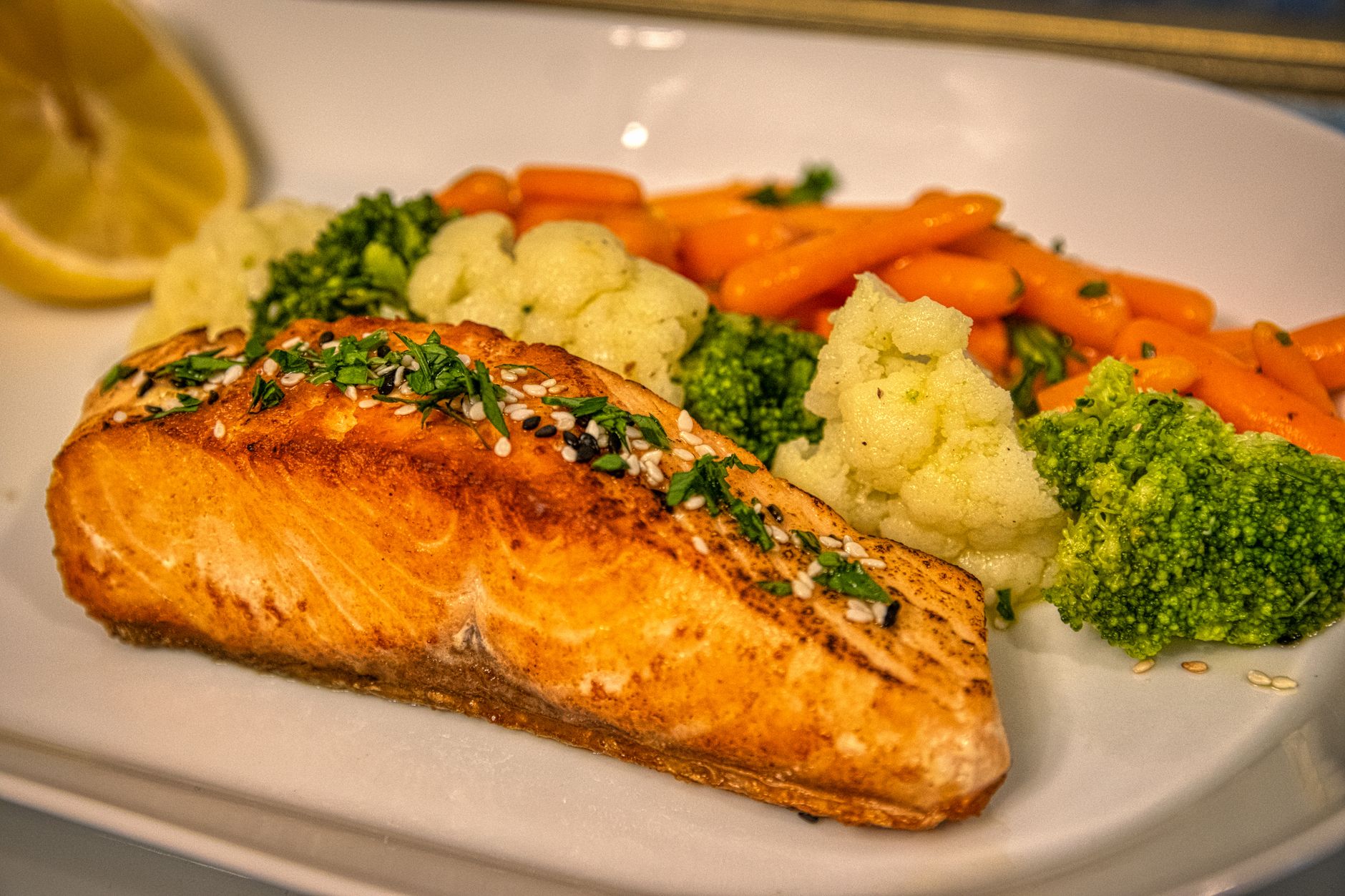
Ingredients:
- 4 oz salmon fillet
- ½ medium sweet potato, cubed
- 1 cup broccoli florets
- 1 teaspoon olive oil
- ½ teaspoon paprika
- Salt and pepper to taste
- Lemon wedges (for serving)
Instructions:
- Preheat oven to 400°F (200°C).
- Toss sweet potato cubes with olive oil, paprika, salt, and pepper. Spread on a baking sheet.
- Place salmon fillet on another baking sheet. Drizzle with olive oil, salt, and pepper.
- Roast sweet potatoes for 15 minutes, then add broccoli to the same sheet. Roast for another 10 minutes.
- Transfer salmon to the oven and bake for 12–15 minutes, until flaky.
- Serve with lemon wedges.
Why this dinner is perfect for pregnancy:
- Salmon is rich in DHA, which supports your baby’s brain and eye development.
- Sweet potatoes are a great source of beta-carotene, which converts to vitamin A—important for your baby’s immune system.
- Broccoli provides folate and fiber, which help with digestion and prevent constipation.
For another easy dinner idea, try a DASH diet-inspired meal with gluten-free pasta, turkey meatballs, and marinara sauce. Just use certified gluten-free pasta and check all sauces for hidden gluten.
---
Gluten-free snacks for pregnant celiac mom: Rice cakes with almond butter and banana slices
Snacks are your lifeline during pregnancy—especially when you’re dealing with celiac disease. You need options that are easy to grab, gluten-free, and packed with energy. These rice cakes with almond butter and banana slices are a perfect combo: crunchy, creamy, and naturally sweet.
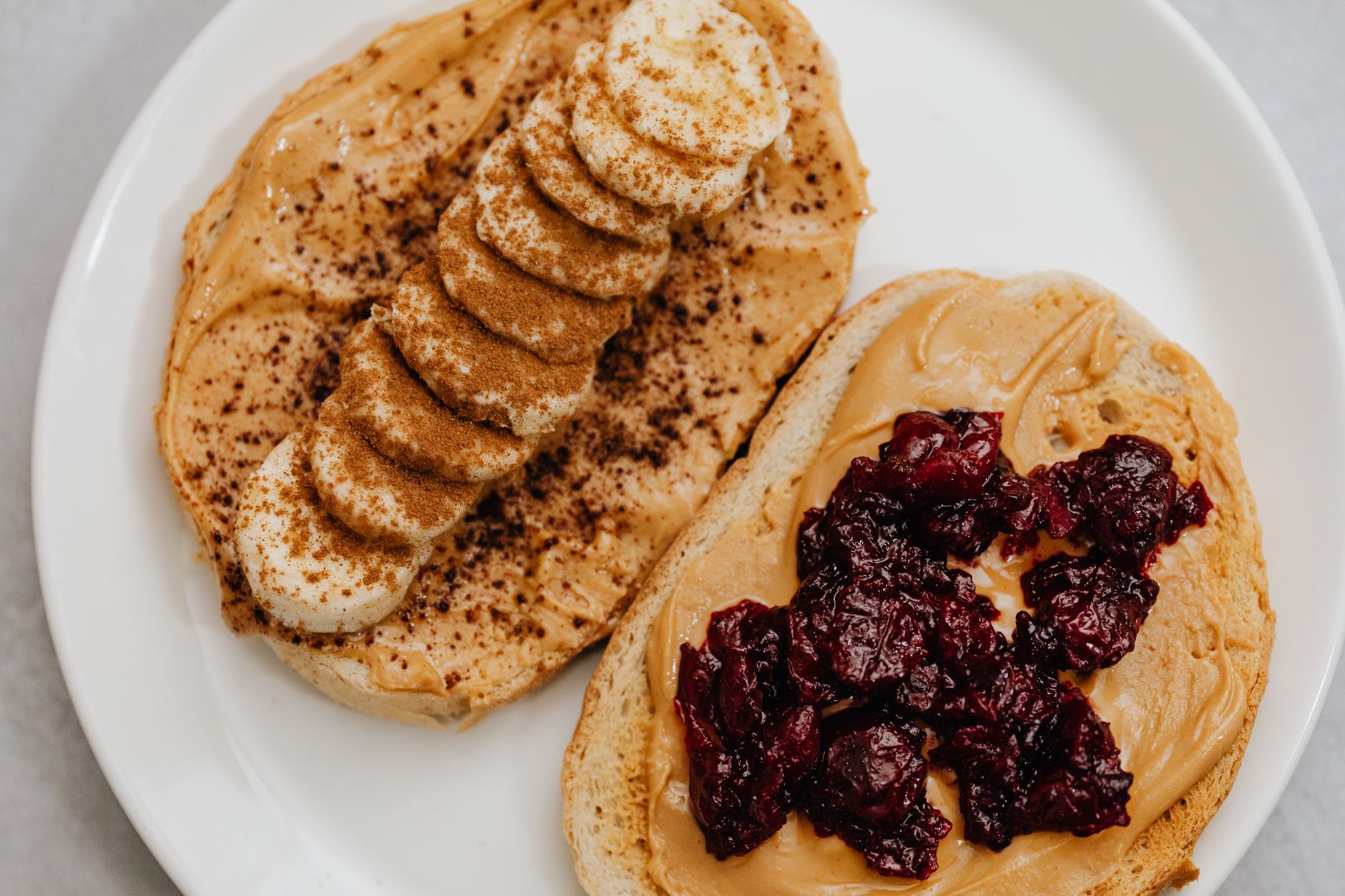
Why it works:
- Rice cakes are low-calorie and provide a quick energy boost.
- Almond butter adds protein and healthy fats to keep you full.
- Bananas are rich in potassium, which helps with muscle cramps and blood pressure.
Other gluten-free snack ideas:
- Hard-boiled eggs with a sprinkle of sea salt
- Cheese and gluten-free crackers (like rice or almond flour crackers)
- Fresh fruit with nut butter (apples, pears, or oranges)
- Roasted chickpeas (check for gluten-free brands)
- Popcorn (plain, air-popped, or lightly salted—avoid flavored packets with gluten)
Pro tip: Keep a stash of pre-portioned snacks in your bag or freezer for those moments when you’re too exhausted to cook. For extra energy, try adding a handful of walnuts or pumpkin seeds to your snacks—they’re rich in magnesium, which can help with muscle cramps.
---
Gluten-free meal prep for celiac-safe diet: Batch-cook quinoa and roasted veggies
Meal prep is your best friend when you’re managing celiac disease and pregnancy. Batch-cooking quinoa and roasted veggies takes 30 minutes on Sunday and gives you gluten-free meals for the week. Here’s how to do it:
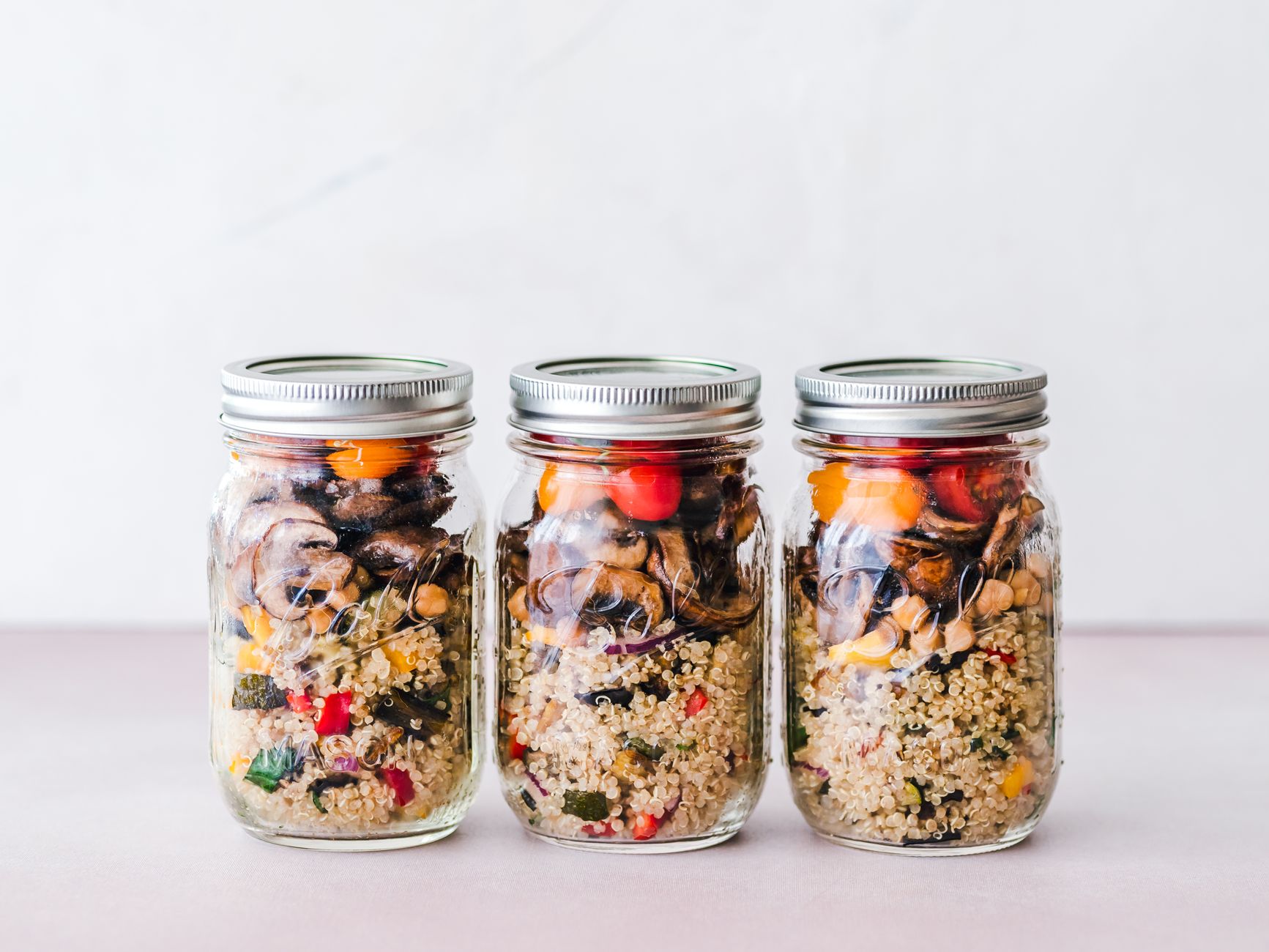
Ingredients:
- 2 cups quinoa, rinsed
- 4 cups gluten-free vegetable broth
- 2 bell peppers, chopped
- 1 zucchini, chopped
- 1 red onion, sliced
- 2 tablespoons olive oil
- Salt and pepper to taste
Instructions:
- Preheat oven to 400°F (200°C). Toss veggies with olive oil, salt, and pepper. Spread on a baking sheet and roast for 20 minutes.
- While veggies roast, cook quinoa in vegetable broth according to package instructions.
- Once quinoa is cooked, fluff with a fork and mix in the roasted veggies.
- Divide into meal prep containers. Store in the fridge for up to 5 days or freeze for longer storage.
How to use it:
- Add grilled chicken or salmon for a protein boost.
- Top with avocado or a sprinkle of cheese.
- Use as a base for salads or wraps (with gluten-free tortillas).
For more meal prep inspiration, check out our diabetic diet meal plan, which also emphasizes batch cooking for convenience.
---
How to read labels for celiac-safe diet during pregnancy: Hidden gluten traps
Label-reading is the most time-consuming (and frustrating) part of a celiac-safe diet. But it’s non-negotiable—even tiny amounts of gluten can trigger symptoms or complications during pregnancy. Here’s how to decode labels like a pro.
Key terms to look for:
- Certified gluten-free: This means the product contains less than 20 parts per million (ppm) of gluten, the strictest standard.
- Gluten-free: FDA-approved term for less than 20 ppm, but not always certified.
- Wheat, barley, rye, or malt: These are all gluten-containing grains and must be avoided.
- Oats: Often contaminated with gluten unless labeled "gluten-free oats" or "certified gluten-free."
- Modified food starch: Can be made from wheat—always check the brand’s gluten-free certification.
Hidden sources of gluten:
- Soy sauce (use tamari, which is gluten-free)
- Broths and bouillons (check for wheat additives)
- Processed meats (some contain gluten-based binders)
- Spices blends (often contain anti-caking agents with gluten)
- Medications and supplements (some contain gluten as a filler)
- Lip balms and lotions (some contain gluten-based ingredients)
Pro tip: Use apps like Find Me Gluten Free or Gluten Free Registry to scan barcodes and check for gluten-free certifications. Also, keep a small notebook to jot down new brands you discover—it’s easy to forget what works!
---
Gluten-free dessert options for pregnant celiac: Dark chocolate-dipped strawberries
Dessert doesn’t have to be off-limits—even on a celiac-safe diet. These dark chocolate-dipped strawberries are a sweet treat that’s naturally gluten-free, rich in antioxidants, and easy to make. Plus, dark chocolate (70% cocoa or higher) is a great source of magnesium, which helps with muscle cramps and stress.

Ingredients:
- 1 pint fresh strawberries
- ½ cup dark chocolate chips (ensure they’re gluten-free)
- Pinch of sea salt
Instructions:
- Wash and dry strawberries.
- Melt dark chocolate chips in a microwave-safe bowl (30-second intervals, stirring in between).
- Dip the bottom of each strawberry into the chocolate, then place on parchment paper.
- Sprinkle with sea salt while the chocolate is still wet.
- Let harden in the fridge for 10 minutes.
Other gluten-free dessert ideas:
- Angel food cake (check for gluten-free brands)
- Fresh fruit salad with coconut yogurt
- Gluten-free muffins (made with almond flour or oat flour)
- Chia seed pudding with maple syrup
- Baked apples with cinnamon and raisins
---
Celiac-safe diet meal plan: A sample day for first-trimester energy
Here’s a full sample day of eating tailored for the first trimester, balancing nutrition, convenience, and celiac safety:
Breakfast: Chia pudding with berries and almond butter (as described earlier).
Mid-morning snack: Hard-boiled eggs with sea salt and a handful of almonds.
Lunch: Grilled chicken salad with olive oil dressing (as described earlier).
Afternoon snack: Rice cakes with almond butter and banana slices.
Dinner: Baked salmon with roasted sweet potatoes and steamed broccoli.
Evening snack (if needed): Dark chocolate-dipped strawberries.
Hydration: Water, herbal teas (like ginger or chamomile), and coconut water (unsweetened). Avoid excessive caffeine.
---
Managing pregnancy fatigue with food: Energy-boosting tips
Pregnancy fatigue can feel like an invisible weight, especially when managing a gluten-free diet. The good news? Certain foods can help combat fatigue by providing sustained energy and key nutrients. Focus on foods rich in complex carbohydrates, lean proteins, and healthy fats to keep your blood sugar stable and energy levels up.
Add these energy-boosting foods to your meals:
- Sweet potatoes: High in complex carbs and vitamin B6, which helps convert food into energy.
- Avocados: Packed with healthy fats that provide long-lasting energy.
- Lean meats and eggs: Rich in protein and iron, which help prevent energy crashes.
- Nuts and seeds: Almonds, walnuts, and pumpkin seeds are great for a quick energy boost.
- Leafy greens: Spinach and kale are high in iron and folate, which support energy production.
Try this simple energy-boosting smoothie for a quick pick-me-up:
- 1 banana
- 1 cup spinach
- 1 tablespoon almond butter
- 1 cup almond milk
- 1 teaspoon chia seeds
Blend all ingredients together for a nutrient-packed smoothie that will keep you energized throughout the day.
---
Navigating social situations: Eating out and potlucks with celiac disease
Eating out or attending potlucks can feel like a minefield when you have celiac disease, but with a little preparation, you can enjoy these social events without worry. Here’s how to navigate them safely:
Eating out:
- Call ahead to ask about gluten-free options and cross-contamination risks.
- Ask your server to confirm that the kitchen is aware of your dietary needs.
- Stick to simple dishes like grilled meats, salads, and steamed veggies.
- Carry a list of safe foods and brands to share with the restaurant staff.
Potlucks:
- Bring your own dish to ensure it’s gluten-free and safe to eat.
- Ask the host in advance about the ingredients in other dishes.
- Carry safe snacks in case the potluck options aren’t suitable.
- Don’t hesitate to politely decline dishes that might contain gluten.
Remember, it’s okay to advocate for yourself. Many people are happy to accommodate your needs once they understand the importance of a gluten-free diet.
---
Celiac diet during pregnancy symptoms: When to worry
While most women with celiac disease manage symptoms well on a gluten-free diet, pregnancy can sometimes unmask or worsen symptoms. Here’s what to watch for:
Common symptoms:
- Persistent bloating or gas
- Diarrhea or constipation
- Fatigue or anemia (due to malabsorption of iron)
- Mouth sores or a rash (dermatitis herpetiformis)
- Unexplained weight loss or gain
- Unexplained muscle or joint pain
When to see your doctor:
- If you experience severe abdominal pain or persistent vomiting.
- If you notice blood in your stool or unexplained weight loss.
- If you develop symptoms of malabsorption (like chronic diarrhea or nutrient deficiencies).
- If you experience unexplained fatigue or anemia that doesn’t improve with supplements.
- If you develop skin rashes or mouth sores that don’t resolve.
Your provider may recommend blood tests (like tissue transglutaminase antibodies) or a gluten challenge (under supervision) to confirm celiac activity.
---
Gluten-free foods for pregnant celiac: A grocery list essentials
Stocking your pantry with the right gluten-free foods makes meal planning a breeze. Here’s a core grocery list for pregnant women with celiac disease:
Proteins:
- Eggs
- Chicken, turkey, or lean beef
- Wild-caught salmon or sardines
- Gluten-free deli meats (check labels)
- Lentils, chickpeas, and black beans
Grains:
- Quinoa
- Certified gluten-free oats
- Brown rice or wild rice
- Certified gluten-free pasta
- Buckwheat or millet
- Certified gluten-free cornmeal
Dairy (if tolerated):
- Milk (ensure it’s not flavored with gluten)
- Cheese (most are gluten-free, but check labels)
- Yogurt (plain, unsweetened, and certified gluten-free)
Fruits & Vegetables:
- Leafy greens (spinach, kale, arugula)
- Berries (strawberries, blueberries, raspberries)
- Sweet potatoes and regular potatoes
- Bell peppers, zucchini, and carrots
- Broccoli and cauliflower
Pantry Staples:
- Olive oil or avocado oil
- Nuts and seeds (almonds, chia, flax, pumpkin, sunflower)
- Gluten-free flour blends (for baking)
- Herbs and spices (check for anti-caking agents)
- Gluten-free tamari or soy sauce
---
Gluten-free meal prep for pregnancy: Freezer-friendly ideas
Freezer meals are a game-changer for pregnant women with celiac disease. Here are three freezer-friendly ideas to save you time:
1. Gluten-free soup: Make a big batch of lentil or minestrone soup (use gluten-free broth and pasta). Freeze in portions and reheat as needed.
2. Baked sweet potatoes: Roast a tray of sweet potatoes, let them cool, and freeze in individual portions. Microwave when ready to eat.
3. Gluten-free meatballs: Mix ground turkey or beef with gluten-free breadcrumbs, egg, and herbs. Bake, cool, and freeze. Reheat in the oven or air fryer.
Additional freezer-friendly options:
- Gluten-free pancakes or waffles (freeze cooked and reheat in a toaster or air fryer).
- Steamed veggie packs (frozen for quick meals).
- Gluten-free muffins or bread (great for quick snacks).
Pro tip: Label all freezer meals with the date and contents to avoid confusion later. Use freezer-safe containers and leave a little space at the top to prevent cracks from ice expansion.
---
Supplements and medical monitoring for pregnant celiac women
Even with a gluten-free diet, pregnant women with celiac disease may need additional supplements to meet their nutritional needs. Here’s what to discuss with your provider:
Essential supplements:
Medical monitoring:
- Regular blood tests to check for nutrient deficiencies (iron, folate, vitamin D).
- Monitoring of celiac antibodies (tTG-IgA) to ensure gluten is fully avoided.
- Discuss any persistent symptoms like fatigue, bloating, or skin rashes.
- Schedule regular prenatal visits to monitor your baby’s growth and development.
---
Myth vs. fact: Gluten-free diet during pregnancy
Let’s debunk some common misconceptions about gluten-free eating during pregnancy:
Myth: "I don’t need to worry about gluten during pregnancy if I’ve never had symptoms."
Fact: Many women with celiac disease don’t experience symptoms until later in life or during pregnancy. Gluten can still damage your intestines and affect nutrient absorption, even if you feel fine. If you’re diagnosed with celiac, going gluten-free is essential for both you and your baby’s health.
Myth: "All gluten-free foods are safe during pregnancy."
Fact: Just because a food is gluten-free doesn’t mean it’s safe for pregnancy. Some gluten-free products are high in refined sugars, unhealthy fats, or artificial additives. Focus on whole, nutrient-dense foods like fruits, vegetables, lean proteins, and gluten-free whole grains.
Myth: "I can’t eat dairy if I have celiac disease."
Fact: Dairy and celiac disease are unrelated. You can (and should) eat dairy unless you have a separate dairy allergy or intolerance. Just check labels for hidden gluten in flavored yogurts or cheese spreads.
Myth: "Gluten-free diets are more expensive."
Fact: While some gluten-free products can be pricier, you can save money by focusing on whole, naturally gluten-free foods like fruits, vegetables, meats, and grains. Buying in bulk and meal prepping can also help manage costs.
---
Key takeaways: Your celiac-safe pregnancy meal plan checklist
- Prioritize nutrient-dense foods like leafy greens, lean proteins, and healthy fats to support your baby’s growth.
- Always check labels for hidden gluten, even in unexpected places like broths, spices, and medications.
- Meal prep freezer-friendly meals to save time and reduce stress during pregnancy.
- Consider supplements like folate, iron, vitamin D, and magnesium if your provider recommends them.
- Listen to your body—if you’re experiencing persistent symptoms, reach out to your doctor for personalized guidance.
- Plan ahead for social situations by bringing your own gluten-free dish to potl




