

Quick take: A heart-healthy grocery list for pregnancy (or any stage) focuses on whole foods: leafy greens, fatty fish, nuts, seeds, and lean proteins while avoiding processed snacks, fried foods, and excessive salt. Your list should include potassium-rich foods like bananas and sweet potatoes, omega-3s from salmon or chia seeds, and fiber from oats or lentils. Always check with your provider before making major dietary changes during pregnancy.Cardiac Heart Healthy Diet Grocery Shopping List: The Complete 2026 Guide
It was 2:17 a.m. when the ultrasound tech pointed to your screen and said, "There’s your little heartbeat." The room spun. Suddenly, every crunchy snack, every takeout meal, every frozen pizza night felt like a gamble—not just for your baby’s future but for your heart. You’d read the headlines: pregnancy doubles cardiovascular risk, and by the third trimester, your blood volume increases by 50%. What if the foods you loved were silently fueling inflammation, high blood pressure, or cholesterol spikes? You scrolled through grocery lists for "heart-healthy diets" but found nothing tailored to pregnancy—just generic advice about avocados and olive oil. You needed a list that balanced maternal heart health with the nutritional demands of growing a baby. So you typed it into Google: "cardiac heart healthy diet grocery shopping list". Here’s what you needed to know.
A heart-healthy diet during pregnancy isn’t just about avoiding butter and bacon (though those are off-limits). It’s about strategically choosing foods that support your cardiovascular system while meeting the increased demands of pregnancy—without sacrificing flavor or convenience. This guide covers everything from building a pregnancy-friendly grocery list to reading labels like a pro, including budget tips and meal-prep hacks. We’ll also address the most common concerns like sodium limits, omega-3 sources, and how to navigate hypertension or diabetes during pregnancy. By the end, you’ll have a practical, science-backed plan to shop, cook, and eat for a healthy heart—yours and your baby’s.
Note: Always consult your healthcare provider before making significant dietary changes during pregnancy, especially if you have preexisting conditions like hypertension or gestational diabetes.
--- ## What foods should I avoid on a cardiac heart healthy diet during pregnancy?You’re probably thinking: "Okay, so what’s actually off-limits?" The answer isn’t as black-and-white as you might fear. While some foods are universally discouraged during pregnancy (like raw sushi or unpasteurized cheese), others are about portion control and preparation. For a heart-healthy diet, the focus shifts toward reducing saturated fats, trans fats, added sugars, and excessive sodium—all of which can contribute to hypertension, high cholesterol, or gestational diabetes. Here’s a breakdown of the foods to limit or avoid, along with safer alternatives.
Foods to limit or avoid:
- Processed meats: Hot dogs, deli meats, sausages, and bacon are high in sodium and nitrates, which can raise blood pressure. Opt for lean, fresh proteins like grilled chicken or turkey.
- Fried foods: French fries, onion rings, and fried chicken are loaded with trans fats and unhealthy oils. Swap them for baked or air-fried versions with olive oil.
- Full-fat dairy: Whole milk, butter, and cheese can spike cholesterol. Choose low-fat or unsweetened dairy alternatives like Greek yogurt or almond milk.
- Refined carbs: White bread, pastries, and sugary cereals cause blood sugar spikes. Fill your cart with whole grains like quinoa or brown rice.
- High-sodium snacks: Chips, crackers, and canned soups are sodium bombs. Season your meals with herbs, spices, and citrus instead.
- Sugary drinks: Soda, energy drinks, and sweetened juices contribute to weight gain and insulin resistance. Stick to water, herbal tea, or sparkling water with lemon.
What about fish? Fish is one of the best sources of omega-3s for heart health, but pregnancy adds caution. The American College of Obstetricians and Gynecologists (ACOG) recommends limiting fish to 2–3 servings per week, choosing low-mercury options like salmon, sardines, or trout. Avoid high-mercury fish like shark, swordfish, king mackerel, and tilefish. If you’re unsure about your local water sources, ask your provider about omega-3 supplements (like DHA/EPA) that are safe for pregnancy.
Real talk: Many women tell us they feel overwhelmed by the "don’t eat this" lists. The truth is, you don’t have to eliminate entire food groups—just prioritize balance. For example, if you love pizza, opt for a thin-crust veggie pizza with lean protein and skip the extra cheese. Or swap your usual takeout for a heart-healthy version: grilled chicken wraps with hummus and veggies instead of fried mozzarella sticks.
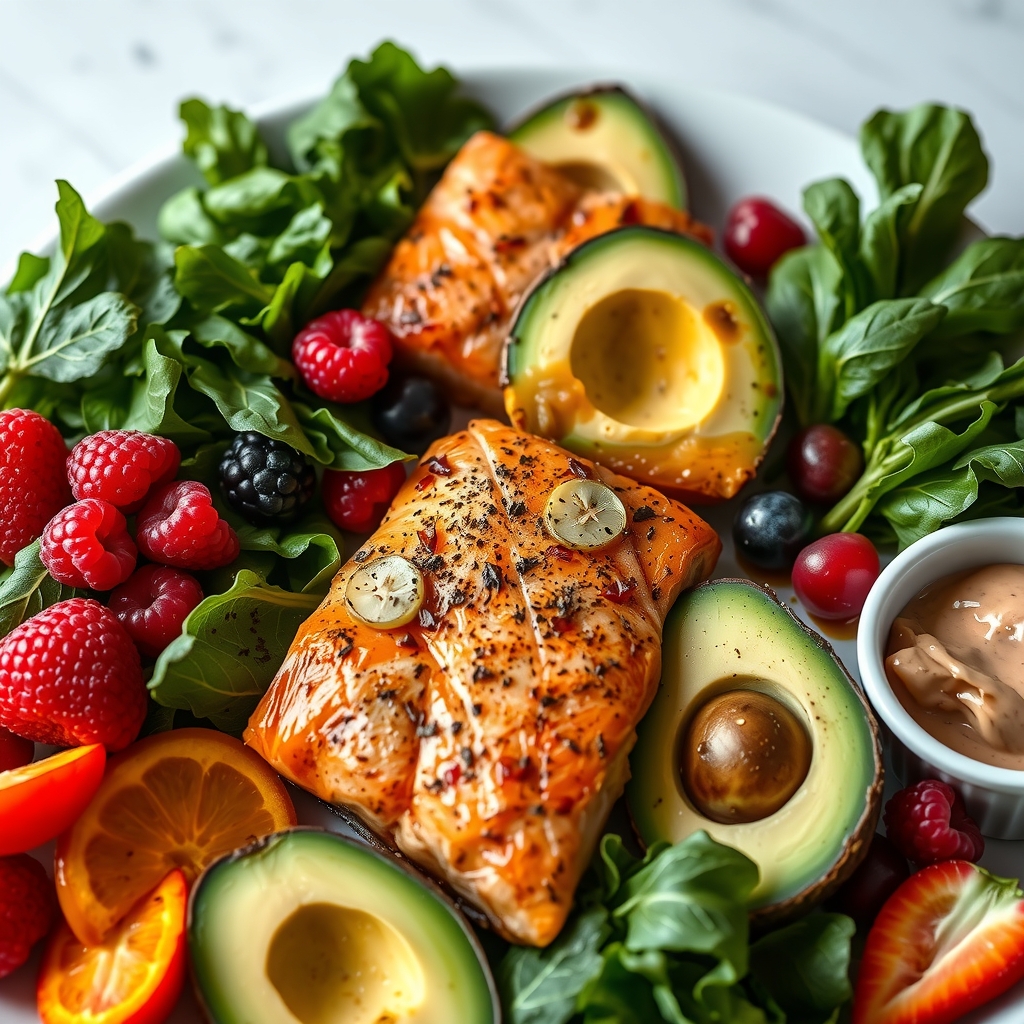
The magic happens in the planning. A well-organized grocery list saves you time, money, and mental energy—especially when you’re juggling pregnancy fatigue and cravings. Start by categorizing your list into proteins, whole grains, fruits, vegetables, healthy fats, and snacks. Then, prioritize convenience without sacrificing nutrition. Here’s how to build it step by step.
Step 1: Choose your proteins Aim for lean, unprocessed proteins to support your heart and baby’s growth. Your list should include:
- Skinless chicken breast or turkey
- Fresh or frozen wild-caught salmon, sardines, or trout
- Eggs (pasture-raised if possible)
- Legumes: lentils, chickpeas, black beans
- Tofu or tempeh (if you eat plant-based)
Step 2: Stock up on whole grains Whole grains provide fiber, which helps regulate cholesterol and blood sugar. Add these to your list:
- Quinoa
- Brown rice or wild rice
- Oats (for overnight oats or smoothies)
- Whole-grain bread or wraps (check for less than 200mg sodium per slice)
- Whole-grain pasta
Step 3: Load up on fruits and vegetables Fruits and veggies are packed with potassium, fiber, and antioxidants, all of which support heart health. Focus on:
- Leafy greens: Spinach, kale, Swiss chard (great for salads or smoothies)
- Cruciferous veggies: Broccoli, Brussels sprouts, cauliflower (high in fiber and vitamin K)
- Colorful veggies: Bell peppers, carrots, red onions (add flavor without salt)
- Potassium-rich fruits: Bananas, sweet potatoes, oranges, avocados
- Berries: Blueberries, strawberries, raspberries (antioxidant powerhouses)
Step 4: Healthy fats Don’t fear fats! Your body needs them for hormone production and brain development. Opt for:
- Extra virgin olive oil
- Avocados and guacamole
- Nuts and seeds: almonds, walnuts, chia seeds, flaxseeds
- Olive oil-based dressings
Step 5: Snacks and extras Keep your list stocked with quick, heart-healthy snacks to avoid reaching for chips or candy:
- Fresh fruit with nut butter
- Veggie sticks with hummus
- Hard-boiled eggs
- Roasted chickpeas
- Dark chocolate (70% or higher cocoa)
- Herbal tea or infused water
Pro tip: If you’re short on time, check out the Blue Zones diet for inspiration—it’s all about simple, whole foods that keep hearts healthy for decades.
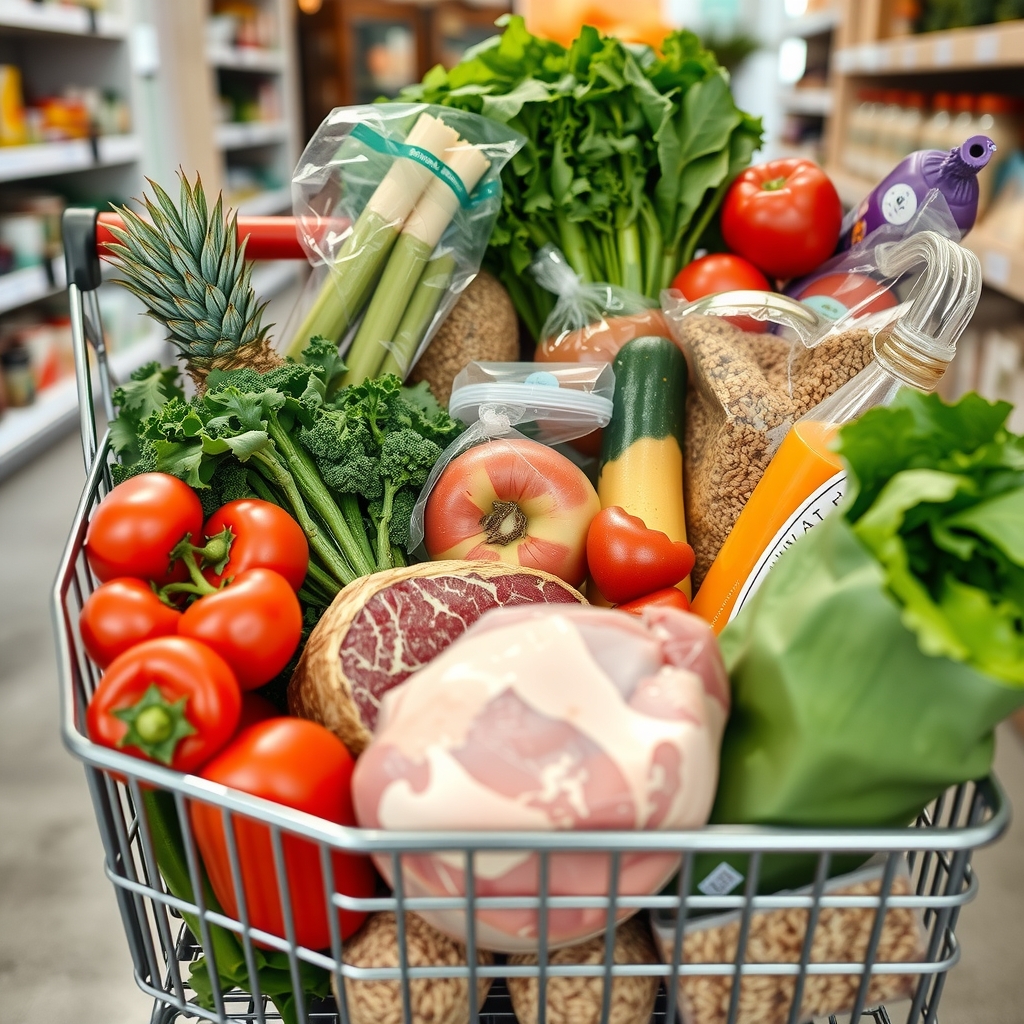
Pregnancy cravings don’t care about your heart health. One minute you’re snacking on carrots; the next, you’re devouring a whole bag of pretzels. The key is having healthy snacks on hand so you’re not left reaching for the first thing that sounds good. Here are 10 grab-and-go options that support your heart and satisfy cravings.
Sweet cravings:
- Apple slices with almond butter (fiber + healthy fats)
- Dark chocolate-covered strawberries (antioxidants + potassium)
- Greek yogurt with honey and walnuts (protein + omega-3s)
- Banana "nice cream" (blend frozen bananas with a splash of almond milk)
Salty cravings:
- Roasted seaweed snacks (low-sodium alternative to chips)
- Baked sweet potato chips (potassium-rich and crispy)
- Hummus with cucumber and bell pepper slices (fiber + crunch)
- Pumpkin seeds (magnesium and zinc for heart health)
Quick protein boosts:
- Hard-boiled eggs with everything bagel seasoning (protein + flavor)
- Turkey and cheese roll-ups (use low-fat cheese) (lean protein + calcium)
- Edamame with sea salt (plant-based protein + folate)
Hydration helpers:
- Infused water with lemon, cucumber, and mint (keeps you hydrated without sugar)
- Herbal tea (peppermint or chamomile) (calming and caffeine-free)
Why this matters: Many women skip snacks during pregnancy because they’re worried about weight gain, but small, frequent meals help stabilize blood sugar and prevent overeating later. If you’re craving something salty, try a handful of unsalted almonds instead of a bag of chips—you’ll get the same crunch with less sodium and more heart-healthy fats.
--- ## Sample weekly meal plan for a cardiac heart healthy dietMeal planning during pregnancy can feel like solving a puzzle—you need to feed two while keeping your heart in mind. Below is a 7-day sample meal plan that balances nutrition, flavor, and convenience. Pair this with the grocery list above, and you’ll have a week’s worth of heart-healthy meals ready to go.
Note: Portion sizes matter! Pregnant women should aim for 300–500 extra calories per day, but focus on nutrient density over volume. For example, a handful of nuts is enough—you don’t need a whole bag.
Day 1:
- Breakfast: Greek yogurt with blueberries, chia seeds, and a drizzle of honey
- Snack: Apple slices with almond butter
- Lunch: Grilled salmon salad with spinach, cherry tomatoes, cucumber, and balsamic vinaigrette
- Snack: Carrot sticks with hummus
- Dinner: Turkey and black bean chili with a side of quinoa
Day 2:
- Breakfast: Overnight oats with almond milk, flaxseeds, and sliced banana
- Snack: Roasted chickpeas
- Lunch: Lentil soup with a side of whole-grain bread
- Snack: Dark chocolate and strawberries
- Dinner: Baked chicken with roasted Brussels sprouts and sweet potato mash
Day 3:
- Breakfast: Scrambled eggs with sautéed spinach and whole-grain toast
- Snack: Sliced bell peppers with guacamole
- Lunch: Quinoa bowl with chickpeas, avocado, cherry tomatoes, and olive oil dressing
- Snack: Handful of walnuts
- Dinner: Grilled shrimp skewers with a side of zucchini noodles and pesto
Day 4:
- Breakfast: Smoothie with spinach, banana, almond butter, and almond milk
- Snack: Cottage cheese with pineapple
- Lunch: Turkey lettuce wraps with hummus and shredded carrots
- Snack: Baked sweet potato chips
- Dinner: Baked cod with roasted asparagus and wild rice
Day 5:
- Breakfast: Chia pudding with coconut milk and mango
- Snack: Hard-boiled eggs with everything bagel seasoning
- Lunch: Spinach and feta salad with grilled chicken and olive oil dressing
- Snack: Celery sticks with peanut butter
- Dinner: Stuffed bell peppers with lean ground turkey, quinoa, and tomatoes
Day 6:
- Breakfast: Whole-grain toast with avocado and smoked salmon
- Snack: Berries with a sprinkle of flaxseeds
- Lunch: Lentil and vegetable stew with a side of whole-grain bread
- Snack: Roasted seaweed snacks
- Dinner: Grilled chicken with roasted cauliflower and brown rice
Day 7:
- Breakfast: Scrambled tofu with sautéed kale and whole-grain toast
- Snack: Sliced apple with cinnamon
- Lunch: Tuna salad (with Greek yogurt instead of mayo) on whole-grain crackers with cucumber slices
- Snack: Handful of pumpkin seeds
- Dinner: Baked lemon herb chicken with roasted carrots and mashed cauliflower
Pro tip: Double portions for lunch and dinner on weekends so you can meal prep for the week. Store leftovers in airtight containers in the fridge for up to 4 days.
--- ## How to read nutrition labels for a cardiac heart healthy dietNutrition labels can feel like a foreign language—especially when you’re trying to navigate sodium, saturated fat, and added sugars all at once. But with a few simple tricks, you can decode them like a pro. Here’s what to look for (and what to avoid) on every label.
Step 1: Check serving size Portions have sneaky ways of adding up. If a package says "serving size: 1/2 cup" but you’re eating the whole bag, you’re consuming double the calories, sodium, and fats listed. Always compare what you’re actually eating to the label.
Step 2: Sodium Limit: Less than 2,300mg per day (ideally 1,500mg if you have hypertension or are at risk). Pregnant women should aim for less than 1,500mg total if possible.
- Look for "no salt added" or "low-sodium" options.
- Avoid foods with 200mg or more sodium per serving.
- Season your meals with herbs, spices, lemon juice, or vinegar instead of salt.
Step 3: Saturated fat Limit: Less than 10% of your daily calories from saturated fat (about 13g per day on a 2,000-calorie diet).
- Avoid foods with 4.5g or more saturated fat per serving.
- Choose lean proteins like chicken, turkey, or fish over fatty cuts of beef or pork.
- Opt for plant-based fats like nuts, seeds, and avocados over butter or lard.
Step 4: Added sugars Limit: Less than 25g (6 teaspoons) per day. Added sugars contribute to weight gain and gestational diabetes risk.
- Avoid foods with 5g or more added sugars per serving.
- Watch out for "hidden sugars" like high-fructose corn syrup, dextrose, or maltose.
- Choose natural sweeteners like fresh fruit or a sprinkle of cinnamon instead of processed sugars.
Step 5: Fiber Aim for: At least 25g per day. Fiber helps regulate cholesterol and blood sugar.
- Look for foods with 3g or more fiber per serving.
- Add flaxseeds or chia seeds to smoothies or yogurt for an extra boost.
Step 6: Omega-3s Aim for: At least 200–300mg of DHA/EPA per day (from food or supplements).
- Choose fatty fish like salmon, sardines, or mackerel at least 2–3 times per week.
- Add chia seeds, flaxseeds, or walnuts to meals for plant-based omega-3s.
Pro tip: Use apps like MyFitnessPal or Cronometer to track your intake and spot trends. Many grocery stores also have nutrition scanners at checkout—use them to compare brands!
Heart-healthy eating doesn’t have to break the bank. With a little planning, you can save money while keeping your meals nutritious. Here are 10 budget tips to stretch your grocery budget without sacrificing heart health.
1. Buy in bulk
- Grains like quinoa, brown rice, and oats are cheaper in bulk and last longer.
- Buy dry beans and lentils in bulk and cook them in batches.
2. Choose frozen or canned veggies
- Frozen veggies are just as nutritious as fresh and often cheaper.
- Canned tomatoes, beans, and tuna are convenient and affordable.
3. Opt for store brands
- Store-brand canned goods, pasta, and grains are usually just as good as name brands.
- Look for low-sodium versions of store-brand canned beans and soups.
4. Plan meals around sales
- Check weekly flyers for sales on lean proteins like chicken breast or eggs.
- Buy seasonal produce—it’s cheaper and fresher.
5. Cook at home
- Avoid takeout by prepping simple meals like stir-fries, soups, or sheet-pan dinners.
- Use leftovers creatively—turn last night’s roasted chicken into today’s salad or wrap.
6. Buy whole cuts of meat and portion them yourself
- Whole chickens or chuck roasts are cheaper than pre-cut portions.
- Trim the fat before cooking to reduce saturated fat intake.
7. Snack smart
- Buy whole nuts in bulk and portion them into small bags.
- Frozen berries are cheaper than fresh and last longer.
8. Use spices and herbs instead of salt
- A pinch of garlic powder, paprika, or cumin adds flavor without sodium.
- Infuse water with lemon, cucumber, or mint for a refreshing, zero-calorie drink.
9. Compare unit prices
- Check the price per ounce or per pound to find the best deal.
- For example, a 16-ounce bag of chips might seem cheaper, but the price per ounce could be higher than a smaller bag.
10. Grow your own herbs
- Herbs like basil, parsley, and cilantro grow easily in small pots and add flavor to meals.
- Even a windowsill garden can save you money and reduce sodium intake.
Real talk: Many women worry that eating heart-healthy means eating expensive foods like salmon or organic produce. The truth is, you can easily adapt without breaking the bank. For example, canned salmon (in water) is just as nutritious as fresh and costs a fraction. Or swap frozen spinach for fresh—it’s just as healthy and often cheaper.
--- ## How to incorporate heart-healthy fats into your grocery listFats get a bad rap, but not all fats are created equal. Heart-healthy fats—like omega-3s, monounsaturated fats, and polyunsaturated fats—help lower cholesterol, reduce inflammation, and support brain development in your baby. Here’s how to stock your pantry with the best fats and use them in meals.
Best sources of heart-healthy fats:
| Fat Type | Best Food Sources | Typical Daily Intake | Best Time to Eat | Food Sources |
|---|---|---|---|---|
| Omega-3s (DHA/EPA) | Fatty fish, flaxseeds, chia seeds, walnuts | 200–300mg DHA/EPA per day | With breakfast or lunch | Salmon, sardines, mackerel, walnuts, flaxseeds |
| Monounsaturated fats | Olive oil, avocados, nuts, seeds | 20–35% of total calories | With meals or as a snack | Extra virgin olive oil, avocados, almonds, peanuts |
| Polyunsaturated fats | Sunflower oil, safflower oil, sunflower seeds | Up to 10% of total calories | With meals or as a snack | Sunflower seeds, sunflower oil, pumpkin seeds |
How to use them:
- Omega-3s: Add chia or flaxseeds to smoothies, yogurt, or oatmeal. Bake with walnuts into muffins or bread. Eat fatty fish 2–3 times per week.
- Monounsaturated fats: Drizzle olive oil over salads, roasted veggies, or whole-grain bread. Mash avocado on toast or blend into guacamole.
- Polyunsaturated fats: Sprinkle sunflower seeds on salads or trail mix. Use sunflower oil for cooking instead of butter.
What to avoid:
- Trans fats (found in fried foods, margarine, and some packaged snacks)
- Excessive saturated fats (found in butter, fatty cuts of meat, and full-fat dairy)
Pro tip: If you’re not a fan of fish, consider algae-based DHA supplements (like those recommended by ACOG for pregnant women). They’re safe, easy to take, and provide the same benefits as fish oil.
--- ## Tips for meal prepping on a cardiac heart healthy dietMeal prepping is your secret weapon for staying on track without the stress. When you’re pregnant, your energy levels fluctuate, and last-minute takeout feels like a lifesaver—until it’s not. With a little planning, you can prepare heart-healthy meals in advance and save time, money, and sanity. Here’s how to do it right.
Step 1: Plan your meals for the week
- Pick 3–4 simple recipes to rotate throughout the week (see the 7-day meal plan for inspiration).
- Make a grocery list based on your meals to avoid last-minute trips.
Step 2: Prep ingredients in advance
- Chop veggies and store them in airtight containers in the fridge for up to 5 days.
- Cook grains like quinoa or brown rice in bulk and store them in the fridge.
- Hard-boil a dozen eggs for quick snacks.
- Portion nuts and seeds into small bags for grab-and-go snacks.
Step 3: Cook proteins in advance
- Grill or bake chicken breasts, turkey slices, or fish and store them in the fridge for up to 4 days.
- Cook beans and lentils in batches and freeze them for future meals.
Step 4: Assemble meals
- Use meal prep containers to portion out balanced meals (protein + veggies + whole grain).
- Store sauces and dressings separately to keep meals fresh longer.
Step 5: Freeze extras
- Freeze soups, stews, and casseroles in portion-sized containers for up to 3 months.
- Portion nuts, seeds, and berries into freezer bags for quick snacks.
Pro tip: Dedicate one day per week to meal prep (Sunday works well). Set a timer for 60–90 minutes and tackle one task at a time. If you’re short on time, focus on prepping proteins and chopping veggies—those are the


