

Quick take: A cancer-prevention diet for pregnancy isn’t about weight loss—it’s about long-term protection through whole foods while supporting fetal development. Focus on fiber-rich vegetables, fatty fish, berries, and healthy fats to reduce inflammation and cancer risk factors. Avoid processed foods, excess sugar, and alcohol entirely. Weight gain should follow ACOG guidelines (25–35 lbs for normal BMI), and any dietary changes must be approved by your obstetrician—especially if you have a history of cancer or fertility concerns. Postpartum, these same habits make safe, sustainable weight management possible.Cancer Prevention Diet for Pregnancy & Postpartum: The Complete 2026 Guide
You’re lying in bed at 3 a.m., your phone glowing with another search result: *“Can I eat my way to lower my future cancer risk during pregnancy?”* Your stomach tightens. You’ve already navigated morning sickness, swollen ankles, and the emotional rollercoaster of pregnancy hormones. Now, this. The idea of eating “just right” to protect yourself—and your baby—feels like one more thing to manage. You’re not alone. Many women wonder if their diet choices today could influence their cancer risk later, especially when weight management is also on their minds.
Here’s the truth: you can absolutely eat in a way that supports cancer prevention and healthy pregnancy outcomes—without deprivation or stress. The key is focusing on patterns of whole, nutrient-dense foods that protect your cells while nourishing your growing baby. This isn’t about “dieting” or weight loss; it’s about fueling your body for the long game—pregnancy, postpartum recovery, and beyond. Below, we’ll break down what to eat, what to avoid, how to meal-prep like a busy mom, and which supplements (if any) are safe. We’ll also address the real stories from women who’ve navigated this journey, debunk myths, and give you a practical, sustainable plan that fits into your life.
Before we dive in: If you have a personal or family history of cancer, or if you’re experiencing unusual symptoms (like persistent fatigue, unexplained weight loss, or changes in your body), talk to your obstetrician or oncologist first. This guide is informational, not medical advice. Your provider can tailor recommendations to your unique situation, especially if you’re at higher risk or have specific dietary restrictions.
--- ## **What foods should I avoid during pregnancy to prevent cancer risk while maintaining healthy weight?**First, let’s clarify: you should not be trying to “lose weight” during pregnancy. The American College of Obstetricians and Gynecologists (ACOG) recommends a healthy weight gain of 25–35 pounds for women with a normal pre-pregnancy BMI, and 11–20 pounds for underweight women. Losing weight during pregnancy can harm your baby’s growth and increase risks like preterm birth or low birth weight (ACOG, 2023). That said, eating mindfully to reduce cancer risk is a different—and far safer—goal. The foods you avoid now can lower your long-term risk of hormone-related cancers (like breast or uterine cancer) later in life.
The foods to avoid during pregnancy—whether for cancer prevention or general health—are also the foods that contribute to unhealthy weight gain when consumed in excess. Here’s what to steer clear of, along with safer alternatives:
| Foods to Avoid | Why? | Safer Swap |
|---|---|---|
| Processed meats (sausages, deli meats, hot dogs, bacon) | Linked to colorectal and breast cancer due to nitrates, preservatives, and potential carcinogenic compounds (WHO, 2015). Also high in sodium, which can cause water retention and bloating. | Grass-fed beef, poultry, or plant-based proteins like lentils, chickpeas, or tempeh. Try homemade meatballs with ground turkey and herbs instead of store-bought. |
| Refined sugars and sweets (soda, candy, pastries, flavored yogurts) | Excess sugar may contribute to insulin resistance, a risk factor for endometrial cancer (Harvard T.H. Chan, 2022). It also spikes blood sugar, leading to cravings and energy crashes that can make weight management harder. | Fresh fruit (berries, apples, pears), dark chocolate (70%+ cocoa), or natural sweeteners like stevia or monk fruit. Try frozen grapes as a sweet snack instead of candy. |
| Alcohol (even “low-risk” amounts) | Alcohol is a Group 1 carcinogen (WHO) and can cross the placenta, increasing fetal alcohol spectrum disorder risk. It also increases breast cancer risk later in life (American Institute for Cancer Research, 2020). | Sparkling water with citrus, herbal teas (like peppermint or chamomile), or infused water (cucumber-mint, lemon-ginger). Try a mocktail with ginger beer and cranberry juice. |
| Charred or well-done meats (burnt burgers, crispy fried chicken, well-done steaks) | Forms carcinogenic compounds like heterocyclic amines (ACGIH, 2021). These are also linked to digestive discomfort and bloating during pregnancy. | Grilled or baked meats with lower heat (e.g., salmon, chicken thighs, or tofu). Use a meat thermometer to ensure meats reach 145°F for poultry and 160°F for ground meats. |
| Artificial sweeteners in excess (diet soda, sugar-free snacks, chewing gum) | Some studies link aspartame and sucralose to metabolic changes that may elevate cancer risk (FDA, 2021). They can also disrupt gut bacteria, which is linked to inflammation and weight gain. | Monk fruit sweetener or small amounts of honey (if tolerated). Try cinnamon or vanilla extract to flavor water or oatmeal instead of artificial sweeteners. |
| Trans fats (fried foods, margarine, baked goods with “partially hydrogenated oils”) | Increase inflammation and may raise breast cancer risk (American Institute for Cancer Research, 2020). They also contribute to stubborn weight gain and heart health concerns. | Avocado oil, olive oil, or ghee (clarified butter). Check labels for “0g trans fat” and avoid anything with “partially hydrogenated oils.” |
| Excessive caffeine (>200 mg/day) | High caffeine intake may increase miscarriage risk and contribute to anxiety, which can lead to emotional eating (Mayo Clinic, 2023). | Herbal teas (chamomile, peppermint), decaf coffee, or matcha (lower caffeine than regular tea). Limit coffee to 1–2 cups/day and avoid energy drinks. |
Pro tip: If you’re craving something processed, ask yourself: *“Can I make this from scratch in 10 minutes?”* For example:
- Swap a frozen pizza for a whole-wheat tortilla with hummus, roasted veggies, and grilled chicken.
- Replace store-bought granola bars with homemade energy balls (oats, nut butter, honey, and chia seeds).
- Choose a smoothie with spinach, banana, almond milk, and protein powder instead of a sugary frappuccino.
Small swaps like these add up over time, helping you avoid unnecessary weight gain while still enjoying flavor.
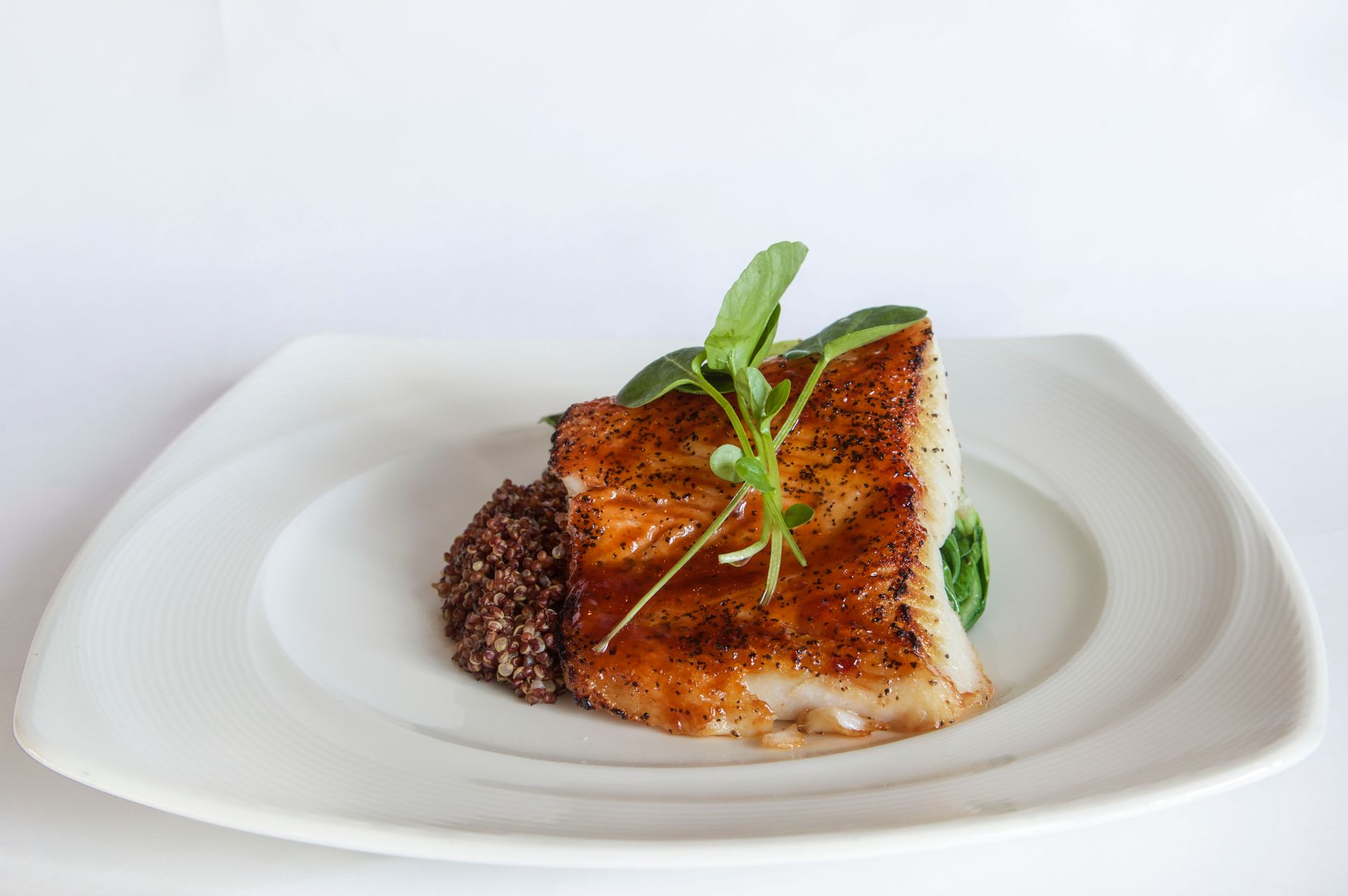
Here’s the good news: the same foods that protect against cancer are also the best foods for healthy weight management during pregnancy. The difference? You’re not “dieting”—you’re optimizing your nutrition to support both your body and your baby’s development. Think of it as pregnancy on purpose.
A 2023 study in Obstetrics & Gynecology found that women who followed a Mediterranean-style diet (rich in olive oil, fish, vegetables, and legumes) during pregnancy had lower rates of excessive gestational weight gain—without compromising fetal growth. The key nutrients? Fiber, healthy fats, and lean protein keep you full, stabilize blood sugar, and reduce cravings for junk food.
How to do it:
- Prioritize fiber (30g/day): Soluble fiber (oats, apples, chia seeds) helps regulate blood sugar and keeps you full. Aim for half your plate filled with non-starchy veggies (spinach, zucchini, bell peppers). Try adding lentils to soups or blending spinach into smoothies.
- Choose healthy fats (avocado, nuts, olive oil): These support baby’s brain development and help you feel satisfied. A 2022 Journal of Nutrition study found that women who consumed more omega-3s had less gestational diabetes risk. Add a tablespoon of olive oil to salads or snack on a handful of walnuts.
- Protein at every meal (eggs, fish, tofu, lentils): Protein helps maintain muscle mass and prevents the metabolic slowdown that can happen during pregnancy. Aim for 25–30g per meal. Try adding cottage cheese to salads or swapping cereal for Greek yogurt with nuts.
- Limit liquid calories: Swap sugary drinks for water, herbal tea, or sparkling water with lemon. A 2021 BMJ study linked high sugar intake during pregnancy to higher infant weight at birth—which can complicate postpartum weight loss. Infuse water with cucumber, mint, or citrus for flavor.
- Eat mindfully: Slow down and savor each bite. Pregnancy hormones can increase appetite, so practice portion control by using smaller plates and stopping when you’re 80% full.
Real story: “I thought I was eating ‘healthy’—yogurt, granola, smoothies—but I was still gaining weight fast,” says Sarah, a 32-year-old mom of two. “Then I realized I was drinking two cups of smoothies a day with honey and granola. That’s like eating dessert for breakfast and lunch!” She swapped them for protein-packed smoothies (spinach, almond butter, Greek yogurt, flaxseeds) and noticed her cravings for junk food dropped within a week. She also started tracking her portions more carefully, using a food scale for snacks like nuts and yogurt.
For more on balancing macros during pregnancy, check out our Keto Diet for Weight Loss guide—but note that keto is not recommended during pregnancy unless medically supervised. Instead, focus on a balanced approach with whole foods.
--- ## **How does a Mediterranean diet compare to a cancer-preventive weight loss plan for expectant mothers?**If you’re comparing diets, the Mediterranean diet is the gold standard for both cancer prevention and pregnancy health. Here’s why it wins—and how it differs from other approaches:
| Feature | Mediterranean Diet | Cancer-Preventive Weight Loss Plan |
|---|---|---|
| Primary focus | Heart health, longevity, and sustainable eating | Cancer risk reduction + weight management |
| Key foods | Olive oil, fish, whole grains, legumes, nuts, vegetables, fruit | Same + cruciferous veggies, berries, turmeric, green tea, fermented foods |
| Protein sources | Fish (especially fatty fish), poultry, eggs, legumes | Adds plant-based proteins (tofu, tempeh) and fermented foods (sauerkraut, kimchi) for gut health |
| Hydration | Water, herbal teas, moderate wine (if any) | Water, herbal teas, no alcohol (even in moderation) |
| Weight loss approach | Not focused on weight loss; emphasizes balance and portion awareness | Includes gentle calorie control (via whole foods) and portion awareness to prevent excessive weight gain |
| Supplements | Optional: omega-3s, vitamin D | May include folate, vitamin D, curcumin (if tolerated), and probiotics for gut health |
Key takeaway: The Mediterranean diet is already cancer-protective because it’s rich in antioxidants, omega-3s, and fiber. To make it even more cancer-preventive, add:
- Cruciferous vegetables (broccoli, kale, Brussels sprouts): Contain sulforaphane, a compound that may help detoxify carcinogens (American Institute for Cancer Research). Roast them with olive oil and garlic for extra flavor.
- Berries (blueberries, raspberries, blackberries): High in anthocyanins, which fight inflammation and may lower breast cancer risk (NIH, 2023). Add them to yogurt, oatmeal, or smoothies.
- Turmeric and ginger: Anti-inflammatory spices that may protect against chronic diseases (Harvard Medical School). Use turmeric in golden milk (with black pepper for absorption) or add ginger to smoothies.
- Fermented foods (sauerkraut, kefir, miso): Support gut health, which is linked to lower cancer risk (Journal of Clinical Oncology, 2022). Try kefir as a yogurt substitute or add sauerkraut to sandwiches.
- Garlic and onions: Contain allicin, which may lower cancer risk (American Institute for Cancer Research). Use them liberally in cooking or blend them into dressings.
New subtopic: The Role of Sleep in Cancer Prevention
Sleep is often overlooked in cancer prevention discussions, but it’s critical. Poor sleep during pregnancy is linked to higher insulin resistance, inflammation, and weight gain—all of which increase cancer risk later in life (American Cancer Society, 2023). Aim for 7–9 hours per night and prioritize sleep hygiene:
- Keep your bedroom cool (65–68°F).
- Avoid screens 1 hour before bed (use blue-light filters if necessary).
- Try a warm cup of chamomile tea or magnesium-rich foods (bananas, almonds) to relax.
- If you’re struggling, ask your provider about safe sleep aids like melatonin (up to 3 mg) or magnesium glycinate.
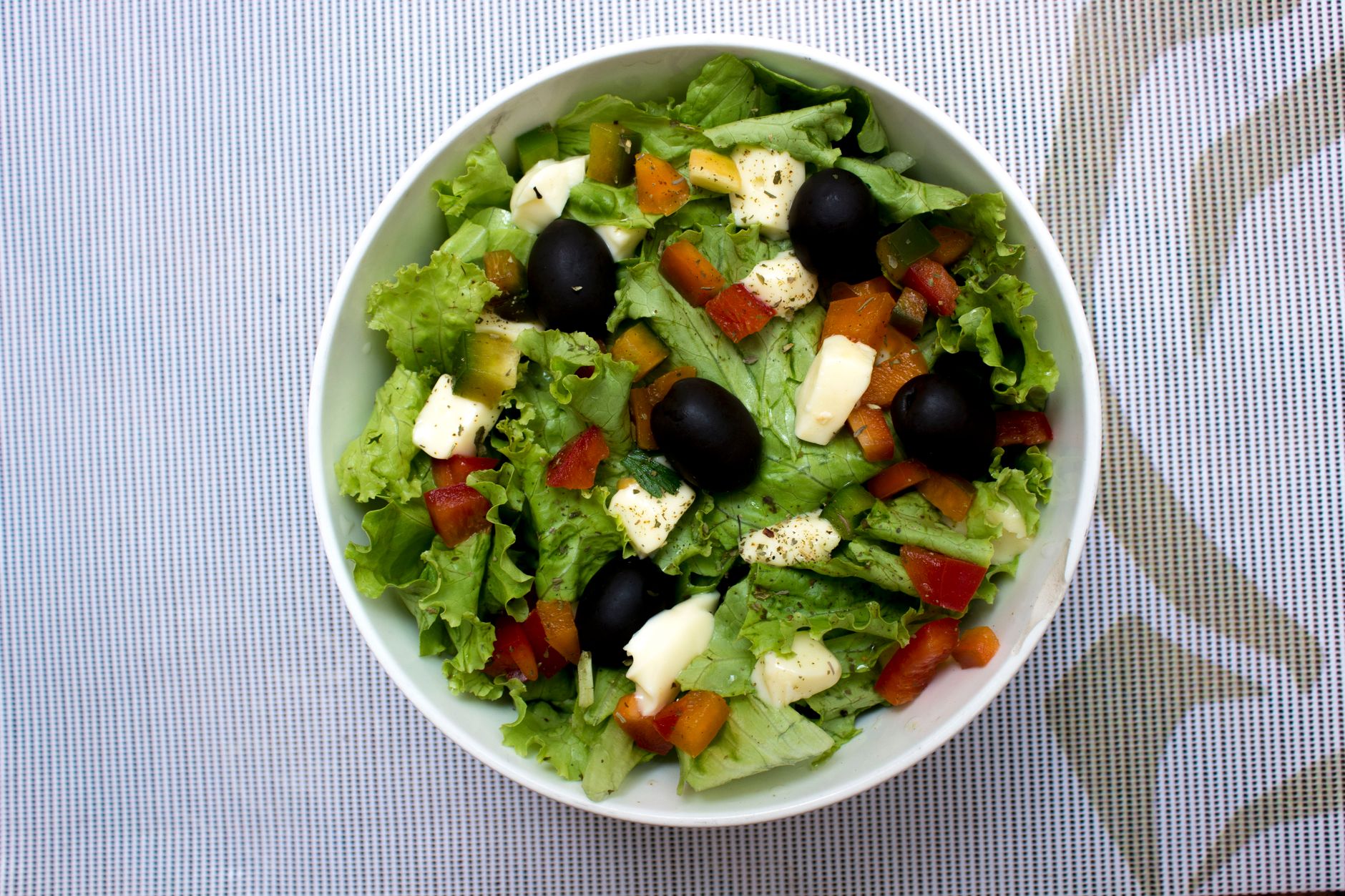
If you’re looking for practical superfoods that double as postpartum weight-loss helpers, start with these:
### **Top 10 Anti-Cancer Superfoods for Pregnancy & Postpartum**| Food | Cancer-Protective Compound | Postpartum Weight-Loss Benefit | How to Eat It |
|---|---|---|---|
| Salmon | Omega-3s (EPA/DHA) | Reduces inflammation, supports thyroid health, and may improve mood | Grilled, baked, or in salads with lemon and dill. Try canned salmon for convenience. |
| Blueberries | Anthocyanins | High fiber, low sugar; keeps blood sugar stable and promotes satiety | Frozen in smoothies, topped on yogurt, or as a snack with nuts. Add them to overnight oats. |
| Broccoli | Sulforaphane | Fills you up; rich in vitamin C and fiber for digestion | Roasted with olive oil and garlic, steamed with lemon, or raw in salads with apple slices. |
| Turmeric | Curcumin | Anti-inflammatory; may aid digestion and reduce bloating | In golden milk (with black pepper for absorption), stir-fries, or smoothies. Add it to scrambled eggs. |
| Chia seeds | Fiber, omega-3s | Keeps you full; great for meal prep and snacking | Soaked in water (chia pudding), sprinkled on salads, or in smoothies. Try chia pudding with berries for dessert. |
| Spinach | Lutein, folate | Low-calorie, nutrient-dense; great for quick meals and digestion | Sautéed with garlic, blended in smoothies, or in wraps with hummus and chicken. |
| Walnuts | Melatonin, omega-3s | Healthy fats for satiety; may improve sleep and reduce cravings | Handful as a snack, sprinkled on salads, or in oatmeal. Try walnut butter on whole-grain toast. |
| Green tea | EGCG (epigallocatechin gallate) | May boost metabolism slightly; hydrating and caffeine-free options available | 2–3 cups/day (avoid excess caffeine in pregnancy). Try matcha for a gentle caffeine boost. |
| Sweet potatoes | Beta-carotene | Complex carbs for steady energy; fiber-rich for digestion | Roasted with cinnamon, mashed with Greek yogurt, or in soups. Try sweet potato fries baked with olive oil. |
| Kefir | Probiotics | Supports gut health; may reduce bloating and improve digestion | Plain with berries, in smoothies, or as a yogurt substitute. Try kefir with honey and walnuts for breakfast. |
Pro tip: If you’re postpartum and struggling with weight loss, focus on protein and fiber. A 2024 study in The Journal of Human Nutrition and Dietetics found that women who ate 30g of protein at breakfast had less postpartum weight retention at 6 months. Try adding a scoop of plant-based protein powder to smoothies or swapping cereal for Greek yogurt with nuts and berries.
New subtopic: The Gut-Brain Connection in Pregnancy
Your gut health plays a huge role in both cancer prevention and postpartum weight management. During pregnancy, hormonal changes can disrupt gut bacteria, leading to bloating, constipation, and even cravings for unhealthy foods (American Gastroenterological Association, 2023). To support a healthy gut:
- Include fermented foods like kefir, sauerkraut, or kimchi daily.
- Avoid processed foods and artificial sweeteners, which feed harmful bacteria.
- Stay hydrated and include prune juice or psyllium husk if constipation is an issue.
- Consider a probiotic supplement (1–10 billion CFU/day) if you’re not getting enough fermented foods.
Short answer: No. Intermittent fasting (IF) during pregnancy is not recommended by ACOG or the World Health Organization (WHO) due to risks like:
- Increased risk of preterm labor or low birth weight (Journal of Obstetrics and Gynaecology Research, 2022).
- Potential nutrient deficiencies (especially folate, iron, and B12), which are critical for fetal development.
- Higher likelihood of gestational diabetes due to blood sugar instability (Diabetes Care, 2023).
- Increased stress on the body, which can lead to cravings and emotional eating later.
But here’s the nuance: If you’re not pregnant and looking to prevent cancer through diet, time-restricted eating (TRE)—like a 12-hour overnight fast—may be beneficial when paired with whole foods. A 2023 meta-analysis in Cancer Prevention Research found that TRE alone (without calorie restriction) was linked to lower insulin levels and reduced inflammation—both protective against cancer.
What to do instead:
- Pregnancy: Focus on time-of-day eating. For example, eat your largest meal at lunch (when energy needs peak) and a light dinner. This mimics TRE without the risks. Try a 16-hour overnight window (e.g., stop eating at 8 p.m., eat again at 12 p.m.) but prioritize nutrient-dense foods.
- Postpartum (non-breastfeeding): Try a 12-hour overnight fast (e.g., stop eating at 8 p.m., eat again at 8 a.m.), but only if you’re not breastfeeding (breastfeeding women need consistent fuel). Start with a 10-hour window and gradually increase.
- Always prioritize: Hydration, protein, and fiber to stay full and satisfied. Avoid fasting if you’re experiencing morning sickness or food aversions.
Myth vs. Fact:
Myth: “Fasting ‘cleanses’ your body and reduces cancer risk.” Fact: Fasting doesn’t “cleanse” your body—it’s about what you eat when you’re not fasting. Whole, unprocessed foods (like those in a Mediterranean diet) provide antioxidants and fiber, which are the real cancer fighters. Fasting alone, without proper nutrition, can backfire and lead to nutrient deficiencies.
New subtopic: The Role of Stress in Cancer Risk
Chronic stress isn’t just mentally exhausting—it’s linked to increased cancer risk due to inflammation and hormonal imbalances (American Psychological Association, 2023). During pregnancy, stress can also:
- Increase cortisol levels, leading to cravings for sugary or salty foods.
- Disrupt sleep, which affects weight management and mood.
- Weaken the immune system, making you more susceptible to infections.
To manage stress during pregnancy:
- Practice deep breathing (try the 4-7-8 method: inhale for 4 seconds, hold for 7, exhale for 8).
- Engage in gentle movement like prenatal yoga or walking.
- Prioritize social support—talk to your partner, friends, or a therapist.
- Try herbal teas like chamomile or peppermint for relaxation.
Let’s be real: you don’t have time for gourmet meals. You need realistic solutions that fit into a 10-minute breakfast, a 20-minute lunch, and a 15-minute dinner. Here’s how to meal-prep like a pro:
### **Step 1: Batch-Cook Staples**Sunday prep: Cook a big pot of:
- Quinoa or brown rice (store in fridge for 4 days or freeze).
- Grilled chicken or salmon (shred for wraps or salads).
- Roasted vegetables (broccoli, sweet potatoes, Brussels sprouts).
- Hard-boiled eggs (for snacks or salads).
- Lentils or chickpeas (for soups, salads, or curries).
Keep these ready-to-grab options in your fridge or freezer:
- Portioned nuts and seeds (almonds, pumpkin seeds, chia seeds).
- Pre-cut veggies with hummus or guacamole.
- Greek yogurt with berries.
- Protein smoothie packs (frozen spinach, banana, protein powder, almond milk).
- Roasted chickpeas or edamame for crunch.
Breakfast (under 10 minutes):
- Savory oatmeal: Cook oats with water, top with scrambled eggs, avocado, and salsa.
- Greek yogurt bowl: Plain Greek yogurt + chia seeds + berries + walnuts.
- Avocado toast: Whole-grain toast + mashed avocado + smoked salmon + everything bagel seasoning.
- Smoothie bowl: Blend frozen berries, spinach, and almond milk, then top with granola and nut butter.
Lunch (under 15 minutes):
- Mediterranean wrap: Whole-wheat tortilla + hummus + shredded chicken + spinach + olives.
- Salmon salad: Canned salmon + mixed greens + cherry tomatoes + olive oil + lemon.
- Lentil soup: Pre-made or quick-cook lentils with veggies and broth. Add canned tomatoes and spices.
- Quinoa bowl: Pre-cooked quinoa + black beans + corn + avocado + lime dressing.
Dinner (under 20 minutes):
- Sheet-pan dinner: Toss pre-cut veggies + chicken + olive oil + herbs; bake at 400°F for 20 mins.
- Stir-fry: Pre-cooked rice + frozen stir-fry veggies + tofu or shrimp + soy sauce.
- Turkey chili: Ground turkey + canned beans + diced tomatoes + spices (make a big batch!).
- Stuffed bell peppers: Pre-cooked ground turkey + quinoa + tomatoes + cheese (bake at 375°F for 25 mins).
Dessert (cancer-preventive & satisfying):
- Dark chocolate (70%+) with almonds.
- Baked apple with cinnamon and walnuts.
- Chia pudding (chia seeds + almond milk + berries).
- Frozen yogurt with granola and honey.
New subtopic: Meal Prep for Postpartum Recovery
After giving birth, your energy levels may drop, and meal prep can feel overwhelming. Here’s how to adapt:
- Focus on easy assembly meals like grain bowls, wraps, or salads with pre-cooked proteins.
- Use slow cookers or Instant Pots for hands-off cooking (e.g., soups, stews, or pulled chicken).
- Batch-cook freezer-friendly meals like burritos, soups, or casseroles for busy postpartum weeks.
- Accept help! Ask friends or family to bring pre-made meals or freeze portions for you.
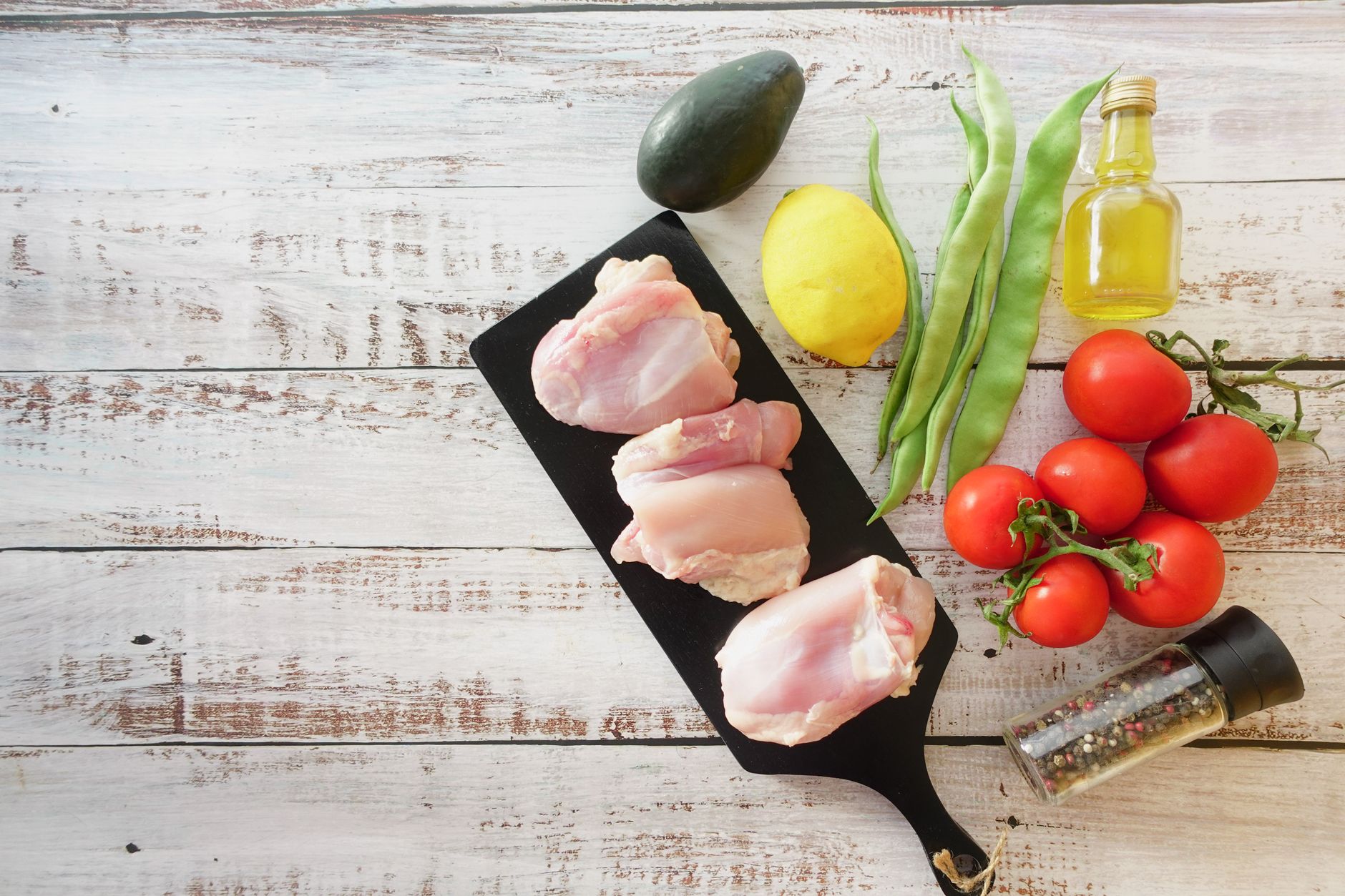
While food should be your first source of nutrients, some supplements can support cancer prevention and postpartum recovery. Always


