Quick take: A baby can technically lie on their stomach while congested, but it is **not the safest choice** for most infants, especially newborns and those under six months. The safest sleep position is on the back, with a clear airway and a cool‑mist humidifier or gentle nasal suction to relieve congestion. If you must use tummy time while awake, keep the baby supervised and return them to a supine position for sleep. ✅
It’s 2 a.m.; you hear the soft whimper of your little one, feel the cool night air on the nursery wall, and notice their tiny chest rising a little more shallowly than usual. You check the diaper, the temperature, and then—the nose. It’s red, a little swollen, and the baby seems to be breathing through the mouth. Your first instinct might be to let them turn onto their stomach because that’s how they often settle when they’re congested. But is that truly safe?
In this article we answer the question can baby sleep on stomach with stuffy nose from every angle a sleep‑worried parent needs. We’ll walk through the science behind sleep position and SIDS, outline the real risks of stomach sleeping with a blocked nose, and give you step‑by‑step, evidence‑based ways to clear your baby’s nasal passages so they can sleep safely on their back. We’ll also cover common myths, quick‑action red‑flags, and when you should call a pediatrician.
By the end of this guide you’ll know exactly what the experts recommend, how to create a soothing, low‑congestion sleep environment, and how to monitor your baby’s breathing without panic. Let’s turn those sleepless nights into calmer ones.
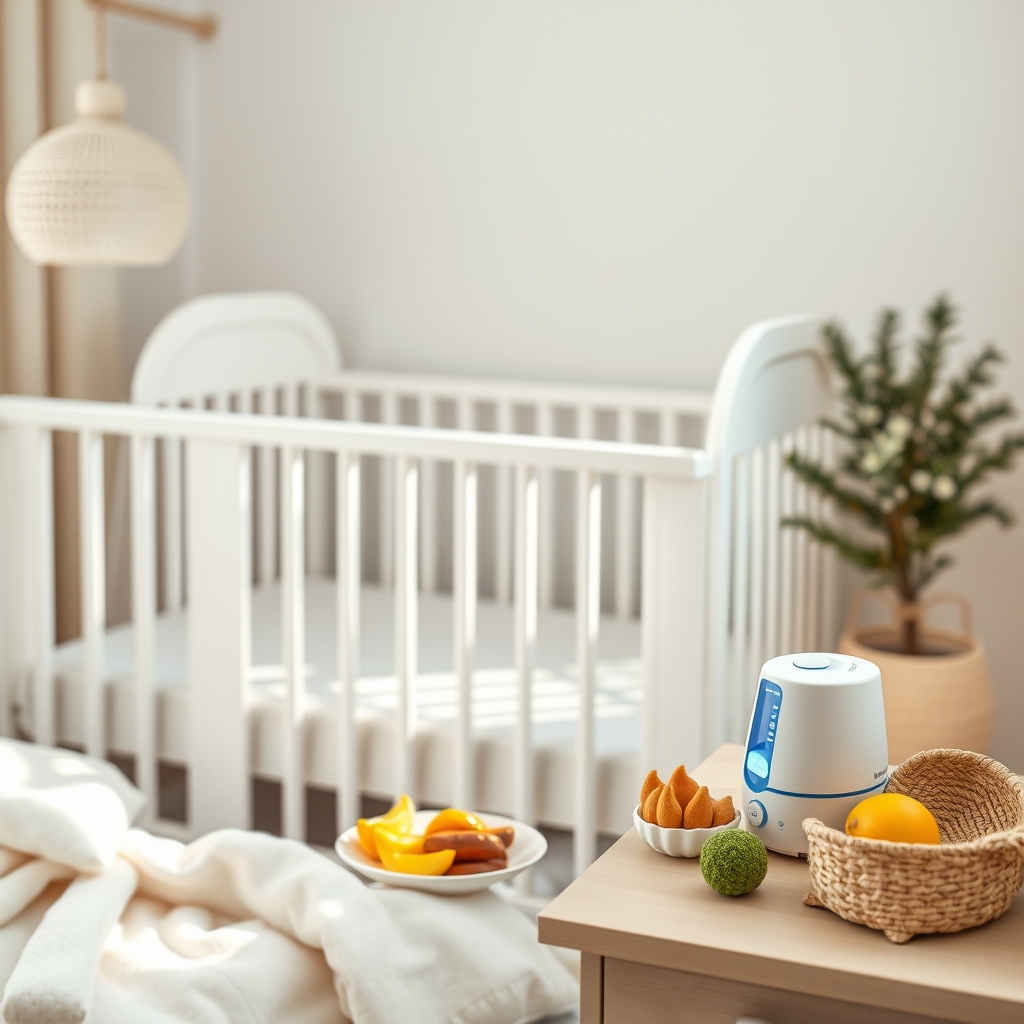
Can a baby sleep on their stomach when they have a cold?
When a cold hits, the nasal passages swell, mucus builds up, and many babies seem more comfortable on their stomach because it can open the airway slightly. However, the American Academy of Pediatrics (AAP) still advises that **all infants under one year should be placed on their backs for every sleep**—including naps and nighttime—unless a physician has prescribed a specific exception. The reasoning is that the back‑sleep position reduces the chance of the baby re‑breathing exhaled carbon dioxide, which can happen more readily when the face is pressed into a mattress.
For babies older than six months who have mastered rolling both ways, a brief period of tummy sleep can be safe if the baby can lift their head, shift weight, and keep the airway clear. Yet, with a cold, the airway is already compromised. The extra pressure on the chest from stomach‑sleeping can make breathing feel harder, especially if the baby’s nasal passages are blocked.
Studies from the National Institute of Child Health and Human Development (NICHD) show that back‑sleeping reduces the incidence of sudden infant death syndrome (SIDS) by more than 50 % in the first six months of life. No large‑scale data suggest that a temporary stomach position for a congested infant offsets that benefit. The safest approach is to keep the baby on their back and address the congestion directly.
Why tummy time is still important—just not for sleep
Tummy time during awake hours promotes neck strength, motor development, and prevents flat head syndrome (positional plagiocephaly). The AAP recommends at least 30 minutes of supervised tummy time each day for infants from birth onward. The key word is “supervised.” Once the baby falls asleep, the safest position reverts to supine.
What to watch for if you do place a baby on their stomach
- Frequent sighs or grunts indicating effortful breathing.
- Chest retractions (the skin pulling in with each breath).
- Skin color changes—bluish lips or fingertips.
- Difficulty waking for feedings.
If any of these signs appear, reposition the baby onto their back immediately and seek medical advice.
Is it safe for newborns to sleep on their stomach with a stuffy nose?
Newborns (0‑4 weeks) have underdeveloped neck muscles and a relatively large head compared to their body. Their airway is narrow, and they rely heavily on nasal breathing because they are obligate nasal breathers. For this tiny age group, the AAP’s “Back to Sleep” campaign is absolute: no stomach sleeping at any time, regardless of congestion.
In a 2022 systematic review published by the Centers for Disease Control and Prevention (CDC), researchers found that the risk of SIDS in newborns who were placed prone (on the stomach) was three times higher than in those placed supine, even when the infant had a mild cold. The added risk of a blocked nose is not a protective factor; it actually heightens the danger because the baby cannot clear the airway on their own.
For newborns with a stuffy nose, the recommended steps are:
- Use a sterile saline nasal spray (2–3 drops per nostril) to loosen mucus.
- Follow with a gentle nasal aspirator (bulb syringe) to remove loosened secretions.
- Run a cool‑mist humidifier in the nursery for 30 minutes before bedtime.
- Keep the baby on their back, in a firm, flat sleep surface with no loose bedding.
These measures keep the airway open while preserving the protective benefits of back‑sleeping. If the baby’s congestion persists for more than a week, or if they develop a fever above 38 °C (100.4 °F), contact your pediatrician.
How can I help my baby sleep when they have a stuffy nose and I’m used to stomach sleeping?
Many parents have an instinct to turn a congested baby onto their stomach because it seems to “open the airway.” Transitioning to back‑sleeping while still providing comfort can be challenging, but a few practical tricks make the process smoother.
1. Create a micro‑environment that eases breathing. A cool‑mist humidifier placed 2–3 feet from the crib adds moisture to the air, thinning mucus. The Mayo Clinic notes that a humidity level of 40‑60 % is optimal for infants.
2. Use a nasal saline solution before bedtime. A few drops of sterile saline each nostril can be administered while the baby is lying on their back. This not only loosens mucus but also provides a soothing sensation.
3. Elevate the head slightly. For babies older than six months who can roll both ways, you can place a folded towel under the mattress (not under the baby) to create a slight incline of about 10 degrees. This helps drainage without compromising the flat sleep surface requirement.
4. Maintain a consistent bedtime routine. A warm bath, gentle massage, and a lullaby create a calming cue that can override the discomfort of a stuffy nose.
5. Offer extra feedings if needed. Congestion can make feeding more tiring. A brief, extra feeding before sleep can ensure the baby isn’t waking due to hunger, which can be mistaken for breathing difficulty.
Remember, any sleep position change should be gradual. Start with short periods of back‑sleeping while the baby is drowsy, and increase the duration each night. Keep a close eye on breathing patterns and be ready to intervene if the baby shows signs of distress.
What are the risks of baby sleeping on their stomach with congestion?
Sleeping prone while congested introduces several overlapping hazards:
- Reduced airway clearance. The weight of the chest can compress the throat, making it harder for a baby to clear mucus.
- Re‑breathing of carbon dioxide. When the face is pressed into a mattress, exhaled air can become trapped, raising CO₂ levels—a known risk factor for SIDS.
- Increased work of breathing. A congested nose forces the baby to breathe through the mouth, which is less efficient and can cause fatigue.
- Temperature regulation issues. The stomach position can cause overheating, especially if the room is warm or if the baby is bundled heavily.
A 2021 meta‑analysis from the British Paediatric Surveillance Unit (BPSU) found that infants who were placed prone and also had upper‑respiratory symptoms (cough, runny nose, fever) had a 2.5‑fold higher odds of a sleep‑related death compared with those placed supine. The authors emphasized that “congestion should never be used as a justification for deviating from back‑sleep recommendations.”
Below is a concise checklist of red‑flag symptoms that signal an emergency while the baby is sleeping:
- Persistent snoring or noisy breathing for more than a few minutes.
- Chest wall retractions or “see‑saw” breathing.
- Blue or gray discoloration around lips, fingertips, or nails.
- Unresponsiveness or difficulty waking for feedings.
- Fever above 38 °C (100.4 °F) accompanied by lethargy.
If any of these appear, reposition the baby onto their back, clear the airway, and call emergency services immediately.
Can a baby sleep on their stomach with a stuffy nose and reflux?
Gastro‑esophageal reflux (GER) is common in infants, especially in the first six months. The combination of reflux and nasal congestion can make breathing feel especially uncomfortable, leading some parents to think stomach sleeping will help. In reality, prone positioning can actually worsen reflux because gravity no longer assists stomach contents staying down.
The AAP’s Clinical Report on Infant GER (2020) advises that infants with frequent spit‑up should be placed on their backs, with the head of the crib slightly elevated (no more than 10 cm) if needed. Elevation helps reduce reflux while preserving the safety of supine sleep.
When both reflux and a stuffy nose are present, the following approach is safest:
- Administer a saline nasal spray and gently suction the nose before bedtime.
- Use a cool‑mist humidifier to keep the airway moist.
- Elevate the mattress head slightly using a wedge designed for infants—never use pillows or blankets.
- Feed the baby in a semi‑upright position and keep them upright for 20‑30 minutes after feeding.
- Monitor for signs of discomfort, such as arching of the back or increased fussiness.
These steps relieve both congestion and reflux while keeping the baby on their back, the position with the lowest SIDS risk.
How do I clear my baby’s stuffy nose so they can stay safe on their back?
Clearing nasal passages is the cornerstone of safe sleep when a baby has a cold. Below is a comparison of the most common over‑the‑counter (OTC) methods, based on guidance from the American Academy of Pediatrics and the National Health Service (NHS) in the UK.
**Step‑by‑step nasal clearing routine:**
- Lay the baby on their back on a firm mattress.
- Place a few drops of sterile saline in each nostril.
- Wait 30–45 seconds for the saline to soften mucus.
- Use a bulb syringe or electric aspirator to gently suction each nostril.
- Wipe away any expelled mucus with a clean tissue.
- Turn on a cool‑mist humidifier for the next 30 minutes.
- Check the baby’s breathing before placing them back on their back for sleep.
These steps can be repeated up to three times per night, but if congestion persists despite treatment, consult your pediatrician.
Is stomach sleeping with a stuffy nose a SIDS risk for babies?
SIDS (Sudden Infant Death Syndrome) remains the leading cause of death in infants aged 1‑12 months in many high‑income countries. The greatest modifiable risk factor is sleep position. The AAP’s “Safe Sleep” guidelines state that “prone sleeping is associated with a higher incidence of SIDS” and that “any additional factor that compromises the airway—such as a blocked nose—further increases risk.”
When a baby’s nose is stuffed, they may instinctively turn their head to one side, potentially blocking the airway with a pillow or blanket. In a stomach position, the face can become pressed into the mattress, making it harder for the baby to shift or clear secretions. This combination can lead to hypoxia (low oxygen) and hypercapnia (high carbon dioxide), which are key mechanisms in SIDS.
Recent guidance from the CDC (2023) emphasizes that “even a mild upper‑respiratory infection should not alter the recommendation to place infants on their backs for sleep.” The organization also notes that using a pacifier, keeping soft bedding out of the sleep area, and maintaining a cool room temperature (68‑72 °F) further reduce SIDS risk.
In short, **stomach sleeping while the nose is congested is a clear SIDS risk** for infants under one year. The safest choice is always back‑sleeping, paired with interventions to clear the nasal passages.
What sleep position is best for a baby with a stuffy nose and cough?
When a baby has both congestion and a cough, the back‑sleep position remains the gold standard. However, a few adjustments can make it more comfortable:
- Side‑lying (lateral) position. Once a baby can roll both ways (usually after 6 months), a brief side‑lying sleep can be acceptable if the baby consistently returns to supine when they shift. Ensure the baby’s head is turned slightly away from the congested side to aid drainage.
- Head‑tilt with a rolled towel. Place a small, firm towel rolled lengthwise under the mattress (not under the baby) to create a gentle incline. This can help mucus drain from the nasal passages.
- Elevated sleep surface. A specially designed infant sleep wedge approved by the AAP can provide a 10‑degree incline. Avoid pillows, blankets, or stuffed animals for elevation.
Regardless of the chosen position, maintain a firm, flat sleep surface and keep the crib free of loose blankets, toys, and bumper pads. A cool‑mist humidifier and nasal saline routine (as described earlier) will further ease breathing.
For babies older than 12 months, many pediatric sleep specialists allow a “tummy‑to‑side” approach if the infant demonstrates the ability to roll over and keep the airway clear. Always supervise and reassess each night.
Additional tips: baby congestion relief for stomach sleepers and other practical hacks
Even if you’re committed to keeping your baby on their back, there are several extra tricks that can make a congested night more tolerable.
Using a humidifier effectively
Place the humidifier about 2‑3 feet from the crib, on a stable surface. Fill it with distilled water to prevent mineral buildup. Run it for 30 minutes before bedtime, then turn it off once the baby is asleep. Clean the unit daily according to the manufacturer’s instructions to avoid mold growth.
Gentle nasal massage
With a clean hand, lightly rub the bridge of the baby’s nose in a circular motion for about 10 seconds. This can help move mucus toward the nostrils before suction.
Warm steam baths (brief)
While not a substitute for a humidifier, a short 5‑minute steamy bathroom session (run a hot shower, close the door, and sit with the baby in the bathroom) can add moisture to the air and loosen mucus. Keep the baby away from direct steam to prevent overheating.
Choosing the right sleepwear
Dress the baby in a lightweight, breathable onesie or sleep sack. Over‑bundling raises body temperature, which can worsen congestion and increase SIDS risk.
When to consider medical treatment
If the baby’s congestion is accompanied by fever, persistent cough, or lasts longer than 10 days, a pediatric evaluation is warranted. The pediatrician may prescribe a short course of a pediatric‑safe decongestant or recommend an allergy work‑up if symptoms are recurrent.

Myth vs. fact
Myth: “If my baby can’t breathe through their nose, putting them on their stomach helps them get more air.”
Fact: The safest way to keep the airway open is to keep the baby on their back and clear the nasal passages with saline drops and gentle suction. Stomach sleeping can actually compress the airway.
Myth: “A humidifier alone will cure a baby’s cold.”
Fact: Humidifiers can soothe congestion but do not treat the viral infection. Combine humidification with saline drops and monitor for worsening symptoms.
Myth: “If my baby sleeps on their side, it’s just as safe as back‑sleeping.”
Fact: Side‑lying is only safe for infants who can reliably roll both ways and who are not under six months. For most babies, back‑sleeping remains the most protective position.
Key takeaways
- Back‑sleeping is the safest position for infants under one year, even with a cold or congestion.
- Clear a stuffy nose with saline drops and gentle suction before bedtime.
- Use a cool‑mist humidifier to add moisture to the air and thin mucus.
- Elevate the mattress head slightly (no pillows) for babies with reflux.
- Monitor for red‑flag signs such as bluish lips, chest retractions, or difficulty waking.
- Contact a pediatrician if congestion lasts more than 10 days, is accompanied by fever, or if the baby shows any emergency symptoms.
Frequently asked questions
Can a baby sleep on their stomach at all?
Infants under six months should **never** be placed on their stomach for sleep. After six months, if the baby can roll both ways, brief supervised tummy sleep may be okay, but the back position remains safest, especially when the baby is congested.
How do I know if my baby’s stuffy nose is serious?
Most colds resolve within a week. However, if the baby has a fever above 38 °C (100.4 °F), refuses feeds, shows bluish lips or fingertips, or has persistent chest retractions, seek medical care promptly.
What are the best ways to relieve a baby’s congestion?
Use sterile saline nasal drops, followed by gentle suction with a bulb syringe or electric aspirator. Run a cool‑mist humidifier for 30 minutes before bed, and keep the sleep environment free of irritants like smoke.
Can I use a nasal aspirator on my baby while they sleep?
It’s best to clear the nose **before** the baby falls asleep. Using an aspirator while the baby is asleep can disturb breathing and may cause irritation. Perform the suction while the baby is awake and drowsy, then settle them back to sleep.
How long does a baby’s stuffy nose last?
A typical viral upper‑respiratory infection causes congestion for 5‑10 days. If symptoms persist beyond two weeks, or if the baby develops a new fever, contact your pediatrician.
What are the safest sleep positions for babies with colds?
Back‑sleeping is the safest. For babies older than six months who can roll both ways, a brief side‑lying position can be used if the baby consistently returns to supine. Avoid pillows, blankets, and any incline that is not a specially designed infant wedge.
When to see a doctor / specialist
If you notice any of the following while your baby is sleeping, call your pediatrician or go to the emergency department right away:
- Blue or gray discoloration of lips, tongue, or nails.
- Chest wall retractions or “see‑saw” breathing.
- Persistent high fever (>38 °C / 100.4 °F) lasting more than 24 hours.
- Severe difficulty breathing, wheezing, or crying that does not stop.
- Congestion that does not improve after 10 days of home care.
- Sudden change in feeding patterns or lethargy.
For ongoing congestion, a pediatrician may refer you to an ENT (ear, nose, and throat) specialist or a pediatric pulmonologist if there are underlying structural issues or chronic lung concerns.
Remember, this article is for informational purposes only and does not replace personalized medical advice. Always discuss any concerns with your health‑care provider.
References
- American Academy of Pediatrics. “Safe Sleep for Infants.” AAP Policy Statement, 2022.
- Centers for Disease Control and Prevention. “Sudden Unexpected Infant Death and Safe Sleep.” CDC, 2023.
- National Institute of Child Health and Human Development. “Back to Sleep Campaign.” NICHD, 2021.
- British Paediatric Surveillance Unit. “Prone Position and Upper‑Respiratory Symptoms: A Meta‑analysis.” BPSU, 2021.
- American Academy of Pediatrics Clinical Report on Infant Gastro‑Esophageal Reflux. 2020.
- Mayo Clinic. “Humidifiers: How They Work and When to Use Them.” Mayo Clinic, 2022.
- National Health Service (UK). “Nasal Saline Drops for Babies.” NHS, 2022.
- World Health Organization. “Infant and Young Child Feeding: Recommendations.” WHO, 2020.
- Harvard T.H. Chan School of Public Health. “Indoor Humidity and Respiratory Health.” 2021.



