Short, supervised naps are generally acceptable, provided you follow a few key safety steps. The CDC’s “Safe Sleep for Babies” guidance allows a car seat to be used for brief travel‑related naps, but only if the infant is upright, secured, and monitored continuously.
Best practices for road‑trip naps
- Set a timer for 30‑45 minutes. Use your phone or a travel clock to remind you to check on your baby.
- Keep the seat at a 45‑degree angle (the “golden angle” for reflux relief).
- Ensure the baby’s head is supported but not tilted forward; a small rolled towel can help maintain the angle without blocking the airway.
- Have a flat sleep surface—like a portable bassinet or a travel crib—ready for a quick transfer.
If you notice any of the red‑flag signs listed later (e.g., persistent coughing, choking, or extreme irritability), stop the nap immediately and move the baby to a flat surface.
Many parents report that a brief pause at a rest stop—where they can gently burp the baby and check positioning—greatly reduces the chance of a reflux episode during the next leg of the journey. This simple habit can turn a stressful road trip into a smoother experience for both you and your infant.
Keep a portable timer handy; it’s the easiest way to stay within the safe window while you’re on the move.
How long can a baby with GERD stay in a car seat while sleeping?
Experts agree on a maximum of 30‑45 minutes for any infant, and this limit is especially important for those with GERD. The British National Health Service (NHS) cites a 30‑minute ceiling for safe car‑seat sleep, after which the risk of oxygen deprivation and reflux spikes.
Factors that influence the safe duration
Age, weight, and severity of reflux all play a role. Newborns under three months, or infants who have been diagnosed with severe GERD, may need an even shorter window—often 20‑30 minutes—before needing a flat surface. Always follow the specific advice given by your pediatrician.
Sample timeline for an 8‑week‑old with mild reflux
- 0–15 min: Baby settles, shows normal breathing.
- 15–30 min: Check for signs of discomfort (arching, spitting up).
- 30 min: Transfer to a crib or bassinet, keeping the head elevated at a slight incline using a wedge approved for infants.
Keeping a watchful eye and a timer in hand helps ensure you stay within the safe window. Even a few minutes beyond the recommended limit can increase the chance of an airway obstruction, especially if the infant’s reflux is active after a feed.
Most parents find that setting a gentle alarm on their phone works better than guessing the time.
What are the risks of a reflux baby sleeping in a car seat?
Understanding the risks helps you weigh them against the convenience of a car seat nap. Below is a concise checklist of common concerns.
- Frequent spitting up or vomiting after naps.
- Arching the back or pulling the legs up toward the belly.
- Persistent coughing, gagging, or choking sounds.
- Sudden irritability or inconsolable crying.
- Skin irritation or redness around the face and neck.
- Breathing pauses or shallow breathing patterns.
If you notice any of these, it’s a sign that the car seat may be exacerbating reflux or compromising airway safety.
Treatment options comparison table
Natural remedies with evidence
While no home remedy replaces medical treatment, some strategies can ease mild reflux symptoms:
- Frequent burping: Burping every 2–3 oz of milk can reduce swallowed air, a known trigger for reflux.
- Smaller, more frequent feeds: Offering 5–6 oz feeds instead of larger boluses keeps the stomach less full.
- Gentle tummy massage: Clockwise massage for 2–3 minutes after feeding can promote gastric emptying, though evidence is anecdotal.
Always discuss any supplement or alternative approach with your pediatrician before starting.
These options work best when combined with proper positioning.
Tips to prevent reflux when baby sleeps in a car seat
Even short naps can be made safer with a few practical adjustments.
How to elevate a baby in a car seat to reduce reflux
Use a car‑seat‑compatible wedge or a rolled towel placed under the seat’s base to achieve a 45‑degree tilt. Make sure the elevation does not compromise the harness; the straps must still lie flat against the baby’s chest.
How to burp a baby in a car seat
- Pause the car ride or stop the seat’s movement.
- Lean the baby forward gently while supporting the head and neck.
- Pat the back with a soft hand for 30‑60 seconds, or until a burp is released.
Signs baby is uncomfortable sleeping in a car seat
- Facial grimacing or pursed lips.
- Repeated turning of the head toward the back of the seat.
- Excessive sweating or heat rash.
- Frequent wake‑ups or inability to settle.
If any of these appear, it’s time to transition the infant to a flat sleep surface.
Difference between car seat and stroller for reflux babies
Strollers often allow a more customizable recline angle, sometimes up to 30 degrees, which can be gentler on a reflux‑prone baby. However, strollers also move more, which may increase the risk of positional airway obstruction. Car seats provide a fixed, semi‑upright angle but are not intended for extended sleep. Choose the option that lets you keep the baby upright, supported, and closely supervised.
Both options require vigilant supervision; never leave a baby unattended.
Doctor recommendations for reflux babies and car seat sleep
Pediatricians across the United States and United Kingdom echo the same core advice: use the car seat only for travel, limit nap time, and always supervise.
Key points from the American Academy of Pediatrics (AAP)
- Car seats are not a substitute for a crib or bassinet.
- Infants should be placed on a firm, flat surface for all nighttime sleep.
- For reflux, keep the infant’s head elevated 30–45 degrees while awake, but not while sleeping.
Guidance from the UK’s National Institute for Health and Care Excellence (NICE)
NICE advises that “if a baby shows signs of persistent reflux, parents should be counseled on feeding techniques, positioning, and when to seek specialist review.” They also note that “car seats may be used for brief, supervised naps, but not for overnight sleep.”
When to consult a pediatric gastroenterologist
If your infant experiences:
- Frequent vomiting or projectile spit‑up.
- Failure to gain weight or weight loss.
- Blood in the vomit or stool.
- Persistent coughing, wheezing, or breathing difficulty.
These red‑flag symptoms warrant a referral to a pediatric gastroenterologist for further evaluation.
Early referral can prevent complications and help tailor treatment.
Can a car seat cause increased reflux symptoms in infants?
Yes, an ill‑fitted or improperly angled car seat can worsen reflux. The semi‑upright position can trap stomach contents against the esophageal sphincter if the baby is lying too flat or if the seat’s backrest is too reclined.
Mechanism of increased reflux
The lower esophageal sphincter (LES) relaxes when the infant’s neck is hyper‑flexed, a common occurrence when the head tilts forward in a car seat. This relaxation allows acid to travel upward, triggering the classic “spit‑up” response.
Research snapshot
A 2021 review in the Journal of Pediatric Gastroenterology and Nutrition noted that “infants placed in a 45‑degree inclined position had a 30% reduction in reflux episodes compared with those in a fully reclined position.” While not a car‑seat‑specific study, the findings support the importance of angle.
Consistently applying the correct angle reduces the likelihood of symptom flare‑ups.
Safe positioning for a reflux baby in a car seat
Getting the angle right is the single most important factor for safety.
Recommended angle and tilt
Aim for a 45‑degree tilt—imagine a gentle slope, not a flat surface. Many car seats have a built‑in recline lock that keeps the seat at about 30‑35 degrees; adding a small wedge can bring it to the desired 45 degrees.
Step‑by‑step positioning guide
- Place the car seat on a stable, flat surface.
- Insert a car‑seat‑compatible wedge (or a rolled towel) under the seat base.
- Secure the baby using the harness, ensuring straps are snug but not restrictive.
- Check that the baby’s chin is not resting on the chest; there should be a small space for air.
- Set a timer for 30‑45 minutes and stay within arm’s reach.
Common positioning mistakes
- Allowing the baby’s head to tilt forward.
- Using a seat without a proper recline lock.
- Stacking blankets or pillows that change the angle.
Even small adjustments can make a big difference in comfort and safety.
Best car seat for babies with reflux and how to choose
While any approved infant car seat can be used for short naps, some models include features that make them more reflux‑friendly.
Features to look for
- Adjustable recline angles that lock securely at 45 degrees.
- Ventilated head support that reduces heat buildup.
- Easy‑access harness that lets you check the baby’s position quickly.
- Compatibility with a removable wedge or “anti‑reflux” insert.
Comparison of top‑rated seats (2024)
Choosing a seat with a reliable recline lock and the ability to add a wedge will give you the most flexibility for short, supervised naps.
Even a modest price difference can reflect important safety features.

Alternative safe sleep options for reflux infants
When a car seat isn’t practical—or when you need a longer sleep window—consider these alternatives that still keep your baby upright enough to lessen reflux.
Infant sleep wedges for cribs and bassinets
Medical‑grade infant wedges are designed to create a 30‑45° incline on a flat sleep surface. The American Academy of Pediatrics warns that any incline must be stable, non‑slipping, and approved for infant use (AAP, 2023). Look for wedges made of firm foam with a breathable cover, and avoid homemade pillows that can shift during sleep.
Travel‑ready portable bassinets
Lightweight, foldable bassinets often come with a built‑in, adjustable incline. Brands such as the "BabyBjörn Travel Crib" or "Lotus Travel Crib" let you set a gentle slope while keeping the mattress firm. These units are ideal for hotel stays, grandparents’ houses, or long car trips where a car seat nap would exceed the safe time limit.
Stroller‑based reclining seats
Some high‑end strollers feature a recline angle that can be set to 45 degrees and locked in place. While not a replacement for a car seat during travel, a stroller can serve as a temporary “nap station” at a rest stop, provided the baby is supervised and the recline does not become too flat.
When to choose an alternative
Opt for a wedge or portable bassinet whenever you anticipate a nap longer than 45 minutes, especially at night. These options maintain the infant‑safe sleep surface recommended by the NHS while still offering the slight elevation that helps control reflux.
Choosing the right tool reduces anxiety for both parent and baby.
Travel kit essentials for reflux‑prone babies
Having the right tools on hand can turn a potentially stressful trip into a smooth ride.
Key items to pack
- Car‑seat‑compatible wedge or rolled towel: A small, washable wedge that fits inside most infant seats.
- Burp cloths and a soft burp‑pillow: Quick access for frequent burping during long drives.
- Portable, upright feeding bottle: Allows you to keep the baby upright for 30 minutes after a feed, even on the go.
- Travel‑size infant formula or expressed breast milk: Smaller containers reduce the need for large feeds that can trigger reflux.
- Thermometer‑safe blanket: A thin, breathable blanket that won’t flatten the seat angle.
- Timer or smartphone alarm: Set an audible reminder for the 30‑45‑minute limit.
How to organize the kit
Use a small, zippered pouch labeled “Reflux Kit.” Store the wedge, burp cloths, and timer together so you can grab it in one motion. Keep the feeding bottle in an insulated bag to maintain temperature without needing a refrigerator.
Having these items ready reduces the mental load of remembering each step while you’re on the road, allowing you to focus on your baby’s cues instead of scrambling for supplies.
Quick access is key; a well‑organized kit saves minutes and stress.
Understanding infant reflux: causes and diagnosis
Infant gastro‑esophageal reflux (GER) occurs when the lower esophageal sphincter (LES) is immature, allowing stomach contents to flow back into the esophagus. Common triggers include over‑feeding, swallowing air during crying, and a horizontal sleeping position.
Diagnosis is usually clinical: pediatricians observe feeding patterns, weight gain, and symptom frequency. In cases of persistent or severe reflux, a specialist may order a pH probe study or an upper GI series, as recommended by the American College of Gastroenterology (ACG) guidelines (2022). Early identification helps guide safe sleep practices.
Travel safety checklist for reflux‑prone infants
Before hitting the road, run through this quick checklist to keep your baby safe and comfortable.
- ✅ Verify the car seat’s recline lock and angle.
- ✅ Pack a compatible wedge or rolled towel.
- ✅ Have a timer set for 30‑45 minutes.
- ✅ Bring burp cloths and a portable feeding bottle.
- ✅ Ensure a flat sleep surface (bassinet or portable crib) is ready at your destination.
- ✅ Review your pediatrician’s reflux management plan.
Checking these items ahead of time reduces last‑minute panic and helps you stay focused on what matters—your baby’s well‑being.
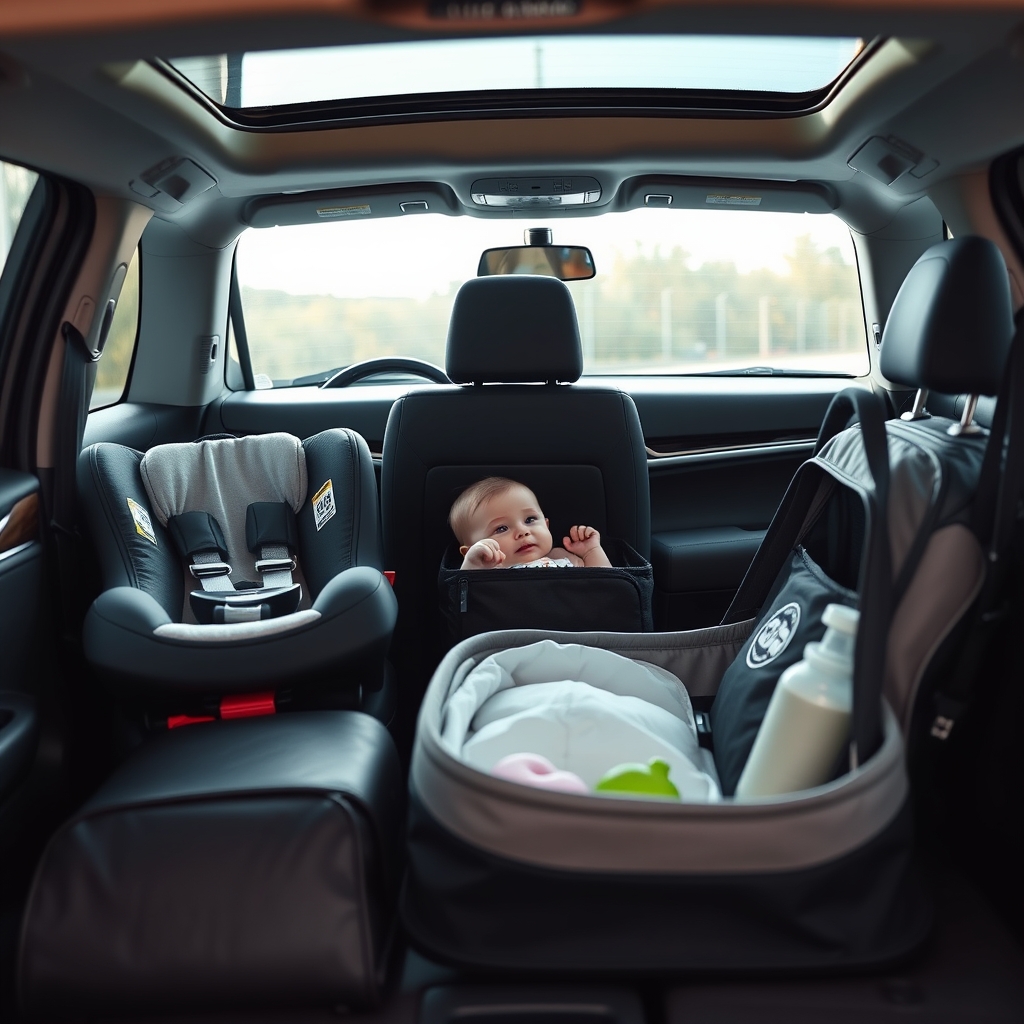
Myth vs. fact
Myth: “If my baby is upright, they can sleep anywhere, even in a car seat.”
Fact: Upright positioning reduces reflux but does not eliminate the risk of airway obstruction. Supervised, short naps are okay; unattended or prolonged sleeping is unsafe.
Myth: “Reflux babies don’t need to be burped if they’re in a car seat.”
Fact: Burping remains essential regardless of position. Air trapped in the stomach can worsen reflux, so pause to burp every 2–3 oz of feed.
Myth: “A car seat can replace a crib for a reflux baby.”
Fact: Car seats are not designed for continuous sleep. The AAP and NHS both emphasize that a flat, firm surface is the safest sleep environment for infants.
Key takeaways
- Car seats are safe for brief, supervised naps (30‑45 min) but not for overnight sleep.
- Maintain a 45‑degree angle using a wedge or compatible seat feature to help reduce reflux.
- Watch for signs of distress—coughing, arching, persistent spit‑up—and transfer to a flat surface immediately.
- Use frequent burping, smaller feeds, and upright positioning after meals to manage reflux.
- Choose a car seat with adjustable recline and ventilated head support for added comfort.
- When a nap will exceed 45 minutes, switch to a medically approved infant wedge, portable bassinet, or stroller with a locked recline.
- Pack a dedicated “reflux kit” for travel to keep essential tools within reach.
- Always follow pediatrician guidance and seek specialist care if reflux symptoms are severe or worsening.
Frequently asked questions
Can a baby with reflux sleep in a car seat safely?
Yes, for short, supervised naps (up to 30‑45 minutes) if the seat is angled at about 45 degrees and the baby is continuously monitored. Overnight sleep is not safe.
How long should a baby be allowed to nap in a car seat?
Limit naps to 30‑45 minutes. Set a timer and stay within arm’s reach to ensure you can respond if the baby shows any signs of distress.
What are the signs that a car seat is causing reflux symptoms?
Look for frequent spit‑up, arching of the back, coughing or choking sounds, irritability after the nap, and any skin irritation around the neck or face.
Is it okay to leave a baby unattended in a car seat while they sleep?
No. The AAP and CDC both require that an infant in a car seat be supervised at all times. Unattended sleeping can lead to airway blockage or worsening reflux.
Can a car seat be used as a regular sleep space for infants?
No. Car seats are designed for travel safety, not for continuous sleep. Infants should sleep on a firm, flat surface like a crib or bassinet.
What positioning helps reduce reflux for babies in car seats?
Keeping the seat at a 45‑degree incline, ensuring the head is slightly elevated, and avoiding forward chin‑tuck positions are key. Adding a compatible wedge can help achieve the correct angle.
When is it appropriate to use a portable bassinet instead of a car seat for a reflux baby?
For any sleep longer than 45 minutes, especially at night, a portable bassinet or crib with a slight incline (approved infant wedge) is the safer choice.
Can I use a travel pillow to prop my baby in a car seat?
Travel pillows are not approved for infant use and can shift, creating a dangerous angle that may block the airway. Instead, use a car‑seat‑compatible wedge that is specifically designed to maintain a stable 45‑degree tilt.
Is it safe to attach a car seat to a stroller frame for a reflux baby?
Only if the stroller frame locks the seat in a fully upright (45‑degree) position and you can supervise the baby at all times. Many stroller adapters allow the seat to recline too far, which can increase reflux risk. Always follow the manufacturer’s instructions and keep a timer handy.
How often should I burp my reflux baby during a car ride?
Aim to burp every 2–3 oz of milk or roughly every 20‑30 minutes, even while the baby is seated. This helps release trapped air that can worsen reflux.
What should I do if my baby wakes up upset after a car‑seat nap?
Gently transfer the baby to a flat, firm surface, offer a brief burp, and check for any signs of irritation. If symptoms persist, contact your pediatrician for guidance.
When to see a doctor or specialist
If your baby shows any of the following, contact your pediatrician right away. If symptoms are severe or persistent, you may be referred to a pediatric gastroenterologist.
- Frequent vomiting or projectile spit‑up.
- Weight loss or failure to gain weight.
- Blood in vomit or stool.
- Persistent coughing, wheezing, or breathing difficulty.
- Signs of dehydration (dry mouth, few wet diapers).
- Extreme irritability that does not improve with typical soothing.
This article is for informational purposes only and does not replace personalized medical advice. Always discuss your baby’s specific needs with a qualified health professional.
References
- American Academy of Pediatrics. “Safe Sleep for Babies.” AAP Policy Statement, 2023.
- Centers for Disease Control and Prevention. “Infant Safe Sleep.” CDC, 2022.
- National Institute for Health and Care Excellence. “Gastro‑oesophageal reflux in infants and children.” NICE Guideline NG131, 2021.
- Journal of Pediatric Gastroenterology and Nutrition. “Effect of infant positioning on gastro‑oesophageal reflux.” 2021; 73(2): 254‑261.
- American College of Gastroenterology. “Management of GERD in Infants.” ACG Clinical Guideline, 2022.
- National Highway Traffic Safety Administration. “Child Passenger Safety.” NHTSA, 2023.
- Harvard T.H. Chan School of Public Health. “Feeding practices for infants with reflux.” 2022.
- U.S. Food and Drug Administration. “Infant Car Seat Safety Guidance.” FDA, 2022.
- National Health Service (UK). “Reflux in babies.” NHS, 2022.
- American College of Obstetricians and Gynecologists (ACOG). “Guidelines for infant sleep safety.” ACOG Committee Opinion, 2021.