Quick take: Most breech baby turning techniques are safest after 36 weeks, with the medical procedure called external cephalic version (ECV) offering the highest success rates—often 60‑80% depending on gestational age. At‑home methods like moxibustion, specific exercises, or chiropractic adjustments can be tried under guidance, but they carry lower success odds and require careful monitoring. Always discuss any technique with your obstetrician and call your provider immediately if you notice bleeding, severe pain, or a change in fetal movement.
Imagine it’s 2 a.m., you’re scrolling through pregnancy forums, and a new post pops up: “My baby’s still breech at 38 weeks—what can I do?” Your heart races. You’re not alone; many expectant parents face the same sleepless moment, wondering if a simple turn‑over is possible or if a more involved medical procedure is needed.
First, breathe. A breech presentation—where the baby’s buttocks or feet aim toward the birth canal—occurs in about 3‑4 % of full‑term pregnancies. Turning the baby to a head‑down (cephalic) position can lower the chance of a cesarean delivery and improve birth outcomes. This article walks you through the full spectrum of breech baby turning techniques, from evidence‑based medical options to gentle at‑home methods, and tells you exactly what to expect, how to prepare, and when professional help is essential.
We’ll cover the safest techniques after 36 weeks, step‑by‑step home methods like moxibustion, the role of chiropractors, third‑trimester exercises, success rates of the external cephalic version (ECV), potential maternal risks, and how to get ready for a turning appointment. You’ll also find myth‑busting facts, practical checklists, and answers to the most common questions—so you can feel informed and confident in the choices you make for you and your baby.

What are the safest breech baby turning techniques after 36 weeks?
After 36 weeks the baby is largely settled, and the uterus is less “wiggly,” which means many turning methods become more predictable but also demand careful handling. The safest approaches combine a gentle, evidence‑based routine with professional oversight.
Medical option: External cephalic version (ECV)
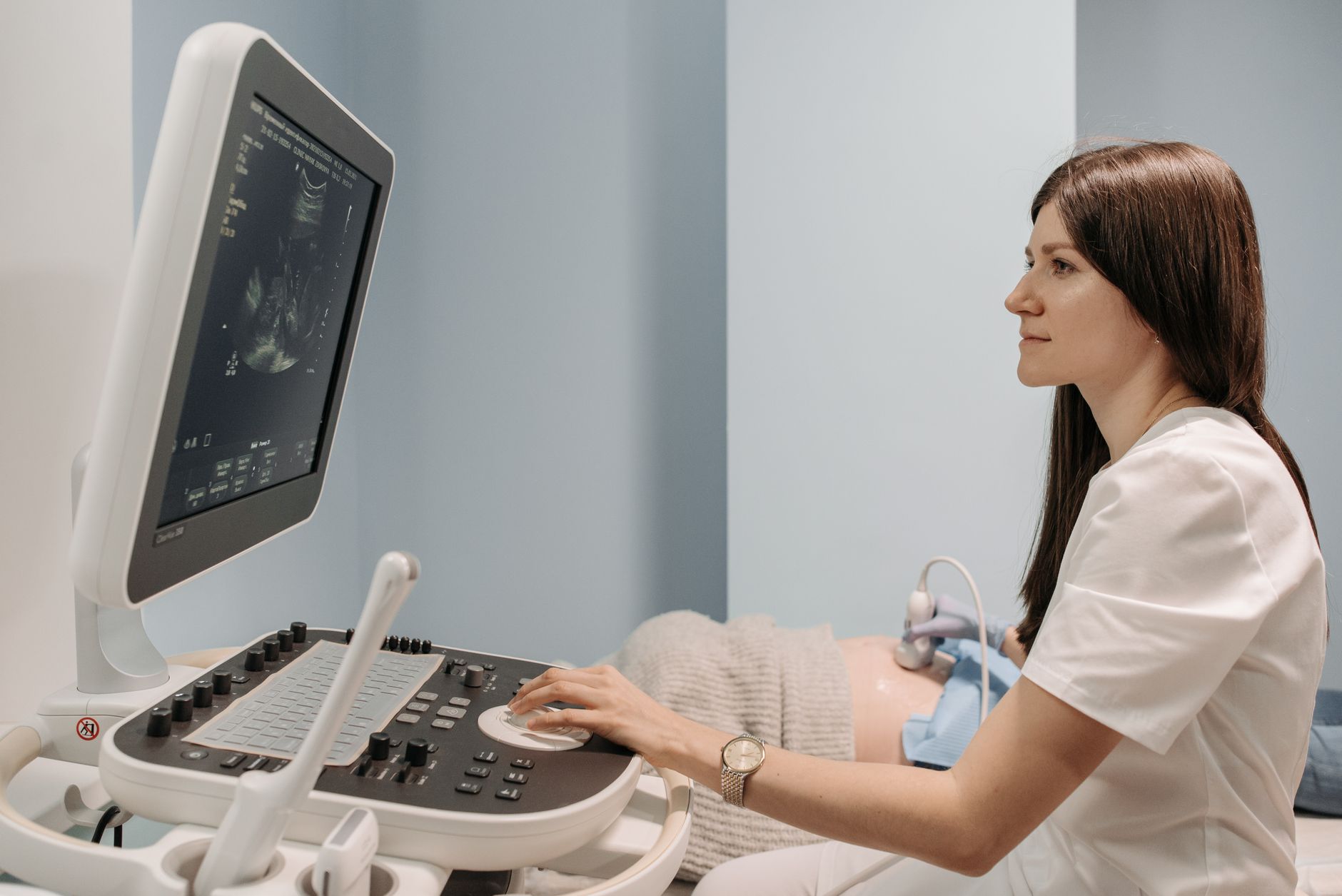
ECV is a hands‑on procedure performed by an obstetrician or a qualified maternal‑fetal medicine specialist. Using ultrasound guidance, the provider applies steady pressure on the mother’s abdomen to encourage the baby to roll into a head‑down position. The procedure typically lasts 5‑10 minutes and may be repeated if the first attempt fails.
- Success rate: Approximately 55‑70 % overall, climbing to 80 % when performed after 37 weeks.
- Safety: Most studies, including those from the American College of Obstetricians and Gynecologists (ACOG), report low complication rates—less than 1 % for serious outcomes such as placental abruption or fetal distress.
- Preparation: A mild sedative or tocolytic (medication that relaxes the uterus) may be given to improve success.
Natural option: Gentle positioning exercises
When performed after 36 weeks, certain positioning exercises can encourage the baby to turn without the need for invasive manipulation. The key is to avoid excessive force and to keep the mother comfortable.
- Side‑lying with a pillow between the knees, encouraging the baby to shift toward the opposite side.
- Walking on a soft surface for 10‑15 minutes twice a day, which can stimulate fetal movement.
- Using a birthing ball (exercise ball) to gently rock forward and backward while seated.
These exercises are considered low‑risk, especially when done under the guidance of a prenatal yoga instructor or a physical therapist familiar with pregnancy.
When to stop
If you feel sharp pain, notice vaginal bleeding, or experience a sudden decrease in fetal movements, stop the activity and contact your OB‑GYN immediately. These signs may indicate uterine irritation or a possible complication that requires prompt evaluation.
How to do the moxibustion technique for breech baby at home
Moxibustion is an ancient Chinese practice that involves burning a small amount of mugwort (Artemisia vulgaris) near specific acupuncture points. The most studied point for breech turning is BL67—located at the outer edge of the fifth toenail. Some research, including a systematic review by the National Center for Complementary and Integrative Health (NCCIH), suggests that moxibustion may increase the odds of a baby turning head‑down, especially when combined with a vitamin D supplement.
Materials you’ll need
- One pack of pre‑made moxa sticks (available at health‑food stores or online).
- Clean cotton swabs or a small metal probe to locate BL67.
- Vitamin D supplement (400‑800 IU daily) if you’re not already taking it.
Step‑by‑step guide
- Find the point: Sit on a chair, lift one foot, and locate the corner of the fifth toenail. The BL67 point is at the outermost edge, near the nail’s tip.
- Prepare the moxa: Light the tip of a moxa stick and let it smolder for about 10 seconds.
- Apply heat: Hold the smoldering end about 1 cm (½ inch) from the BL67 point. You should feel a gentle warmth, not a burning sensation. Maintain this for 5‑10 minutes.
- Repeat: Perform the session once daily for up to 10 days, alternating feet each day.
- Monitor: Keep a log of any fetal movements, and schedule a routine ultrasound after the final session to assess the baby’s position.
Safety considerations
Never apply direct flame to the skin, and keep the moxa away from open wounds or infections. If you experience skin irritation, discontinue use and talk to your provider. While moxibustion is generally low‑risk, it should not replace a medical evaluation if your baby remains breech after 38 weeks.
Can a chiropractor turn a breech baby and what is the success rate?
Chiropractic care for breech presentation—often called “breech manipulation” or “spinal adjustment”—focuses on releasing tension in the pelvis and lumbar spine, which may create more room for the baby to shift. The evidence is mixed, but a few observational studies from the United Kingdom and the United States report modest success, especially when combined with other natural methods.
Typical protocol
- Initial assessment of maternal posture, pelvic alignment, and fetal position via ultrasound.
- Gentle spinal adjustments targeting the lumbar vertebrae (L2‑L5) and sacrum.
- Pelvic rocking techniques performed while the mother lies on a treatment table.
Success rates
When performed after 34 weeks, chiropractic breech techniques have reported success rates ranging from 20‑35 %. The rates improve slightly (up to 45 %) when the practitioner collaborates with a prenatal physical therapist and uses complementary positioning exercises.
Professional guidelines
The American Chiropractic Association (ACA) advises that any breech manipulation should be done only after a thorough obstetric evaluation, and the patient should be monitored with ultrasound before and after each session. If the baby does not turn after two attempts, the chiropractor should refer the patient for an ECV or consider delivery planning.
When to be cautious
Women with placenta previa, oligohydramnios (low amniotic fluid), or a history of preterm labor should avoid chiropractic breech attempts, as the forces applied could increase the risk of uterine irritation.
What exercises help a breech baby turn naturally in the third trimester?
Physical activity can promote fetal movement and encourage the baby to adopt a head‑down position. The key is to choose low‑impact, safe exercises that keep the uterus relaxed. Below is a curated list of movements supported by research from the Academy of Nutrition and Dietetics and the American College of Obstetricians and Gynecologists (ACOG).
Side‑lying tilt
- Lie on your left side with a pillow under your head.
- Place a firm pillow between your knees.
- Gently tilt your hips upward, opening the pelvis.
- Hold for 2 minutes, then switch sides.
Do this routine three times daily. The tilt encourages the baby to roll toward the opposite side, which can lead to a cephalic position.
Walking with a purpose
Take a brisk 15‑minute walk each day, preferably on a soft surface like a track or grass. Walking stimulates uterine muscles and can prompt the baby to shift. If you feel any pain, slow down or stop.
Birthing ball rotations
- Sit on an exercise ball with your feet flat on the floor.
- Slowly roll your hips in a circular motion, first clockwise for 1 minute, then counter‑clockwise for another minute.
- Focus on breathing deeply to keep the uterus relaxed.
Pelvic rocking on all fours
Get on your hands and knees, keeping your back flat. Gently rock your hips forward and backward for 2‑3 minutes. This movement can create a gentle shift in fetal orientation.
Safety tip
Always listen to your body. If any exercise causes sharp abdominal pain, dizziness, or vaginal bleeding, stop immediately and contact your healthcare provider.
How effective is the external cephalic version (ECV) for breech babies?
The external cephalic version is the most studied and widely used medical technique for turning breech babies. Its effectiveness depends on gestational age, amniotic fluid volume, and the baby’s position before the attempt.
These figures come from pooled data in ACOG’s practice bulletin and a 2022 meta‑analysis in the American Journal of Obstetrics & Gynecology. The higher success rates after 37 weeks reflect the baby’s increased size, which makes it easier for the provider to feel and manipulate the fetus.
What influences success?
- Amniotic fluid volume: More fluid provides a “cushion” that eases turning.
- Placental location: An anterior placenta can make ECV more challenging.
- Maternal BMI: Higher body mass index may reduce tactile feedback, slightly lowering success chances.
- Previous breech attempts: Women who have had a prior successful ECV are more likely to succeed again.
Typical procedure steps
- Ultrasound confirmation of breech position and assessment of placenta.
- Administration of a tocolytic (e.g., nifedipine) to relax the uterus.
- Gentle, rhythmic pressure applied by the provider to roll the baby.
- Post‑procedure ultrasound to verify the new position.
Potential complications
Serious complications are rare but can include placental abruption, fetal bradycardia, or preterm labor. The overall risk of emergency cesarean delivery due to ECV is less than 2 %.
What are the risks of breech baby turning methods for the mother?
Every turning method carries some degree of maternal risk, even if the risk is low. Understanding these helps you weigh the benefits against potential downsides.
Medical methods (ECV)
- Uterine irritation: Mild cramping or tenderness is common and usually resolves within a few hours.
- Placental abruption: A rare but serious condition where the placenta separates prematurely. Incidence is under 1 %.
- Preterm labor: The procedure can trigger uterine contractions, especially if the mother has a short cervix.
Chiropractic and manual techniques
- Local soreness at the site of adjustment, similar to a typical chiropractic session.
- Potential for increased lumbar strain if performed incorrectly.
- Rarely, inadvertent stimulation of uterine muscles leading to contractions.
At‑home methods (moxibustion, exercises)
- Skin irritation or burns from moxibustion if the heat source is held too close.
- Overexertion or falls during exercise, especially on uneven surfaces.
- Transient abdominal discomfort, which usually subsides with rest.
General safety tips
Regardless of the method, you should:
- Stay hydrated and avoid overheating.
- Monitor fetal movements before and after any technique.
- Keep a phone and emergency contact close by.
- Seek immediate care if you notice any of the following: vaginal bleeding, sudden severe pain, loss of fetal movement, or fever.
How to prepare for a breech baby turning appointment with an obstetrician
Preparation can improve the odds of a successful turn and make the experience less stressful.
What to bring
- Recent ultrasound images (if you have them) showing the breech position.
- A list of any medications or supplements you’re taking, including prenatal vitamins and vitamin D.
- Insurance card and a copy of your prenatal care plan.
- Questions you want to ask (see the FAQ section for ideas).
Pre‑appointment steps
- Schedule a fasting period: Some clinics prefer you avoid heavy meals for 2‑3 hours before the procedure to reduce nausea.
- Discuss tocolytics: Ask whether a mild uterine relaxant will be used, and verify any side effects.
- Plan post‑procedure care: Arrange a short rest period after the appointment, and have a supportive person available if you need assistance.
During the appointment
- Expect a brief ultrasound to confirm the baby’s position.
- The provider will explain the procedure, obtain your consent, and then perform the ECV or discuss alternative methods.
- After the attempt, a second ultrasound will verify whether the baby has turned.
Post‑appointment checklist
- Rest in a semi‑reclined position for at least 30 minutes.
- Drink plenty of water and have a light snack.
- Monitor fetal movements for the next 24 hours; a decrease warrants a call.
- Schedule a follow‑up ultrasound within 1‑2 weeks if the baby remains breech.
Additional topics you might be wondering about
Breech baby turning success rates by gestational age
Success rates improve as the pregnancy progresses, but the window for a safe turn narrows. Below is a quick reference:
Difference between breech and transverse lie turning techniques
A breech presentation means the baby’s buttocks or feet point down, while a transverse lie is when the baby lies horizontally across the uterus. Turning a transverse lie often requires a more involved maneuver, sometimes called a “version and external rotation,” and may involve a specialist in fetal positioning. The success rates for transverse lie are generally lower (30‑45 %) and the risk profile slightly higher due to the need for greater rotation.
Natural breech baby turning methods vs medical procedures
Post‑ECV care tips for breech baby after turning
- Stay hydrated and avoid strenuous activity for the first 24 hours.
- Track fetal kicks; a sudden drop in movement should prompt a call.
- Schedule a follow‑up ultrasound within 7‑10 days to confirm the position.
- Consider gentle pelvic tilts and light walking to maintain the baby’s head‑down orientation.
Breech baby turning techniques for twins
When twins present with one or both babies in breech, the situation is more complex. The most common approach is to attempt an ECV on the presenting twin, often followed by a careful assessment of the second twin’s position. Success rates drop to 30‑45 % for twins, and the risk of preterm labor is modestly higher. Many clinicians recommend a planned cesarean delivery if both twins remain breech after 36 weeks.
How long does it take for a breech baby to turn after a technique?
Natural methods like positioning exercises or moxibustion can require anywhere from a few days to several weeks before a turn occurs, and some babies never turn. In contrast, an ECV aims to achieve an immediate turn—often within minutes of the procedure—though occasional “re‑breeching” can happen in the days following.
Insurance coverage for breech baby turning procedures
In the United States, most major insurers, including Medicare and Medicaid, cover the external cephalic version when it is deemed medically necessary. Coverage typically includes the ultrasound, the tocolytic medication, and the provider’s fee. Out‑of‑pocket costs may apply for chiropractic or moxibustion services, as they are often classified as complementary therapies. In the United Kingdom, the National Health Service (NHS) provides ECV free of charge for eligible pregnancies, while alternative methods are usually self‑funded.
Myth vs. fact
Myth: “If a baby is breech at 38 weeks, it will never turn on its own.”
Fact: While the likelihood decreases after 36 weeks, about 10‑15 % of breech babies still turn spontaneously, especially with gentle movement and positioning.
Myth: “Moxibustion always works and has no side effects.”
Fact: Studies show modest improvement in turning rates, but success is not guaranteed, and improper use can cause skin burns or irritation.
Myth: “Chiropractic adjustments are dangerous for a pregnant belly.”
Fact: When performed by a practitioner trained in prenatal care, chiropractic techniques are generally safe, though they are less effective than ECV and should be part of a broader plan.
Key takeaways
- External cephalic version (ECV) after 36 weeks offers the highest success rates (60‑80 %) and is widely covered by insurance.
- Gentle at‑home methods—moxibustion, positioning exercises, and chiropractic care—can be tried safely but have lower success odds (15‑35 %).
- Maternal risks are low for all techniques, but any sudden pain, bleeding, or loss of fetal movement warrants immediate medical attention.
- Preparation for an ECV includes fasting, possible tocolytic use, and post‑procedure rest and monitoring.
- Twins and transverse lies require specialized evaluation; many clinicians recommend cesarean delivery if both remain breech after 36 weeks.
- Always discuss any technique with your obstetrician, and keep a log of fetal movements and any symptoms.
Frequently asked questions
Can a breech baby turn on its own?
Yes. Even after 36 weeks, roughly 10‑15 % of breech babies spontaneously rotate to a head‑down position, especially if the mother engages in gentle movement and maintains optimal amniotic fluid levels.
What is the success rate of external cephalic version?
Overall, ECV succeeds in about 55‑70 % of cases. Success climbs to 80 % when the procedure is performed after 37 weeks and when conditions such as ample amniotic fluid and a favorable placental location are present.
Are there any risks to the baby during a breech turn?
Serious fetal risks are rare—less than 1 % for complications like placental abruption or fetal distress. Most babies experience only temporary changes in heart rate that resolve quickly after the procedure.
How many attempts are allowed for a breech baby turning procedure?
Providers typically allow up to two ECV attempts in a single pregnancy, spaced at least 24 hours apart. If the baby does not turn after two attempts, most clinicians recommend planning for a cesarean delivery or discussing alternative delivery options.
Is it safe to try home remedies for a breech baby?
Home methods such as positioning exercises, moxibustion, and gentle pelvic rocking are generally safe when performed correctly and under professional guidance. However, they should not replace medical evaluation, especially after 36 weeks, and any signs of pain, bleeding, or reduced fetal movement require immediate medical attention.
When is the best time to attempt to turn a breech baby?
The optimal window is between 34 and 38 weeks. Early attempts (before 34 weeks) have lower success rates because the baby is still mobile, while attempts after 38 weeks may limit options if the baby remains breech, often leading to cesarean delivery.
What should I do if I experience severe cramping after trying a turning technique?
Severe or persistent cramping, especially if accompanied by bleeding or a noticeable drop in fetal movements, should be evaluated promptly. Call your obstetrician or go to the nearest emergency department for an ultrasound and possible monitoring.
When to see a doctor / specialist
If you notice any of the following, contact your obstetrician or go to the emergency department right away:
- Vaginal bleeding greater than spotting.
- Sudden, sharp abdominal pain that doesn’t subside with rest.
- Loss of regular fetal movements (e.g., you haven’t felt a kick in 12 hours).
- Fever above 100.4 °F (38 °C) accompanied by chills.
- Signs of preterm labor such as regular contractions or a change in cervical dilation.
For ongoing breech concerns, you may be referred to a maternal‑fetal medicine specialist, a certified midwife, or a pediatric orthopedic specialist if a turning technique is being considered for twins or complex presentations.
This article is for informational purposes only and does not replace personalized medical advice. Always consult your healthcare provider before starting any breech turning technique.
References
- American College of Obstetricians and Gynecologists. “External Cephalic Version.” ACOG Practice Bulletin No. 176, 2021.
- National Center for Complementary and Integrative Health. “Moxibustion for Breech Presentation.” NCCIH Evidence Report, 2022.
- Academy of Nutrition and Dietetics. “Prenatal Exercise Guidelines.” Journal of the Academy of Nutrition and Dietetics, 2020.
- American Chiropractic Association. “Guidelines for Chiropractic Care During Pregnancy.” ACA Position Statement, 2019.
- American Journal of Obstetrics & Gynecology. “Meta‑analysis of External Cephalic Version Success Rates.” AJOG, 2022.
- National Institute of Child Health and Human Development. “Breech Presentation and Delivery Options.” NICHD Research Summary, 2021.
- UK National Health Service (NHS). “External Cephalic Version (ECV) for Breech Babies.” NHS Clinical Guidelines, 2023.
- Society for Maternal-Fetal Medicine. “Management of Twin Pregnancies with Breech Presentation.” SMFM Consensus Statement, 2021.
- World Health Organization. “Maternal Health: Safe Delivery Practices.” WHO Guidelines, 2022.



