Quick take: Breast changes are a normal part of the breast changes pregnancy timeline. Expect tenderness, swelling, darkening areolas and a small amount of discharge early on, with most symptoms peaking in the second trimester and gradually fading after birth. Manage discomfort with supportive bras, gentle self‑care, and keep an eye out for red‑flag signs that need a doctor’s attention.
It’s 2 a.m., you’re curled up in bed, and a sudden ache in your chest makes you wonder if something’s wrong. You’ve read the “breast changes pregnancy timeline” on countless forums, but the information feels scattered and sometimes contradictory. You’re not alone—many expectant mothers experience a mix of excitement, curiosity, and anxiety when their bodies start to transform.
In this guide we’ll walk you through every stage of the breast‑related journey, from the first flutter of tenderness in week 4 to the subtle shrinkage that follows the first weeks after delivery. You’ll learn the hormonal drivers, the week‑by‑week timeline, practical tips for comfort, how to pick a bra that truly supports you, and the red‑flag symptoms that warrant a medical check‑in. By the end, the breast changes pregnancy timeline will feel less like a mystery and more like a roadmap you can follow with confidence.
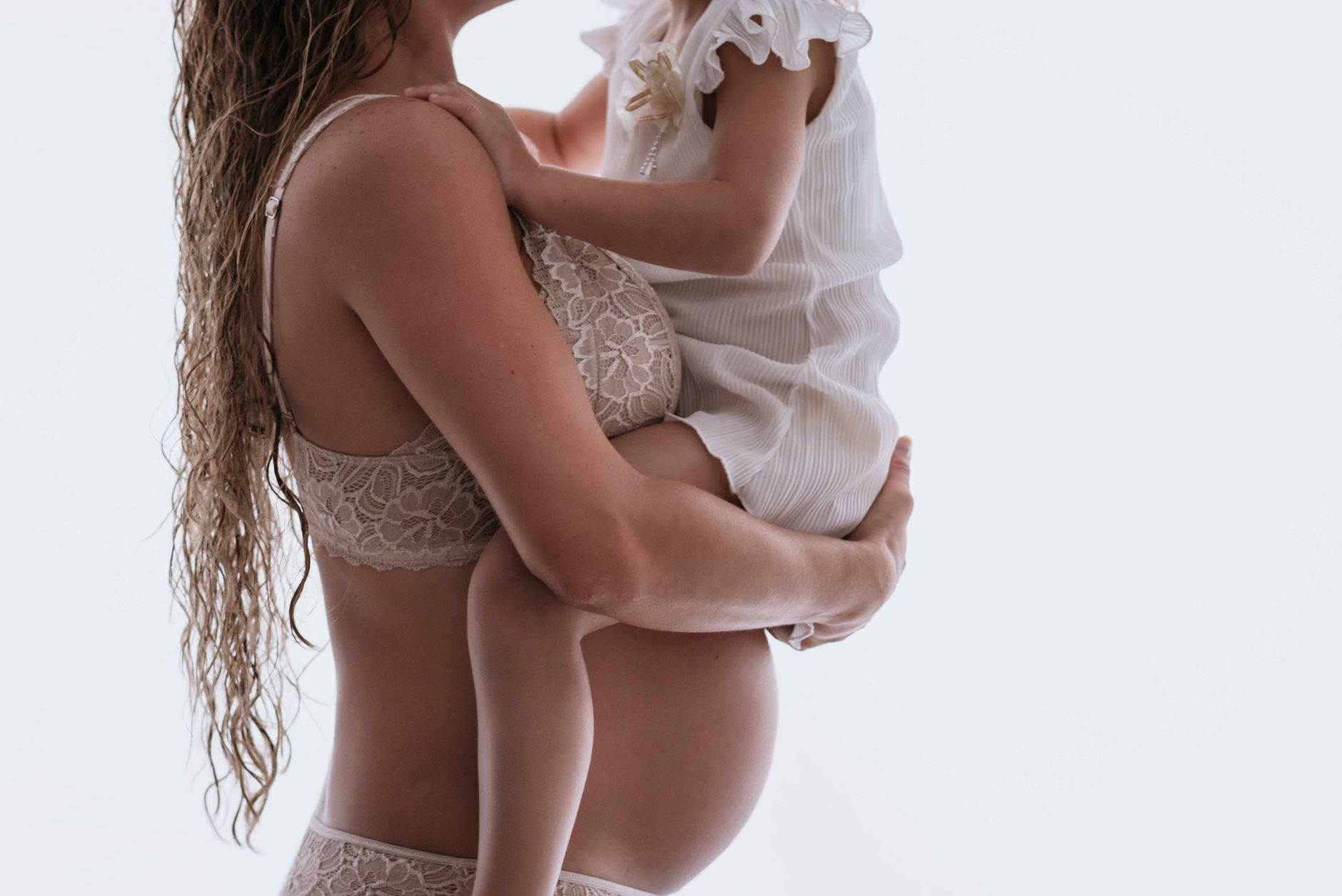
What breast changes occur during each trimester of pregnancy?
During the first trimester, rising estrogen and progesterone make the milk‑producing glands (lobules) enlarge, which creates the classic feeling of fullness and soreness. By week 6‑8, many women notice their breasts feel “tender” or “heavy,” and the areolas may start to darken slightly. The second trimester brings a plateau of growth—breasts often increase by one to two cup sizes, veins become more visible, and the skin may feel softer due to increased blood flow.
In the third trimester, the breast tissue continues to mature, preparing for lactation. You may notice a slight reduction in swelling as the body shifts resources toward the upcoming birth, yet the areolas often reach their deepest color. Hormonal shifts remain the driving force, but the physical experience can feel more stable compared with the rapid changes of early pregnancy.
Beyond the physical signs, many women report feeling a heightened sense of connection to their baby during these changes. The tenderness can serve as a subtle reminder that your body is preparing to nourish new life, which can be both comforting and emotionally resonant.
Week‑by‑week breast swelling timeline
Here’s a quick snapshot of what many experience, though individual timelines can vary:
- Weeks 4‑6: Mild tenderness, slight swelling, areolas may begin to darken.
- Weeks 7‑12: Noticeable fullness, veins become more visible, possible clear or milky discharge.
- Weeks 13‑20: Breast size typically peaks, skin may feel warmer, nipples may become more pronounced.
- Weeks 21‑28: Growth slows; some women notice a “settling” of size, but tenderness may persist.
- Weeks 29‑36: Slight reduction in swelling as the body prepares for labor; colostrum production may start.
- Weeks 37‑40: Full maturation of milk ducts, darkening of areolas reaches its deepest shade.
Hormonal shifts are the engine behind these changes. Estrogen stimulates ductal growth, while progesterone expands the milk‑producing alveoli. Prolactin, which will later drive milk synthesis, also rises early and contributes to the sensation of fullness.
Common physical symptoms by trimester
First trimester: soreness, tingling, darkening areolas, occasional clear discharge.
Second trimester: increased size, visible veins, continued tenderness, possible milky discharge.
Third trimester: slight reduction in swelling, darkening reaches peak, colostrum may appear as a thick, yellowish fluid.
How long do pregnancy breast changes last after delivery?
After birth, the breast landscape shifts dramatically. The first few days are dominated by colostrum— a nutrient‑rich, antibody‑packed fluid that may appear as a thick, yellowish discharge. Within 2‑5 days, many mothers notice their breasts feel fuller as milk “comes in.” This phase, often called “milk let‑down,” can last 5‑7 days.
Most women experience a gradual reduction in size over the next 4‑6 weeks as the body transitions from colostrum to mature milk. If you’re exclusively breastfeeding, the breasts may stay larger for several months. For those who wean earlier, the breast tissue often shrinks back toward pre‑pregnancy volume by 3‑4 months postpartum, though some residual fullness can persist for up to a year.
How quickly you notice the shrinkage can depend on feeding frequency, individual hormone levels, and whether you experience engorgement. Staying attuned to your body’s cues helps you manage comfort and plan for any needed adjustments in support.
Key factors influencing the postpartum breast size reduction timeline include:
- Whether you’re nursing or supplementing with formula.
- Frequency of milk removal (feeding or pumping).
- Individual hormonal balance, especially levels of prolactin and oxytocin.
- Genetic predisposition to larger or denser breast tissue.
In summary, most of the dramatic changes subside within the first six weeks, but lingering fullness can continue depending on feeding patterns and personal physiology.
When do nipples darken during pregnancy?
Darkening of the nipples and areolas is one of the most noticeable visual changes. This typically begins around weeks 6‑8, when melanin production spikes under the influence of estrogen and progesterone. The color deepens gradually, reaching its darkest shade by the third trimester.
Because melanin is also responsible for skin pigmentation, you may notice that other areas—such as the line of the abdomen (the “linea nigra”) and the genital region—also become darker. The darkening is completely normal and usually fades over several months after breastfeeding ends.
If you’re concerned about uneven darkening or irritation, a gentle, fragrance‑free moisturizer can keep the skin supple without disrupting the natural process.
If the darkening is accompanied by sudden swelling, pain, or discharge that has a foul odor, it could signal an infection and deserves a prompt medical evaluation.
Why do breasts feel sore in the first month of pregnancy?
Breast tenderness in the first month is driven primarily by hormonal surges. Estrogen stimulates the growth of milk ducts, while progesterone expands the milk‑producing alveoli. The rapid tissue expansion pulls on skin and ligaments, creating the familiar “twinge” or “aching” sensation.
Additionally, increased blood flow to the breast tissue can cause a feeling of heaviness. Many women describe the sensation as similar to pre‑menstrual breast tenderness, but often more pronounced and persistent.
Early on, it can be tricky to separate normal soreness from the first signs of mastitis. If the pain is sharp, localized, or accompanied by fever, it’s wise to reach out to your provider rather than waiting it out.
To differentiate normal early‑pregnancy soreness from a problem, look for these red‑flag signs:
- Severe, localized pain that doesn’t ease with a supportive bra.
- Redness, warmth, or fever—possible mastitis.
- Discharge that is green, bloody, or has a foul smell.
If any of these appear, contact your OB‑GYN promptly.
Do breast size changes indicate the baby’s gender?
No. The idea that a larger increase in breast size predicts a girl, while a smaller change predicts a boy, is a longstanding myth with no scientific basis. Breast growth is driven by maternal hormones, not fetal sex hormones. Research from the American College of Obstetricians and Gynecologists (ACOG) confirms that breast size changes cannot reliably indicate gender.
Factors that truly influence how much your breasts grow include:
- Baseline breast tissue density.
- Genetic predisposition to larger or denser breasts.
- Individual hormonal response to pregnancy.
So, while it’s tempting to read meaning into every change, the safest way to learn your baby’s sex is through ultrasound or genetic testing, not through breast size.
How to manage breast tenderness and swelling in early pregnancy?
Comfort measures can make a huge difference. Here are evidence‑based remedies that many women find helpful during the first trimester:
Other supportive habits include staying hydrated, avoiding caffeine excess (which can increase breast tension), and sleeping on your side with a pillow to support the chest.
What are normal breast discharge changes and what does colostrum look?
Clear or milky discharge can begin as early as week 12. This is usually a small amount of colostrum— a thick, yellowish fluid rich in antibodies. The discharge is typically painless and may be more noticeable after a breast massage or during the night.
Normal discharge characteristics:
- Color: Clear, white, or yellow‑gold.
- Consistency: Thin to slightly viscous, not watery.
- Scent: Mild, non‑offensive.
Red‑flag discharge signs that warrant a medical evaluation include:
- Green, brown, or bloody fluid.
- Foul odor.
- Painful engorgement without milk production.
- Sudden increase in volume accompanied by fever.
If you notice any of these, call your OB‑GYN or a lactation consultant.
How do hormonal shifts affect breast shape and size week by week?
Hormones are the master architects of the breast changes pregnancy timeline. Estrogen drives ductal proliferation, progesterone expands the alveolar sacs, and prolactin prepares the glands for milk synthesis. Together, they cause both size and shape changes.
First trimester (weeks 1‑13)
Estrogen and progesterone rise sharply, leading to a 10‑20 % increase in breast volume. The areolas may become slightly raised, and the overall shape often appears more rounded.
Second trimester (weeks 14‑27)
Growth stabilizes; many women notice a “full” look with a slight outward projection of the breast tissue. The skin’s elasticity may improve, but some experience stretch‑marks due to rapid expansion.
Third trimester (weeks 28‑40)
Progesterone peaks, and prolactin levels surge, preparing the breasts for lactation. The shape may become more pendulous, and the nipple may point more outward.
Understanding these hormonal patterns helps you anticipate changes and choose appropriate support throughout pregnancy.
How to choose a supportive bra as your breasts change through pregnancy?
Finding the right bra can feel like a quest, but a few simple guidelines make the process easier.
Key features to look for
- Full‑coverage cups: Provide even support without digging into tissue.
- Adjustable straps: Allow you to fine‑tune the fit as your bust expands.
- Soft, breathable fabrics: Cotton blends or moisture‑wicking materials reduce irritation.
- Side panels: Offer extra support on the under‑bust area, where most growth occurs.
When to size up
Most women need to increase their band size by one number (e.g., 34 to 36) and cup size by at least one cup each trimester. A quick fit test: the bra should feel snug but not restrictive around the ribcage, and the cups should fully enclose the breast without spilling over.
Bra‑fitting timeline
Investing in a good maternity bra not only eases tenderness but also helps prevent long‑term sagging by offering proper support throughout the breast changes pregnancy timeline.

How nutrition influences breast changes during pregnancy
What you eat can subtly affect how your breasts respond to hormonal shifts. Adequate protein, calcium, vitamin D, and omega‑3 fatty acids support the development of milk‑producing tissue while helping keep skin elastic. The NHS advises that pregnant people aim for 75 g of protein daily and 1,000 mg of calcium to sustain both maternal and fetal health.
When you’re craving extra calories, focus on nutrient‑dense choices rather than empty‑calorie snacks. A balanced plate—half vegetables, a quarter lean protein, and a quarter whole grains—provides the vitamins and minerals needed for healthy breast tissue and reduces the risk of excessive stretch‑marks.
Key nutrients for breast health
For a quick daily plan, aim for a protein‑rich breakfast (e.g., scrambled eggs with spinach), a mid‑morning snack of Greek yogurt with berries, a lunch featuring grilled chicken salad, an afternoon handful of nuts, and a dinner of baked salmon with quinoa and roasted vegetables. This pattern aligns with recommendations from the Academy of Nutrition and Dietetics and the UK’s NHS.
Hydration matters
Staying well‑hydrated keeps breast tissue supple and can reduce the feeling of heaviness. Aim for at least 8‑10 cups of water a day, more if you’re exercising or live in a hot climate. Herbal teas without caffeine (such as rooibos) are also safe options.
Safe exercise and its impact on breast comfort in pregnancy
Regular, moderate‑intensity exercise is encouraged by ACOG and the NHS for most pregnant people. Moving the body improves circulation, which can ease breast swelling and reduce the risk of mastitis. Activities such as brisk walking, prenatal yoga, swimming, and low‑impact aerobics are especially breast‑friendly because they keep you upright and promote lymphatic flow.
When you start a new routine, listen to your body. If a movement causes sharp breast pain, modify the activity or reduce the intensity. A supportive sports bra designed for high‑impact activity can make a noticeable difference, keeping the tissue from bouncing excessively.
Exercise guidelines for pregnant people
- Frequency: Aim for 150 minutes of moderate‑intensity aerobic activity per week (e.g., 30 minutes, five days a week).
- Intensity: You should be able to talk while moving (“talk test”). If you’re breathless, scale back.
- Strength training: Light resistance bands or body‑weight exercises 2‑3 times a week help maintain muscle tone without straining the chest.
- Cool‑down: Finish each session with gentle stretching, especially of the chest and upper back, to relieve tension.
Staying active also supports mood and sleep, two areas that can be disrupted by breast discomfort. If you have any medical conditions (e.g., placenta previa) or experience persistent breast pain, check with your OB‑GYN before continuing.
Breast changes and emotional well‑being during pregnancy
The physical transformation of your breasts can stir a range of emotions—from excitement to anxiety. Hormonal fluctuations that drive breast growth also influence mood, sometimes amplifying feelings of nervousness or joy. Recognizing that these emotional responses are normal can help you stay grounded.
Simple self‑care practices—like a few minutes of mindful breathing, journaling about how your body feels, or sharing your experience with a supportive friend—can ease emotional turbulence. If mood changes feel overwhelming or persist beyond the usual “pregnancy blues,” consider talking to a therapist or your OB‑GYN, who can screen for perinatal mood disorders.
Post‑partum breast changes after a C‑section: what to expect
Recovering from a cesarean delivery adds an extra layer of consideration for breast health. While the incision itself doesn’t directly affect breast tissue, the recovery timeline may influence how soon you can comfortably breast‑feed or pump.
Many women notice that the swelling and tenderness of the breasts may linger a bit longer after a C‑section because the body’s overall healing process is extended. Gentle positioning—using pillows to support both the incision site and your chest—can reduce strain. If you experience significant pain, a lactation consultant can suggest breast‑support techniques that minimize pressure on the abdomen.

Breast changes in twin or multiple pregnancies
Carrying twins or higher-order multiples often amplifies the hormonal surge, leading to more pronounced breast changes. Studies from the International Society of Ultrasound in Obstetrics and Gynecology (ISUOG) note that women with multiple gestations may experience a larger increase in breast volume—sometimes up to two cup sizes more than singleton pregnancies.
Because the growth can be faster, many women with twins find they need to upsize their bra earlier, often by the end of the first trimester. The same supportive features—full‑coverage cups, adjustable straps, and breathable fabrics—remain essential, but a wider band may be required to accommodate the extra weight.
Other considerations for multiples include:
- Increased milk supply: After birth, milk production may be higher, so frequent feeding or pumping can help prevent engorgement.
- Higher risk of mastitis: The combination of larger breasts and more frequent feeding can raise infection risk; early signs should be monitored closely.
- Postpartum recovery: Some mothers report that breast size returns to pre‑pregnancy levels more slowly after a multiple birth, often taking up to a year.
If you’re pregnant with twins, schedule a bra‑fitting appointment early in your second trimester and keep a supportive sports bra handy for breastfeeding sessions.
Myth vs. fact
Myth: Breast size growth tells you the baby’s gender.
Fact: Hormonal changes affect all pregnant bodies similarly; gender cannot be determined by breast size.
Myth: All discharge during pregnancy signals a problem.
Fact: Clear or milky discharge (colostrum) is normal, especially in the second half of pregnancy.
Myth: You must wear a “tight” underwire bra to prevent sagging.
Fact: A well‑fitted, supportive, non‑underwire bra reduces strain and is safer for growing tissue.
Myth: Breast changes stop completely after the first trimester.
Fact: Hormonal shifts continue throughout pregnancy, and size may still fluctuate in the third trimester.
Key takeaways
- The breast changes pregnancy timeline starts with tenderness in the first month and peaks in the second trimester.
- Darkening areolas usually begin around weeks 6‑8 and reach their deepest shade by the third trimester.
- Normal discharge is clear, white, or yellow; any foul‑smelling or colored fluid should be evaluated.
- Supportive, adjustable maternity bras are essential for comfort and long‑term breast health.
- Post‑delivery, most breast size reduction occurs within 4‑6 weeks, but full return to pre‑pregnancy size can take several months.
- Myths about gender prediction and “tight” bras are unfounded; rely on evidence‑based guidance instead.
- Nutrition, safe exercise, and early bra fitting become especially important in twin pregnancies.
- Emotional well‑being and postpartum recovery after a C‑section also play a role in how you experience breast changes.
Frequently asked questions
Why do my breasts get larger during pregnancy?
Breast enlargement is driven by estrogen‑stimulated duct growth and progesterone‑induced alveolar expansion. These hormonal changes prepare the tissue for milk production, leading to a noticeable increase in size.
When will my nipples darken during pregnancy?
Nipple and areola darkening typically starts around weeks 6‑8, deepening gradually and reaching its darkest hue by the third trimester.
Is breast tenderness a sign of pregnancy?
Yes. Tenderness, especially in the first month, is one of the earliest signs of pregnancy, caused by the rapid hormonal surge that enlarges breast tissue.
How long does it take for colostrum to appear?
Colostrum may be noticed as early as week 12, but it most commonly becomes evident in the last weeks of pregnancy and peaks within the first few days after birth.
Can breast changes indicate a problem during pregnancy?
Most changes are normal, but red‑flag symptoms—such as painful swelling, fever, or foul‑smelling discharge—should prompt a prompt call to your OB‑GYN.
What bra size should I wear during each trimester?
Generally, increase your band size by one number each trimester and your cup size by one to two cups. A proper fit test should feel snug around the ribcage and fully support the breast without spilling over.
Do hormonal changes affect breast shape after the first trimester?
Yes. While growth slows after the second trimester, estrogen, progesterone, and prolactin continue to influence shape, often making the breast appear more pendulous as lactation nears.
Can I still breastfeed if I develop mastitis?
In most cases, mastitis does not prevent breastfeeding. Continuing to nurse or pump helps clear the infection. However, you should seek treatment from your OB‑GYN or a lactation consultant, who may prescribe antibiotics and suggest warm compresses.
What should I do if my breasts become overly engorged after delivery?
Gentle expression, warm showers, and wearing a well‑fitting nursing bra can relieve discomfort. If engorgement persists or is painful, contact a lactation specialist; they can guide you through safe pumping or feeding techniques and watch for signs of mastitis.
Can I still wear a sports bra while pregnant?
Yes. A supportive sports bra designed for moderate impact can protect your chest during low‑impact exercise. Look for adjustable straps, breathable fabric, and a band that fits snugly without digging.
Is it safe to use nipple cream during pregnancy?
Most fragrance‑free, lanolin‑based nipple creams are considered safe for pregnant skin. Apply a thin layer after showering or before putting on a bra. If you notice irritation, stop use and consult your provider.
When to see a doctor / specialist
If you notice any of the following, contact your OB‑GYN or a qualified lactation consultant right away:
- Sudden, severe breast pain that does not improve with a supportive bra.
- Redness, warmth, or fever—possible mastitis or infection.
- Discharge that is green, brown, bloody, or has a foul odor.
- Rapid, asymmetrical swelling of one breast.
- Persistent nipple discharge that continues beyond the first few weeks postpartum without milk production.
These signs can indicate an underlying issue that needs professional evaluation. Remember, this article is for information only and does not replace personalized medical advice.
References
- American College of Obstetricians and Gynecologists (ACOG). “Breast Changes During Pregnancy.” 2023.
- National Institute of Child Health and Human Development (NICHD). “Hormonal Regulation of Lactation.” 2022.
- Academy of Nutrition and Dietetics. “Nutrition for Pregnant Women.” 2023.
- American Academy of Pediatrics (AAP). “Colostrum and Early Milk Production.” 2021.
- World Health Organization (WHO). “Postpartum Care Guidelines.” 2022.
- International Lactation Consultant Association (ILCA). “Managing Breast Discharge.” 2023.
- Harvard T.H. Chan School of Public Health. “Pregnancy and Breast Health.” 2022.
- National Health Service (NHS). “Pregnancy diet and nutrition.” Updated 2023.
- American College of Sports Medicine (ACSM) & ACOG. “Physical Activity and Exercise During Pregnancy.” 2022.
- International Society of Ultrasound in Obstetrics and Gynecology (ISUOG). “Twin Pregnancy Management.” 2021.



