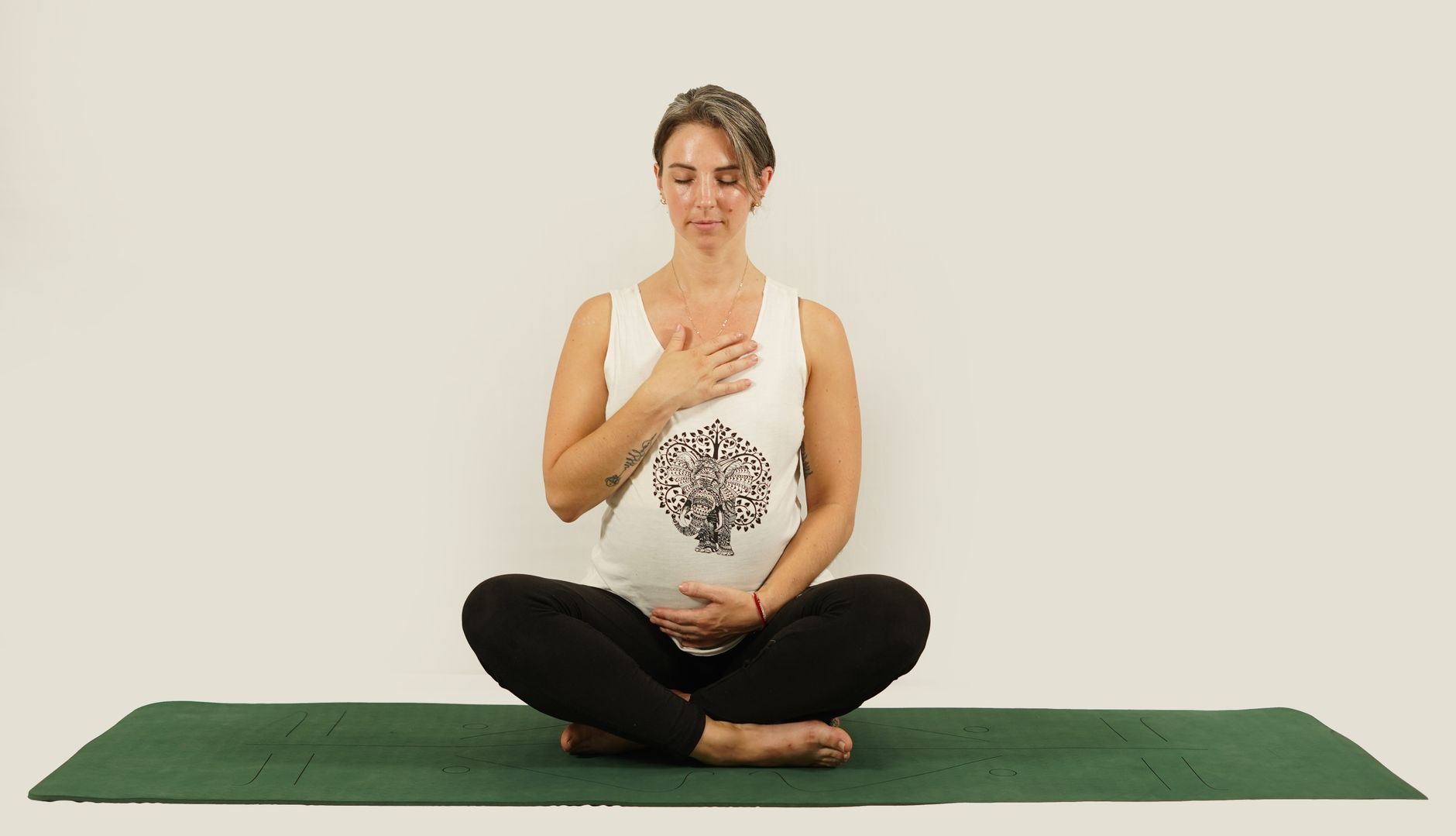
Bonding with baby during pregnancy begins as soon as you know you’re expecting. Simple habits like talking, playing music, gentle belly massage, and visualizing your child create early connection and support healthy development for both mother and baby.
By Shubhra Mishra — a mom of two who turned her own confusion during pregnancy into BumpBites, a global mission to make food choices clear, safe, and stress-free for every expecting mother. 💛
Check whether any food is safe during pregnancy with the BumpBites Food Safety Checker.
Quick take: Yes—you can start bonding with your baby from the very first weeks of pregnancy. Gentle talk, music, belly massage, reading, visualizing, and sharing moments with your partner or siblings all help build a lasting connection while keeping both mom and baby safe.
It’s 2 a.m., you’re curled up on the couch, and a tiny flutter in your belly makes you wonder, “Is this the right way to connect with my baby?” You’re not alone. Many expectant parents ask the same question, and the answer is both simple and science‑backed: you can nurture a relationship with your unborn child now, using everyday activities that feel natural and safe.
In this guide we’ll walk through exactly how to bond with your baby during pregnancy—when to start, which senses you can engage, how often to use music or massage, and how to involve your partner and siblings. We’ll also share the emotional benefits for you and your baby, plus practical safety tips so you feel confident every step of the way.
Whether you’re in your first trimester or nearing your due date, the strategies below are designed to fit into a busy schedule, respect cultural differences, and honor the unique rhythm of your pregnancy.
When can you start bonding with your baby in the womb?
From the moment the fertilized egg implants (about week 3), your baby begins a silent dialogue with your body. By the end of the first trimester, the nervous system is forming, and the baby can respond to gentle touches and rhythmic sounds. While you can’t “talk” to the baby in the same way you would after birth, you can start simple bonding activities as early as week 8–10.
Most guidelines from the American College of Obstetricians and Gynecologists (ACOG) and the UK NHS encourage expectant mothers to engage in low‑stress, low‑impact interactions from the start. This includes humming a lullaby, feeling the baby’s first movements, and gently placing a hand on the belly. These actions help you tune into the baby’s developing rhythms and lay the groundwork for deeper connection later on.
First‑trimester bonding exercises are especially helpful for those who feel anxious about the unknown. A short, daily routine—like five minutes of mindful breathing while resting a hand on the abdomen—can reduce stress hormones, which in turn supports healthy fetal development according to the CDC’s “Maternal Stress and Pregnancy” fact sheet.
Gentle hand‑on‑belly moments can begin as early as week 8, helping you feel your baby’s first movements.
Key points for early bonding:
Start with mindful breathing and hand‑on‑belly for a few minutes each day.
Speak or hum in a calm voice; the baby’s auditory system is developing.
Keep the environment low‑stress—soft lighting and a quiet room are ideal.
As your pregnancy progresses, you’ll notice the baby’s movements becoming more distinct. Paying attention to these kicks, rolls, or hiccups reinforces the sense that a living being is sharing space with you, turning abstract biology into a personal relationship.
How to bond with your baby during pregnancy using music?
Music is a universal language, and it reaches the unborn baby once the auditory pathways are functional—around week 18–20. Studies cited by the World Health Organization (WHO) show that moderate exposure to music can calm maternal heart rate, which indirectly benefits the fetus.
Here’s a step‑by‑step guide to using music as a bonding tool:
Choose soothing genres. Classical (e.g., Mozart, Bach), soft instrumental, or gentle acoustic songs are most popular. ACOG notes that melodies with a steady rhythm (60–80 beats per minute) mirror a resting heart rate, promoting relaxation.
Set a safe volume. Keep the sound level below 65 dB—about the volume of a normal conversation. Use a pillow‑covered speaker or headphones designed for pregnancy to avoid sudden spikes.
Play for short sessions. Aim for 15–30 minutes, 2–3 times a day. Consistency matters more than duration.
Feel the vibrations. Place the speaker on a pillow against your belly or gently rest your hand on the area while the music plays. The tactile sensation reinforces the auditory connection.
Share the moment. Invite your partner to sit beside you, or record a short “song for baby” to play later.
If you’re wondering which type of music is best, the table below summarizes common choices and their typical benefits.
Music type
Typical tempo (bpm)
Suggested benefit
Volume tip
Classical (Mozart, Bach)
60‑80
Calms heart rate, supports brain development
Under 65 dB
Soft acoustic folk
70‑90
Creates a warm, nurturing atmosphere
Under 65 dB
Nature sounds (rain, waves)
Variable
Promotes relaxation and sleep
Under 60 dB
Remember, the goal isn’t to turn your living room into a concert hall; it’s to create a soothing backdrop that both you and your baby can enjoy. If you ever feel uneasy about the volume or type of music, pause and check your comfort level—your feelings are an important safety signal.
Research from ACOG also suggests that exposing the baby to a variety of gentle sounds may help the newborn later differentiate between familiar and unfamiliar noises, potentially easing the transition to the outside world.
Talking to your unborn baby: tips, benefits, and does it affect development?
Talking to your baby is one of the simplest, most intimate bonding activities. The CDC notes that the fetus begins to hear external sounds around week 18, and by week 24 the auditory cortex is responsive enough to differentiate tones.
Here are practical tips:
Use a calm voice. Speak as if you were reading a bedtime story—steady, soothing, and at a moderate pace.
Include rhythm. Sing simple lullabies or recite nursery rhymes. The repetitive pattern helps the baby recognize your voice.
Be consistent. Set aside a “talk‑time” each day—perhaps after dinner or before bedtime.
Share feelings. Tell your baby about the day’s highs and lows. Emotional tone matters more than exact words.
Benefits, according to ACOG and the Mayo Clinic, include:
Reduced maternal stress and anxiety.
Early language exposure that may support post‑birth speech development.
Strengthened mother‑baby attachment, which can lead to more responsive caregiving after birth.
Does talking affect the baby’s development? While there is no definitive evidence that prenatal speech directly influences IQ, research cited by the NICHD suggests that early auditory exposure can enhance the newborn’s ability to recognize the mother’s voice, fostering early bonding and potentially easing breastfeeding initiation.
For a quick “talk‑to‑baby” routine:
Find a comfortable spot and place one hand on your belly.
Take a slow breath, then speak for 2–3 minutes about anything—your day, a favorite memory, or a simple “I love you.”
Finish with a gentle kiss on your belly and a smile.
Even if you feel self‑conscious, remember that the baby hears the rhythm and tone more than the exact words. The emotional connection you convey is what truly matters.
Best prenatal activities to strengthen mother‑baby connection
Beyond music and talking, a variety of gentle activities can deepen the bond while supporting healthy pregnancy outcomes. Below are evidence‑based options, grouped by trimester, that fit into most daily schedules.
First‑trimester bonding exercises
Mindful belly awareness. Place a hand on your abdomen for 5 minutes while focusing on the rise and fall of breath.
Light stretching. Prenatal yoga poses such as “Cat‑Cow” help you feel the baby’s movements and improve circulation.
Visualization. Imagine a tiny, glowing figure inside you—this practice has been linked to reduced stress in an NHS mental‑health guide.
Second‑trimester favorites
Gentle belly massage. See the dedicated section below for technique and safety.
Playing soft music. As the baby’s hearing develops, this becomes a sensory bridge.
Reading aloud. At this stage, the fetus can perceive the rhythm of your voice.
Family storytelling. Invite siblings or grandparents to share a short story, creating a shared narrative before birth.
Visualization with imagery. Picture your baby’s future milestones while breathing slowly.
Each activity can be adjusted to your energy level and personal preferences. The common thread is gentle, consistent interaction that keeps you relaxed and focused on the growing life inside.
Simple prenatal yoga poses help you feel the baby’s movements while reducing tension.
How does belly massage help bond with baby before birth, and how often should you massage?
Belly massage is a tactile way to say “I’m here” to your unborn child. The skin on the abdomen contains many nerve endings that, when gently stimulated, can produce a calming hormone cascade—primarily oxytocin, often called the “love hormone.” According to the UK NICE guidelines, oxytocin release supports emotional bonding and can lower maternal cortisol, a stress hormone linked to preterm labor when elevated.
Here’s a safe, step‑by‑step belly‑massage routine:
Wash your hands. Warm water and a mild, fragrance‑free soap keep both you and the baby comfortable.
Apply a light oil. Use a pregnancy‑safe oil such as sweet almond or fractionated coconut—just a few drops.
Use circular motions. With the pads of your fingers, trace slow circles about the size of a palm, moving clockwise (mirroring the heart’s direction). Keep pressure gentle; you should never feel pain.
Pause for the baby’s response. You may feel a kick, roll, or a subtle shift. Take a moment to acknowledge it with a soft “hello.”
Finish with a calming breath. Inhale deeply, exhale slowly, and place a hand over the belly for a final 30‑second connection.
How often? Most experts recommend 2–3 short sessions per week, each lasting 5–10 minutes. This frequency balances the benefits of oxytocin release with the need to avoid overstimulation. If you experience any abdominal pain, spotting, or uterine contractions, stop immediately and contact your provider.
Safety considerations from ACOG include:
Avoid deep pressure or “kneading” motions.
Do not massage if you have a high‑risk pregnancy (e.g., placenta previa, pre‑eclampsia).
Skip massage after a heavy meal to prevent reflux.
For many mothers, the gentle rhythm of massage becomes a ritual that signals bedtime, helping both you and the baby settle into a calm state before sleep.
Reading to your baby in utero: what to know and safe ways to stimulate your unborn baby’s senses
Reading aloud is a cherished tradition that can begin before birth. By the second trimester, the fetal auditory system can differentiate the rhythm and tone of a human voice. The CDC notes that early exposure to language may foster post‑birth listening skills and emotional bonding.
Tips for a baby‑friendly reading session:
Choose gentle stories. Picture books, lullabies, or simple poems work well. Avoid content with harsh language or intense emotional scenes.
Keep volume low. Speak naturally—no need for a megaphone. The baby hears the vibrations through the amniotic fluid, so a soft voice is sufficient.
Use a comfortable position. Sit upright with a pillow supporting your back, hand on the belly, and eyes on a favorite book (or close them and focus on your voice).
Incorporate touch. Lightly tap the belly in time with the story’s rhythm—this multimodal stimulation can enhance the baby’s sensory integration.
Beyond reading, you can safely stimulate the baby’s senses in other ways:
Play soft music or nature sounds. As noted earlier, keep volume under 65 dB.
Introduce mild aromas. A whiff of citrus or vanilla (from a distant source) can be pleasant, but avoid strong fragrances that may trigger nausea.
Use gentle light. A bedside lamp with a warm glow can create a calming environment; never shine bright lights directly on the abdomen.
All these sensory activities are considered safe when done in moderation. The key is to stay attuned to your body’s signals—if any activity feels uncomfortable, pause and try a different approach.
Emotional benefits of visualizing your baby during pregnancy
Visualization—imagining your baby’s appearance, voice, and future moments—has a grounding effect on many expectant mothers. A 2022 review by the NHS highlighted that guided imagery can lower anxiety scores by up to 30 % in pregnant women.
How to practice visualization:
Find a quiet spot. Sit or lie down, close your eyes, and place a hand on your belly.
Picture your baby. Imagine a tiny, glowing figure, perhaps holding a favorite toy or simply floating peacefully.
Connect with emotion. Feel warmth, love, or gratitude as you hold this image. Let those feelings fill your chest.
Combine with breath. Inhale as you picture the baby growing; exhale as you send love outward.
Regular visualization can improve maternal mood, increase feelings of control, and strengthen the mental picture you’ll later use while bonding after birth. It also helps you notice subtle fetal movements, turning them into moments of shared joy.
For couples, you can share this practice: each partner takes turns visualizing the baby while the other listens, creating a shared narrative that deepens both partners’ connection to the unborn child.
How to involve partners and siblings in bonding with the baby during pregnancy?
Bonding isn’t a solo journey. Involving partners, grandparents, and older siblings enriches the family’s emotional ecosystem and prepares everyone for the newborn’s arrival.
Here are concrete ways to include loved ones:
Partner‑led belly talks. Schedule a “baby chat” where the partner speaks to the baby, perhaps reading a favorite story or sharing hopes for the future.
Kick‑count games. Ask the partner to guess the number of kicks in a 10‑minute session, then celebrate each discovery together.
Sibling art projects. Older children can create handprints on paper, which you later place on the baby’s blanket—this tactile symbol becomes a shared keepsake.
Family music playlists. Compile a playlist that includes each family member’s favorite lullaby; play it during belly‑massage or bedtime routines.
Joint meditation. A short guided meditation focusing on love and connection can be done with the whole family, fostering a calm atmosphere for the baby.
When involving siblings, keep activities age‑appropriate. For toddlers, a simple “talk to the baby” session with a stuffed animal can feel magical. For school‑age children, a short “baby‑journal” where they draw pictures or write letters can become a treasured keepsake.
Research from the American Psychological Association (APA) suggests that families who engage in prenatal bonding report higher post‑natal satisfaction and lower rates of postpartum depression. The shared experience also helps partners feel more invested, which can translate into supportive caregiving after birth.
Including partners and siblings creates a shared story that starts before the baby arrives.
Can prenatal bonding reduce the risk of postpartum depression?
Feeling connected to your baby before birth isn’t just a feel‑good activity—it may also protect your mental health after delivery. A 2021 systematic review by the National Institute of Mental Health (NIMH) found that women who practiced regular prenatal bonding (talking, music, massage) reported lower rates of postpartum depressive symptoms compared with those who did not engage in such activities.
The proposed mechanism is two‑fold: first, bonding activities lower cortisol and increase oxytocin, both of which are linked to mood regulation; second, they build a sense of competence and emotional preparedness that can buffer the stress of newborn care. While bonding alone is not a cure, it can be a valuable component of a broader mental‑health strategy that includes adequate sleep, nutrition, and social support.
If you have a personal or family history of mood disorders, discuss prenatal bonding plans with your provider. They may recommend additional resources such as perinatal counseling or support groups, ensuring you have a comprehensive safety net.
What foods support prenatal bonding and fetal development?
Nutrition fuels both your body and the growing baby, and certain foods can enhance the sensory experiences you use for bonding. Omega‑3‑rich fish (e.g., low‑mercury salmon), leafy greens, and fortified dairy provide the DHA and calcium needed for brain and auditory development, making the baby more responsive to music and voice.
In addition, foods that naturally boost mood—such as berries (rich in antioxidants), nuts (source of magnesium), and whole‑grain oats (steady blood‑sugar levels)—can help you stay calm during bonding sessions. The FDA advises pregnant people to limit caffeine to 200 mg per day (about one 12‑oz coffee) and avoid raw or undercooked seafood to reduce the risk of listeria.
Practical tip: prepare a small “bonding snack” tray with sliced apple, a handful of walnuts, and a cup of warm herbal tea (e.g., ginger or rooibos) before a music or reading session. The familiar flavors can create a comforting ritual that signals to both you and your baby that it’s time to connect.
Mindful meditation for connecting with your baby
Meditation offers a quiet space where you can focus on the growing life inside you. A 2020 meta‑analysis by the NICE found that mindfulness‑based interventions during pregnancy reduced anxiety scores by an average of 1.5 points on standard scales.
Try this simple meditation:
Sit comfortably with a pillow behind your back. Place both hands gently on your belly.
Close your eyes and inhale for a count of four, feeling your belly rise.
Exhale for a count of six, visualizing a warm light traveling from your heart to the baby.
Repeat for five minutes, silently saying “I love you” with each breath.
Notice any subtle movements—kicks, rolls, or a gentle flutter—as a sign that your baby is responding. If you find your mind wandering, gently bring attention back to the breath and the sensation of your hands on the belly. Consistent practice, even a few minutes a day, can deepen emotional attachment and improve overall well‑being.
From our medical team: All of these bonding practices are safe when you stay within your comfort zone and follow basic pregnancy guidelines. If you have a high‑risk pregnancy, discuss any new activity with your provider first. The most important thing is the emotional connection you’re building—your love and presence are the greatest gifts you can give your baby now.
Myth vs. fact
Myth: You can’t feel or communicate with your baby until after birth.
Fact: By the second trimester, the baby can hear sounds and respond to gentle touch, making early bonding both possible and beneficial.
Myth: Loud music or constant talking can harm the baby.
Fact: Moderate volume (under 65 dB) and gentle speech are safe; it’s the prolonged, high‑decibel exposure that should be avoided.
Myth: Only the mother can bond with the baby before birth.
Fact: Partners, siblings, and even grandparents can engage in safe, supportive activities that foster early attachment.
Key takeaways
Bonding can start as early as week 8–10 with gentle hand‑on‑belly moments.
Speak, sing, or read to your baby using a calm voice; the baby hears you by week 18.
Play soft music (classical, acoustic, nature sounds) at ≤65 dB for 15–30 minutes, 2–3 times daily.
Gentle belly massage 2–3 times a week supports oxytocin release and emotional connection.
Visualization and guided imagery reduce anxiety and enhance maternal‑fetal bonding.
Invite partners and siblings with simple activities—talking, music playlists, and art projects—to build a shared family narrative.
Balanced nutrition, especially omega‑3s and mood‑supporting foods, can amplify the benefits of bonding activities.
Mindful meditation adds a calming, focused layer that deepens the emotional link and may lower postpartum depression risk.
Frequently asked questions
Can you bond with your baby before birth?
Yes—bonding can begin in the first weeks of pregnancy through touch, voice, and music, and research shows these activities support emotional connection and lower maternal stress.
What are the best ways to talk to an unborn baby?
Speak in a calm, steady tone, use simple lullabies or short stories, and set aside a daily “talk‑time” of 2–3 minutes; consistency and emotional warmth matter more than exact wording.
Is it safe to massage my belly to bond with my baby?
Gentle, circular belly massage using a light oil is safe when performed 2–3 times a week at low pressure; avoid deep kneading or massage if you have a high‑risk pregnancy.
How often should I play music for my unborn child?
Play music for 15–30 minutes, 2–3 times per day, keeping volume below 65 dB; this duration balances sensory stimulation with safety.
Do partners feel a connection with the baby during pregnancy?
Yes—partners who engage in talking, music, or belly‑touch activities report stronger emotional bonds and greater confidence in caregiving after birth.
When does the baby start hearing sounds?
The fetal auditory system becomes functional around week 18–20, allowing the baby to perceive external sounds like music, voices, and rhythmic tones.
Can I use a pregnancy pillow while bonding with my baby?
Absolutely. A supportive pillow can help you sit or lie comfortably during reading, music, or meditation sessions, making it easier to maintain a relaxed posture.
What if I have limited mobility—can I still bond with my baby?
Yes. Simple activities like speaking, singing, or listening to music from a seated position, as well as gentle hand‑on‑belly awareness, work well even if you’re unable to move around much.
When to call your doctor
If you notice any of the following, contact your obstetric provider right away: sudden or persistent abdominal pain, bleeding, fluid leakage, a rapid increase in uterine contractions, severe dizziness, or a fever over 38 °C (100.4 °F). Remember, this article is for informational purposes only and does not replace personalized medical advice.
References
American College of Obstetricians and Gynecologists (ACOG). “Guidelines for Prenatal Care.” 2023.
National Health Service (NHS). “Mindful Pregnancy: Reducing Anxiety.” 2022.
Centers for Disease Control and Prevention (CDC). “Maternal Stress and Pregnancy.” 2021.
World Health Organization (WHO). “Music and Health: Recommendations for Pregnant Women.” 2020.
National Institute of Child Health and Human Development (NICHD). “Fetal Hearing Development.” 2022.
National Institute for Health and Care Excellence (NICE). “Oxytocin Release and Maternal Bonding.” 2021.
Mayo Clinic. “Talking to Your Baby Before Birth.” 2023.
American Psychological Association (APA). “Family Bonding and Postpartum Outcomes.” 2022.
National Institute of Mental Health (NIMH). “Prenatal Bonding and Postpartum Depression.” 2021.
Food and Drug Administration (FDA). “Caffeine Guidance for Pregnant People.” 2022.
National Institute for Health and Care Excellence (NICE). “Mindfulness Interventions in Pregnancy.” 2020.
Not sure about the label on Bonding With Baby During Pregnancy products?
Snap the ingredients list and SafeFilter checks every ingredient for your stage — only 3 free scans this month, then you're locked until reset. Unlimited from $7/mo or $50/yr.
When Shubhra Mishra was expecting her first child in 2016, she was overwhelmed by conflicting food advice — one site said yes, another said never. By the time her second baby arrived in 2019, she realized millions of mothers face the same confusion.
That sparked a five-year journey through clinical nutrition papers, cultural diets, and expert conversations — all leading to BumpBites: a calm, compassionate space where science meets everyday motherhood.
Her long-term vision is to build a global community ensuring safe, supported, and free deliveriesfor every mother — because no woman should face pregnancy alone or uninformed. 🌿
🌍 Stand with mothers, shape safer guidance
Join a small circle of experts who review BumpBites articles so expecting parents everywhere can decide with confidence.