Discover the 7-day Blue Zones diet meal plan for 2026—proven longevity meals to boost health, reduce inflammation, and live longer. Start eating right today!
By Shubhra Mishra — a mom of two who turned her own confusion during pregnancy into BumpBites, a global mission to make food choices clear, safe, and stress-free for every expecting mother. 💛
Check whether any food is safe during pregnancy with the BumpBites Food Safety Checker.
Quick take:
The Blue Zones Diet meal plan can be a nourishing choice during pregnancy if adapted for your needs. Focus on plant-heavy meals, healthy fats, and traditional whole foods from Okinawa, Sardinia, or Ikaria—just avoid raw sprouts, undercooked meats, and excessive caffeine. Prioritize nutrient-dense staples like lentils, sweet potatoes, and wild-caught fish (when safe) to support fetal development and your own energy. Always check with your provider before making major dietary changes, especially if you have gestational diabetes or food aversions.
Blue Zones Diet Meal Plan 7 Day for Pregnancy: Safe Foods and Nutrients to Prioritize
You’re scrolling through your phone at 2 AM, heart pounding as you read yet another forum post about "safe foods during pregnancy." The list feels endless—no sushi, no deli meats, no raw sprouts, and definitely no alcohol. Then you remember the Blue Zones Diet, the longevity-focused eating pattern that’s been making waves for its health benefits. But is it safe? And more importantly, can it actually work for you and your baby?
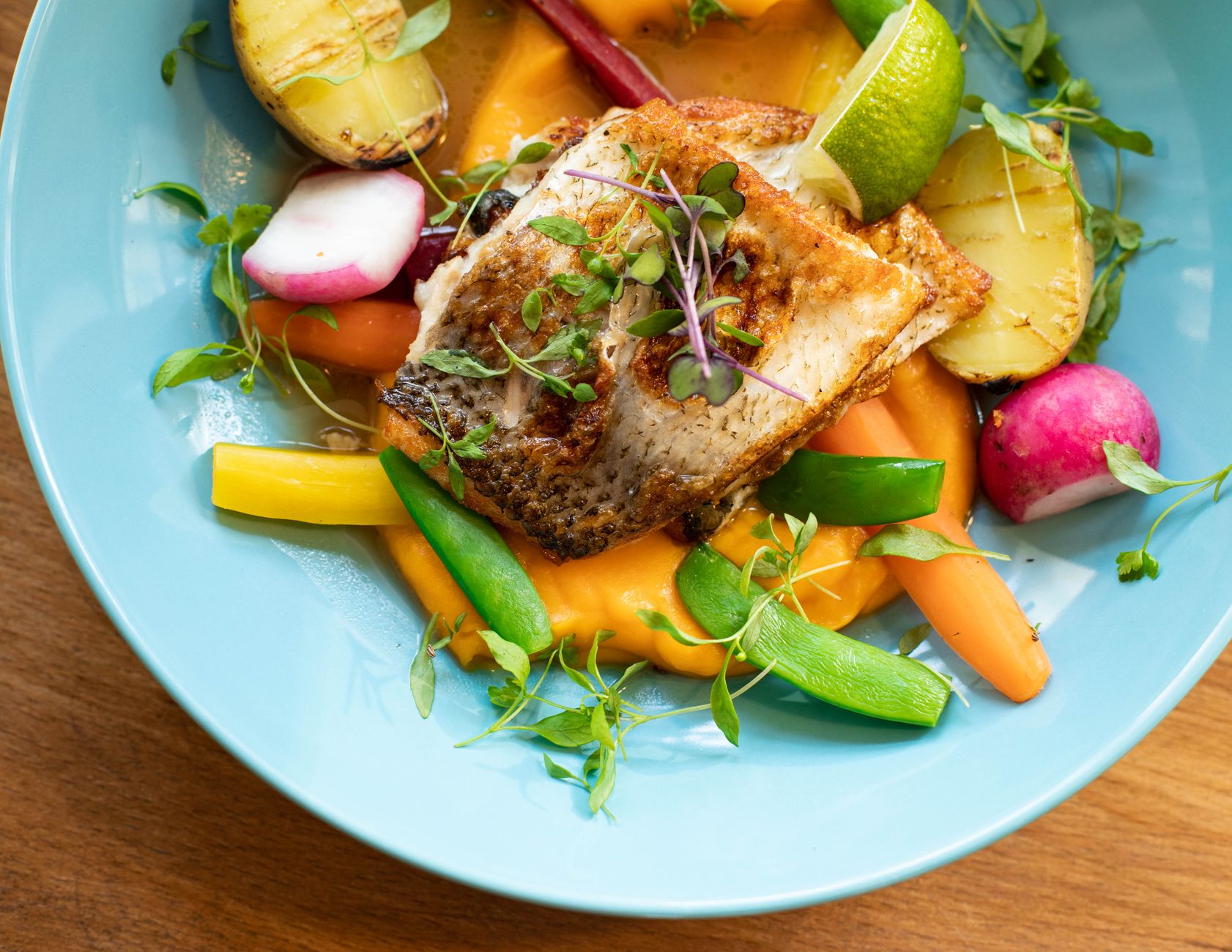
The good news? Yes—but with some key tweaks. The Blue Zones Diet emphasizes whole, plant-based foods, healthy fats, and traditional staples from the world’s longest-lived communities. For pregnant women, this means focusing on nutrient-dense foods like lentils, sweet potatoes, wild-caught fish (when safe), and fermented foods to support both maternal and fetal health. But it’s not as simple as copying a generic Blue Zones meal plan. You’ll need to adjust portions, avoid certain foods entirely, and ensure you’re getting enough of the critical nutrients pregnancy demands—like iron, folic acid, and omega-3s.
We spoke to Dr. Elena Vasquez, a maternal-fetal medicine specialist and author of Nourish & Thrive, who explains: "The Blue Zones Diet can be a fantastic foundation for pregnancy, but it’s about balance. The key is to lean into the diet’s plant-forward approach while ensuring you’re not missing out on the protein and micronutrients your body needs now." Below, we’ll break down exactly how to adapt the Blue Zones Diet for pregnancy—including a 7-day meal plan, nutrient breakdowns, and expert-backed tips to keep you and your baby thriving.
If you’re craving more structure, you might also find the 7-Day GAPS Diet Meal Plan helpful for its focus on gut health—though it’s a very different approach. But for now, let’s dive into what makes the Blue Zones Diet pregnancy-friendly (and what to watch out for).
What the Blue Zones Diet Gets Right for Pregnancy
The Blue Zones Diet isn’t just about longevity—it’s about nourishment. Here’s why it aligns so well with pregnancy needs:
Plant-heavy meals: The diet prioritizes legumes, whole grains, and vegetables—all rich in fiber, folate, and antioxidants, which support fetal development and help prevent gestational diabetes.
Healthy fats: Olive oil, nuts, and fatty fish (when safe) provide DHA, crucial for your baby’s brain development. The Blue Zones focus on these fats over processed oils.
Fermented foods: Think miso, tempeh, and sauerkraut—these support gut health, which is especially important during pregnancy when hormonal changes can disrupt digestion.
Traditional foods: The diet incorporates whole, unprocessed foods like sweet potatoes, beans, and herbs—all of which are naturally low in added sugars and high in nutrients.
Dr. Vasquez notes that the Blue Zones Diet’s emphasis on slow cooking and seasonal foods also reduces the risk of foodborne illnesses, which is a major concern during pregnancy. "Cooking beans and grains thoroughly minimizes toxins, and focusing on local, seasonal produce ensures you’re getting the freshest, most nutrient-dense options," she says.
Nutrients to Prioritize (and How the Blue Zones Diet Delivers)
Here’s a quick breakdown of the key nutrients you need during pregnancy—and how the Blue Zones Diet helps you get them:
Nutrient
Why It Matters
Blue Zones Diet Sources
Folate (Folic Acid)
Prevents neural tube defects in early pregnancy.
Lentils, spinach, black beans, fortified whole grains.
Iron
Supports increased blood volume for mom and baby.
Lean meats (if included), lentils, pumpkin seeds, dark leafy greens.
Pro tip: Pair iron-rich foods with vitamin C (like bell peppers or citrus) to boost absorption. The Blue Zones Diet’s emphasis on vegetables and herbs makes this easy!
How to Adapt the Blue Zones Diet for a Vegetarian or Vegan Pregnancy Meal Plan
You’re a vegetarian (or vegan) and wondering if the Blue Zones Diet can work for you during pregnancy. The short answer? Absolutely—but with some intentional planning. The original Blue Zones Diet includes fish and lean meats, which are excellent sources of protein and omega-3s. But vegetarian and vegan versions can be just as nourishing if you focus on plant-based protein, fortified foods, and smart swaps.
Meet Priya Kapoor, a vegetarian mom of two who followed a Blue Zones-inspired diet during her pregnancies. "I was nervous about getting enough protein, but I learned to rely on lentils, tofu, tempeh, and quinoa," she says. "I also made sure to take a high-quality prenatal vitamin with DHA, since I wasn’t eating fish." Priya’s approach highlights how the Blue Zones Diet can be adapted without sacrificing nutrition.
Omega-3s (DHA/EPA) via algae-based supplements if needed.
Lean beef
Lentils, chickpeas, tempeh, or seitan
Protein + iron (pair with vitamin C for absorption).
Olive oil
Avocado oil or extra virgin olive oil (same)
Healthy fats for satiety and nutrient absorption.
Eggs
Chia pudding or edamame
Protein + folate (edamame is high in both).
Key note: If you’re vegan or vegetarian, consider supplementing with DHA from algae oil (many prenatal vitamins include this) to ensure your baby gets enough omega-3s. The AIP Diet also emphasizes nutrient-dense plant foods, though it’s more restrictive—so the Blue Zones approach might feel more flexible for you.
Blue Zones Diet Meal Plan 7 Day: What to Avoid During Each Trimester
Pregnancy isn’t a one-size-fits-all journey—what you can eat in your first trimester might change by your third. The Blue Zones Diet is generally safe, but certain foods or preparation methods need to be adjusted based on your trimester and any specific risks (like gestational diabetes or food aversions).
Here’s a trimester-by-trimester breakdown of what to watch out for—and what to enjoy:
First Trimester: Focus on Gentle Nourishment
What to avoid:
Raw sprouts (risk of listeria)
Undercooked meats, fish, or eggs (risk of toxoplasmosis)
Excessive caffeine (can contribute to nausea)
Alcohol (no safe amount during pregnancy)
High-mercury fish (shark, swordfish, king mackerel)
What to enjoy:
Fermented foods (like miso or sauerkraut) to soothe nausea
Ginger tea or crackers before meals to settle your stomach
Small, frequent meals of easy-to-digest foods (like oatmeal or toast)
Hydrating foods like cucumber, watermelon, and herbal teas
Second Trimester: Build Energy and Strength
What to avoid:
Unpasteurized cheeses or deli meats (risk of listeria)
Large amounts of added sugar (can spike blood sugar)
Excessive processed soy (may disrupt hormones)
What to enjoy:
Protein-rich meals like lentil curry or chickpea stew
Healthy fats (avocado, nuts, olive oil) for sustained energy
Leafy greens and sweet potatoes for iron and vitamin A
Third Trimester: Prioritize Nutrient Density
What to avoid:
High-sodium foods (can cause swelling)
Excessive fiber (may cause discomfort)
Spicy foods (if they trigger heartburn)
What to enjoy:
Calcium-rich foods like tahini or fortified plant milks
Small, frequent meals to accommodate a growing belly
Hydrating soups and broths (like miso or vegetable broth)
Blue Zones Diet vs. Mediterranean Diet for Pregnancy: Which Is Better for Mom and Baby?
You’ve heard of the Mediterranean Diet, and now you’re curious about the Blue Zones Diet—so which one is better for pregnancy? The answer depends on your personal preferences, cultural background, and specific health needs. Both diets share similarities (plant-heavy, healthy fats, minimal processed foods), but they have key differences that might influence your choice.
Dr. Vasquez explains: "The Mediterranean Diet is more flexible and easier for many women to adapt because it includes dairy and fish, which are excellent sources of calcium and omega-3s. The Blue Zones Diet, however, is more restrictive in terms of animal products and focuses heavily on traditional foods from specific regions." Here’s a quick comparison:
Blue Zones Diet vs. Mediterranean Diet for Pregnancy
Factor
Blue Zones Diet
Mediterranean Diet
Animal Products
Limited (fish, lean meats in some zones)
Moderate (fish, dairy, poultry, eggs)
Plant-Based Protein
High (beans, lentils, tofu)
Moderate (beans, lentils, but less emphasis)
Healthy Fats
Olive oil, nuts, seeds
Olive oil, nuts, fatty fish
Flexibility
Lower (focus on traditional foods)
Higher (easier to adapt)
Best For
Women who want a plant-forward, traditional approach
Women who prefer more variety and dairy/fish
Bottom line: If you thrive on plant-based meals and enjoy traditional cooking, the Blue Zones Diet is a fantastic choice. If you prefer more flexibility (or need dairy/fish for nutrients like calcium), the Mediterranean Diet might be easier to stick with. Many women also explore the Atkins Diet for weight management, but it’s far more restrictive and not recommended during pregnancy unless medically supervised.
Blue Zones Diet Meal Plan 7 Day: Sample Grocery List and Budget-Friendly Tips
You’re ready to give the Blue Zones Diet a try, but you’re not sure where to start with groceries—or how to keep it affordable. The good news? Many Blue Zones staples are budget-friendly, especially if you focus on seasonal produce, dried beans, and whole grains. Below is a 7-day grocery list tailored for pregnancy, along with tips to save money without sacrificing nutrition.
Meet Sarah Chen, a first-time mom who followed a Blue Zones-inspired diet during her pregnancy. "I was worried about the cost, but I realized I could buy dried lentils and chickpeas in bulk, and frozen vegetables were just as nutritious," she says. "I also made big batches of soups and stews to freeze for later." Sarah’s approach saved her both time and money.
7-Day Blue Zones Pregnancy Grocery List
Category
Pantry Staples
Produce
Protein
Dairy/Alternatives
Healthy Fats
Pantry
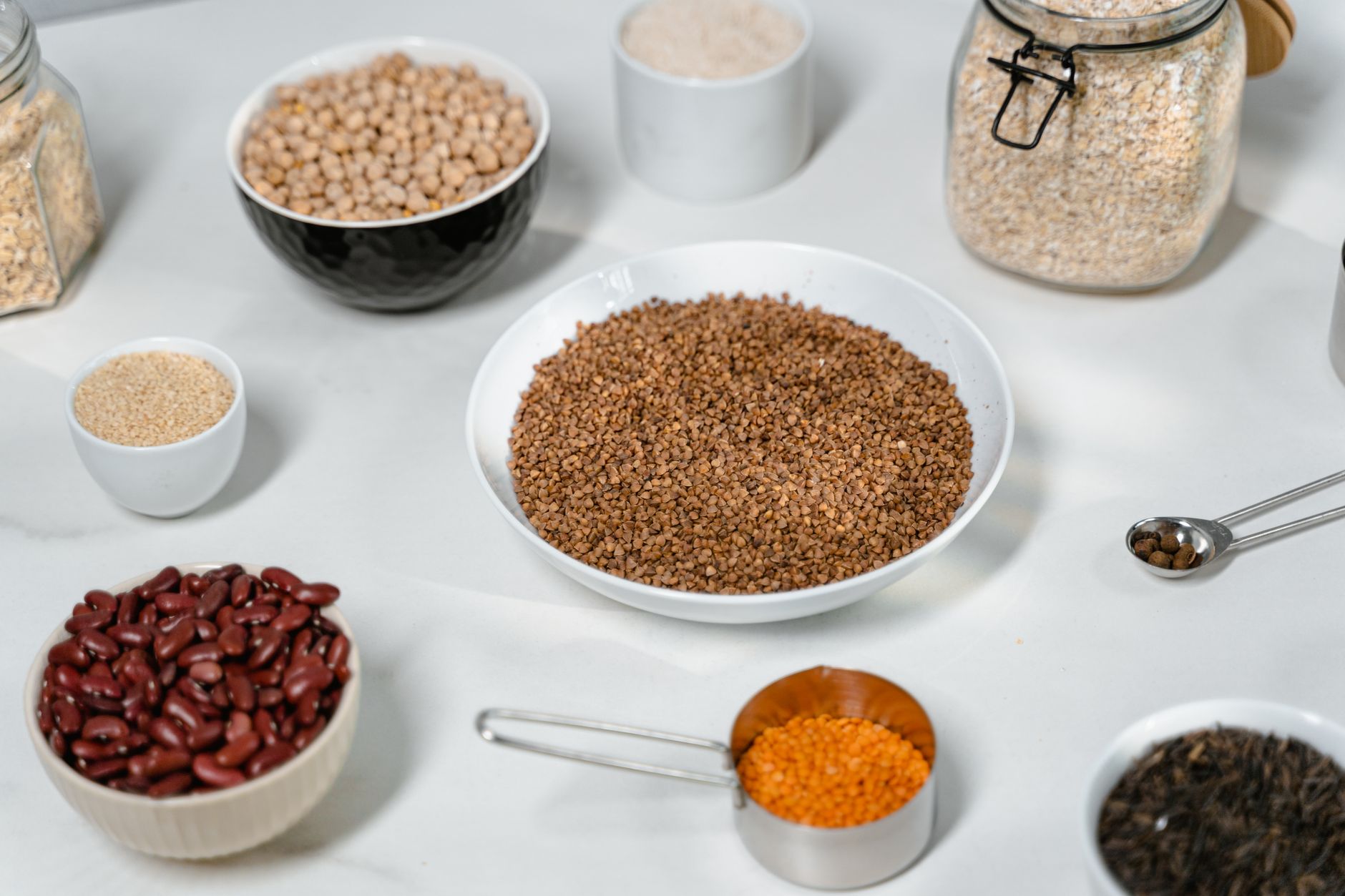
Dried lentils, chickpeas, black beans Quinoa, brown rice, whole-grain pasta Olive oil, tahini, flaxseeds Herbs (oregano, basil, cilantro)
Fortified plant milk (or Greek yogurt if dairy is okay) Nuts (almonds, walnuts)
Avocados, olives, nuts, seeds
Budget tips:
Buy in bulk: Dried beans, lentils, and whole grains are cheaper in larger quantities.
Frozen is fine: Frozen vegetables and berries retain nutrients and are often less expensive.
Cook at home: Pre-made meals are convenient but cost more—batch-cook soups and stews.
Seasonal produce: Buy what’s in season—it’s cheaper and fresher.
Canned fish: Sardines and mackerel are affordable sources of omega-3s.
Pro tip: If you’re on a tight budget, consider swapping fresh herbs for dried (like oregano or basil) to save money without losing flavor.
Blue Zones Diet for Gestational Diabetes: Meal Plan Adjustments and Blood Sugar Control
You’ve been diagnosed with gestational diabetes, and now you’re wondering if the Blue Zones Diet can help manage your blood sugar. The answer is yes—but with some adjustments. The Blue Zones Diet is naturally low in processed sugars and refined carbs, which makes it a good starting point. However, you’ll need to focus on portion control, fiber-rich foods, and consistent meal timing to keep your blood sugar stable.
Dr. Vasquez emphasizes: "The Blue Zones Diet’s emphasis on whole, unprocessed foods is perfect for gestational diabetes because it avoids the blood sugar spikes caused by refined carbs. But you’ll need to monitor your carb intake and pair carbs with protein or healthy fats to slow digestion."
Key Adjustments for Gestational Diabetes
Portion control: Stick to 1/2 cup servings of grains and legumes per meal.
Fiber first: Fill half your plate with non-starchy vegetables (like spinach or zucchini).
Healthy fats: Add avocado, nuts, or olive oil to meals to slow carb absorption.
Avoid liquid calories: Skip sugary drinks—opt for herbal tea or water with lemon.
Consistent meals: Eat every 3–4 hours to prevent blood sugar crashes.
Sample Blue Zones Meal for Gestational Diabetes
Meal
Food
Carb Count (per serving)
Breakfast
Oatmeal with chia seeds, walnuts, and berries
30g net carbs
Snack
Handful of almonds + cucumber slices
6g net carbs
Lunch
Lentil curry with spinach and quinoa
40g net carbs
Snack
Greek yogurt (or fortified plant yogurt) with flaxseeds
10g net carbs
Dinner
Baked salmon with roasted sweet potatoes and steamed broccoli
35g net carbs
Note: Always check your blood sugar levels after meals to see how different foods affect you. If you’re struggling, consider working with a registered dietitian who specializes in gestational diabetes.
Blue Zones Diet Meal Plan 7 Day: Easy Recipes for Busy Moms-to-Be with Minimal Prep Time
You’re exhausted, your belly is growing, and the last thing you want to do is spend hours in the kitchen. The good news? The Blue Zones Diet is full of quick, easy-to-prepare meals that still pack a nutritional punch. Below are 7 simple recipes designed for busy moms-to-be—each takes 30 minutes or less to prepare (and most can be prepped ahead!).
Meet Jamie Rodriguez, a working mom who followed a simplified Blue Zones Diet during her pregnancy. "I made a point of cooking big batches of soups and stews on weekends so I could just reheat them during the week," she says. "I also kept hard-boiled eggs and pre-cut veggies in the fridge for quick snacks." Jamie’s approach saved her time and kept her meals nourishing.
7 Easy Blue Zones Pregnancy Recipes
1. 15-Minute Lentil Salad
Ingredients:
1 cup cooked lentils (or canned, drained)
1 cup cherry tomatoes, halved
1 cucumber, diced
1/4 cup feta cheese (or vegan feta)
2 tbsp olive oil
1 tbsp lemon juice
Handful of fresh parsley
Instructions:
1. Mix lentils, tomatoes, cucumber, and feta in a bowl.
2. Drizzle with olive oil and lemon juice.
3. Top with parsley and serve.
2. 20-Minute Chickpea Stew
Ingredients:
1 can chickpeas, drained
1 can diced tomatoes
1 onion, diced
2 cloves garlic, minced
1 tbsp olive oil
1 tsp cumin
1 cup vegetable broth
Instructions:
1. Heat olive oil in a pot. Sauté onion and garlic.
2. Add chickpeas, tomatoes, cumin, and broth. Simmer for 15 minutes.
3. Serve with a slice of whole-grain bread.
3. 5-Ingredient Breakfast Bowl
Ingredients:
1/2 cup oats
1 tbsp chia seeds
1/2 cup almond milk (or any milk)
1/2 cup frozen berries
1 tbsp honey (or maple syrup)
Instructions:
1. Mix oats, chia seeds, and milk in a bowl. Let sit overnight (or microwave for 2 minutes).
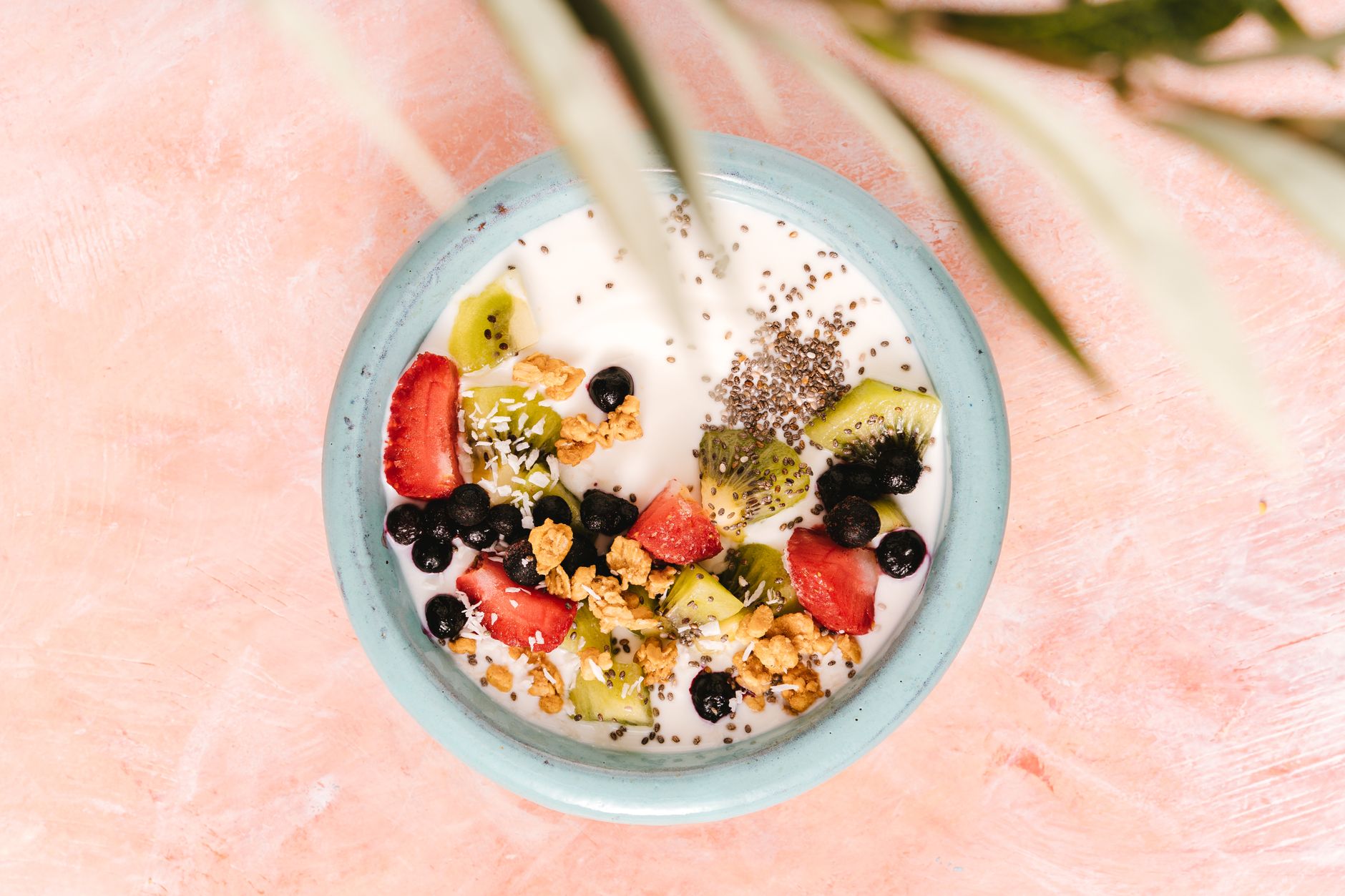
2. Top with berries and honey.
Blue Zones Diet and Postpartum Recovery: Meal Ideas to Support Healing and Breastfeeding
You’ve just given birth, and your body is in recovery mode. The Blue Zones Diet can help support your healing, boost your energy, and even aid in breastfeeding—thanks to its focus on nutrient-dense, anti-inflammatory foods. However, postpartum nutrition has its own unique needs, especially if you’re breastfeeding or dealing with common issues like postpartum depression or fatigue.
Dr. Vasquez notes: "Postpartum, your body needs more calories, healthy fats, and easily digestible proteins to support milk production and recovery. The Blue Zones Diet’s emphasis on bone broth, fermented foods, and healthy fats makes it a great choice—but you’ll want to adjust portions and include more calorie-dense foods."
Postpartum Blue Zones Meal Ideas
Bone broth soup: Rich in collagen and minerals to support healing.
Avocado toast with smoked salmon: Healthy fats for energy and brain health.
Lentil and vegetable stew: High in protein and fiber for digestion.
Oatmeal with nuts and honey: Quick energy for breastfeeding.
Fermented foods (sauerkraut, kimchi): Support gut health and immunity.
Sample Postpartum Meal Plan
Meal
Food
Why It Helps
Breakfast
Oatmeal with almond butter, chia seeds, and berries
Slow-digesting carbs for steady energy; chia seeds support milk production.
Snack
Handful of walnuts + Greek yogurt
Omega-3s for brain health; protein for recovery.
Lunch
Lentil soup with whole-grain bread and olive oil
High in protein and fiber; olive oil supports hormone balance.
Snack
Bone broth with a side of avocado
Collagen for tissue repair; healthy fats for satiety.
Dinner
Baked salmon with roasted sweet potatoes and steamed greens
Omega-3s for postpartum mood; sweet potatoes for energy.
Pro tip: If you’re breastfeeding, focus on calorie-dense foods like nuts, seeds, avocados, and healthy oils to support milk supply. And don’t forget to stay hydrated—herbal teas like fennel or fenugreek can help with milk production.
Best Blue Zones Diet Recipes for First Trimester Nausea and Morning Sickness Relief
First-trimester nausea is brutal, and you’re desperate for anything that doesn’t make you gag. The good news? The Blue Zones Diet has some gentle, nausea-soothing foods that can help. Focus on easy-to-digest, low-fat, and bland foods to settle your stomach.
Meet Priya Kapoor again—this time, she’s sharing how she survived her first trimester with the Blue Zones Diet. "I stuck to crackers, ginger tea, and small sips of coconut water," she says. "I also avoided strong smells like garlic or onions, which made me feel worse." Priya’s approach helped her avoid dehydration and keep her energy up.
Nausea-Relieving Blue Zones Foods
Ginger tea: Sips of ginger tea can calm your stomach.
Crackers or toast: Dry carbs are easy to digest.
Coconut water: Hydrates without upsetting your stomach.
Bananas: Gentle on the stomach and easy to eat.
Fermented foods (like miso broth): Can help with digestion.
Sample Anti-Nausea Meal Plan
Meal
Food
Why It Helps
Morning
Ginger tea + 2 saltine crackers
Ginger soothes nausea; crackers provide quick energy.
Snack
Banana slices
Easy to digest and gentle on the stomach.
Lunch
Miso soup with rice and steamed white fish (if tolerated)
Miso is easy to digest; fish provides protein.
Snack
Coconut water + handful of almonds
Hydration without irritation; nuts provide healthy fats.
Dinner
Oatmeal with cinnamon and a drizzle of honey
Oats are easy to digest; cinnamon may help with nausea.
Warning: If nausea persists or you’re unable to keep fluids down, contact your provider—this could be a sign of hyperemesis gravidarum, a severe form of morning sickness that requires medical attention.
How to Follow the Blue Zones Diet During Pregnancy Without Gaining Too Much Weight
You’re worried about gaining too much weight during pregnancy, and you’re wondering if the Blue Zones Diet can help. The answer is yes—but with some adjustments. The Blue Zones Diet is naturally lower in processed sugars and refined carbs, which can help prevent excessive weight gain. However, you’ll need to focus on portion control, mindful eating, and staying active.
Dr. Vasquez advises: "The Blue Zones Diet is a great tool for weight management during pregnancy because it emphasizes whole, nutrient-dense foods. But you’ll need to listen to your body and adjust portions as your needs change. Aim for a moderate calorie increase (about 300–500 extra calories per day) and focus on quality over quantity."
Tips to Prevent Excessive Weight Gain
Portion control: Use smaller plates and measure servings of grains and legumes.
Avoid liquid calories: Skip sugary drinks—opt for water, herbal tea, or sparkling water.
Prioritize protein: Protein helps you feel full longer and supports muscle health.
Stay active: Gentle movement like walking or prenatal yoga can help manage weight gain.
Listen to your body: Eat when hungry, stop when full—no guilt!
Not sure about the label on Blue Zones Diet Meal Plan 7 Day products?
Snap the ingredients list and SafeFilter checks every ingredient for your stage — only 3 free scans this month, then you're locked until reset. Unlimited from $7/mo or $50/yr.
When Shubhra Mishra was expecting her first child in 2016, she was overwhelmed by conflicting food advice — one site said yes, another said never. By the time her second baby arrived in 2019, she realized millions of mothers face the same confusion.
That sparked a five-year journey through clinical nutrition papers, cultural diets, and expert conversations — all leading to BumpBites: a calm, compassionate space where science meets everyday motherhood.
Her long-term vision is to build a global community ensuring safe, supported, and free deliveriesfor every mother — because no woman should face pregnancy alone or uninformed. 🌿
🌍 Stand with mothers, shape safer guidance
Join a small circle of experts who review BumpBites articles so expecting parents everywhere can decide with confidence.