Quick take: Navigating the grocery store for a blood type diet means choosing foods specifically categorized as "beneficial," "neutral," or "avoid" for your unique blood type (A, B, O, or AB). While the diet lacks strong scientific backing, this guide provides practical, comprehensive shopping lists and tips to help you follow its principles, emphasizing whole, unprocessed foods and careful meal planning. Always consult your healthcare provider or a registered dietitian before starting any new diet, especially if you have underlying health conditions or are pregnant.
Walking into a grocery store can feel overwhelming, even on a regular day. But when you're trying to follow a specific eating plan, like the blood type diet, those aisles can suddenly seem like a maze of "what ifs" and "should I buys." You're not alone if you've stared at a shelf of grains or a display of vegetables, wondering if you're making the "right" choice for your body. The good news is, with a clear understanding of your blood type's recommended foods, a blood type diet grocery shopping list can transform that confusion into confidence.
The blood type diet, popularized by Dr. Peter D'Adamo, suggests that your blood type (A, B, O, or AB) influences how your body processes certain foods, particularly proteins called lectins. The theory posits that eating foods "compatible" with your blood type can optimize digestion, boost energy, and even help with weight management. While mainstream scientific bodies haven't endorsed the diet due to a lack of robust evidence, many individuals find it a helpful framework for making dietary choices.
This comprehensive guide will break down exactly what to look for and what to skip, no matter your blood type. We'll give you detailed food lists, practical shopping strategies, and tips to make your blood type diet journey smoother, healthier, and perhaps even a little more budget-friendly. Ready to fill your cart with confidence?
Blood type O diet grocery list: best foods for your type
If you have blood type O, you're considered "the Hunter" in the blood type diet framework. The diet suggests that individuals with type O thrive on a protein-rich diet, much like the ancestral hunter-gatherers, and have a robust digestive system capable of metabolizing meat efficiently. The focus for you is lean meats, poultry, and fish, while certain grains and dairy are often advised to be limited or avoided.
Beneficial foods for blood type O
- Proteins: Lean red meat (beef, lamb, venison), poultry (chicken, turkey), and fatty fish (salmon, cod, mackerel, halibut). These are considered cornerstones for Type O. Look for grass-fed options if possible.
- Vegetables: Many green leafy vegetables are highly beneficial, including kale, spinach, collard greens, broccoli, romaine lettuce. Also, consider artichokes, sweet potatoes, pumpkin, and various peppers.
- Fruits: Plums, figs, prunes, dark berries (blueberries, blackberries, cherries), and guavas are excellent choices. Pineapple is also considered beneficial for its digestive enzyme properties.
- Oils: Olive oil and flaxseed oil are your best bets, offering healthy fats.
- Nuts & Seeds: Walnuts, pumpkin seeds, and flaxseeds are beneficial.
- Spices & Condiments: Curry powder, cayenne pepper, parsley, turmeric, and kelp-based products (for iodine).
Neutral foods for blood type O
These foods can be enjoyed in moderation without specific benefits or drawbacks according to the diet:
- Proteins: Eggs, some leaner cuts of beef, and chicken.
- Grains/Legumes: Rice cakes, millet, quinoa, amaranth, lentils (in moderation).
- Vegetables: Asparagus, green beans, carrots, zucchini.
- Fruits: Apples, bananas, grapes, peaches, pears.
- Nuts & Seeds: Almonds, sesame seeds (in moderation).
Foods to avoid with blood type O
The diet suggests these foods may be harder for Type O individuals to digest or could contribute to inflammation:
- Grains: Wheat (including whole wheat), corn, oats, barley, rye. This means avoiding most breads, pastas, and many processed cereals.
- Dairy: Most dairy products, including milk, yogurt, and cheese.
- Legumes: Kidney beans, navy beans, peanuts, lentils (if not tolerated well).
- Vegetables: Cabbage, Brussels sprouts, cauliflower, corn, potatoes, eggplant.
- Fruits: Oranges, melons (cantaloupe, honeydew), coconut.
- Nuts: Cashews, Brazil nuts, pistachios.
- Oils: Corn oil, peanut oil.
When you head to the store, here’s a snapshot of what your cart might look like:
For more detailed guidance, consider exploring a blood type diet food list for beginners which offers expanded categories and explanations.

Blood type A diet grocery list: what to buy and avoid
If you're blood type A, you're often described as "the Cultivator" or "the Agrarian" in the blood type diet system. The diet suggests that individuals with type A thrive on a largely vegetarian diet, reflecting a more settled, agricultural lifestyle. You're encouraged to focus on plant-based foods, whole grains, and legumes, while limiting or avoiding red meat and most dairy products.
Beneficial foods for blood type A
- Proteins: While primarily vegetarian, beneficial proteins include fish (cod, salmon, mackerel, sardine, carp), poultry (chicken, turkey) in moderation, and plant-based options like tofu, tempeh, and most legumes.
- Vegetables: A wide array of vegetables are beneficial, especially dark leafy greens like kale, spinach, collard greens, Swiss chard, and broccoli. Also, carrots, garlic, onions, pumpkin, artichokes, and ginger.
- Fruits: Berries (blueberries, cranberries, blackberries), plums, figs, prunes, cherries, grapefruit, lemons, and apricots.
- Grains & Legumes: Many grains are beneficial, including rice (brown and white), oats, rye, spelt, amaranth, and quinoa. Most legumes like lentils, black beans, pinto beans, and green beans are also excellent.
- Nuts & Seeds: Peanuts, pumpkin seeds, walnuts, flaxseeds. Almonds are also a good choice.
- Oils: Olive oil, flaxseed oil, canola oil.
- Spices & Condiments: Ginger, garlic, miso, tamari, mustard (additive-free), herbal teas.
Neutral foods for blood type A
These foods can be consumed in moderation:
- Proteins: Eggs (in moderation), some types of chicken.
- Vegetables: Asparagus, celery, mushrooms, zucchini.
- Fruits: Apples, pears, peaches, nectarines.
- Dairy: Goat cheese, yogurt (plain, unsweetened, in small amounts).
Foods to avoid with blood type A
According to the diet, these foods may be poorly tolerated by Type A individuals:
- Meats: All red meats (beef, lamb, pork, venison).
- Dairy: Most cow's milk products, including milk, butter, most cheeses.
- Certain Grains: Wheat (especially processed forms), corn, durum wheat.
- Certain Legumes: Kidney beans, lima beans (though most others are beneficial).
- Vegetables: Cabbage, tomatoes, potatoes, eggplant, bell peppers.
- Fruits: Oranges, bananas, mangoes, papayas, melons (cantaloupe, honeydew).
- Nuts: Brazil nuts, cashews, pistachios.
- Oils: Corn oil, peanut oil, safflower oil.
Your grocery haul might emphasize fresh produce and plant-based staples:
Blood type B individuals are known as "the Nomad" in the blood type diet philosophy. This blood type is considered unique, with a diet that allows for a wide variety of foods, including many meats, dairy, and grains, making it one of the most flexible. The diet suggests that Type B individuals have a robust digestive system and a balanced metabolism, thriving on a diverse, omnivorous diet.
Beneficial foods for blood type B
- Proteins: A broad range of meats are beneficial, including lamb, mutton, venison, rabbit, and turkey. Many types of fish like cod, salmon, sardine, halibut, and mackerel are also excellent. Eggs are highly beneficial.
- Dairy: Most dairy products are beneficial, including milk (cow's, goat's), yogurt, kefir, and various cheeses (mozzarella, cottage cheese, feta).
- Grains: Oats, rice (brown and white), millet, spelt, and quinoa are good choices.
- Vegetables: A wide variety, especially green leafy vegetables like kale, spinach, collard greens, broccoli, and Brussels sprouts. Also, cabbage, carrots, bell peppers, eggplant, sweet potatoes.
- Fruits: Bananas, grapes, plums, cranberries, pineapple, papayas.
- Nuts & Seeds: Walnuts, Brazil nuts, and almonds (in moderation).
- Oils: Olive oil.
- Spices & Condiments: Ginger, horseradish, parsley, curry, cayenne pepper.
Neutral foods for blood type B
These foods can be enjoyed in moderation:
- Proteins: Beef (lean cuts), chicken.
- Legumes: Navy beans, northern beans, green beans.
- Nuts & Seeds: Pecans, cashews (in moderation).
- Fruits: Apples, peaches, pears, oranges.
Foods to avoid with blood type B
The diet suggests these foods may be problematic for Type B individuals:
- Poultry: Chicken (though often listed as neutral, some interpretations suggest avoiding it if issues arise), duck.
- Grains: Corn, wheat (including whole wheat), rye, barley, buckwheat. These are considered to have lectins that can interfere with the Type B metabolism.
- Legumes: Lentils, chickpeas, black beans, kidney beans.
- Nuts & Seeds: Peanuts, sesame seeds, sunflower seeds.
- Vegetables: Tomatoes, avocado, pumpkin.
- Oils: Corn oil, peanut oil, sunflower oil, safflower oil.
Your grocery list can be quite diverse, offering many options:
Blood type AB diet grocery list: comprehensive food guide
Blood type AB individuals are considered "the Enigma" or "the Modern" in the blood type diet framework. This is the newest and rarest blood type, inheriting characteristics from both A and B. The diet for Type AB is a blend of the Type A and Type B diets, focusing on a mixed diet that is often more vegetarian than carnivorous, with an emphasis on balancing different food groups.
Beneficial foods for blood type AB
- Proteins: Lamb, mutton, turkey, rabbit. Most types of fish and seafood like salmon, cod, mackerel, sardine, tuna are highly beneficial. Tofu and tempeh are also excellent plant-based protein sources.
- Dairy: Yogurt, kefir, cottage cheese, feta cheese, goat cheese, and occasional cow's milk.
- Grains: Oats, rice (brown and white), millet, spelt, rye bread, and quinoa.
- Vegetables: A wide variety, particularly green leafy vegetables such as kale, spinach, collard greens, broccoli, cucumber, celery, and cauliflower. Also, sweet potatoes, garlic, and onions.
- Fruits: Berries (blueberries, raspberries, cranberries), cherries, figs, grapes, lemons, plums, grapefruit, and pineapple.
- Nuts & Seeds: Peanuts, walnuts, chestnuts, flaxseeds.
- Oils: Olive oil, flaxseed oil.
- Spices & Condiments: Garlic, ginger, curry, miso, tamari, horseradish, parsley.
Neutral foods for blood type AB
These foods can be consumed in moderation:
- Proteins: Eggs, chicken (in moderation).
- Legumes: Green beans, navy beans, pinto beans.
- Nuts & Seeds: Almonds, pecans.
- Fruits: Apples, pears, peaches.
Foods to avoid with blood type AB
The diet suggests these foods may be problematic for Type AB individuals:
- Meats: All red meats (beef, veal, venison), smoked meats, duck, chicken (if not tolerated well, as it can be neutral or avoid).
- Grains: Buckwheat, corn, durum wheat, barley.
- Legumes: Kidney beans, lima beans, chickpeas.
- Nuts & Seeds: Sunflower seeds, sesame seeds.
- Fruits: Oranges, bananas, mangoes, guava.
- Oils: Corn oil, sesame oil, sunflower oil.
Your list will likely be a mix of elements from both Type A and Type B:
How to create a weekly meal plan using your blood type diet grocery list
Once you have your personalized blood type diet grocery shopping list, the next step is to translate those ingredients into delicious, coherent meals throughout the week. This is where meal planning becomes your best friend. It not only ensures you stick to your dietary guidelines but also saves time, reduces food waste, and often helps manage your budget.
Step-by-step meal planning
- Review Your "Beneficial" List: Start by highlighting the foods you genuinely enjoy from your "beneficial" list. These should form the core of your meals.
- Choose Your Proteins: Decide which proteins you'll focus on for the week. For example, if you're Type O, you might plan for salmon twice, lamb once, and chicken twice. Type A might focus on tofu, lentils, and fish.
- Select Complementary Sides: Pair your proteins with beneficial vegetables, grains, and healthy fats. Think about variety in colors and textures.
- Plan Breakfasts and Lunches: These can often be simpler and more repetitive. For instance, a Type A might have oatmeal with berries for breakfast and a large salad with lentils for lunch. A Type B could do yogurt with fruit for breakfast and leftover lamb with roasted veggies for lunch.
- Incorporate Snacks: Don't forget snacks! Keep your "beneficial" nuts, seeds, and fruits handy for those hunger pangs.
- Consider Batch Cooking: Cook larger quantities of grains (like quinoa or rice), roast a big batch of vegetables, or prepare a larger protein portion (like baked chicken or lentils) at the beginning of the week. This makes assembling quick meals much easier.
- Create a Weekly Grid: Use a simple calendar or a 7-day blood type diet meal plan template. Fill in your chosen meals for breakfast, lunch, dinner, and snacks for each day.
- Refine Your Grocery List: Once your meal plan is set, go back to your grocery list. Add the specific quantities of each ingredient you'll need for your planned meals. This prevents overbuying or forgetting essentials.
Example day: Blood Type O
Here’s how a day of eating might look for someone following a Type O plan:
- Breakfast: Scrambled eggs with spinach and a side of sliced pineapple.
- Lunch: Large salad with grilled chicken breast, romaine lettuce, cucumber, bell peppers, and an olive oil vinaigrette.
- Snack: Handful of walnuts and a plum.
- Dinner: Baked salmon with steamed broccoli and a sweet potato.
This structured approach transforms your grocery list from a simple shopping aid into a powerful tool for consistent healthy eating. For other specific diet plans, such as an ADHD diet grocery shopping list or an AIP elimination diet grocery shopping list, the principles of planning and list-making remain equally valuable.
Following any specific diet can sometimes feel like a strain on your wallet, and the blood type diet is no exception, especially with its emphasis on certain proteins or specialty grains. However, with a few smart strategies, you can keep your grocery bill in check without compromising your dietary goals.
- Plan Your Meals (and Snacks!) Ahead: This is the golden rule for saving money. When you know exactly what you'll eat, you buy only what you need, reducing impulsive purchases and food waste. Refer to your weekly meal plan when creating your blood type diet grocery shopping list.
- Shop Seasonal Produce: Fruits and vegetables are almost always cheaper and fresher when they're in season. For example, if you're Type A, load up on berries in the summer. If you're Type O, take advantage of pumpkin and sweet potatoes in the fall.
- Buy in Bulk Strategically: Non-perishable items like grains (quinoa, rice), nuts (walnuts, peanuts for Type A/AB), seeds (pumpkin, flax), and olive oil can often be bought in larger quantities for a lower unit price. Just make sure you have adequate storage.
- Look for Store Brands: Many grocery store brands offer good quality versions of staples like olive oil, canned goods (beans for Type A/AB, fish for all types), and frozen vegetables at a fraction of the cost of national brands.
- Utilize Frozen Options: Frozen fruits and vegetables are picked at their peak ripeness and flash-frozen, locking in nutrients and often costing less than fresh out-of-season produce. They're perfect for smoothies or cooking.
- Compare Unit Prices: Don't just look at the overall price. Check the unit price (e.g., price per ounce or pound) displayed on the shelf tag to truly compare value between different brands or package sizes.
- Limit Specialty Items: While some blood types have specific recommendations, try to find mainstream versions of beneficial foods rather than expensive "diet-specific" products. For instance, instead of a pricey gluten-free bread for Type O, focus on naturally gluten-free grains like rice or quinoa.
- Cook at Home More Often: Eating out, even for "healthy" options, almost always costs more than preparing meals at home. Your carefully planned blood type diet grocery list supports this habit.
- Reduce Food Waste: Be mindful of expiration dates and portion sizes. Repurpose leftovers into new meals (e.g., leftover chicken for a Type O salad).
- Scan Sales Flyers and Use Coupons: Before you even make your list, check your local grocery store's weekly ad for sales on items beneficial for your blood type.
Is the blood type diet grocery list safe for pregnancy?
When you're pregnant, your body has unique nutritional needs to support both your health and the healthy development of your baby. This is a time when dietary choices require extra caution and, most importantly, personalized medical guidance. The question of whether the blood type diet is safe during pregnancy is complex and warrants a careful, evidence-based approach.
Lack of Scientific Evidence: The most critical point to understand is that the blood type diet, in general, lacks robust scientific evidence to support its claims for the general population, let alone for pregnant individuals. Major health organizations, such as the Academy of Nutrition and Dietetics and the American College of Obstetricians and Gynecologists (ACOG), do not endorse the blood type diet. They emphasize that there is no scientific basis to suggest that dietary needs vary significantly based on blood type.
Potential for Nutrient Deficiencies: Many versions of the blood type diet advocate for significant restrictions on entire food groups. For example:
- Type A: Largely vegetarian, avoids red meat and most dairy.
- Type O: Avoids most grains, dairy, and some legumes.
- Type B: Avoids corn, wheat, lentils, and chickpeas.
- Type AB: Avoids red meat, corn, buckwheat, kidney beans.
During pregnancy, a diverse diet rich in all macro- and micronutrients is essential. Restricting entire food groups, even if you believe them to be "avoid" for your blood type, could lead to deficiencies in critical nutrients like:
- Iron: Essential for preventing anemia, especially for Type A and AB who restrict red meat.
- Calcium and Vitamin D: Crucial for bone health, especially for Type O and A who avoid most dairy.
- Folate (Folic Acid): Vital for neural tube development, found in many legumes and fortified grains that some types restrict.
- B Vitamins: Important for energy and fetal development, found in a variety of meats, grains, and legumes.
- Fiber: Important for digestive health during pregnancy, found in many grains and legumes.
Recommendation: Consult Your Doctor or a Registered Dietitian: Given the potential for nutrient deficiencies and the lack of scientific support, it is strongly advised to consult your obstetrician or a registered dietitian specializing in prenatal nutrition before attempting to follow a blood type diet during pregnancy. They can assess your individual nutritional needs, identify any potential gaps, and ensure you're getting all the necessary vitamins and minerals for a healthy pregnancy.
A balanced, varied diet, as recommended by established health organizations, is generally considered the safest and most effective approach for pregnant individuals. This typically includes a wide range of fruits, vegetables, whole grains, lean proteins, and healthy fats, ensuring all essential nutrients are provided without unnecessary restrictions.
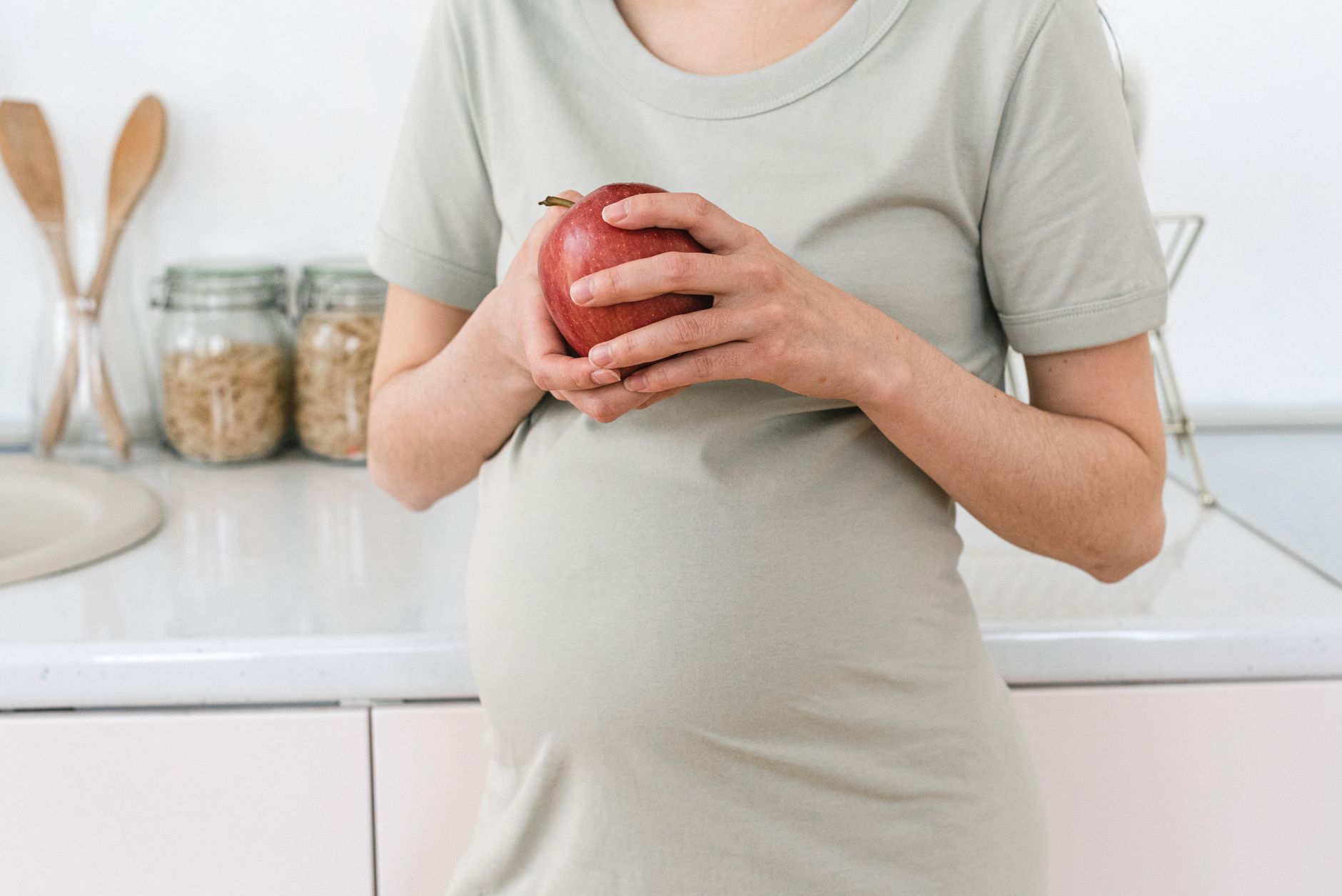
Embarking on a blood type diet can be an exciting step towards personalized eating, but the grocery store can present some unique challenges. Avoiding common pitfalls will make your shopping trips more efficient and help you stick to your dietary goals without unnecessary stress.
- Not Reading Labels Carefully: This is perhaps the biggest pitfall. Many processed foods contain "avoid" ingredients hidden in their lists. For example, wheat (an "avoid" for Type O, B, and AB) can be found in unexpected places. Corn syrup, soy (an "avoid" for Type O, B), or specific oils can also pop up. Always check the ingredient list, even for items you think are safe.
- Getting Overwhelmed by Restrictions: Initially, the "avoid" lists can seem daunting, especially if you're used to a very different diet. This can lead to feeling deprived or giving up. Focus on the abundance of "beneficial" and "neutral" foods first. What *can* you eat? How many delicious meals can you make with those?
- Failing to Plan Ahead: Showing up at the grocery store without a blood type diet grocery shopping list derived from a meal plan is a recipe for impulse buys and frustration. You'll likely forget beneficial items or grab convenient "avoid" foods out of hunger or habit.
- Not Exploring Alternatives: If your blood type restricts a favorite food, don't just mourn its loss. Actively seek out beneficial alternatives. For example, if you're Type O avoiding wheat pasta, explore quinoa or rice-based pastas. If you're Type A avoiding red meat, focus on fish, tofu, and lentils.
- Neglecting Nutrient Balance: While the blood type diet provides a framework, it's still crucial to ensure you're getting a balanced intake of macronutrients (proteins, carbs, fats) and micronutrients (vitamins, minerals) from your allowed foods. Don't just eat the same three "beneficial" items every day.
- Shopping When Hungry: This is universal grocery shopping advice, but it's especially critical when following a restrictive diet. Hunger makes you more susceptible to grabbing quick, easy, and often "avoid" foods.
- Ignoring Price Tags: Adhering to a specific diet can sometimes lead to overlooking costs. Always be mindful of your budget and use tips like buying in season, store brands, and bulk purchases (as discussed earlier).
- Assuming All "Health Foods" Are Blood Type Diet-Friendly: Just because something is labeled "organic," "gluten-free," or "natural" doesn't automatically make it suitable for your specific blood type diet. A gluten-free product might still contain corn (avoid for Type B, AB) or soy.
- Not Adapting to Your Body: While the diet provides general guidelines, listen to your own body. If a "neutral" food consistently makes you feel unwell, it might be an "avoid" for *you*. Conversely, if an "avoid" food seems to have no negative impact (though proceed with caution on these), discuss it with a healthcare provider.
Myth vs. fact: Decoding the blood type diet
The blood type diet has generated a lot of buzz and debate since its inception. Let's clear up some common misconceptions.
Myth: The blood type diet is scientifically proven to be the healthiest way to eat.
Fact: While the diet's creator, Dr. Peter D'Adamo, presents a compelling theory, mainstream scientific and medical communities generally do not endorse the blood type diet. Research studies examining its efficacy have found no consistent evidence to support the claim that eating according to your blood type offers specific health benefits or is superior to other healthy eating patterns. Any observed benefits, such as weight loss or improved well-being, are often attributed to simply eating more whole, unprocessed foods and reducing highly processed items, which is a common recommendation across many healthy diets.
Myth: Following the blood type diet is the best way to lose weight.
Fact: The blood type diet is not specifically designed as a weight-loss diet, though some individuals may experience weight loss when following it. This is often because the diet encourages the elimination of many processed foods, sugary drinks, and unhealthy fats, which naturally leads to a reduced calorie intake and improved dietary quality. However, there's no evidence that weight loss on this diet is uniquely tied to blood type compatibility rather than general healthy eating principles. For those looking for structured weight loss plans, other approaches like the Atkins diet grocery list might be a more direct fit, though always consult a professional.
Myth: The blood type diet is safe for everyone, including pregnant women.
Fact: This is a critical misconception. As discussed earlier, the restrictive nature of some blood type diets can potentially lead to nutrient deficiencies. For vulnerable populations like pregnant women, children, or individuals with chronic health conditions, these restrictions could be detrimental. Always consult a healthcare professional or a registered dietitian before starting any new diet, especially if you have specific health concerns or are in a sensitive life stage like pregnancy.
Myth: All lectins are harmful and should be avoided, especially those incompatible with your blood type.
Fact: Lectins are proteins found in many plant foods, and while some can be problematic if consumed in large quantities or raw (like in kidney beans), most are harmless, and many are even beneficial. Proper cooking methods (like soaking and boiling beans) significantly reduce lectin activity. Furthermore, many foods rich in lectins are also rich in fiber, vitamins, and minerals. The idea that specific blood types react negatively to specific lectins lacks strong scientific backing in mainstream research.
Key takeaways
- The blood type diet categorizes foods as "beneficial," "neutral," or "avoid" based on your blood type (A, B, O, AB).
- Type O often focuses on lean meats and vegetables, while limiting grains and dairy.
- Type A emphasizes a vegetarian diet with fish, tofu, grains, and most vegetables.
- Type B has a diverse diet including meats, dairy, and many grains, but avoids corn and wheat.
- Type AB combines aspects of A and B, focusing on a mixed diet with seafood, tofu, and balanced grains.
- Meal planning and creating a detailed blood type diet grocery shopping list are essential for success and budget management.
- Always read food labels carefully to identify hidden "avoid" ingredients.
- The blood type diet is not scientifically proven and may lead to nutrient deficiencies, especially for pregnant individuals, who should consult a healthcare provider.
- Focus on the abundance of beneficial foods and explore alternatives for restricted items to avoid feeling deprived.
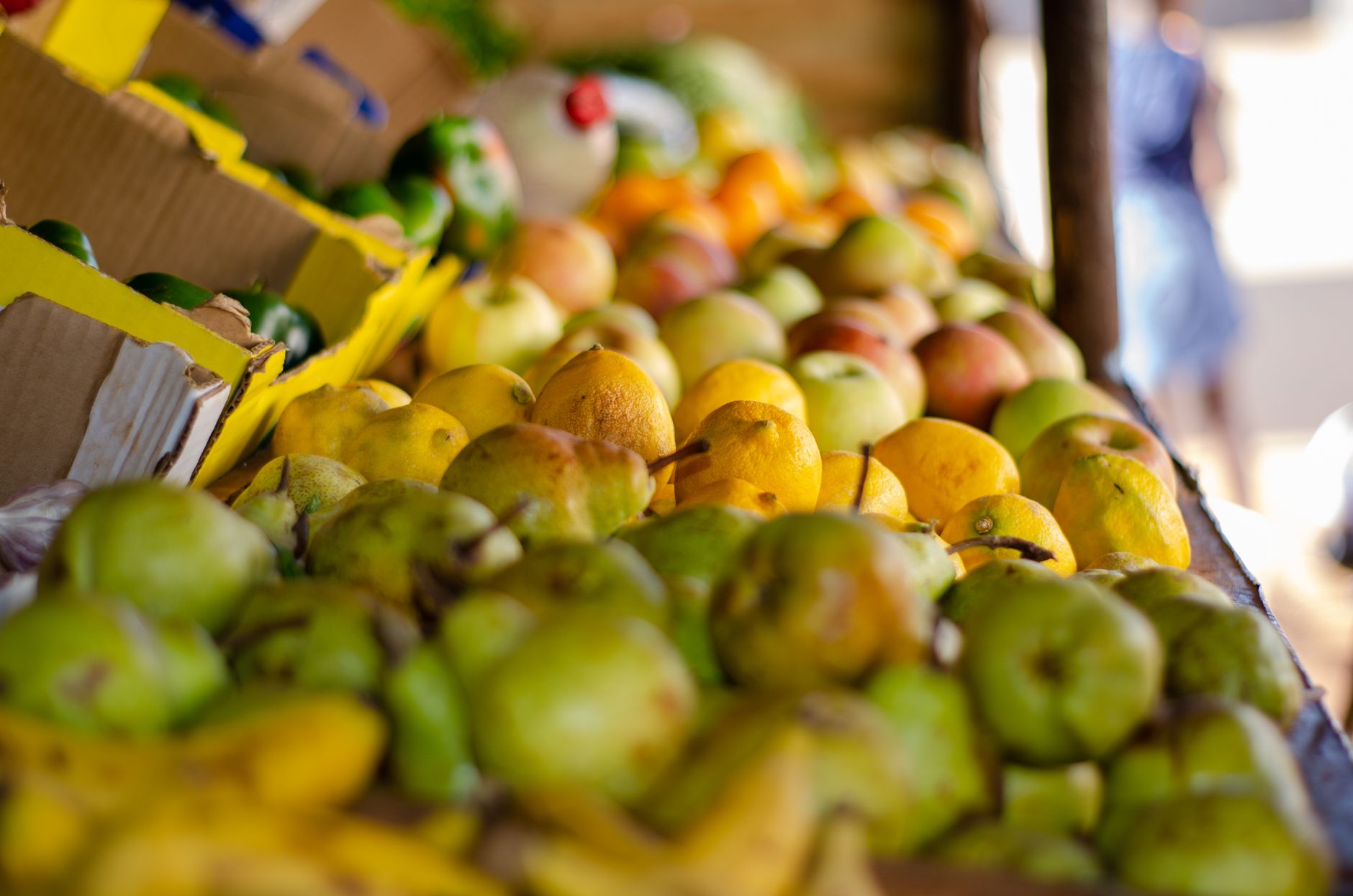
Frequently asked questions
What foods should I avoid with blood type A?
If you have blood type A, the diet generally recommends avoiding red meats (like beef, lamb, and pork), most cow's milk dairy products, and certain grains such as wheat and corn. You should also steer clear of tomatoes, potatoes, and oranges, as these are believed to be incompatible with your blood type. Focus instead on plant-based proteins, fish, and a wide variety of leafy green vegetables and fruits.
What is the best diet for blood type O?
For blood type O, the diet suggests a high-protein eating plan often referred to as "the Hunter." This means focusing on lean meats (beef, lamb, venison, poultry), fish, and a wide array of vegetables. Grains like wheat, corn, and oats, most dairy products, and certain legumes are generally advised to be limited or avoided. Olive oil and beneficial fruits like plums and figs are also recommended.
Can you lose weight on the blood type diet?
While the blood type diet is not primarily a weight-loss plan, many individuals do report losing weight when following it. This is often due to the diet's emphasis on whole, unprocessed foods and the elimination of many common culprits for weight gain, such as highly refined sugars, processed snacks, and unhealthy fats. By shifting towards a cleaner eating pattern, calorie intake naturally decreases, which can lead to weight loss, regardless of the blood type theory itself.
Is the blood type diet scientifically proven?
Despite its popularity, the blood type diet is not widely supported by mainstream scientific research. Major health organizations and nutrition experts state that there is insufficient evidence to prove that adhering to a diet based on blood type offers specific health advantages over a general healthy and balanced diet. Any perceived benefits are typically attributed to the overall shift towards healthier food choices rather than blood type specificity.
What is the blood type diet grocery list for beginners?
For beginners, the key is to simplify. Start by printing out the "beneficial" and "avoid" lists for your specific blood type. Focus on stocking your pantry with the core beneficial proteins, fresh fruits, vegetables, and approved grains. Gradually phase out "avoid" foods and explore new recipes using your "beneficial" ingredients. Don't try to change everything at once; make sustainable swaps over time. A blood type diet food list for beginners can be a great starting point.
Are there any risks to the blood type diet during pregnancy?
Yes, there can be significant risks. The restrictive nature of some blood type diets may lead to deficiencies in essential nutrients like iron, calcium, folate, and B vitamins, all of which are critical for both maternal health and fetal development. Due to the lack of scientific evidence supporting the diet and the potential for nutritional gaps, it is strongly advised that pregnant individuals consult their OB/GYN or a registered dietitian before attempting to follow the blood type diet.
When to see a doctor or specialist
While this article provides comprehensive information on the blood type diet grocery shopping list, it is intended for informational purposes only and is not a substitute for professional medical advice. If you are considering starting the blood type diet, especially if you have existing health conditions, are taking medications, or are pregnant or breastfeeding, it is crucial to consult a qualified healthcare provider.
Call your doctor or a registered dietitian if you:
- Are pregnant, trying to conceive, or breastfeeding and considering any restrictive diet.
- Have any chronic health conditions such as diabetes, heart disease, kidney disease, or an autoimmune disorder.
- Experience new or worsening symptoms after starting the diet, such as fatigue, digestive issues, or unexplained weight changes.
- Are concerned about potential nutrient deficiencies or are struggling to meet your nutritional needs while following the diet.
- Are taking prescription medications, as dietary changes can sometimes interact with their effectiveness.
A registered dietitian can help you tailor your eating plan to ensure it's nutritionally complete and safe for your individual health needs, while your primary care physician can monitor your overall health and address any underlying medical concerns.
References
- D'Adamo, P. J. (2002). Eat Right 4 Your Type: The Individualized Diet Solution to Staying Healthy, Living Longer & Achieving Your Ideal Weight. G.P. Putnam's Sons.
- Wang, J., et al. (2014). ABO Genotype Does Not Modify the Effect of a Dietary Intervention on Risk Factors for Cardiovascular Disease. PLOS One, 9(2), e88435.
- Cusack, L., et al. (2013). Blood type diets lack supporting evidence: a systematic review. The American Journal of Clinical Nutrition, 98(1), 99-104.
- American College of Obstetricians and Gynecologists (ACOG). (Accessed 2024). Nutrition During Pregnancy.
- Academy of Nutrition and Dietetics. (Accessed 2024). Position of the Academy of Nutrition and Dietetics: Vegetarian Diets.




