A biophysical profile (BPP) pregnancy test evaluates fetal health by combining ultrasound and non‑stress testing; it helps doctors detect risks early. Learn what the BPP includes, how scores are interpreted, and what results mean for you.
By Shubhra Mishra — a mom of two who turned her own confusion during pregnancy into BumpBites, a global mission to make food choices clear, safe, and stress-free for every expecting mother. 💛
Check whether any food is safe during pregnancy with the BumpBites Food Safety Checker.
Quick take: A biophysical profile (BPP) is a combined ultrasound and monitoring test that evaluates your baby’s well‑being by looking at movement, heart rate, muscle tone, breathing effort and amniotic fluid. Scores range from 0‑10; 8‑10 is reassuring, while 6 or below signals that your provider will likely recommend closer follow‑up.
It’s 2 a.m., your phone is buzzing with a reminder: “BPP appointment tomorrow at 9 am.” You stare at the ceiling, wondering what that acronym really means and whether it’s something to worry about. You’re not alone—many expectant parents feel a mix of curiosity and anxiety the first time they hear about a biophysical profile.
In this guide we’ll walk you through everything you need to know about a biophysical profile during pregnancy. From what the test actually measures to how it’s performed, what scores mean, and how to prepare, we’ve gathered the most common questions and packed them into one easy‑to‑read resource.
By the end of the article you’ll understand why the BPP is used, when it’s recommended, what the numbers tell you, and what steps to take next—so you can feel confident walking into that appointment.
What does a biophysical profile (BPP) test measure during pregnancy?
The biophysical profile is designed to give a snapshot of fetal health by combining two types of information:
Cardiac activity captured by a non‑stress test (NST) that tracks the baby’s heart rate.
Four ultrasound observations that look at movement, muscle tone, breathing motions, and the amount of amniotic fluid surrounding the baby.
Each of the five components is scored as either 2 (present/normal) or 0 (absent/abnormal). The total possible score is 10. A high score suggests that the baby is getting enough oxygen and nutrients, while a low score may indicate that the placenta isn’t delivering enough blood flow.
In practice, the BPP helps clinicians answer the question, “Is the baby thriving right now?” It is especially useful when there are risk factors—such as hypertension, diabetes, or growth restriction—that could compromise oxygen delivery. The test also provides a baseline for future comparisons, making it easier to spot trends over time.
Because the BPP looks at both heart‑rate patterns and physical activity, it offers a more comprehensive view than a single test alone. This dual approach aligns with the American College of Obstetricians and Gynecologists (ACOG) recommendation that multiple parameters be evaluated when fetal well‑being is in question.
Beyond the core five components, the BPP is often considered alongside biochemical markers (like PAPP‑A or hCG) and maternal blood pressure trends to form a broader picture of placental function. However, the BPP itself does not diagnose genetic conditions; it strictly assesses physiological well‑being.
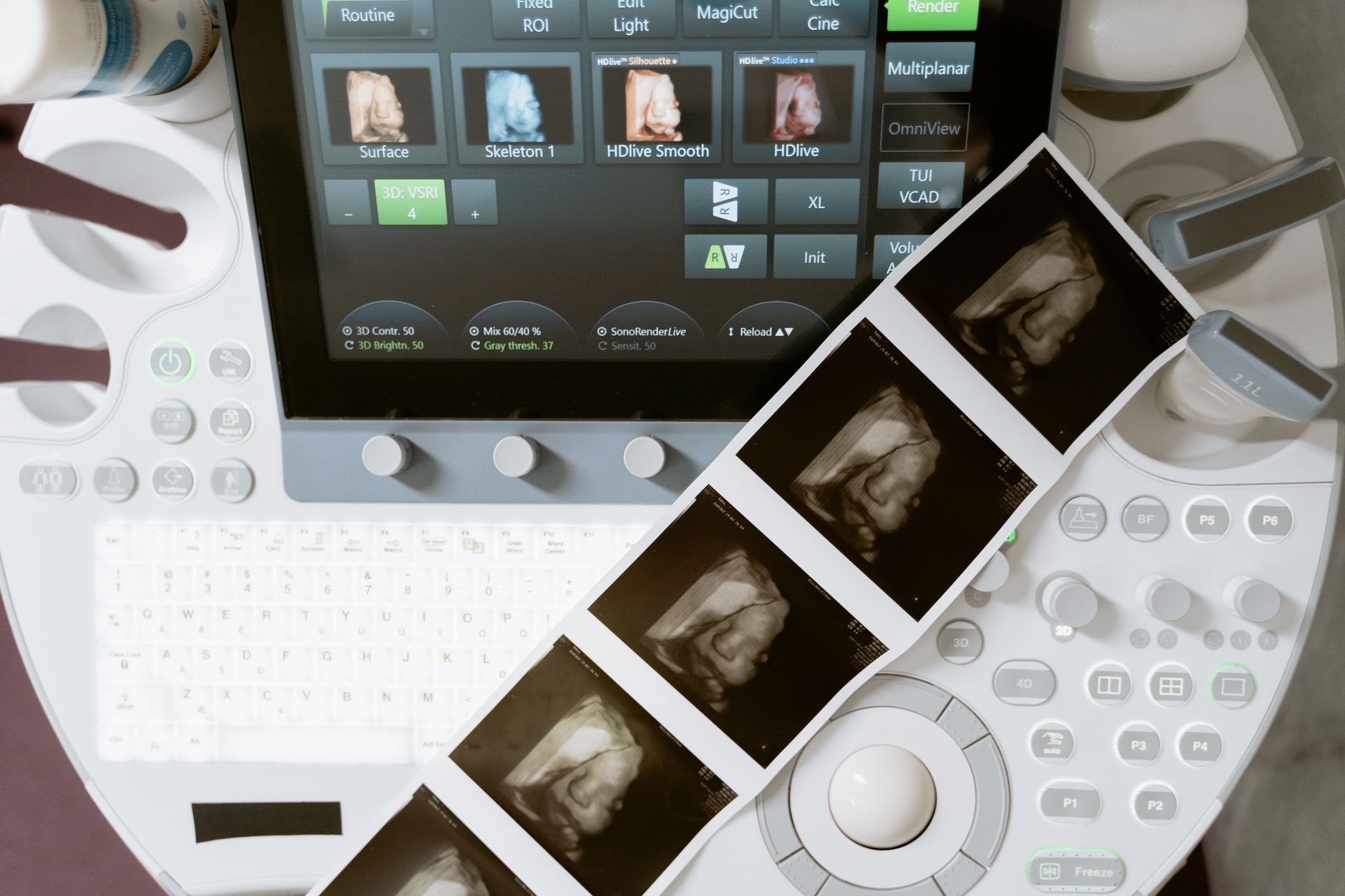
During a BPP, the technician records heart rate and watches for movement, tone, breathing, and fluid.
How is a biophysical profile (BPP) performed step by step?
Even though the BPP feels high‑tech, the procedure itself is straightforward. Here’s what typically happens from the moment you arrive at the clinic:
Check‑in and brief history: The nurse will confirm your due date, any existing conditions, and why the BPP was ordered.
Placement of a fetal heart monitor: A small sensor is attached to your abdomen with a gentle adhesive. It records your baby’s heart rate for about 20‑30 minutes.
Ultrasound assessment: While the monitor stays in place, the sonographer performs a series of quick ultrasound “snapshots.” Each snapshot looks for one of the four non‑cardiac criteria:
Fetal movements – at least three distinct movements in 30 seconds.
Muscle tone – a flexed limb or open hand.
Breathing movements – rhythmic chest or abdominal motion.
Amniotic fluid volume – a depth of at least 2 cm of fluid in a longitudinal pocket.
Scoring: The sonographer assigns 2 points for each observed feature, adds the NST result, and totals the score.
Discussion: The provider reviews the results with you, explaining what the score means and any next steps.
The entire test usually takes 30‑45 minutes, though the actual monitoring portion is only a fraction of that time. You’ll be seated in a comfortable chair, and the sonographer may ask you to take deep breaths or shift slightly to get a better view. In many clinics, a light snack is offered after the test to help stabilize blood sugar, especially if you had to fast beforehand.
The quality of the ultrasound images depends heavily on the sonographer’s skill and the positioning of the transducer. If the baby is in a posterior position or there’s limited fluid, the technician may need to adjust the probe several times to capture each component accurately.
If the initial reading is unclear—perhaps because the baby was unusually quiet—a repeat ultrasound can be performed on the same day. This flexibility helps avoid false‑negative results while keeping your appointment time efficient.
What are normal biophysical profile scores and what do they mean?
Because the BPP uses a simple 0‑10 scale, interpreting the results is fairly intuitive:
Score
Interpretation
Typical next step
8‑10
Reassuring – baby appears well‑oxygenated
Routine follow‑up; repeat in 1‑2 weeks if indicated
6
Borderline – some concern
Repeat BPP or NST within 24 hours; possible intervention
4 or less
Non‑reassuring – possible compromise
Immediate further testing (e.g., Doppler, delivery planning)
Most clinicians consider a score of 8 or 10 as “normal.” A score of 6 still shows two or three reassuring components, but the missing pieces warrant closer observation. Scores below 6 are a red flag that often prompts more intensive monitoring or early delivery.
It’s also useful to look at the scoring chart week by week. Below is a simplified guide that aligns typical timing with expected scores in uncomplicated pregnancies:
Gestational week
Typical BPP score range
Notes
28‑30
8‑10
First routine BPP for many high‑risk patients
32‑34
8‑10
Often repeated if growth restriction is present
35‑37
8‑10
Closer to term; low‑risk patients may not need BPP
38‑40
8‑10
Final assessment before planned delivery
Remember, the score is a snapshot, not a guarantee. A perfect 10 today does not replace the need for ongoing prenatal care. If you receive a borderline or low score, your provider will likely repeat the test within a short window to confirm whether the finding persists.
Guidelines from the National Institute for Health and Care Excellence (NICE) note that a single low BPP should be followed by a confirmatory test—often a Doppler study—before any decision about delivery is made. This layered approach protects against over‑reacting to a temporary lull in fetal activity.
When a low score is confirmed, clinicians use it alongside gestational age and maternal health to decide whether to induce labor, schedule a cesarean, or continue expectant management with steroids for lung maturity.
How are BPP results interpreted for high‑risk pregnancies?
High‑risk pregnancies include conditions such as pre‑eclampsia, gestational diabetes, fetal growth restriction (FGR), or multiple gestations. In these cases, the BPP becomes a key decision‑making tool.
When a high‑risk mother receives a score of 8‑10, clinicians are reassured but may still schedule more frequent follow‑ups—sometimes weekly—because the underlying condition still carries risk. A score of 6 often triggers a repeat BPP within 24 hours or a complementary Doppler ultrasound to assess blood flow in the umbilical artery.
If the score falls to 4 or lower, the provider may discuss immediate delivery, especially if the pregnancy is beyond 34 weeks. For earlier gestations, steroids may be administered to accelerate fetal lung maturity before a possible early birth.
Research from the American College of Obstetricians and Gynecologists (ACOG) notes that in high‑risk groups, a BPP ≤ 6 is associated with a higher likelihood of adverse outcomes, and timely intervention can improve neonatal health. However, the exact threshold can vary by institution, and your care team will tailor recommendations to your specific situation.
In addition to the raw score, clinicians often look at which components are missing. For example, a low fluid score may point to oligohydramnios, prompting closer surveillance of kidney function, while absent breathing movements could indicate a temporary fetal sleep cycle.
Maternal comorbidities such as anemia or severe thrombophilia can also influence BPP interpretation, because they affect oxygen transport to the placenta. Your provider will consider the whole clinical picture, not just the BPP number.
When should a biophysical profile be scheduled during pregnancy?
There isn’t a one‑size‑fits‑all schedule for BPPs. Timing depends on the reason it was ordered and your overall pregnancy health.
Baseline testing: Many providers order a first BPP around 28‑30 weeks for women with chronic hypertension, diabetes, or a prior stillbirth.
Growth concerns: If an ultrasound shows that the baby is small for gestational age, a BPP may be repeated every 1‑2 weeks until the baby reaches a stable weight.
After 32 weeks: For most low‑risk pregnancies, routine BPPs are not required after 32 weeks unless new concerns arise.
Twins or higher-order multiples: Multiple gestations often merit more frequent BPPs, sometimes every week, because each baby shares the placenta and may have different growth patterns.
Pre‑delivery planning: If you’re scheduled for induction or cesarean at 38‑40 weeks, a BPP the week before can confirm that the baby is still thriving.
Insurance coverage varies, but most U.S. plans consider BPP a medically necessary test when a risk factor is documented. In the UK, the NHS provides BPPs under its standard prenatal care pathway for high‑risk patients, and the cost is covered by the public health system.
When you’re unsure whether a BPP is needed, ask your provider about the specific indication. A clear rationale—such as “concern for placental insufficiency” or “persistent non‑reactive NST”—helps ensure the test is both appropriate and reimbursable.
Most clinics ask you to arrive with a comfortably full bladder for the ultrasound portion, but they will let you use the restroom before the monitoring begins. If fasting is required for any reason, they will let you know ahead of time.
Biophysical profile vs non‑stress test: what are the differences?
Both the BPP and the non‑stress test (NST) assess fetal well‑being, but they do so in different ways and provide distinct information.
Reactive vs non‑reactive (based on heart‑rate accelerations)
When used
High‑risk, growth restriction, low amniotic fluid, or unclear NST
Routine screening, early detection of distress
Information
Provides insight into oxygenation, fluid status, and fetal activity
Focuses on heart‑rate response to movement
If an NST is non‑reactive, clinicians often follow up with a BPP to get a more complete picture. Conversely, a normal BPP (score 8‑10) can reassure a provider that an NST’s “reactive” result is accurate. The two tests are complementary rather than interchangeable, and many care pathways incorporate both to maximize safety.
Cost considerations also play a role: the BPP typically incurs a higher charge because of the ultrasound component, whereas an NST may be billed separately. Discuss billing with your clinic if you’re concerned about out‑of‑pocket expenses.
Guidelines from the NHS state that a non‑reactive NST should prompt a BPP within 24 hours, especially after 32 weeks gestation, to rule out fetal compromise before deciding on delivery.
What are the risks and safety concerns of a BPP for mother and baby?
Overall, the BPP is considered safe. The ultrasound component uses low‑intensity sound waves, similar to routine obstetric scans, and the fetal heart monitor is non‑invasive.
Potential, though rare, concerns include:
Maternal discomfort: The adhesive monitor can cause mild skin irritation, especially if you have sensitive skin.
Fetal movement restriction: Applying the sensor may limit the baby’s ability to move freely for a short period, but this does not harm the fetus.
False‑positive results: Factors such as maternal fever, recent medications, or a short‑term lull in activity can lower the score, prompting unnecessary worry.
False‑negative results: In very early gestation (< 28 weeks), the ultrasound may not capture breathing movements, leading to an artificially low score.
Allergic reaction to gel: The conductive gel used for the ultrasound can cause a mild rash in rare cases.
ACOG advises that a BPP should not be performed if the mother has a severe infection, active bleeding, or a known fetal anomaly that makes the ultrasound unsafe. In such cases, alternative monitoring methods—like Doppler studies—may be preferred.
Because the procedure uses no ionizing radiation, the FDA classifies obstetric ultrasound as “generally recognized as safe” when used according to professional guidelines. This classification reassures both clinicians and families that the test poses minimal risk.
How can you prepare for a biophysical profile appointment?
Being prepared can make the experience smoother and reduce anxiety. Here are practical steps you can take:
Stay hydrated: Drink a glass of water about an hour before the test. Adequate fluid levels help ensure a clear view of amniotic fluid.
Wear comfortable clothing: A loose‑fitting top that can be easily lifted makes sensor placement easier.
Bring a snack: Some women feel light‑headed after the test, especially if a full bladder was required.
Know your meds: Inform the sonographer if you’ve taken a sedative, caffeine, or a medication that could affect fetal activity.
Plan for a short wait: While most appointments run on time, bring a book or headphones for the brief monitoring period.
Ask questions ahead of time: Write down any concerns—like cost, insurance coverage, or what a low score means—so you can discuss them with your provider.
Arrive a few minutes early: This gives you time to complete any paperwork and settle in before the monitor is applied.
If you’re worried about cost, check with your insurance carrier before the visit. Many plans cover the BPP when it’s ordered for a documented medical indication. For those without coverage, hospitals often offer a self‑pay rate that can be discussed with the billing office.
Comfortable clothing and a relaxed mindset help the monitor stay in place.
What to expect after a low BPP score?
A low score—typically 4 or below—can feel alarming, but it’s a signal for further evaluation rather than an immediate emergency. Your provider will likely schedule additional testing within the next 24‑48 hours. Common follow‑up steps include:
Repeat BPP: A second profile can confirm whether the low score was a transient finding.
Doppler ultrasound: This assesses blood flow in the umbilical artery and can pinpoint placental insufficiency.
Biophysical monitoring: Continuous fetal monitoring may be instituted for a short period to watch for patterns of distress.
Medication review: Certain drugs (e.g., beta‑agonists) can affect fetal activity; your clinician may adjust dosages.
If the repeat assessments remain concerning, the care team may discuss early delivery options, especially after 34 weeks. In many cases, administering corticosteroids to accelerate lung maturity is recommended before any planned birth.
Throughout this process, keep a log of fetal movements and any new symptoms (e.g., contractions, bleeding). This information helps your provider make the most informed decision.
It’s also normal to feel a surge of anxiety after a low result. Many parents find it helpful to bring a supportive partner or friend to the follow‑up appointment, or to write down their questions in advance. Emotional support can make the next steps feel more manageable.
Lifestyle factors that can influence your BPP results
Everyday habits can subtly affect the components of a BPP. Understanding these factors can help you optimize the test environment.
Caffeine intake: High caffeine consumption (more than 200 mg per day) may reduce fetal movement temporarily. Cutting back 12‑24 hours before the test can improve the chance of a higher score.
Maternal activity: Light exercise earlier in the day, such as a short walk, can increase fetal movements, but strenuous activity right before the test may cause a temporary lull.
Temperature: Fever or overheating can suppress fetal activity. If you’re feeling unwell, discuss postponing the BPP with your provider.
Hydration: Dehydration can lower amniotic fluid volume, so drinking adequate water the day before the test is beneficial.
Smoking and alcohol: Both can affect placental blood flow and amniotic fluid levels, potentially lowering the BPP score. Quitting or reducing use is advisable for overall pregnancy health.
These lifestyle tweaks are not required, but they can help you feel more in control and potentially improve the test’s diagnostic value. Always talk to your obstetrician before making major changes, especially if you have medical conditions that limit fluid or caffeine intake.
Understanding amniotic fluid measurements in a BPP
The amniotic fluid component of the BPP is measured as the deepest vertical pocket (DVP) of fluid in a longitudinal view. A DVP of at least 2 cm is scored as normal (2 points), while a measurement below that is considered low and scores 0.
Low fluid, or oligohydramnios, can signal placental insufficiency, fetal renal issues, or membrane rupture. Conversely, an excess of fluid (polyhydramnios) is not directly scored but may prompt additional evaluation because it can be associated with diabetes or fetal anomalies.
Because fluid volume can change quickly, clinicians often repeat the measurement if the initial DVP is borderline. The ACOG guidelines recommend documenting fluid depth at least twice during a BPP to improve reliability.
Amniotic fluid is measured as the deepest vertical pocket; 2 cm or more scores 2 points.
BPP considerations for twins and higher‑order multiples
When you’re carrying twins or more, each fetus is evaluated separately. The sonographer will obtain a distinct set of four ultrasound observations and an NST for each baby, then add the scores together for a combined total out of 20.
Because multiple babies share the same placenta (in many cases), the amniotic fluid measurement applies to the shared environment, but individual movement and breathing scores can differ. A low score in one twin may prompt closer surveillance of that fetus, while the other may remain reassuring.
Guidelines from the Society for Maternal‑Fetal Medicine (SMFM) advise that BPPs for multiples be performed more frequently—often weekly after 28 weeks—because the risk of placental insufficiency rises with each additional fetus.
Alternative monitoring when BPP is not feasible
There are situations where a BPP cannot be performed—for example, if the mother has a severe infection, a ruptured membrane, or an allergy to the ultrasound gel. In those cases, clinicians turn to other tools.
Doppler ultrasound: This assesses blood flow in the umbilical artery and can identify placental insufficiency without the full BPP.
Maternal blood tests: Levels of placental growth factor (PlGF) and soluble fms‑like tyrosine kinase‑1 (sFlt‑1) can help gauge pre‑eclampsia risk.
Home fetal monitoring: Some providers prescribe a portable Doppler device for daily checks, especially in remote areas.
Biophysical monitoring: Continuous electronic fetal monitoring in a hospital setting can substitute for a BPP when rapid assessment is needed.
While these alternatives don’t provide the full picture of a BPP, they can still give valuable information about fetal well‑being and guide clinical decisions.
Doctor’s note
From our medical team: The biophysical profile is a valuable, low‑risk tool for assessing fetal well‑being when there are known concerns. A score of 8‑10 is reassuring, but remember that a single test is just one piece of the puzzle. If you receive a lower score, your provider will likely repeat the test or add Doppler studies to get a fuller picture. Always discuss any abnormal result with your obstetrician—early intervention can make a big difference.
Myth vs. fact
Myth: A BPP is only for women with severe complications.
Fact: While it’s most commonly ordered for high‑risk pregnancies, a BPP can also be used when an NST is non‑reactive, or when growth restriction is suspected, regardless of overall risk level.
Myth: A low BPP score always means the baby is in danger.
Fact: A low score signals that further evaluation is needed. Many low scores are due to temporary factors—like maternal fever or a brief lull in movement—and resolve with repeat testing.
Myth: The ultrasound part of a BPP exposes the baby to harmful radiation.
Fact: Ultrasound uses sound waves, not ionizing radiation, and the energy level is well below safety thresholds set by the FDA and ACOG.
Key takeaways
A biophysical profile combines heart‑rate monitoring with four ultrasound observations to give a score out of 10.
Scores 8‑10 are reassuring; 6 indicates borderline concern; 4 or less requires immediate follow‑up.
High‑risk pregnancies often need BPPs every 1‑2 weeks, especially after 32 weeks or with twins.
The BPP is safe, non‑invasive, and generally covered by insurance when medically indicated.
Prepare by staying hydrated, wearing loose clothing, and bringing a snack for after the test.
Any abnormal result should be discussed with your provider—early action can improve outcomes.
Lifestyle factors such as caffeine, hydration, and maternal temperature can influence the score.
After a low score, expect repeat testing, Doppler studies, and possibly early delivery planning.
Amniotic fluid depth is a key component; 2 cm or more is considered normal.
For twins, each fetus is scored separately, and the combined total guides monitoring frequency.
Frequently asked questions
What is a biophysical profile (BPP) in pregnancy?
A biophysical profile is a combined test that uses an NST and four ultrasound observations—fetal movement, tone, breathing, and amniotic fluid—to assess how well the baby is doing.
How long does a BPP test take?
The entire BPP usually takes 30‑45 minutes, though the heart‑rate monitoring portion is only about 20‑30 minutes.
What are the components of a biophysical profile?
It includes a non‑stress test (NST) plus ultrasound checks for fetal movements, muscle tone, breathing motions, and the depth of amniotic fluid.
What is considered a normal BPP score?
A score of 8‑10 is considered normal and reassuring; 6 is borderline and often prompts repeat testing; 4 or lower signals possible fetal compromise.
Can a BPP test predict stillbirth?
While a low BPP score is associated with higher risk, the test alone cannot predict stillbirth. It is one tool among many that helps clinicians identify potential problems early.
Is a BPP safe for the baby?
Yes. The ultrasound uses low‑intensity sound waves, and the fetal heart monitor is non‑invasive, making the BPP a safe procedure for both mother and baby.
How often should a BPP be repeated if the first result is low?
Guidelines from ACOG recommend repeating the BPP within 24‑48 hours, often accompanied by a Doppler study, to determine whether the low score persists or was a temporary finding.
Will my insurance cover the cost of a biophysical profile?
Most U.S. insurers consider a BPP medically necessary when a documented risk factor exists, so they usually cover it. In the UK, the NHS provides BPPs for high‑risk pregnancies at no out‑of‑pocket cost.
Can I eat or drink before a BPP?
Yes, you can have a light snack and a glass of water before the test. Some clinics ask for a comfortably full bladder for the ultrasound portion, but they will let you use the restroom before the monitor is attached.
What does a “reactive” result mean in the context of a BPP?
In a BPP, “reactive” refers to the NST component showing appropriate heart‑rate accelerations in response to fetal movements. A reactive NST contributes 2 points toward the overall BPP score, helping to push the total into the reassuring 8‑10 range.
When to call your doctor
If you experience any of the following after your BPP appointment, contact your provider promptly:
Sudden or severe abdominal pain.
Bleeding that is heavier than spotting.
Fever above 100.4 °F (38 °C) that does not resolve with acetaminophen.
Decreased fetal movement after the test.
Any new concerning symptoms, such as headache, vision changes, or swelling of the hands/face.
These signs may indicate a need for urgent evaluation. This article is for informational purposes only and does not replace personalized medical advice.
References
American College of Obstetricians and Gynecologists (ACOG). “Guidelines for Fetal Surveillance.” 2023 Clinical Practice Bulletin.
National Institute for Health and Care Excellence (NICE). “Fetal Monitoring in Pregnancy.” Updated 2022.
Society for Maternal‑Fetal Medicine (SMFM). “Biophysical Profile: Indications and Interpretation.” 2021 consensus statement.
U.S. Food and Drug Administration (FDA). “Ultrasound Safety in Obstetrics.” 2022 safety communication.
Royal College of Obstetricians and Gynaecologists (RCOG). “Management of High‑Risk Pregnancy.” 2023 guideline.
Centers for Disease Control and Prevention (CDC). “Pregnancy‑Related Care: Monitoring Guidelines.” 2022.
National Health Service (NHS). “Non‑stress Test and Biophysical Profile.” 2023 patient information page.
Not sure about the label on Biophysical Profile Bpp Pregnancy products?
Snap the ingredients list and SafeFilter checks every ingredient for your stage — only 3 free scans this month, then you're locked until reset. Unlimited from $7/mo or lock $50/yr through Aug 31 (5 days left).
When Shubhra Mishra was expecting her first child in 2016, she was overwhelmed by conflicting food advice — one site said yes, another said never. By the time her second baby arrived in 2019, she realized millions of mothers face the same confusion.
That sparked a five-year journey through clinical nutrition papers, cultural diets, and expert conversations — all leading to BumpBites: a calm, compassionate space where science meets everyday motherhood.
Her long-term vision is to build a global community ensuring safe, supported, and free deliveriesfor every mother — because no woman should face pregnancy alone or uninformed. 🌿
🌍 Stand with mothers, shape safer guidance
Join a small circle of experts who review BumpBites articles so expecting parents everywhere can decide with confidence.