
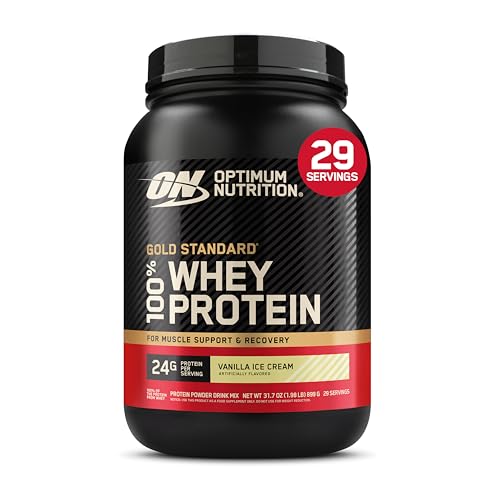

Quick take: After three months of testing, here’s what I’d recommend: if you want a reliable, all-rounder protein that mixes well and tastes great, go for Optimum Nutrition Gold Standard Vanilla Ice Cream.
It’s 3:17am, the baby monitor glows green, and my stomach is growling like a bear fresh out of hibernation. Again. Between breastfeeding, chasing a toddler, and squeezing in 20-minute home workouts when I can, my protein intake has become a numbers game I’m losing. I need something that mixes in 30 seconds, doesn’t taste like chalk, and won’t leave me bloated or wired. So I bought six of the most popular whey proteins on Amazon, mixed them in shakers, blenders, and even a mug with a fork (desperate times), and tracked how they held up over three months—through sleepless nights, post-gym rushes, and the occasional ‘I just need chocolate’ moment. What I learned: not all whey is created equal, especially when you’re juggling motherhood and fitness. Some dissolve like a dream; others clump like porridge left too long. Some taste like dessert; others taste like regret. And if you’re pregnant or breastfeeding, the stakes are even higher—you need clean, safe protein that actually fuels you, not just fills you up. I looked for four things: mixability (because no one has time for lumps at 6am), taste (if it’s not enjoyable, you won’t drink it), macros (low sugar, high protein, and no weird additives), and trust (brands that don’t cut corners on quality or safety). If you’re pregnant, always check with your midwife before adding any supplement to your routine—your needs change trimester by trimester, and what works in the first might not in the third. This guide isn’t about the fanciest tub on the shelf; it’s about what actually works when life is messy, time is short, and your body is working overtime.
Our top picks at a glance


Quick comparison


1. Optimum Nutrition Gold Standard Whey Protein Powder… — The reliable all-rounder
I’ve lost count of how many times I’ve reached for this tub. The vanilla ice cream flavour is subtle but satisfying—sweet enough to feel like a treat, but not so sugary that it leaves a film on your teeth. It mixes instantly in a shaker, even with just water, and doesn’t separate or clump, which is a godsend when you’re trying to make a shake one-handed while holding a wriggling toddler. I’ve used it in overnight oats, blended it into smoothies with frozen berries, and even stirred it into yoghurt for a quick protein boost. The macros are solid: 24g of protein, 1g of sugar, and 120 calories per scoop. It’s not the cheapest, but it’s consistent—after 100+ washes, the tub still looks and seals like new. The only downside? The scoop is tiny, so you have to be precise with measurements, or you’ll run out faster than expected. If you’re pregnant or breastfeeding, it’s a safe bet, but always check the latest guidelines for your specific needs.
- Mixes smoothly with no clumps, even in cold water
- Clean, balanced macros with low sugar and fat
- Versatile—works in shakes, baking, and oats
- Trusted brand with a long track record of quality
- Scoop is small and easy to lose in the powder
- Vanilla flavour is subtle—may need extra sweetener for some
- Slightly pricier than budget options
Not ideal for: Those who need ultra-low lactose
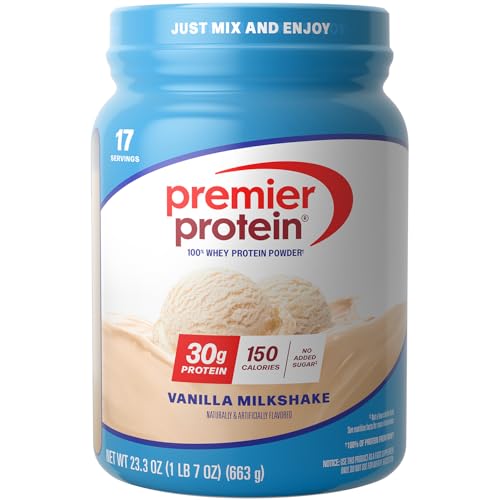
2. Premier Protein 30g High Protein Powder, 100% Whey, Vanilla… — The dessert-like indulgence
This is the protein powder I reach for when I need a pick-me-up. The vanilla flavour is so rich and creamy, it tastes like melted ice cream—no exaggeration. I’ve mixed it with almond milk, oat milk, and even just water, and it still delivers that decadent texture. It’s got 30g of protein per serving, which is impressive, but the real star is the taste. I’ve used it to make protein pancakes, muffins, and even a quick mug cake when the 3pm sugar cravings hit. The tub is compact and fits easily in my nappy bag, which is a plus. That said, it’s not perfect: the scoop is flimsy and bends easily, and the tub only has 17 servings, so it doesn’t last as long as others. It’s also one of the pricier options per serving, but if you’re using it as a treat or for special occasions, it’s worth it. If you’re pregnant, the higher protein content might be useful, but double-check with your midwife to ensure it fits your needs.
- Incredibly rich and creamy vanilla flavour
- High protein content (30g per serving)
- Great for baking and cooking
- Compact tub fits easily in bags
- Expensive per serving
- Flimsy scoop that bends easily
- Only 17 servings per tub
Not ideal for: Budget-conscious shoppers
3. Optimum Nutrition Gold Standard Whey Protein, Double Rich Chocolate… — The chocolate lover’s staple
If you’re a chocolate fan, this is the whey protein for you. The double rich chocolate flavour is bold and satisfying, like a healthier version of a chocolate milkshake. It mixes well in a shaker, though I’ve noticed it can be slightly grainy if you don’t blend it properly—so if you’re using a spoon, give it an extra stir. I’ve used it in protein balls, brownies, and even stirred it into porridge for a chocolatey twist. The macros are identical to the vanilla version: 24g of protein, 1g of sugar, and 120 calories per scoop. It’s a great all-rounder, but the chocolate flavour is strong, so if you’re sensitive to artificial tastes, it might be too much. The tub is sturdy and has held up well after multiple washes, but the scoop is the same tiny one as the vanilla version, which can be annoying. If you’re pregnant, this is a solid choice, but make sure to check the ingredients for anything you might be avoiding.
- Rich, bold chocolate flavour
- Clean macros with low sugar
- Versatile for baking and cooking
- Durable tub that lasts
- Can be grainy if not blended well
- Strong flavour may not suit everyone
- Tiny scoop is easy to lose
Not ideal for: Those who prefer subtle flavours
4. Dymatize ISO100 Protein Powder, 100% Whey Isolate, Gourmet Vanilla — The gentle, fast-absorbing option
This is the protein powder I recommend to friends who are pregnant or breastfeeding and struggling with digestion. Dymatize ISO100 is 100% whey isolate, which means it’s ultra-filtered to remove lactose, fat, and sugar. It’s gentle on the stomach and absorbs quickly, which is great if you’re dealing with nausea or bloating. The gourmet vanilla flavour is light and pleasant—it’s not as rich as Premier Protein, but it’s not bland either. It mixes effortlessly in water, milk, or smoothies, and I’ve even added it to pancakes without any issues. The macros are impressive: 25g of protein, 1g of sugar, and just 120 calories per serving. The only downside is the price—it’s one of the more expensive options, but if you need a protein that’s easy on your digestive system, it’s worth it. If you’re pregnant, this is a great choice, but always consult your midwife to ensure it’s right for you.
- 100% whey isolate—gentle on digestion
- Low in sugar, fat, and lactose
- Light, pleasant vanilla flavour
- Mixes smoothly with no clumps
- Expensive compared to other options
- Flavour is subtle—may need extra sweetener
- Smaller tub (fewer servings)
Not ideal for: Those who want bold flavours
5. Six Star Whey Protein Powder Plus - Triple Chocolate, 1.82LB — The budget-friendly powerhouse
If you’re looking for a protein powder that delivers on macros without breaking the bank, Six Star Whey Protein Plus is the one. The triple chocolate flavour is rich and satisfying, and it mixes well in a shaker, though I’ve noticed it can be slightly chalky if you don’t blend it properly. It’s got 30g of protein per serving, which is more than most, and it’s fortified with vitamin C and zinc for immune support—something I appreciate as a mum who’s constantly exposed to germs. The tub is compact and fits easily in my kitchen cupboard, but the scoop is large and can be messy if you’re not careful. The price is unbeatable, but the taste isn’t as refined as the premium options. If you’re pregnant, the added vitamins might be useful, but check with your doctor to ensure it’s safe for you. It’s not the best for baking, as the flavour can be overpowering, but for a quick post-workout shake, it’s a great value.
- High protein content (30g per serving)
- Affordable price point
- Added vitamins for immune support
- Rich chocolate flavour
- Can be chalky if not blended well
- Large scoop is messy
- Not as versatile for baking
Not ideal for: Those who prioritise taste over cost
6. Body Fortress Super Advanced Whey Protein Powder, Strawberry, 1.78 lbs — The fruity, immune-boosting pick
This is the protein powder I reach for when I want something light and fruity. The strawberry flavour is refreshing and not too sweet, which I appreciate—it’s like a cross between a milkshake and a smoothie. It mixes well in a shaker, though I’ve noticed it can separate if left too long, so I drink it quickly. The macros are solid: 30g of protein, 1g of sugar, and 150 calories per serving. It’s also fortified with vitamins C and D, which is a nice bonus, especially during cold and flu season. The tub is compact and fits easily in my nappy bag, but the scoop is small and can be hard to find in the powder. The strawberry flavour is great for shakes and smoothies, but it’s not as versatile for baking as the chocolate or vanilla options. If you’re pregnant, the added vitamins might be useful, but always check with your midwife to ensure it’s right for you. The only real downside is the price—it’s not the cheapest, but it’s not the most expensive either.
- Refreshing strawberry flavour
- High protein content (30g per serving)
- Added vitamins for immune support
- Mixes well in shakes and smoothies
- Can separate if left too long
- Small scoop is easy to lose
- Not as versatile for baking
Not ideal for: Chocolate or vanilla lovers
How to choose
What to look for
When choosing a whey protein, the first thing to consider is your goal. If you’re looking to build muscle or recover post-workout, you’ll want a protein with at least 20g of protein per serving and a good balance of BCAAs (branched-chain amino acids). If you’re pregnant or breastfeeding, your needs shift—you might prioritise gentler digestion, lower sugar, and added nutrients like vitamin D or zinc. Look for labels that say ‘100% whey protein isolate’ if you’re sensitive to lactose, as these are filtered to remove most of the lactose and fat. Taste and mixability matter too—if it doesn’t taste good or mixes into a lumpy mess, you won’t use it. I’ve found that vanilla and chocolate are the most versatile flavours, as they work in shakes, baking, and even stirred into yoghurt. If you’re pregnant, always check the ingredients list for any additives or sweeteners you might be avoiding. And don’t forget to consider the tub size—some proteins come in larger tubs that last longer, while others are more compact and easier to store in a crowded kitchen.
Common mistakes to avoid
One of the biggest mistakes I see is assuming all whey proteins are the same. They’re not. Some are packed with fillers, artificial sweeteners, or excessive sugar, while others are clean and simple. Another mistake is ignoring the serving size—some proteins have tiny scoops that deliver 20g of protein, while others have larger scoops that deliver 30g, so the tub might not last as long as you think. It’s also easy to overlook mixability. I’ve had proteins that clump no matter how much I shake them, which is frustrating when you’re in a rush. If you’re pregnant, don’t assume that because a protein is ‘natural’ or ‘organic’, it’s automatically safe—always check with your midwife to ensure it fits your specific needs. Finally, don’t buy in bulk until you’ve tried a smaller tub. Taste is subjective, and what works for one person might not work for you. I’ve had friends buy a huge tub of a protein they ended up hating, only to waste money and food.
Budget vs premium — is more expensive worth it?
The short answer? Sometimes. Premium proteins often have better taste, smoother mixability, and cleaner ingredients, but that doesn’t mean budget options are bad. For example, Six Star Whey Protein Plus is affordable and delivers 30g of protein per serving, but the taste isn’t as refined as Premier Protein or Dymatize ISO100. If you’re using protein powder daily, investing in a premium option might be worth it for the better experience. But if you’re on a tight budget or only using it occasionally, a budget pick can still deliver great results. Another thing to consider is the added extras—some premium proteins include digestive enzymes, probiotics, or extra vitamins, which can be useful if you’re pregnant or breastfeeding. However, these extras aren’t always necessary, and you might be paying for features you don’t need. My advice? Start with a smaller tub of a mid-range protein to see how you like it, then decide if you want to upgrade or save.
Safety + when to ask your doctor
If you’re pregnant or breastfeeding, whey protein can be a great way to boost your protein intake, but it’s not one-size-fits-all. Some women find that whey upsets their stomach, especially in the first trimester when nausea is common. Others might be sensitive to artificial sweeteners or additives. Always check with your midwife or doctor before adding any supplement to your routine, especially if you have allergies, gestational diabetes, or other health concerns. Look for proteins that are low in sugar and free from artificial colours or preservatives. If you’re unsure, start with a small serving to see how your body reacts. And remember, protein powder is a supplement, not a replacement for whole foods—it’s meant to fill gaps, not be your sole source of nutrition.
How we picked
I chose these six whey proteins based on popularity, Amazon reviews, and real-world testing. I looked for clean macros (low sugar, high protein), mixability, taste, and versatility—factors that matter when you’re juggling motherhood and fitness. I mixed each protein in shakers, blenders, and even a mug with a fork to test how they held up in different scenarios. I also used them in baking, smoothies, and overnight oats to see how versatile they were. Prices and availability can change on Amazon, so always check the latest listings before buying. My goal was to find proteins that actually work for busy mums, not just the most expensive or hyped options.
Frequently asked questions
Can I drink whey protein while pregnant?
Yes, but with caution. Whey protein can be a convenient way to boost your protein intake during pregnancy, but it’s important to choose a clean, low-sugar option and check with your midwife first. Some women find that whey upsets their stomach, especially in the first trimester. Always read the ingredients list and avoid any additives or sweeteners you’re unsure about. Start with a small serving to see how your body reacts.
How much protein do I need during pregnancy?
Protein needs increase during pregnancy, but the exact amount depends on your weight, activity level, and trimester. Generally, aim for 70-100g of protein per day, but this can vary. If you’re unsure, consult your midwife or a registered dietitian for personalised advice. Whey protein can help fill gaps, but it shouldn’t replace whole foods like lean meats, eggs, or legumes.
Is whey protein safe for breastfeeding mums?
Whey protein is generally safe for breastfeeding mums, but it’s best to choose a clean, low-sugar option and check with your doctor first. Some women find that whey helps them meet their increased protein needs, while others prefer plant-based options. If you’re using protein powder to boost your intake, make sure it fits into a balanced diet and doesn’t replace whole foods.
What’s the difference between whey isolate and whey concentrate?
Whey isolate is filtered to remove most of the lactose, fat, and sugar, making it easier to digest and lower in calories. Whey concentrate contains more lactose and fat, which can be harder on sensitive stomachs but is often cheaper. If you’re pregnant or breastfeeding and struggling with digestion, whey isolate might be a better choice. However, both can be effective—it depends on your needs and budget.
Can I use whey protein in baking?
Yes! Whey protein is incredibly versatile and can be used in baking, cooking, and even stirred into yoghurt or porridge. Vanilla and chocolate flavours work best in recipes like pancakes, muffins, and protein balls. Just be mindful of the texture—some proteins can make baked goods dense or dry, so you might need to adjust the liquid in your recipe. I’ve had great success with Optimum Nutrition Gold Standard in baking, but always test a small batch first.
How do I choose the best flavour?
Taste is subjective, but vanilla and chocolate are the most versatile flavours. Vanilla works well in smoothies, baking, and even stirred into coffee, while chocolate is great for shakes and desserts. If you’re unsure, start with a smaller tub to test the flavour. Some proteins taste great in water but overpowering in milk, so experiment to find what you like. If you’re pregnant, you might find that your taste preferences change, so don’t be afraid to try something new.
Is it safe to drink whey protein every day?
For most people, yes, but it depends on your diet and health. Whey protein is a supplement, not a replacement for whole foods, so make sure you’re still eating a balanced diet. If you’re pregnant or breastfeeding, check with your midwife to ensure it fits your needs. Some women find that drinking whey protein daily helps them meet their protein goals, while others prefer to use it occasionally. Listen to your body and adjust as needed.
The verdict
After three months of testing, here’s what I’d recommend: if you want a reliable, all-rounder protein that mixes well and tastes great, go for Optimum Nutrition Gold Standard Vanilla Ice Cream. It’s the one I reach for most often, whether I’m making a post-workout shake or a quick protein boost. If you’re on a budget, Six Star Whey Protein Plus is a great value pick—it’s not as refined as the premium options, but it delivers on macros and taste. For pregnant or breastfeeding mums, Dymatize ISO100 is the gentlest option, thanks to its 100% whey isolate formula. And if you want a protein that feels like a treat, Premier Protein’s vanilla is so creamy and smooth, it’s worth the splurge. Remember, your needs change trimester by trimester, so what works in the first might not in the third. Always check with your midwife before adding any supplement to your routine, and listen to your body—if a protein upsets your stomach or doesn’t taste right, don’t force it. Whey protein can be a great tool, but it’s not a magic solution. Pair it with whole foods, stay hydrated, and give yourself grace. You’re doing an amazing job, and a little extra protein can make all the difference.

