ewborns have delicate skin and very short sleep cycles—often 45‑60 minutes of light sleep followed by brief awakenings. Because of this, a bath that is too close to the sleep window can feel like a wake‑up call rather than a wind‑down cue.
Recommended interval
For newborns, aim for 20‑30 minutes between the end of the bath and the start of the bedtime routine. This short period allows the body temperature to dip, while still keeping the overall routine brief enough not to overstimulate the infant.
Practical tip
Prepare everything you’ll need (towel, clean diaper, night‑time onesie) before you start the bath. When the water is off, gently pat the baby dry, dress them, and transition directly to a calm activity like a soft lullaby or a brief rocking session. The smoother the hand‑off, the less chance of a sudden alertness spike.
Having everything at hand reduces the time you spend searching for items, keeping the routine calm and predictable.
Does a warm bath improve infant sleep patterns and how to time it?
Several small‑scale studies, including those cited by the National Sleep Foundation, have found that a warm bath can modestly improve total sleep time and reduce night‑time awakenings when timed correctly. The key is the temperature dip that follows a warm soak, which mimics the natural drop in core temperature that occurs at night.
How temperature influences melatonin
The body’s core temperature falls by about 0.5 °C (0.9 °F) during the first hour after a warm bath, a change that triggers the pineal gland to secrete melatonin. This effect is most pronounced when the water is around 37‑38 °C (98‑100 °F) and the room is kept at a comfortable 20‑22 °C (68‑72 °F).
Timing the dip
Start the bath, keep it to 5‑10 minutes, and then spend an additional 30‑45 minutes on low‑light activities before the final sleep cue (e.g., a lullaby). This window lets the temperature dip and melatonin rise align with the baby’s natural sleep drive.
Studies also note that consistency matters more than occasional variation; a regular schedule reinforces the sleep‑inducing hormone cascade.
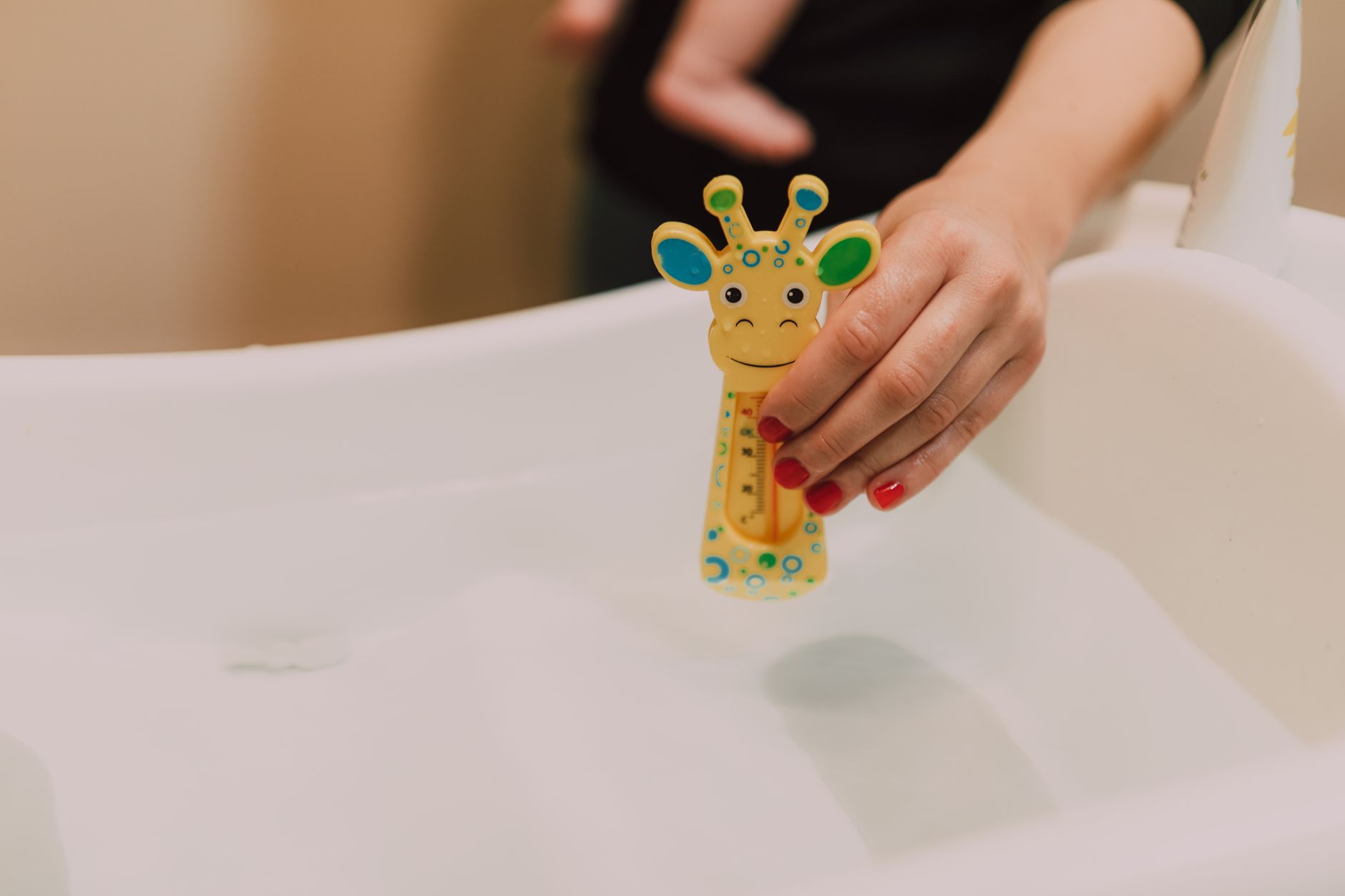
Getting the water temperature just right is crucial for safety and effectiveness. The American Academy of Pediatrics recommends a water temperature of 37‑38 °C (98‑100 °F) for infant baths. Anything cooler may not create the needed warmth, while hotter water risks burns and can overstimulate the baby.
To check the temperature, use a bath thermometer or the “wrist test”: the water should feel warm, not hot, on the inside of your wrist—similar to the temperature of a comfortably warm shower.
Both the NHS and the FDA advise checking water temperature with a reliable thermometer to avoid accidental burns.
How to create a bedtime routine that includes a nighttime bath for a baby
Consistency is the secret sauce of any successful sleep routine. Below is a step‑by‑step guide you can adapt for newborns, three‑month‑olds, and six‑month‑olds. The routine blends a warm bath with soothing sensory cues that signal bedtime.
- Preparation (5 minutes): Gather a soft towel, clean diaper, night‑time onesie, a gentle baby wash (preferably fragrance‑free), and a small bucket of warm water for a quick temperature check.
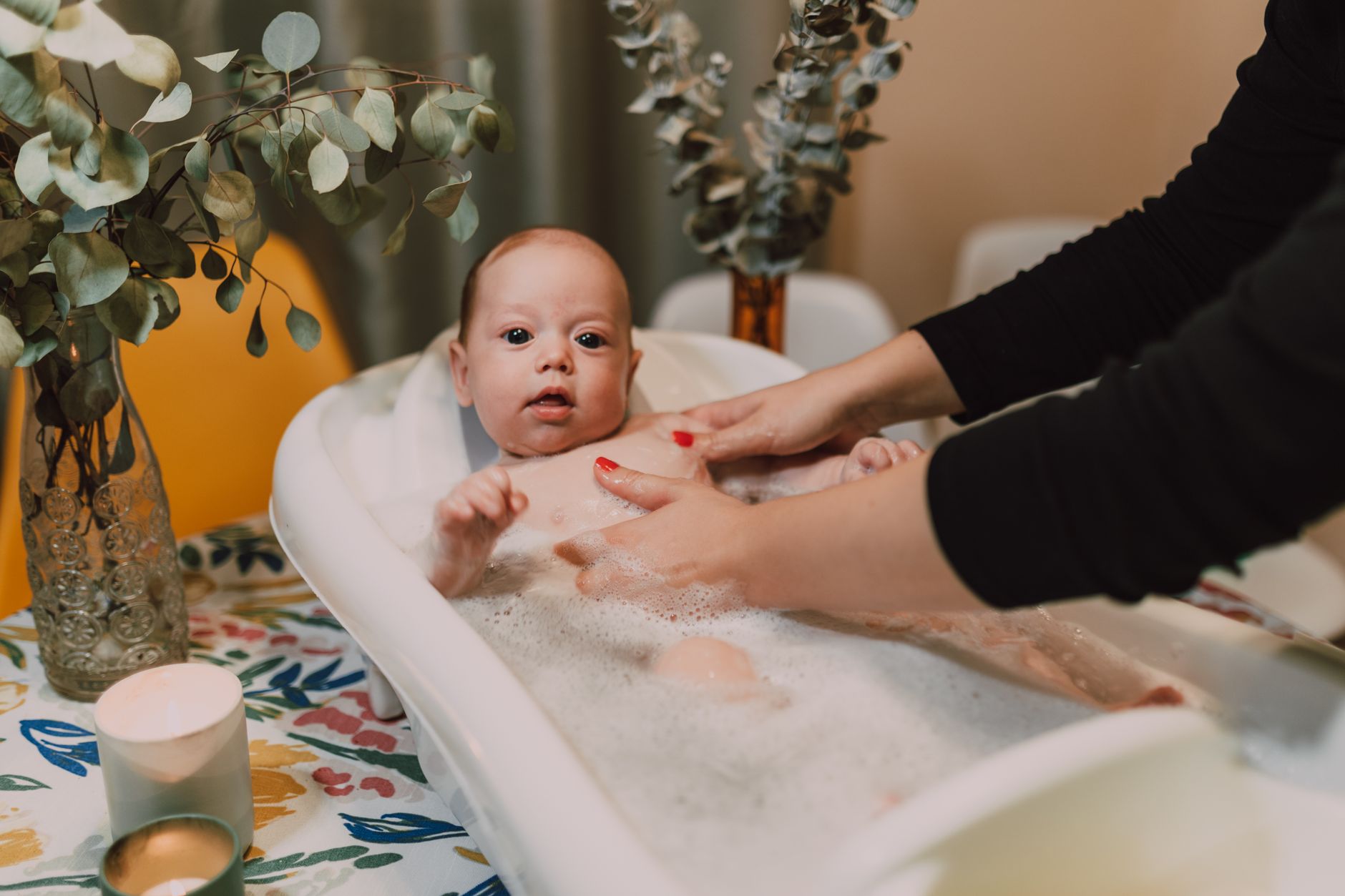
- Bath (5‑10 minutes): Fill the tub with 2‑3 inches of water at 37‑38 °C (98‑100 °F). Gently place baby in the water, using a soft washcloth to cleanse the face, neck, and diaper area. Speak in a calm voice; the sound of your voice is a powerful cue for relaxation.
- Dry and dress (3 minutes): Pat the baby dry with a towel, paying special attention to skin folds. Dress in a breathable, single‑layer sleep outfit that’s easy to change if the baby wakes.
- Massage (2‑3 minutes): Apply a tiny amount of hypoallergenic baby oil or lotion, using slow, circular strokes on the arms, legs, and back. This tactile stimulation helps lower heart rate.
- Dim lights & soft music (5 minutes): Lower the room lighting to a warm amber hue and play a lullaby or white‑noise machine at a low volume (around 40‑50 dB). This creates a calm environment conducive to melatonin release.
- Feeding (if needed, 10‑15 minutes): If your baby is still hungry, feed after the bath. The act of feeding releases oxytocin, which further promotes relaxation. Keep the feeding calm and brief.
- Final cue (2 minutes): Place the baby in the crib while they are drowsy but still slightly awake. Offer a gentle “goodnight” phrase. Avoid rocking or bouncing once the baby is in the crib, as this can create a sleep association that makes independent settling harder.
Adjust the timing of each step based on your baby’s age. For newborns, keep the entire routine under 20 minutes to avoid overstimulation. For a three‑month‑old, you can stretch the music and massage phases to a total of 15 minutes, allowing more time for the temperature dip to take effect.
Having a visual checklist of the steps can help you stay on track even on sleepy evenings.
Should I bathe my baby after feeding to help them sleep longer?
Many parents wonder if a bath right after a feeding can extend the baby’s sleep stretch. The answer depends on the baby’s digestive comfort and the timing of the bath relative to the feeding.
Pros of bathing after feeding
- A warm bath can help relax the abdominal muscles, potentially easing gas or mild reflux.
- The calming routine may reinforce a sleep cue, especially if the feeding is the last wake‑up of the evening.
Potential cons
- If the baby is very full, a bath may cause discomfort, leading to fussiness.
- Some infants experience “gurgle” noises when lying flat after a feed; a bath could exacerbate this if the baby is placed in a supine position too soon.
Practical recommendation
For most infants, it’s safest to feed first, then wait 10‑15 minutes before starting the bath. This short pause allows the initial surge of digestion to settle, reducing the risk of spitting up or discomfort during the soak.
Following this sequence also aligns with ACOG guidance on minimizing reflux triggers after feeds.
Nighttime bath tips for newborns with colic and sleep issues
Colic—characterized by prolonged, inconsolable crying—often peaks between 2–6 weeks of age. A soothing bath can be a valuable tool, but it must be executed gently to avoid aggravating a sensitive gut.
Gentle water flow
Use a shallow tub with a soft, slow‑dripping faucet. A handheld sprayer set to a low flow can provide a comforting “rain” sensation without overwhelming the baby’s nervous system.
Temperature consistency
Maintain the water at the same 37‑38 °C (98‑100 °F) level each night. Sudden changes can trigger a stress response, which may worsen colic symptoms.
Added soothing elements
- Warm compress on the tummy: After the bath, place a warm (not hot) water‑filled cloth on the baby’s abdomen for a minute. This can help relieve gas bubbles.
- Gentle swaddling: After drying, loosely swaddle the baby in a breathable blanket to mimic the snug environment of the womb.
Combine these steps with a low‑light environment and a quiet lullaby. Consistency—doing the same routine nightly—helps the infant’s nervous system anticipate calm, which can gradually reduce colic episodes.
Parents often report that the rhythmic sound of water can act like a white‑noise backdrop, soothing a colicky baby.
How many minutes should a baby’s bath last for optimal sleep?
Length matters as much as temperature. A bath that is too long can become stimulating, while one that is too brief may not allow the skin‑temperature dip needed for melatonin release.
Recommended duration by age
- Newborn (0‑2 months): 5‑7 minutes
- Three‑month‑old: 7‑10 minutes
- Six‑month‑old: 8‑12 minutes
Keep the focus on gentle cleansing—no vigorous scrubbing or toys that could raise excitement levels. End the bath with a quick, reassuring “goodnight” whisper, then transition to the next step of your routine.
A short, predictable bath helps the baby associate the activity with relaxation rather than play.
Best bedtime routine for a 3‑month‑old baby
At three months, babies begin to develop a more regular circadian rhythm, making a predictable bedtime routine especially powerful.
- Bath (7‑10 minutes): Warm water at 37‑38 °C, gentle washing, and a brief massage.
- Quiet feeding (10‑15 minutes): Breast or bottle in a dimly lit room, keeping eye contact soft.
- Story or lullaby (5 minutes): Choose a short, soothing story or a single lullaby.
- Swaddle or dress (2 minutes): Use a breathable swaddle or a sleep‑one‑piece; avoid overly tight wraps.
- Crib placement (1 minute): Lay the baby down drowsy but awake, give a gentle “goodnight” pat, and step away.
Repeating this sequence nightly signals the brain that sleep is imminent, reinforcing the melatonin rise triggered by the earlier bath.
It’s helpful to keep the lighting dim and avoid sudden noises during this routine.
How many baths per week is safe for newborns?
Newborn skin is delicate, and over‑bathing can strip natural oils, leading to dryness or irritation. The AAP advises that 2‑3 baths per week are sufficient for most newborns, especially when the rest of the cleaning is done with sponge baths or gentle wipes.
If your baby enjoys a nightly bath and shows no signs of dry skin, you can continue—with the caveat of using fragrance‑free, hypoallergenic cleansers and always checking for any rash or irritation. If you notice redness, scaling, or increased fussiness, reduce the frequency and consult your pediatrician.
Monitoring skin condition daily helps you catch any irritation early.
Effects of nighttime bathing on baby’s melatonin production
Melatonin, the “dark‑time hormone,” is produced by the pineal gland in response to a drop in core body temperature. A warm bath creates a controlled rise followed by a rapid cool‑down, essentially mimicking the body’s natural evening temperature pattern.
Studies cited by the National Institute of Child Health and Human Development (NICHD) indicate that infants who receive a warm bath 30‑45 minutes before sleep exhibit a modest increase in melatonin levels, leading to longer initial sleep periods and fewer night‑time awakenings. The effect is not dramatic but is consistent enough to be considered a helpful component of a broader sleep‑support strategy.
The NICHD notes that melatonin’s impact is amplified when combined with a dim environment and consistent bedtime cues.
Bath time vs bedtime: which is better for infant sleep?
Both bath time and bedtime serve as cues, but the timing of each matters. A bath that is too close to bedtime can act as a wake‑up call, while a bath too far in advance may lose its calming effect.
Key comparison
Overall, starting with a warm bath about 30‑60 minutes before the intended sleep time provides the most reliable cue for melatonin release while still allowing a calm transition to the crib.
Choosing the right sequence helps the baby’s internal clock stay on track.
What time should I put my baby to sleep after a bath?
After the bath, allow a brief cooling period (about 20‑30 minutes) before placing the baby in the crib. This window lets the body temperature settle and gives you a chance to incorporate a low‑key activity—such as a lullaby or gentle rocking—that reinforces the sleep cue without raising arousal.
For a three‑month‑old who finishes the bath at 6:45 p.m., aim to have them in the crib by 7:15 p.m. Adjust the timing based on your baby’s natural sleepiness signals; if they seem alert, add a few more minutes of quiet activity.
Consistency in this post‑bath pause helps the baby learn to associate the cooling period with sleep readiness.
How to calm a fussy baby during a nighttime bath
Even with the perfect temperature and timing, some babies become fussy during the bath. Here are three evidence‑based strategies:
- Soft, rhythmic water flow: Use a gentle faucet setting that mimics the sound of a heartbeat. The rhythm can be soothing for a baby who is overstimulated.
- Skin‑to‑skin contact: Hold the baby against your chest while the water runs over both of you. The warmth and heartbeat can calm the nervous system.
- Breathing cue: Gently place a hand on the baby’s belly and match their breathing pattern, encouraging slow, deep breaths. This can reduce crying spikes within minutes.
If fussiness persists after a few minutes, consider ending the bath early and moving to a quiet cuddle session. The goal is to avoid a prolonged negative association with bathing.
Many parents find that a brief “splash‑pause‑splash” rhythm can reset a baby’s mood.
Recommended bath products for babies with sensitive skin
When skin sensitivity is a concern, choose products that are:
- Fragrance‑free and dye‑free.
- Formulated with mild, natural moisturizers such as colloidal oatmeal, aloe vera, or chamomile.
- Certified by the American Academy of Dermatology (AAD) as “gentle” or “hypoallergenic.”
Examples include Cetaphil Baby Gentle Wash, Aveeno Baby Soothing Relief Bath, and Mustela Gentle Cleansing Gel. Always perform a patch test on a small area of the baby’s arm before full use.
The FDA’s Consumer Product Safety Commission also recommends checking for “no added parabens” on infant skin‑care labels.
Does a nighttime bath affect breastfeeding schedule?
A nighttime bath typically does not interfere with breastfeeding, but timing can influence milk flow. If you bathe after a feeding, the baby may be less hungry and therefore less likely to demand a supplemental feed before sleep. Conversely, bathing before feeding can create a calming environment that may make the infant more relaxed during the feed.
Most lactation consultants suggest maintaining the same feeding pattern each night. If you notice a change in milk supply or infant weight gain after adjusting the bath schedule, consult a pediatric lactation specialist.
Keeping the bath environment free of strong scents also helps maintain a calm nursing experience.
Bathing premature infants: timing and temperature considerations
Premature babies have less mature thermoregulation, so a slightly warmer water—around 38‑39 °C (100‑102 °F)—may be needed, but always check with your neonatologist. The interval before sleep can be shorter, about 15‑20 minutes, to avoid prolonged exposure that could stress a fragile system.
Using a soft, insulated infant tub and monitoring temperature with a reliable thermometer is essential for safety.
Bathing twins or multiples: coordinating schedules without losing consistency
When caring for twins, aim to stagger baths by 5‑10 minutes so you can give each infant individual attention while still fitting within the same overall bedtime window. Use the same water temperature and follow the same routine steps for each baby to maintain consistency.
Having two sets of towels and two pre‑prepared diaper changes can streamline the process and reduce stress.
Myth vs. fact
Myth: A cold bath helps a baby sleep better because it “cools them down.”
Fact: A warm bath followed by a natural cooling period promotes melatonin release, whereas a cold bath can startle the infant and increase alertness.
Myth: Bathing a newborn every night will make them sleepy every night.
Fact: Newborns only need 2‑3 baths per week; over‑bathing can dry out skin and actually disrupt sleep.
Myth: You must always bathe your baby right before you put them down to sleep.
Fact: Bathing 30‑60 minutes before bedtime gives the body time to cool, which is the optimal window for sleep‑inducing melatonin.
Key takeaways
- Start a warm bath (37‑38 °C) about 30‑60 minutes before bedtime for most infants.
- Keep the bath short—5‑12 minutes depending on age—to avoid overstimulation.
- Follow the bath with a gentle drying, massage, and low‑light routine for a smooth transition.
- For newborns, aim for 20‑30 minutes between bath end and sleep; for older babies, extend to 45‑60 minutes.
- Use fragrance‑free, hypoallergenic products if your baby has sensitive skin.
- Watch for signs of overheating, skin irritation, or persistent fussiness—these may signal the need to adjust the routine.
Frequently asked questions
Can a bath help my baby sleep longer?
Yes. A warm bath timed 30‑60 minutes before bedtime can boost melatonin release, leading to a longer initial sleep stretch. The effect is modest but consistent when paired with a calm routine.
What temperature should a baby’s bath be at night?
Aim for 37‑38 °C (98‑100 °F). Use a bath thermometer or the inside‑wrist test to ensure the water feels warm, not hot.
How long before bedtime should I give my baby a bath?
For newborns, 20‑30 minutes before sleep; for three‑month‑olds, 30‑45 minutes; for six‑month‑olds, 45‑60 minutes. Adjust based on your baby’s cues and how quickly they settle after the bath.
Is it safe to bathe a newborn at night?
Yes, as long as you keep the water temperature in the recommended range, limit the bath to 5‑7 minutes, and never leave the baby unattended. Night‑time baths can be especially soothing when done consistently.
Should I use a towel or a swaddle after a night bath?
Both work; the key is to keep the baby warm but not overheated. A soft, breathable towel followed by a lightweight swaddle can provide a snug, comfortable feeling that supports sleep.
Can a nighttime bath disrupt a baby’s sleep cycle?
If the bath is too close to bedtime, too hot, or overly stimulating (e.g., with toys or bright lights), it can indeed disrupt sleep. Stick to the 30‑60 minute window, maintain a calm environment, and keep the routine consistent.
Can I use a baby bathtub with a built‑in thermometer?
Yes, a tub with an integrated thermometer can help you maintain the ideal 37‑38 °C temperature. Just double‑check the reading with a separate thermometer for accuracy.
What if my baby hates water? How can I make baths less stressful?
Start with very short “splash‑only” sessions, use a gentle water flow, and keep the room dim. Gradually increase time as the baby becomes more comfortable, and always end with a favorite soothing activity.
When to see a doctor / specialist
If you notice any of the