Yes, you can administer infant Tylenol at night, and most babies tolerate it well. The medication itself is not sedating, but the reduction in fever or pain often leads to calmer, more restful sleep.
Potential impact on sleep cycles
Acetaminophen does not contain a sleep‑inducing ingredient, so it won’t “knock out” a newborn. However, a fever can cause restless sleep; by lowering temperature, Tylenol may actually help your baby settle back to a regular sleep pattern. In practice, parents often notice fewer night‑time wakings after a dose.
Guidelines for nighttime dosing
- Give the dose after a feeding if possible; a full stomach can lessen mild stomach upset.
- Wait at least four hours before the next dose, in line with the FDA’s 4‑hour minimum interval.
- Monitor for signs of drowsiness or unusual quietness—these are rare but warrant a call to your pediatrician.
When nighttime dosing might be unnecessary
If the fever is mild (under 38 °C) and your baby is otherwise comfortable, you may choose to wait until the morning. Low‑grade fevers often resolve on their own, and unnecessary dosing can increase the risk of accidental overdose. Trust your instincts; a brief period of observation is usually safe.
When you do give a nighttime dose, keep a soft night‑light on so you can quickly check the baby’s temperature without fully waking them. This small step can give peace of mind without disrupting sleep.
How does feeding schedule affect infant Tylenol dosing?
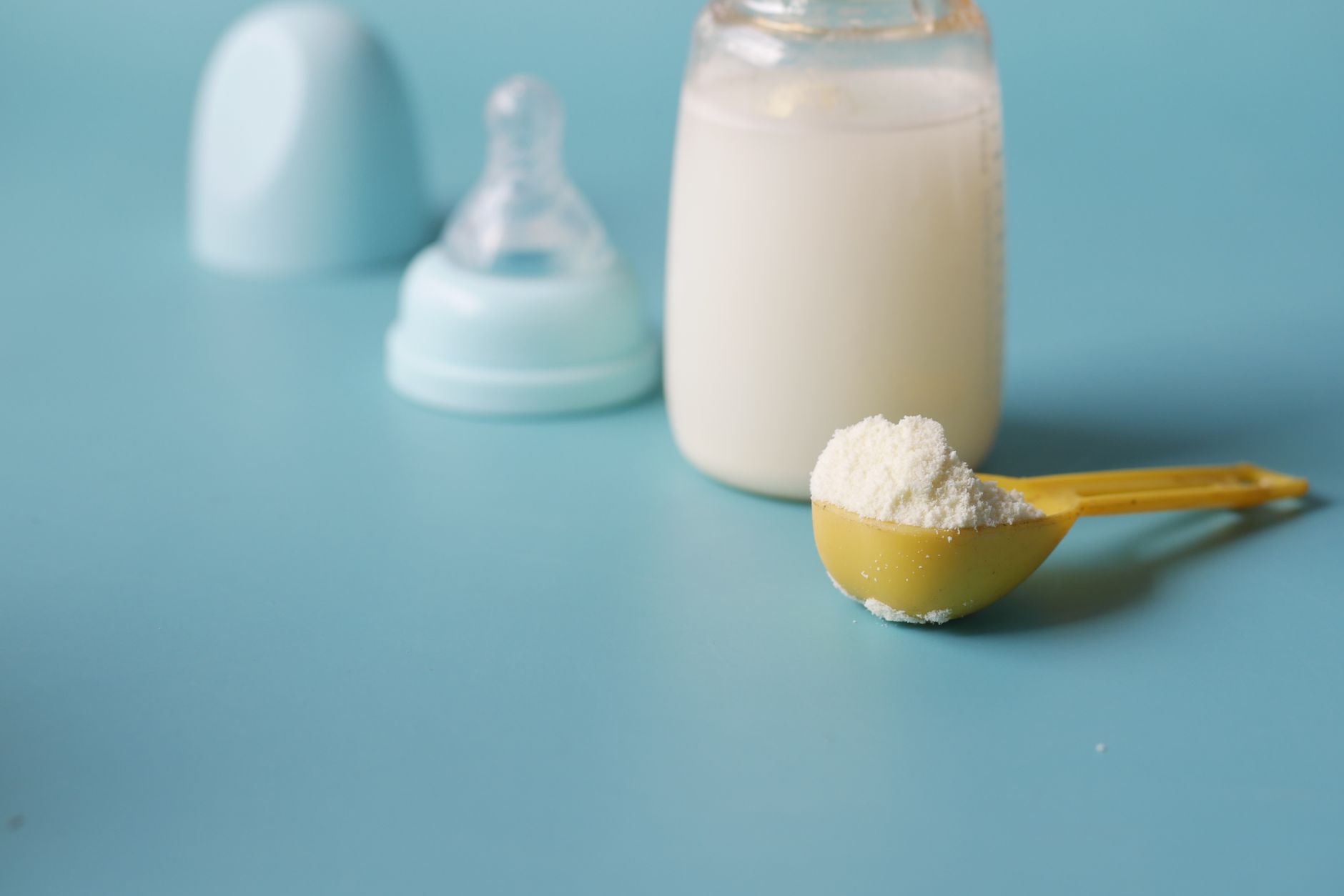
Feeding and medication timing often go hand‑in‑hand for newborns. The stomach is small, and an empty stomach can make a baby more prone to mild irritation. Giving Tylenol with or immediately after a feed helps the medicine spread evenly and reduces the chance of gastric upset.
Feeding before a dose
Breast milk or formula provides a gentle buffer and can improve absorption. A study from the American Academy of Pediatrics notes that acetaminophen taken with food has a slightly smoother pharmacokinetic profile, though the difference is clinically modest. In practice, most parents find that dosing after a routine feed feels the most natural.
Feeding after a dose
If you need to give Tylenol on an empty stomach—perhaps because the fever spiked between feeds—offer a small amount of breast milk within five minutes. This small “safety feed” can calm the infant and aid medication absorption without significantly altering the dose.
Practical tip
Set a reminder on your phone after each feed. For infants on a regular schedule (e.g., every 3 hours), you’ll naturally have a dosing window that aligns with feeding, making timing easier. A simple alarm can prevent missed doses or accidental double‑dosing.
Should I give Tylenol to my newborn before or after a bath?
A warm bath can lower a fever temporarily by promoting vasodilation, but it also raises skin temperature briefly. Giving Tylenol before a bath is generally safe, but after a bath is often preferred because the baby is more relaxed and you can observe any reaction without the distraction of water.
Why after the bath may feel better
Post‑bath, the baby’s skin is dry, and you can more easily check for any rash or irritation that could be a side‑effect of the medication. Additionally, the calming routine of a bath followed by a dose can create a soothing association for the infant.
Safety considerations
- Never combine hot water with a medication that could cause dizziness—though acetaminophen itself isn’t a risk, a feverish infant can be more vulnerable.
- Make sure the water isn’t too hot (aim for 98‑100 °F) to avoid overheating, which could counteract the medication’s effect.
If you’re using a bath thermometer, you can quickly verify the water temperature before placing your baby in the tub, keeping the whole process safe and predictable.
Does giving Tylenol in the morning impact baby's appetite?
Acetaminophen does not suppress appetite in infants. In fact, by relieving discomfort, it can help a baby feed more comfortably. However, if you notice a sudden drop in feeding after a dose, consider other causes such as illness progression or a possible allergic reaction.
Signs of a feeding problem
Watch for prolonged pauses during a feed, spit‑up that looks like foam rather than milk, or a fussy demeanor that doesn’t improve after the medicine. These signs may indicate that the fever or an underlying infection is affecting the baby’s ability to eat.
When to seek help
If your baby consistently refuses feeds for more than two consecutive meals after a dose, call your pediatrician. It could indicate an underlying infection or a rare reaction. Prompt evaluation helps prevent dehydration and ensures appropriate treatment.
Keeping a brief feeding log—time, amount, and any medication given—can help your clinician spot patterns and decide if further work‑up is needed.
Optimal timing for infant acetaminophen when on a sleep schedule
Many parents try to align medication with nap and nighttime routines. The key is to keep the dosing interval at least four hours and avoid clustering doses too close to bedtime, which could interfere with the natural sleep‑wake cycle.
Sample dosing timeline
- Morning feed (7 am) – check temperature; if elevated, give dose.
- Mid‑day feed (11 am) – second dose if fever persists or returns.
- Afternoon nap (2 pm) – assess; if still febrile, give dose.
- Evening feed (6 pm) – final dose before bedtime.
- Night check (10 pm) – only give if fever > 38 °C; otherwise, watch.
Balancing act
Try to keep the last dose at least an hour before the baby’s usual bedtime, allowing the medication to settle and the infant to drift into sleep without abrupt temperature changes. This approach also gives you a clear window to observe any side effects before the night’s rest.
When you’re using a baby‑tracking app, you can set “medication” alerts that automatically respect the four‑hour rule, reducing the mental load of manual calculations.
When is the safest time to give infant Tylenol after vaccination?
Vaccines can cause low‑grade fevers and discomfort. The AAP recommends offering acetaminophen after the vaccine, not before, because pre‑emptive dosing may blunt the immune response. Give Tylenol if the fever reaches 38 °C (100.4 °F) or if the baby seems unusually fussy.
Typical post‑vaccination fever pattern
Fever often appears 12‑24 hours after the shot and peaks around 48 hours. This timing helps you plan when a dose might be needed, ensuring you’re not giving medication unnecessarily early.
How to combine with other fever reducers safely
If you also consider ibuprofen (for infants ≥ 6 months), alternate the medications every three hours, never overlapping. For example, give acetaminophen at 8 am, ibuprofen at 11 am, then acetaminophen again at 2 pm. Always stay within the maximum daily limits for each drug.
Documenting the exact times of each dose in a simple notebook or on a phone app can prevent accidental stacking, especially when multiple caregivers are involved.
Infant Tylenol dosage chart by weight and time of day
The dosage does not change based on the time of day, but the chart helps you see how much to give at any hour, ensuring you stay within safe limits.
Always round to the nearest 0.5 mL if using the syringe. If your baby’s weight falls between categories, choose the lower dose to stay safe. For families using metric scales, the same principle applies—use the lower end of the weight range to calculate the dose.
When you’re transitioning from bottle‑feeding to solid foods, keep an eye on weight changes; a sudden drop could mean you need to adjust the dose sooner than you expect.
Effects of giving baby Tylenol before bedtime
Giving Tylenol right before the baby’s bedtime can help reduce fever‑related wake‑ups. Most parents report smoother nights when the medication is taken 30 minutes before the usual sleep time.
Potential downsides
Occasionally, a small number of infants may experience a brief period of irritability after dosing. This is typically short‑lived and resolves without intervention. If your baby seems unusually fussy, a gentle rocking motion or a soft lullaby can help ease the transition.
Best practice
Give the dose after the last feeding of the day and allow at least 30 minutes before placing the baby down. This timing minimizes the chance of reflux and gives the medicine time to work, promoting a more restful sleep.
For families who use a “sleep sack” rather than blankets, the extra warmth can help maintain a comfortable temperature after the medication takes effect.
How long does Tylenol stay in a baby's system?
Acetaminophen’s half‑life in infants is about 2‑3 hours, meaning the concentration halves every 2‑3 hours. After a single dose, most of the drug clears within 6‑8 hours. Repeated dosing can extend overall exposure, which is why the 4‑hour minimum interval is critical.
Newborns, especially those under 2 months, have immature liver enzymes, so they process acetaminophen more slowly. That’s why the AAP advises limiting use in infants under 2 months unless directed by a clinician. As the liver matures, the half‑life shortens, making dosing a bit more forgiving after the first few weeks.
Breast‑fed infants may experience slightly slower clearance because of the small amount of acetaminophen that can be transferred through milk, but the effect is clinically insignificant.
Alternatives to Tylenol for nighttime fever in infants
If you’re looking for non‑medication comfort measures, consider these options:
- Cool compress: Apply a lukewarm (not cold) cloth to the forehead or back of the neck.
- Light clothing: Dress the infant in a single layer and keep the room at a comfortable 68‑72 °F (20‑22 °C).
- Hydration: Offer additional breast milk or formula to prevent dehydration.
These measures can help lower temperature modestly, but they do not replace medication when the fever is high or the baby is uncomfortable. Use them as supportive care alongside a properly dosed Tylenol dose.
For infants with skin sensitivities, a soft, breathable cotton swaddle can provide gentle pressure without overheating, which may also calm a feverish baby.
Best time to give Tylenol to a colicky baby
Colic often peaks at 2‑4 months and can coincide with fever. While Tylenol won’t treat colic itself, many parents find that giving it after a feeding—when the baby is already calm—reduces additional distress caused by fever.
Timing tip
Give the dose about 30 minutes after the last feed of the day, then hold the baby in a gentle rocking motion. This combination can soothe both the stomach and any fever‑related discomfort, making the evening more peaceful for everyone.
Because colic can make babies more sensitive to any change, keep the environment dim and limit stimulating noises while the medication takes effect.
How to combine infant Tylenol with other fever reducers safely
Combining acetaminophen with ibuprofen can provide more consistent fever control, especially for prolonged fevers. The key is to alternate rather than stack doses.
Alternating schedule example
- 8 am – Acetaminophen (2.5 mL)
- 11 am – Ibuprofen (2.5 mL of 100 mg/5 mL suspension)
- 2 pm – Acetaminophen
- 5 pm – Ibuprofen
Never give both at the same time. Keep a log on your phone or a paper chart to avoid accidental overdose. If you ever feel uncertain, a quick call to your pediatrician can clarify the schedule.
When alternating, watch for any signs of stomach upset from ibuprofen, such as mild vomiting or increased fussiness, and report them promptly.
What are the signs of acetaminophen overdose in infants?
Acetaminophen overdose is rare when dosing guidelines are followed, but it can happen accidentally, especially with multiple caregivers. Early signs may include:
- Persistent vomiting (more than two episodes)
- Loss of appetite or refusal to feed
- Irritability or lethargy that seems out of proportion to the fever
- Yellowing of the skin or eyes (jaundice)
- Dark urine or pale stools
Because liver damage can progress silently, any suspicion of overdose warrants immediate medical attention. The American Academy of Pediatrics advises calling poison control (1‑800‑222‑1222 in the U.S.) or heading to the nearest emergency department without delay.
Even a small excess can be concerning for newborns, so always double‑check the dose before administering, especially if you’re using a different brand or formulation.
How to store infant Tylenol safely at home
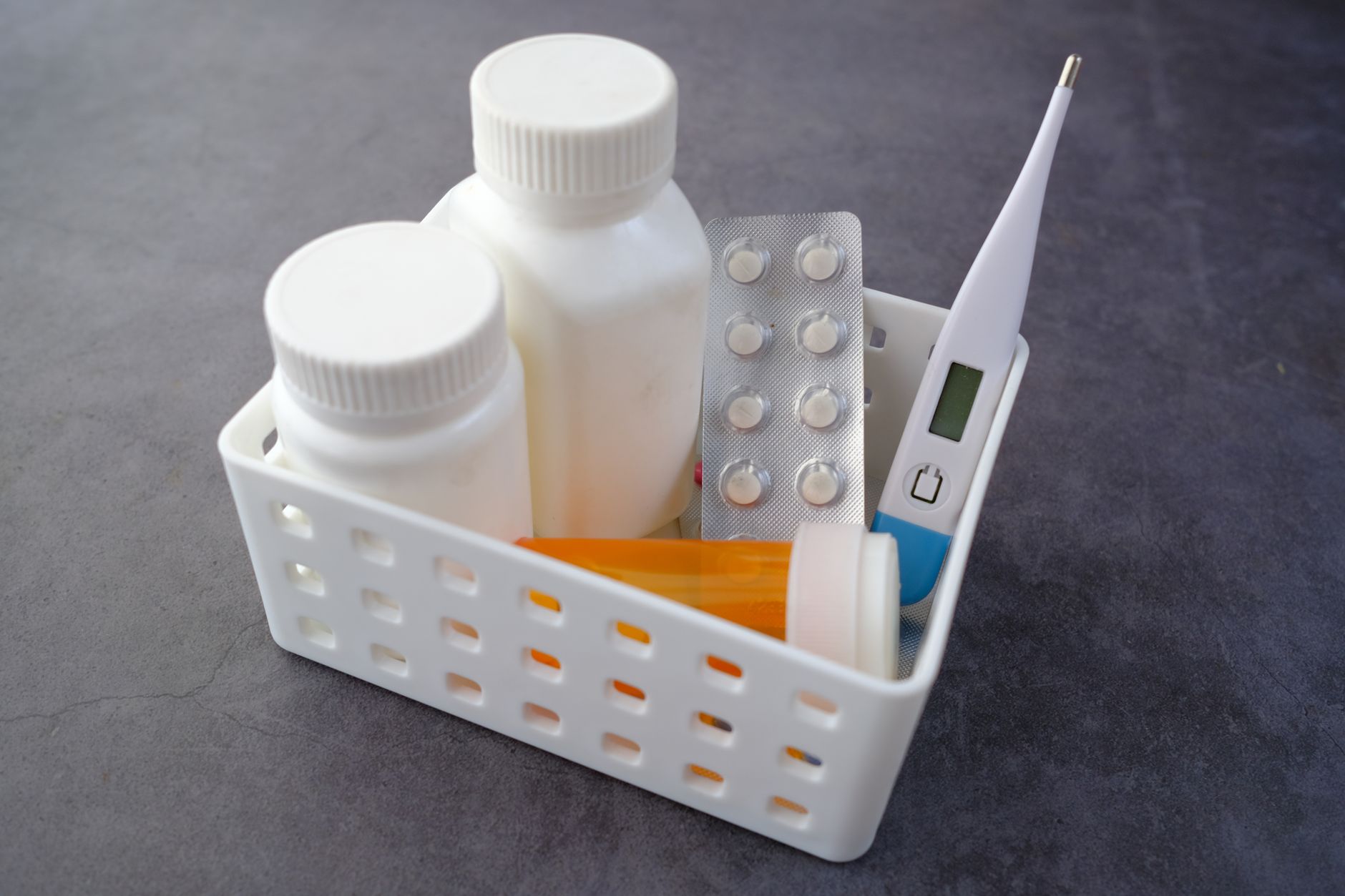
Proper storage reduces the risk of accidental ingestion and maintains medication potency. Follow these simple steps:
- Keep the bottle in its original container with the label intact.
- Store it out of reach and sight of children—ideally in a locked cabinet.
- Maintain a temperature between 68‑77 °F (20‑25 °C) and avoid humidity (e.g., bathroom shelves).
- Check the expiration date regularly; discard any medication past its date.
- Use the dosing syringe that comes with the product; never substitute with a kitchen spoon.
When traveling, place the bottle in a sealed plastic bag to prevent spills, and keep it with other baby supplies rather than in a diaper bag where it could be knocked over.
Infants born with liver enzyme deficiencies or metabolic disorders (such as galactosemia) may process acetaminophen differently. In these cases, the standard dosing chart may not apply, and a pediatric hepatologist or metabolic specialist should guide dosing.
If your baby has a known liver condition, the provider may recommend a lower maximum daily dose or longer intervals between doses. Always keep a copy of your child’s specialist recommendations handy when administering any medication.
Using a fever‑tracking log to coordinate dosing
A simple fever‑tracking log can help you see patterns, avoid double‑dosing, and communicate clearly with your pediatrician. Record the time of each temperature check, the reading, the amount of Tylenol given, and any feeding details.
Digital apps often allow you to set alerts for the four‑hour window and automatically calculate the next safe dose based on your baby’s weight. For low‑tech families, a paper chart with columns for “Time,” “Temp,” “Dose (mL),” and “Feed?” works just as well.
Having this log ready for a pediatric visit can save time and give the clinician a clear picture of your baby’s fever trajectory and medication exposure.
Myth vs. fact
Myth: Giving Tylenol at night will make a baby sleepy for hours.
Fact: Acetaminophen does not contain a sedative; any increased sleep is typically due to fever reduction, not the drug itself.
Myth: You should always give Tylenol before a vaccine to prevent fever.
Fact: The AAP advises against pre‑emptive dosing because it may blunt the immune response. Use it only if fever develops after vaccination.
Myth: A single dose of Tylenol is enough for a 24‑hour fever.
Fact: Acetaminophen’s effect lasts about 4‑6 hours; repeat dosing every 4 hours (up to four times daily) is safe when weight‑based limits are followed.
Key takeaways
- Give infant Tylenol as soon as a fever ≥ 38 °C (100.4 °F) or discomfort appears—time of day matters less than promptness.
- Use the weight‑based dosage chart; never exceed four doses in 24 hours.
- Administer with or right after a feed to protect the stomach and aid absorption.
- Nighttime dosing is safe and often improves sleep by reducing fever.
- After vaccinations, wait for fever to develop before dosing; do not pre‑empt.
- Combine with ibuprofen only by alternating every 3 hours, never simultaneously.
- Watch for red‑flag symptoms (persistent vomiting, rash, lethargy) and call your pediatrician.
- Store Tylenol out of reach, check expiration dates, and keep the original container.
- For infants with liver or metabolic issues, consult a specialist before dosing.
- Track fevers and doses in a log to avoid accidental over‑medication.
Frequently asked questions
Is it safe to give my baby Tylenol at night?
Yes. Acetaminophen is safe for nighttime use as long as you follow the weight‑based dosing and keep at least a four‑hour gap between doses. It typically helps the baby sleep better by lowering fever.
How often can I give infant Tylenol in a 24‑hour period?
Up to four doses per 24 hours, spaced at least four hours apart. Each dose should be calculated based on the baby’s current weight using the FDA dosing chart.
What are the side effects of giving Tylenol to a newborn?
Most infants tolerate acetaminophen well. Rare side effects include mild stomach upset, rash, or transient irritability. Serious reactions such as liver toxicity are extremely uncommon when dosing guidelines are followed.
Can Tylenol interfere with a baby's sleep schedule?
Acetaminophen itself does not interfere with sleep. By reducing fever‑related discomfort, it often promotes more restful sleep. Just avoid giving the dose right before bedtime if your baby tends to be fussy after dosing.
Should I give Tylenol with food or on an empty stomach?
It’s best to give Tylenol with a small amount of breast milk or formula, especially if the baby has just fed. This reduces the chance of mild stomach irritation.
When should I avoid giving my baby Tylenol?
Avoid dosing if your infant is under 2 months old unless directed by a pediatrician, if the baby has known liver disease, or if the fever is under 38 °C and the baby is otherwise comfortable.
Can I combine infant Tylenol with other fever reducers?
Yes, you can alternate acetaminophen with ibuprofen (for infants ≥ 6 months) every three hours. Never give both at the same time, and stay within each medication’s maximum daily dose.
What should I do if I suspect an accidental overdose?
Call the national poison control center (1‑800‑222‑1222 in the U.S.) or seek emergency care immediately. Provide the child’s weight, the amount of medication given, and the time of ingestion.
Can I give infant Tylenol if my baby is taking other medications?
Acetaminophen is generally safe to use alongside most over‑the‑counter vitamins and supplements, but always double‑check with your pediatrician or pharmacist. Certain prescription drugs, such as some anticonvulsants, can affect liver metabolism and may require dose adjustments.
Is liquid infant Tylenol the same as chewable tablets for older babies?
Liquid infant Tylenol is formulated for newborns and infants with a lower concentration of acetaminophen. Chewable tablets are meant for toddlers and contain a higher dose per tablet. Never substitute one form for the other without professional guidance.
When to see a doctor
If you notice any of the following red‑flag symptoms after giving infant Tylenol, contact your pediatrician or seek emergency care immediately:
- Fever persists above 39 °C (102.2 °F) for more than 24 hours despite dosing.
- Persistent vomiting, diarrhea, or inability to keep fluids down.
- Rash, especially if it spreads quickly or looks like hives.
- Lethargy, unusual drowsiness, or difficulty waking.
- Signs of liver trouble: yellowing of skin or eyes, dark urine.
- Any suspicion of overdose (see above).
This article is for informational purposes only and does not replace personalized medical advice. Always discuss dosing concerns with your pediatrician or a qualified healthcare professional.
References
- American Academy of Pediatrics. Fever and Antipyretic Use in Infants and Children. 2023.
- U.S. Food and Drug Administration. Acetaminophen Pediatric Dosing Guide. Updated 2022.
- Centers for Disease Control and Prevention (CDC). Vaccination and Fever Management. 2024.
- American Academy of Pediatrics. Guidelines for the Use of Ibuprofen in Children. 2022.
- Mayo Clinic. Acetaminophen (Tylenol) Use in Children. Accessed July 2026.
- American College of Obstetricians and Gynecologists (ACOG). Medication Use in Infancy. 2023.
- National Poison Control Center. Acetaminophen Overdose Management. 2025.
- American Association of Pediatrics. Management of Infants with Liver Disease. 2024.
- Harvard T.H. Chan School of Public Health. Best Practices for Fever Tracking in Infants. 2023.