Yes. Ibuprofen’s effectiveness isn’t tied to a specific circadian hour. What matters is consistent spacing and ensuring the baby isn’t empty‑stomach. Many parents find it easiest to dose with the first morning feeding and then again after the evening feeding.
Morning dosing example
Give Motrin at 7 a.m. with the first bottle of breast milk or formula. The next dose can be scheduled for 1 p.m. (after lunch) and a third for 7 p.m. (right before bedtime). This pattern respects the 6‑hour interval while fitting typical feeding schedules.
Evening dosing example
If your infant’s main meals are at 9 a.m., 1 p.m., and 6 p.m., you could dose at 9 a.m., 3 p.m., and 9 p.m. The 9 p.m. dose can be given with the bedtime bottle, ensuring a full stomach before sleep.
Both routines work; the “best” time is the one you can stick to. Consistency reduces the risk of accidental double‑dosing and helps you track when the next dose is due.
In practice, parents who keep a simple chart—“Morning, Midday, Evening”—report fewer missed doses and feel more in control, especially during the hectic first months.
How does feeding schedule affect infant Motrin dosing timing?
Feeding and medication timing are intertwined for two reasons: absorption efficiency and stomach protection. Here’s how to line them up.
Breast‑milk timing
Breast milk is gentler on the stomach than formula for many infants. If you’re exclusively breastfeeding, give Motrin right after a feeding rather than before. The milk acts as a buffer, reducing the chance of gastric irritation.
For formula‑fed babies, the same principle applies—dose after the bottle. Once solids are introduced (around 6 months), you can give Motrin with a small amount of soft food (like pureed banana) if the baby seems hungry.
Spacing feeding and dosing
Try to keep at least a 15‑minute gap between the end of a feeding and the Motrin dose. This gives the stomach time to start digesting the milk, improving drug absorption.
Sample schedule for a 6‑month‑old
Notice the 5‑hour gaps; you can stretch them to 6‑8 hours as your baby’s schedule allows.
When feeding patterns shift—such as when a baby begins night feeds—adjust the dosing window accordingly, always keeping the 6‑hour rule in mind. A flexible approach prevents missed doses while respecting your baby’s hunger cues.
Does giving infant Motrin before bedtime cause sleep disturbances?
Most parents worry that a medication taken right before sleep might keep the baby awake. The evidence suggests that ibuprofen does not interfere with normal sleep architecture when given with food.
What the research says
The American Academy of Pediatrics (AAP) notes that ibuprofen does not have a sedating effect, nor does it typically cause insomnia in infants. In fact, reducing fever can actually improve sleep quality because the baby is more comfortable.
Real‑world experience
One mother shared that after dosing her 4‑month‑old at 8 p.m. with a bottle and Motrin, the baby fell asleep within 20 minutes and stayed asleep through the night. She credited the “full‑stomach, reduced‑fever” combination for the smooth night.
Tips to protect sleep
- Give Motrin with the bedtime feeding, not on an empty stomach.
- Avoid giving a dose within 30 minutes of a diaper change; a wet diaper can wake the baby.
- Keep the room dim and maintain a consistent bedtime routine.
Pairing the dose with a calming routine—soft lullaby, gentle rocking, or a dim nightlight—helps signal that it’s time for sleep, reinforcing the soothing effect of the medication.
Optimal timing for infant Motrin when baby is on a nap schedule
Nap‑heavy infants (often 2‑4 months old) may need a slightly different approach. The goal is to keep the 6‑hour interval while not waking the baby for a dose.
Nap‑aligned dosing strategy
If your baby naps at 10 a.m. and 2 p.m., aim to dose right after each nap when they’re awake and fed. A typical schedule could look like:
- 7 a.m. – first feeding & Motrin
- 10:30 a.m. – post‑nap feeding & second dose
- 2:30 p.m. – post‑nap feeding & third dose
- 7 p.m. – evening feeding & fourth dose (if needed)
When a fever spikes during a nap
If you notice a fever spike while the baby is sleeping, gently wake them to check the temperature. If it’s 38.5 °C (101.3 °F) or higher, give Motrin immediately with a small amount of breast milk. The soothing effect often helps the baby settle back to sleep quickly.
Keeping a bedside chart of nap times and dosing windows can make it easier to see at a glance whether a dose is due, reducing the mental load during those early months.
Should I coordinate infant Motrin with other medications timing?
Co‑administration of ibuprofen with other common infant medicines—like acetaminophen (Tylenol) or vitamin D drops—requires a bit of planning.
Ibuprofen + acetaminophen
These two fever reducers work via different pathways and can be safely alternated, but they should never be mixed in the same syringe. A common schedule is:
- 8 a.m. – Motrin
- 11 a.m. – Acetaminophen (if needed)
- 2 p.m. – Motrin
- 5 p.m. – Acetaminophen
This alternating approach keeps each drug at least 3 hours apart, respecting safety guidelines from the American Academy of Pediatrics.
Other meds (e.g., vitamin D, probiotics)
Most oral supplements can be given at the same time as Motrin, as long as the infant’s stomach isn’t overloaded. If the supplement is a liquid, administer it a few minutes before or after the Motrin dose.
When your baby is on prescription antibiotics, double‑check with your pediatrician that there’s no specific interaction. In most cases, ibuprofen is considered safe alongside common antibiotics, but a quick call can prevent any surprise.
Impact of circadian rhythm on infant Motrin effectiveness
While adults have a clear circadian rhythm that can influence drug metabolism, infants’ rhythms are still emerging. Research from the National Institutes of Health (NIH) indicates that the enzyme CYP2C9—responsible for ibuprofen breakdown—starts to mature around 6 months, but variations are modest.
Practical implications
Because the metabolic difference is minimal, you don’t need to time Motrin for “peak” or “trough” periods. Focus instead on the practical aspects: feeding, sleep, and parental convenience.
When circadian considerations might matter
If your baby is older than 12 months and you notice that a dose given at night seems less effective, you could shift the dose to earlier in the evening. This is more about comfort than metabolism.
Ongoing research aims to clarify whether later‑night dosing might affect sleep‑related hormone release, but current guidelines from the American College of Obstetricians and Gynecologists (ACOG) still prioritize dosing intervals over circadian timing.
Best time of day to give baby infant Motrin after vaccination
Vaccination can cause a low‑grade fever and soreness at the injection site. The CDC recommends using ibuprofen to alleviate these symptoms, but timing still follows the same principles.
Post‑vaccine dosing plan
Give the first Motrin dose 30‑60 minutes after the vaccine, ideally with a feeding. Then continue the regular 6‑hour interval schedule. For example, if the vaccine is at 9 a.m., dose at 9:30 a.m., then again at 3:30 p.m., and 9:30 p.m. if needed.
Why not give it before the shot?
Administering ibuprofen before vaccination can blunt the immune response, according to a review in the Journal of the American Medical Association (JAMA). Waiting until after the vaccine ensures the body can mount a full response while still providing relief soon after.
Most pediatricians suggest the same timing for combination vaccines (e.g., DTaP, Hib) as for single‑antigen shots, so the plan works across the immunization schedule.
Infant Motrin dosage timing for colic relief
Colic often involves abdominal discomfort that can be eased by ibuprofen’s anti‑inflammatory action, especially if the baby has a mild gastrointestinal upset. Timing follows the same feeding‑linked rules.
Colic‑focused schedule
When you suspect colic, give Motrin with the nearest feeding—usually a bottle. If the baby is crying for hours, a dose can be given as soon as the infant has taken at least a few ounces of milk, then wait the standard 6 hours before the next dose.
When to avoid ibuprofen for colic
If the baby shows signs of dehydration, vomiting, or has a known stomach ulcer, avoid ibuprofen and consult a pediatrician. In those cases, acetaminophen may be safer.
Distinguishing colic from reflux can be tricky; if the baby arches back or spits up frequently after feeds, discuss with your provider before starting ibuprofen.
How long after feeding can I give infant Motrin safely?
Give Motrin within 15‑30 minutes after a feeding. This window ensures the stomach is not empty while still allowing the drug to be absorbed quickly. Waiting longer than an hour may reduce absorption efficiency, especially in younger infants.
For babies who are on a strict feeding schedule, a quick “feed‑then‑dose” routine can be as simple as offering a half‑ounce of breast milk, pausing for a few seconds, then administering the medication.
Morning vs night dosing of infant Motrin for pain control
Morning doses can be useful for managing pain that interferes with feeding or activity (e.g., teething). Night doses are often aimed at keeping the baby comfortable through sleep. The choice depends on when the pain peaks.
When to favor morning dosing
- Teething pain that awakens the baby early.
- Post‑surgical pain that’s most intense after waking.
When to favor night dosing
- Fever spikes that tend to rise in the evening.
- Inflammatory conditions that cause nighttime discomfort.
Keeping a log of when the baby seems most uncomfortable can help you decide whether a morning or evening dose will be most soothing.
Does temperature of the baby affect when to give Motrin?
Yes—higher fevers (≥38.5 °C or 101.3 °F) warrant more immediate dosing, regardless of the time of day. For mild fevers (37.5‑38.4 °C), you can wait until the next scheduled feeding if it aligns with your regular interval.
Action plan
Check the temperature:
- If ≥38.5 °C, give Motrin right away with a feeding.
- If 38.0‑38.4 °C and the baby is comfortable, you may wait for the next dose window.
- If <38.0 °C, monitor and use non‑medication comfort measures.
Remember that fever curves can be erratic; a quick re‑check after 30 minutes can confirm whether the medication is having the desired effect.
Guidelines for giving infant Motrin with breast milk
Breast milk is an excellent carrier for ibuprofen. The drug does not significantly enter breast milk, and the infant receives only a tiny fraction. Therefore, there’s no need to pump and discard milk before dosing.
Steps to follow
- Finish the feeding (or at least 15 minutes of nursing).
- Measure the correct Motrin dose using the calibrated dropper.
- Administer the dose directly into the baby’s mouth or via the bottle.
- Offer another small nursing session if the baby seems hungry.
These steps keep the stomach protected and maintain milk supply. If your baby is formula‑fed, the same timing applies—give the dose right after the bottle.
When to give infant Motrin during a fever spike
A fever spike—rapid rise to 39 °C (102.2 °F) or higher—calls for prompt treatment. Give Motrin as soon as you can, ideally within 30 minutes of detecting the spike, and combine it with a cool, lukewarm bath if recommended by your pediatrician.
Rapid‑response plan
- Confirm the temperature with a reliable digital thermometer.
- Offer a feeding (breast milk or formula).
- Administrate the appropriate Motrin dose.
- Re‑check the temperature after 30 minutes.
- If the fever persists above 38.5 °C, repeat the dose if at least 6 hours have passed.
If the fever does not improve after two appropriate doses, or if you notice any concerning symptoms (see “When to see a doctor” below), contact your pediatrician promptly.

Symptoms checklist
Before dosing, ensure the baby truly needs Motrin. Look for these signs:
- Temperature ≥38.5 °C (101.3 °F) for more than 30 minutes.
- Visible discomfort or crying that is not soothed by feeding.
- Swollen gums, teething, or post‑surgical pain.
- Redness or inflammation at a vaccination site.
- Persistent colic that interferes with feeding or sleep.
Treatment options comparison
Both medications are effective for fever; ibuprofen additionally reduces inflammation. Choose based on stomach tolerance and any existing liver concerns.
Natural remedies with evidence
While ibuprofen is often the first line, adjunctive non‑pharmacologic measures can enhance comfort:
- Cool compress: A damp, lukewarm washcloth on the forehead can lower temperature by 0.5 °C within 10 minutes (Harvard T.H. Chan School of Public Health).
- Hydration: Extra breast milk or formula helps prevent dehydration and supports fever recovery.
- Gentle rocking or swaddling: Soothing motion can calm a fussy infant, reducing the need for additional doses.
These strategies are especially useful when the fever is mild and you’re watching for any signs that medication might be unnecessary.
Myth vs. fact
Myth: Giving Motrin at night will keep the baby awake.
Fact: When administered with a feeding, ibuprofen does not interfere with sleep and often improves rest by lowering fever.
Myth: You must give Motrin on an empty stomach for faster absorption.
Fact: A full stomach protects the infant’s gut and actually enhances absorption in babies.
Myth: Ibuprofen should never be used in babies under 6 months.
Fact: The FDA approves ibuprofen for infants 6 months and older; for younger infants, only acetaminophen is recommended unless directed by a pediatrician.
Key takeaways
- Give infant Motrin every 6‑8 hours with a feeding; a full stomach protects the stomach.
- Timing can follow your baby’s morning, evening, or nap schedule—consistency matters more than the clock.
- Post‑vaccination dosing should start after the shot, not before, to preserve immune response.
- Alternate ibuprofen with acetaminophen only if needed, keeping at least a 3‑hour gap.
- Watch for fever spikes ≥38.5 °C and treat promptly, regardless of the time of day.
- Use natural comfort measures—cool compress, hydration, gentle rocking—to complement medication.
Frequently asked questions
Can I give my baby Motrin before bedtime?
Yes. Give Motrin with the bedtime feeding; the food buffers the stomach and the fever‑reducing effect often helps the baby sleep more soundly.
Is it safe to give infant Motrin on an empty stomach?
No. Ibuprofen can irritate an empty stomach, especially in infants. Always pair the dose with breast milk, formula, or a small amount of solid food.
How often can I give my baby Motrin in a day?
The drug can be given every 6‑8 hours, up to four times daily, as long as the total does not exceed 40 mg per kilogram of body weight.
What are the signs that Motrin is working in an infant?
Look for a drop in temperature (typically within 30‑60 minutes), reduced crying, and a calmer demeanor. If fever persists after 2 hours, consider a second dose if the interval is met.
Should I give infant Motrin with food or water?
Give Motrin with a feeding—breast milk or formula. If the baby is already full, a small amount of water is acceptable, but the feeding route is preferred.
Can I mix infant Motrin with other fever reducers?
You can alternate ibuprofen and acetaminophen, but never mix them in the same syringe. Keep at least a 3‑hour gap between the two medications.
What should I do if my baby’s fever doesn’t improve after Motrin?
If the temperature remains ≥38.5 °C after 2 hours and you’ve respected the dosing interval, contact your pediatrician. The baby may need a different medication or evaluation for infection.
Can I give infant Motrin if my baby is on antibiotics?
In most cases ibuprofen is safe alongside common pediatric antibiotics, but always double‑check with your pediatrician. Some antibiotics can increase stomach irritation, so a brief consultation can keep things smooth.
What if I accidentally give a double dose of Motrin?
Contact your pediatrician or a poison‑control center right away. Do not give any more medication until a professional advises you. Symptoms of overdose can include vomiting, stomach pain, or unusual drowsiness.
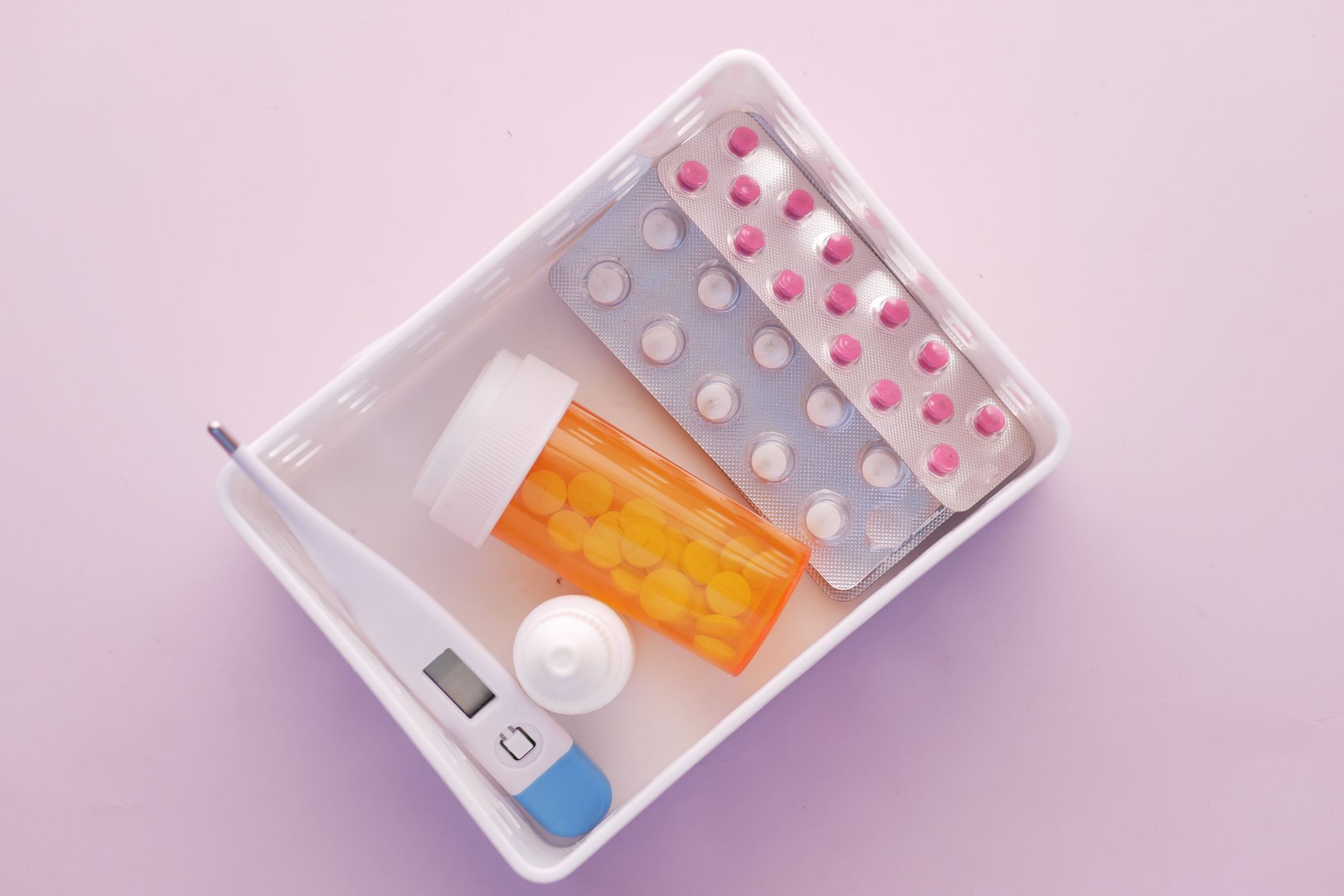
How to store infant Motrin safely and check expiration
Proper storage helps maintain medication potency and prevents accidental ingestion. The NHS advises keeping ibuprofen in a cool, dry place away from direct sunlight and out of reach of children.
Storage checklist
- Store the bottle at room temperature (15‑25 °C or 59‑77 °F).
- Keep the cap tightly closed after each use.
- Place the bottle on a high shelf or in a locked cabinet.
- Check the expiration date regularly; discard any product past its date.
If the liquid looks cloudy, changes color, or develops an off‑odor, discard it even if the expiration date has not passed. A fresh bottle ensures accurate dosing.
Understanding potential side effects of ibuprofen in infants
While ibuprofen is generally safe for infants over six months, some side effects can occur. The FDA notes that the most common adverse events are mild gastrointestinal irritation, such as stomach upset or mild diarrhea.
When to be concerned
- Persistent vomiting or refusal to eat after a dose.
- Signs of dehydration (fewer wet diapers, dry mouth).
- Rash, swelling, or bruising that appears after dosing.
- Unusual sleepiness or irritability lasting more than a few hours.
These symptoms are rare but warrant a call to your pediatrician. Most side effects resolve quickly once the medication is stopped, but a professional evaluation ensures there’s no underlying issue.
When to see a doctor / specialist
If you notice any of the following, call your pediatrician or seek urgent care immediately:
- Fever ≥39.5 °C (103.1 °F) that does not respond to two appropriate Motrin doses.
- Vomiting or inability to keep any feed down after dosing.
- Signs of dehydration: dry mouth, no wet diapers for 6 hours, or sunken fontanelle.
- Rash, swelling, or unusual bruising after medication.
- Persistent crying that lasts more than 3 hours despite dosing.
This article provides general information and is not a substitute for personalized medical advice. Always talk to your child’s health‑care provider before starting or changing any medication schedule.
References
- American Academy of Pediatrics. “Fever and the Use of Antipyretics in Children.” AAP Policy, 2023.
- U.S. Food and Drug Administration. “Ibuprofen Use in Infants and Children.” FDA Guidance, 2022.
- National Institutes of Health. “Development of Drug‑Metabolizing Enzymes in Early Childhood.” NIH Review, 2021.
- Harvard T.H. Chan School of Public Health. “Non‑Pharmacologic Fever Management.” Nutrition Evidence, 2022.
- Centers for Disease Control and Prevention. “Vaccination and Fever Management in Infants.” CDC Guidelines, 2023.
- American Academy of Pediatrics. “Acetaminophen and Ibuprofen Use in Pediatrics.” AAP Clinical Report, 2022.
- World Health Organization. “Guidelines for the Management of Fever in Children.” WHO Technical Document, 2021.
- American College of Obstetricians and Gynecologists. “Medication Use in Pregnancy and Lactation.” ACOG Committee Opinion, 2022.
- National Health Service (UK). “Storing Medicines Safely.” NHS Patient Information, 2023.