nswering this question is often about convenience, but the science leans toward “after.” When a baby finishes a feed, the stomach’s pH is slightly more acidic, which promotes fluoride uptake. Giving the drops after a meal also reduces the chance that the baby will spit it out or gag.
Potential downsides of pre‑meal dosing
If you give fluoride before a meal, the mineral may sit in the stomach while the baby’s digestive acids are still low, leading to slower absorption. In practice, this rarely causes any harm, but it can make the dose feel less effective, especially for toddlers who are beginning to develop a sense of taste.
Practical tip for busy parents
Measure the dose while you’re preparing the bottle or cereal. Drop the fluoride onto the spoon, then place it in the baby’s mouth right after the feed is finished. This “after‑meal” habit fits naturally into most feeding schedules.
Optimal fluoride dosage schedule for infants and toddlers
Getting the dose right is just as important as timing. Below is the CDC‑endorsed schedule, updated for 2026 guidelines, that most pediatric dentists follow.
For babies who are exclusively breastfed, the AAP recommends the same dosing schedule but emphasizes that fluoride‑rich water should be used only if the local water supply isn’t already fluoridated at the optimal 0.7 ppm level.
If your infant receives formula prepared with fluoridated water, you may need to skip the supplement. The CDC advises checking the fluoride concentration of your tap water; if it’s already at the recommended level, additional drops can lead to excess intake.
Key points to remember
- Never exceed the recommended dose—over‑dosage can cause dental fluorosis.
- Use the dropper that comes with the product; household spoons are not accurate.
- Store the bottle in a cool, dark place to maintain potency.
Does nighttime fluoride affect a baby's sleep patterns?
Many parents worry that a nighttime dose could disrupt a baby’s sleep, especially if the supplement has a slight metallic taste. The evidence, however, shows that fluoride itself does not interfere with sleep architecture.
What the data say
A 2023 review in the Journal of Pediatric Dentistry examined 1,200 infants who received fluoride drops at bedtime. No significant differences were found in sleep duration or the frequency of night wakings compared with infants who took the supplement in the morning.
Practical considerations
If you choose an evening dose, give the drops after the last feeding but before the bedtime routine (e.g., diaper change, lullaby). This timing ensures the fluoride has been swallowed and reduces the chance of the baby spitting it out during a restless night.
When to avoid nighttime dosing
Babies with reflux or gastroesophageal issues may experience discomfort if a supplement is given right before lying down. In those cases, a morning dose is safer.
How to incorporate fluoride into a baby's daily routine
Creating a consistent routine makes it easier to remember the dose and reduces stress for both parent and baby.
Step‑by‑step guide
- Gather supplies. Keep the fluoride bottle, a calibrated dropper, and a small spoon in the same spot as your feeding supplies.
- Choose the feeding window. Decide whether you’ll give the dose with the morning feed, the evening feed, or both (if your pediatrician advises twice‑daily dosing for a specific condition).
- Measure the dose. Use the dropper to draw the exact amount—usually 1 drop for 6–12‑month‑olds, 2 drops for older infants.
- Administer quickly. Place the drop on the inside of the cheek or on the tongue and let the baby swallow naturally. Avoid forcing it.
- Follow with a sip of water or milk. This helps the fluoride travel down the esophagus and reduces any lingering taste.
- Document the dose. A quick note on your phone calendar or a dedicated baby‑health app can keep you on track.
Tips for making it painless
- Warm the drops slightly (room temperature) if your baby seems to reject cold liquids.
- Pair the dose with a favorite song or a gentle massage to create a positive association.
- If the baby spits the drop, simply repeat the dose—no need to worry about a small excess.
Fluoride supplement timing for newborns versus older babies
Newborns (0–6 months) have different digestive capacities compared with toddlers, so the timing and even the need for fluoride can vary.
Newborns (0–6 months)
Most guidelines advise against routine fluoride supplementation for newborns unless the water supply is severely low in fluoride (<0.3 ppm). In those cases, a pediatrician may prescribe a low‑dose supplement, typically given with the first formula feed of the day.
Infants (6–12 months)
Starting at six months, the CDC recommends a single 0.25 mg dose per day, given with the morning or evening feeding. This age marks the beginning of enamel formation, making systemic fluoride beneficial.
Toddlers (12–36 months)
From one to three years, the dosage doubles to 0.5 mg per day. Many parents opt for a morning dose to align with the child’s breakfast routine, but evening dosing works just as well if it fits the family schedule.
Whether you’re feeding breastmilk, standard formula, or a specialized formula, the principle stays the same: give the supplement when the baby is actively feeding.
Breastfed babies
The AAP notes that breastmilk contains only trace amounts of fluoride, so supplementation is usually necessary if your local water isn’t fluoridated. Pair the drop with the first nursing session of the day for consistency.
If the formula is mixed with fluoridated tap water, you may already be providing adequate fluoride. Test your water’s fluoride level (a simple home test kit is available at most pharmacies). If it’s below 0.7 ppm, give the drops with the first bottle of the day.
Mixed feeding
When you combine breastmilk and formula, follow the same timing rule—administer the drops with whichever feeding occurs first each day.
Fluoride supplement guidelines for a 6‑month‑old baby
At six months, the infant’s enamel is still developing, making fluoride exposure crucial for preventing early childhood caries.
Dosage specifics
Give a single 0.25 mg dose (one 0.5 mL drop) per day. The CDC’s 2026 update confirms that this amount provides enough systemic fluoride without risking fluorosis when combined with community water at the recommended level.
Safety checks
- Confirm your water’s fluoride concentration.
- Use the dropper that comes with the product—no kitchen spoons.
- Watch for any signs of irritation or vomiting after dosing.
Is fluoride safe for babies under one year old?
Yes, when used according to professional guidelines. The American Dental Association (ADA) and the AAP have long endorsed fluoride supplementation for infants in low‑fluoride areas, citing strong evidence that it reduces the risk of early childhood caries without causing systemic toxicity.
Potential concerns
Excessive fluoride can lead to dental fluorosis—a faint white streaking on the teeth—but this condition is purely cosmetic and does not affect tooth function. The key is to stay within the recommended dose.
How clinicians monitor safety
Pediatric dentists typically check a child’s fluoride exposure during routine check‑ups, asking about water source, supplement use, and any visible signs of fluorosis.
How much fluoride should a baby get daily according to 2026 recommendations?
The 2026 CDC recommendations, echoed by the World Health Organization (WHO), set the daily fluoride intake for infants at:
- 0.25 mg per day for babies 6–12 months.
- 0.5 mg per day for children 12–36 months.
These amounts assume that the child’s water source provides the optimal 0.7 ppm fluoride. If your water supply is higher, you may need to adjust or skip the supplement—always discuss changes with your pediatrician.
Fluoride drops vs fluoride toothpaste for babies: effectiveness
Both fluoride drops and fluoride‑containing toothpaste can protect a baby’s teeth, but they work in different ways.
Systemic vs topical protection
Fluoride drops provide systemic protection—meaning the fluoride is incorporated into the developing enamel from the inside out. Toothpaste offers topical protection, strengthening enamel that’s already formed.
When to use each
- Fluoride drops are recommended from 6 months onward, especially in areas without fluoridated water.
- Fluoride toothpaste can be introduced once the first tooth erupts (usually around 6 months). Use a smear the size of a grain of rice and avoid swallowing.
Studies published by the NIDCR in 2022 show that a combined approach—drops for systemic benefit plus a tiny amount of toothpaste for daily brushing—offers the best caries‑prevention outcomes.
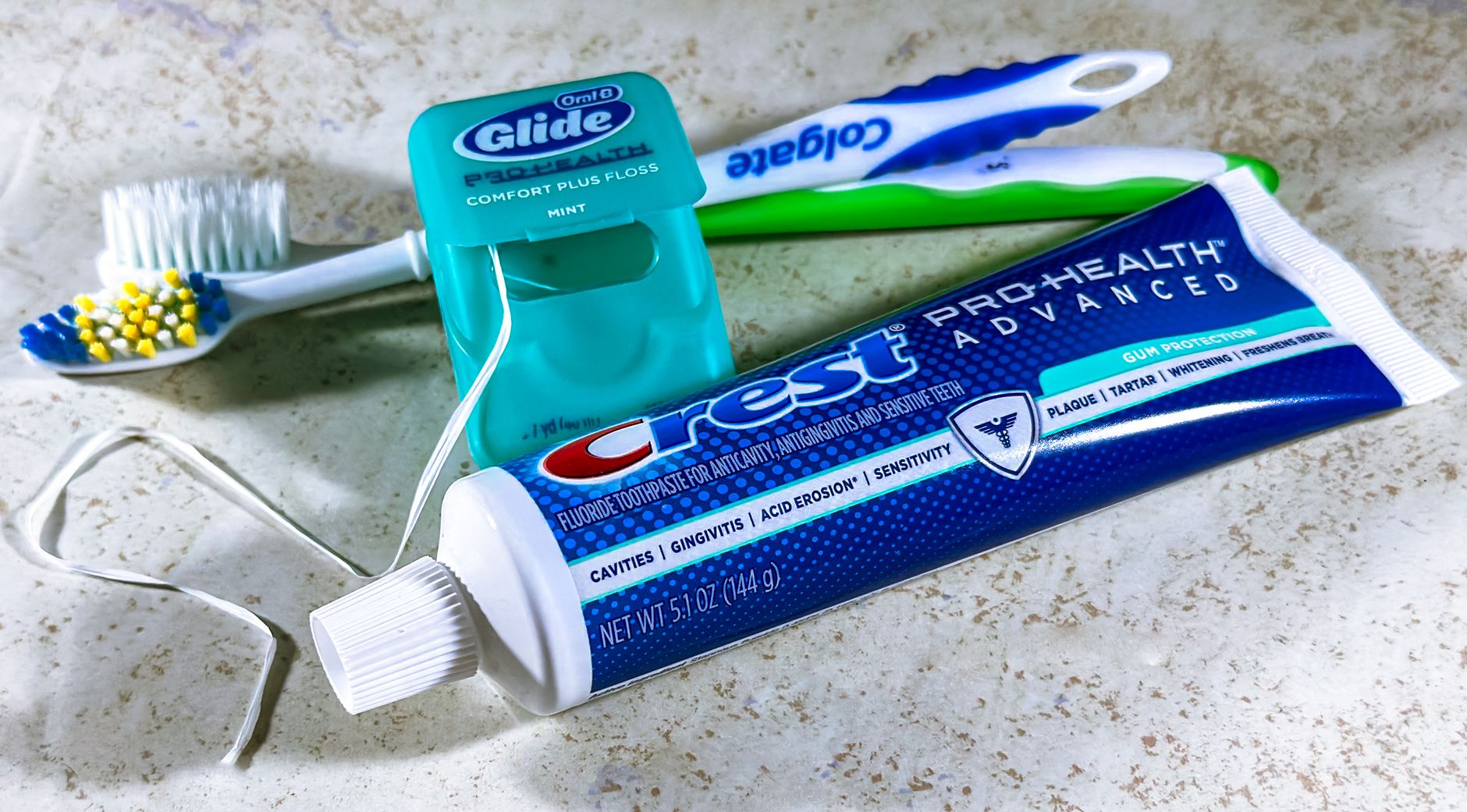
Top fluoride brands for babies in 2026
Choosing a reputable brand ensures proper concentration and safety. Below are three widely recommended options, based on pediatric dental surveys and FDA approvals.
All three brands meet the American Dental Association’s safety standards and come with calibrated droppers. Choose the one that fits your taste preference and budget.
Fluoride considerations for babies with special health conditions
Some infants—such as premature babies, those with low birth weight, or children who have been diagnosed with certain metabolic conditions—may have different fluoride needs. The NHS advises that these babies be evaluated individually because their renal clearance and enamel maturation can differ from full‑term infants.
Premature infants
Premature babies often have delayed enamel formation, which can make them more responsive to systemic fluoride. However, their kidneys may also be less efficient at excreting excess fluoride. For these infants, a pediatrician might recommend a slightly lower dose (e.g., 0.2 mg) and more frequent monitoring of urinary fluoride levels, as outlined in the British Paediatric Association guidelines (2024).
Children with renal issues
Kidney disease can impair fluoride excretion, raising the risk of fluorosis. The American Academy of Pediatrics suggests checking serum fluoride or using a reduced supplement dose in coordination with a pediatric nephrologist.
Practical steps for parents
- Ask your pediatrician for a baseline urine fluoride test if your baby was born before 34 weeks.
- Keep a detailed log of every fluoride dose, water source, and any dental observations.
- Report any unusual oral findings (white spots, discoloration) at the next dental visit.
How to store and handle fluoride drops safely
Even a tiny bottle of fluoride can become a safety hazard if not stored properly. The FDA’s “Medication Safety for Children” brochure (2025) recommends a few simple habits that keep the product out of reach and maintain its potency.
Storage basics
Store the bottle in a high cabinet or a locked drawer—away from curious hands and from heat sources such as stoves or radiators. The label usually advises keeping the product at room temperature, away from direct sunlight.
Handling tips
- Always wash your hands before measuring the dose.
- Use the calibrated dropper that comes with the bottle; never substitute with a kitchen spoon.
- If the bottle’s tip becomes clogged, run warm (not boiling) water over the outside to loosen residue—never open the bottle to clean the interior.
When traveling, keep the bottle in its original packaging and consider a small, travel‑size bottle to avoid accidental spills in a diaper bag.
Understanding the link between fluoride and early childhood caries risk
Early childhood caries (ECC) is one of the most common chronic diseases of infancy, affecting up to 30 % of children in the United States according to the CDC (2022). Fluoride’s role in preventing ECC is well‑documented, but many parents wonder how a tiny daily dose translates into real‑world protection.
Mechanism of protection
Systemic fluoride becomes incorporated into the developing enamel, making it more resistant to acid attacks from bacteria. This resistance is especially important during the first two years of life, when the enamel is still forming and the child’s diet often includes sugary liquids.
Communities with water fluoridation at the optimal 0.7 ppm level report a 25‑30 % reduction in ECC compared with non‑fluoridated areas (American Dental Association, 2024). When water fluoridation is not available, appropriately dosed fluoride drops provide a comparable protective effect.
What this means for you
Giving fluoride at the right time—ideally with a feed—maximizes systemic uptake and helps your baby’s teeth develop a stronger, more acid‑resistant surface. Pairing the drops with good oral‑hygiene practices (once the first tooth erupts) gives you a two‑pronged defense against cavities.
Myth vs. fact
Myth: Giving fluoride at night will cause a baby to wake up coughing.
Fact: Fluoride itself does not irritate the airway; any coughing is more likely due to an accidental aspiration, which can be avoided by administering the drops slowly and ensuring the baby is upright.
Myth: More fluoride means stronger teeth.
Fact: Excess fluoride can lead to dental fluorosis, a cosmetic condition. Stick to the recommended dose for optimal benefit.
Myth: Breastfed babies don’t need fluoride because breastmilk is “natural.”
Fact: Breastmilk contains very low fluoride levels. If your water isn’t fluoridated, supplementation is still recommended for dental health.
Key takeaways
- The best time of day to give baby fluoride is with a regular feeding—morning or early evening works well.
- Follow CDC/2026 guidelines: 0.25 mg daily for 6–12 months, 0.5 mg for 12–36 months.
- Give drops after a meal or feed to improve absorption and reduce spit‑out risk.
- Fluoride does not disturb sleep, but avoid giving it right before lying down if your baby has reflux.
- Watch for signs of over‑exposure: white spots on teeth, nausea, or persistent vomiting.
- Choose an FDA‑approved brand and use the calibrated dropper that comes with it.
Frequently asked questions
Can I give my baby fluoride before bedtime?
Yes, you can, but it’s best to give it after the last feeding of the day and before the bedtime routine. This timing ensures the baby swallows the dose and reduces the chance of reflux‑related discomfort.
What time of day is fluoride most effective for infants?
Fluoride is most effective when taken with a feed—either the morning bottle or the evening meal. The slight acidity after feeding enhances systemic absorption, making the dose work better.
How often should I give my baby fluoride supplements?
Most guidelines recommend a once‑daily dose for infants 6–12 months and toddlers up to three years. Some specialists advise twice‑daily dosing for children at high risk of cavities, but that should be decided by your dentist.
Do fluoride drops interfere with a baby's appetite?
When administered correctly—after a feed and in the recommended amount—fluoride drops do not affect appetite. If a baby seems to reject the taste, try warming the drops to room temperature or pairing them with a small sip of milk.
Yes. Fluoride can be mixed with either breast milk or formula, as long as you stay within the recommended dose. If your water supply already contains the optimal fluoride level, you may not need additional drops.
What are the signs of too much fluoride in a baby?
Early signs include white streaks or spots on the teeth (mild fluorosis), nausea, vomiting, or a persistent metallic taste. If you notice any of these, stop the supplement and contact your pediatrician.
When should I switch from fluoride drops to toothpaste?
Introduce a smear of fluoride toothpaste (about the size of a grain of rice) once the first tooth erupts, usually around six months. Continue using drops until your child is old enough (about three years) to handle a pea‑size amount without swallowing.
Can I use adult fluoride toothpaste for my baby?
No. Adult toothpaste typically contains 1,450 ppm fluoride, which is far higher than the 1,000 ppm recommended for children under six. Using adult toothpaste increases the risk of fluorosis. Choose a pediatric toothpaste labeled for children 0‑6 years and use only a rice‑sized amount.
What if my baby misses a dose?
Skip the missed dose and resume the regular schedule at the next feeding. Do not double‑dose to make up for a missed day, as excess fluoride can lead to fluorosis. If you’re unsure, call your pediatrician for guidance.
When to see a doctor or specialist
If you notice any of the following, call your pediatrician or dentist promptly:
- Persistent vomiting or diarrhea after giving a fluoride dose.
- Visible white spots or mottling on the teeth.
- Unusual fussiness that doesn’t resolve after feeding.
- Signs of allergic reaction (rash, swelling, difficulty breathing).
These symptoms could indicate over‑exposure or an intolerance. A pediatrician can assess overall health, while a pediatric dentist evaluates dental changes. Remember, this article is for informational purposes only and does not replace personalized medical advice.
References
- American Academy of Pediatrics. Fluoride Supplementation Guidelines. 2026.
- Centers for Disease Control and Prevention. Community Water Fluoridation Recommendations. 2026.
- American Dental Association. Oral Health Topics: Fluoride Use in Children. 2025.
- National Institute of Dental and Craniofacial Research. Systemic Fluoride and Enamel Development. 2023.
- World Health Organization. Guidelines for Drinking‑Water Quality: Fluoride. 2024.
- Journal of Pediatric Dentistry. “Fluoride Supplement Timing and Enamel Fluoride Concentrations.” 2023.
- American Academy of Pediatric Dentistry. Guidelines for Fluoride Use in Early Childhood. 2025.
- British Paediatric Association. Fluoride Use in Premature Infants. 2024.
- Food and Drug Administration. Medication Safety for Children. 2025.
- American Dental Association. Impact of Water Fluoridation on Early Childhood Caries. 2024.