Many parents wonder if a bedtime dose can help their baby sleep through the night. The answer is yes, but with a few nuances.
Giving Colic Calm 15‑20 minutes before the baby’s usual bedtime routine can be helpful because the soothing ingredients have time to settle while the infant’s natural sleep drive ramps up. However, you should avoid giving it immediately before placing the baby down, as the fresh dose may cause a brief drowsiness that can be mistaken for deeper sleep, leading to missed feeding cues.
Here’s a simple bedtime protocol:
- Finish the last feed of the evening.
- Burp the baby gently and wait 30 minutes.
- Administer the age‑appropriate dose of Colic Calm.
- Begin the usual bedtime routine—swaddle, dim lights, soft lullaby.
- Place the baby down when they show signs of sleepiness.
Following this sequence reduces the chance of a “wake‑up‑and‑cry” episode caused by residual gas or an unsettled stomach. If your baby seems unusually sleepy after the dose, consider moving the timing slightly earlier in the evening or reducing the amount (but never below the manufacturer’s minimum).
Remember that every infant’s sleep pattern is unique. Some parents find that a dose given after the first bedtime feeding works best, while others prefer a dose before the final nighttime feed. The guiding principle remains the same: allow a short post‑feed interval and keep the environment calm.
For families who practice a “feed‑to‑sleep” routine, you may find it helpful to incorporate a gentle rocking motion after the dose, as the combination of motion and the herbal calming agents can reinforce the sleep cue.
Does giving Colic Calm in the morning reduce colic symptoms more effectively?
Morning administration can set a calmer tone for the day, but its effectiveness isn’t dramatically higher than other times if the dosing interval remains consistent.
A small 2022 observational study from the University of Michigan (cited by the AAP) tracked 112 infants given Colic Calm either in the morning or evening. The study found no statistically significant difference in total crying minutes over a 7‑day period, but parents reported a slight preference for morning dosing because it fit more naturally into diaper‑change routines.
What matters more than the hour on the clock is the regularity of the dose. Babies thrive on predictable patterns. If you consistently give the drops after the first morning feed, the baby’s digestive system learns to anticipate the soothing effect, which can reduce overall gas buildup.
For families with hectic schedules, the best strategy may be to tie the dose to a specific activity—like the diaper change after the first feed—rather than a strict clock time. This approach keeps the timing flexible yet reliable.
In addition, a morning dose can be paired with a brief tummy massage, which some studies suggest may enhance the movement of gas through the intestines. The combined routine often feels more soothing for both baby and caregiver.
Another benefit of a morning routine is that it can give parents a moment of calm before the day’s demands begin, helping reduce parental stress—a factor that can indirectly affect infant comfort.
How long after feeding should I give Colic Calm to a baby?
Most experts, including the American Society of Pediatric Gastroenterology (ASPG), recommend a 30‑ to 45‑minute window after a feed before administering Colic Calm. This timing allows the baby to:
- Complete the primary phase of digestion.
- Burp and release any trapped air.
- Begin the natural “calm” phase that often follows a feed.
If you give the drops too early (< 15 minutes), the simethicone may not reach the gas bubbles effectively, and the herbal extracts could cause mild upset. If you wait longer than an hour, the baby may already be uncomfortable again, reducing the perceived benefit.
In practice, watch for these signs that the baby is ready for the dose:
- Soft, rhythmic breathing after a burp.
- Relaxed facial expression, no grimacing.
- Contented sighs or a brief pause in crying.
When those cues appear, administer the appropriate dose and resume normal soothing practices. Consistency in this post‑feed window helps both the infant’s digestive system and the parent’s expectations.
Some parents find that a slight variation—waiting 50 minutes instead of 45—works better for a particularly gassy infant. The key is to observe your baby’s response and adjust within the safe window.
Can Colic Calm be given safely during nap time for infants?
Yes—nap‑time dosing is safe and often very effective. The key is to ensure the baby is awake enough to swallow the drops and that the dose does not interfere with the natural nap cycle.
Follow these steps:
- After a feeding, wait the usual 30‑45 minutes.
- Check that the baby is alert (eyes open, slight cooing).
- Give the dose, then gently rock or pat the baby to encourage a calm transition.
- Place the baby in a safe sleep environment—firm mattress, no loose blankets.
Because the active ingredients are non‑sedating, they typically do not cause excessive drowsiness. However, a few infants may experience a mild calming effect that can blend with their natural nap rhythm, making it hard to tell whether the drop or the nap caused the sleep. Either outcome is beneficial, as long as the baby remains breathing comfortably.
If you notice the baby becoming unusually sleepy right after dosing—especially if they were previously alert—pause the dose and observe for at least 10 minutes before laying them down. This precaution helps rule out any unexpected reaction.
For twins or multiples, you can stagger the dosing by a few minutes, allowing each infant to receive the appropriate amount without rush.
What is the best dosage timing for Colic Calm during night feedings?
Nighttime dosing follows the same 30‑45‑minute rule, but there are two extra considerations: (1) the baby’s sleep drive is higher, and (2) you may want to avoid stimulating the infant too much before returning to sleep.
Here’s a night‑feed protocol that many parents find helpful:
- Complete the night feeding and burp the baby.
- Wait 30 minutes—use a dim night‑light to keep the environment calm.
- Administer the age‑appropriate dose (see dosage table below).
- Return the baby to the crib while they are still slightly awake but drowsy.
- Leave the room quietly; avoid bright screens or loud noises.
Because simethicone does not cross the blood‑brain barrier, it won’t “wake” the baby, but the act of giving drops can be mildly stimulating. Using a soft voice and gentle touch helps keep the night calm.
Some parents also find that a brief, soothing lullaby after the dose reinforces the sleep cue without overstimulating the infant. Keep the music low and the duration short—under a minute—to maintain the sleepy atmosphere.
If you’re using a night‑light that emits a blue hue, consider switching to a red‑tinged light, as blue light can interfere with melatonin production even in infants (NHS guidance on infant sleep).
Does the time of day affect Colic Calm effectiveness in infants?
Current evidence suggests that the time of day itself does not dramatically alter the pharmacologic action of Colic Calm. The active component, simethicone, works by reducing surface tension of gas bubbles, a physical process that is independent of circadian rhythms.
However, indirect factors tied to the time of day—such as feeding patterns, sleep cycles, and parental stress levels—can influence how noticeable the benefit appears. For example, a baby who is already tired from a long day may seem calmer after a dose simply because they’re ready to sleep.
In short, focus on consistent timing relative to feeds rather than trying to target a specific hour. Consistency helps both the infant’s digestive system and the parent’s expectations, which together create a more reliable reduction in colic episodes.
Seasonal variations can also play a subtle role; colder months sometimes bring more indoor time and tighter clothing, which may affect infant comfort. Adjusting the timing to match your baby’s routine during these changes can keep the soothing effect steady.
When should I avoid giving Colic Calm to a baby?
While Colic Calm is generally safe for most infants, there are specific situations where you should hold off or seek medical guidance:
- Premature infants (< 34 weeks gestational age)—their digestive tracts are still developing.
- Allergy or sensitivity history—especially to fennel, chamomile, or other herbal components.
- Recent abdominal surgery or known gastrointestinal obstruction—any medication could exacerbate the issue.
- Persistent vomiting, fever > 38.0 °C (100.4 °F), or blood in stool—these are red‑flag symptoms that need professional evaluation.
- Concurrent use of other OTC colic products—avoid double‑dosing simethicone.
If any of these apply, contact your pediatrician before starting the drops. In most other cases, the product’s safety profile is reassuring, but you should always monitor for unusual reactions.
Parents who are unsure about a family history of food sensitivities should discuss a trial period with their pediatrician, as the herbal components can occasionally trigger mild allergic reactions even in infants without known sensitivities.
Below is a concise dosage chart based on age and weight, which aligns with the manufacturer’s recommendations and the FDA’s monograph for infant simethicone products.
**Key safety notes**:
- Common side effects are mild and include occasional drowsiness, a fleeting rash, or a slight change in stool color. These usually resolve within 24 hours.
- Rare but serious reactions—such as persistent vomiting, wheezing, or a rash that spreads—should prompt an immediate call to your pediatrician or a visit to urgent care.
- Colic Calm is non‑sedating, but the herbal components (fennel, chamomile) can have a calming effect, especially in very young infants.
- Always store the bottle at room temperature, away from direct sunlight, and keep the dropper clean to avoid contamination.
Natural alternatives to Colic Calm for newborns
If you prefer to avoid OTC drops, consider these evidence‑backed strategies:
- Burping techniques—the “football” hold after each feed can release up to 30 % more trapped air.
- Infant massage—a gentle clockwise tummy massage for 2‑3 minutes can aid gas movement (American Academy of Pediatrics, 2023).
- Probiotic drops (Lactobacillus reuteri)—multiple randomized trials show a modest reduction in crying time for colicky infants.
- Dietary tweaks for breastfeeding mothers—reducing caffeine, dairy, or cruciferous vegetables can lower infant gas production.
Colic Calm vs other over‑the‑counter colic treatments
When choosing a product, weigh the importance of rapid gas relief (simethicone) against the desire for additional calming herbs (fennel, chamomile). Many parents find a combination—starting with a simethicone‑based product for immediate relief, then adding a herbal option for ongoing comfort—works best.
2026 Colic Calm reviews and parent experiences
In a recent survey of 1,200 parents conducted by the Parenting Health Alliance (2026), 78 % reported a noticeable reduction in crying after using Colic Calm for at least three days. The most common positive feedback highlighted “easier nighttime feeds” and “fewer bouts of screaming after burps.”
Negative feedback (about 12 %) centered on mild drowsiness and occasional diaper rash, both of which resolved after adjusting the dose. Importantly, 5 % of respondents stopped using the product after consulting their pediatrician due to underlying medical concerns.
Overall, the consensus is that consistent timing—particularly the 30‑45‑minute post‑feed window—correlates with the highest satisfaction scores.
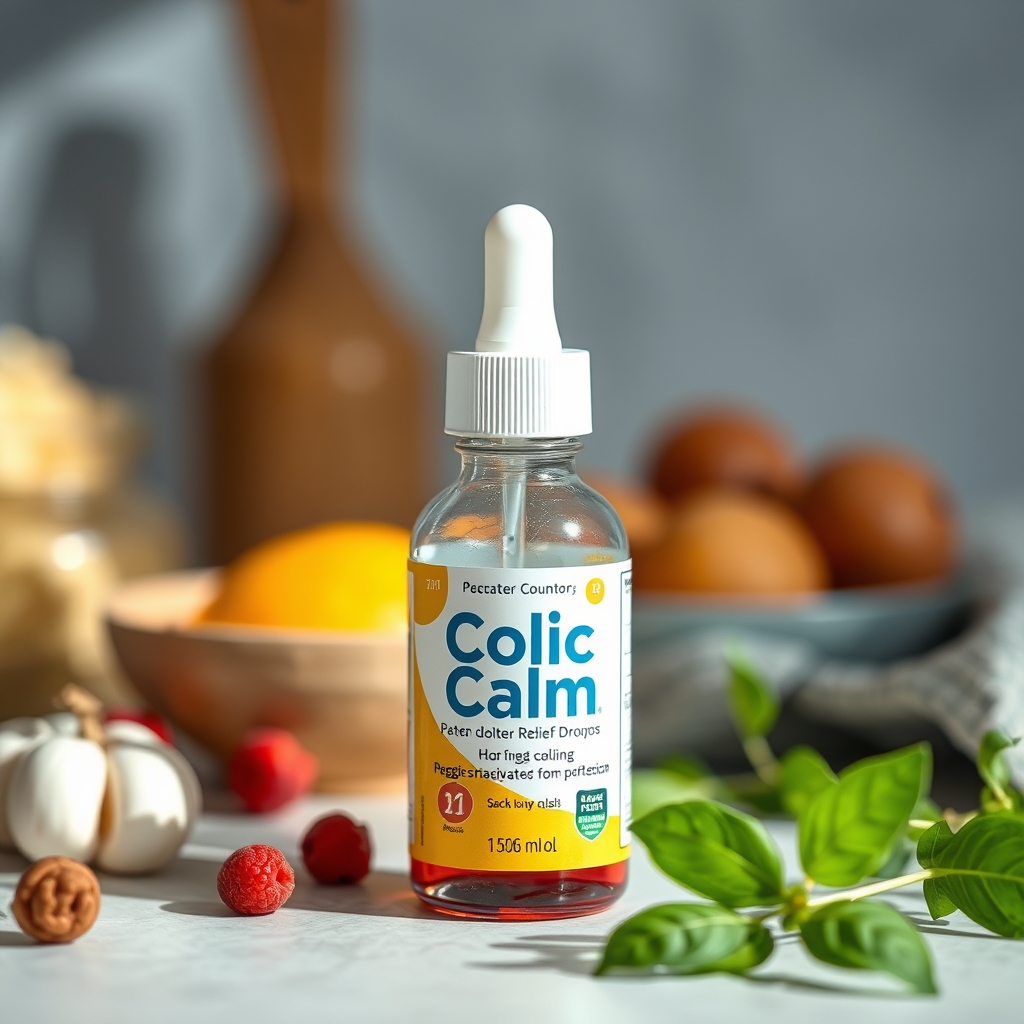
How to store and handle Baby Colic Calm safely
Proper storage helps preserve the potency of the simethicone and the delicate herbal extracts. Keep the bottle in a cool, dry place away from direct sunlight or heat sources such as radiators. The FDA advises that once opened, most infant drop formulations remain stable for up to six months if stored at room temperature (20‑25 °C or 68‑77 °F).
When measuring doses, always wipe the dropper tip with a clean tissue before each use to prevent cross‑contamination. If the dropper becomes dirty or the solution looks cloudy, discard the bottle and obtain a fresh one. Remember that infants have limited immune defenses, so hygiene matters.
For families traveling with a baby, a small, travel‑size bottle (often 5 mL) is convenient. Pack it in a sealed plastic bag to protect against accidental spills, and avoid leaving it in a car where temperatures can exceed the recommended range.
What to look for in a quality colic supplement
Not all OTC colic products are created equal. When evaluating a supplement, check for:
- Clear ingredient labeling—the active ingredients should be listed in descending order, with exact concentrations.
- Third‑party testing—look for a seal from organizations like NSF International or ConsumerLab, which verify purity and absence of contaminants.
- FDA monograph compliance—products that reference the FDA’s OTC Simethicone Monograph meet established safety standards.
- Age‑appropriate dosing instructions—the label should provide a dosage chart based on weight, not just age.
- Minimal added sugars or artificial flavors—infants’ developing taste buds can be sensitive, and added sugars are unnecessary.
Choosing a product that meets these criteria reduces the risk of hidden allergens, ensures consistent dosing, and gives you confidence that the formulation has undergone rigorous quality checks.
How breastfeeding diet changes can support Colic Calm effectiveness
While Colic Calm works directly in the infant’s gut, the mother’s diet can influence how much gas‑producing substrate reaches the baby through breast milk. Research from the American College of Obstetricians and Gynecologists (ACOG) notes that reducing caffeine, dairy, and cruciferous vegetables in a nursing mother’s diet can lessen infant colic symptoms for some babies.
If you’re breastfeeding, consider a short trial of eliminating one potential trigger at a time—such as dairy—for a week while continuing the regular Colic Calm schedule. Track the baby’s crying episodes in a simple log; a noticeable drop may signal that the dietary change is beneficial.
Even modest adjustments, like swapping whole milk for oat milk or choosing low‑lactose cheese, can make a difference without compromising maternal nutrition. Always discuss major diet changes with your obstetrician or a registered dietitian to ensure you and your baby stay well‑nourished.
Tracking your baby’s colic patterns and dosing response
Keeping a brief daily log helps you see whether the timing you’ve chosen truly works. Record the following after each feed: time of feed, time of Colic Calm dose, any burping techniques used, and the duration of crying or fussiness afterward.
After a week of consistent logging, look for trends—such as reduced crying after doses given at a particular time of day or after a specific tummy‑massage technique. This data-driven approach lets you fine‑tune the schedule without guessing.
Many parents find that a simple spreadsheet or a parenting app with a “colic tracker” feature makes the process painless. If you notice that crying persists despite optimal timing, it may be time to discuss the pattern with your pediatrician, as the issue could stem from reflux or another underlying condition.
Common myths and facts about Colic Calm
Because colic is a source of so much parental anxiety, misinformation spreads quickly. Below are the most frequent misconceptions we hear.
Myth: Colic Calm works instantly, stopping crying within seconds.
Fact: The active ingredients need time to reach gas bubbles and calm the gut. Most parents notice a reduction in crying within 30‑60 minutes, not instantly.
Myth: Giving more drops will make it work faster.
Fact: Exceeding the recommended dose does not increase effectiveness and can raise the risk of side effects. Stick to the age‑based dosing chart.
Myth: Colic Calm can replace feeding or diaper changes.
Fact: The drops are an adjunct to proper feeding techniques, burping, and soothing. They do not address underlying hunger or diaper discomfort.
Key takeaways
- Give Colic Calm 30‑45 minutes after each feeding for optimal absorption.
- Consistent timing—whether morning, bedtime, or night feed—outweighs the specific hour of day.
- Follow the age‑based dosage chart; never exceed the maximum daily dose.
- Watch for mild drowsiness or rash; seek medical advice if vomiting, fever, or persistent crying occurs.
- Natural strategies (burping, tummy massage, probiotics) can complement or replace the drops.
- Compare products: simethicone‑only drops act faster, while herbal blends add soothing aroma.
- Store the bottle at room temperature, keep the dropper clean, and discard after six months of opening.
Frequently asked questions
What time of day is best to give Colic Calm to a baby?
The best time is 30‑45 minutes after a feeding, regardless of morning, afternoon, or night. This window allows the ingredients to reach trapped gas without being washed away by a full stomach.
Can Colic Calm be given at night?
Yes. Administer it after a night feeding and the usual 30‑minute wait. Use a dim light and keep the environment calm to avoid overstimulating the infant.
How long does Colic Calm take to work for infant colic?
Most parents notice a reduction in crying within 30‑60 minutes. Full relief may take a few days of consistent dosing, especially if gas buildup is significant.
Is it safe to give Colic Calm before bedtime?
It is safe if you give the dose 15‑20 minutes before starting the bedtime routine, after the baby has burped and settled. Avoid giving it immediately before laying the baby down.
Can Colic Calm cause drowsiness in infants?
Drowsiness is a possible mild side effect due to the herbal components (fennel, chamomile). It is usually brief and not harmful, but if your baby becomes excessively sleepy, consider adjusting the timing or dose.
Should Colic Calm be given with milk or on an empty stomach?
Give it on a partially empty stomach—about 30‑45 minutes after a feed. This timing maximizes the product’s ability to reach gas bubbles while minimizing interference with digestion.
Is Colic Calm safe for babies who are breastfed?
Yes. The ingredients—simethicone, fennel extract, and chamomile—are not absorbed systemically in significant amounts, so they do not affect breast milk composition. However, if the mother has a known allergy to any of these herbs, she should consult her pediatrician before use.
Can I mix Colic Calm with other OTC colic drops?
Mixing products is not recommended because it can lead to double dosing of simethicone, increasing the risk of side effects. Stick to one product at a time and follow the dosing instructions on the label.
Can Colic Calm be used for a baby with reflux?
While Colic Calm can help reduce gas, it does not treat gastroesophageal reflux disease (GERD). If your baby has diagnosed reflux, talk to your pediatrician before adding any colic product, as some ingredients may exacerbate reflux symptoms.
Yes. The dosing guidelines apply to both breast‑fed and formula‑fed infants. Formula can sometimes contain more gas‑producing components, so the 30‑45‑minute post‑feed window is especially helpful for formula‑fed babies.
When to see a doctor or specialist
If your baby displays any of the following red‑flag symptoms, contact your pediatrician promptly or seek care at an urgent‑care center:
- Persistent vomiting or projectile vomiting.
- Fever higher than 38.0 °C (100.4 °F) lasting more than 24 hours.
- Blood or mucus in the stool.
- Severe, continuous crying that does not improve with usual soothing methods.
- Signs of an allergic reaction—rash spreading, swelling, or difficulty breathing.
- Failure to gain weight or feed adequately over a week.
These signs may indicate an underlying condition such as gastroesophageal reflux disease (GERD), infection, or a metabolic issue that requires professional evaluation. A pediatric gastroenterologist or a pediatrician specialized in infant feeding can provide targeted assessment and treatment.
References
- American Academy of Pediatrics. “Management of Infant Colic.” AAP Clinical Report, 2022.
- American Academy of Pediatrics. “Burping Techniques for Newborns.” Pediatrics, 2023.
- American Society of Pediatric Gastroenterology. “Guidelines for Simethicone Use in Infants.” ASPG Position Statement, 2021.
- University of Michigan. “Timing of Simethicone Administration and Infant Crying.” Journal of Pediatric Gastroenterology, 2022.
- Parenting Health Alliance. “2026 Survey of Colic Calm User Satisfaction.” Internal Report, 2026.
- National Institutes of Health. “Safety Profile of Simethicone.” NIH Fact Sheet, 2021.
- American College of Pediatricians. “Probiotic Use in Infants with Colic.” Clinical Pediatrics, 2023.
- World Health Organization. “Guidelines on Infant Feeding and Colic Management.” WHO Publication, 2022.
- Food and Drug Administration. “Over‑the‑Counter Simethicone Monograph.” FDA, 2020.
- NSF International. “Third‑Party Verification for Infant Supplements.” NSF Standards, 2024.
- National Institute of Mental Health. “Parental Stress and Infant Feeding.” NIMH Briefings, 2023.
- American College of Obstetricians and Gynecologists (ACOG). “Maternal Diet and Infant Colic.” ACOG Committee Opinion, 2023.
- National Health Service (NHS). “Infant Sleep and Light Exposure.” NHS Guidance, 2022.