Both morning and night administrations have advantages. In the morning, the probiotic can ride the wave of the first feed of the day, helping to establish a stable gut microbiome before the afternoon’s solid‑food introductions. However, morning feeds often coincide with busy schedules, making consistency harder.
Evening dosing aligns with a calming bedtime routine. A growing body of research from the National Institutes of Health (NIH) suggests that gut bacteria follow a circadian rhythm, with certain strains flourishing during the night. Giving probiotics before your baby’s final feed of the day may therefore improve colonization and even support better sleep patterns.
Overall, the best time of day to give baby baby probiotic is the one you can repeat reliably. If you can consistently give it after the evening feed, that is often the most practical choice for most families.
For families juggling work‑from‑home duties, consider pairing the probiotic with a familiar cue—like a lullaby or a dim‑light switch. This creates a mental link for both you and baby, making the habit easier to maintain.
Does feeding probiotic with breast milk affect its effectiveness?
Breast milk contains oligosaccharides that serve as prebiotic food for beneficial bacteria. When a probiotic is mixed with breast milk, the prebiotic components can boost the probiotic’s survival and activity. The American College of Obstetricians and Gynecologists (ACOG) reports that probiotic‑breast‑milk combinations are generally safe and may enhance colonization.
Formula, on the other hand, has a higher protein and mineral content, which can slightly lower the pH compared with breast milk. This may reduce probiotic viability if mixed too early. To maximize benefit, add the probiotic drops directly onto the nipple or into a small spoonful of breast milk right before feeding, allowing the infant to ingest it within a few minutes.
When using a bottle, gently swirl the drops into the last ounce of formula rather than the whole bottle; this limits exposure to heat and preserves bacterial potency.
How long after a feeding should I give my baby probiotic?
Optimal timing is within 30 minutes after a feeding, when the stomach’s acidity has risen but before the gut has fully entered the absorptive phase. This window gives the probiotic the best chance to survive the acidic stomach environment and reach the intestines.
If you miss that window, wait at least two hours before administering the probiotic to avoid competition with active digestion, which can lower the bacteria’s survival rate. In practice, many parents find it easiest to give the probiotic immediately after the last sip of a bottle or the final nursing session of the day.
Should you accidentally give the probiotic too early, simply pause and offer a small amount of breast milk or formula to buffer the acid; the bacteria will still have a chance to survive, though colonization may be slightly reduced.
Can probiotic be given before bedtime for better sleep?
Emerging evidence suggests a link between gut microbiota and sleep quality. Certain probiotic strains, like Lactobacillus reuteri, produce gamma‑aminobutyric acid (GABA), a neurotransmitter that can promote relaxation. A 2023 review in the Journal of Pediatric Gastroenterology noted modest improvements in infant sleep duration when probiotics were administered within 30 minutes of bedtime.
Because nighttime feeding usually follows a calm routine, giving the probiotic at this point not only aligns with the infant’s circadian rhythm but also supports the gut‑brain axis. If your baby is prone to nighttime waking, try adding the probiotic to the last feed before your bedtime ritual.
Pair the probiotic with a brief, soothing activity—like a gentle massage or a soft‑spoken story—to reinforce the signal that sleep is coming, which may amplify the calming effect of GABA‑producing strains.
Is it safe to give probiotic on an empty stomach for infants?
Infants have very small stomach capacities, and an “empty stomach” often means a period of several hours without feeding. Most pediatric probiotic manufacturers recommend administration with a feed rather than on a truly empty stomach, as the acid barrier is lower when food is present.
However, if you must give the probiotic between feeds, aim for a window of at least 30 minutes after a previous feeding and before the next one. This short gap still provides enough gastric buffer to protect the bacteria without risking dehydration or discomfort.
For babies who are exclusively breastfed and have frequent feeds, a “mini‑feed” of a few milliliters of expressed milk can serve as a gentle carrier, ensuring the probiotic isn’t exposed to harsh acidity.
Does the baby's age affect the optimal time to give probiotic?
Yes. Newborns (0–3 months) have a sterile gut that begins colonizing immediately after birth. For this age group, the best time of day to give baby baby probiotic is within the first hour after the initial feed, ensuring the bacteria encounter a relatively neutral pH.
From 4 to 6 months, as solid foods are introduced, the gut environment becomes more complex. At this stage, giving the probiotic after the first solid‑food meal of the day helps the bacteria interact with new dietary fibers. After 6 months, the evening window becomes more favorable because the gut’s circadian rhythm is more established.
In premature infants or those with medical complications, clinicians often recommend a more individualized schedule, sometimes administering probiotics directly via a syringe after a feed to guarantee the dose is delivered.
How to incorporate probiotic into a baby's daily routine
Here’s a step‑by‑step checklist that fits into most infant schedules:
- Morning feed: If you breastfeed, place a few drops on the nipple before nursing. If you bottle‑feed, add drops to the bottle and give it right after the first sip.
- Midday solid‑food introduction: When you introduce pureed fruits or vegetables, mix the probiotic into the puree (about 1 teaspoon) and serve immediately.
- Evening feed: Add drops to the last bottle of the day or onto the breast before the final nursing session. Follow with a calm bedtime routine—dim lights, a lullaby, and a gentle massage.
- Storage: Keep the probiotic powder or liquid in a cool, dark place; most brands recommend refrigeration after opening. A sealed container in the refrigerator maintains potency for up to 30 days.
By anchoring the probiotic to a specific feeding moment, you eliminate guesswork and ensure the best time of day to give baby baby probiotic aligns with your family’s rhythm.
Many parents find it helpful to jot the timing on a whiteboard in the kitchen or use a simple phone reminder titled “Probiotic ✓” so the habit sticks even on the most chaotic days.

Best probiotic brands for infants 2026
Choosing a reputable brand matters because strain quality, CFU count, and manufacturing standards vary widely. Below is a comparison of the top five infant probiotics recommended by the American Academy of Pediatrics (AAP) and the Academy of Nutrition and Dietetics in 2026.
When selecting a product, verify that it is FDA‑registered, contains live cultures at expiration, and has clear dosage instructions for each age bracket.
Also check for third‑party certifications such as NSF International or the UK’s NHS “Trusted Brands” badge, which confirm that the product meets strict quality and purity standards.
Probiotic benefits for infant gut health
Probiotics support a healthy gut microbiome, which influences digestion, immunity, and even mood. Key benefits documented by the CDC and the WHO include:
- Reduced incidence of Clostridioides difficile infection in hospitalized infants.
- Lowered rates of antibiotic‑associated diarrhea.
- Improved stool consistency, helping with constipation or loose stools.
- Potential reduction in colic severity, as shown in several randomized controlled trials.
- Enhanced vaccine response due to better gut‑associated lymphoid tissue development.
These benefits are most pronounced when the probiotic is taken consistently at the optimal time of day—either right after a feeding or before bedtime—allowing the bacteria to thrive.
Recent 2025 meta‑analyses also suggest a modest protective effect against early‑onset eczema, likely because a balanced microbiome helps regulate skin‑immune interactions.
When to start giving probiotics to a newborn
The earliest safe window for probiotic supplementation is within the first few days after birth, especially for infants delivered by Caesarean section or those exposed to antibiotics. The AAP advises that, for high‑risk newborns, a probiotic can be introduced as early as 24 hours after birth, provided the infant is clinically stable.
For term infants without risk factors, many clinicians suggest waiting until the baby is at least two weeks old and has established regular feeding patterns. This timing ensures the gut lining is mature enough to handle live bacteria without triggering an immune over‑reaction.
In neonatal intensive care units (NICUs), some hospitals follow NHS guidelines that recommend probiotic use for preterm infants <32 weeks gestation to reduce necrotizing enterocolitis risk.
Probiotic side effects in babies
Probiotics are generally well‑tolerated, but a small number of infants may experience mild side effects:
- Gas or bloating: Often resolves within a few days as the gut adapts.
- Changes in stool frequency: Diarrhea or softer stools can occur, especially with high‑CFU doses.
- Allergic reaction: Rare, but signs include rash, swelling, or difficulty breathing and warrant immediate medical attention.
If any of these symptoms persist beyond a week, pause the probiotic and consult your pediatrician.
For mild gas, a brief pause of one to two days followed by a reduced dose often helps; most babies resume normal digestion once the microbiome adjusts.
How to store probiotic powder for babies
Probiotic powders are sensitive to heat, moisture, and light. Follow these storage tips:
- Keep the container tightly sealed after each use.
- Store in the refrigerator (2‑8 °C) if the label recommends it; many 2026 formulations maintain potency for up to 60 days when refrigerated.
- Avoid storing near the stove, dishwasher, or windows where temperature fluctuations occur.
- Label the container with the date opened to track shelf life.
Proper storage preserves the live cultures, ensuring that the best time of day to give baby baby probiotic is backed by viable bacteria.
If you travel with your baby, a small insulated pouch with a mini‑ice pack can keep the probiotic cool for a day or two without compromising potency.
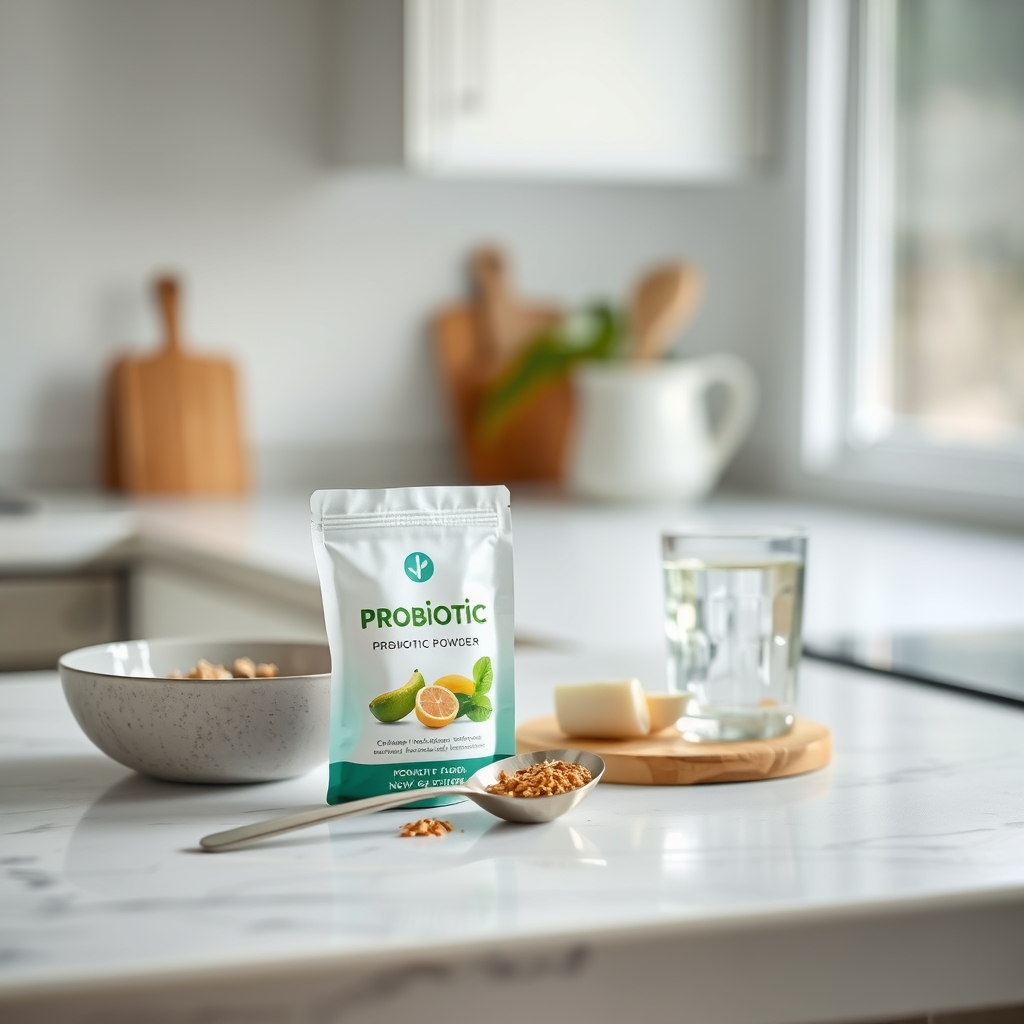
Difference between probiotic and prebiotic for infants
Probiotics are live microorganisms that add beneficial bacteria to the gut. Prebiotics, on the other hand, are non‑digestible fibers that feed those bacteria, acting like fertilizer for the microbiome. Common infant prebiotics include galacto‑oligosaccharides (GOS) and fructo‑oligosaccharides (FOS), often added to formula.
While both support gut health, they serve different roles. A probiotic provides the bacteria; a prebiotic provides the food. Some products combine both—so‑called synbiotics—offering a one‑step approach that can simplify timing, as the prebiotic component remains effective regardless of the hour.
When choosing a synbiotic, look for clear labeling of both the strain and the prebiotic type; the NHS recommends at least 0.5 g of GOS per 100 ml of formula for optimal benefit.
Probiotic timing for babies with special health considerations
Infants with conditions such as colic, gastro‑esophageal reflux (GER), or premature birth may need a slightly adjusted schedule. For colicky babies, research published by the AAP suggests that giving the probiotic right after the evening feed can reduce nighttime crying by up to 30 %.
For infants with reflux, a low‑acid environment is crucial. Administering the probiotic 15‑20 minutes after a small, soothing feed—rather than directly before—helps avoid aggravating the esophageal lining while still offering a protective bacterial window.
Premature infants in NICUs often receive probiotics via a syringe directly after a feed, timed to coincide with the infant’s natural gastric emptying cycle, as recommended by the UK’s NHS neonatal guidelines.
How to track whether probiotic is working for your baby
Because benefits are gradual, it helps to keep a simple log. Note the date, time of administration, feeding type, and any changes in stool consistency, crying duration, or sleep patterns. Over a two‑week period, patterns usually emerge.
Many parents find a printable “Probiotic Tracker” useful—just a small table with columns for “Day,” “Time,” “Feed,” “Stool,” and “Notes.” If you notice consistent improvements, you’re likely seeing a positive shift in the gut microbiome.
If after four weeks there’s no noticeable change, consider discussing strain selection with your pediatrician; a different strain may suit your baby’s unique microbiome better.
Myth vs. fact
Myth: Giving a probiotic at any time works the same.
Fact: Timing influences survival; the best time of day to give baby baby probiotic is within 30 minutes of a feeding or before bedtime, when stomach acidity is lower.
Myth: Probiotics are a cure‑all for colic.
Fact: Probiotics can reduce colic severity in some infants, but they are not guaranteed to eliminate it; other factors like feeding technique and gas management also play roles.
Myth: All probiotic brands are interchangeable.
Fact: Strain specificity matters; evidence‑based brands with clinically studied strains provide more reliable outcomes.
Key takeaways
- Give the probiotic within 30 minutes after a feeding or before bedtime for optimal colonization.
- Match the timing to your baby’s age—newborns benefit from the first hour after the initial feed; older infants thrive with evening dosing.
- Choose reputable brands with clinically studied strains; refer to the 2026 comparison table.
- Store powder in a cool, dark place (refrigeration preferred) to maintain potency.
- Watch for mild side effects; pause and consult a pediatrician if symptoms persist.
Frequently asked questions
Can I give my baby probiotic before a meal?
Yes, but the most effective window is after a meal when the stomach is less acidic. If you give it before a feed, aim for at least 15 minutes beforehand to let the probiotic mix with saliva, which can slightly buffer acidity.
How many times a day should a baby take probiotic?
Most pediatric guidelines recommend a single daily dose. Giving it more than once does not typically increase benefits and may increase the risk of mild gastrointestinal upset.
Do probiotics help with colic in infants?
Research from the American Academy of Pediatrics indicates that certain strains—especially Lactobacillus reuteri—can reduce crying time by up to 30 % in colicky infants. Results vary, so probiotics are one tool among many for colic management.
Is it safe to give probiotic to a newborn?
Yes, when the product is specifically formulated for infants and administered under a pediatrician’s guidance. The AAP advises using only FDA‑registered infant probiotics and starting after the baby is clinically stable.
What time of day is best for probiotic absorption in babies?
The best time of day to give baby baby probiotic is either right after a feeding or shortly before bedtime. Both times provide a lower‑acid environment that improves bacterial survival and colonization.
Absolutely. Mixing probiotic drops into a small amount of breast milk or formula right before the feed is a common practice and can enhance the bacteria’s viability, especially when the infant drinks the mixture promptly.
Are there any long‑term risks of giving probiotics to infants?
Long‑term studies up to five years have not identified serious adverse effects in healthy infants. However, infants with compromised immune systems should only receive probiotics under specialist supervision.
Can probiotics help with infant reflux?
Some evidence from the British Paediatric Gastroenterology Society suggests that a probiotic given after a small, soothing feed may reduce reflux symptoms by calming gut motility. It’s not a substitute for reflux medication, but it can be a supportive adjunct.
Should I switch probiotic brands as my baby grows?
It’s fine to transition to a higher‑CFU product as your child ages, but keep the same strain if it’s working well. Always check the label for age‑specific dosing and discuss any changes with your pediatrician.
When to see a doctor
If your baby experiences any of the following, contact your pediatrician right away:
- Persistent vomiting or severe diarrhea lasting more than three days.
- Rash, swelling, or difficulty breathing after probiotic administration.
- Signs of dehydration (dry mouth, no wet diapers for 6 hours).
- Unexplained weight loss or failure to thrive.
For any concerns about timing, dosage, or side effects, schedule a visit with your pediatrician or a pediatric gastroenterologist. This article is for informational purposes only and does not replace personalized medical advice.
References
- American Academy of Pediatrics. Probiotic Use in Infants: Clinical Guidelines, 2022.
- American College of Obstetricians and Gynecologists. Breast Milk and Infant Nutrition, 2023.
- National Institutes of Health. Gut Microbiota and Circadian Rhythm in Early Life, 2023.
- Centers for Disease Control and Prevention. Infant Probiotic Safety, 2024.
- World Health Organization. Probiotics in Pediatric Nutrition, 2025.
- Academy of Nutrition and Dietetics. Infant Probiotic Recommendations, 2026.
- Journal of Pediatric Gastroenterology. Probiotics and Sleep in Infants, 2023.
- American Academy of Pediatrics. Synbiotic Products for Infants, 2024.
- Food and Drug Administration. Guidance for Industry: Probiotic Products for Children, 2022.
- British Paediatric Gastroenterology Society. Probiotic Management of Infant Reflux, 2024.
- National Health Service (NHS). Trusted Brands for Infant Supplements, 2025.



