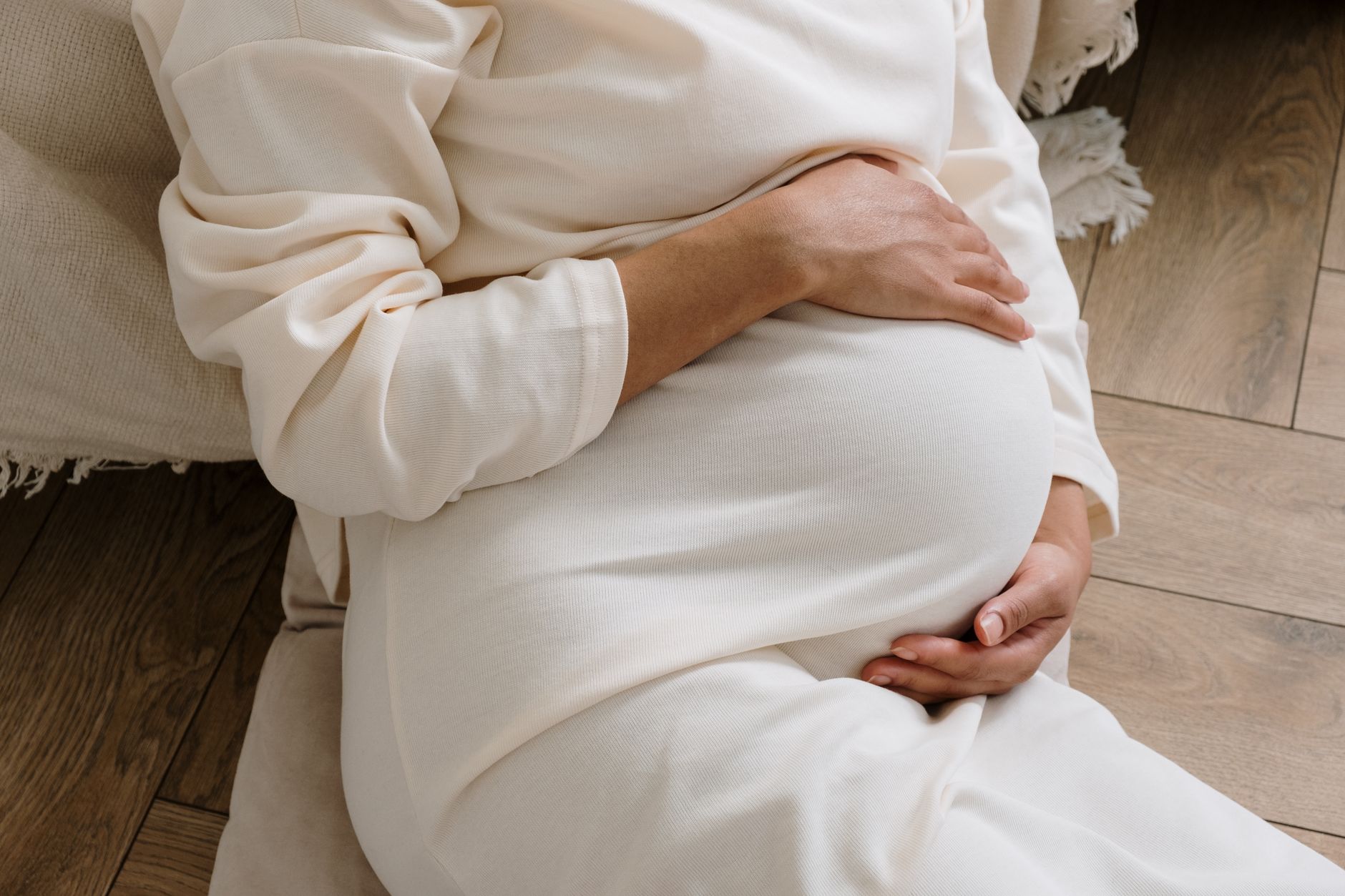
Discover the best sleeping position for your second trimester in 2026. Learn safe, comfortable, and doctor-recommended positions to improve sleep and support baby’s growth.
By Shubhra Mishra — a mom of two who turned her own confusion during pregnancy into BumpBites, a global mission to make food choices clear, safe, and stress-free for every expecting mother. 💛
Check whether any food is safe during pregnancy with the BumpBites Food Safety Checker.
Quick take: During your second trimester, the safest and most recommended sleeping position is on your side, particularly your left side. This helps ensure optimal blood flow to your baby and uterus, supports your internal organs, and can alleviate common pregnancy discomforts like back pain and heartburn. While accidentally rolling onto your back is usually not a cause for alarm, consistent back sleeping should be avoided as your pregnancy progresses.
As your baby bump begins to really show and grow during the second trimester, getting a good night's sleep can feel like an Olympic sport. You might find yourself tossing and turning, wondering if your usual go-to sleeping position is still safe or comfortable. Many women tell us they suddenly feel a bit lost in bed, navigating a new body shape and a whole new set of rules.
You're not alone in these concerns. With your body undergoing significant changes, understanding the best ways to rest isn't just about your comfort; it's also about supporting a healthy pregnancy. We're here to demystify sleep positions during this important stage, offering clear, science-backed guidance and practical tips to help you sleep soundly and safely.
In this complete guide, we'll explore why side sleeping becomes your best friend, delve into the specific benefits of lying on your left side, and address common worries like waking up on your back. We'll also cover how to make side sleeping genuinely comfortable with the right pillows and when it's time to chat with your healthcare provider. Your journey to better sleep starts here.
What's the Safest Sleeping Position During Your Second Trimester?
As you move through your second trimester, generally from week 13 to week 28, your uterus and baby are growing rapidly. This growth means that certain sleeping positions that felt natural before pregnancy, or even in your first trimester, are no longer ideal. The safest and most recommended sleeping position during this period is on your side, often referred to as "SOS" (sleep on side).
Specifically, healthcare professionals, including the American College of Obstetricians and Gynecologists (ACOG), recommend sleeping on your left side. The primary reason for this recommendation is to optimize blood flow and nutrient delivery to your baby. When you lie on your side, particularly your left, it prevents your growing uterus from compressing major blood vessels, especially the inferior vena cava. This large vein runs along the right side of your spine and carries deoxygenated blood from your lower body back to your heart. Compression of this vessel can reduce blood flow to your heart, and consequently, to your uterus, placenta, and baby.
Side sleeping also helps your kidneys function more efficiently, which can reduce swelling in your legs, ankles, and feet – a common second-trimester complaint. It can also help alleviate pressure on your liver, which is located on your right side. While the left side is generally preferred for these reasons, if you find it uncomfortable, sleeping on your right side is also a safe alternative. The most important thing is to avoid prolonged periods of back sleeping as your pregnancy progresses.
Finding a comfortable side-sleeping position with proper pillow support can make a big difference in your second trimester.
Can Back Sleeping in Your Second Trimester Harm Your Baby?
The concern around sleeping on your back during the second trimester isn't about immediate, severe harm from a single instance, but rather the potential for reduced blood flow and discomfort over time. As your uterus expands and your baby grows heavier, lying flat on your back can lead to a condition called supine hypotensive syndrome.
Here's how it works: When you're on your back, the weight of your uterus presses down on your inferior vena cava, the large vein responsible for returning blood from your lower body to your heart. This compression can significantly reduce the amount of blood flowing back to your heart, which then means less blood is pumped out to the rest of your body, including your uterus and placenta. This reduction in blood flow can lead to:
Reduced oxygen and nutrients for your baby: While babies are incredibly resilient and can tolerate short periods of reduced flow, prolonged compression could potentially impact their development over time.
Maternal discomfort: You might experience symptoms like dizziness, lightheadedness, nausea, shortness of breath, or heart palpitations. This is your body's way of telling you that the blood flow isn't optimal.
Lower blood pressure: The reduced blood return to your heart can cause your blood pressure to drop.
Increased risk of stillbirth: Although rare, some studies have shown a slight association between prolonged back sleeping in late pregnancy (third trimester) and an increased risk of stillbirth. While this is primarily a concern in the third trimester, adopting side sleeping habits earlier in the second trimester is a good preventative measure.
It's important to remember that if you accidentally wake up on your back, don't panic. Your body is usually good at signaling discomfort, and you'll likely shift positions naturally. The occasional, brief period on your back is generally not considered harmful. The goal is to consciously start and end your sleep on your side and to use pillows to help maintain that position throughout the night.
Why Is Left-Side Sleeping Especially Recommended?
While any side sleeping is better than back sleeping during your second trimester, the left side holds a slight edge due to specific anatomical advantages. Medical experts and organizations like the World Health Organization (WHO) often highlight the benefits of left-side sleeping for pregnant women for several key reasons:
Optimal Blood Flow: The most significant benefit of left-side sleeping is its impact on blood circulation. The inferior vena cava, the large vein that carries deoxygenated blood from the lower half of your body to your heart, is located on the right side of your spine. By sleeping on your left side, you keep your growing uterus from pressing on this crucial vessel. This ensures maximum blood flow to your heart, which, in turn, boosts circulation to your placenta, uterus, and baby. Better blood flow means more oxygen and nutrients reach your developing baby, supporting their growth and well-being.
Kidney Function and Reduced Swelling: Improved circulation also benefits your kidneys. When your kidneys function efficiently, they can better process waste and fluids, which helps reduce common pregnancy swelling (edema) in your ankles, feet, and hands. Many women find that sleeping on their left side noticeably decreases morning puffiness.
Digestive Comfort and Heartburn Relief: Heartburn is a frequent and often uncomfortable companion during pregnancy, thanks to hormonal changes relaxing the esophageal sphincter and the growing uterus pushing on your stomach. Sleeping on your left side can help keep your stomach lower than your esophagus, making it harder for stomach acid to travel upwards. This can significantly reduce heartburn symptoms and improve overall digestive comfort, especially after a late dinner.
Less Pressure on the Liver: Your liver is located on the right side of your abdomen. Sleeping on your left side helps relieve pressure on this vital organ, allowing it to function optimally. While sleeping on your right side isn't inherently dangerous, avoiding extra pressure on the liver is a small bonus of left-side sleeping.
These combined benefits make left-side sleeping a powerful tool for both your comfort and your baby's development during the second trimester. It's not about strict adherence, but understanding the advantages can motivate you to make this position your default whenever possible.
How Can You Sleep Comfortably on Your Side During the Second Trimester?
Transitioning to side sleeping, especially if you're accustomed to sleeping on your back or stomach, can take some adjustment. The goal isn't just to sleep on your side, but to do so comfortably, ensuring you get the restorative rest you need. Here are practical tips to help you embrace side sleeping and alleviate common second-trimester discomforts:
Mastering Pillow Placement
Pillows are your best friends in pregnancy. Strategic placement can make a huge difference:
Between Your Knees: Place a pillow between your knees to keep your hips, pelvis, and spine aligned. This can significantly relieve pressure on your lower back and hips, making it a game-changer for lower back pain relief and sciatica. A long body pillow or a dedicated knee pillow works wonderfully.
Under Your Belly: As your bump grows, it can feel heavy and pull on your back. A small wedge pillow or a folded blanket tucked under your belly provides gentle support, preventing strain and adding comfort.
Behind Your Back: To prevent yourself from accidentally rolling onto your back, place a pillow or two behind your back. This creates a physical barrier and helps you stay on your side throughout the night.
Under Your Head: Ensure your head pillow supports your neck in a neutral position, aligning with your spine. A pillow that's too high or too flat can lead to neck pain.
Body Alignment and Positioning
Slightly Bend Your Knees: While lying on your side, bend your knees and hips slightly, almost like you're in a fetal position, but not too curled up. This helps maintain spinal alignment and reduces tension.
Elevate Your Head (for Heartburn): If heartburn is a persistent issue, consider elevating your head and upper torso slightly. You can do this by using an extra pillow or a wedge pillow designed for acid reflux. This helps gravity keep stomach acid down.
Elevate Your Legs (for Swelling): For swollen feet and ankles, try propping your feet up slightly with a pillow at the end of the bed. This can be done while side sleeping, just ensure your hips and knees remain comfortable.
Creating a "Nest"
Many pregnant women find comfort in creating a "nest" of pillows. This often involves a full-body pregnancy pillow that wraps around you, supporting your head, belly, and back all at once. Even if you don't have a specialized pillow, you can achieve a similar effect with several standard pillows. The goal is to feel secure, supported, and cradled.
Addressing Specific Discomforts
Lower Back Pain Relief: The pillow between your knees is crucial here. Also, ensure your mattress provides adequate support. If your mattress is old or too soft, consider adding a firm mattress topper.
Sciatica: Sciatica, characterized by pain radiating from your lower back down your leg, can be exacerbated by poor sleeping posture. The key is to keep your spine, hips, and pelvis aligned. A firm pillow between your knees and proper support under your belly can relieve pressure on the sciatic nerve. Some women find a pillow under their waist, filling the gap between their body and the mattress, also helps.
Hip Pain: Side sleeping can sometimes lead to hip pain due to sustained pressure. Using a softer mattress topper, a thicker pillow between your knees, and ensuring your hips are aligned (not collapsing inward) can help. Occasionally switching sides (from left to right and back) can also alleviate pressure points.
It might take a few nights of experimentation to find your perfect setup, but investing time in pillow arrangement can lead to significantly better sleep quality during your second trimester.
Choosing the Best Pregnancy Pillows for Second Trimester Side Sleeping
Pregnancy pillows are specifically designed to provide the targeted support needed as your body changes. They can be a game-changer for comfortable side sleeping, helping you maintain the recommended position and alleviate various aches and pains. With so many options available, choosing the right one depends on your specific needs and preferences.
Types of Pregnancy Pillows
Wedge Pillows: These small, triangular pillows are versatile. They can be tucked under your growing belly for support, placed behind your back to prevent rolling, or used to elevate your head for heartburn relief. They're a good option if you only need targeted support and don't want a full-body pillow.
C-Shaped Pillows: These pillows wrap around your body, supporting your head, back, and knees. They're great for providing full-body support and can be particularly helpful for preventing you from rolling onto your back. The "C" shape allows you to tuck the bottom curve between your knees and rest your head on the top curve, with the middle section supporting your back or belly.
U-Shaped Pillows: These are the largest pregnancy pillows, designed to support both sides of your body. They provide comprehensive support for your head, back, belly, and knees. Many women who are used to sleeping on their back find U-shaped pillows helpful because they create a cocoon that makes it difficult to roll onto your back. You can also flip them around to support your front and back simultaneously.
Full-Body Pillows (Straight or J-shaped): These are long, straight pillows that can be used in various ways. You can cuddle with them, place them between your knees, or use them to support your belly. J-shaped pillows offer a bit more head and neck support. They offer a simpler, less restrictive form of full-body support compared to C or U shapes.
Factors to Consider When Choosing
Support Needs: Do you mostly need belly support, back support, or both? Are you struggling with hip or knee pain?
Sleeping Style: If you toss and turn a lot, a U-shaped pillow might keep you more securely on your side. If you prefer more freedom, a wedge or straight body pillow might be better.
Bed Size: Full-body pillows, especially U-shaped ones, take up a lot of space. Consider your bed size and if you share the bed with a partner.
Material: Look for breathable, hypoallergenic materials. Some pillows have removable, washable covers, which is a big plus.
Firmness: Some women prefer a firmer pillow for better support, while others like a softer, squishier feel.
Here's a quick comparison of popular pregnancy pillow types:
Pillow Type
Best For
Pros
Cons
Wedge Pillow
Targeted support (belly, back, head elevation for heartburn)
Small, portable, affordable, versatile
Only provides partial support, may need multiple for full comfort
C-Shaped Pillow
Full-body support, prevents back rolling, hip/knee alignment
Supports head, back, belly, and knees; good for side sleepers
Can be bulky, may need adjustment when turning sides
U-Shaped Pillow
Comprehensive full-body support, ideal for back sleepers transitioning
Supports both sides of body, head, back, belly, and knees; creates a "nest"
Very bulky, takes up a lot of bed space, can be warm
Full-Body Pillow (Straight/J)
Versatile full-body support, cuddling, knee/belly support
Flexible use, less bulky than C/U shapes, good for smaller beds
May not offer as much structured support as C/U shapes for back prevention
Many women find that even a few strategically placed regular pillows can achieve a similar effect to specialized pregnancy pillows. Don't feel pressured to buy a fancy pillow if regular ones do the trick!
What If You Wake Up on Your Back During the Second Trimester?
It's a common scenario: you drift off to sleep carefully positioned on your side, only to wake up hours later flat on your back, sometimes with a jolt of anxiety. If this happens to you, take a deep breath – it's completely normal, and for most women, it's not a cause for immediate alarm.
Why it happens
Habit: If you've spent years sleeping on your back, your body's muscle memory is strong. It takes time and conscious effort to retrain yourself.
Comfort Seeking: As your bump grows, finding a truly comfortable side position can be challenging. In your sleep, your body might instinctively seek what feels most comfortable, even if it's not the recommended position.
Deep Sleep: During deeper stages of sleep, you're less likely to be aware of your position and may shift without realizing it.
What to do if you wake up on your back
Don't Panic: A few minutes or even an hour on your back is unlikely to cause significant harm. Your body is usually good at signaling if something is wrong (like dizziness or shortness of breath), which would typically prompt you to shift.
Gently Reposition: Simply roll back onto your side, preferably your left.
Listen to Your Body: If you feel dizzy, nauseous, or short of breath when you wake on your back, it's a stronger signal that your vena cava is being compressed. This is your body's natural alarm system.
Strategies to help prevent rolling onto your back
Pillow Barriers: The most effective method is to create physical barriers. Place a firm pillow or a rolled-up blanket behind your back. Some pregnancy pillows, especially C- or U-shaped ones, are designed to naturally keep you on your side.
The "Tennis Ball Trick": Some women sew a tennis ball or a small, soft item into the back of a pajama top. If you roll onto your back, the discomfort can gently nudge you back onto your side without fully waking you.
Slight Incline: Elevating the head of your bed slightly (using risers or a wedge under the mattress) can make back sleeping less comfortable and help you stay on your side.
Start on Your Side: Make a conscious effort to begin every sleep session (naps included) on your side. Consistency helps retrain your body.
Talk to Your Partner: If you share a bed, ask your partner to gently nudge you if they notice you've rolled onto your back.
Remember, the goal is to *minimize* the time spent on your back, not to achieve perfect side sleeping every single moment. Be patient with yourself and your body as you adjust to these new sleep habits.
A calm and comfortable bedroom environment can support better sleep habits during pregnancy.
Are There Risks to Sleeping on Your Right Side in the Second Trimester?
When discussing side sleeping during pregnancy, the left side often gets all the attention, leading many women to wonder if sleeping on the right side poses any risks. The good news is that sleeping on your right side is generally considered safe and is a perfectly acceptable alternative if sleeping exclusively on your left side becomes uncomfortable.
While the left side is often recommended due to the anatomical position of the inferior vena cava (on the right side of your spine) and your liver (also on your right side), the difference in impact between the left and right side is often very subtle for most women. Here's a breakdown of the considerations:
Inferior Vena Cava: As discussed, the inferior vena cava runs on the right side. Lying on your left side helps keep the uterus from compressing it. However, lying on your right side doesn't necessarily mean it will be *severely* compressed. The body's intricate network of blood vessels often finds alternative routes for blood flow, and the degree of compression can vary from person to person.
Liver Position: Your liver is a large organ located on the right side of your abdomen. Some experts suggest that lying on your left side helps reduce pressure on the liver, aiding its function. While this is a minor benefit of left-side sleeping, there's no strong evidence to suggest that right-side sleeping actively harms the liver during pregnancy.
Blood Flow: While left-side sleeping is considered *optimal* for blood flow to the placenta and baby, sleeping on your right side still allows for significantly better blood flow compared to sleeping on your back. The key is to avoid supine (back) sleeping.
When Right-Side Sleeping Might Be Beneficial
Alternating Sides: Many women find it more comfortable to alternate between their left and right sides throughout the night. This can help alleviate pressure points on hips and shoulders, which can become sore from extended time on one side.
Digestive Issues: If you have certain digestive issues or feel more comfortable on your right side for other reasons, it's generally fine.
Relief from Left-Side Discomfort: If you develop hip pain, shoulder pain, or numbness from consistently sleeping on your left side, switching to your right can offer much-needed relief.
Ultimately, the most important guideline is to listen to your body. If you feel comfortable and don't experience symptoms like dizziness, shortness of breath, or reduced fetal movement while on your right side, it's a safe and acceptable position. The overarching recommendation is to sleep on *a* side, and while the left is marginally preferred, the right side is a perfectly good second choice.
Tips for Transitioning from Back or Stomach Sleeping to Your Side
For many women, side sleeping isn't their natural default. If you've spent years sleeping on your back or stomach, making the switch during pregnancy can feel challenging. However, with a bit of patience and strategy, you can successfully transition to a comfortable and safe side-sleeping position.
Understanding the Shift
Stomach Sleeping in Early Second Trimester: In the very early second trimester (weeks 13-16), if your bump is still relatively small, you might find stomach sleeping possible for a short time. However, as your uterus grows and becomes heavier, typically by mid-second trimester, stomach sleeping will become physically uncomfortable and impractical. It's best to start transitioning away from it as soon as it feels restrictive, or even earlier as a preventative measure.
Back Sleeping: The recommendation to avoid back sleeping typically starts from around week 20-28 of pregnancy, as this is when the uterus usually becomes heavy enough to significantly compress the vena cava. Starting the transition earlier in the second trimester gives you plenty of time to adapt.
Practical Transition Strategies
Gradual Adjustment: Don't expect to switch overnight. Start by trying to fall asleep on your side. If you wake up on your back or stomach, simply roll back to your side. Consistency over perfection is key.
Pillow Power: This is your number one tool.
For Back Sleepers: Place a firm pillow or a rolled-up blanket behind your back to create a physical barrier. A C-shaped or U-shaped pregnancy pillow can also "hug" you into a side position, making it harder to roll over.
For Stomach Sleepers: Start by sleeping on your side with a pillow tucked firmly under your belly for support. This can mimic the feeling of pressure you might be used to from stomach sleeping while keeping you on your side.
Elevate Your Head: Sometimes, having your head and upper torso slightly elevated can make side sleeping feel more natural and can also help with potential heartburn.
Comfortable Bedding: Ensure your mattress is supportive but not too firm, and that your sheets are breathable. Discomfort from your bedding can make any position feel wrong.
Relaxation Techniques: Anxiety about sleep can make it harder to fall asleep in a new position. Practice relaxation techniques before bed, such as deep breathing, gentle stretching, or listening to calming music.
Daytime Naps: Use naps as practice sessions. Consciously try to start your naps on your side with your pillow setup. This low-pressure environment can help you get used to the position.
Consult Your Doctor: If you're really struggling to find a comfortable side-sleeping position and it's impacting your sleep quality, talk to your healthcare provider. They might have specific recommendations or can reassure you about your particular situation.
Remember, the goal is to make side sleeping as comfortable and natural as possible. It's a habit that needs to be built, and it's okay if it takes some time. Your body and your baby will thank you for the effort.
Signs Your Sleeping Position Might Be an Issue
While side sleeping, especially on your left, is highly recommended during your second trimester, it's also important to listen to your body for any signals that your sleeping position might be causing issues. Your body is incredibly intelligent and often provides clues when something isn't quite right. Pay attention to these signs:
Dizziness or Lightheadedness: If you wake up feeling dizzy, lightheaded, or faint, especially after lying on your back for a while, it's a strong indicator that the vena cava is being compressed, reducing blood flow to your brain.
Shortness of Breath: Feeling breathless or like you can't get enough air when lying down can be another sign of pressure on your diaphragm or major blood vessels.
Heart Palpitations: An awareness of your heart beating unusually fast or hard can sometimes be linked to reduced blood return to the heart, which your body tries to compensate for.
Increased Swelling: While some swelling is normal in pregnancy, significantly increased swelling in your hands, feet, or ankles, particularly if it worsens overnight or after a specific sleep position, could indicate suboptimal circulation.
Persistent Aches and Pains: Waking up with new or worsened lower back pain, hip pain, or sciatica that doesn't seem to improve with stretching or activity could mean your sleeping posture isn't providing adequate support or is putting undue pressure on certain areas.
Reduced Fetal Movement: While babies have sleep-wake cycles, any noticeable and sustained decrease in your baby's usual movement patterns should always be discussed with your healthcare provider, regardless of your sleeping position. If you notice this after lying in a particular position, it's a red flag.
Numbness or Tingling: Experiencing numbness or tingling in your arms, hands, or legs could indicate nerve compression or poor circulation due to your sleeping position.
Worsening Heartburn: If your heartburn becomes significantly worse or more frequent, especially when lying down, it might suggest your position isn't helping gravity keep stomach acids down.
If you experience any of these symptoms consistently, or if they are severe, it's always best to consult your healthcare provider. They can assess your individual situation and offer personalized advice to ensure both you and your baby remain healthy and comfortable.
Comfort Tips for Common Second Trimester Sleep Discomforts
The second trimester, while often feeling more energetic than the first, can bring its own set of sleep challenges. From a growing belly to hormonal shifts, various discomforts can disrupt your precious rest. Here are practical comfort tips to help you manage common issues while maintaining safe sleeping positions:
For Heartburn and Acid Reflux
Elevate Your Upper Body: Use an extra pillow or a wedge pillow designed for acid reflux to elevate your head and shoulders. This helps gravity keep stomach acid where it belongs.
Eat Smaller, Earlier Meals: Avoid large meals close to bedtime. Give yourself at least 2-3 hours between eating and lying down.
Avoid Trigger Foods: Identify and limit foods that tend to worsen your heartburn, such as spicy foods, fatty foods, citrus, chocolate, and caffeine.
Stay Hydrated Between Meals: Sip water throughout the day, but try not to drink large amounts right before bed.
For Lower Back Pain and Sciatica
Pillow Between Knees: As mentioned, a pillow between your knees (and slightly up towards your thighs) is crucial for aligning your hips, pelvis, and spine, significantly reducing lower back pressure.
Belly Support: A wedge pillow or a folded blanket under your growing belly can prevent it from pulling on your back muscles.
Supportive Mattress: Ensure your mattress offers good support. If it's too soft, a firm mattress topper can help.
Gentle Stretching: Incorporate gentle prenatal yoga or stretches during the day, especially those targeting the lower back and hips, to improve flexibility and reduce tension.
Warm Bath: A warm (not hot) bath before bed can relax tense muscles and soothe aches.
For Swollen Feet and Ankles (Edema)
Elevate Your Legs: While lying on your side, place a pillow or two under your lower legs and feet to elevate them slightly above your heart level. This encourages fluid drainage.
Stay Hydrated: Drinking plenty of water actually helps your body flush out excess sodium and reduce swelling.
Light Exercise: Regular, gentle exercise like walking can improve circulation and reduce fluid retention.
Avoid Prolonged Standing: If your job or daily activities require long periods of standing, take breaks to sit and elevate your feet.
For Hip Pain
Switch Sides: If you've been sleeping on your left side for a long time and your left hip starts to ache, try switching to your right side for a portion of the night.
Thicker Knee Pillow: A thicker, firmer pillow between your knees can provide better cushioning and alignment for your hips.
Softer Sleeping Surface: If your mattress is very firm, consider a memory foam topper to provide more cushioning for your hips.
By proactively addressing these common discomforts, you can create a more conducive environment for restorative sleep, ensuring both you and your baby benefit from a well-rested night.
Myth vs. Fact
Myth: Sleeping on your back will immediately harm your baby in the second trimester.
Fact: While prolonged back sleeping should be avoided, accidentally rolling onto your back for a short period is generally not a cause for alarm. Your body has mechanisms to signal discomfort (like dizziness), prompting you to change position. The concern is with consistent, long-duration back sleeping, which can reduce blood flow over time, not a brief accidental shift.
Myth: You must *only* sleep on your left side throughout your entire second trimester.
Fact: Left-side sleeping is generally considered optimal because it maximizes blood flow to the placenta and kidneys, and helps with digestion. However, sleeping on your right side is also perfectly safe and recommended if you need to alternate positions for comfort or if the left side becomes uncomfortable. The key is to avoid prolonged back sleeping, not to restrict yourself to just one side.
Myth: Sleeping on your stomach is dangerous from the moment you conceive.
Fact: In the very early stages of pregnancy and even into the early second trimester (weeks 13-16 for some), stomach sleeping may still be comfortable and is not considered harmful as the uterus is still protected within the pelvis. However, as your belly grows and the uterus becomes heavier, stomach sleeping quickly becomes physically impossible and uncomfortable, naturally prompting you to switch to side sleeping. It's best to transition away from it as soon as it feels restrictive.
Key Takeaways
The safest and most recommended sleeping position in the second trimester is on your side, particularly your left side.
Left-side sleeping optimizes blood flow to your baby, uterus, and kidneys, reducing swelling and heartburn.
Avoid prolonged back sleeping as it can compress the inferior vena cava, potentially reducing blood flow and causing maternal discomfort.
Accidentally waking up on your back is common and usually not harmful; simply reposition yourself onto your side.
Pregnancy pillows (wedge, C-shaped, U-shaped) are excellent tools for supporting your belly, back, and knees, making side sleeping more comfortable and preventing rolling.
Listen to your body for signs like dizziness, shortness of breath, or reduced fetal movement, and consult your doctor if you have concerns.
Frequently Asked Questions
What happens if you accidentally sleep on your back while pregnant?
If you accidentally wake up on your back, don't panic. Your body is usually good at signaling discomfort, like dizziness or shortness of breath, which would prompt you to shift. Short, accidental periods on your back are generally not harmful to your baby. Simply roll over onto your side, preferably your left, and continue sleeping.
Is it okay to sleep on your right side during the second trimester?
Yes, it is generally okay and safe to sleep on your right side during the second trimester. While left-side sleeping is often preferred for optimal blood flow, sleeping on your right side is a perfectly acceptable alternative and offers significantly more benefits than back sleeping. Many women find alternating sides helps relieve pressure points and improves overall comfort.
How can I make side sleeping more comfortable during pregnancy?
Making side sleeping comfortable often involves strategic pillow placement. Use a pillow between your knees to align your hips and spine, a wedge pillow or folded blanket under your belly for support, and another pillow behind your back to prevent rolling. Experiment with different pillow setups to find what feels best for you.
What are the signs that my sleeping position is affecting my baby?
Signs that your sleeping position might be an issue for you or your baby include dizziness, lightheadedness, shortness of breath, heart palpitations, or a noticeable decrease in your baby's movements. If you experience any of these symptoms consistently, especially after lying in a certain position, contact your healthcare provider.
Can poor sleeping positions cause miscarriage in the second trimester?
No, there is no evidence to suggest that poor sleeping positions directly cause miscarriage in the second trimester. While prolonged back sleeping in later pregnancy is associated with a slightly increased risk of stillbirth, this is primarily a third-trimester concern, and accidental or brief periods on your back are not linked to miscarriage.
What is the best pillow setup for second trimester side sleeping?
The best pillow setup for second-trimester side sleeping often involves using a full-body pregnancy pillow (C-shaped or U-shaped) that supports your head, belly, back, and knees. Alternatively, you can use multiple standard pillows: one under your head, one between your knees, one tucked under your belly, and one behind your back to prevent rolling.
When to See a Doctor or Specialist
While discomfort and sleep challenges are common during pregnancy, certain symptoms warrant a call to your healthcare provider. Trust your instincts; if something feels off, it's always best to get it checked out.
Contact your OB/GYN or midwife if you experience any of the following:
Persistent dizziness, lightheadedness, or fainting spells, especially after lying down.
Ongoing shortness of breath or heart palpitations that don't resolve quickly after changing position.
Significant and sustained decrease in fetal movement. Always contact your provider immediately if you notice this.
Severe or worsening back, hip, or sciatic pain that isn't relieved by repositioning or pillows.
Extreme or sudden increase in swelling in your hands, face, or feet, as this could be a sign of preeclampsia.
Inability to find a comfortable sleeping position that consistently impacts your sleep quality, leading to extreme fatigue.
Any other new or concerning symptoms that worry you.
This article is for informational purposes only and is not a substitute for professional medical advice, diagnosis, or treatment. Always seek the advice of your physician or other qualified health provider with any questions you may have regarding a medical condition.
Not sure about the label on Best Sleeping Position Second Trimester products?
Snap the ingredients list and SafeFilter checks every ingredient for your stage — only 3 free scans this month, then you're locked until reset. Unlimited from $7/mo or lock $50/yr through Aug 31 (5 days left).
When Shubhra Mishra was expecting her first child in 2016, she was overwhelmed by conflicting food advice — one site said yes, another said never. By the time her second baby arrived in 2019, she realized millions of mothers face the same confusion.
That sparked a five-year journey through clinical nutrition papers, cultural diets, and expert conversations — all leading to BumpBites: a calm, compassionate space where science meets everyday motherhood.
Her long-term vision is to build a global community ensuring safe, supported, and free deliveriesfor every mother — because no woman should face pregnancy alone or uninformed. 🌿
🌍 Stand with mothers, shape safer guidance
Join a small circle of experts who review BumpBites articles so expecting parents everywhere can decide with confidence.