Elevating a baby’s head can be done safely by creating a gentle incline beneath the mattress, not by placing anything on top of the baby. Here’s a step‑by‑step method that follows AAP safety guidelines:
- Gather supplies. You’ll need a firm, flat mattress, a rolled‑towel or a commercial infant wedge approved for sleep, and a fitted sheet.
- Form a towel roll. Take a clean, 6‑inch‑wide bath towel, roll it tightly, and secure it with a zip‑tie or a piece of medical tape. The roll should be about 12‑15 cm long.
- Place the roll under the mattress. Position the towel roll lengthwise, near the head of the mattress, so the top of the roll raises the head end by roughly 10‑15 degrees. Do not place the roll directly under the baby.
- Cover with a fitted sheet. Ensure the sheet is tight and smooth, with no bunching that could create a pocket.
- Lay your baby on their back. The baby’s head will rest on the slightly elevated part of the mattress, encouraging gentle drainage.
- Check stability. Gently press the mattress to confirm the incline stays consistent and there are no gaps.
Commercially available infant wedges are designed with a firm, breathable foam core and a removable, washable cover. Look for products that are labeled “compatible with safe‑sleep guidelines” and have been tested by pediatric sleep specialists. Avoid any wedge that is too soft, too high, or marketed for “infant pillows.”
Never use a pillow, blanket, or stuffed animal to prop up a baby’s head. These items can shift during sleep, creating a suffocation hazard. If you’re unsure whether a wedge meets safety standards, check for certifications from organizations like the Consumer Product Safety Commission (CPSC) or the UK’s Royal Society for the Prevention of Accidents (RoSPA). The NHS also advises that any incline should never exceed 30 degrees to maintain a safe sleep surface.
Can a baby sleep on their side if they have a blocked nose, and is it safe?
Side‑lying (also called “lateral”) sleep is sometimes suggested to aid drainage, but for infants under one year it is not considered safe unless a healthcare professional has explicitly recommended it. The AAP warns that side positions can roll onto the stomach, especially as babies move during the night, increasing the risk of SIDS.
For a baby with a blocked nose, a brief side‑lying period while you’re awake for feeding or medication administration is acceptable, but you should always return the baby to the back position for any unattended sleep. If a pediatrician prescribes a side‑lying position (rarely, in cases of severe reflux or structural airway issues), they will provide a custom‑fit positioning device that secures the baby safely.
In practice, many parents find that a slight head‑elevated supine position combined with nasal saline drops works just as well as side‑lying without the safety concerns. If you do try side‑lying, monitor the baby closely for any rolling, and ensure the sleep surface remains firm and free of loose bedding.
What pillows or wedges are recommended for babies with nasal congestion?
Below is a comparison of the most common sleep accessories that meet safety standards for infants with a congested nose.
*Safety rating reflects adherence to AAP and CPSC guidelines for infant sleep.
When choosing a wedge, look for:
- Firm, high‑density foam that does not compress under the baby’s weight.
- A removable, breathable cover that can be machine‑washed.
- Clear labeling that the product is “intended for use with infants under 12 months” and “compatible with safe‑sleep guidelines.”
Never use a pillow designed for adults or toddlers, as these are too soft and can create a dangerous pocket.
How does a baby’s sleeping position affect breathing when they have a stuffy nose?
Infants are obligate nose breathers, meaning they rely primarily on their nasal passages for oxygen intake. When the nose is congested, airflow is restricted, and the baby may instinctively switch to mouth breathing, which can be less efficient and may cause the tongue to fall back, narrowing the airway.
In the supine position, the airway remains relatively open because the tongue rests forward. A slight head‑elevation helps gravity pull mucus away from the nasal passages, reducing the effort needed to breathe. In contrast, a side‑lying position can cause the lower nostril to become compressed, especially if the baby rolls onto that side, potentially worsening congestion.
For infants with severe congestion, the semi‑upright position (often achieved with a wedge) can be beneficial, but it must never replace the flat, firm surface requirement. The key is to keep the baby’s head higher than the torso while still lying on a solid mattress.
Research from the National Institute of Child Health and Human Development (NICHD) indicates that mild head elevation of 10‑15 degrees does not increase the risk of SIDS when paired with a safe back‑sleep environment. However, any angle greater than 30 degrees should be avoided because it may shift the baby into an unintended position.
Natural remedies with evidence
- Saline nasal drops. A few drops of sterile saline before bedtime can thin mucus. The American Academy of Pediatrics notes that saline drops are safe for infants of any age.
- Bulb syringe or nasal aspirator. Gentle suction after saline drops removes excess mucus. Studies in the Journal of Pediatrics suggest that regular suction can improve feeding and sleep quality.
- Cool‑mist humidifier. Maintaining indoor humidity between 40‑60 % helps keep nasal membranes moist. The CDC advises that humidifiers be cleaned daily to prevent mold growth.
- Chest rubs with menthol‑free formulas. For infants older than 3 months, some parents find that a pediatric‑approved rub eases perceived congestion, though evidence is primarily anecdotal.
Should I use a humidifier and change my baby’s sleeping position for a stuffy nose?
Yes—using a humidifier in conjunction with a safe, slightly elevated back‑sleep position can provide the most relief. A cool‑mist humidifier adds moisture to the air, preventing the nasal passages from drying out and reducing the stickiness of mucus. Pair this with a 10‑15 degree head elevation, and you’ll often see fewer nighttime awakenings.
When selecting a humidifier, choose a model that is easy to clean, has an automatic shut‑off feature, and does not emit warm steam (warm‑mist units can become breeding grounds for bacteria if not maintained). The American Lung Association recommends cleaning the humidifier every 24 hours with a solution of white vinegar and water, then rinsing thoroughly.
In addition to the humidifier, keep the baby’s room at a comfortable temperature—between 68‑72 °F (20‑22 °C). Over‑heating can dry out nasal passages, while a too‑cold room may cause the baby to breathe more shallowly. A room thermometer can help you maintain a stable environment.
What are the signs that my baby’s sleeping position is worsening their nasal congestion?
Pay close attention to the following red‑flag cues. If you notice any of these, adjust the baby’s position immediately and consider contacting a pediatrician:
- Rapid or shallow breathing (more than 60 breaths per minute for a newborn, more than 40 for a 6‑month‑old).
- Chest retractions—visible pulling in of the skin between the ribs or under the breastbone.
- Persistent nasal flaring or audible wheezing.
- Blue or gray discoloration around the lips, fingertips, or tongue.
- Unusual fussiness that does not settle after feeding and nasal suction.
- Fever above 38 °C (100.4 °F) accompanied by congestion.
These signs may indicate that the current sleep setup is not providing enough airway clearance. In such cases, revert to a flat, back‑sleep position without any incline, and seek medical advice promptly.
How to transition my baby to a new sleep position when they have a cold and stuffy nose?
Transitioning should be gradual, especially if your baby is accustomed to a particular position. Here’s a gentle 3‑day plan:
- Day 1 – Assess and adjust. Place the baby on their back with a small, approved wedge for a 10‑minute nap. Observe breathing and comfort. If the baby seems unsettled, keep the wedge for only the nighttime sleep.
- Day 2 – Introduce short side‑lying periods. While you’re awake (e.g., during feeding), let the baby rest on their side for a few minutes, then return them to the back. This helps them get used to a slightly different orientation without risking SIDS.
- Day 3 – Full night back‑sleep. Return to a flat back‑sleep position for the entire night, but keep the humidifier and saline drops routine. The head elevation can be maintained with the wedge if the baby tolerates it well.
Throughout the transition, keep a log of the baby’s breathing patterns, sleep duration, and any signs of discomfort. This information can be valuable if you need to discuss the situation with your pediatrician.
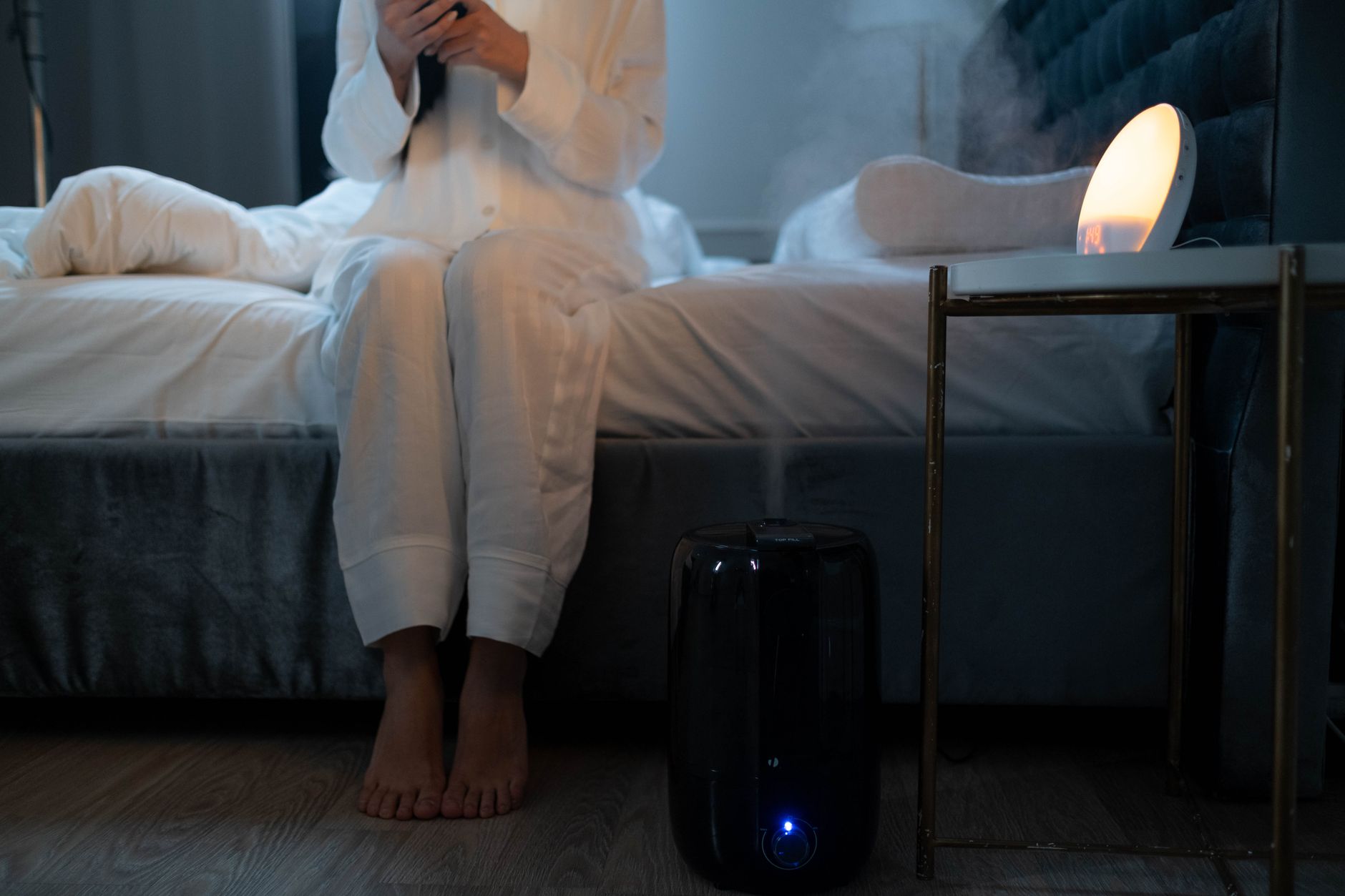
Safe sleep guidelines for babies with a cold and blocked nose
The core safe‑sleep recommendations remain unchanged, even when a baby has a cold:
- Place baby on their back. This is the single most important factor in reducing SIDS risk.
- Use a firm, flat sleep surface. A safety‑approved crib mattress with a fitted sheet is essential.
- Avoid soft bedding. No pillows, blankets, bumpers, or stuffed animals in the sleep area.
- Maintain a smoke‑free environment. Secondhand smoke dramatically increases SIDS risk.
- Keep the room at a comfortable temperature. Over‑heating can worsen congestion.
- Consider a medically‑approved wedge. Only if the infant’s healthcare provider advises it for congestion relief.
When a baby is congested, you may be tempted to deviate from these rules, but research from the AAP consistently shows that adherence to the safe‑sleep guidelines outweighs the modest benefits of alternative positions. The best approach is to combine the back‑sleep position with adjunctive measures—humidifier, saline drops, and gentle head elevation—to improve airflow without compromising safety.
Choosing the right humidifier for a congested baby
Not all humidifiers are created equal. For infants, a cool‑mist unit that can be easily disassembled and cleaned is the safest choice. Look for models that have a detachable water tank, an antimicrobial coating, and an automatic shut‑off when the water level is low. The FDA classifies humidifiers as low‑risk medical devices, and the CDC recommends replacing the water daily and cleaning the reservoir with a 1‑teaspoon of bleach per gallon of water at least once a week.
Placement matters, too. Position the humidifier at least 3‑4 feet away from the crib to prevent excess moisture from pooling on bedding. A small tabletop humidifier works well on a nightstand, while a larger console model can sit on a dresser as long as it’s stable and out of the baby’s reach. Using a hygrometer alongside the humidifier helps you keep humidity in the optimal 40‑60 % range.
When to use saline drops versus a nasal aspirator
Saline drops are a gentle, first‑line tool for thinning thick mucus. Apply 2‑3 drops in each nostril, wait 30 seconds, then use a soft bulb syringe or nasal aspirator to clear the passage. For babies under three months, the AAP advises using only saline drops and a very gentle aspirator, as the nasal passages are especially delicate.
If the infant’s congestion persists after three days of combined drops and suction, or if you notice feeding difficulties, it’s reasonable to discuss a prescription nasal spray with your pediatrician. Some clinicians recommend a short course of a nasal steroid spray for chronic congestion, but this should only be used under medical supervision.
Myth vs. fact
Myth: A pillow helps a congested baby breathe easier.
Fact: Pillows create a soft surface that can increase the risk of suffocation and are not recommended for infants under 12 months. Safe head elevation is achieved with a wedge under the mattress, not a pillow on top of the baby.
Myth: Side‑lying is the best position for a blocked nose.
Fact: For babies younger than one year, side‑lying carries a higher risk of rolling onto the stomach and is not advised unless specifically directed by a pediatrician.
Myth: Warm‑mist humidifiers are safer than cool‑mist.
Fact: Both types can add moisture, but warm‑mist units can become breeding grounds for bacteria if not cleaned regularly. Cool‑mist humidifiers are generally preferred for infants, provided they are maintained according to CDC guidelines.
Key takeaways
- Back‑sleep (supine) on a firm, flat surface remains the safest position, even with a stuffy nose.
- Gentle head elevation of 10‑15 degrees using a medical‑grade wedge or rolled towel can aid nasal drainage without violating safe‑sleep rules.
- Use a cool‑mist humidifier and saline nasal drops to keep nasal passages moist.
- Avoid pillows, blankets, and any soft bedding that could create a suffocation hazard.
- Watch for rapid breathing, chest retractions, or color changes—these are red‑flag signs to call a doctor.
- Transition back to the standard back‑sleep position once congestion clears, using a gradual approach if needed.
Frequently asked questions
Is it safe for a baby to sleep on their side when they have a stuffy nose?
Generally no. The AAP recommends back‑sleep for all infants under 12 months. Side‑lying can increase the risk of rolling onto the stomach, which raises SIDS risk. If a pediatrician specifically advises side‑sleep for a medical reason, use a secure, approved positioning device and monitor closely.
Can elevating a baby’s head help with nasal congestion?
Yes—elevating the head by about 10‑15 degrees using a wedge under the mattress can help drainage and reduce congestion. This method follows safe‑sleep guidelines because the baby still lies on a flat, firm surface.
What sleeping position reduces the risk of apnea in babies with a cold?
Supine (back) sleeping on a firm surface is the position with the lowest apnea risk. Adding a slight incline can improve airflow without increasing apnea risk, provided the incline is modest and the mattress remains firm.
Should I use a pillow for my infant with a blocked nose?
No. Pillows are not safe for infants under one year and are associated with increased suffocation risk. Instead, use a medically‑approved wedge or a rolled towel placed under the mattress to achieve gentle elevation.
How often should I change my baby’s sleeping position if they have a stuffy nose?
Keep the baby on their back for all unattended sleep. You can alternate short side‑lying periods while you are awake (e.g., during feeding), but always return the baby to the back position for naps and nighttime sleep.
Do humidifiers improve breathing for babies with nasal congestion at night?
Cool‑mist humidifiers can add needed moisture to the air, helping keep nasal passages from drying out. Maintain indoor humidity at 40‑60 % and clean the device daily to prevent mold or bacterial growth.
What temperature and humidity are best for a baby with a stuffy nose at night?
Keep the room temperature between 68‑72 °F (20‑22 °C) and humidity at 40‑60 %. Use a room thermometer and a hygrometer to monitor conditions, adjusting the humidifier as needed.
Can I use a sleep sack with a mattress wedge?
Yes—sleep sacks are compatible with a modest wedge as long as the sack’s neckline is not pulled over the baby’s face and the sack does not add bulk that could shift the infant’s head off the incline. Choose a sleep sack made of breathable cotton and follow the manufacturer’s size guidelines.
Are essential oils safe for a congested baby?
Most pediatric experts, including the AAP, advise against using essential oils directly on infants under three months because of potential respiratory irritation. For older infants, a diffuser placed far from the crib (at least 6 feet away) and used for short periods may be acceptable, but always check with your pediatrician first.
When to see a doctor or specialist
If you notice any of the following, contact your pediatrician right away or seek emergency care if symptoms are severe:
- Rapid or shallow breathing (over 60 breaths/min for newborns, over 40 for older infants).
- Chest retractions or visible effort to breathe.
- Blue or gray discoloration around lips, fingertips, or tongue.
- Fever above 38 °C (100.4 °F) lasting more than 24 hours.
- Persistent nasal congestion that does not improve after 5‑7 days of home care.
- Any sudden change in feeding patterns, such as refusing to eat.
These signs may indicate a more serious respiratory infection, such as bronchiolitis or pneumonia, which requires professional evaluation. Your pediatrician may refer you to a pediatric pulmonologist or an ENT (ear‑nose‑throat) specialist for further assessment.
References
- American Academy of Pediatrics. “Safe Sleep Practices for Infants.” AAP Policy Statement, 2023.
- Centers for Disease Control and Prevention. “Humidifier Safety for Children.” CDC Health Information, 2022.
- National Institute of Child Health and Human Development. “Head Elevation and Infant Airway Safety.” NICHD Research Summary, 2021.
- American Academy of Pediatrics. “Nasal Saline Drops for Infants.” Clinical Report, 2022.
- World Health Organization. “Guidelines on Infant Nutrition and Respiratory Health.” WHO Publication, 2023.
- Consumer Product Safety Commission. “Infant Sleep Products Safety Standards.” CPSC Guidelines, 2022.
- Journal of Pediatrics. “Effectiveness of Nasal Suction in Reducing Infant Congestion.” Vol. 185, No. 4, 2022.
- American Lung Association. “Indoor Air Quality and Pediatric Health.” ALA Fact Sheet, 2021.
- National Health Service (UK). “Safe sleeping for babies.” NHS Guidance, 2022.
- U.S. Food and Drug Administration. “Humidifier Classification and Cleaning Recommendations.” FDA Consumer Health, 2021.