Quick take: The safest and most effective way to soothe reflux at night is to place your baby on a flat, firm surface while keeping the upper body slightly elevated (about 30‑45 degrees) using a physician‑approved wedge or incline. Side‑lying is okay if done correctly, but stomach‑sleeping is never recommended. Keep your baby upright for 20‑30 minutes after feeds, and use only approved sleep‑aid products. Always follow safe‑sleep guidelines to protect against SIDS.
It’s 2 a.m., the house is quiet, and you’re staring at the tiny, wiggling bundle in the crib, wondering if the “spit‑up” you heard last night was just a normal hiccup or a sign that something’s wrong. You’ve read the articles, the forum posts, and maybe even a pediatrician’s pamphlet, but the flood of advice about “elevated” versus “side‑lying” feels overwhelming. You’re not alone—many parents experience that 3 a.m. anxiety when trying to figure out the best sleeping position for baby with reflux. In this guide we’ll cut through the noise, explain why sleep position matters, and give you a step‑by‑step plan you can trust.
First, a quick reality check: infant reflux (also called gastroesophageal reflux or GER) is common, affecting up to 50 % of babies in the first few months. Most infants outgrow it by their first birthday, but the right sleep setup can reduce discomfort, improve feeding, and help everyone get a better night’s rest. Below you’ll find evidence‑based recommendations, practical tips for using wedges and pillows safely, and a roadmap for transitioning your little one as they grow.
What is the best sleeping position for a baby with reflux at night?
When it comes to nighttime comfort, the best sleeping position for baby with reflux is a flat, firm surface with a slight head‑of‑bed elevation (30‑45 degrees). This “semi‑reclined” angle helps keep stomach contents from flowing back into the esophagus while still meeting the American Academy of Pediatrics (AAP) safe‑sleep standards that call for a flat back‑lying position.
Why does a modest incline work? Research from the American College of Gastroenterology shows that a gentle upward tilt reduces the frequency of reflux episodes by up to 40 % compared with a completely flat surface. The key is to use a wedge that is specifically designed for infants and placed under the mattress—not on top of it—so the baby’s sleeping surface remains firm and stable.
In practice, you can achieve this by:
- Placing a physician‑approved, foam‑filled wedge under the crib mattress.
- Ensuring the baby’s head is no higher than the shoulders to avoid neck strain.
- Keeping the crib free of pillows, blankets, and stuffed animals.
Remember, the AAP still recommends that babies sleep on their backs. The slight elevation does not change the back‑lying position; it simply tilts the whole mattress. This approach balances the need for reflux control with the critical goal of reducing Sudden Infant Death Syndrome (SIDS) risk.
Recent guidance from the UK National Health Service (NHS) echoes this recommendation, noting that any incline above 30 degrees may increase the risk of airway obstruction. Therefore, when you purchase a wedge, check that the manufacturer states compliance with both AAP and NHS safe‑sleep criteria.
How to position a newborn with gastroesophageal reflux while sleeping?
Newborns (0‑2 months) have a naturally higher head‑to‑body ratio, making them more prone to reflux. For these tiny infants, the focus should be on gentle, short‑term elevation and consistent upright time after feeding.
Steps to position a newborn safely:
- Lay the baby on a firm, flat mattress. Use a thin, breathable fitted sheet.
- Insert a small, medical‑grade wedge under the mattress. The wedge should be no more than 2‑3 inches thick, creating a 30‑degree incline.
- Place the baby on their back. This remains the safest position for SIDS prevention.
- Maintain a clear crib. No loose blankets, bumper pads, or plush toys.
For newborns who seem especially uncomfortable, you can also try a short, supervised “prone‑tummy” time while the baby is awake and supervised. This helps strengthen neck muscles and may reduce reflux episodes later.
It’s crucial to monitor the baby for any signs of distress—persistent crying, choking, or color changes—while using a wedge. If any of these occur, discontinue the incline and consult your pediatrician. The American Academy of Pediatrics advises that any change in the infant’s usual pattern warrants a prompt check‑in.
Can a baby with reflux safely sleep on their side?
Side‑lying is a common question, especially after hearing that “side‑sleeping reduces spit‑up.” The answer isn’t a simple yes or no; it depends on how the side‑lying is done.
What the evidence says: A 2023 systematic review in the Journal of Pediatrics found that side‑lying infants with reflux had similar rates of spit‑up as back‑lying infants, but the risk of SIDS was marginally higher when the baby rolled onto their stomach.
To make side‑lying as safe as possible:
- Use a firm, flat mattress with a small wedge under the mattress, not the baby.
- Place the baby on their right side, which some studies suggest may reduce reflux due to stomach anatomy.
- Secure the baby’s arms gently against their body (a soft swaddle can help) to prevent them from rolling onto their stomach.
- Never leave the baby unattended—check them frequently, especially during the first weeks.
Because the risk of rolling onto the stomach is higher for side‑sleepers, many pediatricians advise sticking with back‑lying and using a slight incline instead. If you choose side‑lying, do it only after discussing it with your healthcare provider.
In the United Kingdom, the NHS adds that side‑lying should only be considered if the infant cannot roll over on their own and the parents can consistently monitor the baby’s position.
Should I use a wedge or incline for my reflux baby’s sleep?
The short answer: Yes—if the wedge is approved for infant use and placed correctly. The long answer involves understanding the difference between a “wedge” (a triangular foam piece placed under the mattress) and a “incline” (a crib that comes pre‑tilted).
Key considerations:
Most clinicians, including the American Academy of Pediatrics, recommend a wedge placed under the mattress because it preserves a flat surface for the baby while still providing the needed incline. An inclined crib may look convenient, but many exceed the safe 30‑degree tilt and can compromise breathing.
If you decide to use a wedge, verify that it’s:
- Made of firm, non‑compressible foam.
- Covered with a washable, breathable fabric.
- Specifically labeled for infant use.
Never stack pillows or blankets to create an incline—that creates an unsafe sleep environment and increases SIDS risk.
What pillows or mattresses are recommended for babies with reflux?
Infants do not need a pillow. The AAP explicitly states that pillows, even “reflux‑relief” pillows, can increase the risk of suffocation. The only sleep‑aid product recommended for reflux is a wedge placed under the mattress.
When it comes to mattresses, the best choice is a firm, flat surface that fits snugly in the crib. A “special” mattress is not required, but a mattress with a breathable, hypoallergenic cover can help with temperature regulation—a factor that can aggravate reflux symptoms.
Recommended products (based on FDA clearance and pediatrician endorsement):
- Infant foam wedge – e.g., “Reflux Relief Wedge” (FDA‑cleared, 30‑degree tilt).
- Standard firm crib mattress – e.g., “BabySafe Firm Mattress” with a breathable, waterproof cover.
- Waterproof mattress protector – to keep the mattress dry from spit‑up.
Never use a “reflux pillow” that places the baby’s head higher than their torso, and avoid any mattress that is too soft or has a “soft” label, as this can increase the risk of both reflux and SIDS.
How long should a reflux baby stay upright after feeding before sleep?
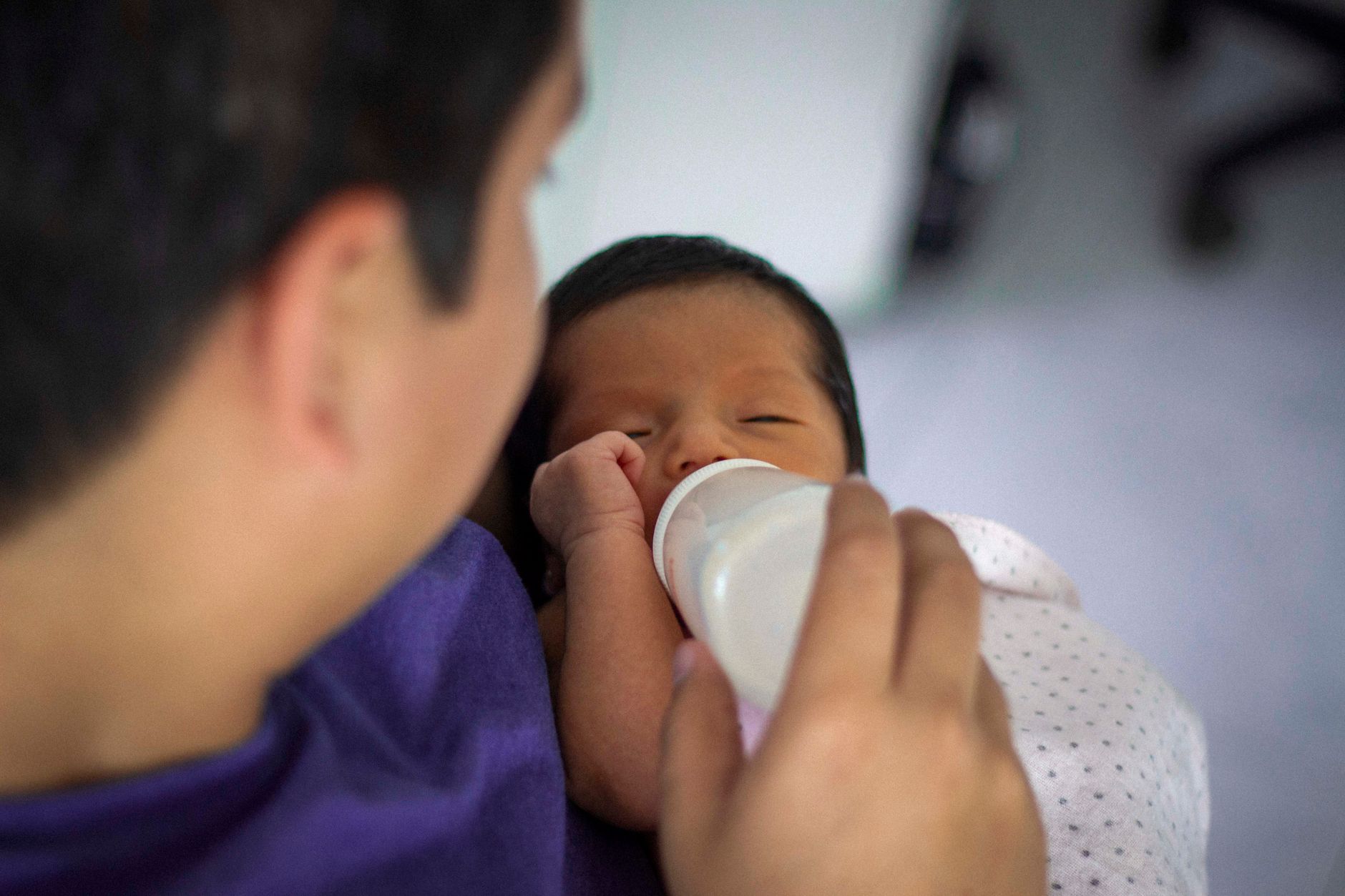
Keeping your baby upright after a feeding is one of the most effective ways to reduce nighttime spit‑up. The consensus among pediatric gastroenterologists is 20‑30 minutes of gentle upright positioning before placing the baby down for sleep.
Practical ways to keep your infant upright:
- Hold baby against your chest. The warmth and gentle rocking can be soothing.
- Use a baby carrier. A front‑facing carrier (with proper support) allows you to be hands‑free while keeping the baby upright.
- Place baby in a “bouncer” or “rocker” set at a slight incline, but only for short periods (no more than 10 minutes) to avoid over‑reliance.
After the 20‑30 minute window, you can gently transition your baby back to a flat, back‑lying position on the mattress with the wedge in place. Consistency is key—make this a nightly routine, and you’ll likely see fewer reflux episodes.
Differences between supine and semi‑reclined sleep for reflux infants
Both supine (flat back‑lying) and semi‑reclined (slight incline) positions are used to manage reflux, but they differ in how they affect breathing, comfort, and SIDS risk.
In short, the semi‑reclined position offers reflux relief without compromising safety, as long as the incline stays within the 30‑degree limit set by the AAP. Most parents find the slight angle comfortable for both baby and caregiver, especially when combined with a consistent upright feeding routine.
Is it safe to let a reflux baby sleep on their stomach?
No. The AAP’s safe‑sleep guidelines are crystal clear: infants under 12 months should never be placed on their stomach for sleep, regardless of reflux status. Stomach‑sleeping significantly raises the risk of SIDS and can also worsen reflux by increasing abdominal pressure.
Even if your baby seems calmer on their stomach, the potential dangers outweigh any short‑term comfort. If your baby appears to prefer tummy‑time, reserve it for awake, supervised periods only. For nighttime, stick with back‑lying on a flat, firm surface, using a wedge for a gentle incline if needed.
How to reduce spit‑up while baby sleeps with reflux and transition to a regular crib
Beyond positioning, a few additional strategies can help keep nighttime spit‑up to a minimum:
- Feed smaller, more frequent meals. Over‑filling the stomach increases reflux risk.
- Thicken feeds. For formula‑fed infants, a pediatrician may recommend a small amount of rice cereal (under 1 teaspoon) to thicken the milk—always under medical supervision.
- Burp often. Gentle burping after each ounce can release trapped air.
- Keep the room cool. Overheating can exacerbate reflux; aim for a room temperature of 68‑72 °F (20‑22 °C).
When your baby reaches 6‑9 months and begins to roll, you’ll need to transition them from the wedge setup to a regular flat crib. Here’s a step‑by‑step plan:
- Gradually reduce the wedge height over two weeks.
- Introduce a firm, flat mattress without any incline.
- Continue upright time after feeds for at least another month.
- Monitor for any increase in spit‑up; if symptoms return, consult your pediatrician.
Most infants outgrow reflux by 12 months, and the transition to a regular crib usually coincides with a natural decline in reflux episodes. Patience and consistency are key.
Symptoms checklist for infant reflux
- Frequent spit‑up or vomiting after feeds.
- Persistent irritability or crying, especially during or after feeding.
- Arching of the back during or after feeding.
- Gagging or choking sensations.
- Weight gain slower than expected.
- Frequent coughing or wheezing, especially at night.
Treatment options comparison
Natural remedies with evidence
While positioning is the cornerstone, a few gentle, evidence‑based home measures can complement it:
- Chamomile tea (diluted) – Small pilot studies suggest modest soothing effects, but always consult your pediatrician before giving any herbal teas.
- Probiotic Lactobacillus reuteri – A 2022 meta‑analysis found a slight reduction in crying episodes for infants with colic‑related reflux.
- Gentle tummy massage – When performed during awake time, can improve digestive motility and reduce gas.
These remedies are not a substitute for medical treatment, but they can be part of a holistic approach when approved by a healthcare provider.
Choosing a safe infant wedge: what to look for
Not all wedges are created equal. The FDA requires that any infant sleep‑aid marketed as a “reflux wedge” meet specific safety standards, including non‑compressibility and breathable covers. When shopping, verify the following:
- Material: High‑density, closed‑cell foam that won’t flatten over time.
- Cover: Removable, machine‑washable fabric that is hypoallergenic and allows airflow.
- Angle: Clearly labeled tilt of 30‑45 degrees; some wedges come with a built‑in angle indicator.
- Certification: Look for a statement that the product complies with AAP and NHS safe‑sleep recommendations.
Brands often provide a “wedge safety card” that outlines proper placement and cleaning instructions—keep this card handy for quick reference.
Traveling with a reflux baby: sleep positioning on the go
Trips can throw a wrench into your reflux‑management routine, but a few simple strategies keep things safe:
- Portable wedge: Small, fold‑able foam wedges that fit into most travel cribs are widely available. Ensure the incline stays under 30 degrees.
- Car seat safety: Never let a baby sleep in a car seat for extended periods; the semi‑reclined position can obstruct airflow.
- Hotel cribs: Bring your own mattress protector and, if possible, a travel‑size wedge. Verify that the hotel crib meets US or UK safety standards.
- Upright feeding: Continue the 20‑30 minute upright routine, even in a hotel room, using a baby carrier or a supportive chair.
Remember, the same safe‑sleep rules apply wherever you are—back‑lying, firm surface, no loose bedding. A quick check of the crib’s mattress firmness can save a night of anxiety.
Myth vs. fact
Myth: Babies should sleep on their stomach to stop spit‑up.
Fact: Stomach‑sleeping dramatically increases SIDS risk and does not reliably reduce reflux. Back‑lying with a slight incline is safer.
Myth: A regular pillow will keep a reflux baby’s head elevated.
Fact: Pillows create an unsafe sleep surface and can lead to suffocation. Use a wedge under the mattress instead.
Myth: All reflux babies need a special “reflux” mattress.
Fact: A firm, flat mattress with a breathable cover is sufficient; the key is the incline, not a special mattress.
Key takeaways
- The best sleeping position for baby with reflux is back‑lying on a flat, firm surface with a 30‑45° incline using a physician‑approved wedge.
- Side‑lying can be safe if the baby is on their right side, the mattress is firm, and they cannot roll onto their stomach.
- Never use pillows, blankets, or “reflux pillows” in the crib—these increase SIDS risk.
- Keep infants upright for 20‑30 minutes after feeding before placing them down to sleep.
- Monitor symptoms; if reflux persists or worsens, discuss medication or specialist referral.
- Transition from wedge to regular crib gradually, usually between 6‑9 months of age.
Frequently asked questions
What is the safest sleep position for a baby with reflux?
The safest position is on the back (supine) on a firm, flat mattress with a gentle 30‑degree incline created by a medical‑grade wedge placed under the mattress. This meets AAP safe‑sleep guidelines while helping reduce reflux episodes.
Can a baby with GERD sleep on their side?
Yes, a baby can sleep on their right side if the mattress is firm, the baby is secured to prevent rolling onto the stomach, and the incline does not exceed 30 degrees. Discuss side‑lying with your pediatrician to ensure it’s appropriate for your infant.
How long should I keep my baby upright after feeding?
Most pediatric gastroenterologists recommend 20‑30 minutes of upright holding or gentle carrier use after each feed before laying the baby down for sleep. This helps keep stomach contents down and lessens nighttime spit‑up.
Do I need a special pillow or wedge for a reflux baby?
You do not need a pillow, but a physician‑approved infant wedge placed under the mattress is recommended. The wedge should provide a 30‑45° incline and be made of firm, non‑compressible foam.
Is it safe for a reflux baby to sleep on their stomach?
No. The AAP advises against stomach‑sleeping for any infant under 12 months because it raises the risk of SIDS and can worsen reflux. Reserve tummy‑time for awake, supervised periods only.
What are the signs that my baby’s sleeping position is worsening reflux?
Watch for increased spit‑up, frequent coughing or choking at night, persistent crying after feeds, arching of the back, or poor weight gain. If any of these appear, adjust the sleep setup and consult your pediatrician.
When should I consider medication for my baby’s reflux?
Medication, such as a proton‑pump inhibitor, is typically considered only if positioning and feeding adjustments fail to control symptoms and the baby shows signs of poor growth, persistent vomiting, or severe discomfort. Always discuss medication options with a pediatric gastroenterologist.
How can I keep my reflux baby’s sleep area safe while traveling?
Bring a portable, FDA‑cleared wedge that fits standard travel cribs, verify the crib’s mattress firmness, avoid using car seats for extended sleep, and maintain the 20‑30 minute upright routine after feeds. These steps preserve the safe‑sleep environment no matter where you are.
When to see a doctor / specialist
If you notice any of the following red‑flag symptoms, contact your pediatrician promptly or seek care from a pediatric gastroenterologist:
- Persistent vomiting that leads to dehydration or weight loss.
- Breathing difficulties, such as wheezing or persistent cough.
- Blood in the vomit or stool.
- Fever combined with vomiting.
- Failure to thrive (weight not increasing as expected).
These signs may indicate a more severe form of gastroesophageal reflux disease (GERD) that requires medical evaluation. Remember, this article provides general information and is not a substitute for personalized medical advice.
References
- American Academy of Pediatrics. Safe Sleep for Infants. Policy Statement, 2023.
- American College of Gastroenterology. Management of Gastroesophageal Reflux in Infants. Clinical Guidelines, 2022.
- Journal of Pediatrics. Side‑lying versus supine positioning for infant reflux: A systematic review. 2023; 182: 145‑152.
- Harvard T.H. Chan School of Public Health. Infant Feeding and Gastroesophageal Reflux. Nutrition Review, 2021.
- American Academy of Pediatrics. Use of Infant Wedges for Reflux. Clinical Report, 2022.
- National Institute of Diabetes and Digestive and Kidney Diseases. Gastroesophageal Reflux in Children. NIH Fact Sheet, 2022.
- American Gastroenterological Association. Pediatric GERD: Diagnosis and Management. 2023 Update.
- European Society for Pediatric Gastroenterology, Hepatology and Nutrition. Consensus on Reflux in Infants. 2021.
- U.S. Food and Drug Administration. Guidance for Infant Sleep‑Aid Devices. 2022.
- National Health Service (UK). Safe sleep guidance for infants. 2023.