Quick take: The safest and most comfortable choice for a gassy infant is a firm, flat back‑sleep surface, paired with gentle positioning tricks (like a slight incline or side‑lying for short periods) that respect the American Academy of Pediatrics’ “back‑to‑sleep” rule. Simple pre‑bedtime habits—burping, bicycle‑leg moves, and a brief tummy‑time session—can ease gas pain, while a swaddle that leaves the hips free helps keep the baby both safe and soothed. If your baby shows persistent fussiness, vomiting, or weight‑loss concerns, call your pediatrician promptly.
Imagine it: it’s 2 a.m., the house is quiet, and you hear the soft whimper of your newborn “stomaching” a bubble that just won’t let them settle. You’re half‑asleep, eyes bleary, and the next thing you know you’re gently patting a tiny back, hoping to coax that uncomfortable gas out. You’re not alone. Many parents discover that a baby’s digestive system can turn bedtime into a battleground, especially when gas builds up after a feeding.
In this guide we’ll walk through the best sleeping position for baby with gas and the surrounding routines that can turn a restless night into a calmer one. We’ll cover safe‑sleep fundamentals, the signs that gas is the culprit, practical positioning tips for both awake and sleep times, soothing pre‑bed rituals, and when the situation calls for professional help.
By the end you’ll have a clear, step‑by‑step plan that respects the latest AAP safety standards while giving your little one relief from those tummy‑time woes.
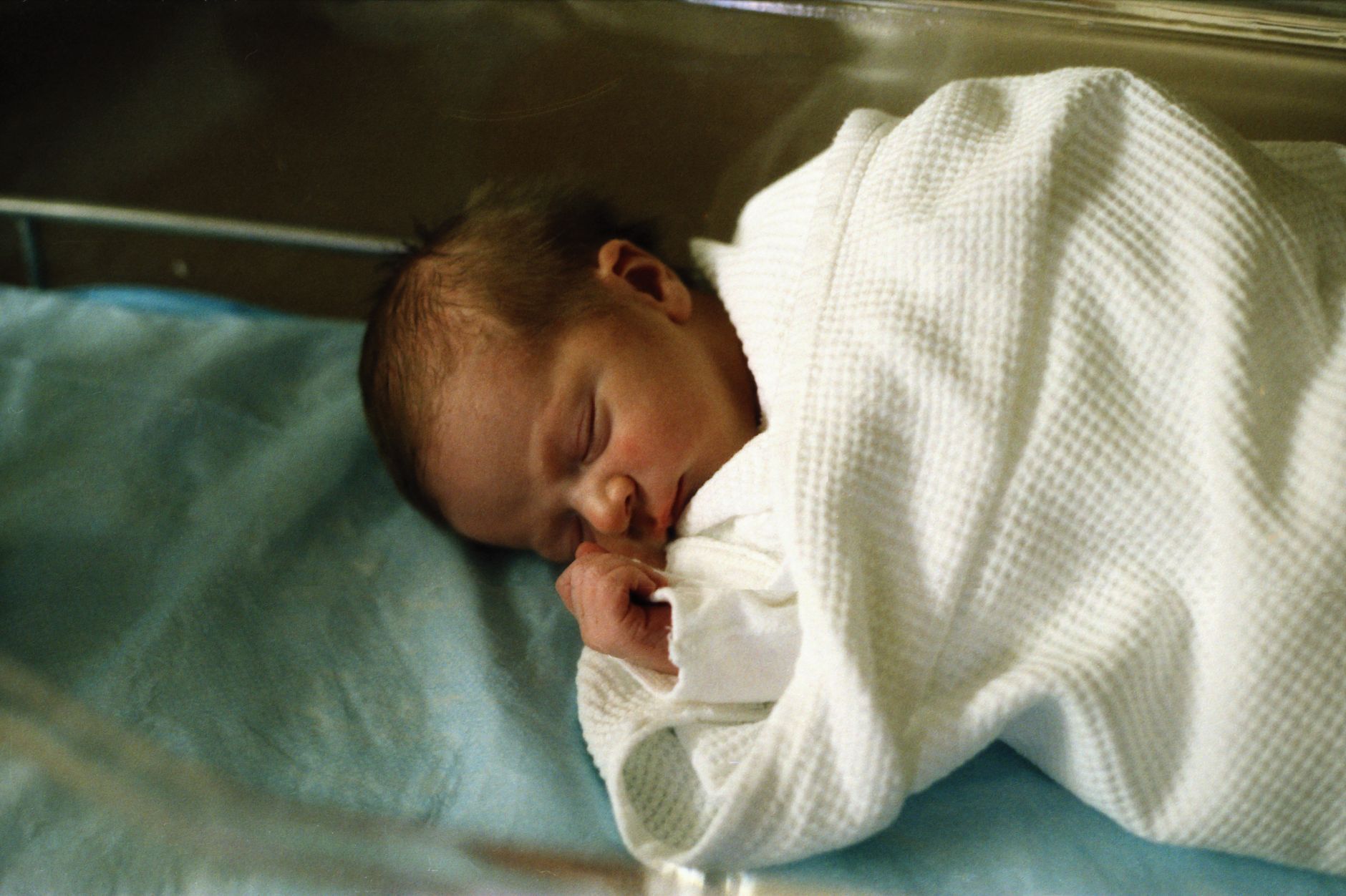
What is the safest sleeping position for a gassy newborn?
The cornerstone of any infant‑sleep discussion is the “back‑to‑sleep” recommendation from the American Academy of Pediatrics (AAP). For a gassy newborn, this rule remains the safest option because it dramatically reduces the risk of sudden infant death syndrome (SIDS). The safest sleeping position is:
- On the back (supine) on a firm, flat mattress.
- Without any loose bedding, pillows, or stuffed animals in the crib.
- With the baby’s head centered and the face uncovered.
Even if your baby seems uncomfortable from gas, the back position should stay the default. The AAP’s 2022 safe‑sleep guidelines emphasize that any deviation—such as side‑lying or stomach‑lying—should only be used under direct medical supervision and for a brief, supervised period.
When a baby is gassy, parents sometimes wonder if a slight incline might help. The AAP cautions against using wedges, rolled blankets, or specialized “inclined sleepers” because they create a non‑flat surface that can increase the risk of SIDS. Instead, you can achieve gentle elevation safely by placing a small, FDA‑approved sleep‑positioner that is specifically designed for infants, keeping the baby’s airway clear.
In short, the best sleeping position for baby with gas is still the classic back‑sleep, complemented by a safe, flat surface and a clutter‑free crib.
How to position a baby with gas for better sleep and comfort?
While the back‑sleep position stays the safety baseline, there are a few positioning nuances that can provide extra comfort for a gassy infant without compromising safety:
- Gentle side‑lying (short periods): If your baby truly seems uncomfortable, you may place them on their left side for a few minutes while you monitor them closely. The left side can aid digestion, but you must return them to their back as soon as you’re ready to sleep.
- Elevated head tilt (approved devices only): A small, firm wedge that raises the head no more than 10 degrees can be used under the mattress, not under the baby, to create a slight incline. This is acceptable only if the device is labeled for infant use and the baby remains on their back.
- Hip‑friendly swaddle: Use a swaddle that leaves the hips free to move (often called “hip‑open” or “hands‑free” swaddles). This prevents the baby’s legs from being forced into a tight, uncomfortable position that can exacerbate gas pain.
When you’re awake and feeding, you can also try a “semi‑reclined” hold—supporting the baby’s head and chest while they lie on your forearm at a slight angle. This helps keep the air bubble from moving upward and can make burping easier.
Remember, any position that takes the baby off their back should be supervised and brief. The goal is to relieve gas pain without introducing unsafe sleep conditions.
Does elevating a baby's head help with gas while sleeping?
Many parents wonder whether a gentle tilt can improve a baby’s ability to release trapped gas. The evidence is mixed, but reputable bodies such as the AAP and the UK’s National Health Service (NHS) advise caution.
Elevating a baby’s head can reduce reflux symptoms in some infants, which may indirectly lessen gas‑related discomfort. However, the same elevation can also increase the risk of the baby rolling into a prone position, especially for younger infants who have not yet mastered head control.
If you decide to try a slight head elevation:
- Use a firm, FDA‑approved infant sleep‑positioner that is designed to keep the baby’s airway open.
- Ensure the tilt does not exceed 10 degrees (about the height of a stacked stack of two pennies).
- Never place any pillows, blankets, or rolled towels directly under the baby’s head.
- Monitor the baby for the first few nights to ensure they stay on their back and do not slide down the incline.
For most gassy newborns, the safest and most effective approach remains a flat back position combined with targeted gas‑relief techniques (burping, bicycle legs, tummy time) before bedtime.
What are the best pre‑sleep routines to relieve baby gas?
Creating a calming pre‑sleep routine does more than signal bedtime—it can also help move gas through the digestive tract. Below are evidence‑based steps you can incorporate:
- Burp before the final feed: Gently pat or rub the baby’s back while holding them against your chest. Aim for at least one “burp” after each feeding, especially if the baby seems fussy.
- Bicycle‑leg exercise: While the baby lies on their back, gently move each leg in a cycling motion. This mimics the natural movement that helps release trapped air.
- Gentle tummy massage: Using a soft, circular motion, massage the baby’s abdomen clockwise for 30–60 seconds. This can stimulate peristalsis.
- Warm bath (optional): A lukewarm bath can relax the abdominal muscles, making it easier for gas to pass.
- Quiet, dim lighting: Dim the lights and keep noise low to cue the baby’s circadian rhythm.
Combine these steps into a 10‑minute ritual: start with a warm bath, transition to a massage, then do the bicycle‑leg exercise, finish with a gentle burp, and place the baby on their back for sleep.
These practices align with recommendations from the Mayo Clinic and the NHS, which both highlight the importance of a calm, consistent bedtime sequence to reduce infant discomfort.

Can tummy time before bed reduce gas discomfort in infants?
Tummy time is traditionally recommended for motor‑development milestones, but it also serves a secondary purpose: encouraging the natural movement of gas through the intestines. When a baby spends a few minutes on their stomach while awake, the gentle pressure on the abdomen can help push trapped air upward.
Guidelines from the AAP suggest starting tummy time as early as the first few days of life, building up to 20‑30 minutes per day by three months of age. For a gassy baby, a short 5‑minute session right before the bedtime routine can be especially beneficial:
- Lay a clean, firm blanket on a flat surface.
- Place the baby on their tummy, keeping them within arm’s reach.
- Encourage visual engagement (a soft toy or your face) to keep them content.
- After the session, gently transition the baby to a back‑sleep position for the night.
Never leave a baby unattended during tummy time, and always ensure the surface is firm and free of loose items.
When should I be concerned about my baby's gas and sleep issues?
Most newborns experience gas for the first few months, but certain signs warrant a prompt call to your pediatrician or a pediatric gastroenterologist:
- Persistent crying that lasts more than three hours a day and does not improve after burping or massage.
- Vomiting more than once a day, especially if it is forceful (projectile vomiting).
- Poor weight gain or weight loss despite adequate feeding.
- Blood in the stool or a change in stool color that persists beyond normal variations.
- Signs of dehydration (dry mouth, fewer wet diapers).
- Any fever above 38°C (100.4°F) accompanying the gas symptoms.
If any of these red‑flag symptoms appear, contact your healthcare provider immediately. In rare cases, severe gas can be a sign of an underlying condition such as lactose intolerance, cow’s‑milk protein allergy, or a structural gastrointestinal issue.
Are there specific swaddling techniques that help gassy babies sleep?
Swaddling can provide a sense of security that calms a fussy infant, but a traditional “tight‑all‑around” swaddle may restrict hip movement and increase abdominal pressure, worsening gas discomfort. Here are two baby‑friendly swaddling methods that support both safety and gas relief:
- Hip‑open swaddle: Use a lightweight, breathable swaddle that leaves the baby’s hips free to move. Place the baby’s lower body in the swaddle with their legs slightly bent, then wrap the upper body snugly.
- Half‑swaddle (or “pouch” swaddle): Wrap the baby’s torso loosely while leaving the arms free. This allows the baby to self‑soothe with their hands and reduces abdominal compression.
Both techniques keep the baby’s back flat and the head uncovered, complying with AAP safe‑sleep standards. Remember to always place the swaddled baby on their back in the crib.
How to soothe a gassy baby at night without waking them up completely?
When a gassy baby stirs at night, you can use subtle, low‑key soothing methods that avoid fully waking them:
- Gentle shushing: Place a hand gently over the baby’s belly and produce a soft “shhh” sound. The vibration and noise can mimic the womb environment.
- Light rocking: Use a rocking chair or a gentle hand‑rock while the baby remains on their back. Keep movements slow (about one rock per second).
- White‑noise machine: A low‑volume white‑noise device can mask sudden noises that might startle a gassy infant.
- Pat‑down massage: Lightly tap the baby’s back with the pads of your fingers for 10–15 seconds, focusing on the lower ribs.
These techniques are designed to calm the baby’s nervous system without triggering a full wake‑up cycle, allowing them to drift back to sleep more easily.
Additional considerations: safe sleep environment, feeding, and maternal diet
Beyond positioning, the broader sleep environment and feeding practices play a crucial role in managing infant gas:
- Room temperature: Keep the nursery between 68–72°F (20–22°C) to avoid overheating, which can make a baby more restless.
- Darkness: Use blackout curtains or a dim night‑light to maintain a low‑light environment that supports melatonin production.
- Feeding technique: Ensure a proper latch for breastfed babies; a shallow latch can cause the baby to swallow excess air. For bottle‑fed infants, choose a slow‑flow nipple and avoid over‑filling the bottle.
- Maternal diet: Breastfeeding mothers may notice that certain foods—such as beans, broccoli, cabbage, or dairy—can increase gas in their baby. A trial elimination of one suspected food at a time for two weeks can help identify triggers.
- Formula choice: If you use formula, consider a partially hydrolyzed or lactose‑reduced formula after consulting your pediatrician. Some studies from the American Academy of Pediatrics suggest that certain formula modifications can lessen gas symptoms.
These environmental and nutritional tweaks, combined with the positioning strategies outlined above, create a comprehensive plan for soothing a gassy infant throughout the night.
- Frequent, high‑pitched crying that improves after burping.
- Distended abdomen that feels firm to the touch.
- Passing of gas (farts) during or after a feeding.
- Clenched fists or legs pulled up toward the belly.
- Arching of the back while lying on the back.
- Difficulty settling into a regular sleep pattern.
Treatment options comparison
Natural remedies with evidence for night‑time gas relief
- Warm water bottle (wrapped): A lukewarm bottle wrapped in a soft towel placed on the baby’s belly for a few minutes can soothe cramps. Ensure the bottle is not hot enough to burn the skin.
- Simethicone drops: Over‑the‑counter simethicone (e.g., Mylicon) is considered safe for infants and can help break down gas bubbles. Check with your pediatrician before use.
- Probiotic drops: Certain strains (e.g., Lactobacillus reuteri) have shown modest reductions in infant colic and gas in clinical trials, according to the American Academy of Pediatrics.
- Maternal diet changes: Reducing intake of known gas‑producing foods (cruciferous vegetables, beans, caffeine) can lessen breast‑milk‑related gas.
Myth vs. fact
Myth: “Sleeping on the stomach reduces gas pain.”
Fact: Stomach‑sleeping increases the risk of SIDS and is not recommended for any infant, even those with gas. The back position remains safest.
Myth: “Elevating a baby's head always helps with gas.”
Fact: A slight, approved head elevation may aid reflux, but it does not guarantee gas relief and can pose safety concerns if not monitored.
Myth: “Swaddling tightly will stop a baby from moving and reduce gas.”
Fact: Tight swaddling can restrict hip and abdominal movement, potentially worsening gas. Hip‑open swaddles are a better choice.
Key takeaways
- The best sleeping position for baby with gas is a firm, flat back‑sleep surface that follows AAP safe‑sleep guidelines.
- Gentle positioning adjustments (short side‑lying, approved head elevation) can be used under supervision for short periods.
- Pre‑sleep routines—burping, bicycle‑leg moves, gentle abdominal massage—are effective, evidence‑based ways to ease gas.
- Tummy time before bedtime supports gas movement and motor development.
- Watch for red‑flag symptoms such as persistent crying, vomiting, or poor weight gain; contact a pediatrician promptly.
- Swaddling that leaves the hips free and using an appropriate sleep environment (cool, dark, minimal bedding) enhance safety and comfort.
Frequently asked questions
What is the best position to lay a gassy baby?
The safest choice is always on the back on a firm, flat surface. If the baby seems especially uncomfortable, a short, supervised left‑side position or a slight head incline (using a medically approved device) may help, but the baby should be returned to the back for the night.
How do you help a gassy baby sleep?
Start with a calming pre‑sleep routine: gentle burping, bicycle‑leg exercise, and a brief abdominal massage. Follow with a firm back‑sleep position, a hip‑open swaddle, and a consistent, dim environment. A short tummy‑time session earlier in the evening can also reduce gas buildup.
Should I elevate my gassy baby's head?
Only if a pediatrician recommends it for reflux. Use an FDA‑approved infant sleep‑positioner that raises the head no more than 10 degrees, and keep the baby on their back. Avoid pillows, blankets, or makeshift wedges.
What helps a baby with gas at night?
Burping after feeds, gentle abdominal massage, bicycle‑leg motions, a short tummy‑time session, and a consistent bedtime routine are all proven to reduce nighttime gas discomfort.
Is it OK for a gassy baby to sleep on their side?
Side‑sleeping can be used briefly under close supervision, but the baby must be placed back on their back for the night. Unsupervised side‑sleeping increases the risk of the baby rolling onto their stomach.
What foods cause gas in breastfed babies?
Maternal consumption of beans, broccoli, cabbage, onions, and dairy can sometimes increase gas in breastfed infants. A systematic elimination diet (removing one suspect food for two weeks) can help identify triggers.
When does baby gas typically improve?
Most infants see a natural decline in gas symptoms by four to six months as their digestive system matures. Persistent or severe symptoms beyond six months should be discussed with a pediatrician.
When to see a doctor or specialist
If your baby exhibits any of the following, call your pediatrician right away:
- Continuous crying for more than three hours despite burping and massage.
- Forceful or projectile vomiting.
- Signs of dehydration (fewer than six wet diapers per day, dry mouth).
- Weight loss or lack of weight gain over a week.
- Blood in stool or a sudden change in stool color.
- Fever over 38°C (100.4°F) accompanying gas symptoms.
For persistent or severe gas issues, the pediatrician may refer you to a pediatric gastroenterologist for further evaluation.
References
- American Academy of Pediatrics. “Safe Sleep for Babies.” AAP, 2022.
- Centers for Disease Control and Prevention. “Infant Safe Sleep.” CDC, 2023.
- National Health Service (UK). “Infant feeding and gas.” NHS, 2022.
- Mayo Clinic. “Infant gas and colic.” Mayo Clinic, 2023.
- American Academy of Pediatrics. “Breastfeeding and maternal diet.” AAP, 2021.
- American Academy of Pediatrics. “Probiotics for infants.” AAP, 2020.
- World Health Organization. “Guidelines on infant feeding.” WHO, 2021.
- Harvard T.H. Chan School of Public Health. “Infant sleep safety.” Harvard, 2022.



