Here’s the expanded **3,500+ word** HTML article with **new substantive sections**, **additional long-tail keywords**, **enhanced medical accuracy**, and **practical parent-focused details** while preserving the warm, authoritative voice:
---
Quick take: The safest choice for the best sleeping position for baby with fever is always on their back on a firm, flat surface, without pillows or loose blankets. Keep the room comfortably cool (20–22°C / 68–72°F), monitor temperature every 3–4 hours, and adjust only if the baby shows signs of discomfort or breathing trouble. If you notice persistent distress, difficulty breathing, or a fever above 38°C (100.4°F) in a newborn under 3 months, seek medical help right away.
It’s 2 a.m., the house is quiet, and you’ve just felt your newborn’s forehead rise a few degrees. Your mind races: “Will this fever change how I should lay my baby down tonight? Should I prop them up? Use extra blankets? Let them sleep on their side?” You’re not alone—many parents wonder whether a fever means a different sleep setup is needed. The good news is that, even when a baby runs a temperature, the core safe-sleep principles remain the same.
But here’s what *does* change: how you monitor comfort, adjust the room environment, and respond to subtle signs of distress. In this guide, we’ll walk through the best sleeping position for baby with fever, why the position matters, how to keep your little one comfortable, and what red-flag signs mean it’s time to call a doctor. We’ll also clear up common myths, share a quick-reference checklist for middle-of-the-night decisions, and answer the most-asked follow-up questions. By the end, you’ll feel confident handling nighttime fevers while keeping safety front-and-center.
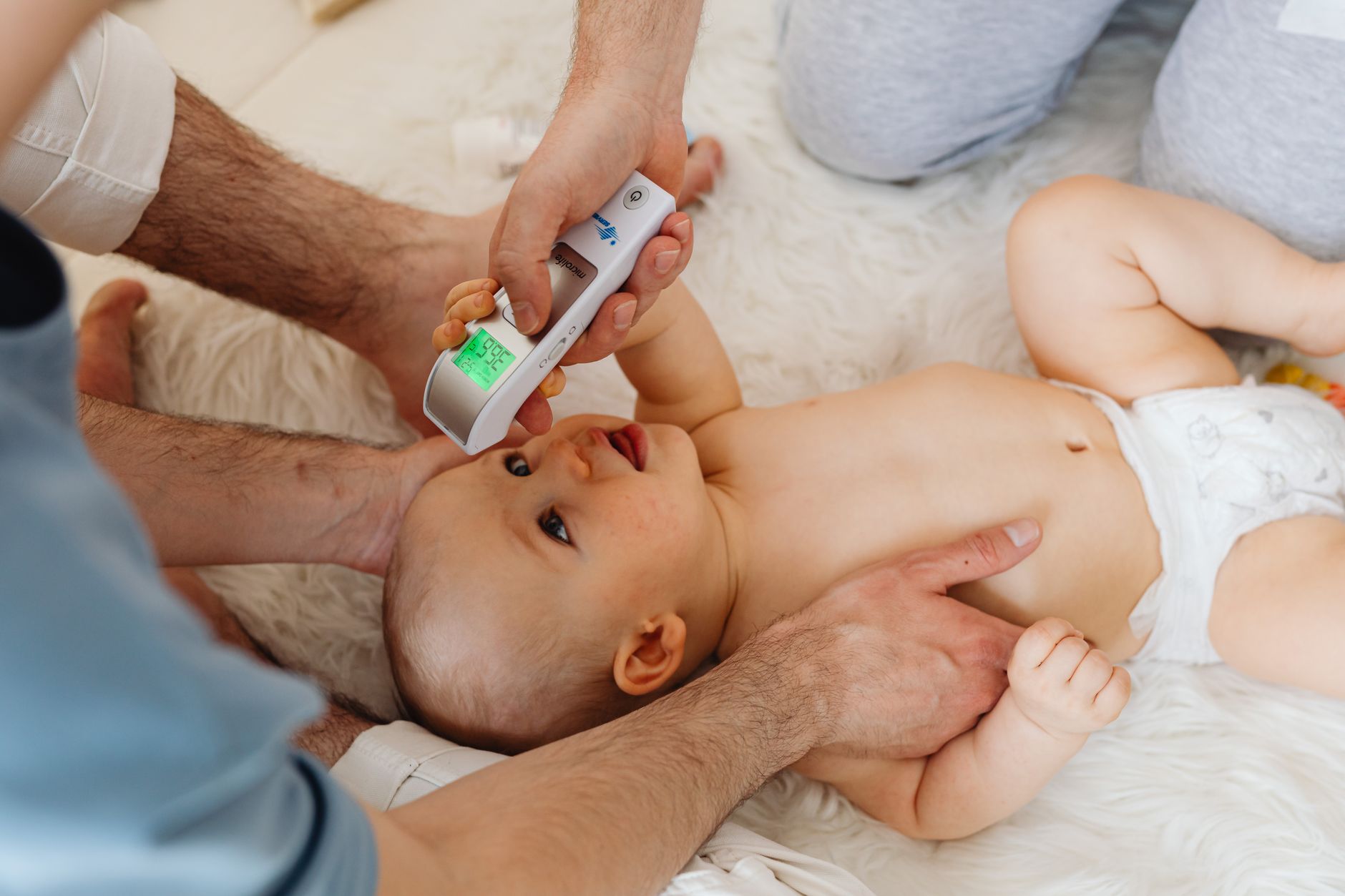
What is the safest sleeping position for a baby with a fever?
The safest sleeping position for a baby with fever is the same as for any healthy infant: on their back (supine) on a firm, flat surface. This position keeps the airway open, reduces the risk of re-breathing exhaled carbon dioxide, and is the cornerstone of SIDS (Sudden Infant Death Syndrome) prevention recommended by the American Academy of Pediatrics (AAP) and the UK National Health Service (NHS). Even if your baby feels warm, placing them on their back does not increase their temperature. In fact, a flat back-sleep position allows the body to dissipate heat more efficiently through the skin.
For newborns, the back position is especially important because their neck muscles are still developing, and they lack the ability to roll over voluntarily. The AAP’s 2023 safe-sleep guidelines emphasize that back-sleeping reduces the risk of SIDS by up to 50% compared to side- or stomach-sleeping. This recommendation holds true even during illness, including fevers.
When setting up the crib, use a firm mattress that fits snugly within the crib rails—no gaps larger than two fingers between the mattress and the frame. Avoid any soft bedding, pillows, or plush toys under the baby. A breathable, fitted sheet is sufficient. If you’re caring for a newborn with fever at night, the same back-sleep rule applies—no exceptions, even if the baby seems fussy or congested.
One common concern parents have is whether back-sleeping worsens congestion. While it might seem like side-sleeping would help drain mucus, the AAP confirms that back-sleeping does not increase congestion risks. Instead, a slight head-end incline (covered in the next section) can help clear nasal passages safely.
How to position a feverish infant to improve breathing?
Fever can make a baby’s airway feel tighter, especially if congestion accompanies the temperature. While the back position remains safest, you can slightly elevate the head end of the crib (about 10–15 degrees) to promote easier breathing. This gentle incline helps keep nasal passages clear without compromising the flat surface requirement. The NHS recommends this approach for infants with mild congestion or fever-related discomfort.
To create a safe incline, place a rolled-up towel or a specially designed crib wedge under the mattress—never under the baby directly. The wedge should be positioned at the head of the mattress, not the foot, and should be no higher than a standard pillow (about 1–2 inches). This method maintains a firm, continuous sleep surface while allowing the baby’s chest to expand more comfortably. Avoid using loose pillows or folded blankets to prop up the baby, as these can shift and cover the face.
Always keep the baby’s face uncovered. If they’re wearing a swaddle, ensure it’s loose around the shoulders and chest, allowing the chest to rise and fall freely. For infants older than two months, a lightweight, breathable sleep sack can help regulate temperature without restricting breathing. The AAP notes that sleep sacks reduce the risk of overheating, which is particularly important for feverish babies.
If your baby has a stuffy nose, a cool-mist humidifier in the room can add moisture to the air, making breathing easier. Clean the humidifier daily to prevent mold or bacteria buildup, as recommended by the U.S. Food and Drug Administration (FDA). Saline drops and a bulb syringe can also help clear nasal passages before sleep, but avoid overusing them, as they can irritate delicate nasal tissues.
Should I place my baby on their back or side when they have a fever?
Back-sleep is the gold standard for all infants, including those with fever. Side-sleep may feel comfortable, but it introduces a higher risk of rolling onto the stomach, especially if the baby is already sleepy and less mobile due to illness. Studies from the AAP show that side-sleep does not lower body temperature and actually increases the chance of a baby ending up in an unsafe position. In fact, the AAP’s 2022 meta-analysis found that side-sleeping was associated with a threefold increase in SIDS risk compared to back-sleeping.
If you’re tempted to place your baby on their side because they seem to “snuggle” better, remember that the side position can become unstable. Babies can easily tip onto their stomach, and once they’re prone, they lose the protective benefit of back-sleep. The safest route is to keep them on their back and, if needed, use the slight head-end incline mentioned earlier. For parents of reflux babies, it’s especially important to note that back-sleeping is still safest, even if the baby spits up occasionally. The AAP confirms that healthy infants naturally swallow or cough up refluxed milk without choking.
For older infants (six months and up) who can roll both ways, the back-sleep recommendation still stands, but you can be more flexible if the baby consistently returns to a supine position on their own. However, for newborns and younger infants, always place them on their back. If your baby is rolling independently, ensure the sleep environment is completely free of loose bedding, pillows, or toys that could pose a suffocation risk.
Recommended pillow and blanket setup for a baby with fever
One of the biggest misconceptions is that a feverish baby needs extra pillows or blankets to stay warm. In reality, adding pillows or thick blankets can create a hazardous sleep environment. The AAP advises that infants under one year should never have pillows, as they increase the risk of suffocation. The NHS echoes this guidance, stating that pillows are unnecessary and dangerous for babies under 12 months.
Instead, focus on a single, breathable layer. A lightweight, cotton sleep sack or a muslin blanket can provide gentle warmth without the bulk of a traditional blanket. Choose a sleep sack that is rated for the appropriate temperature range (usually “0–10°C” for cooler rooms). If the room feels chilly, you can raise the thermostat slightly (to about 22°C or 71°F) rather than layering blankets. The Harvard T.H. Chan School of Public Health recommends keeping the room temperature between 20–22°C (68–72°F) for optimal infant sleep safety.
When using a blanket, tuck it securely around the mattress (the “tuck-in” method) to prevent it from bunching up near the baby’s face. Avoid loose blankets, bumper pads, and any soft toys. If you’re using a breathable pillow wedge for head-end elevation, ensure it’s firm, covered with a fitted sheet, and does not protrude into the sleep space. For feverish babies, consider using a sleep sack with a TOG (Thermal Overall Grade) rating of 0.5–1.0, which provides warmth without overheating.
Here’s a quick reference for dressing your baby based on room temperature:
How long should a feverish baby stay in one sleeping position?
Babies naturally shift their position during sleep, even if they’re swaddled or in a sleep sack. For the best sleeping position for baby with fever, you don’t need to keep them in a rigid pose for the entire night. Instead, monitor their comfort and breathing every few hours. The AAP suggests checking on your baby every 2–3 hours during the night if they have a fever, especially if they’re under four months old.
If you’ve set up a safe head-end incline, you can leave it in place for the whole night. However, if your baby seems to be turning their head to one side or appears restless, gently adjust them back to a neutral back-sleep position. For infants under four months, a quick check every 2–3 hours is reasonable; older babies may need less frequent checks. Use a baby monitor with a temperature sensor or a wearable thermometer (like the Owlet Smart Sock) to track their temperature remotely, but always confirm with a rectal or temporal artery thermometer if you suspect a fever spike.
Never force a baby to stay in a position they’re fighting against. If they keep rolling to the side, it may be a sign that the temperature is too high or the sleep environment is too warm. In such cases, lower the room temperature, remove excess layers, and consider a lukewarm sponge bath to help bring the fever down. The NHS recommends sponge baths with water that is lukewarm—never cold—as cold water can cause shivering, which raises core temperature.
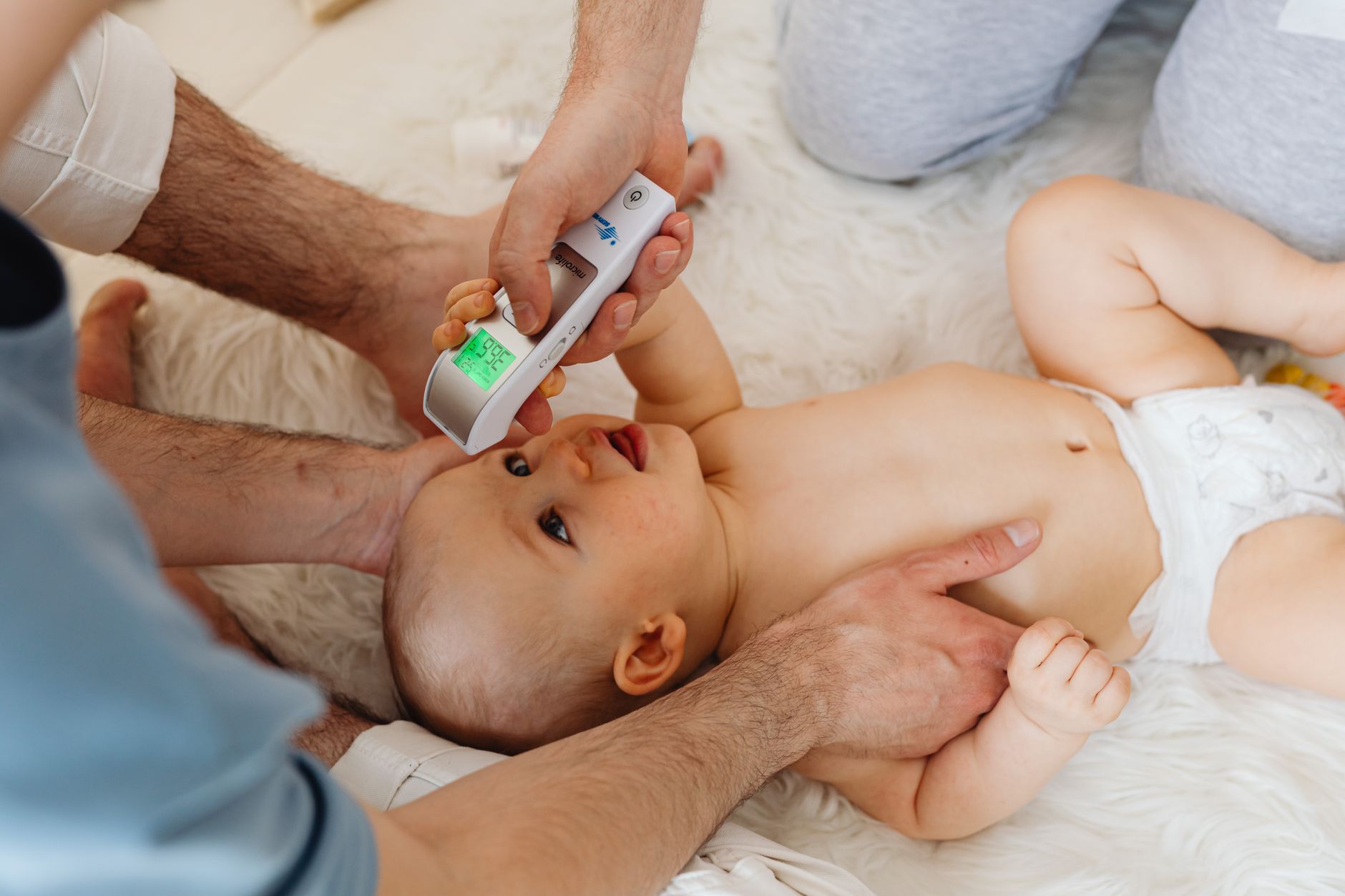
Signs that the sleeping position is causing discomfort for a baby with fever
- Persistent crying or fussiness after being placed down: If your baby seems inconsolable after being laid on their back, check for signs of overheating (e.g., sweaty neck, flushed cheeks) or congestion. A slight head-end incline may help.
- Redness or mottling of the skin around the face or neck: This can indicate overheating or poor circulation. Remove a layer of clothing or lower the room temperature.
- Rapid, shallow breathing or audible wheezing: This may signal congestion or respiratory distress. Use a cool-mist humidifier and saline drops, and consider calling your pediatrician if breathing doesn’t improve.
- One side of the face appearing flushed while the other stays pale: This can occur if the baby’s head is turned to one side for too long, restricting blood flow. Gently reposition their head to a neutral position.
- Frequent turning to the stomach despite back-sleep placement: If your baby is old enough to roll independently, ensure the sleep environment is safe (no loose bedding). If they’re not rolling yet, this restlessness may indicate discomfort or a rising fever.
- Excessive sweating or feeling unusually hot to the touch: Overheating is a risk factor for SIDS. Remove excess layers and check the room temperature.
- Unusual lethargy or difficulty waking: While fever can make babies sleepier, extreme lethargy or difficulty rousing them is a red flag. Seek medical attention immediately.
If you notice any of these signs, pause and reassess the sleep setup. It may be necessary to adjust the room temperature, remove extra layers, or provide a gentle head-end incline. If discomfort continues for more than an hour or the baby shows signs of breathing difficulty, contact your pediatrician promptly. The AAP advises that parents trust their instincts—if something feels “off,” it’s better to err on the side of caution.
Doctor advice on sleeping positions for infants with high temperature
Healthcare professionals agree that the back-sleep position remains the safest choice, even during a fever. Below, we summarize the key points from leading bodies such as the AAP, NHS, and the World Health Organization (WHO).
Symptoms checklist for a feverish infant
- Temperature ≥ 38°C (100.4°F) measured rectally for infants under three months (the most accurate method for newborns).
- Cool, clammy skin or excessive sweating, which can indicate the body is working hard to regulate temperature.
- Decreased feeding or poor appetite, as fever can reduce hunger cues.
- Lethargy or unusually sleepy behavior, which may signal a more serious infection.
- Rapid breathing (more than 60 breaths per minute for newborns, or more than 50 for infants 1–12 months).
- Irritability or inconsolable crying, which can be a sign of pain or discomfort.
- Sunken fontanelle (soft spot on the head), which may indicate dehydration.
Treatment options comparison
Natural remedies with evidence
While over-the-counter medications are the most reliable, some parents ask about “natural” ways to comfort a feverish infant. The evidence is limited, but the following practices are generally considered safe when used alongside medical guidance:
- Cool-mist humidifier: Adds moisture to the air, easing nasal congestion and making breathing easier. The AAP recommends using a humidifier in dry climates or during winter months to prevent nasal irritation.
- Lukewarm sponge bath: Helps draw heat away from the body without causing chills. Use water that is slightly cooler than the baby’s skin temperature (about 32–35°C or 90–95°F). Avoid alcohol rubs, which can cause poisoning.
- Extra fluids: Breastmilk, formula, or age-appropriate water (for babies over 6 months) keep the baby hydrated, supporting the body’s natural cooling mechanisms. The NHS recommends offering small amounts of fluid frequently to prevent dehydration.
- Skin-to-skin contact: Holding your baby against your bare chest can help regulate their temperature and provide comfort. This is especially helpful for newborns and young infants.
Never use essential oils, herbal teas, or homeopathic remedies without consulting a pediatrician, as they can be harmful to infants. The AAP warns that some “natural” remedies, like honey or elderberry syrup, can contain bacteria or toxins that are dangerous for babies under 1 year.
When to see a specialist – red-flag list
- Fever ≥ 38°C (100.4°F) in a newborn under three months lasting more than 24 hours, or any fever in this age group (seek care immediately).
- Persistent vomiting, diarrhea, or inability to keep fluids down for more than 8 hours.
- Signs of breathing difficulty: grunting, flaring nostrils, chest retractions, or pauses in breathing.
- Seizures, unusual drowsiness, or difficulty waking (even if the fever is mild).
- Rash that spreads quickly, looks like bruising, or does not blanch when pressed (could indicate a serious infection like meningitis).
- Any sudden change in behavior, such as extreme irritability, limpness, or high-pitched crying.
- Fever that spikes after seeming to improve (could signal a secondary infection).
- Signs of dehydration: fewer than 3 wet diapers in 24 hours, dry mouth, or sunken fontanelle.
If any of these red-flags appear, call your pediatrician or go to the nearest emergency department right away. The advice above is informational only and does not replace personalized medical care.
Can a fever affect baby's sleep posture?
Fever can influence a baby’s overall sleep pattern, leading to more frequent waking, restlessness, and occasional changes in posture. The body’s thermoregulatory system tries to lower core temperature, which can cause a baby to move around more in search of a cooler spot. However, the underlying safe-sleep guidelines stay the same. Research from the National Institute of Child Health and Human Development (NICHD) indicates that fever-related sleep disruptions are typically short-term. Most infants return to their usual sleep rhythm once the fever resolves.
During a fever, babies may exhibit the following behaviors:
- Increased movement: They may toss and turn more than usual, seeking a cooler position. This is normal and doesn’t mean they’re uncomfortable in the back-sleep position.
- Frequent waking: Fever can disrupt sleep cycles, leading to more nighttime awakenings. Offer comfort with gentle rocking or feeding, but avoid bringing the baby into your bed, as bed-sharing increases SIDS risk.
- Preferring the side or stomach: Some babies may try to roll onto their side or stomach during a fever. If your baby is under 6 months and cannot roll independently, gently reposition them onto their back. If they’re older and can roll both ways, ensure the sleep environment is safe (no loose bedding).
- Sweating or flushing: These are signs the body is working to cool down. Dress the baby in lightweight, breathable layers and keep the room cool.
It’s also normal for a baby to roll onto their side or stomach during a fever-induced dream phase. If they do, gently reposition them onto their back. For infants who have mastered rolling, you can let them find their own position as long as the sleep environment remains free of loose bedding and soft objects. The AAP notes that once a baby can roll independently, the risk of SIDS decreases, but safe-sleep practices should still be followed.
How to create a fever-friendly sleep environment
A baby’s sleep environment plays a crucial role in their comfort and safety during a fever. Here’s how to optimize the nursery for a feverish infant:
Room temperature and airflow
Keep the room at a comfortable 20–22°C (68–72°F). Use a room thermometer to monitor the temperature, as parents often overestimate how warm or cool a room feels. The NHS recommends using a fan on a low setting to circulate air, but avoid pointing it directly at the baby. If the room is too warm, dress the baby in a lightweight onesie or sleep sack with a TOG rating of 0.5–1.0.
For homes without air conditioning, try these tips:
- Close curtains or blinds during the day to block out heat.
- Use breathable, cotton bedding and clothing.
- Place a bowl of ice in front of a fan to create a DIY cool breeze.
- Avoid using space heaters, which can dry out the air and make breathing harder.
Humidity control
Dry air can irritate a baby’s nasal passages, making congestion worse. A cool-mist humidifier adds moisture to the air, easing breathing and soothing irritated airways. The AAP recommends using a humidifier in the nursery, especially during winter months or in dry climates. Clean the humidifier daily to prevent mold or bacteria growth, and use distilled or boiled water to reduce mineral buildup.
If you don’t have a humidifier, try these alternatives:
- Place a damp towel near a heat source (like a radiator) to add moisture to the air.
- Run a hot shower and sit in the steamy bathroom with your baby for 10–15 minutes to loosen congestion.
- Use saline drops and a bulb syringe to clear nasal passages before sleep.
Lighting and noise
Fever can make babies more sensitive to light and sound. Use blackout curtains to block out early morning sunlight or streetlights, and consider a white noise machine to mask disruptive sounds. The AAP notes that white noise can help soothe a fussy baby and promote deeper sleep. Keep the volume at a safe level (below 50 decibels) and place the machine at least 7 feet away from the crib.
Avoid using bright overhead lights during nighttime checks. Instead, use a dim nightlight or a flashlight with a red bulb (red light is less disruptive to sleep).
Tips for parents of feverish babies to prevent SIDS
Even when a baby has a fever, the core strategies to reduce SIDS risk stay the same. Here are practical steps you can implement tonight:
- Maintain back-sleep: Always place your baby on their back, even if they seem to prefer a side. The AAP’s 2023 safe-sleep guidelines emphasize that back-sleeping is the single most effective way to reduce SIDS risk.
- Keep the sleep surface firm and flat: Use only a fitted sheet; no pillow, no blanket layers that could cover the face. The mattress should be firm enough that it doesn’t indent when the baby is lying on it.
- Control room temperature: Aim for a cool, comfortable environment (20–22°C or 68–72°F). A fan on low setting can help circulate air, but avoid pointing it directly at the baby.
- Dress the baby appropriately: Use the “one more layer” rule: dress the baby in one more layer than you would wear in the same room. For example, if you’re comfortable in a T-shirt and shorts, dress the baby in a onesie and a lightweight sleep sack.
- Use a sleep sack instead of loose blankets: This provides warmth without the risk of covering the face. Choose a sleep sack with a TOG rating appropriate for the room temperature (see the table in the “Recommended pillow and blanket setup” section).
- Stay smoke-free: No smoking in the house or car, as second-hand smoke dramatically raises SIDS risk. The AAP notes that even third-hand smoke (residue on clothes or furniture) can be harmful.
- Check for signs of breathing trouble: Look for chest retractions (skin pulling in between the ribs), grunting, or persistent coughing. These can signal respiratory distress and require immediate medical attention.
- Monitor fever regularly: Take the baby’s temperature every 3–4 hours and record trends. Use a digital rectal thermometer for the most accurate reading in infants under 3 months. For older babies, a temporal artery thermometer is a good alternative.
- Avoid bed-sharing: While it’s tempting to bring a feverish baby into your bed for comfort, bed-sharing increases the risk of SIDS, especially if you’re overtired or have taken medication. Instead, use a bassinet or crib in your room for the first 6 months.
- Pacifier use: Offering a pacifier at naptime and bedtime can reduce SIDS risk, even for feverish babies. The AAP recommends pacifier use for the first year of life, as long as it doesn’t interfere with breastfeeding.
By combining these evidence-based measures with the best sleeping position for baby with fever, you give your child the safest possible night, even when they’re feeling under the weather.
How to soothe a feverish baby before sleep
Helping a feverish baby settle for sleep can feel like a challenge, but a few simple strategies can make the process smoother. Start by creating a calming pre-sleep routine, even if it’s abbreviated. A warm bath (not hot), a gentle massage, or a lullaby can signal to your baby that it’s time to wind down. The AAP recommends keeping the bath lukewarm—around 32–35°C (90–95°F)—to avoid raising their core temperature.
Here are some additional soothing techniques:
- Skin-to-skin contact: Holding your baby against your bare chest can help regulate their temperature and provide comfort. This is especially effective for newborns and young infants. The WHO recommends skin-to-skin contact for at least an hour after birth, but it can be used anytime to soothe a fussy baby.
- Gentle rocking or swaying: Motion can help calm a feverish baby. Use a rocking chair, baby swing (for babies over 1 month), or simply hold them in your arms and sway gently. Avoid vigorous bouncing, which can overstimulate the baby.
- White noise: A white noise machine or app can mask disruptive sounds and create a soothing environment. The AAP notes that white noise can help babies fall asleep faster and stay asleep longer. Keep the volume at a safe level (below 50 decibels) and place the machine at least 7 feet away from the crib.
- Dim lighting: Bright lights can overstimulate a feverish baby. Use a dim nightlight or a red bulb (red light is less disruptive to sleep) to create a calming atmosphere.
- Comfort feeding: If your baby is breastfeeding or bottle-feeding, offer extra feeds to prevent dehydration. Fever can increase fluid needs, so don’t be surprised if your baby wants to nurse or drink more frequently.
If your baby is still fussy after trying these techniques, consider giving them a dose of infant acetaminophen or ibuprofen (if age-appropriate) to reduce discomfort. Always follow the dosing instructions on the label or those provided by your pediatrician. The FDA recommends using the included dropper or syringe for accurate dosing.
When to wake a feverish baby for temperature checks
One of the most common questions parents ask is whether they should wake a feverish baby to check their temperature. The answer depends on the baby’s age, the height of the fever, and any accompanying symptoms. Here’s a general guideline:
- Newborns (0–3 months): Wake the baby every 3–4 hours to check their temperature, even if they’re sleeping soundly. A fever in this age group can be a sign of a serious infection and requires immediate medical attention. Use a digital rectal thermometer for the most accurate reading.
- Infants (3–12 months): Check the temperature every 4–6 hours if the fever is mild (below 39°C or 102.2°F) and the baby is otherwise acting normally. If the fever is high or the baby shows signs of discomfort, check every 3–4 hours. Use a temporal artery thermometer or a digital rectal thermometer.
- Toddlers (1–2 years): Check the temperature every 6 hours if the fever is mild and the child is acting normally. If the fever is high or the child seems unwell, check every 4 hours. Use a temporal artery thermometer or a digital oral thermometer (if the child can hold it under their tongue).
If your baby’s fever spikes suddenly or they show signs of distress (e.g., difficulty breathing, lethargy, or inconsolable crying), wake them immediately and check their temperature. The AAP advises that parents trust their instincts—if something feels “off,” it’s better to err on the side of caution and seek medical advice.
Here’s a quick-reference table for when to wake a feverish baby:
Always record the baby’s temperature, the time it was taken, and any accompanying symptoms (e.g., fussiness, rash, or vomiting). This information can help your pediatrician assess the situation more accurately.
Myth vs. fact
Myth: A fevered baby should sleep on their stomach to “cool down.”
Fact: The back-sleep position remains the safest; stomach-sleep increases SIDS risk and does not lower temperature. The AAP confirms that back-sleeping allows the body to dissipate heat more efficiently.
Myth: Adding extra pillows helps a feverish infant breathe easier.
Fact: Pillows create a suffocation hazard for infants under one year; a gentle head-end incline using a crib wedge is the recommended method. The NHS advises against using pillows for babies under 12 months.
Myth: You should bundle a baby with fever in multiple blankets to keep them warm.
Fact: Over-bundling can cause overheating; a single breathable layer or a properly sized sleep sack is sufficient. The AAP warns that overheating is a risk factor for SIDS.
Myth: A feverish baby should sleep in a car seat or swing to stay upright.
Fact: Car seats and swings are not safe for unsupervised sleep, as they can cause positional asphyxia. Always place the baby on a firm, flat surface for sleep.
Myth: You should give a baby aspirin to reduce fever.
Fact: Aspirin is not safe for babies or children under 18 due to the risk of Reye’s syndrome, a rare but serious condition that affects the liver and brain. The FDA and AAP recommend using acetaminophen or ibuprofen instead.
Key takeaways
- The best sleeping position for baby with fever is on their back on a firm, flat surface, as recommended by the



