Congestion can make a baby feel like they’re “suffocating” while they’re lying flat. Small adjustments can dramatically improve airflow:
- Elevate the head of the mattress using a wedge or a rolled towel (no more than 2‑3 inches). This encourages drainage of mucus from the nasal passages.
- Place the baby’s head slightly turned to the side—alternating sides each night—to prevent one nostril from staying blocked.
- Use a humidifier set to a cool‑mist setting (maintain humidity between 40‑60%). The CDC notes that moist air helps thin mucus, making it easier to clear.
- Apply a saline nasal spray (0.9% saline) 2–3 times before bedtime, then suction with a bulb syringe if needed.
- Dress the baby appropriately—a breathable sleep sack at a comfortable room temperature (68‑72°F/20‑22°C) to avoid overheating.
These steps are safe for newborns and older infants alike, provided you adhere to AAP safe‑sleep rules (no loose bedding, flat surface). The goal is to keep the airway open without compromising safety.
In addition to the physical adjustments, keep an eye on the baby’s sleep pattern. A sudden shift to lighter sleep or more frequent wakings can signal that congestion is worsening, prompting a quick check of the incline and humidity levels.

Can side sleeping help a baby with a chest cold?
Many parents wonder if side‑sleeping can relieve congestion by allowing the lungs to expand more fully. While side‑sleeping can feel comfortable for older toddlers, it is not recommended for infants under 12 months because of the increased risk of rolling onto the stomach and the potential for SIDS, per the AAP.
For babies older than one year who have already mastered rolling both ways, a brief side‑lying period (with a safe‑sleep environment) may be acceptable. However, the back‑lying position with a slight incline remains the gold standard for infants with a chest cold.
If you do choose side‑sleeping for an older infant, make sure:
- The crib mattress is firm and flat.
- There are no pillows, blankets, or stuffed animals near the baby’s face.
- The baby’s head is not forced down; a small, breathable rolled towel can help keep the head level.
Even with older infants, side‑sleeping should be limited to short periods and always supervised during the night, as the risk of accidental suffocation is still present if the environment is not perfectly safe.
Should I elevate my baby’s head when they have a chest cold?
Yes—elevating the head can reduce nasal congestion and improve breathing, but it must be done safely. The safest method is to create an incline under the mattress, not by placing a pillow or a regular wedge directly under the baby.
Here’s a step‑by‑step guide:
- Lay a firm, flat mattress in the crib.
- Place a pediatric‑approved infant wedge (or a rolled towel) at the foot of the mattress, ensuring it does not create a “hole” where the baby could become trapped.
- Lay the baby on their back on top of the mattress; the head will naturally be slightly higher.
- Check that the baby’s neck is neutral—not bent forward or backward.
- Re‑check the incline after each sleep period to ensure the wedge hasn’t shifted.
The American Lung Association advises that any incline should not exceed 15 degrees to avoid compromising the airway. If you’re uncertain about the correct angle, a simple kitchen protractor or a smartphone inclinometer app can help you measure it.
When using a rolled towel, replace it if it becomes damp from spills or humidity, as a moist towel can become a breeding ground for mold, which could irritate the infant’s airway.
Table: Safe ways to create a gentle incline
What pillows or wedges are safe for babies with chest congestion?
The short answer: Only infant‑specific, FDA‑cleared wedges are safe. Regular pillows, cushion wedges, or “body pillows” pose a suffocation risk because they can shift, creating a pocket of air or allowing the baby’s face to become pressed into the material.
When choosing a wedge, look for these features:
- Made of firm, non‑compressible foam.
- Flat, stable base that stays in place on the mattress.
- Covered with a breathable, washable fabric.
- Clear labeling that it is intended for infants under 12 months and meets AAP safe‑sleep standards.
Brands that meet these criteria often cite compliance with the Consumer Product Safety Commission (CPSC) and have been reviewed by pediatric sleep specialists. If you’re unsure, ask your pediatrician for product recommendations.
Remember that even an FDA‑cleared wedge should be inspected regularly for wear, cracks, or loose fabric, all of which could become hazards over time.
How long should I keep my baby in a specific sleeping position during a cold?
There is no fixed timeline; the position should be maintained as long as the baby shows signs of improved breathing and comfort. Typically, a mild chest cold resolves within 5‑7 days. During this period:
- Check the baby’s breathing every 2‑3 hours while they are asleep.
- If the baby seems to be breathing easier, continue the same position.
- If congestion worsens or the baby starts to snore loudly, consider re‑evaluating the incline or seek medical advice.
Importantly, never force the baby to stay in an uncomfortable position. If they naturally turn onto their side or stomach, gently reposition them onto their back while keeping the crib safe. Continuous monitoring is key, especially for newborns who cannot verbalize discomfort.
Most parents find that once the fever subsides and the cough lessens, the baby naturally settles into a more relaxed sleep pattern, making it easier to maintain the recommended position.
Signs that the sleeping position is not helping a baby with a chest cold
Even with the best‑practice setup, some babies may not respond to positional changes. Watch for these red‑flag signs that indicate the current sleeping arrangement is insufficient:
- Rapid breathing (more than 60 breaths per minute for infants under 2 months, or more than 40 for older infants).
- Chest retractions—visible pulling in of the ribs or belly with each breath.
- Persistent nasal flaring.
- Bluish tint around the lips or fingertips.
- Frequent waking with a cough that sounds “gasping” or “wheezing.”
If any of these symptoms appear, it’s time to contact a pediatrician immediately. The AAP advises that any sign of breathing difficulty warrants urgent evaluation.
In practice, many parents report that a sudden increase in nighttime coughing coupled with a change in skin color is the first clue that the current position isn’t enough, prompting a quick call to their healthcare provider.
Differences between sleeping positions for newborns vs older infants with chest cold
Newborns (0‑2 months) have underdeveloped neck muscles and a higher risk of rolling onto their stomachs. For them, the back‑lying position with a slight incline is the only safe option. Older infants (3‑12 months) have better motor control, allowing brief side‑lying periods if they demonstrate the ability to roll both ways without difficulty.
Key distinctions:
Regardless of age, the core principle remains: a firm, flat sleep surface and a breathable environment are non‑negotiable.
Parents often wonder whether they should transition to a “toddler pillow” as the infant grows. The answer is no—until the child is at least two years old and can sit up independently, a pillow still poses a suffocation risk, especially during illness.
Best sleeping position for infant with cough
A cough often accompanies a chest cold, and the same back‑lying with a gentle incline applies. The slight elevation helps keep the airway open, reducing the cough reflex triggered by post‑nasal drip. Additionally, placing a cool‑mist humidifier a few feet from the crib can moisten the airway, lessening cough frequency.
For infants older than six months who can tolerate a small, firm pillow designed for toddlers, a single‑layer pillow may be used under the neck only if the pediatrician authorizes it. However, the AAP still emphasizes the back position as the safest, especially during acute illness.
When the cough is especially harsh, consider a brief “tummy‑time” session while the baby is awake and supervised; this can help mobilize secretions and improve lung expansion.
How to help baby breathe easier while sleeping
Beyond positioning, there are several evidence‑based strategies to improve nighttime breathing:
- Humidifier: Keep a cool‑mist humidifier in the nursery. Clean it daily to prevent mold.
- Saline drops: Use a 0.9% saline nasal spray before bedtime; follow with gentle suction.
- Room temperature: Maintain a comfortable 68‑72°F (20‑22°C) environment. Over‑heating can worsen congestion.
- Ventilation: Open a window briefly each day for fresh air, especially if the home is dry.
- Elevated head: Use an infant‑approved wedge as described earlier.
These steps are endorsed by the CDC’s “Healthy Sleep for Children” guidelines and have been shown to reduce nighttime cough and improve oxygenation.
In addition, ensure the baby’s sleep sack is not too thick; a heavy sleep sack can trap heat and make mucus thicker, while a thin, breathable one helps maintain optimal airway humidity.
How to create a safe sleep environment for a congested baby
A safe sleep environment is the foundation for any breathing strategy. Start with a firm, flat mattress that meets the safety standards of the Consumer Product Safety Commission (CPSC). Avoid any soft bedding, including plush toys, bumper pads, or loose blankets, as these can create a suffocation hazard.
Choose a breathable, fitted sheet made of cotton or a cotton‑blend, and pair it with a well‑ventilated sleep sack that fits snugly around the baby’s torso but leaves the head free. The NHS recommends keeping the room temperature between 16‑20°C (60‑68°F) and using a light blanket only if the baby feels cold.
Finally, keep the crib away from direct drafts or heating vents, as sudden temperature changes can aggravate congestion. A stable, calm environment helps the baby focus on breathing rather than adjusting to external stimuli.
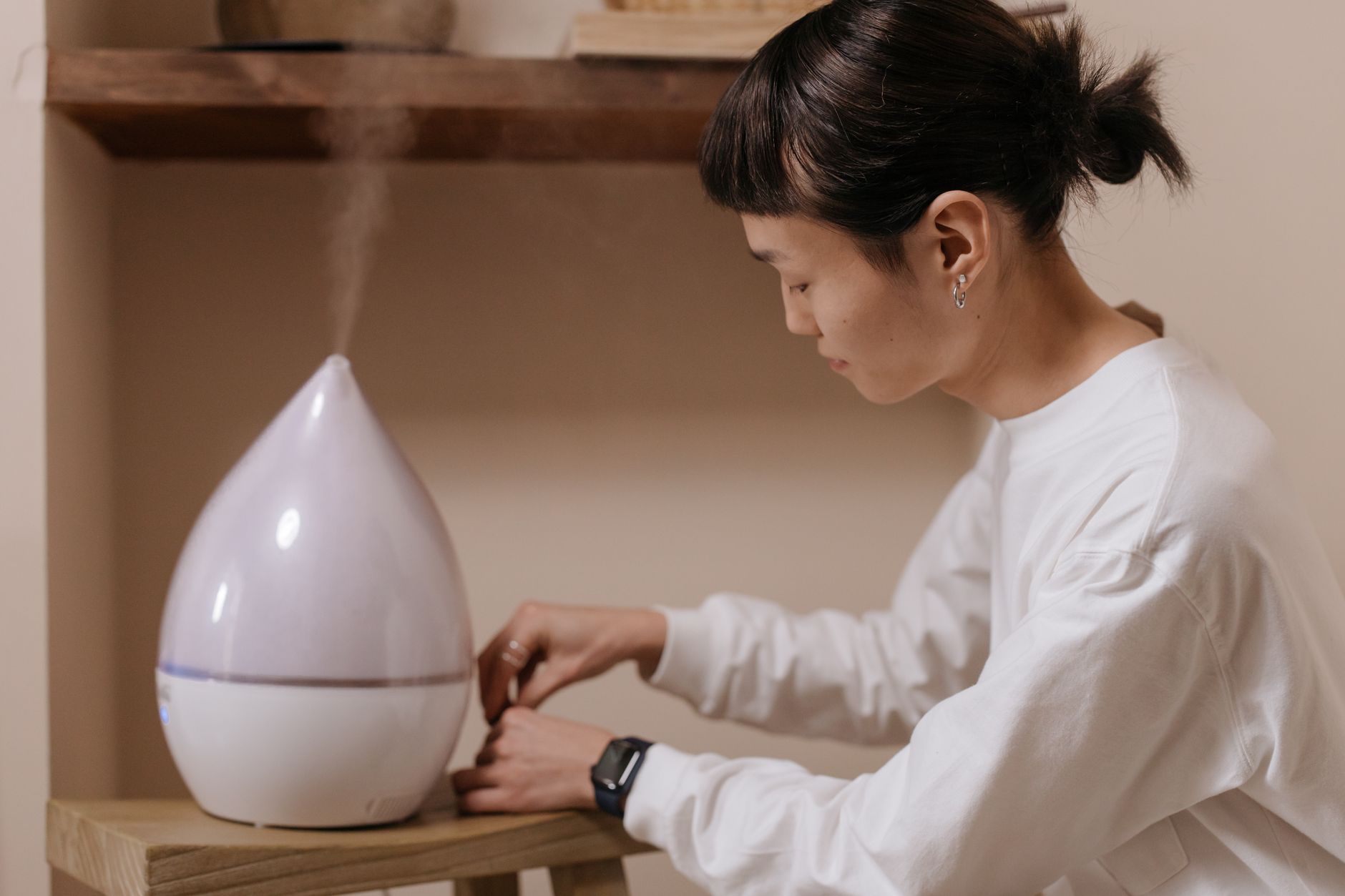
When to use a humidifier and how to maintain it safely
Humidifiers are a staple for easing infant congestion, but they must be used correctly. The American Academy of Pediatrics advises a cool‑mist humidifier set to maintain humidity at 40‑60% to avoid creating an environment conducive to dust mites or mold.
Clean the humidifier daily with warm, soapy water, and replace the water each night. Every week, run a solution of one part white vinegar to two parts water through the machine to dissolve mineral buildup, then rinse thoroughly. Replace the filter according to the manufacturer’s schedule—usually every 1‑3 months.
Never use essential oils or scented additives unless specifically approved for infant use, as these can irritate the delicate airway lining. If you notice a persistent “musty” smell, discontinue use and clean the unit more thoroughly.
What over‑the‑counter remedies are safe for infants with a chest cold?
For infants under six months, the safest approach is supportive care—humidifier, saline drops, and adequate fluids. Acetaminophen (Tylenol) can be used for fever or discomfort if your pediatrician advises, but always follow the dosing instructions on the label or those given by your provider.
Ibuprofen (Advil, Motrin) is approved for babies older than six months, but it should be avoided if the baby is dehydrated or has a known kidney condition. Decongestant medications, including over‑the‑counter nasal sprays containing oxymetazoline, are not recommended for infants under two years because of the risk of rebound congestion and potential toxicity.
Always read the packaging for age‑specific warnings and discuss any medication—prescription or OTC—with your pediatrician before giving it to your baby.
Myth vs. fact
Myth: “A pillow will keep my baby’s head elevated and relieve congestion.”
Fact: Regular pillows increase the risk of suffocation and are not safe for infants. Use a pediatric‑approved wedge or rolled towel instead.
Myth: “Side sleeping is always better for a congested baby.”
Fact: For infants under 12 months, side sleeping raises the risk of SIDS. The back‑lying position with a slight incline is safest.
Myth: “If the baby is sleeping, the cold will go away on its own.”
Fact: While most chest colds resolve in a week, monitoring for breathing difficulty is essential; delayed treatment can lead to serious respiratory infection.
Key takeaways
- Back‑lying is the best sleeping position for baby with chest cold, with a safe, gentle incline if needed.
- Never use regular pillows or adult wedges; choose infant‑approved, FDA‑cleared products.
- Humidifiers, saline drops, and proper room temperature help reduce nighttime congestion.
- Watch for rapid breathing, chest retractions, or bluish lips as red‑flag signs.
- Newborns should stay on their backs only; older infants may tolerate brief side‑lying if they can roll safely.
- Contact a pediatrician promptly if breathing worsens or the baby shows any danger signs.
Frequently asked questions
Can a baby sleep on their side with a chest cold?
Side‑sleeping is not recommended for infants under 12 months because it increases the risk of SIDS. For older infants who can roll both ways, brief side‑lying may be safe if the crib is free of hazards, but the back‑lying position with a slight incline remains the safest option.
Is it safe to elevate a baby’s head while they have a cold?
Yes, but only by creating a gentle incline under the mattress using a pediatric‑approved wedge or a rolled towel. Do not place a pillow directly under the baby’s head, as this can create a suffocation hazard.
What sleeping position helps a baby with congestion breathe better?
A back‑lying position with a 10‑15 degree incline helps drainage of mucus and keeps the airway open. Combine this with a cool‑mist humidifier and saline nasal drops for optimal relief.
How long should a baby with a chest cold stay in a specific position?
Continue the position as long as the baby shows improved breathing and comfort. Most mild chest colds improve within 5‑7 days. If breathing difficulty persists or worsens, seek medical attention.
Do pillows help babies with chest colds?
Regular pillows are not safe for infants and do not provide therapeutic benefit. Use only infant‑specific, FDA‑cleared wedges or rolled towels to create a safe incline.
When should I call a pediatrician for my baby’s sleeping difficulties?
Call immediately if you notice rapid breathing, chest retractions, bluish lips or fingertips, persistent coughing that sounds like choking, or if the baby wakes frequently and seems distressed.
Are saline nasal drops safe to use every night?
Yes. Saline drops (0.9% sodium chloride) are non‑medicinal and can be used multiple times per day. They help thin mucus, making it easier to clear. Always follow the bottle instructions and use a clean bulb syringe if suction is needed.
Can a cool‑mist humidifier cause mold growth?
If not cleaned regularly, any humidifier can become a breeding ground for mold and bacteria. Follow the cleaning schedule outlined earlier—daily water changes and weekly vinegar cleaning—to keep it safe.
When to see a doctor
If your baby exhibits any of the following red‑flag symptoms, seek pediatric care right away:
- Breathing rate > 60 breaths/min (under 2 months) or > 40 breaths/min (older infants).
- Chest retractions or visible effort to breathe.
- Persistent wheezing or a high‑pitched “gasping” cough.
- Bluish discoloration around lips, tongue, or nails.
- Fever > 101°F (38.3°C) lasting more than 48 hours.
- Feeding difficulties or refusal to eat.
These signs may indicate a more serious lower‑respiratory infection such as bronchiolitis or pneumonia, which requires prompt evaluation by a pediatrician or a pediatric pulmonologist.
This article is for informational purposes only and does not replace personalized medical advice. Always discuss any concerns with your child’s healthcare provider.
References
- American Academy of Pediatrics. “Safe Sleep Recommendations.” AAP, 2023.
- Centers for Disease Control and Prevention. “Cold and Flu Prevention for Infants.” CDC, 2022.
- World Health Organization. “Management of Acute Respiratory Infections in Children.” WHO, 2021.
- American Lung Association. “Congestion and Cough in Infants.” ALA, 2022.
- National Institute of Child Health and Human Development. “Infant Sleep Position and SIDS Prevention.” NICHD, 2023.
- U.S. Consumer Product Safety Commission. “Infant Sleep Wedges Safety Guidance.” CPSC, 2022.
- Harvard T.H. Chan School of Public Health. “Humidifiers and Respiratory Health.” Harvard, 2022.
- American Academy of Pediatrics. “Use of Saline Nasal Drops in Infants.” AAP, 2023.
- National Health Service (UK). “Keeping Your Baby Warm and Safe at Night.” NHS, 2022.
- U.S. Food and Drug Administration. “Infant Wedge Products – Regulatory Overview.” FDA, 2023.