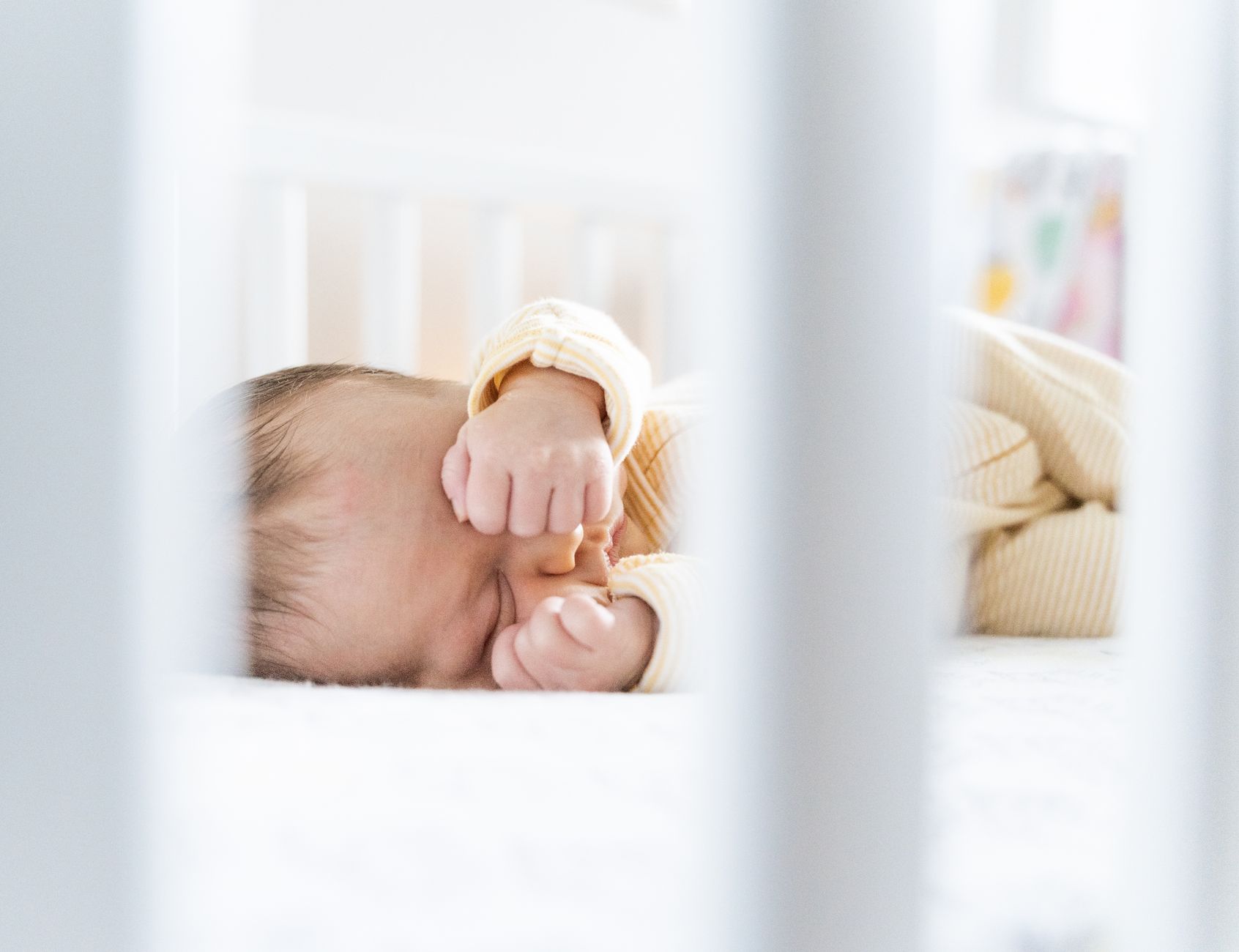
Place your baby on their back with head elevation; this sleeping position for bronchiolitis eases breathing, reduces airway blockage, and promotes sleep.
By Shubhra Mishra — a mom of two who turned her own confusion during pregnancy into BumpBites, a global mission to make food choices clear, safe, and stress-free for every expecting mother. 💛
Check whether any food is safe during pregnancy with the BumpBites Food Safety Checker.
Quick take: The safest sleeping position for a baby with bronchiolitis is still on their back, in a bare crib, following all standard safe sleep guidelines. While it might feel counterintuitive when your baby is congested, this position significantly reduces the risk of Sudden Infant Death Syndrome (SIDS). Focus on other comfort measures like nasal suction and humidifiers, and always consult your pediatrician for personalized advice.
Watching your baby struggle with congestion and a cough is heartbreaking, especially when it disrupts their sleep. If your little one has been diagnosed with bronchiolitis, you're likely feeling extra worried, scanning their crib for every breath, and wondering if there's a "magic" position to help them breathe easier. It's a common concern that keeps many parents up at night.
Bronchiolitis, a common viral infection of the small airways in the lungs, can make breathing difficult for infants, leading to a runny nose, cough, and wheezing. Naturally, you want to do everything you can to make them comfortable and ensure they get the rest they need to recover. This complete guide will walk you through the safest and most effective approaches to your baby's sleeping position when they have bronchiolitis, grounded in expert medical recommendations.
We'll address common questions and concerns, from whether stomach sleeping is ever an option to the risks of wedges and pillows, so you can make informed decisions and get some much-needed peace of mind.
Understanding Bronchiolitis and Its Impact on Your Baby's Breathing
Before we dive into sleeping positions, it's helpful to understand exactly what bronchiolitis is and how it affects your baby. Bronchiolitis is a common lung infection that primarily affects infants and young children under two years old. It's most often caused by the Respiratory Syncytial Virus (RSV), but other viruses can also be responsible.
When a baby gets bronchiolitis, the tiny airways in their lungs, called bronchioles, become inflamed and swollen. This inflammation, combined with increased mucus production, narrows these small passages, making it difficult for air to move in and out of the lungs. Imagine trying to breathe through a straw that's getting smaller and smaller – that's a bit like what your baby experiences.
This narrowing of the airways leads to several noticeable symptoms:
Runny nose and congestion: Often the first signs, similar to a common cold.
Cough: Can be dry or wet, and may worsen at night.
Wheezing: A high-pitched whistling sound, especially when breathing out, caused by air struggling through narrowed airways.
Fast or labored breathing: You might notice their nostrils flaring, their chest pulling in under their ribs (retractions), or their breathing becoming very rapid.
Poor feeding: Babies may be too tired or out of breath to feed effectively.
Irritability and difficulty sleeping: Discomfort from congestion and coughing makes restful sleep challenging.
Because infants breathe primarily through their noses, nasal congestion can be particularly distressing. During sleep, when babies are lying down, mucus can pool and worsen congestion, leading to more coughing and disturbed sleep. This is why parents often search for specific sleeping positions for a baby with bronchiolitis.
A safe sleep environment is crucial, especially when your baby is unwell.
What is the Safest Sleeping Position for a Baby with Bronchiolitis?
When your baby has bronchiolitis, your natural instinct is to try anything that might ease their discomfort and help them breathe. However, the most critical piece of advice remains unchanged: the safest sleeping position for a baby with bronchiolitis is still on their back. This recommendation aligns with the American Academy of Pediatrics (AAP) safe sleep guidelines, which advise "Back to Sleep" for all infants, every time they sleep, until they reach one year of age.
Why is back sleeping so important, even when your baby is sick?
Reduced SIDS Risk: Sleeping on the back significantly lowers the risk of Sudden Infant Death Syndrome (SIDS). SIDS is a leading cause of death in infants, and while the exact cause isn't fully understood, sleeping on the stomach or side is strongly linked to an increased risk.
Clearer Airway: When a baby sleeps on their back, their airway is less likely to become obstructed. While it might seem like mucus would drain better on their stomach, the back position actually keeps the airway more open and reduces the chance of rebreathing exhaled air, which can lead to a buildup of carbon dioxide.
We understand the worry. Many parents feel that lying on their back will make their baby's congestion worse or that they might choke on mucus or vomit. However, research consistently shows that healthy infants, even those with colds, are capable of turning their heads if they spit up while sleeping on their back, preventing aspiration (inhaling vomit into the lungs). The benefits of reducing SIDS risk far outweigh these perceived concerns.
Your goal is to provide supportive care that makes back sleeping as comfortable as possible, rather than changing the fundamental safe sleep position. This means focusing on clearing nasal passages and maintaining a good environment, which we'll cover in detail.
How Can You Position a Newborn with Bronchiolitis to Improve Breathing?
While the "back to sleep" rule is non-negotiable for safety, there are supportive measures you can take to help your newborn with bronchiolitis breathe more easily while they are in their safe back-sleeping position. These strategies focus on alleviating congestion and creating a comfortable environment, rather than altering the baby's body position in an unsafe way.
Here’s how you can help:
1. Clear Nasal Passages Before Sleep
Saline Drops or Spray: Use infant-safe saline drops or spray to loosen mucus in your baby's nose about 10-15 minutes before sleep. This is crucial because babies are obligate nasal breathers, meaning they primarily breathe through their noses.
Nasal Aspirator/Bulb Syringe: After using saline, gently suction out the loosened mucus with a bulb syringe or a nasal aspirator. Many parents find the electric or manual aspirators more effective than traditional bulb syringes. Do this especially before naps and bedtime, and before feedings.
Clearing their nose will make a noticeable difference in their ability to breathe comfortably while lying on their back.
2. Maintain Optimal Air Humidity
Cool-Mist Humidifier: Place a cool-mist humidifier in your baby's room, near their crib but out of reach. The moist air can help thin mucus in the nasal passages and airways, making it easier for your baby to breathe and cough up secretions. Ensure you clean the humidifier daily to prevent mold and bacteria growth.
Steamy Bathroom: For acute congestion, you can sit with your baby in a steamy bathroom for 10-15 minutes before bedtime. Run a hot shower and close the bathroom door to create a mini steam room. This can provide temporary relief and help loosen mucus.
3. Consider a Slight Incline of the Entire Crib (with caution and medical advice)
This is a point of frequent confusion and needs careful attention. The AAP does NOT recommend elevating a baby's head within the crib using pillows, wedges, or positioners, as these are suffocation hazards. However, in some specific cases, a pediatrician might suggest a slight elevation of the entire crib mattress, but only by raising the head end of the crib itself, not by putting anything *inside* the crib.
Doctor's Consultation: Absolutely discuss this with your pediatrician first. They will assess if the potential benefits outweigh any risks for your specific baby's condition.
Safe Elevation Method: If your doctor recommends it, the only safe way to achieve a slight incline is by placing blocks or risers *under the legs at the head end of the crib*. This tilts the entire crib structure, not just the mattress, and keeps the sleep surface firm and flat, without any loose items inside the crib. Never use books or unstable objects.
Avoid In-Crib Devices: Reiterate: Do NOT use infant wedges, pillows, blankets, or any other items *under or on* the mattress inside the crib to create an incline. These items can shift, create soft spots, or trap your baby, significantly increasing the risk of SIDS and suffocation.
The goal of a slight incline is to use gravity to help mucus drain, but this must always be balanced against the paramount importance of a safe sleep environment. When in doubt, stick to a completely flat, firm sleep surface.
Is It Safe for Babies with Bronchiolitis to Sleep on Their Stomach?
The short answer is no, it is generally not safe for babies with bronchiolitis to sleep on their stomach (prone position) at home. While it might seem intuitive that gravity could help drain mucus and make breathing easier in this position, the risks associated with stomach sleeping for infants, particularly the increased risk of Sudden Infant Death Syndrome (SIDS), far outweigh any potential benefits for congestion relief.
Here’s why the prone position is discouraged for infant sleep:
Increased SIDS Risk: Numerous studies have consistently shown that infants who sleep on their stomach have a significantly higher risk of SIDS compared to those who sleep on their back. The exact mechanism isn't fully understood, but it's believed to be related to rebreathing exhaled air (leading to a buildup of carbon dioxide), overheating, and compromised airway stability.
Airway Obstruction: In the prone position, a baby's face can be pressed against the mattress, potentially obstructing their airway, especially if they are too young or weak to lift and turn their head effectively. This risk is amplified if the mattress is soft or if there are loose bedding items.
Difficulty Monitoring: It can be harder for parents to visually monitor a baby's breathing patterns and facial color when they are sleeping on their stomach.
The American Academy of Pediatrics (AAP) strongly recommends against stomach sleeping for all infants for both naps and nighttime sleep. This recommendation applies universally, regardless of whether a baby has bronchiolitis or any other respiratory illness.
Supine vs. Prone Sleeping: A Quick Comparison for Bronchiolitis
Let's clarify the difference and why one is preferred:
Feature
Supine Position (On Back)
Prone Position (On Stomach)
SIDS Risk
Significantly lower
Significantly higher
Airway Patency
Generally open and stable
Risk of obstruction against mattress
Rebreathing CO2
Less likely
More likely, especially with soft surfaces
Mucus Drainage
Gravity may cause some pooling in throat, but back-sleeping infants can usually clear it. Non-positional methods (suction, humidifier) are key.
Might seem to help nasal drainage, but internal airway obstruction risk is higher.
Monitoring Breathing
Easier to observe chest rise/fall and facial color
More difficult to monitor
Official Recommendation
Strongly recommended by all major health organizations
Strongly discouraged for infant sleep
While supervised tummy time is vital for development when your baby is awake, alert, and being watched, it should never be used for sleep, particularly when they are unwell. If your baby is in a hospital setting with severe bronchiolitis, medical staff might use specific prone positioning under constant monitoring and with specialized equipment, but this is a controlled clinical environment and not safe for home use.
What are the Risks of Side Sleeping for Babies with Bronchiolitis?
Just like stomach sleeping, side sleeping is also not recommended for babies, especially those with bronchiolitis. The American Academy of Pediatrics (AAP) and other leading health organizations advise against side sleeping for infants, as it carries an increased risk of SIDS and other hazards.
Here's why side sleeping is considered unsafe:
Instability: Babies placed on their side are unstable and can easily roll onto their stomach. Once on their stomach, they face all the risks associated with prone sleeping, including increased SIDS risk and potential airway obstruction. This is particularly true for younger infants who haven't yet developed the strength and coordination to consistently roll back and forth.
Compromised Airway: Even if a baby remains on their side, this position can sometimes compromise their airway, especially if their head is tucked or if there's any soft bedding nearby.
False Sense of Security: Parents might mistakenly believe that side sleeping is a "middle ground" between back and stomach sleeping, offering some relief from congestion without the full risks of stomach sleeping. However, this is a dangerous misconception. The side position offers no proven benefit for congestion and introduces significant risks.
For a baby with bronchiolitis, the risks of side sleeping are even more pronounced. A sick baby is often more fatigued and may have less energy to adjust their position if their breathing becomes compromised. Their already labored breathing means that any additional obstruction or increased SIDS risk is something to be avoided at all costs.
Therefore, when considering the best sleeping position for a baby with bronchiolitis, both stomach and side sleeping should be avoided. The consistent recommendation remains: always place your baby on their back to sleep.
How Does Sleeping Position Affect Bronchiolitis Symptoms in Babies?
The way a baby is positioned for sleep can indeed influence how their bronchiolitis symptoms manifest, primarily through its impact on airway patency, mucus management, and overall respiratory effort. Understanding these mechanisms helps explain why back sleeping, combined with supportive care, remains the best approach.
Airway Patency and Stability
Back Sleeping (Supine): When a baby sleeps on their back, their head is typically in a neutral position, and their airway remains relatively open and stable. Gravity helps keep the tongue from falling back and obstructing the airway. This is crucial for a baby whose small airways are already narrowed by inflammation and mucus.
Stomach Sleeping (Prone): In the prone position, a baby's face can be pressed against the mattress, potentially kinking the airway or causing rebreathing of exhaled air, which can lead to a buildup of carbon dioxide. This can exacerbate respiratory distress in a baby with bronchiolitis, making it harder for them to get enough oxygen and expel CO2.
Side Sleeping: As discussed, side sleeping is unstable and can easily lead to rolling onto the stomach, bringing with it the same risks as prone sleeping. Even on the side, the airway can be less stable than on the back.
Mucus Drainage and Congestion
Many parents worry that back sleeping will make mucus pool and worsen congestion. While gravity can cause some secretions to settle in the back of the throat, healthy infants, even those with bronchiolitis, usually have a cough reflex strong enough to clear these. The primary issue with bronchiolitis isn't just mucus in the throat, but inflammation and mucus deep within the tiny bronchioles, which positioning alone cannot effectively drain.
Gravity's Role: For nasal congestion, gravity might *seem* to help mucus run out of the nose if a baby is on their stomach. However, this is often offset by the increased risk of airway obstruction and SIDS. Effective nasal clearance through suction and saline is a safer and more impactful way to manage nasal mucus.
Internal Airway Clearance: The primary way a baby clears mucus from their lungs is through coughing. No specific sleeping position significantly enhances the clearance of mucus from the *lower* respiratory tract in a safe home environment.
Impact on Oxygen Levels
A baby with bronchiolitis may experience drops in oxygen saturation (how much oxygen is in their blood) due to the compromised airflow. While no sleeping position is a guaranteed fix, maintaining an open and stable airway is paramount. The back-sleeping position helps ensure the most consistent and unobstructed airflow, which is critical for supporting oxygen exchange in the lungs. Prone or side sleeping, by potentially compromising the airway or increasing respiratory effort, could theoretically worsen oxygen desaturation, although more research is needed on this specific link in the home setting.
Ultimately, the impact of sleeping position is less about miraculous mucus drainage and more about maintaining a consistently open and safe airway. The back-sleeping position provides this safety, allowing you to focus on other proven supportive measures to ease your baby's bronchiolitis symptoms.
What's the Recommended Sleep Position for Infants Recovering from Bronchiolitis?
As your baby starts to recover from bronchiolitis, you might wonder if there's a point where you can change their sleeping position or if special considerations still apply. The good news is that the recommended sleep position for infants recovering from bronchiolitis is the same as for any healthy infant: always on their back.
There's no specific timeline or "all clear" signal to switch positions after bronchiolitis. Once your baby's acute symptoms (like significant respiratory distress, wheezing, and severe congestion) have resolved, you should continue to follow standard safe sleep guidelines. This means:
Back to Sleep, Every Time: Continue placing your baby on their back for all naps and nighttime sleep until they reach one year of age. This recommendation applies whether they're fully recovered, have a mild cold, or are completely well.
Firm, Flat Sleep Surface: Ensure your baby is sleeping on a firm, flat mattress in a safety-approved crib or bassinet.
Bare Crib: Keep the sleep area free of loose blankets, pillows, bumpers, soft toys, and other items that could pose a suffocation hazard. A fitted sheet is all that's needed.
Room Sharing, Not Bed Sharing: Keep your baby's crib or bassinet in your room for at least the first six months, or ideally the first year. This allows for easier monitoring and has been shown to reduce SIDS risk, but never share a bed with your baby.
The "how long can a baby with bronchiolitis sleep on their back" question is essentially answered by the standard AAP guidelines: they should always sleep on their back until they are one year old, regardless of illness status. The "when to change sleeping position for bronchiolitis recovery" is also straightforward – you don't change it. You maintain the safest position throughout their infancy.
The only exception to the back-sleeping rule is if your baby has reached the developmental milestone of being able to consistently roll from their back to their stomach and back again on their own. At this point, you can place them on their back, but if they roll over during sleep, you don't need to reposition them. However, for a baby recovering from bronchiolitis, especially if they are still somewhat weakened or congested, it's wise to continue monitoring them closely and ensure their sleep environment remains as safe as possible.
If you have any lingering concerns about your baby's breathing or recovery, always consult your pediatrician. They can provide tailored advice based on your baby's specific health status.
Should You Use a Wedge or Pillow for a Baby with Bronchiolitis?
This is a critical question for parents of babies with bronchiolitis, and the answer is a firm no. You should never use a wedge, pillow, blanket, or any other positioning device inside your baby's crib or bassinet, whether they have bronchiolitis or are perfectly healthy.
Here’s why these items are dangerous:
Suffocation Risk: Wedges and pillows are soft and can conform around a baby's face, creating a suffocation hazard. If your baby turns their head or rolls, their nose and mouth could become pressed against the soft material, making it difficult or impossible to breathe.
Entrapment: These devices can also create gaps between themselves and the crib mattress or sides, where a baby could become entrapped, leading to strangulation or suffocation.
Increased SIDS Risk: The American Academy of Pediatrics (AAP) explicitly warns against the use of sleep positioners, wedges, and pillows, as they significantly increase the risk of Sudden Infant Death Syndrome (SIDS) and accidental suffocation. The AAP's Safe Sleep guidelines emphasize a firm, flat, bare sleep surface.
Lack of Evidence: There is no scientific evidence to suggest that wedges or pillows safely improve breathing for babies with bronchiolitis or acid reflux. In fact, they introduce more risks than benefits.
While the idea of elevating your baby's head might seem like a logical way to help with congestion, doing so with items inside the crib is extremely dangerous. As we discussed earlier, if a slight incline is deemed necessary by your pediatrician, it should only be achieved by safely elevating the *entire head end of the crib itself* (e.g., with blocks under the crib legs), ensuring the sleep surface remains firm, flat, and free of any loose items.
Resist the temptation to use these products, even if they are marketed for infant sleep or congestion relief. Your baby's safety must always come first. If you're concerned about your baby's breathing and feel they need elevation, discuss this directly with your pediatrician to explore safe, medically approved options, which typically involve approaches outside of the crib or very specific, supervised hospital settings.
Clearing nasal passages with saline and a nasal aspirator can significantly improve breathing comfort.
Practical Tips for Parents to Keep a Baby with Bronchiolitis Comfortable at Night
Beyond the sleeping position, there are many practical steps you can take to help your baby with bronchiolitis feel more comfortable and get better sleep. These tips focus on supportive care that can ease their symptoms and create a conducive environment for rest.
1. Monitor Your Baby Closely
Even when your baby is safely on their back, constant vigilance is key when they are sick. This is how to monitor breathing while baby sleeps with bronchiolitis:
Observe Breathing Patterns: Look for signs of labored breathing, such as fast breathing, flaring nostrils, chest retractions (skin pulling in around the ribs or collarbone), or grunting.
Listen for Sounds: Pay attention to any wheezing, whistling, or excessive coughing.
Check Skin Color: Look for any paleness or a bluish tint around the lips or fingernails, which can indicate low oxygen.
Assess Alertness: Note if your baby seems unusually sleepy, lethargic, or difficult to rouse.
Use Your Ears, Not Just Your Eyes: Even in a dark room, you can often hear significant changes in breathing.
Monitor Oxygen Saturation (If Advised): If your doctor has specifically recommended it and provided instruction, you might use a pulse oximeter. However, over-reliance on home pulse oximeters without professional guidance can lead to unnecessary anxiety or false reassurance. Always discuss with your pediatrician.
2. Optimize the Crib Setup for Comfort (Within Safe Sleep Guidelines)
The best crib setup for an infant with bronchiolitis is still a safe crib. This means:
Bare Crib: No bumpers, blankets, pillows, or toys. A firm mattress with a fitted sheet is all that's needed.
Safe Sleepwear: Dress your baby in a sleep sack or wearable blanket to keep them warm without the need for loose bedding.
Room Temperature: Keep the room at a comfortable, cool temperature (generally between 68-72°F or 20-22°C) to prevent overheating.
Proximity: Keep the crib or bassinet in your room, close to your bed, for easy monitoring.
3. Manage Nasal Congestion Effectively
As discussed, clearing nasal passages is paramount:
Saline Drops/Spray: Use several drops of saline solution in each nostril before feedings and sleep.
Nasal Aspirator: Gently suction out mucus after using saline. Do this whenever you see or hear significant congestion.
4. Use a Cool-Mist Humidifier
A humidifier can make a significant difference. The moist air helps to loosen and thin mucus, making it easier for your baby to breathe and cough. Place it near the crib, but out of your baby's reach, and remember to clean it daily according to the manufacturer's instructions to prevent mold and bacteria buildup.
5. Ensure Adequate Hydration
Fever and increased respiratory effort can lead to dehydration. Offer frequent, smaller feedings (breast milk or formula) to ensure your baby stays hydrated. If they are having trouble feeding due to congestion, clear their nose before each feeding.
6. Manage Fever (If Present)
If your baby has a fever and is uncomfortable, consult your pediatrician about appropriate fever-reducing medication (e.g., infant acetaminophen, if over 3 months old). Never give medication without professional advice on dosage and suitability for your baby's age.
7. Offer Comfort and Reassurance
A sick baby needs extra cuddles and reassurance. While you should never sleep with your baby in your bed, holding them upright while awake can sometimes ease breathing and provide comfort. Try to maintain a calm, quiet environment for sleep.
Here's a summary of supportive care measures:
Measure
How it Helps
Key Action Points
Nasal Saline & Suction
Clears blocked nasal passages, easing breathing.
Use saline drops/spray 10-15 min before suction; suction before feeds and sleep.
Cool-Mist Humidifier
Moistens air, thins mucus in airways.
Place near crib (out of reach); clean daily to prevent mold.
Frequent Hydration
Prevents dehydration, keeps mucus thinner.
Offer smaller, more frequent breast/bottle feeds.
Monitor Breathing
Identifies worsening respiratory distress.
Watch for fast breathing, retractions, flaring nostrils, grunting, blue lips.
Fever Management
Reduces discomfort from fever.
Consult doctor for appropriate medication and dosage (if over 3 months).
Safe Sleep Environment
Reduces SIDS risk, promotes safe rest.
Back to sleep, firm flat mattress, bare crib, room sharing (not bed sharing).
By implementing these practical tips, you can significantly help your baby with bronchiolitis be more comfortable and promote their recovery, all while adhering to the highest safety standards for infant sleep.
Myth vs. Fact: Sleeping Positions for Babies with Bronchiolitis
When your baby is sick, it's easy to fall prey to common misconceptions or old wives' tales about what might help them. Let's clear up some common myths surrounding sleeping positions for babies with bronchiolitis.
Myth: Sleeping a baby on their stomach helps drain mucus and makes breathing easier when they have bronchiolitis.
Fact: While it might seem logical that gravity would help mucus drain, sleeping a baby on their stomach (prone position) significantly increases the risk of Sudden Infant Death Syndrome (SIDS). The American Academy of Pediatrics (AAP) strongly advises against stomach sleeping for all infants, regardless of illness, due to this increased risk. For bronchiolitis, the risks of prone sleeping far outweigh any theoretical benefit for congestion, which is better managed through nasal suction and humidification.
Myth: You should use a pillow or wedge to elevate your baby's head in the crib to help with congestion from bronchiolitis.
Fact: Absolutely not. Placing pillows, wedges, blankets, or any other soft items inside a baby's crib or bassinet to elevate their head is extremely dangerous. These items are suffocation hazards and significantly increase the risk of SIDS and accidental suffocation. The only safe sleep surface for an infant is a firm, flat, bare mattress. If your doctor recommends elevation, it must be done by safely inclining the entire crib structure, not by placing items inside the crib itself.
Myth: It's safer to co-sleep or bed-share with a baby who has bronchiolitis so you can monitor them more closely.
Fact: While close monitoring is essential for a sick baby, bed-sharing or co-sleeping is never recommended and significantly increases the risk of SIDS and accidental suffocation. The safest place for your baby to sleep is in their own crib or bassinet, in your room (room-sharing). You can place their crib right next to your bed to keep them close for monitoring without the dangers of bed-sharing, such as accidental rolling onto the baby, suffocation by bedding, or entrapment.
Key Takeaways
The safest sleeping position for a baby with bronchiolitis is always on their back, in a bare crib, following all standard safe sleep guidelines.
Back sleeping significantly reduces the risk of Sudden Infant Death Syndrome (SIDS), which outweighs any perceived benefits of other positions for congestion.
Never use pillows, wedges, blankets, or any other positioning devices inside your baby's crib, as these are serious suffocation hazards.
To help your baby breathe easier, focus on supportive measures like saline nasal drops, gentle nasal suction, and a cool-mist humidifier.
If your pediatrician recommends a slight incline for the crib, it must be achieved by safely elevating the entire crib structure, not by placing items under or on the mattress.
Closely monitor your baby for signs of worsening respiratory distress, such as fast breathing, chest retractions, or bluish lips.
Continue back sleeping throughout your baby's recovery from bronchiolitis and until they are at least one year old.
Frequently Asked Questions
Is it safe for a baby with bronchiolitis to sleep on their stomach?
No, it is not safe for a baby with bronchiolitis to sleep on their stomach. This position significantly increases the risk of Sudden Infant Death Syndrome (SIDS), and the potential for airway obstruction outweighs any perceived benefits for congestion. Always place your baby on their back to sleep, even when they are sick.
What sleeping position helps a baby with bronchiolitis breathe easier?
The back-sleeping position, combined with supportive care, is the best. While no position magically clears congested lungs, back sleeping keeps the airway most open and reduces SIDS risk. To help them breathe easier, focus on clearing their nasal passages with saline and suction, and use a cool-mist humidifier in their room.
How many hours should a baby with bronchiolitis sleep each night?
Babies with bronchiolitis may sleep more or less than usual. Illness often makes them more tired, so they might sleep longer. However, congestion and coughing can also disrupt sleep, leading to shorter, more frequent naps. Focus on ensuring a safe sleep environment and providing comfort measures, rather than hitting a specific hour count. Let your baby rest as needed.
Can a baby with bronchiolitis roll over while sleeping?
A baby with bronchiolitis might still roll over if they have reached that developmental milestone before getting sick. However, a sick baby can be more fatigued and less able to adjust their position. If your baby can consistently roll from back to stomach and vice-versa on their own, you can place them on their back and allow them to choose their position. If they haven't mastered rolling, always place them on their back.
Should I elevate my baby's head when they have bronchiolitis?
You should never use pillows, wedges, or blankets inside the crib to elevate your baby's head, as these are serious suffocation hazards. If your pediatrician specifically recommends elevation for your baby, it must be achieved by safely elevating the entire head end of the crib (e.g., with blocks under the crib legs) to maintain a firm, flat, and bare sleep surface. Always discuss this with your doctor first.
When can I switch my baby’s sleeping position after bronchiolitis improves?
You don't switch your baby's sleeping position after bronchiolitis improves. The recommendation to place your baby on their back for sleep remains until they are at least one year old, regardless of whether they have been sick or are fully healthy. Continue to follow all safe sleep guidelines consistently.
When to See a Doctor or Specialist
While bronchiolitis often resolves on its own with supportive care, it's crucial to know when to seek immediate medical attention for your baby. Bronchiolitis can sometimes worsen rapidly, especially in very young infants, premature babies, or those with underlying health conditions. Call your pediatrician or seek emergency medical care immediately if you notice any of the following:
Difficulty Breathing:
Very fast, shallow breathing.
Nostril flaring with each breath.
Chest retractions (the skin pulling in sharply around the ribs or collarbone with each breath).
Grunting sounds with breathing.
Bluish color around the lips, tongue, or fingernails (cyanosis).
Poor Feeding: Your baby is refusing to feed or is taking very little fluid, leading to signs of dehydration (fewer wet diapers, no tears when crying).
Lethargy and Irritability: Your baby is unusually drowsy, difficult to wake, or extremely irritable and inconsolable.
Persistent Cough: A severe cough that interferes with breathing or feeding.
High or Persistent Fever: Especially in infants under 3 months, or any persistent fever that doesn't respond to medication.
Apnea: Periods where your baby stops breathing for 15-20 seconds or longer.
Trust your instincts. If you are worried about your baby's breathing or overall condition, it's always best to err on the side of caution and contact a healthcare professional. This article is for informational purposes only and is not a substitute for professional medical advice, diagnosis, or treatment. Always seek the advice of your physician or other qualified health provider with any questions you may have regarding a medical condition.
Not sure about the label on Best Sleeping Position For Baby With Bronchiolitis products?
Snap the ingredients list and SafeFilter checks every ingredient for your stage — only 3 free scans this month, then you're locked until reset. Unlimited from $7/mo or lock $50/yr through Aug 31 (5 days left).
When Shubhra Mishra was expecting her first child in 2016, she was overwhelmed by conflicting food advice — one site said yes, another said never. By the time her second baby arrived in 2019, she realized millions of mothers face the same confusion.
That sparked a five-year journey through clinical nutrition papers, cultural diets, and expert conversations — all leading to BumpBites: a calm, compassionate space where science meets everyday motherhood.
Her long-term vision is to build a global community ensuring safe, supported, and free deliveriesfor every mother — because no woman should face pregnancy alone or uninformed. 🌿
🌍 Stand with mothers, shape safer guidance
Join a small circle of experts who review BumpBites articles so expecting parents everywhere can decide with confidence.