In most cases you shouldn’t change the baby’s sleep position at all. The back‑sleep rule applies from the moment you lay your child down after the vaccine, and you can continue it for the entire night.
If you’re considering a side position because of reflux or a doctor’s prior advice, wait until the baby is at least six months old and can roll both ways on their own. The vaccine itself does not impose a waiting period for position changes.
Typical timeline after common vaccines
- DTaP (diphtheria, tetanus, pertussis): No change to sleep recommendations; continue back‑sleeping for 24‑48 hours while monitoring for fever.
- Influenza (flu) shot: Same guidelines; if fever exceeds 38.5 °C (101.3 °F), keep the baby on the back and ensure a cool, well‑ventilated room.
- MMR (measles, mumps, rubella): No sleep position changes; monitor for mild fever and maintain back‑sleep.
Most vaccine side effects resolve within 24‑48 hours. During this window, the emphasis is on close observation rather than altering sleep posture. The NHS also advises that any temporary changes in a baby’s sleep pattern should be discussed with a health professional before being implemented.
In practice, you can place your baby in the crib immediately after vaccination, as long as you follow the usual safe‑sleep practices. If the baby seems unusually sleepy, resist the urge to switch positions; instead, focus on a calm environment and temperature control.
Can a baby sleep on its stomach after receiving a vaccine?
Short answer: No. The vaccine does not make stomach sleeping safe. The AAP’s “Safe to Sleep” campaign explicitly states that infants should never be placed on their stomachs until they are at least one year old and can roll over both ways consistently.
Even if a baby seems unusually sleepy after a vaccine—something that can happen with a mild fever—stomach sleeping still poses a higher risk of airway obstruction. The safest approach is to keep the baby on their back and use a firm mattress with a fitted sheet.
What to do if your baby rolls onto their stomach
For babies under 12 months, gently roll them back onto their back each time you notice them on their stomach. If rolling occurs repeatedly, check the crib for gaps or soft bedding that might be encouraging the movement, and consider a sleep positioner only if a pediatrician explicitly recommends one.
When a baby does roll over, avoid startling them. Use a calm voice and a gentle hand to guide them back. Re‑assure yourself that this brief intervention does not disrupt the infant’s sleep cycle and maintains the safety standards set by the FDA for infant sleep products.
Best side sleeping position for infants after vaccination
Side sleeping is occasionally used for infants with severe gastro‑esophageal reflux disease (GERD). If your pediatrician has prescribed side sleeping, the “best” side position is the left side, which can help keep the stomach’s acid away from the esophagus.
When using side sleeping after vaccination, follow these safety tips:
- Place a rolled‑up towel or a commercial infant sleep wedge behind the baby’s back to prevent rolling onto the stomach.
- Use a firm mattress and avoid any pillows, blankets, or plush toys in the crib.
- Check the baby’s temperature every 2‑3 hours to ensure fever isn’t worsening.
Side‑sleep checklist
Even with side sleeping, the back‑sleep rule is the default. If a baby shows signs of discomfort while on their side, return them to the back and address the underlying issue (e.g., reflux) with your pediatrician. The NHS recommends that side sleeping should only be a temporary measure and that parents should re‑evaluate the need at each well‑child visit.
Effects of vaccine side effects on baby's sleep position
Vaccines can cause mild side effects that influence how a baby sleeps, but they do not change the fundamental safety guidelines. Common side effects include:
- Low‑grade fever (usually <38 °C/100.4 °F)
- Arm soreness or swelling at the injection site
- General fussiness or irritability
- Brief periods of increased sleepiness
These symptoms might make a baby more restless, leading parents to think a different position could be more comfortable. In reality, staying on the back while offering a calm environment (dim lights, white‑noise machine) is still the safest approach.
Managing soreness while keeping safe sleep
If the injection site seems tender, you can gently massage the area with a clean hand or apply a cool, damp cloth for a few minutes before bedtime. Avoid applying any topical creams unless your pediatrician approves, as some ingredients can irritate delicate skin.
For babies who become unusually sleepy, maintain a light sleep sack rather than heavy blankets. This helps regulate temperature—a critical factor highlighted by the FDA’s guidance on infant sleep products.
Recommended sleep position for newborns after immunization
Newborns (0–2 months) are the most vulnerable group for SIDS, so the back‑sleep rule is absolute. Even if a newborn has a fever after a vaccine—such as the hepatitis B series given at birth, keep them on their back.
Because newborns cannot roll over, there’s no need to consider side or stomach positions. The focus should be on a safe sleep environment:
- Use a firm, flat surface without any soft bedding.
- Dress the baby in a sleep‑appropriate onesie; avoid loose blankets.
- Maintain a room temperature between 20‑22 °C (68‑72 °F) to prevent overheating.
Newborns often experience brief periods of increased sleepiness after vaccinations. A gentle swaddle (if the baby is under two months) can provide comfort without restricting hip movement, aligning with ACOG’s recommendations for safe swaddling.
How to monitor baby after vaccination while sleeping
Monitoring is key, especially if your baby develops a fever. Here’s a practical, step‑by‑step routine you can follow:
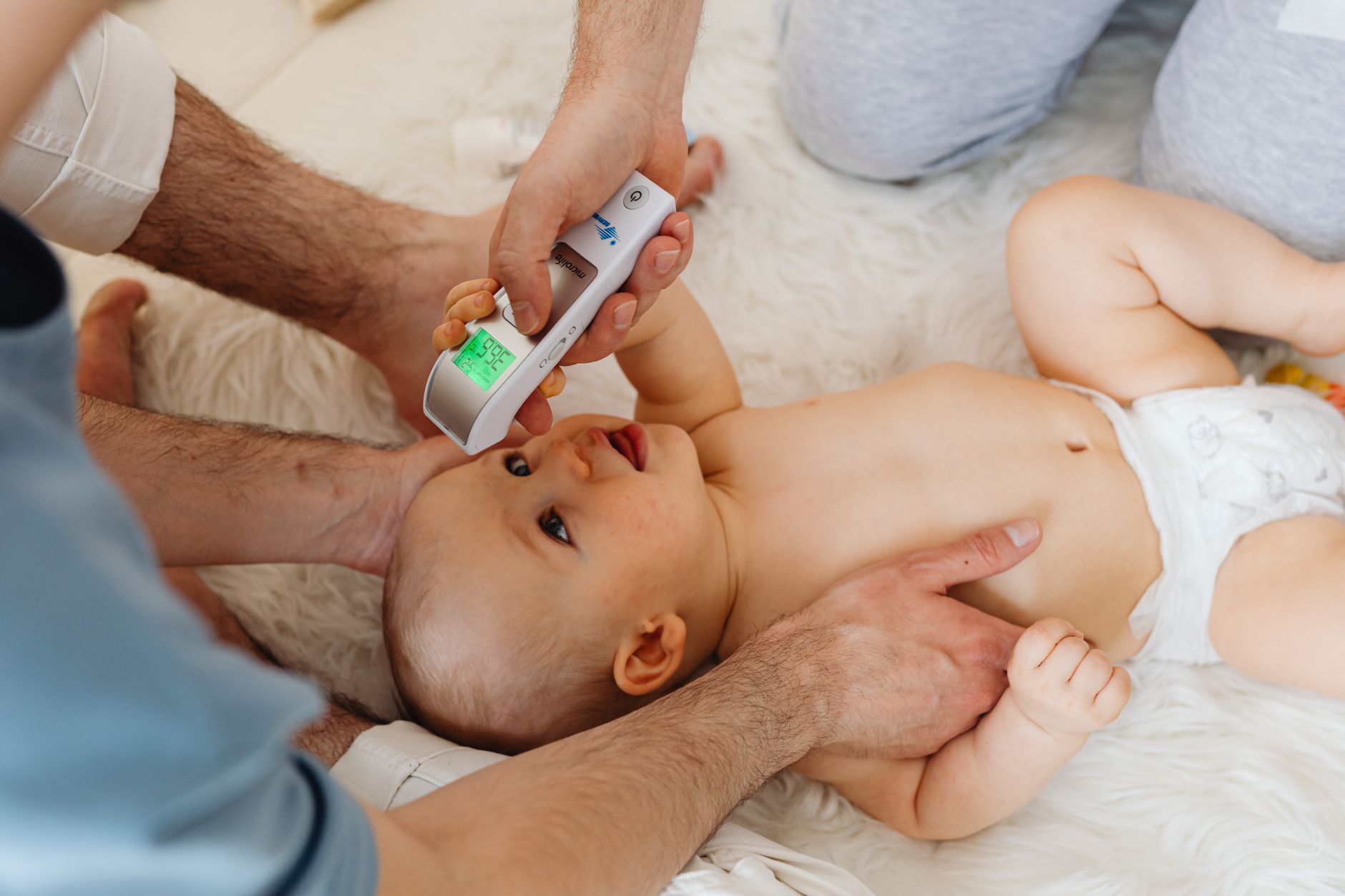
- Take a baseline temperature: Use a digital rectal or axillary thermometer within 30 minutes after the vaccine.
- Set a reminder: Use a phone alarm or a bedside timer to check the temperature at 2‑hour intervals for the first 12 hours.
- Observe breathing: Look for regular, rhythmic breaths. Any pause longer than 2 seconds should be noted.
- Check the sleep environment: Ensure the crib is clear of toys, pillows, and loose blankets.
- Document changes: Keep a simple log of temperature, feeding times, and any signs of discomfort.
Most vaccine side effects resolve within 24‑48 hours. If fever persists beyond 48 hours or exceeds 39 °C (102.2 °F), contact your pediatrician.
For added peace of mind, consider a wearable baby monitor that tracks temperature and movement. The FDA has cleared several such devices for clinical use, and they can alert you if the infant’s temperature rises unexpectedly while they sleep.
When is it safe to let baby roll over after vaccination?
Rolling over is a developmental milestone that typically occurs between 4‑6 months of age. The vaccine itself does not delay or accelerate this milestone. Once your baby can roll both ways consistently, the back‑sleep rule can be relaxed, and you can allow them to find their own comfortable position.
Until that point, continue placing the baby on their back after each vaccination, even if they seem sleepy or fussy. The ability to roll over safely is what determines whether you can transition away from back‑sleeping—not the presence or absence of vaccine side effects.
When your baby begins to roll, keep the crib free of soft items and maintain a firm mattress. This dual approach respects both developmental progress and ongoing SIDS prevention guidelines endorsed by the NHS.
Post‑vaccine fever and baby sleep position guidelines
Fever is the most common post‑vaccine reaction, especially after DTaP, Hib, and flu shots. While a fever can make a baby feel more uncomfortable, it does not change the fundamental safe‑sleep recommendation.
Here’s how to handle a fever while keeping your baby on their back:
- Dress lightly: Use a single layer of clothing and a breathable sleep sack.
- Maintain a cool room: Keep the ambient temperature around 20‑22 °C (68‑72 °F).
- Use acetaminophen if advised: Only give medication if your pediatrician recommends it, and follow the dosage instructions on the label.
- Offer extra fluids: For breast‑fed babies, increase feeding frequency; for formula‑fed babies, consider a small amount of water if advised.
- Re‑check positioning: Ensure the baby remains on their back; gently roll them back if they shift.
Post‑vaccine fever checklist
- Temperature below 38.5 °C (101.3 °F) – continue back‑sleep, monitor.
- Temperature 38.5‑39 °C (101.3‑102.2 °F) – keep back‑sleep, consider acetaminophen, watch for signs of dehydration.
- Temperature above 39 °C (102.2 °F) – contact pediatrician; maintain back‑sleep, ensure fluid intake.
Does the DTaP vaccine affect baby's preferred sleeping position?
No. The DTaP vaccine can cause mild fever, soreness, or irritability, but it does not influence a baby’s natural sleep‑position preference. Studies from the CDC’s Vaccine Safety Datalink show no correlation between DTaP and changes in sleep posture.
Comforting a restless baby after vaccination
Many parents report that a vaccinated infant may be more fidgety. Try these soothing strategies while maintaining a safe back‑sleep position:
- Gentle rocking: Use a rocking chair or a parent‑held sway for a few minutes before bedtime.
- White‑noise: A soft fan or a white‑noise machine can mask sudden noises that might startle a sore baby.
- Swaddling (if appropriate): For newborns only, a light swaddle can provide a sense of security without restricting hip movement.
- Skin‑to‑skin contact: A few minutes of chest‑to‑chest contact can help regulate temperature and calm irritability.
Sleep safety checklist for vaccinated infants
Daytime naps: safe sleep positions after vaccination
Daytime naps are just as important as nighttime sleep, especially when a baby is recovering from a vaccine. The same back‑sleep rule applies to naps, regardless of the time of day. Place your baby on their back in a safe crib or bassinet, and keep the nap area free of pillows, blankets, or stuffed animals.
If your baby tends to nap in a rocker or swing, pause that habit for the first 48 hours after vaccination. The American Academy of Pediatrics notes that soft surfaces increase the risk of accidental suffocation, and a fever can make a baby more prone to overheating.
For parents who need to keep the baby close during a nap, a bedside sleeper that meets AAP safety standards can be a convenient option. Ensure the sleeper’s side rails are securely attached and that the mattress is firm and well‑fitted.
Vaccination and sleep regression: what to expect and how to cope
Some infants experience a temporary sleep regression after receiving a vaccine. This can manifest as more frequent night wakings, shorter naps, or increased fussiness. The regression is usually short‑lived—lasting 2‑4 days—as the immune response settles.
To ease a sleep regression, maintain a consistent bedtime routine: a dim light, a gentle lullaby, and a brief feeding or cuddling session. Consistency helps signal to the baby that it’s still sleep time, even if they feel a little uncomfortable.
If the regression persists beyond a week or is accompanied by a high fever, contact your pediatrician. The NHS advises that prolonged sleep disturbances after vaccination should be evaluated to rule out other underlying issues.
Creating a calming sleep environment after a vaccine
A soothing environment can make a big difference when a baby is dealing with post‑vaccine soreness. Here are three evidence‑based tweaks you can make right now:
- Temperature control: Keep the room at 20‑22 °C (68‑72 °F). Use a fan on low speed if the baby feels warm from a fever.
- Soundscape: White‑noise or soft instrumental music can drown out sudden noises that might startle a sore baby.
- Lighting: A dim nightlight reduces visual stimulation while still allowing you to check on the baby without turning on bright lights.
These adjustments align with the FDA’s recommendations for safe sleep environments and are especially helpful when the baby’s temperature is fluctuating.
Myth vs. fact
Myth: A baby should be placed on their stomach after a vaccine because they’ll sleep more soundly.
Fact: Stomach sleeping dramatically increases SIDS risk and is never recommended, even with post‑vaccine soreness. The back‑sleep rule applies at all times.
Myth: Fever from a vaccine means you should let the baby sleep in a more comfortable side position.
Fact: Fever does not change safe‑sleep guidelines. Keeping the baby on their back, dressed lightly, and in a cool room is the safest way to manage fever.
Myth: Once a baby gets a flu shot, they can stay in a “cozy” nest of blankets for extra warmth.
Fact: Over‑bundling can cause overheating, a known risk factor for SIDS. Use a single layer and a breathable sleep sack instead.
Key takeaways
- Back‑sleeping remains the safest position for infants after any vaccination.
- Vaccines do not require a waiting period before changing sleep position; only developmental milestones matter.
- Monitor temperature and comfort, but never shift to side or stomach positions unless a pediatrician specifically advises it.
- Use a firm, clear crib, light clothing, and a cool room to manage post‑vaccine fever.
- Roll‑over safety depends on age (≈4‑6 months), not on vaccine side effects.
- Seek medical attention if fever exceeds 39 °C (102.2 °F), if breathing pauses, or if the baby shows extreme irritability.

Frequently asked questions
Is it safe for my baby to sleep on their stomach after a vaccine?
No. The AAP’s Safe to Sleep guidelines state that stomach sleeping is unsafe for any infant under 12 months, regardless of vaccine status. Keep your baby on their back to protect their airway.
How many hours should I wait before putting my baby down after a vaccination?
You can place your baby in their crib immediately after the vaccine, as long as you follow the usual safe‑sleep practices. If your baby has a fever, monitor them closely for the first 24‑48 hours.
What signs indicate my baby is uncomfortable after a vaccine while sleeping?
Look for frequent crying, persistent fussiness, unusual arching of the back, or a temperature above 38.5 °C (101.3 °F). These may signal soreness or fever that needs attention.
Can vaccination cause a baby to roll over more frequently during sleep?
Vaccines do not affect motor development. Rolling over is linked to age and muscle strength, typically emerging around 4‑6 months, independent of immunizations.
Should I adjust my baby's sleep position if they have a fever after a shot?
No. Fever does not change the recommendation to sleep on the back. Keep the baby on their back, dress them lightly, and maintain a cool room temperature.
What is the recommended sleep position for infants after receiving the DTaP vaccine?
Back‑sleeping remains the gold standard. The DTaP vaccine may cause mild fever or arm soreness, but it does not alter safe‑sleep guidelines.
How can I help my baby sleep better during a post‑vaccine sleep regression?
Stick to a calm bedtime routine, keep the room cool, use white‑noise, and offer extra soothing like skin‑to‑skin contact. These steps support sleep without compromising safety.
Are there any special crib accessories I should use after my baby gets vaccinated?
Only use items that meet AAP safety standards—firm mattresses, fitted sheets, and sleep‑position wedges if a doctor recommends side sleeping. Avoid pillows, blankets, and plush toys until your baby is at least one year old.
When to see a doctor / specialist
If you notice any of the following after a vaccination, contact your pediatrician right away:
- Fever above 39 °C (102.2 °F) that does not come down with acetaminophen.
- Breathing pauses lasting longer than 2 seconds or noticeable chest retractions.
- Persistent vomiting, refusal to feed, or signs of dehydration.
- Unusual limpness, seizures, or a rash that spreads quickly.
These symptoms could indicate an infection, a reaction to the vaccine, or another medical issue that needs professional evaluation. For sleep‑related concerns, the specialist you’ll see is a pediatrician; if your child has a complex neurological condition, a pediatric neurologist may be consulted.
References
- American Academy of Pediatrics. “Safe to Sleep Campaign.” AAP, 2023.
- Centers for Disease Control and Prevention. “Vaccine Safety Datalink.” CDC, 2022.
- World Health Organization. “Infant Immunization Guidelines.” WHO, 2021.
- American Academy of Pediatrics. “Immunization Schedule and Post‑Vaccination Care.” AAP, 2024.
- National Institutes of Health. “Fever Management in Infants.” NIH, 2023.
- Harvard T.H. Chan School of Public Health. “Safe Sleep Practices.” Harvard, 2022.
- U.S. Food & Drug Administration. “Acetaminophen Use in Children.” FDA, 2023.
- National Health Service. “Safe sleep for babies.” NHS, 2022.
- American College of Obstetricians and Gynecologists. “Guidelines for infant health and sleep.” ACOG, 2023.