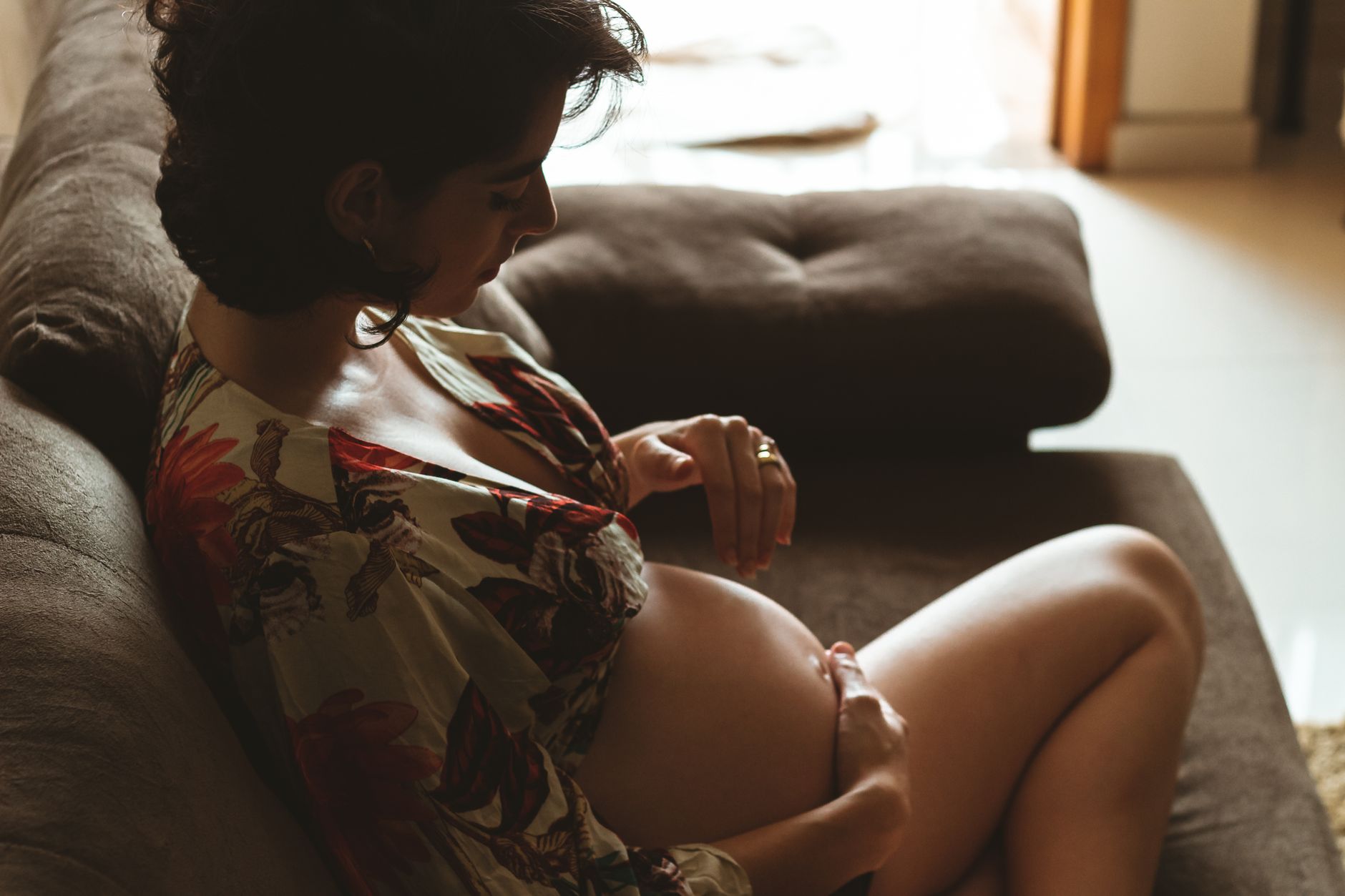
Sitting upright can feel less intuitive for feeling kicks, but a few tricks make it work:
- Lean forward slightly: This shifts the baby closer to your abdominal wall.
- Place a pillow on your lap: The added pressure can amplify the sensation of a kick.
- Relax your core: Take a few deep breaths, then let your abdomen soften; tension can mask the baby’s movements.
Many moms report that after a light snack, the baby becomes more active, and a gentle nudge from the couch can be felt as a “pat‑pat” in the lower abdomen.
Can I feel baby movements while I’m sitting?
Absolutely. The baby’s arms and legs are long enough at 29 weeks to reach the front of the uterus, and a relaxed sitting posture allows you to sense those “punches.” If you don’t feel anything within a few minutes, try shifting your weight or softly pressing your hand against the belly.
Adding a soft, supportive cushion to the couch can also help. The slight compression from the cushion transfers the baby’s motion directly to your skin, making each flutter easier to notice. A warm cup of tea in hand can keep you calm and focused, turning a routine TV break into a mini‑kick‑count session.
Remember that hydration matters, too. Dehydration can reduce amniotic fluid volume, which sometimes dulls the feeling of movements. Keep a water bottle nearby and sip regularly while you’re on the couch.
For extra comfort, try placing a warm (not hot) compress on your belly for a minute before you start counting. The gentle heat relaxes the uterine muscles, making each kick feel sharper.
Best time of day to notice baby movements at 29 weeks
Fetal activity follows a circadian rhythm. Most babies are more active after meals and during the early evening. A typical pattern looks like this:
Plan your “kick‑count” sessions during the afternoon or early evening when the baby is naturally most active. If you’re a night‑owl, a light snack before bedtime can also spark a burst of movement.
What foods increase fetal activity at 29 weeks?
Simple carbohydrate‑rich snacks—like a banana, a slice of toast with honey, or a small fruit smoothie—can give the baby a quick energy boost, often leading to a noticeable flurry of kicks within 20‑30 minutes. The Academy of Nutrition and Dietetics advises that these snacks should be balanced with protein to avoid blood‑sugar spikes.
In addition to carbs, omega‑3‑rich foods such as salmon, walnuts, or chia seeds support fetal brain development and can subtly increase activity levels. A study referenced by the Endocrine Society (2022) found that mothers who incorporated a daily omega‑3 source reported slightly higher kick counts, though the effect varies from baby to baby.
Hydration also plays a role. A glass of water or a warm herbal tea can improve circulation, making each movement feel more distinct. Aim for at least eight glasses of fluid a day, especially on days when you plan to do a kick‑count.
Because hormones like cortisol rise in the early morning, some women notice a dip in activity then, while melatonin peaks at night, often calming the baby. Understanding these rhythms can help you schedule your most reliable counting windows.
How many kicks are normal at 29 weeks and where to feel them?
By week 29, most babies generate 10‑20 distinct movements over a two‑hour window. Kicks are usually felt in the lower abdomen, near the hips, but you may also sense rolls or stretches higher up as the baby stretches its arms.
Typical locations:
- Lower abdomen (pelvic area): Most common for kicks and punches.
- Upper abdomen: Rolls or stretches as the baby shifts position.
- Near the belly button: Occasionally, a gentle “flutter” can be felt here, especially if the baby is facing forward.
How many baby kicks per hour is normal at 29 weeks?
Counting methods vary, but a common benchmark is ≥ 3 kicks per hour. If you reach 10 kicks in two hours, you’re well within the healthy range. The March of Dimes recommends a “count‑10” method: note the time it takes to feel ten distinct movements; if it takes longer than two hours, contact your provider.
Yes, though it’s less common. The baby’s head or torso can press against the central uterus, creating a subtle “thump” that may be felt near the navel. If you notice a rhythmic tap there, it’s likely a movement, especially after a meal.
It’s also worth noting that as the uterus expands, the baby may change orientation, bringing new areas of the belly into focus. This shifting is why many women notice new “sweet spots” for feeling kicks from week to week.
Tracking where you feel each movement in a simple notebook can help you spot patterns and notice when a previously common spot becomes quieter—a useful early signal to discuss with your provider.
Tips for feeling baby movements while sleeping at 29 weeks
Nighttime can be a wonderful window for connecting with your baby. Here’s a simple bedtime routine:
- Eat a light snack (e.g., a slice of whole‑grain toast with almond butter) 30 minutes before bed.
- Warm a water bottle and place it on your lower abdomen for 5 minutes; the gentle heat relaxes muscles and heightens perception.
- Lie on your left side with a pillow between your knees; this aligns the uterus and reduces pressure.
- Close your eyes, breathe slowly, and focus on any fluttering sensations for 5‑10 minutes.
- If you haven’t felt a movement after 15 minutes, gently press your hand against the belly and wait a few more minutes.
Many mothers report a “wave” of activity about 45 minutes after dinner, so timing your bedtime routine around your evening meal can maximize the chance of feeling kicks.
Baby movement patterns week 29 vs week 30
Between weeks 29 and 30, the baby’s limbs lengthen, and the uterus expands, allowing for more pronounced rolls and stretches. While the overall kick count remains similar, week 30 often introduces more “full‑body” movements—like a gentle somersault—that feel like a broader pressure rather than a sharp kick.
These larger movements can be especially noticeable when you’re lying on your side, as the baby’s whole body shifts against the uterine wall. If you’ve been tracking kicks, you may notice a slight uptick in the intensity of each movement, even if the frequency stays constant.
Keeping the bedroom dim, using a white‑noise machine, and avoiding screens for at least 30 minutes before sleep can help you stay relaxed enough to notice these subtle motions.
Can I feel baby movements while standing or walking at 29 weeks?
Yes, though the sensation may be subtler. When you stand, gravity pulls the baby downward, and a kick can feel like a “tap” on the lower abdomen. Walking adds a rhythmic bounce that can amplify or mask the baby’s own movements.
- Standing tip: Place a hand on your belly, take a few slow breaths, then shift your weight from one foot to the other. This gentle sway often triggers a response from the baby.
- Walking tip: Walk at a leisurely pace after a snack; the combination of maternal movement and fetal activity can create a pleasant “dance” sensation.
Does exercise affect baby movement detection at 29 weeks?
Light to moderate exercise—such as prenatal yoga, walking, or swimming—generally enhances fetal activity by increasing maternal blood flow. However, high‑impact activities can sometimes make it harder to differentiate your own muscle contractions from the baby’s kicks. The American College of Obstetricians and Gynecologists (ACOG) recommends staying active but listening to your body; if you feel uncomfortable, pause and rest.
Prenatal yoga poses that open the hips, like the “Butterfly” or “Cat‑Cow,” can also stretch the uterus gently, making the baby’s movements more perceptible. Just be sure to avoid poses that compress the abdomen, such as deep forward bends.
Wearing supportive shoes and a gentle, low‑impact cardio routine can keep circulation steady, which often translates into clearer kick perception while you’re on your feet.
When should I be concerned about decreased fetal movement at 29 weeks?
While daily fluctuations are normal, certain signs merit prompt medical attention:
- Sudden drop: No movement for 12 continuous hours.
- Consistent low count: Fewer than 5 kicks per hour over a 24‑hour period.
- Change in pattern: Previously frequent movements become rare, even after meals.
- Accompanying symptoms: Vaginal bleeding, severe abdominal pain, or fluid leakage.
If any of these occur, call your OB‑GYN or go to the nearest emergency department. Early evaluation—often with a non‑stress test—helps ensure both your health and the baby’s.
What foods increase fetal activity at 29 weeks?
In addition to simple carbs, foods rich in omega‑3 fatty acids (like salmon or chia seeds) and those high in protein (Greek yogurt, eggs) can boost the baby’s energy levels. The Endocrine Society notes that a balanced diet supports overall fetal development and may increase movement frequency.
Some mothers also find that a small amount of dark chocolate (70 % cacao) provides a gentle stimulant effect without excessive sugar. The key is moderation—excessive caffeine or sugary treats can lead to spikes and crashes that may temporarily alter movement patterns.
Staying mindful of portion sizes and pairing snacks with protein helps keep blood glucose stable, which in turn supports consistent fetal activity.
Using a belly band or maternity support garment to enhance movement detection
A soft, breathable belly band can provide gentle compression that amplifies the sensation of fetal movements. By creating a slight “feedback” loop, the band helps you feel each kick more distinctly, especially when you’re sitting or resting.
- Choose a stretchy, cotton blend: Materials that breathe keep you comfortable and avoid overheating.
- Fit it snug but not tight: Too much pressure can reduce blood flow; a light hug around the waist is ideal.
- Wear it during kick‑count sessions: Many women report clearer perception when the band is on during a dedicated 10‑minute focus period.
The NHS notes that maternity support garments are safe for most pregnancies, but you should avoid bands that restrict breathing or cause discomfort. If you have a high‑risk pregnancy, check with your provider before using a belly band.
Some women find that wearing the band in the evening, after dinner, helps them notice a post‑meal surge of activity more reliably. After delivery, a gently supportive band can also aid abdominal muscle recovery.
Maternal factors that influence how strongly you feel kicks
Not every kick feels the same, and several personal factors shape your perception:
- Body composition: Higher abdominal fat can dampen the feeling of movements, while a leaner abdomen often makes kicks more obvious.
- Hydration status: Dehydration reduces amniotic fluid, which can mute the sensation of kicks.
- Stress levels: Elevated cortisol can affect blood flow, sometimes making movements feel less pronounced.
- Physical activity: Regular, gentle exercise improves circulation and may enhance your ability to detect fetal motion.
Understanding these influences helps you interpret what’s “normal” for your unique body. If you notice a sudden change in how you feel kicks, consider whether any of the above factors have shifted recently.
Hormonal shifts—especially rising progesterone—can also make the uterine muscles more relaxed, which sometimes softens the perception of a sharp kick. Keeping a brief diary of mood, diet, and activity can help you pinpoint patterns.
Technology aids: mobile apps and kick‑count charts
Modern pregnancy apps let you log each movement with timestamps, creating a visual trend that’s easy to review. Many apps also send gentle reminders to perform a kick‑count after meals or before bedtime.
- App features to look for: Real‑time charts, customizable count‑10 timers, and the ability to add notes about meals or activities.
- Privacy tip: Choose an app that offers password protection or local storage, especially if you’re sharing a device.
- Paper alternative: A simple notebook with columns for “time,” “number of kicks,” and “notes” works just as well and avoids screen time before sleep.
The FDA classifies these apps as “wellness” tools, not medical devices, meaning they’re safe for everyday use but should never replace a professional evaluation. If your app shows a consistent drop in activity, use it as a prompt to contact your provider.
Some apps now integrate with smart wearables, allowing you to track heart rate and activity level alongside kick counts. This combined data can give you a broader picture of how maternal health and fetal movement intersect.
Using a handheld fetal doppler safely at 29 weeks
A handheld fetal doppler can let you hear your baby’s heartbeat, which many find reassuring and can indirectly help you notice movements. The device does not detect kicks, but the audible heartbeat often prompts mothers to focus on the belly and feel more subtle motions.
The U.S. Food and Drug Administration (FDA) advises that dopplers are safe when used as directed, but they should not replace routine prenatal visits. Limit sessions to a few minutes a day, and always follow the manufacturer’s cleaning instructions to avoid infection.
Because the doppler emits ultrasound, it’s best to use it under the guidance of your OB‑GYN, especially if you have a high‑risk pregnancy. Over‑use can cause unnecessary anxiety, so treat it as a supplement to, not a substitute for, your regular kick‑count routine.
Prenatal yoga poses to boost kick awareness
Gentle yoga can improve circulation, relax the uterine muscles, and make fetal movements more palpable. Here are three safe poses for the third trimester:
- Cat‑Cow (Marjaryasana‑Bitilasana): Move between arching and rounding your back on hands and knees. This motion gently massages the uterus and often elicits a “wiggle” from the baby.
- Butterfly (Baddha Konasana) with a pillow: Sit with soles of feet together, knees open, and rest a folded pillow behind your back. The slight opening of the hips can give the baby more room to shift.
- Child’s Pose (Balasana) with side stretch: Kneel, sit back on heels, stretch arms forward, then walk hands to the right side, feeling a gentle pull on the left abdomen where many kicks are felt.
Hold each pose for 30‑60 seconds, breathing deeply. Avoid any pose that compresses the abdomen, such as deep forward bends, as they can reduce blood flow and mask movements. ACOG’s 2023 guidelines endorse prenatal yoga for its benefits to both mother and baby when performed safely.
Myth vs. fact
Myth: You must feel a kick every hour to be sure the baby is healthy.
Fact: Babies have natural rest periods; a count of 10 movements over two hours is a reliable benchmark.
Myth: Lying on your back is the best way to feel kicks.
Fact: The left‑side position improves blood flow and often makes movements clearer.
Myth: Only women with high‑risk pregnancies need to monitor kicks.
Fact: All pregnant people benefit from tracking fetal activity, as it provides an early warning system for potential issues.
Key takeaways
- Lie on your left side or tilt slightly left for the clearest perception of kicks.
- Aim for 10‑20 movements in two hours; ≥ 3 kicks per hour is a healthy baseline.
- Peak activity usually occurs after meals and in the early evening.
- Use gentle pressure, a pillow, or a belly band to enhance sensation while sitting or sleeping.
- Track movements with a simple chart or a reputable pregnancy app; contact your provider if you notice a sudden drop or no movement for 12 hours.
- Balanced snacks (simple carbs + protein) can give the baby a quick energy boost.
- Stay hydrated, manage stress, and consider a supportive belly band for clearer detection.
- Gentle prenatal yoga and short doppler sessions can increase awareness without replacing medical monitoring.
Frequently asked questions
What is the best position to feel my baby move at 29 weeks?
The left‑side position is most effective because it improves placental blood flow and places the baby closer to the abdominal wall. If uncomfortable, a right‑side or semi‑reclined pose with a pillow under the hips works well.
How many kicks should I feel each day at 29 weeks?
Most clinicians recommend feeling 10‑20 distinct movements within a two‑hour window, which typically translates to 3‑5 kicks per hour.
Is it normal to feel less movement when lying on my back at 29 weeks?
Yes. Lying on your back can compress major blood vessels, reducing placental flow and muffling kicks. Switching to your left side or tilting slightly can restore perception.
Can I feel my baby move while I’m sitting?
Absolutely. Lean forward slightly, place a pillow on your lap, and relax your core. Many mothers notice a “pat‑pat” sensation in the lower abdomen while seated.
When should I call my doctor about fetal movement changes at 29 weeks?
Call immediately if you experience no movement for 12 continuous hours, a sudden drop to fewer than 5 kicks per hour, or if reduced activity is accompanied by pain, bleeding, or fluid loss.
Does the baby’s gender affect how often I feel movements?
Current evidence from the American College of Obstetricians and Gynecologists (ACOG) indicates no consistent difference in movement frequency between male and female babies.
How can I make my baby more active before bedtime?
Eat a small, balanced snack about 30 minutes before sleep, warm a water bottle on your lower abdomen, and lie on your left side in a quiet room. These steps often trigger an evening burst of activity.
Can a pregnancy app replace a doctor’s advice about kick counts?
Pregnancy apps are useful for tracking trends, but they are wellness tools, not medical diagnostics. Use them as a reminder, but always discuss any concerning patterns with your OB‑GYN or midwife.
Can I use a handheld fetal doppler at home to hear my baby move?
Yes, but only for short periods and under the guidance of your provider. The doppler lets you hear the heartbeat, which can help you focus on the belly, but it does not replace kick‑count monitoring.
Does my water intake affect how often I feel kicks?
Staying well‑hydrated supports amniotic fluid volume, which can make movements feel more distinct. Aim for at least eight glasses of water a day, especially when you plan to do a kick‑count.
When to see a doctor
If you notice any of the following, seek medical care right away:
- No fetal movement for 12 hours or more.
- Consistently fewer than 5 kicks per hour over a 24‑hour period.
- Sudden change in movement pattern after meals.
- Accompanying symptoms such as vaginal bleeding, severe abdominal pain, or fluid leakage.
This article provides general information and is not a substitute for personalized medical advice. Always discuss any concerns with your OB‑GYN, midwife, or qualified health professional.
References
- American College of Obstetricians and Gynecologists. “Fetal Movement Counting.” ACOG Practice Bulletin, 2023.
- March of Dimes. “Kick Counts: What to Know.” 2022.
- Academy of Nutrition and Dietetics. “Nutrition During Pregnancy.” 2023.
- Endocrine Society. “Maternal Nutrition and Fetal Activity.” Clinical Guidelines, 2022.
- American Heart Association. “Physical Activity Guidelines for Pregnant Women.” 2023.
- National Institute of Child Health and Human Development. “Fetal Development Timeline.” 2022.
- National Health Service (UK). “Maternity Support Garments.” Updated 2024.
- U.S. Food and Drug Administration. “Mobile Health Apps: Guidance for Industry.” 2023.
- American Psychological Association. “Stress and Pregnancy.” 2023.
- U.S. Food and Drug Administration. “Fetal Doppler Safety Guidance.” 2023.
- American College of Obstetricians and Gynecologists. “Prenatal Yoga Recommendations.” 2023.
- National Health Service (UK). “Intermittent Fasting During Pregnancy.” 2024.