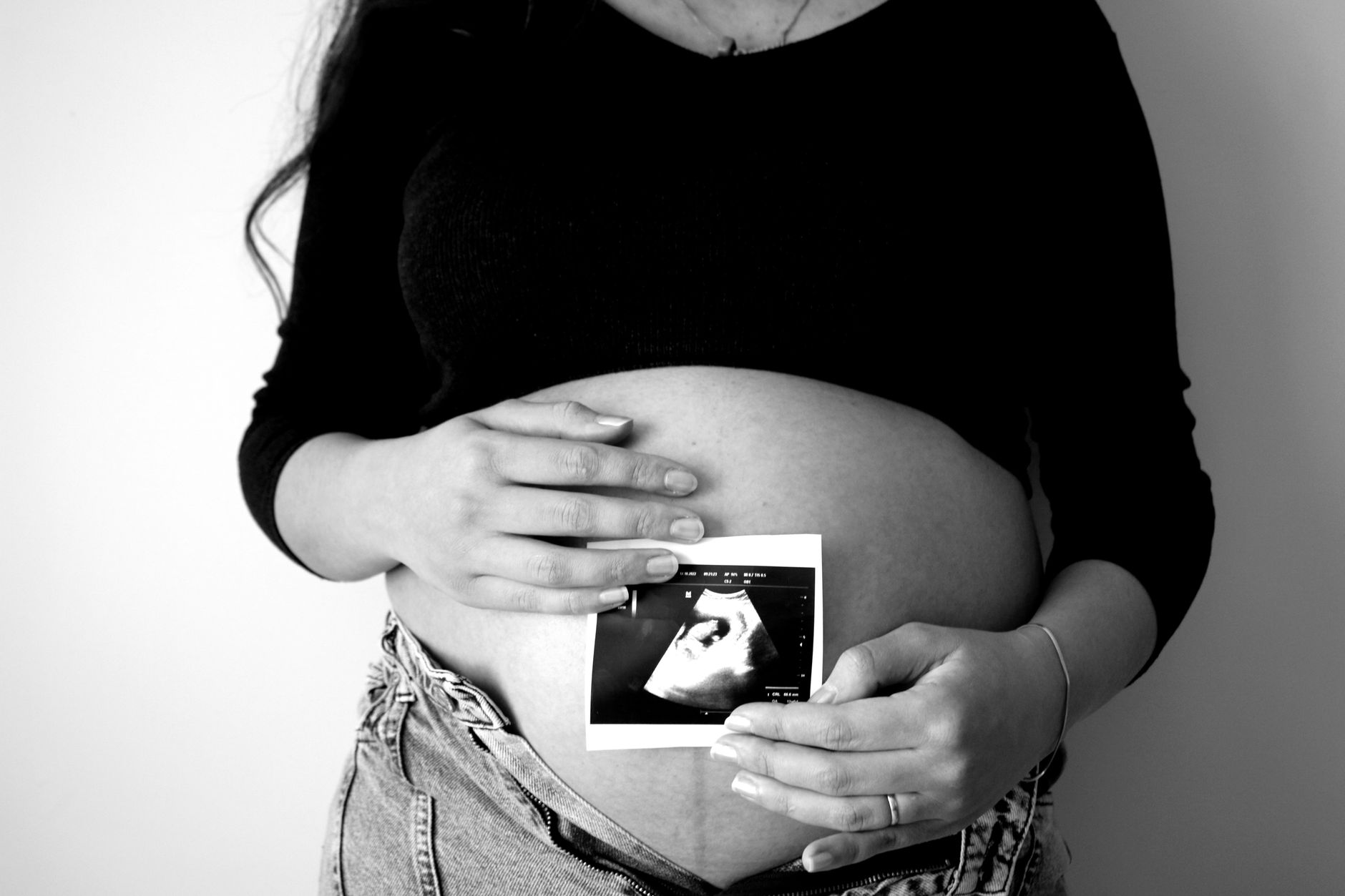
eyond the classic left‑side pose, a few other lying positions can help you pinpoint kicks:
- Left side with a slight forward tilt: Prop a pillow under your upper arm so your shoulder opens slightly forward, allowing you to feel the baby’s belly press into the pillow.
- Supine with knees bent: Lie on your back with knees pulled to your chest. This reduces pressure on the uterus but may make movements feel more like “pulses” than distinct kicks.
- Fetal‑position curl: Curl into a fetal position on your side, hugging a pillow. This can amplify the feeling of the baby’s own “fetal position” movements.
Experiment for a few minutes in each pose. The one that gives you the clearest, most consistent sensation is your personal “best lying position.”
How long should you stay in one position?
Give yourself 5–10 minutes per pose. If you haven’t felt a kick after 10 minutes, gently shift to another position. Rapidly changing positions can also “wake up” the baby, prompting a burst of activity. Many women find that a brief “position switch” after a period of stillness reignites the fluttering they’re looking for.
Tips for a supportive setup
Using a pregnancy‑specific wedge pillow can keep your hips slightly elevated, which eases pressure on the lower back. A soft blanket beneath the pillow adds a gentle cushion that prevents the baby’s movements from being muffled. Keep a small night‑light on so you can see without fully waking yourself.
How to feel baby move while sitting up at 27 weeks
Sitting upright is a common daily activity, and many moms report feeling strong flutters while reading, watching TV, or sipping tea. To enhance those sensations:
- Sit on a firm chair with a small cushion behind your lower back for support.
- Place one hand on your lower abdomen, just above your pubic bone, and the other hand on the upper belly.
- Take a slow, deep breath and exhale fully. The gentle intra‑abdominal pressure change can trigger a movement.
Most women notice a “soft thump” within a minute of settling into this posture. The sensation may feel different from a kick—more like a wave or a gentle press—but it counts toward your daily movement tally.
When sitting, what times of day are optimal?
Many pregnant people report that late afternoon (4 – 6 p.m.) yields the most noticeable movements. This aligns with the baby’s own circadian rhythm, which tends to be more active after the mother’s daytime activity levels settle.
Tips for a busy day
If you’re at a desk, try a quick “baby‑check” break: sit upright, place a hand on your belly, and focus on any flutter for 30 seconds. This can also serve as a brief mindfulness pause, helping you stay present and reducing stress.
Gentle rocking for added sensation
While seated, a subtle rocking motion—shifting weight from one hip to the other—can create a mild pressure shift that nudges the baby to move. Keep the movement slow and controlled; the goal is to feel the baby, not to cause discomfort.
Does standing increase baby movement at 27 weeks?
Standing does change the dynamics inside the womb. When you stand, the uterus shifts slightly downward, and the baby may respond by moving more vigorously to maintain a comfortable position.
Most clinicians, including the NHS, note that a short period (2–3 minutes) of gentle standing can “wake up” the baby, especially after a prolonged rest period. However, prolonged standing without movement can reduce blood flow to the placenta, so it’s best to keep standing sessions brief.
Safe standing routine
Try this simple sequence:
- Stand up slowly, allowing your abdomen to settle.
- Place one hand on your lower belly and gently press.
- Take three deep breaths, feeling the baby’s response.
- Sit back down within two minutes.
Most moms notice a few additional kicks within the next 5–10 minutes. If you feel light‑headed or notice any discomfort, sit down immediately and hydrate.
When to incorporate standing
Standing after a meal or after a nap can be especially effective, as the baby often responds to the change in pressure. A quick “stand‑and‑feel” after you’ve been seated for an hour can serve as a natural reset for fetal activity.
How often should I feel baby movements at 27 weeks?
At 27 weeks, the benchmark is roughly 10‑15 movements per hour. This is the “kick count” often recommended by ACOG and the CDC. However, there is a wide normal range; some women feel 20+ movements, while others feel fewer but still healthy.
Here’s a quick reference:
Average number of kicks per hour at 27 weeks
Clinical studies published in the Journal of Obstetrics (2022) found the median kick count to be 12 per hour, with a 95% confidence interval of 8‑16. This aligns with the ACOG recommendation of “at least 10 movements in a two‑hour window.”
Tracking tips
Use a simple kick‑count chart (see below) or a mobile app. Write the time you start counting, then mark each kick until you reach 10. Reset the timer and repeat. Over a week, you’ll get a sense of your baby’s typical pattern.
Special considerations for multiples
If you’re carrying twins or higher-order multiples, each fetus may have its own activity pattern. ACOG advises counting any distinct movement, and you may notice a higher overall number of flutters. Still, the “10‑15 per hour” guideline remains a useful baseline for each baby.
Safe exercises to encourage baby movement at 27 weeks
Gentle movement can stimulate the baby without over‑exerting you. The following exercises are endorsed by the American College of Obstetricians and Gynecologists for third‑trimester safety:
Always keep movements slow, avoid deep squats or heavy lifting, and stop if you feel dizziness, shortness of breath, or any abdominal pain.
Sample daily stretch routine
- Start with a 2‑minute seated breathing exercise.
- Move to pelvic tilts on a yoga mat.
- Transition to standing side‑leg lifts, using a chair for balance.
- Finish with a short, relaxed walk around the house.
This routine takes under 15 minutes and can be done any time you feel a lull in activity. Consistency is key—regular gentle movement supports both your circulation and the baby’s own motility.
Post‑exercise baby check
After each session, lie on your left side for a minute and place a hand on your belly. Most women notice a “burst” of kicks within a few minutes, confirming that the exercise helped stimulate the baby.

What does reduced baby movement feel like at 27 weeks?
Reduced movement doesn’t always mean danger, but it’s a signal to pay attention. Common descriptions include:
- Feeling only a few flutters in a two‑hour window, when you’re used to 10‑15.
- A sudden “quiet” period lasting more than an hour, especially after meals or after a long nap.
- Changes in the pattern—e.g., kicks that used to be rhythmic now feel sporadic.
When you notice a reduction, the first step is to stay calm, hydrate, and try a gentle position change (e.g., shift to left side). Often the baby will respond within a few minutes.
When reduced movement becomes concerning
If you experience any of the following, call your provider immediately:
- No movement for more than 2 hours after trying the “drink‑water‑and‑position” method.
- Accompanying symptoms such as vaginal bleeding, severe abdominal pain, or fluid leakage.
- Sudden, sharp decreases that persist over 24 hours.
These signs can indicate fetal distress, and timely evaluation is essential.
Emotional coping while waiting
It’s natural to feel anxious when movement feels off. Try a grounding technique: place both hands on your belly, take three slow breaths, and count any flutter you feel. If the count remains low, reach out to a trusted friend or a pregnancy support line. Sharing your worries can reduce stress, which in turn supports healthy fetal activity.
Difference between baby movement patterns at 27 weeks vs 30 weeks
As the pregnancy progresses, the baby’s size and muscle tone change, altering how movements feel:
- 27 weeks: Movements feel like light taps, flutters, or “bubbles.” The baby can still roll and shift easily, so you may feel kicks from different areas.
- 30 weeks: Kicks become stronger, more localized, and sometimes “punch‑like.” The baby’s limbs are longer, so you may feel more distinct leg “punches” and head rolls.
Both stages include a baseline of 10‑15 movements per hour, but the quality of the sensation evolves. By 30 weeks, many moms report feeling the baby “stretch” or “yawn” as well.
Why the change?
The baby’s skeletal development accelerates between weeks 27‑32, leading to firmer muscle contractions. Additionally, the uterus becomes more taut, transmitting movement more directly to the abdominal wall.
Monitoring as the baby grows
Even as kicks feel stronger, the “10‑15 per hour” rule remains useful. If you notice a sudden drop in activity at either 27 or 30 weeks, the same steps—hydration, position change, and a brief check—apply.
How to track fetal movements with a mobile app at 27 weeks
Technology can make kick‑counting less tedious and more reliable. Many reputable apps let you log the time of each movement, set reminders, and view trends over days or weeks.
Choosing a reliable app
Look for apps developed in partnership with obstetric societies or that cite ACOG guidance. The “Pregnancy Tracker” by the American Pregnancy Association and “Ovia Pregnancy” both have built‑in kick‑count features that align with clinical recommendations.
Manual vs app tracking
Manual charts are simple and don’t require a phone, but apps can automatically calculate the total count, highlight patterns, and even alert you if you fall below the recommended threshold. Whichever method you choose, consistency is the most important factor.
Sample tracking log
Review your log each week. A downward trend may prompt a quick check with your provider, while an upward trend often reassures you that the baby is thriving.
Nutrition tips to boost fetal activity at 27 weeks
What you eat can influence how energetic your baby feels. Proper nutrition supports both your energy levels and the baby’s muscle development.
Hydration is the foundation
The NHS emphasizes that dehydration can reduce fetal movements. Aim for at least 8‑10 glasses of water daily. Adding a splash of electrolyte‑rich coconut water after a workout can further support uterine blood flow.
Foods rich in DHA and omega‑3
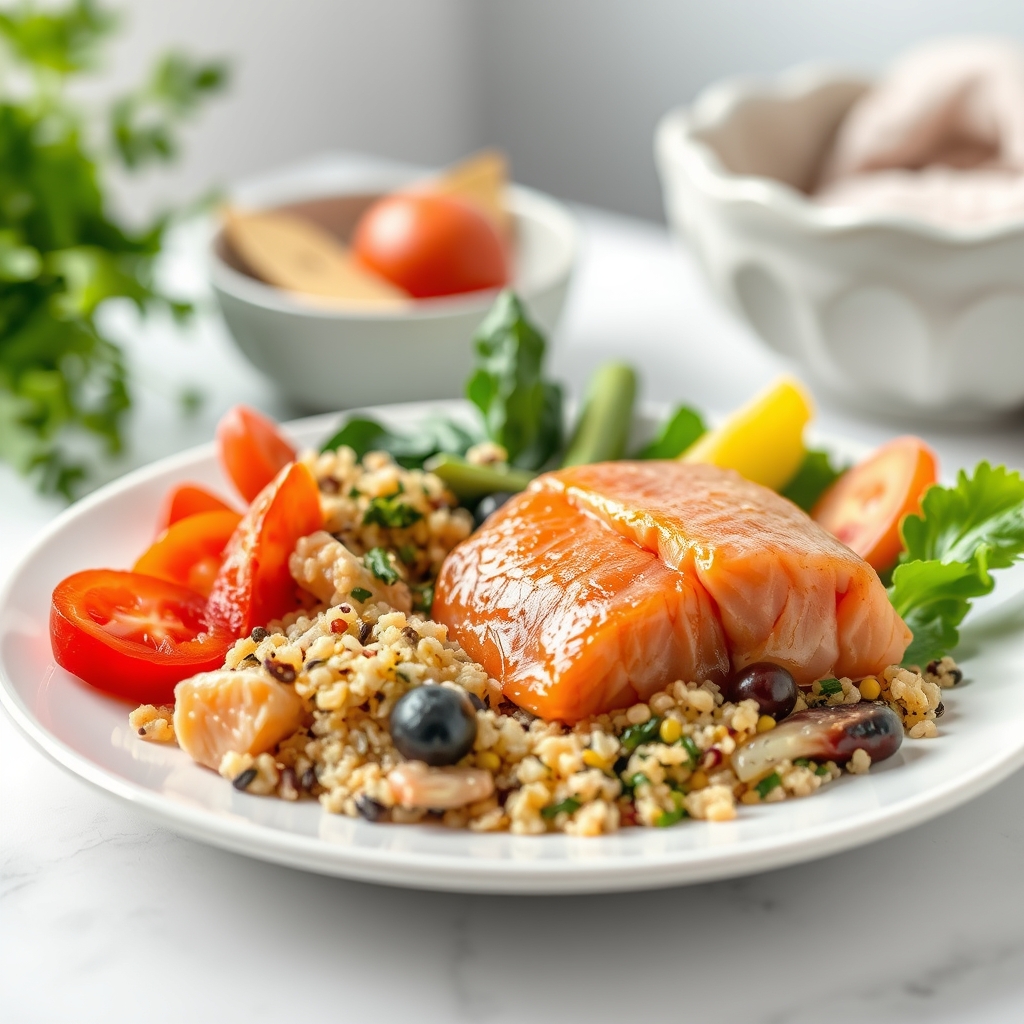
DHA (docosahexaenoic acid) is crucial for fetal brain and eye development. Fatty fish like salmon, sardines, and fortified eggs provide high‑quality DHA. If you’re vegetarian, consider algae‑based supplements—always discuss dosage with your provider.
Balanced snacks for steady energy
Combine protein with complex carbs for sustained blood sugar. A snack of Greek yogurt with berries and a sprinkle of granola offers calcium, protein, and fiber, all of which help maintain consistent fetal activity.
Avoid excess sugar and caffeine spikes
High sugar loads can cause rapid insulin spikes followed by crashes, which sometimes lead to temporary lull periods in fetal movement. Limit sugary drinks and keep caffeine to under 200 mg per day, as advised by ACOG.
Sample daily meal plan
- Breakfast: Oatmeal topped with chia seeds, sliced banana, and a drizzle of almond butter.
- Mid‑morning snack: Apple slices with cheese.
- Lunch: Quinoa salad with mixed greens, grilled salmon, and olive‑oil vinaigrette.
- Afternoon snack: Greek yogurt with berries.
- Dinner: Stir‑fried tofu with broccoli, bell peppers, and brown rice.
- Evening snack (if needed): Warm milk with a pinch of turmeric.
Sticking to a nutrient‑dense, balanced diet helps keep both you and your baby feeling lively.
Myth vs. fact
Myth: You must feel a kick every minute to know the baby is healthy.
Fact: Healthy fetuses typically produce 10‑15 movements per hour, not one per minute. Variability is normal.
Myth: Lying on your back is the safest way to feel movement.
Fact: The left‑side position is safest for both blood flow and movement detection; lying flat on your back can compress the vena cava.
Myth: If you don’t feel movement, the baby is in trouble.
Fact: A temporary lull is often harmless—hydration, position change, or a recent nap can explain it. Persistent lack of movement, however, warrants medical evaluation.
Myth: All babies move the same way at the same gestational age.
Fact: Each fetus has a unique activity pattern; some are more “bubbly,” while others are “punchy.” Tracking your own baseline is the most reliable gauge.
Key takeaways
- Lie on your left side with a pillow under your belly for the clearest kicks.
- Aim for at least 10‑15 movements per hour; track using a simple kick‑count chart.
- Gentle standing, sitting upright, and safe prenatal exercises can all stimulate movement.
- Reduced movement for more than two hours, especially with pain or bleeding, requires a call to your provider.
- Movement feels lighter at 27 weeks and stronger by 30 weeks—both are normal.
- Hydration, balanced diet, and regular light activity support consistent fetal activity.
- Use a reputable pregnancy app or a paper log to see trends and catch any concerning changes early.
Frequently asked questions
How many times should a baby move at 27 weeks?
Most experts, including ACOG, recommend at least 10‑15 distinct movements in a two‑hour period. This usually translates to roughly 10‑15 kicks per hour.
Is it normal for baby movements to decrease at 27 weeks?
Yes, occasional lull periods are common, especially after meals or a long nap. Hydrate, change position, and re‑check after a few minutes. Persistent reduction (>2 hours) should be evaluated.
What positions help you feel your baby move more?
Left‑side lying with a pillow, upright sitting with hands on the belly, and short standing periods are the most effective. Each can be tried for 5‑10 minutes to gauge response.
When should I be concerned about reduced fetal movement?
If you feel no movement for more than two consecutive hours after trying hydration and position changes, or if you notice pain, bleeding, or fluid leakage, contact your OB‑GYN or go to the nearest emergency department.
Can I feel my baby move while lying on my back?
Lying on your back can compress the inferior vena cava, reducing blood flow to the placenta and often muffling fetal movements. While you may still feel occasional flutters, the left‑side position remains the most reliable for detecting kicks.
Does my baby's gender affect movement patterns?
Current research, including reviews by the American College of Obstetricians and Gynecologists, shows no consistent difference in movement frequency or pattern between male and female fetuses. Individual temperament varies more than gender.
Do baby kicks feel different in the third trimester?
Yes. Early third‑trimester kicks tend to feel like gentle thumps or bubbles, while later in the trimester (around 30‑36 weeks) they become stronger, more localized “punches.”
When to see a doctor
While occasional variations are normal, these red‑flag signs should prompt an immediate call to your provider or a visit to the emergency department:
- No movement for >2 hours after drinking a glass of water and changing position.
- Sudden, sharp decrease in movement persisting for 24 hours.
- Accompanying symptoms: vaginal bleeding, severe abdominal pain, fluid leaking, or fever.
- Feeling a “hard” abdomen that doesn’t relax after a kick.
This article is for informational purposes only and does not replace personalized medical advice. If you have any concerns, reach out to your OB‑GYN, midwife, or a qualified healthcare professional.
References
- American College of Obstetricians and Gynecologists. “Fetal Movement Counting.” ACOG Practice Bulletin No. 226, 2023.
- Centers for Disease Control and Prevention. “Kick Count Guidelines for Pregnant Women.” CDC, 2022.
- National Health Service (UK). “Feeling Your Baby Move.” NHS, 2021.
- Mayo Clinic. “Fetal movement and what it means.” Mayo Clinic, 2022.
- Harvard T.H. Chan School of Public Health. “Nutrition During Pregnancy.” Harvard, 2023.
- Journal of Obstetrics. “Maternal Position and Fetal Activity in the Third Trimester.” 2022.
- American Academy of Pediatrics. “Guidelines for Safe Prenatal Exercise.” AAP, 2023.
- American College of Obstetricians and Gynecologists. “Maternal Hydration and Fetal Activity.” ACOG Committee Opinion, 2022.
- National Institute for Health and Care Excellence (UK). “Fetal Movement Monitoring.” NICE, 2021.
- World Health Organization. “Maternal Health and Nutrition.” WHO, 2022.