Beyond the left‑side position, there are nuanced ways to lie down that can highlight individual kicks. The key is to reduce external distractions and focus on the rhythmic sensation of your baby’s limbs.
Flat on your back—when it can work
Although lying flat on your back isn’t recommended for long periods after the first trimester, a short, 10‑minute session can still help you feel a strong kick if you’re already comfortable. Place a pillow under your shoulders to keep your spine neutral, and keep a hand on your belly.
Curled fetal position
If you’re aware of a particular kick, you can mimic the baby’s own curling motion. Gently bend your knees toward your chest while staying on your left side. This creates a “cave” where the baby’s movements resonate more clearly against your abdominal wall.
Using a pregnancy pillow
A full‑body pregnancy pillow can support both sides, allowing you to transition smoothly between left‑side and side‑lying positions without losing the sense of the kick. The pillow’s shape also cushions the ribs, which can otherwise dull the sensation.
Whichever pose you choose, keep the lighting dim and the room quiet. Soft instrumental music or a gentle nature soundtrack can mask ambient noises, letting you hear the faint “tap‑tap” of a kick more clearly.
Best time of day to feel baby move at 24 weeks
Fetal activity follows a daily rhythm, often mirroring your own circadian patterns. Most mothers report heightened movement in the early evening, roughly between 6 p.m. and 9 p.m., after the day’s stress has faded and a post‑lunch snack has been digested.
Why evenings are prime
- Maternal glucose levels: After dinner, blood sugar rises, giving the baby more energy to move.
- Reduced external noise: Quiet evenings let you hear the soft thuds of kicks without competing sounds.
- Hormonal shifts: Melatonin, which rises at night, may also stimulate fetal activity.
Morning and afternoon windows
While evenings are most common, many women notice a “mid‑morning burst” around 10 a.m.–12 p.m., especially after a breakfast rich in complex carbs. A short nap after lunch can also trigger a post‑nap surge of movement.
Tracking the pattern
Use a simple notebook or a pregnancy app to log the hour you feel movements. Over a week you’ll likely see a pattern emerge—this helps you anticipate the best moments to check for kicks and reassures you when a day feels quieter.
Seasonal changes can also play a role; warmer weather often leads to more active evenings, while colder months may shift the peak to late afternoon. Paying attention to these subtle shifts can make your movement‑checking routine feel more natural.
Does sitting up affect feeling baby movement at 24 weeks?
Sitting upright can both help and hinder perception of fetal motion, depending on how you position yourself and how active the baby is at that moment.
Advantages of sitting
- Pelvic tilt: Sitting leans the uterus slightly forward, bringing the baby’s head closer to the abdominal wall.
- Enhanced focus: When you sit with your back straight and place your hand on your belly, you can isolate the sensation of a single kick.
Potential drawbacks
If you’re slouched or have a full‑size chair that compresses your abdomen, the baby’s movements may feel muted. Also, prolonged sitting can reduce circulation, which might temporarily dampen activity.
Optimal sitting technique
- Choose a supportive chair with a straight back.
- Place a small cushion behind your lower back for lumbar support.
- Rest your right hand on your lower abdomen, palm up.
- Take a slow, deep breath and focus on the rising and falling of your belly.
In this position you’ll often feel the “flutter” of a roll or the distinct tap of a kick, especially after a light snack.
For extra comfort, try a seat cushion with a slight wedge; it encourages a gentle forward tilt that aligns the uterus without straining your hips.
How many kicks should I feel at 24 weeks in different positions?
There isn’t a universal “kick count” that applies to every pregnancy, but research and clinical guidelines give us useful benchmarks. At 24 weeks most providers suggest you should feel at least 10 movements in a 2‑hour period when you’re relaxed and in a position that promotes circulation.
Position‑specific expectations
What counts as a movement?
A “kick” is typically a sharp, quick thrust lasting 1‑2 seconds. A “roll” feels more like a gentle wave lasting 3‑5 seconds. Both are normal at 24 weeks, and most clinicians count them together when you’re monitoring fetal health.
It’s also helpful to note the intensity of each movement. A “soft” flutter may feel like a feather, while a “strong” kick can be felt as a distinct thump. Recording intensity can help you spot subtle changes over time.
Tips for feeling baby movement while lying on your left side at 24 weeks
Even with the optimal left‑side position, some mothers need a little extra help to notice the gentle motions of a growing baby.
1. Choose the right time
Schedule your “movement check” after a snack and before bedtime. Aim for the early evening window (6–9 p.m.) when the baby’s activity peaks.
2. Use a gentle hand technique
Place your left hand flat on the lower abdomen, fingers relaxed. Lightly press until you feel the belly rise and fall, then pause. The next kick will often be felt as a distinct tap against your palm.
3. Add a warm compress
A warm (not hot) water bottle placed on your belly for a few minutes can increase blood flow, making movements more pronounced. Remove the compress before you start counting.
4. Practice mindful breathing
Inhale for four counts, hold for two, exhale for six. This slow rhythm lowers your heart rate, allowing you to hear the subtle thuds of fetal motion.
5. Keep a movement journal
Write down the time of each kick, its intensity (1‑soft, 2‑moderate, 3‑strong), and any accompanying sensations (e.g., hiccup‑like flutter). Over a week you’ll see patterns that reassure you when a day feels quieter.
Don’t forget to hydrate before your session; a well‑hydrated uterus expands slightly, which can make the baby’s kicks feel more distinct against the abdominal wall.
Can standing or walking make it easier to feel baby move at 24 weeks?
Yes—though the sensation differs from lying down. When you stand or walk, the baby’s limbs often respond to the change in maternal posture, creating gentle rolls or “sway” sensations that can be easier to feel on the lower abdomen.
Why movement helps
- Gravity shift: Standing changes the angle of the uterus, allowing the baby’s head to settle toward the front, where kicks are more palpable.
- Maternal activity: Your own steps create a rhythmic backdrop that can highlight the baby’s own motion.
Best standing routine
- Stand in a comfortable spot with feet hip‑width apart.
- Place one hand gently on your lower belly, palm up.
- Take a slow walk for 2‑3 minutes, focusing on any fluttering sensations.
- If you feel a roll, pause, breathe, and note the time.
Even a short stroll to the kitchen can stimulate enough movement for you to feel a kick or roll, especially after a light snack.
Remember to wear supportive shoes; good foot support helps keep your posture stable, which in turn makes it easier to isolate the baby’s movements.
When do babies start moving in the womb?
Fetal movements begin as early as 7‑8 weeks, but they’re too subtle for a mother to feel. By 16‑18 weeks most women report the first “quickening,” a gentle flutter that can be mistaken for gas. At 24 weeks the movements become more forceful and distinct.
Development timeline
- Weeks 7‑10: Muscles form; spontaneous twitches occur.
- Weeks 14‑16: Neurological pathways mature; movements become coordinated.
- Weeks 18‑20: Mother usually feels the first quickening.
- Weeks 24‑28: Kicks, rolls, and hiccups become regular and recognizable.
These milestones are consistent across healthy pregnancies, but individual timing can vary by a week or two depending on maternal factors such as BMI and activity level.
Normal fetal movement count at 24 weeks
The most widely accepted guideline is the “10‑in‑2‑hours” rule. When you’re relaxed (e.g., lying on your left side after a snack), you should feel at least 10 distinct movements within a two‑hour window.
How many movements per hour is normal at 24 weeks?
On average, expect 5‑7 movements per hour, though the count can vary widely from day to day. Factors such as maternal activity, meals, and time of day influence the frequency.
Tracking without anxiety
Instead of counting every single kick, aim for a “daily total” of roughly 30‑40 movements spread across the day. This approach reduces stress while still giving you a reliable health indicator.
If you notice a sudden drop, try a quick “kick‑count” after a light snack and a few minutes of rest. Most providers recommend repeating this three times before calling for advice.
Can I feel baby move while I’m standing?
Yes—standing can make rolls more noticeable. The baby often responds to the shift in your center of gravity, creating a gentle wave that you can feel with a hand on your lower abdomen. While the sensation may feel softer than a kick, it’s still a sign of healthy activity.
Difference between baby kicks and rolls at 24 weeks
Understanding the difference helps you interpret what your body is telling you.
- Kicks: Sharp, quick thrusts lasting 1‑2 seconds. They feel like a tap or a “ping.”
- Rolls: Longer, smoother motions lasting 3‑5 seconds, often described as a wave or “sway.”
- Hiccups: Repetitive, rhythmic twitches, usually felt in the upper abdomen and lasting a few seconds each.
All three are normal at 24 weeks and together provide a comprehensive picture of fetal health.
What does reduced fetal movement mean at 24 weeks?
A noticeable drop in movement—especially if you go from feeling 10+ movements in two hours to fewer than 5—warrants a prompt call to your provider. Reduced movement can be a sign of temporary factors (e.g., a large meal, dehydration) or, less commonly, a concern such as placental insufficiency.
When to seek care
- Fewer than 10 movements in a 2‑hour window after three attempts at different times of day.
- Sudden change in the pattern of kicks, rolls, or hiccups.
- Accompanying symptoms like vaginal bleeding, severe abdominal pain, or fluid loss.
Contact your OB‑GYN, midwife, or a labor‑and‑delivery unit immediately. They may ask you to perform a “kick count” and schedule a non‑stress test (NST) or ultrasound.
Best prenatal yoga poses for feeling baby movement
Gentle yoga can encourage circulation and make fetal movements more apparent. Here are three safe poses for the 24‑week stage.
1. Supported Child’s Pose (Balasana) with a bolster
Place a bolster or stacked pillows under your chest, knees on the floor, and rest your forehead on the cushion. Keep your left hand on the belly and breathe deeply for 2‑3 minutes.
2. Reclining Bound Angle (Supta Baddha Konasana)
Lie on your back with the soles of your feet together, knees dropping to the sides. Place a pillow under each knee for support. This opens the pelvis and can increase uterine blood flow, making kicks easier to feel.
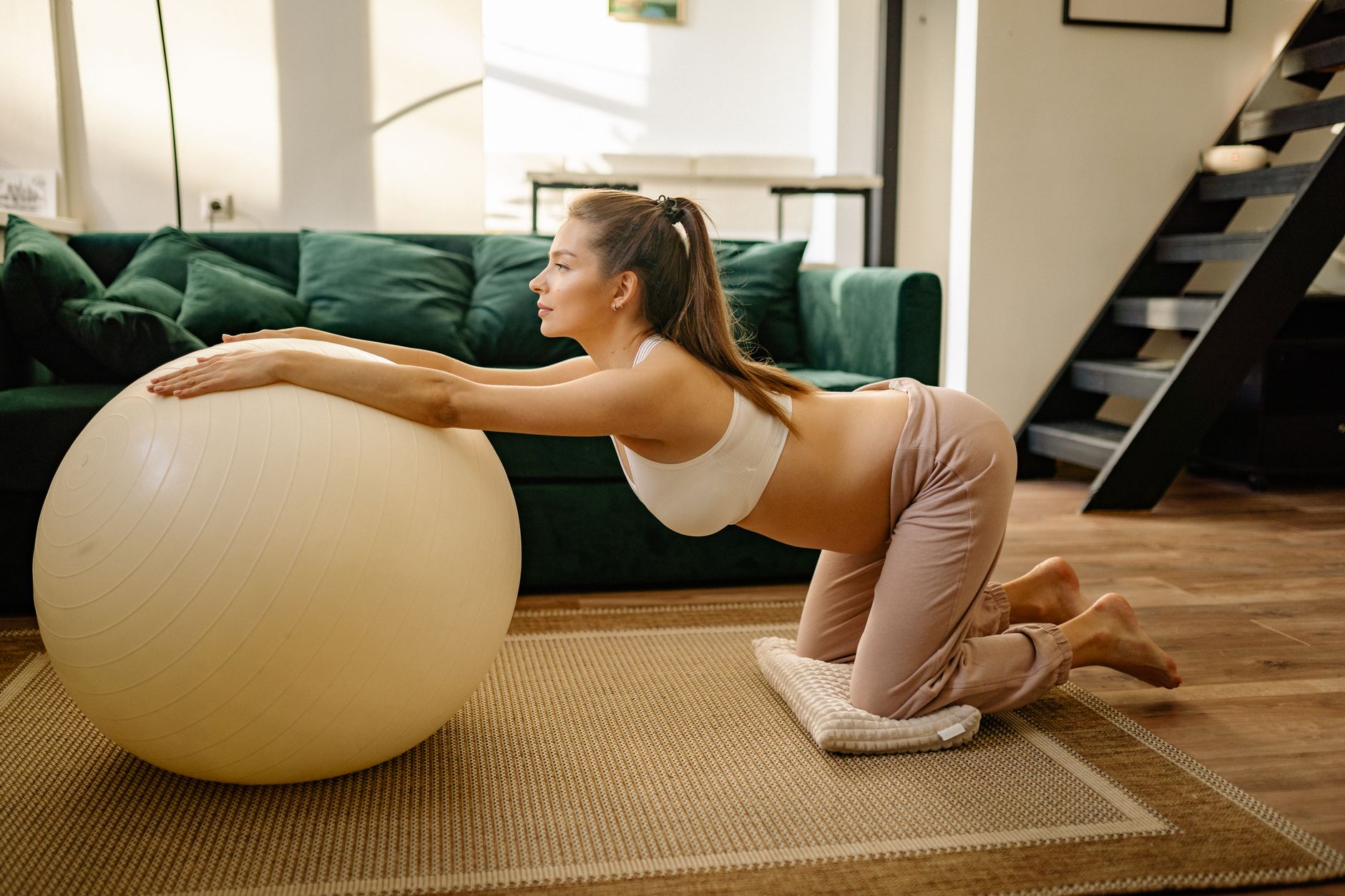
3. Gentle Cat‑Cow (Marjaryasana‑Bitilasana) on hands and knees
Move slowly, inhaling as you arch your back (cow) and exhaling as you round it (cat). The rhythm mirrors fetal movement, helping you become more attuned to each subtle motion.
Always consult your provider before starting a new exercise routine, especially if you have any pregnancy complications.
How diet and hydration influence baby movement at 24 weeks
What you eat and drink can subtly affect how often you feel kicks. A balanced snack that includes protein and complex carbs—think a slice of whole‑grain toast with peanut butter—raises maternal blood glucose, giving the baby more energy to move.
Staying well‑hydrated is equally important. Dehydration can lower amniotic fluid levels, making the uterus feel tighter and muffling the sensation of movement. Aim for at least 8‑10 cups of water a day, and consider adding an electrolyte‑rich drink if you’re active.
Guidance from the NHS recommends small, frequent meals rather than large ones to keep blood sugar steady, which in turn supports consistent fetal activity throughout the day.
Many apps now include built‑in kick‑count timers, visual graphs, and gentle reminders. Popular choices such as “Full Term” and “Ovia Pregnancy” let you log the exact time, intensity, and type of movement, then generate weekly summaries you can share with your provider.
Wearable devices, like smart watches with a “movement” sensor, are emerging as adjunct tools. While the FDA has not approved them for clinical monitoring, they can help you spot patterns and remind you to pause for a quick check. Always double‑check any data with a healthcare professional before making decisions.
When using technology, keep privacy in mind. Choose apps that encrypt data and avoid sharing personal health information on public forums.
Common factors that can mask fetal movement
Sometimes you might feel fewer kicks even though the baby is active. A full bladder, for example, can press the uterus against the spine, dampening the perception of movement. Similarly, a high‑fat meal can slow digestion, temporarily reducing the baby’s activity.
Maternal stress and fatigue also play a role. When you’re exhausted, you’re less likely to notice subtle motions. Practicing short relaxation techniques—like a 2‑minute box breathing exercise—can sharpen your awareness.
If you suspect any of these factors are at play, try adjusting one variable at a time (e.g., drink a glass of water, take a brief walk) and see if the movement becomes clearer.
Myth vs. fact
Myth: You must feel a baby kick every hour to be sure everything is fine.
Fact: Fetal movement varies throughout the day; a “10‑in‑2‑hours” count is a reliable benchmark, but occasional quieter periods are normal.
Myth: Standing always makes it harder to feel kicks.
Fact: Standing or walking can actually highlight rolls and gentle kicks, especially after a snack.
Myth: If you can’t feel movement at night, the baby is in trouble.
Fact: Babies often rest at night; a lack of movement during sleep isn’t usually a concern unless it’s a sudden change from your normal pattern.
Key takeaways
- Lie on your left side with a hand on your belly for the most reliable feeling of baby movement at 24 weeks.
- Early evening (6‑9 p.m.) after a light snack is the peak window for kicks and rolls.
- Standing or walking can help you sense rolls; short walks are safe and effective.
- Aim for at least 10 movements in a 2‑hour period; 5‑7 per hour is typical.
- Track movements in a journal to spot patterns and reduce anxiety.
- Stay hydrated and choose balanced snacks to encourage active movement.
- If you notice a sudden drop in activity, call your provider right away.
Frequently asked questions
How many times should a 24‑week baby move?
Most experts recommend feeling at least 10 distinct movements in any 2‑hour window when you’re relaxed. This translates to roughly 5‑7 movements per hour on average.
Can I feel my baby move while sitting?
Yes—sitting upright with good posture and a hand on your lower abdomen often reveals kicks and rolls. The key is to keep your back straight and avoid slouching, which can compress the uterus.
Is it normal to feel less movement at 24 weeks?
Variation is normal; some days you may feel fewer movements, especially after a large meal or if you’re overly active. However, a sudden and sustained drop below 10 movements in 2 hours should prompt a call to your provider.
What position should I sleep in to feel my baby move?
Sleeping on your left side is best for circulation and fetal perception. If you need to change positions during the night, try placing a pillow behind your back to keep you from rolling onto your right side.
Do babies move more at certain times of day?
Yes—most mothers notice increased activity in the early evening after dinner and a smaller surge mid‑morning after breakfast. These patterns reflect maternal glucose levels and hormonal rhythms.
Contact your provider if you feel fewer than 10 movements in a 2‑hour period on three separate attempts, notice a sudden change in pattern, or experience any accompanying pain, bleeding, or fluid loss.
What if I feel more than the usual number of movements?
Occasional periods of heightened activity are common and usually harmless. If you experience continuous, very strong movements that cause discomfort, or if they’re accompanied by pain, call your provider to rule out uterine irritation.
Can I feel my baby move during a doctor’s ultrasound?
During a routine ultrasound the technician may see the baby’s movements on the screen, but you might not feel them physically. The visual confirmation still provides reassurance that the baby is active.
When to see a doctor
If you experience any of the following, call your OB‑GYN, midwife, or go to the nearest labor‑and‑delivery unit immediately:
- Less than 10 distinct movements in a 2‑hour window after trying three times at different times of day.
- Sudden, persistent decrease in the intensity or frequency of kicks, rolls, or hiccups.
- Accompanying symptoms such as vaginal bleeding, severe abdominal pain, fluid leakage, or fever.
- Any concern that your baby’s movements have changed dramatically from your usual pattern.
This article is for informational purposes only and does not replace personalized medical advice. Always discuss any concerns with your healthcare provider.
References
- American College of Obstetricians and Gynecologists (ACOG). “Fetal Movement Guidelines.” 2023.
- World Health Organization (WHO). “Maternal health and fetal monitoring.” 2022.
- National Institute of Child Health and Human Development (NICHD). “Fetal Activity and Development.” 2021.
- Harvard T.H. Chan School of Public Health. “Nutrition and fetal movement.” 2022.
- Society for Maternal-Fetal Medicine (SMFM). “Reduced fetal movement evaluation.” 2023.
- American Pregnancy Association. “Prenatal yoga safety.” 2022.
- National Health Service (NHS). “Eating and drinking in pregnancy.” 2023.
- U.S. Food and Drug Administration (FDA). “Wearable technology and pregnancy: guidance for consumers.” 2022.
- American Psychological Association (APA). “Stress reduction techniques for pregnant women.” 2021.