Quick take: The clearest way to feel your 22‑week baby move is to lie on your left side, bend your knees slightly, and relax your abdominal muscles. If you’re sitting, a firm couch with a slight forward lean works best, and while standing, a gentle shift of weight onto one leg can help you sense kicks. Most fetuses make 10‑30 movements a day; notice any sudden drop and call your provider.
It was 3 a.m. when Maya, a first‑time mom, woke up to a quiet belly. She’d felt a flurry of kicks the night before, but now it was almost silent. “Is this normal?” she whispered, half‑awake, half‑panicked. She wasn’t alone—many pregnant people wonder exactly how, where, and when they’ll feel those tiny somersaults, especially around the 22‑week mark when the baby’s movements become more deliberate.
In this guide we’ll answer the exact question on your mind: best position to feel baby move at 22 weeks. We’ll walk through the science of fetal movement, compare lying, sitting, and standing positions, share practical tips for prenatal visits, and explain when a lull in activity needs a doctor’s attention. By the end you’ll have a clear action plan, a realistic expectation of daily kick counts, and confidence that you’re doing everything you can to stay connected with your growing little one.
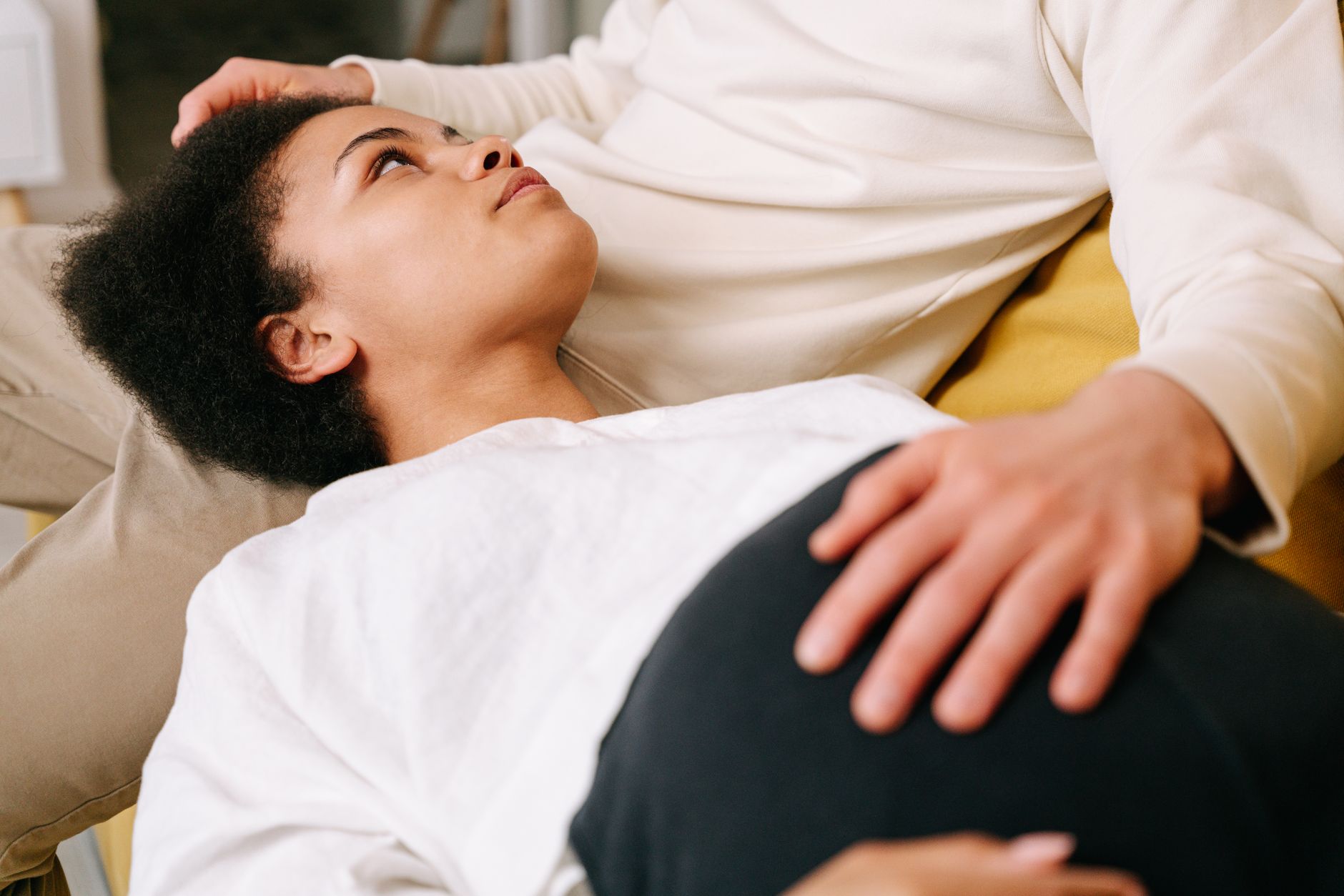
What is the best position to feel baby movement at 22 weeks while lying down?
At 22 weeks the fetus weighs about 1 pound and measures roughly 11 inches long. Muscles are strong enough for purposeful kicks, rolls, and stretches, but the baby is still nestled in a relatively roomy amniotic cavity. Lying on your back can compress the inferior vena cava, reducing blood flow and sometimes muffling sensations. The left‑side position not only improves circulation but also aligns the uterus so the baby’s front faces the abdominal wall, making movements easier to detect.
Beyond circulation, the left side places the uterus closer to the abdominal wall, creating a “window” where each kick transfers a clearer pressure to your skin. This anatomical advantage is why most obstetric guidelines, including those from the American College of Obstetricians and Gynecologists (ACOG), recommend left‑side rest during the second trimester for optimal fetal monitoring.
Step‑by‑step lying‑down technique
- Find a quiet, dimly lit room where you won’t be interrupted.
- Place a firm pillow or rolled towel under your knees to relieve lower‑back strain.
- Shift onto your left side, keeping a small pillow under your belly for comfort.
- Take a few deep breaths, then gently exhale and relax your abdominal muscles.
- Focus your attention on the area just above your hip bone; this is where most women first feel a kick.
- Stay in this position for 5–10 minutes, noting any flutter, tap, or rolling sensation.
Most women report that a slight bend in the knees amplifies the feeling because the uterus is “tucked” closer to the abdominal wall. If you’re wearing a tight waistline or a restrictive maternity belt, loosen it—tight clothing can dampen the perception of movement.
For those who prefer a softer surface, a medium‑firm mattress topped with a thin memory‑foam pad works well. The key is consistency: practice the same position a few times a day, and you’ll start to recognize subtle differences in the baby’s activity.
How to feel baby kick when sitting on a couch at 22 weeks pregnant?
Sitting is a common daily activity, yet many expectant mothers underestimate its potential for detecting fetal movement. The trick is to create a slight forward lean that brings the baby’s back toward your abdominal wall while keeping your spine supported.
Optimal couch‑sitting posture
- Choose a firm couch. Soft, overly plush seating can absorb the force of a kick, making it feel like a gentle breeze.
- Place a small cushion behind your lower back for lumbar support.
- Cross your legs at the knee and gently press the lower leg against the couch; this subtle pressure encourages the baby to shift.
- Lean forward slightly—imagine you’re about to read a book on your lap. This angle opens the uterine cavity toward your front.
- Keep your hands relaxed on your belly or thighs; a light touch can amplify the sensation.
After settling, take a few slow breaths and focus on the lower abdomen. Within a minute or two many women feel a “popping” sensation that is a kick. If you’re wearing a loose top, consider a snug‑fit maternity tee that helps you sense the movement through the fabric.
Research from the NHS indicates that maternal posture can influence the perception of fetal activity, with forward‑leaning positions increasing the likelihood of feeling kicks by up to 30 % compared with a fully upright posture.
Best standing position to detect baby movements at 22 weeks gestation
Standing might seem counterintuitive, but the shift in gravity can actually make certain movements more noticeable, especially when the baby is oriented with its head down.
Standing technique for kick detection
- Stand with your feet hip‑width apart, knees slightly bent—not locked.
- Shift your weight gently onto one leg, allowing the opposite hip to relax.
- Place one hand on the lower abdomen, just above the pelvic bone.
- Raise the opposite arm gently above your head; this stretch opens the uterine space.
- Take a deep breath, exhale, and feel for a tap or roll against your hand.
Many women report feeling the strongest movements when they stand near a wall or counter for balance. The slight pressure on the pelvis can prompt the baby to “push” against the abdominal wall, creating a distinct thump that’s easier to feel than when sitting or lying.
When you stand after a light snack, the rise in maternal blood glucose can stimulate the fetus, leading to a brief burst of activity. A small carbohydrate snack, such as a piece of fruit, is a safe way to encourage movement without overloading your system, as advised by the American Diabetes Association (ADA).
Can I feel my baby move on my side while pregnant at 22 weeks?
Absolutely. Side‑lying is often the most reliable way to sense fetal activity because the uterus rests against the abdominal wall. However, the side you choose—right or left—can affect perception.
Right‑side versus left‑side perception
While the left side is generally recommended for circulation, some babies position themselves so that their back faces the right side. If you find more frequent kicks on the right, it’s perfectly safe to alternate sides. The main consideration is to avoid prolonged pressure on any one area, which can cause discomfort or reduced blood flow.
Try a “side‑switch” routine: spend 5 minutes on the left, then rotate to the right for another 5 minutes. Keep track of which side yields stronger or more frequent movements; this can help you understand your baby’s preferred orientation.
Clinical guidelines from the Royal College of Obstetricians and Gynaecologists (RCOG) note that alternating sides can also relieve uterine pressure and improve maternal comfort, especially in the later weeks of the second trimester.
Tips for feeling baby movements during a prenatal check‑up at 22 weeks
During a routine ultrasound or physical exam, the provider will often ask you to “feel for movements.” Being prepared can make this part of the visit smoother and more reassuring.
Pre‑visit preparation
- Hydrate. A well‑hydrated uterus has more amniotic fluid, which can enhance the feeling of kicks.
- Warm up. A gentle 5‑minute walk or light stretching before the appointment can stimulate fetal activity.
- Bring a light snack. A small carbohydrate snack (e.g., a piece of fruit) can boost the baby’s energy and increase movement.
- Wear comfortable clothing. Loose‑fit tops and stretchy maternity pants allow your provider to palpate easily.
During the exam, relax your abdomen and focus on the area where you normally feel the strongest kick. If you’re nervous, deep breathing can calm both you and the baby, often prompting a spontaneous movement.
Many obstetricians recommend that patients practice the “kick‑count” technique at home before the visit, as it provides a baseline for the clinician to compare against. This practice aligns with ACOG’s recommendation to monitor fetal movements as a non‑invasive sign of well‑being.
How to differentiate baby kicks from gas at 22 weeks in different positions
Gas and fetal movement can feel surprisingly similar, especially when you’re new to pregnancy sensations. The good news is there are reliable ways to tell them apart.
Key differences
Practical tests
- Change position. A kick will often shift to a different spot when you sit, stand, or lie down; gas usually stays in the same region.
- Apply gentle pressure. Pressing on the abdomen can provoke a kick but may worsen gas pain.
- Listen to rhythm. Kicks occur in irregular bursts; gas often comes in rhythmic waves linked to digestion.
If you’re still unsure, a quick check with your provider—especially during a prenatal visit—can offer reassurance. The CDC notes that gastrointestinal discomfort is common in the second trimester, so distinguishing the two sensations is a normal part of pregnancy.
What positions help me feel my baby move more clearly at 22 weeks?
Beyond the specific lying, sitting, and standing techniques, there are a few “bonus” positions that many women find useful for amplifying fetal sensations.
Bonus positions
- Side‑lying with a pillow between knees. This aligns the pelvis and reduces muscle fatigue, letting you focus on subtle movements.
- Half‑kneeling on a soft rug. Place one knee on the floor, the other foot flat; the baby often pushes against the lowered side.
- Reclined “chair” pose. Sit in a recliner with your feet flat, lean forward slightly, and rest your hands on your belly.
Experiment with these positions after meals, when the baby is naturally more active, and note which one yields the strongest sensations. Keeping a simple diary—date, time, position, and number of movements—can help you track patterns and share accurate information with your provider.

How often should a 22‑week baby move each day?
By the 22‑week mark, most fetuses are active for 10‑30 distinct movements per day. “Movements” include kicks, rolls, punches, and even gentle hiccups. The exact number varies widely—some babies are “marathon runners,” while others are “sprinters” who cluster activity into short bursts.
Typical daily pattern
- Morning. After a night of rest, many babies have a surge of activity between 7 a.m. and 10 a.m.
- Mid‑afternoon lull. A dip in movement often occurs around 2 p.m.–4 p.m., especially after a large lunch.
- Evening peak. Between 8 p.m. and 11 p.m., fetal activity tends to rise again, coinciding with the mother’s relaxed state.
These patterns are not set in stone, and your baby may have a different schedule. The most reliable method is the “count‑10” approach: pick a time of day when you usually feel movement, then count how long it takes to feel ten distinct kicks. If it takes longer than 2 hours consistently, contact your provider.
Is it normal to feel less baby movement at 22 weeks when lying on back?
Yes, many women notice a temporary decrease in perceived movement while lying supine. The reason is two‑fold:
- Uterine compression. The weight of the uterus on the inferior vena cava can reduce blood flow, making the baby less active.
- Acoustic dampening. The abdominal wall is pressed against the mattress, muffling the sound and sensation of a kick.
If you shift to your left side and the activity resumes, it’s likely just a positional effect. However, if you notice a sustained reduction—more than a few hours—regardless of position, it’s worth checking in with your OB‑GYN.
What time of day do babies move the most at 22 weeks?
Research from the American College of Obstetricians and Gynecologists (ACOG) indicates that fetal activity peaks in the late evening and early morning. This aligns with the mother’s natural circadian rhythm: lower cortisol levels and a relaxed state encourage the baby to be more active.
Practical tip: set a “kick‑time” around 9 p.m. to 10 p.m. when you’re winding down. Dim the lights, place a pillow under your belly, and focus on counting movements. This routine not only helps you bond with your baby but also creates a reliable baseline for future monitoring.
When should I be concerned about reduced baby movement at 22 weeks?
While fluctuations are normal, certain red‑flag signs warrant prompt medical attention:
- Less than 10 distinct movements in a 2‑hour window, repeated over two consecutive days.
- Sudden, complete loss of feeling for more than an hour, even after changing positions.
- Accompanying symptoms such as vaginal bleeding, severe abdominal pain, or fluid leakage.
- Persistent decrease in movement despite eating, hydration, and gentle activity.
If any of these occur, call your OB‑GYN, midwife, or go to the nearest emergency department. A quick ultrasound can assess fetal heart rate and reassure you that everything is progressing normally.
Does fetal position affect how I feel baby movements at 22 weeks?
Yes. The baby’s orientation—head‑down (cephalic), breech, or transverse—can change where you feel kicks. A head‑down baby often presses the back against the abdominal wall, creating deeper, thudding sensations. A breech baby may lead with the legs, resulting in lighter taps near the hips. Transverse positions can make movements feel more diffuse, as the baby’s body is spread across the cavity.
Pay attention to where you feel the strongest kicks; this can give you a clue about the baby’s current position. During a routine ultrasound, your provider will confirm the orientation, and you can compare it with your own sensations.
How diet and hydration influence fetal movement at 22 weeks
Maternal nutrition plays a subtle but real role in fetal activity. Glucose is the primary fuel for the fetus, so a steady supply of carbohydrates can promote more frequent kicks. The NHS recommends a balanced diet rich in whole grains, fruits, and vegetables, which provides both quick and sustained energy.
Staying well‑hydrated also matters. Amniotic fluid cushions the baby, and adequate hydration helps maintain optimal fluid volume. Aim for at least 8‑10 glasses of water a day, as suggested by the CDC. If you’re feeling sluggish, a glass of water followed by a small snack (e.g., a banana or a handful of nuts) often “wakes up” the baby, leading to a noticeable burst of movement.
Gentle belly massage to stimulate baby kicks at 22 weeks
Light abdominal massage can increase blood flow to the uterus and may encourage the baby to move. Use a warm (not hot) oil such as sweet almond or a hypoallergenic lotion. With the baby’s back relaxed, apply gentle circular motions around the lower abdomen for 2–3 minutes.
Studies from the Mayo Clinic suggest that moderate tactile stimulation does not harm the fetus and can improve maternal‑fetal bonding. Always avoid deep pressure or vigorous rubbing, and stop if you feel any discomfort.
Using music or sound to encourage fetal activity at 22 weeks
Fetal hearing develops around 18‑20 weeks, so by 22 weeks the baby can respond to external sounds. Soft, rhythmic music or a heartbeat recording placed near the belly may prompt a brief increase in movement. The American Academy of Pediatrics (AAP) notes that low‑volume music is safe and can be a soothing way to interact with the fetus.
Keep the volume below 60 dB (about the level of a normal conversation) and limit sessions to 15‑20 minutes. Observe whether certain melodies seem to elicit more kicks; this can become a fun, personalized “kick‑song” routine.
Myth vs. fact
Myth: You must feel at least 30 kicks a day to be sure the baby is healthy.
Fact: The number of movements varies widely; most healthy fetuses make 10‑30 movements daily. Consistency and pattern are more important than a specific count.
Myth: Lying on your back will always hide baby movements.
Fact: While supine positioning can reduce perception, many women still feel strong kicks on their back, especially if the baby is oriented toward the front of the uterus.
Myth: Feeling fewer movements means the baby is in distress.
Fact: Temporary dips are normal, especially after meals or after a period of activity. Persistent reduction, however, should be evaluated.
Key takeaways
- Left‑side lying with bent knees is the most reliable position for feeling 22‑week fetal kicks.
- When sitting, a firm couch, slight forward lean, and relaxed hands enhance perception.
- Standing with a gentle weight shift and hand on the lower abdomen can also reveal movements.
- Expect 10‑30 distinct movements per day, with peaks in the early morning and late evening.
- Distinguish kicks from gas by noting timing, location, and how the sensation changes with position.
- Contact your OB‑GYN if you notice less than 10 movements in two hours on two consecutive days.
Frequently asked questions
What position helps you feel baby kicks the most at 22 weeks?
The left‑side lying position with knees slightly bent and a pillow under the belly typically yields the clearest sensations. If you prefer sitting, a firm couch with a slight forward lean works well; standing can be useful with a gentle weight shift onto one leg.
How many baby movements should I feel at 22 weeks?
Most healthy fetuses make between 10 and 30 distinct movements each day. Counting ten kicks within a two‑hour window is a practical benchmark; if it takes longer, reach out to your provider.
Is it normal to feel fewer movements when lying on my back at 22 weeks?
Yes. Supine positioning can reduce blood flow and muffles the sensation of kicks. Switching to your left side usually restores the perception of movement.
Can I tell the baby's gender by the way it moves at 22 weeks?
No. Fetal movements are driven by muscle development and reflexes, not gender. While some anecdotal stories suggest “more active” babies are girls, scientific evidence does not support gender prediction based on movement patterns.
When should I call my doctor about decreased baby movement at 22 weeks?
If you feel fewer than 10 distinct movements in a two‑hour period on two consecutive days, or if you experience a sudden loss of feeling accompanied by pain, bleeding, or fluid leakage, contact your OB‑GYN immediately.
Do baby movements change after 22 weeks and how?
Yes. After 22 weeks, movements become stronger and more coordinated. By the third trimester, kicks are often felt as distinct punches or rolls, and the baby may develop a daily rhythm that aligns with the mother’s activity and rest cycles.
Can stress affect how often I feel my baby move at 22 weeks?
Stress can influence maternal blood flow and hormone levels, which may temporarily alter fetal activity. Taking calming breaths, gentle stretching, or a short walk often restores normal movement patterns, according to the Anxiety and Depression Association of America (ADAA).
Is it safe to use a kick‑count app to track movements at 22 weeks?
Yes, as long as the app follows evidence‑based guidelines (e.g., prompts you to count ten movements within a two‑hour window). Apps can help you stay organized, but always discuss any concerns with your provider rather than relying solely on the app’s alerts.
When to see a doctor or specialist
If you notice any of the following red‑flag symptoms, seek medical care promptly:
- Less than 10 movements in a two‑hour window, repeated over two days.
- Sudden, complete loss of movement for more than an hour.
- Accompanying vaginal bleeding, severe abdominal cramps, or fluid leakage.
- Persistent reduction in movement despite hydration, light exercise, and a snack.
Contact your obstetrician‑gynecologist (OB‑GYN) or midwife. In emergency situations—especially if accompanied by pain or bleeding—go to the nearest emergency department for an urgent ultrasound and fetal heart‑rate assessment.
References
- American College of Obstetricians and Gynecologists (ACOG). “Fetal Movement Monitoring.” 2024 clinical guidance.
- National Institute of Child Health and Human Development (NICHD). “Fetal Development: The Second Trimester.” Updated 2023.
- Harvard T.H. Chan School of Public Health. “Pregnancy Nutrition and Fetal Activity.” 2022.
- Mayo Clinic. “Fetal movements: What’s normal and when to be concerned.” Accessed July 2024.
- World Health Organization (WHO). “Antenatal Care Guidelines.” 2023.
- National Health Service (NHS). “Maternal posture and fetal movement perception.” 2023.
- American Diabetes Association (ADA). “Nutrition recommendations for pregnant women.” 2023.
- Royal College of Obstetricians and Gynaecologists (RCOG). “Positioning for comfort in the second trimester.” 2022.
- Centers for Disease Control and Prevention (CDC). “Common gastrointestinal symptoms in pregnancy.” 2022.
- American Academy of Pediatrics (AAP). “Safe use of music for fetal development.” 2021.
- Anxiety and Depression Association of America (ADAA). “Stress and pregnancy: Managing anxiety.” 2023.



