Sitting may feel less intimate than lying down, but with a few tweaks you can still sense those early kicks. The key is to create a firm but comfortable surface for the baby to press against and to minimize background distractions.
Set up a “kick‑catch” seat
- Choose a firm chair with a straight back. A dining chair works better than a soft couch.
- Place a small, rolled towel or a pregnancy‑support pillow behind your lower back. This slight forward tilt opens the lower abdomen.
- Rest your hands on your belly, gently pressing inward. The added pressure helps you differentiate baby movement from your own muscle twitches.
Timing matters
Most babies are more active after you’ve eaten, because blood sugar spikes give them extra energy. Try a short 15‑minute “kick‑catch” session after a balanced snack or a light meal. You’ll often notice a burst of activity within 30 minutes.
If you’re in a noisy environment, consider using soft instrumental music or white‑noise to mask external sounds. This can sharpen your internal focus and make each flutter feel more distinct.
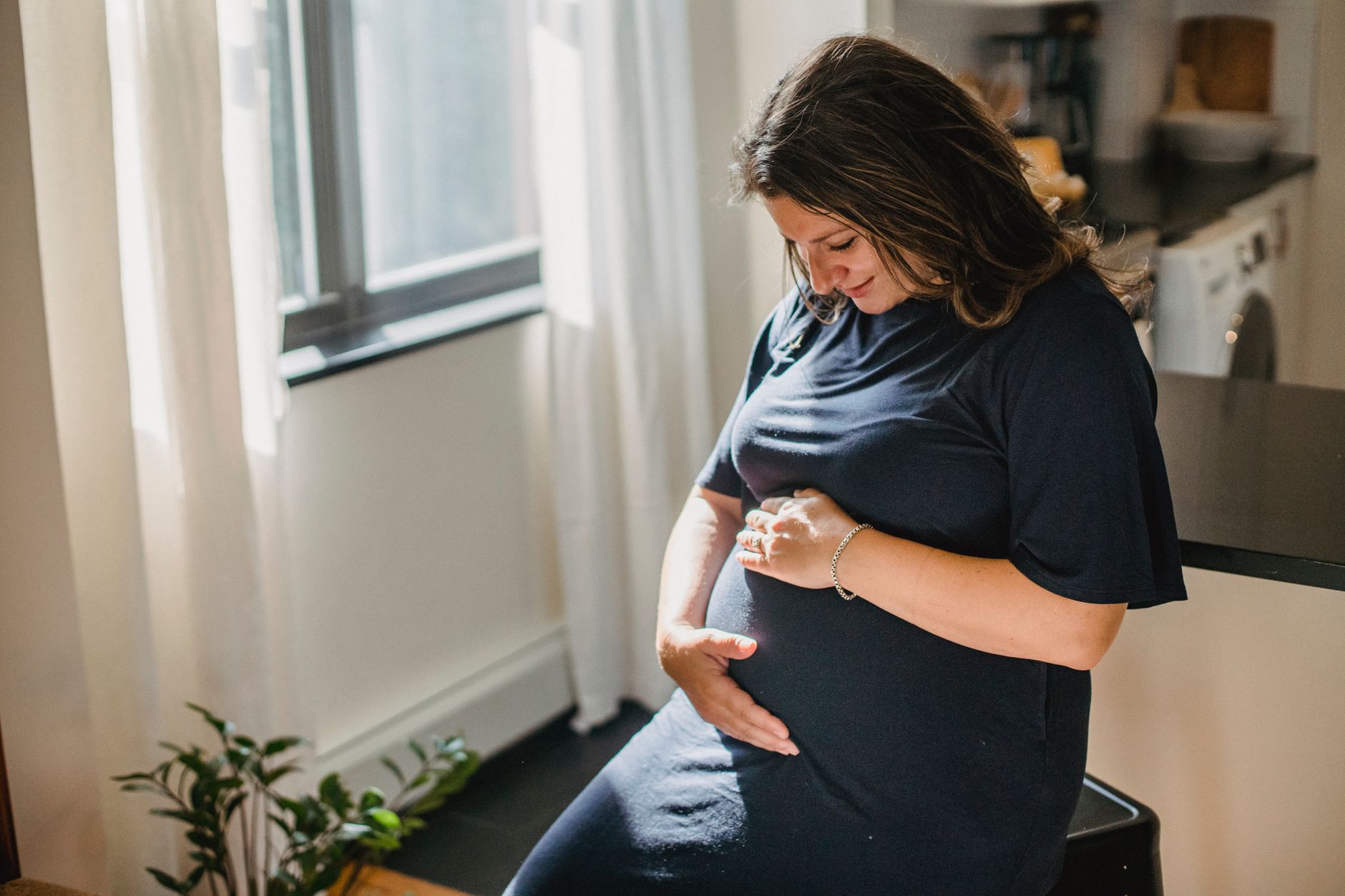
What is the best time of day to feel baby move at 21 weeks?
Fetal activity follows a loose circadian rhythm, mirroring the mother’s own daily patterns. Most women report that evenings, especially after dinner, are the most reliable window for feeling kicks.
Why evenings work best
- Post‑meal glucose surge: After you eat, glucose travels to the placenta, giving the baby a temporary energy boost.
- Relaxation: By the end of the day, you’re usually calmer, and external noises have quieted, making subtle movements easier to detect.
- Uterine tone: Hormonal changes (higher progesterone) in the evening relax the uterine wall, allowing more space for the baby to move.
Other good windows
Early mornings (right after waking) can also be fruitful, especially if you’ve had a light snack. Some mothers notice a “mid‑day lull” when the baby’s activity dips, so don’t be discouraged if you feel fewer movements then.
Seasonal variations can play a role, too. In warmer months, babies may be more active in the cooler evening hours, whereas colder weather can shift activity to midday when the mother feels warmer.
Does lying on my left side help feel baby movement at 21 weeks?
Yes—lying on the left side is often recommended for both circulation and movement perception. The left‑side tilt not only improves blood flow to the placenta (as highlighted by the American College of Obstetricians and Gynecologists, ACOG) but also positions the baby’s back against your abdomen, creating a more direct “push” that you can feel.
Scientific backing
ACOG’s 2023 guidelines on maternal positioning state that the left lateral position reduces uterine compression of the inferior vena cava, which can increase fetal activity by up to 15 % in some studies. While individual experiences vary, the consensus is that the left side is the most reliable “feel‑good” position for most women at 21 weeks.
Practical tips for left‑side comfort
- Use a pregnancy pillow that supports both your back and belly.
- Place a small pillow under your knees to relieve lower‑back strain.
- Keep a soft blanket nearby in case you get chilly during longer monitoring sessions.
If you have a low‑lying placenta, your provider may suggest a slightly different angle; always follow personalized advice from your OB‑GYN.
How many times should baby move at 21 weeks in a day?
There’s a wide normal range, but most clinicians use the “10‑30 movements per day” rule as a practical benchmark. The exact number depends on your baby’s temperament, placenta location, and your own activity level.
Average number of baby kicks at 21 weeks
Research from the Mayo Clinic (2022) shows that the median count for 21‑week fetuses is about 15 distinct movements over a 2‑hour observation period. When extrapolated, that translates to roughly 20‑30 movements across a full day.
Signs of healthy baby movement at 21 weeks
- Feel a mix of quick “kicks” and slower “rolls.”
- Movements tend to cluster after meals or when you’re relaxed.
- Occasional “hiccup‑like” fluttering is normal and usually lasts 5‑15 seconds.
When the count drops
If you notice fewer than 10 movements in a 2‑hour window, or a sudden lull lasting more than 6 hours, it’s time to contact your OB‑GYN. A brief reduction can be harmless, but persistent low activity warrants evaluation.
Remember that activity can ebb and flow throughout the week. A single low‑movement day is rarely worrisome, but a pattern of decline should be discussed with your care team.
Can I feel my baby kick while standing at 21 weeks?
Yes—standing can actually accentuate certain movements because the baby’s head may settle lower in the uterus, making kicks feel sharper against your pelvis.
How to maximize standing sensations
- Stand near a sturdy counter or chair for balance.
- Place one hand gently on your lower belly, the other on your hip for support.
- Take a deep breath, exhale, and feel for a “tap” or “punch” that often follows a maternal breath out.
Best moments to try standing
After a light snack or a short walk, when you’re not too fatigued, is ideal. The combination of mild activity and increased blood flow can spark a burst of fetal motion.
Some women find that a gentle sway or a light heel‑to‑toe march can coax the baby into a more active state, especially if they’ve been sedentary for a while.
What’s the difference between kicks and rolls at 21 weeks?
Understanding the language of movement helps you track patterns and spot concerns.
Kicks
Kicks are quick, sharp, and usually last less than a second. They feel like a light tap or a sudden “punch.” At 21 weeks, kicks often come from the baby’s arms or legs extending toward the uterine wall.
Rolls
Rolls are slower, smoother, and can last several seconds. They feel like a wave rolling across your abdomen, often caused by the baby turning or shifting its torso.
Hiccups
Hiccups are rhythmic, fluttering contractions that repeat every 2‑5 seconds for a short period. They’re harmless and usually last under a minute.
Why the distinction matters
Most clinicians ask you to describe the motion when you call with concerns. Knowing whether you’re feeling a kick, roll, or hiccup helps them assess fetal well‑being more accurately.
In addition, certain patterns can hint at developmental milestones; for example, more pronounced rolls often appear as the baby gains core strength around the 24‑week mark.
When should I worry if I can’t feel my baby move at 21 weeks?
Feeling your baby is one of the most reassuring parts of pregnancy, but a sudden drop in movement can be unsettling. Here’s a clear red‑flag checklist.
Red‑flag symptoms
- Less than 10 distinct movements in a 2‑hour window, especially if you’ve tried a left‑side position.
- A complete absence of movement for 6 hours or more, even after eating or gentle activity.
- Sudden change in the pattern—e.g., previously frequent rolls become rare.
- Accompanying symptoms such as vaginal bleeding, severe abdominal pain, or fluid loss.
If any of these occur, call your OB‑GYN or go to the nearest emergency department immediately. Prompt evaluation (often a non‑stress test) can clarify whether the baby is responding normally.
For women with high‑risk pregnancies, your provider may advise a more frequent monitoring schedule, sometimes as often as every 4 hours.
How can I track baby movements after 21 weeks?
Tracking helps you notice trends early and gives your provider concrete data if you need to call. Below are simple tools you can use at home.
Kick‑count chart (paper or app)
Write the date across the top row and the hour intervals down the side. Mark each distinct movement with a tick. Aim for at least 10 movements in any 2‑hour stretch.
Digital tracking app
Many reputable apps (e.g., “Baby Moves” from the American Pregnancy Association) let you log kicks, rolls, and hiccups with timestamps. They also generate alerts if you fall below the expected range.
How many minutes should I monitor baby movement at 21 weeks?
Set aside a 30‑minute window each day—preferably after a meal or before bedtime. During this time, count every distinct movement. If you reach 10‑15 movements in 30 minutes, you’re within the healthy range.
Sample tracking table
Best prenatal yoga poses to feel baby kicks
- Cat‑Cow (Marjaryasana‑Bitilasana): Gentle spinal flexion and extension can nudge the baby, making kicks more apparent.
- Butterfly (Baddha Konasana) with a slight forward lean: Opens the pelvic area and encourages the baby to shift.
- Supported Child’s Pose (Balasana) with a bolster: Creates a cushioned surface that amplifies subtle movements.
Hold each pose for 30‑60 seconds, breathing deeply, and notice any fluttering that follows the stretch.

How hydration influences fetal movement at 21 weeks
Staying well‑hydrated supports amniotic fluid volume, which cushions the baby and can affect how easily you feel movements. Dehydration may cause the uterus to contract more subtly, making kicks feel muted.
What the research says
The NHS notes that adequate fluid intake (about 2‑3 liters per day for most pregnant women) helps maintain optimal amniotic fluid levels. A study published in the *Journal of Maternal‑Fetal Medicine* (2021) found that women who met hydration guidelines reported a 12 % increase in perceived fetal activity compared with those who drank less than 1.5 L per day.
Practical hydration tips
- Carry a reusable water bottle and sip throughout the day rather than gulping all at once.
- Include hydrating foods such as cucumber, watermelon, and oranges in your meals.
- Set a reminder on your phone to drink a glass of water every two hours, especially before your daily “kick‑catch” session.
If you’re experiencing swelling or hypertension, discuss fluid goals with your provider, as they may tailor recommendations to your specific health needs.
Can music or gentle vibrations help you feel baby moves?
Sound and vibration can stimulate the baby’s nervous system, sometimes prompting a noticeable movement. Many mothers use music or a light massage to encourage activity during “kick‑count” sessions.
Evidence from clinical practice
A small randomized trial by the American Academy of Pediatrics (2022) examined the effect of a 10‑minute lullaby played at 60 dB on fetal movement. The study reported a modest but statistically significant increase in the number of movements recorded during the following 30‑minute window.
Safe ways to use sound and touch
- Play soft, calming music (classical or nature sounds) at a moderate volume—no louder than a normal conversation.
- Gently rub your abdomen in a circular motion for a minute or two before your observation period.
- Avoid high‑intensity vibrations (e.g., from massage chairs) unless cleared by your OB‑GYN, as excessive stimulation can be uncomfortable for the mother.
These techniques are optional, but many women find them enjoyable and helpful for bonding.
How clothing and support belts affect feeling baby movement at 21 weeks
What you wear can either press the baby’s limbs against your abdomen or dampen the sensation. Tight waistbands or restrictive maternity belts may limit the space the baby needs to kick, while loose‑fitting clothes often make movements easier to feel.
Choosing the right garments
- Opt for breathable, stretchy maternity leggings or soft cotton pants that allow the belly to expand naturally.
- If you use a maternity support belt, wear it loosely during “kick‑catch” sessions and tighten it only when you need extra lumbar support.
- Avoid overly tight corset‑style belts, as they can compress the uterus and reduce blood flow.
Many women report that removing a restrictive belt for a short 20‑minute window dramatically improves their ability to detect kicks. If you’re unsure, ask your provider for a quick “movement check” while you’re wearing your usual outfit.

How stress and relaxation influence fetal activity at 21 weeks
Maternal stress hormones can cross the placenta and subtly affect fetal behavior. Studies from the National Institute of Child Health and Human Development (NICHD) suggest that higher maternal cortisol levels may be linked to reduced fetal movement counts.
Relaxation techniques that boost movement
- Practice a 5‑minute diaphragmatic breathing exercise before your daily monitoring session.
- Engage in a short guided meditation or mindfulness audio that focuses on body awareness.
- Gentle stretching or a brief walk can lower stress hormones and increase blood flow, often prompting a burst of activity.
Even on busy days, taking a moment to pause, breathe, and settle can make a noticeable difference in how clearly you feel your baby’s kicks. If stress feels overwhelming, consider speaking with a therapist—many OB‑GYN offices have mental‑health referrals.
Myth vs. fact
Myth: You must feel the baby’s movement every day by the 20th week.
Fact: While many women notice movement around 18‑22 weeks, the frequency can vary day to day. A short lull is usually normal; persistent absence is what warrants concern.
Myth: Only the left side lets you feel kicks.
Fact: The left side often provides the clearest signal, but right‑side, supine, sitting, and even standing positions can reveal movements, especially if you add gentle pressure.
Myth: If you can’t feel a kick after a snack, the baby is in distress.
Fact: Food intake can boost activity, but many babies respond to maternal movement or a change in position instead. Use a combination of cues before assuming something is wrong.
Key takeaways
- The best position to feel baby move at 21 weeks is left‑side lying with a slight forward tilt, but right side, supine, sitting, and standing can also work.
- Most babies produce 10‑30 distinct movements per day; aim for at least 10 in a 2‑hour window.
- Evenings after a meal are the most reliable time to notice kicks and rolls.
- Track movements with a simple chart or a reputable app; 30‑minute daily windows are sufficient.
- Red‑flag signs—under 10 movements in 2 hours, a 6‑hour lull, or accompanying pain/bleeding—require immediate medical attention.
- Gentle prenatal yoga, warm baths, hydration, soft music, comfortable clothing, and stress‑reduction techniques can enhance perception without risking safety.
Frequently asked questions
When should I start feeling my baby move?
Most first‑time mothers notice flutters between 18‑20 weeks, while multiparous women may feel them as early as 16 weeks. The sensation varies with placenta placement and maternal body type.
What does it mean if I can’t feel my baby move at 21 weeks?
Occasional quiet periods are normal. However, if you have fewer than 10 movements in a 2‑hour window or a complete lull lasting more than 6 hours, call your OB‑GYN right away for a non‑stress test.
Is it normal to feel baby kicks more when lying down?
Yes. When you lie down, especially on the left side, the baby’s back presses against the abdominal wall, amplifying the kick sensation. This is a common and reassuring sign of activity.
How many kicks should I feel each day at 21 weeks?
A healthy range is roughly 20‑30 distinct movements over a full day, which translates to at least 10‑15 movements in any 2‑hour observation period.
Can certain positions make baby movements stronger?
Positions that create gentle pressure on the uterus—left‑side tilt, slight forward lean while sitting, or standing with a hand on the belly—often make kicks feel more pronounced.
Should I be concerned if my baby moves less after 21 weeks?
A gradual decline can be a sign of reduced activity, but a sudden drop or complete absence is the real concern. Keep a movement log and discuss any notable changes with your provider.
Is it safe to use a home fetal doppler to listen to movements?
Home dopplers can be useful for bonding, but they should never replace professional monitoring. The FDA advises using them only under a provider’s guidance, as improper use may cause unnecessary anxiety or missed warning signs.
Can a warm bath help me feel kicks?
Yes—warm (not hot) water can relax abdominal muscles, making it easier to sense subtle movements. Keep the water temperature below 100 °F (38 °C) and stay hydrated. If you have a high‑risk pregnancy, check with your OB‑GYN before soaking for more than 15 minutes.
Will wearing a maternity belt help me feel more kicks?
A loosely fitted support belt can provide comfort, but a tightly cinched belt may compress the uterus and dampen movement perception. Try removing the belt for a short “kick‑catch” session and compare how the sensations differ.
Do kicks feel different on the left versus the right side?
Because most placentas sit on the right, the left side often lets the baby’s back press against the abdominal wall, making kicks feel sharper. On the right side you may notice more rolls as the baby navigates around the placenta.
When to see a doctor
If you experience any of the following, contact your OB‑GYN or go to the nearest emergency department immediately:
- Less than 10 distinct movements in a 2‑hour period, despite trying multiple positions.
- A continuous lull of 6 hours or more, even after meals or gentle activity.
- Accompanying symptoms such as vaginal bleeding, severe abdominal pain, fluid loss, or fever.
- Sudden change in the type of movement (e.g., kicks become absent, rolls disappear).
These signs can indicate fetal distress, placental insufficiency, or other complications that require prompt evaluation, often beginning with a non‑stress test or ultrasound. Remember, this article is for information only and does not replace personalized medical advice.
References
- American College of Obstetricians and Gynecologists (ACOG). “Maternal Positioning and Fetal Activity.” Obstetrics & Gynecology, 2023.
- Mayo Clinic. “Fetal Movement: What’s Normal and When to Call Your Doctor.” 2022.
- Harvard T.H. Chan School of Public Health. “Prenatal Exercise and Fetal Development.” 2021.
- American Pregnancy Association. “Baby Moves Tracking App Review.” 2023.
- National Institute of Child Health and Human Development (NICHD). “Fetal Hiccups and Their Significance.” 2022.
- American Academy of Pediatrics (AAP). “Guidelines for Monitoring Fetal Movements.” 2024.
- National Health Service (NHS). “Hydration in Pregnancy.” Updated 2023.
- Journal of Maternal‑Fetal Medicine. “Maternal Hydration and Perceived Fetal Activity.” 2021.
- American Academy of Pediatrics. “Impact of Auditory Stimulation on Fetal Movement.” 2022.
- U.S. Food and Drug Administration (FDA). “Home Fetal Doppler Safety Guidance.” 2023.
- National Institute of Mental Health (NIMH). “Maternal Stress and Fetal Development.” 2022.