Quick take: The left side‑lying position is generally the most reliable way to feel your baby move at 20 weeks, followed by a gentle stomach‑prone stretch. Keep a simple kick count, stay hydrated, and call your provider if you notice a sudden drop in activity.
It was 3 a.m., the house was quiet, and you found yourself pressing a hand to your growing belly, wondering whether those tiny flutters were really your baby or just a bout of gas. You’re not alone—many moms‑to‑be experience that same mix of excitement and uncertainty around the 20‑week mark.
By 20 weeks the baby has developed enough muscle tone and neural connections to make purposeful movements that you can feel. Knowing the best position to feel baby move at 20 weeks can turn those vague sensations into confident, reassuring moments.
In this guide we’ll walk through the science of fetal movement, the positions that amplify your perception, safety tips for each posture, how to track kicks, and lifestyle factors that can boost awareness. Whether you’re lying on a couch, sitting up with a cup of tea, or drifting off to sleep, you’ll leave with a clear plan to connect with your little one.
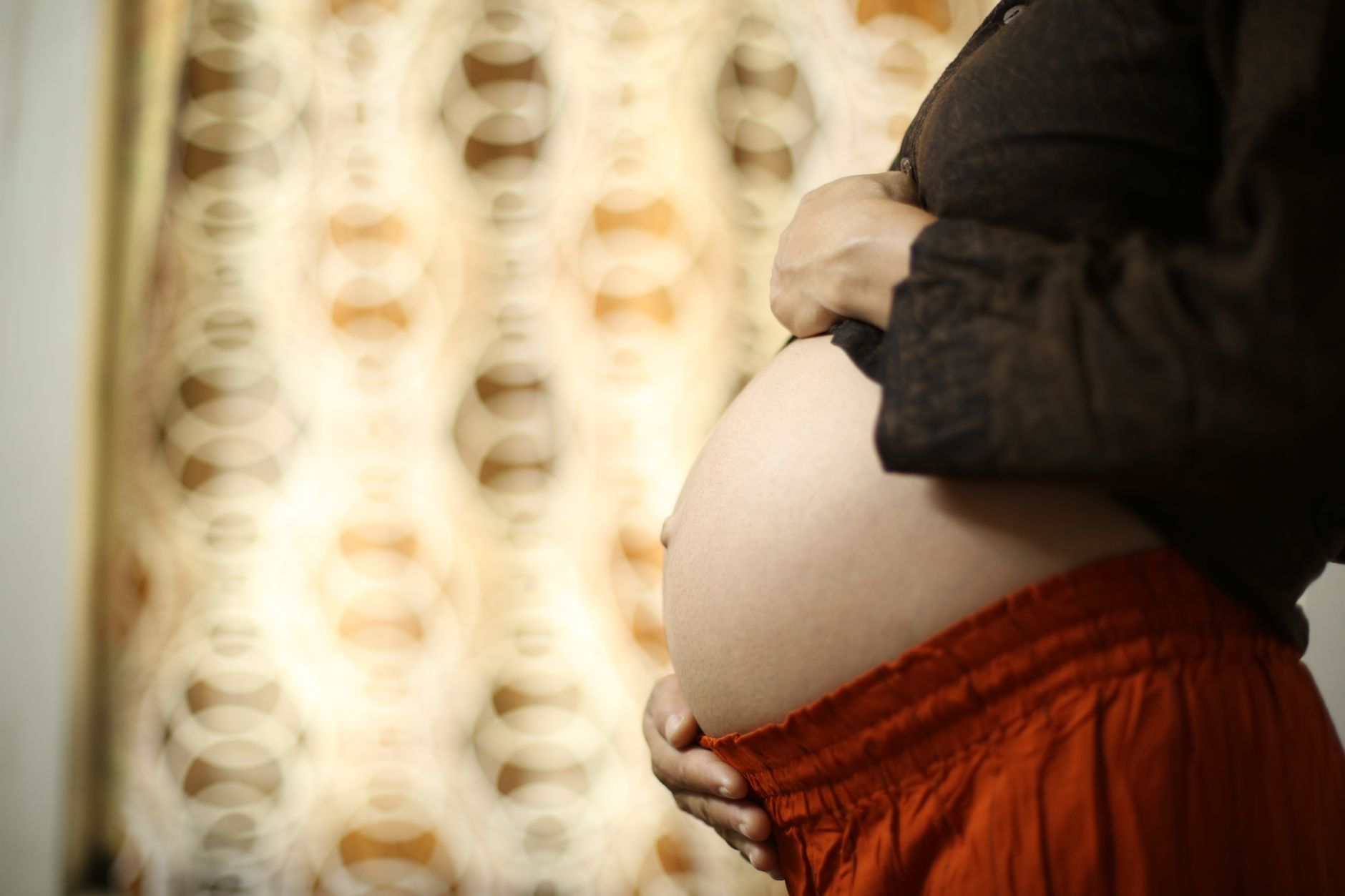
What position helps me feel baby movement at 20 weeks the most?
Most women report that lying on the left side provides the clearest, most consistent sensation of fetal movement at the 20‑week milestone. This position aligns the uterus with the mother’s aorta, improving blood flow to the placenta, which can make the baby more active.
When you settle onto your left hip, the uterus shifts slightly toward the left lower abdomen, bringing the baby’s upper body closer to your abdominal wall. The result? A stronger, more palpable kick or roll.
Beyond the immediate tactile benefit, side‑lying also reduces strain on the lower back, a common complaint in the second trimester. By keeping the spine in a neutral position, you’re less likely to become distracted by discomfort, allowing you to focus on the baby’s subtle motions.
Why the left side works better than the right
- Blood flow: The left lateral tilt reduces compression of the inferior vena cava, enhancing circulation to the placenta (American College of Obstetricians and Gynecologists, ACOG).
- Uterine positioning: The baby’s head often orients toward the mother’s left side at this stage, placing the most active parts near the abdominal wall.
- Comfort: Most women find the left side less stressful on the lower back, allowing them to relax and focus on sensations.
When the left side might feel less
If you’ve recently gained a few pounds or are experiencing back pain, the left side may feel cramped. In those cases, a slight tilt toward the right or a supported side‑lying pillow can still give you a good view of movement. Some women also notice that a small pillow under the right hip eases pressure while still keeping the baby’s head near the left wall of the uterus.
Even if the left side feels tight, try alternating between left‑side and right‑side positions every few minutes. This “micro‑rotation” keeps blood flow steady and often reveals a new kick that was hidden by muscle tension.
Remember, the goal isn’t to force the baby to move but to create a calm environment where natural activity can be felt clearly.
How to lie down to detect baby kicks at 20 weeks?
Getting into the right lying posture is simple, but a few tweaks can make the difference between “maybe” and “definitely” feeling a kick.
- Choose a soft, flat surface: A firm mattress or a yoga mat works best. A plush couch can dampen sensations.
- Place a pillow between your knees: This aligns your hips and reduces pressure on the lower back.
- Rest your upper arm on a pillow: This frees your hand to gently press on the belly without straining.
- Focus on the lower abdomen: The baby’s limbs are most active near the pelvic region at 20 weeks.
- Breathe deeply: Slow, diaphragmatic breaths relax the uterine muscles, making each kick feel sharper.
After you settle, give yourself 5–10 minutes of quiet time. Many women notice a flutter within the first few minutes once they’re relaxed. If you don’t feel anything right away, try gently tapping the belly with your fingertips—this can “wake up” the baby’s reflexes.
It’s also helpful to keep a light blanket nearby. A modest amount of warmth can increase circulation without overheating, which is especially important after the first trimester (National Health Service, NHS).
Can a warm shower help?
Yes. A warm (not hot) shower raises skin temperature, which can increase fetal activity for a short period. The gentle heat stimulates circulation, and many moms report a burst of kicks right after stepping out. Keep the water at a comfortable temperature—excessive heat can be risky, especially after the first trimester (National Health Service, NHS).
Best side to sleep on to feel baby move at 20 weeks
Sleep is a natural time for movement detection because the body is still and the mind is less distracted. While the left side is still the top choice, the right side is a solid backup if you’re uncomfortable.
Here’s a quick comparison:
If you tend to shift during the night, try placing a small pillow behind your back to keep you from rolling onto your back, which can reduce movement perception. A pregnancy‑specific body pillow can also support both hips and keep you comfortably on your side.
Is it normal to feel less baby movement when lying on my back at 20 weeks?
Yes. When you lie flat on your back, the uterus can compress the inferior vena cava, decreasing blood flow to the placenta. This often makes the baby pause or move less vigorously. If you’re on your back, try turning to either side for a few minutes; you’ll usually feel the activity pick up.
Some providers also advise a “back‑off” rule after the first trimester: limit supine time to under 30 minutes at a stretch, especially after meals, because digestion already draws blood to the stomach.
Can sitting up make baby movements more noticeable at 20 weeks?
Sitting upright can actually amplify sensations for some women because it reduces abdominal pressure and lets the baby’s limbs move freely near the surface.
Try this seated routine:
- Sit on a firm chair with your feet flat on the floor.
- Place a small cushion behind your lower back for support.
- Rest one hand gently on the lower abdomen while the other supports your elbow.
- Take three slow breaths, then focus on any fluttering or tapping.
Many moms report feeling a distinct “tap” when they’re seated, especially after a light snack that raises blood glucose. The upright posture also helps the diaphragm expand, increasing oxygen delivery to the fetus.
While seated, keep your shoulders relaxed. Tension can travel down to the abdomen and mask the subtle cues of a kick.
Does maternal weight affect feeling baby movement at 20 weeks?
Higher body mass can slightly cushion the abdominal wall, making subtle kicks feel softer. However, most women—regardless of weight—can detect movements by using the techniques above. Staying hydrated and maintaining a healthy weight for your pregnancy stage can improve overall perception.
For women with higher BMI, placing a thin, firm pillow directly over the belly can help transmit the kick more clearly. The extra firmness counteracts the extra tissue and makes each movement feel sharper.
Does lying on my stomach help me feel baby movement at 20 weeks?
While a prone (stomach‑down) position is not recommended for long periods during pregnancy, a short, gentle “prone stretch” can increase awareness of fetal activity.
Here’s a safe way to try it:
- Lie on a firm surface with a pillow under your hips to reduce pressure on the uterus.
- Place a small, soft pillow under your chest for support.
- Rest your forearms on the floor, gently pressing your belly with your fingertips.
- Stay for no more than 5 minutes, breathing slowly.
Most women feel a stronger “pulsing” sensation because the baby’s head is often oriented upward, pressing against the abdominal wall. If you feel any discomfort, stop immediately and switch to a side‑lying position.
Safety considerations for prone positioning
- Only stay for short intervals (5–10 minutes).
- Avoid deep belly presses that could cause uterine irritation.
- Listen to your body; if you feel any pain, reposition.
Pregnant women with a history of preterm labor or placenta previa should avoid prone stretches unless their provider gives explicit clearance (Royal College of Obstetricians and Gynaecologists, RCOG).
Tips for feeling baby kicks while lying on a couch at 20 weeks
Couches are a favorite spot for a quick check‑in, but their soft cushions can mute the baby’s movements. Follow these simple tricks to boost detection:
- Use a firm cushion: Place a firm pillow or folded towel under your lower back to create a flatter surface.
- Elevate your hand: Rest your hand on the belly rather than the couch armrest; the direct contact transmits the kick.
- Warm up first: A warm shower or a heating pad (low setting for 5 minutes) can stimulate activity.
- Stay relaxed: Tension in your shoulders or abdomen can dull sensations. Take a few deep breaths before you start.
Many mothers notice a “double‑tap” after a light snack—think a banana or a handful of nuts—so keep a small snack nearby.
How often should I feel baby movements at 20 weeks?
At 20 weeks, most babies produce noticeable movements 10–30 times per hour, though individual patterns vary. The key is consistency: you should feel regular activity most days.
What time of day does baby move the most at 20 weeks?
Fetal activity often peaks in the late afternoon and early evening. This is thought to be linked to the mother’s circadian rhythm and a slight rise in maternal blood glucose after lunch.
How to differentiate baby kicks from gas at 20 weeks?
- Pattern: Kicks are rhythmic, often felt as a sharp tap or roll. Gas feels more like a bloated pressure or rumble.
- Location: Gas tends to be diffuse across the abdomen, while kicks are localized near the lower belly.
- Response to movement: Shifting position can change the feeling of a kick but rarely alters gas discomfort.
Natural ways to boost baby activity at 20 weeks
While you can’t control every movement, certain habits can encourage more noticeable activity:
- Hydration: Dehydration can reduce amniotic fluid, muffling sensations. Aim for 2–3 liters of water daily.
- Light snacks: A quick carbohydrate boost (fruit, crackers) often triggers a temporary surge in movement.
- Gentle exercise: Prenatal yoga or a short walk can stimulate the baby’s muscles.
- Warm shower or bath: The warmth increases circulation, prompting a brief activity burst.
Remember, the goal isn’t to “make” the baby move on command, but to create an environment where their natural activity is easier to detect.

Symptoms checklist: tracking baby kicks at 20 weeks
Keeping a simple log helps you recognize what’s normal for your baby and alerts you to any concerning changes.
- Number of distinct kicks or rolls per hour (aim for 10–30).
- Time of day when movements feel strongest.
- Any pattern of reduced activity after meals or exercise.
- Maternal factors: hydration level, recent snack, stress level.
- Position used during each count (left side, right side, sitting, prone).
Use a notebook, a phone app, or even a calendar to mark these details. If you notice a consistent drop of more than 30 % in activity for 24 hours, it’s time to reach out to your provider.
When reduced movement may indicate a problem
Most fluctuations are harmless, but certain signs should prompt a call to your OB‑GYN or midwife:
- Sudden decrease in movements lasting longer than 12 hours.
- Complete absence of kicks for 24 hours.
- Severe abdominal pain or bleeding accompanying reduced activity.
- Persistent feeling of “blank” or “no movement” over several days.
If any of these red flags appear, call your healthcare provider right away. They may ask you to perform a “kick count” and will arrange a non‑stress test (NST) or ultrasound to assess fetal well‑being.
Myth vs. fact
Myth: You can’t feel your baby move until the third trimester.
Fact: By 20 weeks many mothers sense distinct kicks, rolls, and flutters.
Myth: Lying on your back is the safest position for feeling kicks.
Fact: Back lying can reduce placental blood flow and mute movements; side‑lying is safer and more effective.
Myth: Only “big” babies produce noticeable movement.
Fact: Fetal size matters less than position and maternal awareness; even a small baby can generate strong sensations.
How belly size and uterine position affect movement perception
As your uterus expands, the baby’s orientation shifts. Around week 20 the head often points toward the mother’s left side, which is why left‑side positioning feels the most direct. By the third trimester the baby may flip, changing where you feel the strongest kicks.
Uterine height also matters. A higher fundal height (the top of the uterus) can place the baby’s torso farther from the abdominal wall, making the limbs feel more pronounced when they brush against the wall. This is why a quick “hand‑on‑belly” test—pressing gently near the fundus—can help you locate the active zone.
For women who have a larger abdominal girth due to early weight gain, a short “belly‑press” with a firm hand can amplify the transmission of movement, allowing you to sense even faint twitches.
Foods and drinks that enhance fetal activity at 20 weeks
Nutrition plays a direct role in fetal energy levels. Simple carbohydrates raise maternal blood glucose, which the baby uses for quick bursts of activity. Below is a quick reference for foods that commonly trigger a movement surge.
These snacks are safe for most pregnancies, but always check with your provider if you have gestational diabetes or specific dietary restrictions (American Diabetes Association, ADA).
Using a pregnancy belly band or pad to feel kicks
Some moms find that a soft belly band or silicone pad placed over the abdomen enhances the tactile feedback of each kick. The band creates a slight pressure gradient that makes the baby’s movement feel like a “tap” rather than a vague flutter.
When choosing a product, look for:
- Medical‑grade silicone or breathable fabric.
- Adjustable straps that fit comfortably around the waist.
- Easy‑to‑clean surfaces—avoid anything that could trap moisture.
Wear the band for short intervals (10‑15 minutes) while you’re already in a side‑lying position. If you notice any skin irritation or increased discomfort, discontinue use and consult your provider.
How to use a kick‑counting app effectively at 20 weeks
Digital tools can make tracking easier, especially if you’re juggling work, family, and pregnancy. Look for an app that allows you to log the time, position, and any recent snacks. Many apps also send gentle reminders to check in every few hours.
Start by selecting the “20‑week” preset, which typically sets a target of 10–30 kicks per hour. When you feel a movement, tap the screen; the app will automatically calculate the interval between kicks. Review the daily summary to spot patterns—perhaps you’re most active after lunch or during a nightly wind‑down.
When reviewing your data, keep an eye on any prolonged gaps. If the app flags a 12‑hour stretch without a kick, it’s a good cue to call your provider, even if you feel fine.
Impact of maternal stress on fetal movement at 20 weeks
Stress hormones like cortisol can cross the placenta and subtly affect fetal behavior. Some studies suggest that heightened maternal stress may lead to fewer perceived movements, not because the baby moves less, but because the mother’s nervous system is less attuned to the signals (American Psychological Association, APA).
To counteract stress, try brief mindfulness practices—such as a 5‑minute breathing exercise—before your kick‑count routine. A calm mind often translates to sharper perception, helping you notice even the faintest flutter.
If you’re feeling persistently anxious or overwhelmed, consider reaching out to a therapist who specializes in perinatal mental health. Managing stress benefits both you and your baby.
Key takeaways
- The left side‑lying position is the most reliable way to feel baby movement at 20 weeks.
- Short, gentle prone stretches can boost perception but should be limited to 5 minutes.
- Track kicks (10–30 per hour) and note the time of day, position, and any recent snacks.
- Stay hydrated, eat light carbs, and consider a warm shower to encourage activity.
- Seek medical advice if movements drop suddenly or disappear for more than 12 hours.
- Understanding uterine orientation and using simple tools (belly band, kick‑count app) can make the experience richer.
- Manage stress with brief mindfulness or professional support, as anxiety can dull perception of fetal movement.
Frequently asked questions
What is the best position to feel baby kicks at 20 weeks?
The left side‑lying position is generally the most effective because it improves placental blood flow and brings the baby’s active limbs closer to the abdominal wall. A short prone stretch can also help, but side‑lying remains the safest long‑term choice.
Can I feel my baby move while lying on my back at 20 weeks?
You can, but the back position often compresses the inferior vena cava, reducing blood flow and muffling movements. If you’re on your back, turn to either side for a few minutes to enhance perception.
How many times should a baby move at 20 weeks?
Most babies produce 10–30 distinct kicks or rolls per hour. The exact number varies, but regular activity throughout the day is a reassuring sign.
Does the time of day affect baby movement at 20 weeks?
Yes. Fetal activity commonly peaks in the late afternoon and early evening, likely due to maternal circadian rhythms and a post‑lunch glucose rise.
Will my weight make it harder to feel baby kicks at 20 weeks?
Higher maternal weight can cushion the abdominal wall slightly, but using the recommended positions (left side, gentle prone stretch, or seated upright) usually overcomes that barrier.
Are there exercises that help me feel my baby move at 20 weeks?
Gentle prenatal yoga poses—such as the “cat‑cow” stretch—and short walks can stimulate fetal activity. Even a simple seated “hand‑on‑belly” routine often reveals a tap or roll.
How can I differentiate baby kicks from gas?
Kicks are sharp, rhythmic, and localized, while gas feels like a diffuse pressure or rumble. Changing position often alters a kick’s feel, but gas discomfort typically persists.
Is it safe to use a belly band to feel kicks?
When the band is made of medical‑grade silicone or breathable fabric and worn for short periods, most women find it helpful. Discontinue use if you notice skin irritation or increased discomfort, and discuss any concerns with your provider.
What should I do if I can’t feel any movement after 20 weeks?
First, try different positions (left side, seated, short prone stretch) and a light snack. If you still can’t detect activity after an hour, contact your OB‑GYN or midwife. Prompt evaluation with a kick count and possible non‑stress test can rule out concerns.
Can a kick‑counting app replace a manual count?
Apps are a convenient supplement, but they shouldn’t replace the personal awareness you develop by feeling each movement. Use the app to log data, but always trust your body’s signals.
When to see a doctor or specialist
If you notice any of the following, contact your OB‑GYN, midwife, or prenatal care team promptly:
- Sudden reduction of movements lasting >12 hours.
- No discernible kicks for a full 24‑hour period.
- Accompanying abdominal pain, bleeding, or fluid leakage.
- Persistent “blank” feeling despite trying multiple positions.
These signs could indicate decreased fetal oxygenation or other concerns that warrant a non‑stress test or ultrasound evaluation. Remember, the information here is educational—not a substitute for personalized medical advice.
References
- American College of Obstetricians and Gynecologists. “Fetal Movement Monitoring.” ACOG Practice Bulletin, 2023.
- National Institute of Child Health and Human Development. “Understanding Fetal Development.” NIH, 2022.
- Harvard T.H. Chan School of Public Health. “Nutrition During Pregnancy.” 2024.
- Royal College of Obstetricians and Gynaecologists. “Maternal Position and Fetal Blood Flow.” RCOG Guidelines, 2023.
- American Pregnancy Association. “Kick Counts and When to Call Your Provider.” 2024.
- World Health Organization. “Maternal Health and Fetal Monitoring.” WHO, 2022.
- American Diabetes Association. “Gestational Diabetes Nutrition.” ADA, 2023.
- National Health Service (NHS). “Safe Bathing and Shower Temperatures in Pregnancy.” NHS, 2022.
- American Psychological Association. “Stress and Pregnancy.” APA, 2023.
- American Academy of Pediatrics. “Prenatal Exercise Guidelines.” AAP, 2023.



