Discover the best position to feel baby move at 18 weeks. Lying down, particularly on your side or back, can enhance your chances of feeling those first flutters. Learn tips for early fetal movement detection.
By Shubhra Mishra — a mom of two who turned her own confusion during pregnancy into BumpBites, a global mission to make food choices clear, safe, and stress-free for every expecting mother. 💛
Check whether any food is safe during pregnancy with the BumpBites Food Safety Checker.
Quick take: Feeling your baby move for the first time, often called "quickening," is an incredibly special milestone that typically happens between 16 and 25 weeks of pregnancy. At 18 weeks, you might start to notice these subtle sensations. The best way to detect these early movements is by lying down or reclining in a quiet environment, as these positions help you tune into your body and minimize distractions. Remember, every pregnancy is unique, and it's normal for the timing and intensity of movements to vary.
The moment you first feel your baby move inside you is often described as one of the most magical experiences of pregnancy. It’s a tiny flutter, a gentle nudge, or a bubbly sensation that reminds you of the incredible life growing within. If you're 18 weeks pregnant, you might be eagerly anticipating this milestone, or perhaps you've already felt a few hints of movement and are wondering if what you’re experiencing is "normal." It's completely natural to be both excited and a little anxious about these early signs.
This period, often called "quickening," is a highly individual experience. Some women feel it earlier, others later, and the intensity can vary greatly. There’s no single "right" way for it to happen, but there are certain positions and conditions that can help you become more attuned to these delicate first movements. We'll explore the best ways to encourage and detect your baby's activity, what these movements might feel like, and when it's appropriate to reach out to your healthcare provider for reassurance.
Navigating the early stages of fetal movement can bring up many questions, especially if this is your first pregnancy. Rest assured, you're not alone in these thoughts. This guide is designed to provide you with clear, scientifically grounded information, helping you understand what to expect and how to connect with your baby during this exciting time.
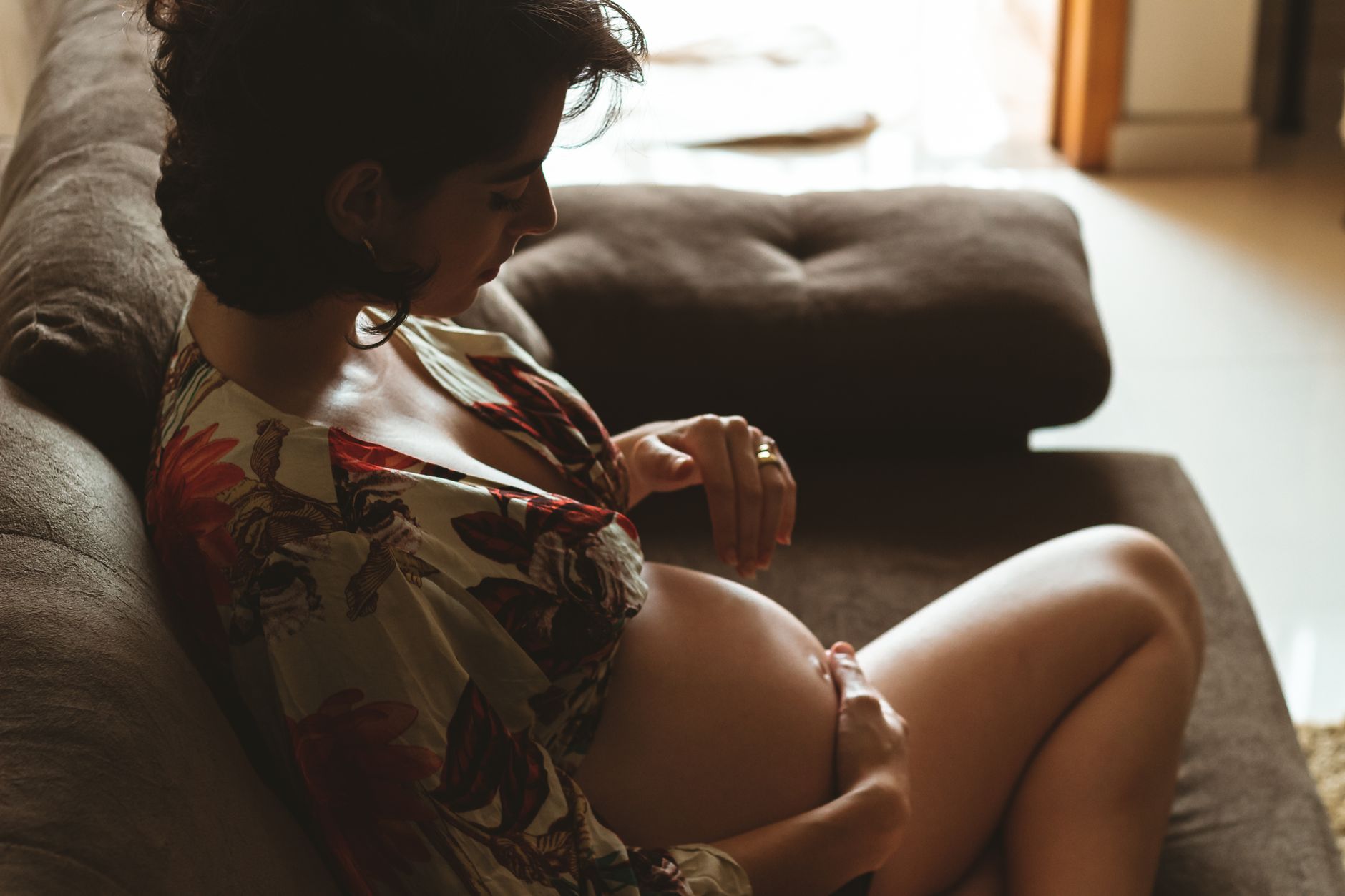
Finding a quiet, comfortable spot can make all the difference when trying to feel your baby's first movements.
What are the best positions to feel baby move at 18 weeks?
When you're trying to feel those very first, subtle baby movements—often called "quickening"—position truly matters. At 18 weeks, your baby is still relatively small, and their kicks and flutters might not be strong enough to be felt consistently or when you're busy. To maximize your chances, you want to be in a position that minimizes external distractions and allows you to tune into your body's internal sensations.
Lying Down
This is often the most effective position for detecting early fetal movement. When you lie down, gravity is no longer pushing your internal organs against your uterus in the same way, and your abdominal muscles can relax. This creates a clearer pathway, so to speak, for you to feel your baby's gentle nudges. Many women find that lying on their back, propped up with pillows, or on their side (especially the left side, which also promotes better circulation) is ideal. The key is to be completely relaxed and still. Try to find a quiet time of day, perhaps first thing in the morning before you get up, or late at night when you're winding down for bed. This stillness allows you to differentiate between baby movements and other bodily sensations like gas or digestion.
Reclined or Semi-Reclined
If lying completely flat isn't comfortable or practical, a reclined position can also be very effective. This could be in a comfortable armchair, a recliner, or even propped up with pillows in bed. The semi-reclined posture still takes pressure off your abdomen and allows you to relax deeply. The goal is to be in a position where your core muscles aren't actively engaged in holding you upright, freeing you to focus on subtle internal cues. Think of it as a moment of intentional stillness, specifically dedicated to connecting with your baby. Many women describe feeling their baby move more readily when they are sitting calmly, perhaps watching TV or reading, rather than when they are actively moving around or standing.
Quiet Environment
Beyond your physical posture, the environment plays a significant role. A quiet space, free from noise and distractions, is crucial. Turn off the TV, put your phone away, and minimize conversations. The more mental and auditory clutter you can remove, the easier it will be to focus on the faint sensations within your womb. This dedicated quiet time not only helps you detect movement but also provides a wonderful opportunity for early bonding with your baby. Some women find that gentle, calming music can help them relax and focus, rather than distracting them.
Specific Side-Lying Positions
While lying on your back can be good, many healthcare providers, including the American College of Obstetricians and Gynecologists (ACOG), recommend sleeping on your side, particularly your left side, during pregnancy to improve blood flow to your uterus and baby. This position can also be beneficial for feeling movements. When you lie on your left side, your uterus is positioned optimally, and any movements your baby makes can be more easily transmitted to your abdominal wall. Experiment with pillows between your knees and under your belly for maximum comfort, which in turn helps you relax and be more receptive to those tiny flutters.
In essence, the best position to feel baby move at 18 weeks is one where you are completely at ease, undistracted, and can focus solely on the subtle internal sensations of your body. Patience and a calm mind are your greatest allies in this beautiful waiting game.
Why haven't I felt my baby move at 18 weeks yet?
If you're 18 weeks pregnant and still haven't felt those anticipated flutters, it's completely understandable to feel a mix of worry and impatience. However, it's important to know that not feeling movement by 18 weeks is often very normal and doesn't necessarily indicate a problem. Many factors influence when and how a woman first perceives fetal movement, and the typical window for "quickening" actually extends from 16 to 25 weeks of pregnancy.
Placenta Position
One of the most significant factors is the position of your placenta. If you have an anterior placenta, meaning it’s implanted on the front wall of your uterus, between your baby and your abdomen, it acts like a natural cushion. This cushioning effect can significantly muffle or delay the sensation of your baby's movements. You might feel movements later, or they might feel much softer, compared to someone with a posterior placenta (on the back wall of the uterus). This is a very common and normal placental position and usually poses no health risks, but it can certainly impact when you feel those first kicks.
Body Type
Your body type can also play a role. Women with more abdominal tissue might find it harder to distinguish early fetal movements from other bodily sensations. The extra cushioning can make those subtle flutters less distinct. Conversely, women with less abdominal tissue might perceive movements earlier or more intensely. This is purely a matter of perception and doesn't reflect anything about your baby's health or activity level.
First Pregnancy vs. Subsequent Pregnancies
If this is your first pregnancy, it's very common to feel movement later. First-time moms often don't recognize quickening until closer to 20-22 weeks because they don't know what to expect. They might mistake the early flutters for gas or other digestive sensations. Women who have been pregnant before (multiparous women) tend to recognize quickening earlier, often between 16 and 18 weeks, simply because they've experienced it before and know what to look for. They are more attuned to the subtle differences between gas and baby movements.
Baby's Position and Activity Level
Your baby's position within the uterus can also affect how much you feel. If your baby is facing your spine or is curled up, their movements might be directed inwards, making them less noticeable. Babies also have periods of sleep and wakefulness, just like newborns. It's possible that when you're quiet and trying to feel them, they might be in a sleepy phase. Their activity levels can fluctuate greatly from day to day and even hour to hour in these early weeks.
Your Own Activity Level and Distractions
If you have a very busy or active lifestyle, you might simply be too distracted to notice the faint movements. When you're constantly on the go, moving, or focused on other tasks, it's easy to miss those subtle flutters. This is why finding a quiet, relaxed moment is so crucial for detecting early quickening.
In summary, if you haven't felt your baby move by 18 weeks, take a breath. It's often due to these very normal physiological reasons. The most important thing is to communicate with your healthcare provider. They can reassure you, check your baby's heartbeat during your prenatal appointments, and address any specific concerns you might have.
What does baby movement feel like at 18 weeks?
The first time you feel your baby move is a truly unique experience, and describing it can be a challenge because it's often so subtle and unlike anything you've felt before. At 18 weeks, these sensations are usually quite gentle and distinct from the robust kicks you might feel later in pregnancy. Many women initially mistake quickening for other bodily functions, which is perfectly normal.
Common Sensations of 18-Week Fetal Movement
Flutters: This is perhaps the most common description. Imagine a butterfly gently fluttering its wings inside your abdomen. It’s a very light, airy, and rhythmic sensation.
Bubbles or Gas: Some women describe it as tiny bubbles popping or rolling, similar to gas moving through your intestines. The key difference is often the location and consistency; baby movements tend to be in the same general area, whereas gas can be more widespread.
Fish Swimming or Wriggling: A gentle, slippery sensation, like a small fish swimming or turning over within your womb. It’s a smooth, fluid movement rather than a sharp jab.
Gentle Taps or Thumps: As your baby grows stronger, you might start to feel very light, internal taps or thumps. These are usually not painful or forceful, but more like a soft drumbeat from within.
Popcorn Popping: A quick, light popping sensation, almost like tiny kernels popping inside your belly.
A "Tickle" from Within: Some describe it as an internal tickle or a light brushing sensation.
Differentiating from Gas or Digestion
It can be tricky to tell the difference between quickening and gas, especially for first-time mothers. Here are some clues:
Consistency and Location: Gas pains often move around your abdomen and can be accompanied by bloating or discomfort. Baby movements, especially early on, tend to be in a more localized area and might feel more rhythmic or repetitive in that spot.
Absence of Other Symptoms: Gas often comes with a rumbling stomach or the need to pass gas. Baby movements are typically isolated sensations without these accompanying digestive symptoms.
Pattern Over Time: As the weeks progress, you’ll start to notice a pattern to your baby’s movements. They might become more frequent after certain activities, meals, or at particular times of day. Gas, while regular, doesn't usually follow such a distinct pattern related to fetal activity.
What to Expect for First-Timers
If this is your first pregnancy, you might be more likely to dismiss these initial sensations as gas or stomach rumblings. This is perfectly normal! Many first-time mothers don't definitively identify quickening until closer to 20-22 weeks. Don't worry if you're not sure. The movements will become stronger and more distinct over time, making it easier to recognize them as your baby's activity. The more you relax and tune into your body, the better you'll become at recognizing these subtle cues. Once you've felt it a few times, you'll likely start to recognize the feeling immediately.
The important thing is to be patient with yourself and your body. These early movements are a beautiful, intimate connection to your growing baby. If you're ever concerned or unsure, always reach out to your healthcare provider for reassurance.
How does placenta position affect feeling baby kicks at 18 weeks?
The position of your placenta within your uterus is one of the most significant factors influencing when and how intensely you'll feel your baby's movements, especially in the early stages around 18 weeks. The placenta acts as a vital organ, providing nutrients and oxygen to your baby, but its placement can also create a physical barrier that affects your perception of kicks and flutters.
Let's look at how different placental positions can impact your experience:
Anterior Placenta
This is the most common reason for delayed or less intense perception of fetal movement. An anterior placenta is located on the front wall of your uterus, positioned between your baby and your abdomen. Think of it as a natural cushion or a "muffler" for your baby's kicks. When your baby moves, their little feet or hands might be kicking into the placenta first, rather than directly against your uterine wall and then your abdominal wall. This cushioning effect can:
Delay Quickening: You might not feel your baby move until later in the typical 16-25 week window, perhaps closer to 20-22 weeks or even beyond.
Lessen Intensity: Even when you do start to feel movements, they might feel softer, more subtle, or less frequent than what you read about or hear from others.
Create "Blind Spots": You might feel movement more easily on the sides or lower down in your abdomen, where the placenta isn't blocking the sensations.
It's crucial to understand that an anterior placenta is a normal variation and usually poses no health risks for you or your baby. It simply means you might need a little more patience and focus to detect those early movements.
Posterior Placenta
A posterior placenta is located on the back wall of your uterus, closer to your spine. With this position, there's no cushion between your baby and your abdominal wall when the baby kicks forward. This often means:
Earlier Quickening: Women with a posterior placenta often report feeling movements earlier, sometimes as early as 16 weeks.
More Intense Sensations: The kicks and flutters might feel more distinct and stronger because there's less tissue to absorb the impact.
Fundal Placenta
A fundal placenta is located at the top of the uterus. Depending on whether it's more anterior-fundal or posterior-fundal, it can have a similar effect to an anterior or posterior placenta, respectively. If it's fundal but also anterior, it can still cushion movements. If it's fundal and posterior, movements might be felt more readily.
Lateral Placenta
A lateral placenta is located on one of the side walls of the uterus. In this case, you might feel movements more prominently on the opposite side of your abdomen, or in areas not covered by the placenta. Movements directly behind the lateral placenta might be less noticeable.
Your healthcare provider will typically determine your placenta's position during your anatomy scan (usually around 18-22 weeks). If you know you have an anterior placenta and are struggling to feel movement, this information can provide significant reassurance. It doesn't mean your baby isn't active; it just means you have a natural buffer. As your baby grows and their movements become stronger, you will undoubtedly feel them more consistently, regardless of placental position. Always discuss any concerns about fetal movement with your doctor or midwife.
Tips to encourage baby movement and feel kicks at 18 weeks
While your baby moves spontaneously, there are a few gentle strategies you can try to encourage activity and increase your chances of feeling those precious kicks and flutters, especially at 18 weeks when movements are still subtle. These tips are about creating an environment conducive to both your relaxation and your baby's responsiveness.
1. Have a Snack or Drink
Your baby often becomes more active after you've eaten, particularly if you've consumed something with a bit of sugar or a cold drink. The increase in blood sugar can give your baby a little energy boost, and the sudden temperature change from a cold drink might also get their attention. Try a small glass of juice, a piece of fruit, or a cold glass of water. Wait about 15-30 minutes after your snack, then find a comfortable, quiet position to focus.
2. Find a Quiet, Relaxed Environment
As mentioned earlier, minimizing distractions is key. When you're stressed, busy, or surrounded by noise, it's much harder to tune into the subtle sensations of quickening. Lie down or recline in a quiet room, turn off the TV, and put your phone away. Take a few deep breaths to relax your body and mind. This calm state allows you to be more receptive to your baby's activity.
3. Gentle Prodding or Belly Rubs
While you should never be forceful, a very gentle nudge or rub on your belly might sometimes elicit a response from your baby. Lightly press on a spot, then release, or gently rub your hands over your abdomen. Your baby might respond by shifting or kicking back. This is also a wonderful way to start bonding with your little one.
4. Talk or Sing to Your Baby
Your baby can hear sounds from outside the womb, especially your voice. Talking, singing, or even having your partner speak to your belly can sometimes stimulate a reaction. Babies often respond to familiar voices or soothing sounds. This practice not only encourages movement but also strengthens the emotional connection between you and your baby.
5. Play Music
Some babies respond to music. Try playing some calming classical music or a favorite song near your belly. The vibrations and sounds might pique your baby's interest and encourage them to move. Observe if there's any particular type of music your baby seems to react to.
6. Change Positions
Sometimes, simply shifting your position can wake your baby up or make their movements more noticeable. If you've been sitting for a while, try lying down. If you've been lying on one side, try switching to the other. Movement can sometimes "jiggle" the baby into a new, more active position.
7. Take a Warm Bath (Not Hot)
A warm (not hot!) bath can be very relaxing for you, and the warmth and buoyancy might encourage your baby to move. The relaxation can help you become more attuned to your body. Always ensure the water temperature is comfortable and not too hot, as excessive heat can be harmful during pregnancy.
Remember, these are gentle suggestions, and there's no guarantee your baby will respond every time. Babies have their own sleep-wake cycles, and sometimes they're just in a quiet phase. If you're consistently concerned about a lack of movement, or if you've tried these tips without success and feel worried, always reach out to your healthcare provider for guidance and reassurance.
A moment of quiet, with a cool drink, can sometimes encourage those first gentle flutters.
When should I be concerned about not feeling baby move at 18 weeks?
At 18 weeks, it's important to understand that fetal movement is still quite variable and inconsistent. It's perfectly normal not to feel your baby move every day, or even every few days, at this stage. Your baby is still small, has plenty of room to move around without you feeling it, and has distinct sleep-wake cycles. Therefore, a lack of consistent movement at 18 weeks is usually not a cause for immediate alarm in the same way it would be in later pregnancy (after 28 weeks, when kick counts become important).
However, while it's normal for movements to be sporadic, it's also natural to feel concerned if you haven't felt anything at all, especially if you're past the typical quickening window. Here's a guide on when to consider reaching out to your healthcare provider:
General Reassurance for Early Pregnancy
Variability is Normal: Fetal movement at 18 weeks is often described as "irregular." You might feel a flutter one day and nothing for a few days, then another flutter. This is typical.
Individual Differences: As discussed, factors like placenta position (anterior), body type, and being a first-time mom can all delay the perception of quickening.
Focus on Awareness, Not Frequency: At this stage, the goal is to become aware of movement, not to track a specific number of kicks per hour. That comes much later.
When to Contact Your Doctor or Midwife
While significant concern about reduced fetal movement typically begins in the third trimester (around 28 weeks), there are still situations at 18 weeks when it's wise to consult your healthcare provider:
No Movement by 22-24 Weeks: If you are a first-time mother and have felt absolutely no discernible movement by 22 to 24 weeks of pregnancy, it's a good idea to mention this to your doctor. While still within the normal range for some, it warrants a check-up to ensure everything is progressing well.
Sudden Absence After Consistent Movement: If you *were* consistently feeling flutters and then they abruptly stop for more than a day or two, especially if you've tried the tips to encourage movement, it's worth a call. While unlikely to be a serious issue at 18 weeks, it's always best to get professional advice.
Persistent Anxiety: If your anxiety about not feeling movement is overwhelming and you can't shake the worry, don't hesitate to contact your provider. They can offer reassurance, perform a quick check (like listening to the heartbeat with a Doppler), and alleviate your concerns. Mental well-being is a critical part of a healthy pregnancy.
Other Concerning Symptoms: If a lack of movement is accompanied by other worrying symptoms, such as vaginal bleeding, severe abdominal pain, fever, or fluid leakage, contact your doctor immediately.
Your healthcare provider's office is there to support you throughout your pregnancy. They understand that concerns about fetal movement are common, especially for expectant parents. A quick phone call or an unscheduled visit can often provide the peace of mind you need. Trust your instincts; if something feels truly "off" to you, it's always better to err on the side of caution and seek medical advice.
How often should you feel baby move at 18 weeks?
At 18 weeks pregnant, the question of "how often" you should feel your baby move is very different from later in pregnancy when kick counting becomes a routine recommendation. In these early weeks, fetal movement is highly variable, inconsistent, and often too subtle to track with any regularity. There is no specific number of movements per hour or day that you should be aiming for at this stage.
Early Pregnancy: Variability is Key
Inconsistent Sensations: You might feel a few flutters one day, then nothing for two or three days, followed by another sporadic movement. This stop-and-start pattern is entirely normal. Your baby is still small, and there's plenty of amniotic fluid for them to move around in without always making contact with your uterine wall in a way you can perceive.
Developing Sleep-Wake Cycles: While still in the womb, babies begin to develop sleep-wake cycles. They will have periods of activity and periods of rest. These cycles are not yet well-established or predictable for you to track.
Size and Strength: At 18 weeks, your baby is only about 5-6 inches long and weighs around 5-7 ounces. Their movements are gentle and not yet strong enough to be felt consistently through your uterine and abdominal walls.
Individual Perception: As discussed, factors like placenta position, your body type, and whether this is your first pregnancy significantly influence when and how often you perceive movement.
Focus on Awareness, Not Frequency
Instead of trying to count kicks at 18 weeks, the goal is simply to become *aware* of your baby's movements. Once you start feeling those first flutters, you'll likely notice them more consistently over the coming weeks as your baby grows larger and stronger. The movements will gradually become more frequent, more distinct, and eventually more predictable.
By 24-28 weeks: Most women will feel regular movement by this point.
After 28 weeks: This is typically when healthcare providers recommend starting formal "kick counts" or fetal movement monitoring, where you track the number of movements within a specific timeframe (e.g., 10 movements in 2 hours). This practice is critical in the third trimester to monitor your baby's well-being, but it is not applicable at 18 weeks.
What to Do If You're Concerned
If you haven't felt any movement by 18 weeks and are feeling anxious, or if you're past 22-24 weeks and still haven't perceived quickening, it's always best to speak with your healthcare provider. They can offer reassurance, listen for the baby's heartbeat, or perform an ultrasound if medically indicated. Trust your instincts, but also understand that early fetal movement is a highly individual and often irregular experience. Patience and communication with your provider are your best tools during this stage of pregnancy.
What positions make it harder to feel baby movement at 18 weeks?
Just as certain positions can help you tune into your baby's movements, others can make it significantly more challenging to perceive those subtle flutters at 18 weeks. When you're actively moving, upright, or distracted, your body is less attuned to the internal sensations of quickening.
Upright Positions (Standing or Sitting Actively)
When you're standing or sitting upright, gravity places more pressure on your uterus and abdominal organs. Your core muscles might also be more engaged in maintaining your posture. This combination can make it harder for you to distinguish your baby's gentle movements from other internal sensations or the general feeling of your body. Additionally, if you're standing or sitting while performing tasks, your attention is focused externally, further reducing your awareness of internal cues.
Standing: If you're standing for long periods, walking, or engaging in light exercise, the constant motion and engagement of your body can easily mask the subtle flutters of your baby.
Sitting Actively: Sitting at a desk, driving, or engaging in conversations can also be distracting. Your mind is occupied, and your body might be subtly shifting, making it difficult to concentrate on your baby's movements.
Being Active or Busy
A busy lifestyle is a common reason why many pregnant women don't notice early quickening. When you're constantly on the go, running errands, working, or chasing after other children, your mind and body are fully engaged in external activities. Your attention is drawn outward, making it incredibly difficult to focus on the faint internal sensations of your baby. Many women report only noticing movements when they finally sit down or lie still at the end of a long day.
Exercise: During exercise, your heart rate is elevated, and your body is in motion. This combination makes it very unlikely you'll feel subtle fetal movements.
Household Chores: Doing laundry, cleaning, or cooking involves movement and focus, which can easily distract you from your baby's activity.
Distractions and Noise
A noisy or highly stimulating environment can also make it harder to feel your baby move. When there's a lot of background noise (TV, music, chatter) or visual distractions, your brain is processing external stimuli, which can override your awareness of subtle internal sensations. To truly connect with your baby's movements at 18 weeks, a calm and quiet setting is often essential.
Loud Music/TV: While some babies respond to music, if it's too loud or if you're engrossed in a show, it can prevent you from noticing movements.
Crowded Places: Being in a busy, noisy environment like a shopping mall or a party makes it nearly impossible to detect those delicate flutters.
Being Tense or Stressed
When you're feeling tense or stressed, your body tenses up, and your focus narrows. This physiological response can make you less receptive to subtle bodily cues. Relaxation is key to tuning into quickening. If you're constantly worried or anxious, it can be harder to discern baby movements from other nervous sensations.
In essence, any position or state where your body and mind are actively engaged in external tasks or are highly distracted will likely make it harder to feel your baby move at 18 weeks. To increase your chances, consciously choose moments of calm, quiet, and relaxation, and adopt positions that minimize physical and mental distractions.
Myth vs. Fact
Myth: If you haven't felt your baby move by 18 weeks, something is wrong.
Fact: This is a common misconception that causes a lot of unnecessary worry. While many women do start to feel quickening around 18 weeks, the normal window for first fetal movements extends from 16 to 25 weeks of pregnancy. Factors like the position of your placenta (especially an anterior placenta), your body type, and whether this is your first pregnancy can all delay when you first perceive movement. It's completely normal for first-time mothers to not feel anything until 20-22 weeks or even later.
Myth: Once you feel movement at 18 weeks, you should feel it consistently every day.
Fact: Early fetal movements are typically very inconsistent. At 18 weeks, your baby is still small and has plenty of room to move around without you feeling every single kick or turn. They also have periods of sleep. It's common to feel flutters one day and then nothing for a couple of days, only for them to return. Consistent daily movement tracking (kick counts) is usually recommended much later in pregnancy, typically after 28 weeks, when movements become more regular and stronger.
Myth: Strong kicks at 18 weeks mean you're having a boy, and gentle flutters mean a girl.
Fact: The strength or type of early fetal movement has absolutely no scientific basis in predicting your baby's sex. The sensation of movement at 18 weeks is influenced by factors like your baby's position, your placenta's location, and your individual perception, not their gender. Old wives' tales like this are fun to speculate about, but they are not accurate indicators.
Key Takeaways
Quickening, or first fetal movements, typically occurs between 16 and 25 weeks of pregnancy, with 18 weeks being a common time to start noticing them.
The best positions to feel baby move are lying down or reclining in a quiet, relaxed environment, which helps you tune into subtle sensations.
Early movements often feel like gentle flutters, bubbles, gas, or light taps; they are distinct from strong kicks felt later.
An anterior placenta (located on the front wall of the uterus) can cushion movements, delaying when you feel them and making them less intense.
Factors like being a first-time mom, body type, and your activity level can also influence when you first perceive movement.
To encourage movement, try having a cold drink or a small snack, gently rubbing your belly, or talking/singing to your baby.
At 18 weeks, there's no need to track daily kick counts; focus on becoming aware of movement, as consistency comes later.
If you haven't felt any movement by 22-24 weeks, or if you have persistent concerns, always contact your healthcare provider for reassurance.
Frequently Asked Questions
Is it normal to not feel baby move at 18 weeks?
Yes, it is very normal to not feel your baby move at 18 weeks, especially if this is your first pregnancy. The typical window for experiencing "quickening" (first fetal movements) is between 16 and 25 weeks. Factors like an anterior placenta, your body type, and your baby's position can all delay when you first perceive these subtle sensations. Most first-time mothers feel movement closer to 20-22 weeks.
What position is best to feel baby move?
The best positions to feel your baby move at 18 weeks are those where you are relaxed and free from distractions. Lying down, either on your back propped up with pillows or comfortably on your side (especially the left side), is often most effective. A semi-reclined position in a quiet armchair can also work well. The goal is to minimize external stimuli and allow you to focus on internal sensations.
What does it feel like when baby moves at 18 weeks?
At 18 weeks, baby movements are usually very subtle. Many women describe them as gentle flutters, like a butterfly's wings, or tiny bubbles popping. Other common descriptions include a feeling of gas, a fish swimming, or light internal taps. These sensations are often inconsistent and can be easily mistaken for digestive activity, especially during a first pregnancy.
How often should I feel baby move at 18 weeks?
At 18 weeks, there is no set frequency for feeling baby movements. They are typically irregular and sporadic. You might feel a few flutters one day and then nothing for a couple of days. Consistent daily movement tracking, known as kick counts, is not recommended at this early stage and usually begins in the third trimester (around 28 weeks) when movements become much more predictable and stronger.
What to do if I haven't felt baby move at 18 weeks?
If you haven't felt your baby move by 18 weeks, first try to relax in a quiet, comfortable position. Having a cold drink or a small, sugary snack might also encourage movement. If you're a first-time mom, remember it's common to feel it later. If you remain concerned or haven't felt any movement by 22-24 weeks, contact your healthcare provider for reassurance and a check-up.
Does an anterior placenta affect feeling movement at 18 weeks?
Yes, an anterior placenta can significantly affect when and how you feel movement at 18 weeks. An anterior placenta is located on the front wall of your uterus, acting as a cushion between your baby and your abdomen. This cushioning effect can muffle or delay the sensation of kicks and flutters, making them feel softer or less frequent. It's a common and normal placental position and usually poses no health risks.
Taking a moment to reflect and hydrate can be a simple way to connect with your body and baby.
When to see a doctor or specialist
While it's very common for fetal movements to be subtle and inconsistent at 18 weeks, and often not feeling movement yet is normal, there are times when it's appropriate to reach out to your healthcare provider. Your doctor or midwife is your best resource for any concerns during pregnancy, and it's always better to err on the side of caution.
You should contact your OB/GYN or midwife if:
You have felt absolutely no discernible movement by 22-24 weeks of pregnancy. While some women feel it later, especially first-time mothers, it's worth a check-up to ensure everything is progressing as expected.
You were consistently feeling movements (flutters/bubbles), and they have suddenly stopped or significantly decreased for more than a day or two. While highly unlikely to be a serious issue at 18 weeks, any abrupt change in established patterns should be discussed.
You are experiencing overwhelming anxiety or worry about not feeling movement. Your mental well-being is important, and your provider can offer reassurance, listen to the baby's heartbeat, or perform an ultrasound if medically necessary to ease your concerns.
A lack of movement is accompanied by other concerning symptoms, such as severe abdominal pain, vaginal bleeding, fluid leakage, or fever. These require immediate medical attention.
Remember, this article is for informational purposes only and is not a substitute for professional medical advice, diagnosis, or treatment. Always seek the advice of your physician or other qualified health provider with any questions you may have regarding a medical condition.
Not sure about the label on Best Position To Feel Baby Move At 18 Weeks products?
Snap the ingredients list and SafeFilter checks every ingredient for your stage — only 3 free scans this month, then you're locked until reset. Unlimited from $7/mo or lock $50/yr through Aug 31 (5 days left).
When Shubhra Mishra was expecting her first child in 2016, she was overwhelmed by conflicting food advice — one site said yes, another said never. By the time her second baby arrived in 2019, she realized millions of mothers face the same confusion.
That sparked a five-year journey through clinical nutrition papers, cultural diets, and expert conversations — all leading to BumpBites: a calm, compassionate space where science meets everyday motherhood.
Her long-term vision is to build a global community ensuring safe, supported, and free deliveriesfor every mother — because no woman should face pregnancy alone or uninformed. 🌿
🌍 Stand with mothers, shape safer guidance
Join a small circle of experts who review BumpBites articles so expecting parents everywhere can decide with confidence.