Quick take: Feeling your baby move at 15 weeks pregnant is a magical milestone, though it's still quite early for many to notice distinct movements. The best way to increase your chances is to lie down, especially on your side, in a quiet environment after a snack, allowing you to tune into subtle flutters or bubbles. Don't worry if you haven't felt anything yet; it's very common at this stage, especially for first-time moms or if you have an anterior placenta.
That moment when you first feel your baby move is often described as one of the most incredible experiences of pregnancy. You might find yourself at 15 weeks, gently pressing on your belly, wondering if that little flutter was just gas or something more. It's a time filled with anticipation, a deep desire to connect with the tiny life growing inside you. Many expectant parents eagerly await this sign, but it can also bring a touch of anxiety if those much-anticipated movements haven't started yet.
At BumpBites, we understand this blend of excitement and worry. You’re not alone in wondering if what you’re feeling is "normal" or if there’s a secret trick to feeling those first precious movements. The good news is that 15 weeks is still quite early, and there's a wide range of normal when it comes to feeling your baby. This guide will help you understand what to expect, the best positions to feel those early kicks, and when it’s perfectly fine to relax and simply enjoy your pregnancy journey.
We’ll explore what these early movements might feel like, why some women feel them sooner than others, and practical tips to encourage your baby to make their presence known. By the end, you'll have a clear, reassuring understanding of what's happening inside your body and how to best tune into your baby's earliest greetings.

What Does It Feel Like When Baby Moves at 15 Weeks?
At 15 weeks pregnant, the movements you might feel are often very subtle and can be easily mistaken for other sensations. This initial experience of feeling your baby move is called "quickening." For many, it's not a distinct "kick" but rather a gentle, almost ethereal feeling. Imagine the delicate flutter of butterfly wings in your stomach, or the soft pop of popcorn kernels. Some women describe it as tiny bubbles bursting, a gentle swish, or even a slight tumbling sensation.
These early movements are often not strong enough to be felt from the outside by a partner yet. They are internal, intimate experiences. One BumpBites reader shared, "I kept thinking it was just gas, but then it happened again in the same spot, a little 'thump' that was softer than a stomach gurgle. It was unmistakable, like a tiny goldfish swimming inside me." It's common for these early movements to be infrequent and unpredictable, appearing only a few times a day or even a few times a week.
Gas vs. Baby Kicks: How to Tell the Difference
It's incredibly common to confuse early baby movements with gas, digestion, or muscle twitches. Here's a table to help you distinguish between these sensations:
The key is often consistency and location. Gas tends to be more diffuse and comes with other digestive symptoms, while baby movements will likely be concentrated in one area of your lower abdomen and feel distinctively "internal" rather than digestive. As your baby grows, these movements will become stronger and easier to identify.
Is It Normal to Feel Baby Move at 15 Weeks Pregnant?
Y
es, it can be normal to feel your baby move at 15 weeks pregnant, but it's also completely normal if you haven't felt anything yet. The typical timeline for feeling the first fetal movements, known as quickening, varies significantly among individuals.
Most first-time mothers (primigravidas) usually begin to feel their baby move between 18 and 24 weeks of pregnancy. However, women who have been pregnant before (multigravidas) often report feeling movements earlier, sometimes as early as 13 to 16 weeks. This is because they are more attuned to the subtle sensations and know what to look for. One mom of two shared, "With my first, I didn't feel anything until nearly 20 weeks, and even then, I questioned it. With my second, I was sure I felt flutters at 14 weeks because I recognized that unique feeling."
So, while 15 weeks is on the early side for many, especially for a first pregnancy, it's certainly within the realm of normal. Your baby is constantly moving and developing at this stage; it's just a matter of whether you're able to detect those movements.
Baby's Development at 15 Weeks
At 15 weeks, your baby is incredibly active inside your womb, even if you can't feel it yet. They are about the size of an apple, roughly 4 inches long and weighing around 2.5 ounces. Their tiny limbs are developing rapidly, and they're busy stretching, kicking, punching, and even performing somersaults. Their muscles and joints are becoming more coordinated, allowing for these increasingly complex movements. They can even suck their thumb! These movements are crucial for their skeletal and muscular development. So, rest assured, your baby is definitely moving around in there, whether you've felt it or not.
What Are the Best Positions to Feel Baby Kicks Early?
If you're eager to feel those first flutters at 15 weeks, optimizing your position and environment can make a big difference. The key is to minimize external distractions and internal sensations (like digestion) while maximizing your connection to your body. Think of it as creating the perfect quiet space to listen for a very soft whisper.
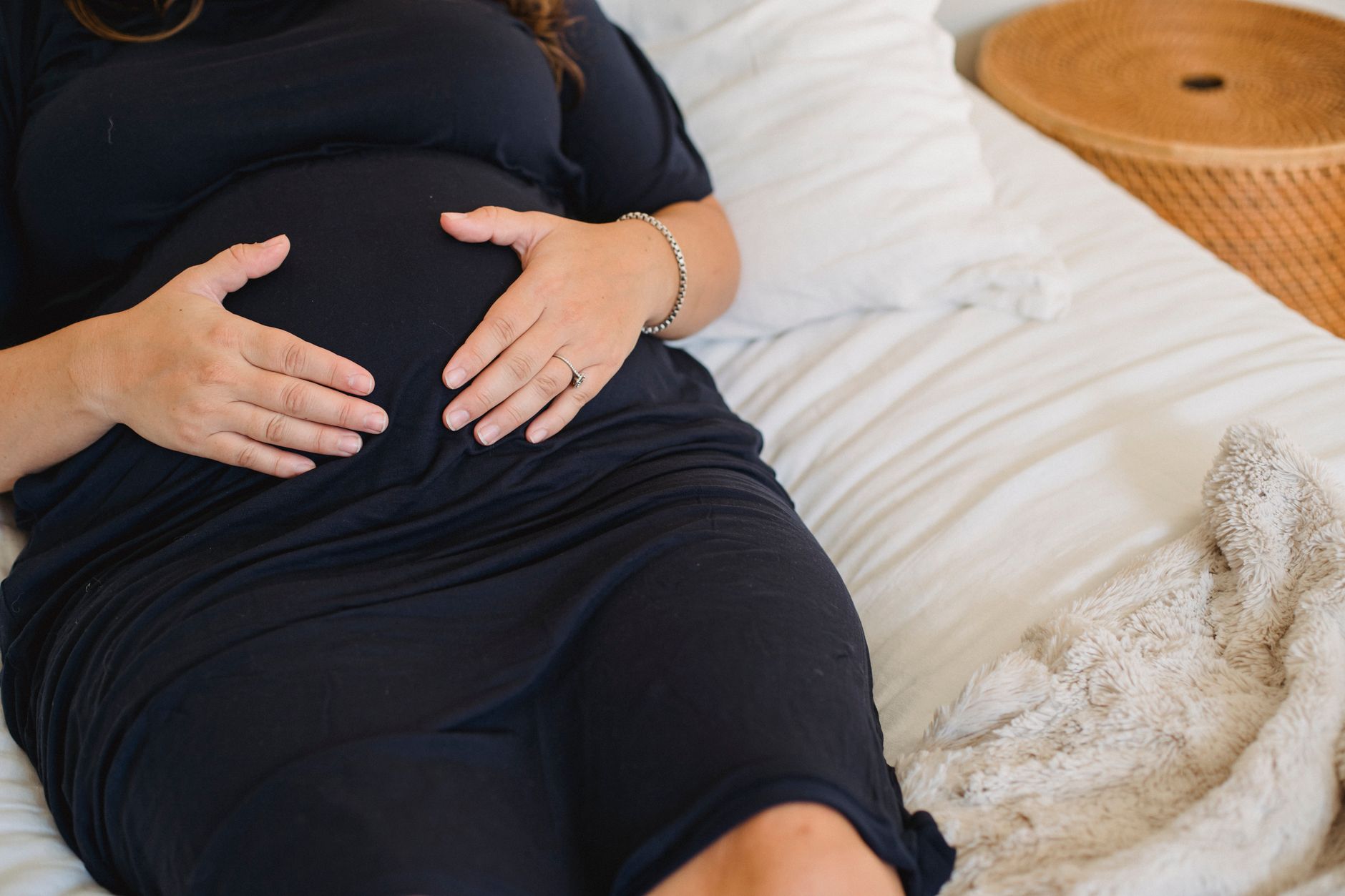
- Lying Down on Your Back: This is often the most recommended position for early movement detection. When you lie flat on your back, your uterus shifts slightly forward, bringing the baby closer to your abdominal wall. This position also allows your abdominal muscles to relax, making it easier to notice subtle internal movements. You might want to place a pillow under your head and knees for comfort.
- Side-Lying Position: Lying on your side, particularly your left side, is another excellent option. This position can improve circulation to your uterus and baby, potentially making your baby more active. It also takes pressure off your major blood vessels, promoting relaxation. Again, the relaxed state of your body makes it easier to perceive delicate movements.
- Relaxed While Sitting: While not as effective as lying down, sitting comfortably in a reclined position can also work. Find a cozy chair or sofa where you can lean back, put your feet up, and completely relax your abdominal muscles. Avoid sitting upright or hunched over, as this can compress your abdomen and make it harder to feel anything.
The common thread here is relaxation. When you're stressed or busy, your body is more tense, and your mind is distracted, making it difficult to tune into these faint sensations. Carve out a specific time of day for this "baby listening" session – perhaps after a meal when your baby might be more active, or just before bed when the house is quiet. Many women find that after they've had a sugary snack or a cold drink, their baby becomes more active. This slight blood sugar increase can give your baby a burst of energy.

Why Can't I Feel My Baby Move at 15 Weeks Yet?
It's completely normal to not feel your baby move at 15 weeks, and there are several common, perfectly healthy reasons why. If you're eagerly awaiting those first flutters and haven't experienced them yet, take a breath. It doesn't mean anything is wrong; it just means your unique pregnancy journey is unfolding at its own pace.
- First Pregnancy: As mentioned, first-time moms typically feel movements later than those who've been pregnant before. You're still learning what these subtle sensations feel like, and it takes time to differentiate them from other bodily functions. Your uterus and abdominal muscles are also tighter, which can cushion movements.
- Anterior Placenta: This is one of the most significant factors. If you have an anterior placenta, it means your placenta is attached to the front wall of your uterus, between your baby and your abdomen. The placenta acts like a natural cushion, absorbing many of your baby's movements and making them much harder to feel. It's a completely normal and healthy placental position, but it can delay the sensation of quickening by several weeks. Many women with anterior placentas don't feel consistent movements until 20-22 weeks or even later.
- Baby's Position: Your baby's current position within the uterus plays a big role. At 15 weeks, your baby is still relatively small and has plenty of room to move around. If your baby is facing your spine or kicking towards the back of your uterus, you're much less likely to feel those movements than if they're kicking towards your abdominal wall. Their position can change frequently.
- Maternal Body Type: Your body type can also influence when you feel movement. Women with more abdominal fat may have a thicker layer of tissue that can dampen the sensations of early movements. This is a purely physical factor and has no bearing on the health of your baby.
- Activity Level: If you're busy and active throughout the day, you might simply be too distracted to notice those faint flutters. Many women only start to notice movements when they slow down and relax, often in the evening or when lying in bed.
- Uterine Position: The orientation of your uterus can also play a subtle role. For example, a retroverted uterus (tilted backward) might mean movements are felt differently or later.
It's important to remember that every pregnancy is unique. The absence of movement at 15 weeks is rarely a cause for concern on its own. Your healthcare provider will monitor your baby's growth and well-being through ultrasounds and prenatal appointments, providing reassurance that everything is progressing as it should.
Tips for Encouraging Baby Movement at 15 Weeks Pregnant
While you can't force your baby to move, there are several gentle techniques you can try to encourage activity and increase your chances of feeling those precious flutters at 15 weeks. These methods are safe and simply aim to create an environment where your baby might be more inclined to show off their moves.
- Have a Snack or Drink: A slight increase in your blood sugar can often give your baby a burst of energy. Try having a small, healthy snack, like fruit, a piece of toast, or a glass of juice. Some women also find that a cold drink can stimulate movement, as the sudden change in temperature might rouse the baby. Wait about 10-20 minutes after your snack or drink, then find a quiet, relaxed position.
- Rest and Relax: As mentioned earlier, your baby is often most active when you are at rest. If you're on your feet or busy throughout the day, you might be missing subtle movements. Take 20-30 minutes to lie down quietly, either on your back or side, and focus solely on your body. Put your phone away, turn off the TV, and simply breathe. This dedicated quiet time is crucial for tuning into those faint sensations.
- Gentle Prodding or Rubbing: Very gently, you can try pressing lightly on different parts of your abdomen. Don't press hard, just a soft, exploring touch. Sometimes this gentle pressure or massage can elicit a response from your baby. Imagine it as a soft tap to say hello.
- Talk or Sing to Your Baby: Your baby can hear sounds from outside the womb, and familiar voices, especially yours or your partner's, can be comforting and sometimes stimulating. Try talking or singing softly to your belly. This also helps with bonding and can be a lovely ritual for you and your partner.
- Warm Bath: A warm (not hot!) bath can help you relax and also potentially stimulate your baby. The warmth can be soothing, and as your body relaxes, you might become more aware of internal sensations.
- Change Positions: If you've been sitting or lying in one position for a while, try shifting. Sometimes a change in your body's orientation is enough to get your baby to change theirs, potentially bringing a limb closer to your abdominal wall.
Remember, these are suggestions, not guarantees. Every baby is different, and some are simply more active or have different rest-wake cycles. The goal is to create a peaceful environment for yourself and your baby, fostering connection without creating undue stress.
What Factors Affect Early Baby Movement Detection at 15 Weeks?
Understanding the various factors that influence when and how you detect your baby's movements can help manage expectations and reduce anxiety. It's a complex interplay of your body, your baby's development, and even external circumstances.
Here's a deeper look at the elements that contribute to how early you might feel those first flutters:
-
Placental Position:
- Anterior Placenta: As discussed, if your placenta is located on the front wall of your uterus (anterior), it acts as a buffer. This can significantly delay the sensation of movement, sometimes by several weeks, as the kicks have to travel through the placental tissue before reaching your abdominal wall. This is a very common and normal variation.
- Posterior Placenta: If your placenta is on the back wall of your uterus (posterior), there's less cushioning between your baby and your abdomen. This often means you're more likely to feel movements earlier and more distinctly.
-
Uterine Position and Shape:
- Uterine Tilt: A uterus that is tilted backward (retroverted) might mean that early movements are directed more towards your back, making them harder to feel in the front. As the uterus grows and moves into the abdominal cavity, this effect diminishes.
- Uterine Size and Shape: While less common, variations in uterine shape or the presence of fibroids could theoretically alter how movements are perceived, though this is usually a minor factor for early quickening.
-
Maternal Body Type and Abdominal Wall Thickness:
- The amount of tissue between your uterus and your skin can influence how easily you perceive internal sensations. A thicker abdominal wall (due to fat or muscle) can act as an insulator, dampening the subtle vibrations of early movements. This is a purely physical aspect and doesn't reflect on the baby's health.
-
Baby's Activity Levels and Sleep Cycles:
- Babies have their own unique sleep-wake cycles, even in the womb. Some babies are naturally more active than others. At 15 weeks, these cycles are still developing and quite unpredictable. You might simply be trying to feel movements during one of your baby's quiet periods.
- Their movements are also not yet strong enough to be felt consistently. They might kick, then turn, then stretch, and you might only catch a few of these actions.
-
Your Own Activity Level and Focus:
- If you lead a busy, active lifestyle, you might be constantly moving and distracted, making it difficult to tune into the very faint signals of early quickening. It's often when you stop and rest that you finally notice them.
- Your level of focus and awareness also plays a role. The more you relax and intentionally try to feel, the more likely you are to notice those subtle sensations.
-
Experience with Previous Pregnancies:
- As a first-time mom, everything is new. You might not recognize those initial flutters for what they are. For subsequent pregnancies, women often recognize the sensation much earlier because they know exactly what to expect.
Each of these factors, alone or in combination, contributes to the highly individualized experience of feeling baby movements. Instead of comparing your experience to others, focus on what's normal for *you* and trust that your healthcare provider is monitoring your pregnancy's progress.
It's natural to feel anxious if you haven't felt your baby move by 15 weeks, especially when you hear about others who have. However, it's very important to understand that at this early stage of pregnancy, not feeling movement is generally NOT a cause for alarm. As we've discussed, 15 weeks is often too early for consistent, noticeable movements for many women, particularly first-time moms or those with an anterior placenta. Your baby is still quite small and has ample room to move without you feeling every single kick.
In early pregnancy, your healthcare provider doesn't typically rely on you feeling movement as a primary indicator of your baby's well-being. Instead, they monitor your pregnancy through regular prenatal appointments, including checking your baby's heartbeat (usually with a Doppler ultrasound) and monitoring your growth. These are the reliable signs of a healthy pregnancy at this stage.
Therefore, at 15 weeks, if you haven't felt movement, there's usually no need to contact your doctor specifically for this reason alone. They will likely reassure you that it's normal and that you will probably start feeling something in the coming weeks. The American College of Obstetricians and Gynecologists (ACOG) typically recommends that expectant parents start monitoring fetal movement, often called "kick counts," around 28 weeks of pregnancy, when movements become more regular and predictable.
However, if you have *any* concerns that are causing you significant anxiety, or if you're experiencing other worrisome symptoms such as severe abdominal pain, vaginal bleeding, or fever, you should always reach out to your healthcare provider. Trust your instincts; if something feels truly "off" to you, it's always best to get professional advice.
For now, continue to attend your scheduled prenatal appointments, and your doctor or midwife will keep you informed about your baby's development. The exciting moment of feeling those consistent movements is likely just around the corner!
Myth vs. Fact
- Myth: If you haven't felt your baby move by 15 weeks, something is wrong.
Fact: It's completely normal not to feel movement at 15 weeks, especially for first-time mothers. Most women feel quickening between 18 and 24 weeks. The baby is active, you just might not feel it yet.
- Myth: Strong early kicks mean you're having a very active baby later on.
Fact: The strength and timing of early movements aren't a reliable predictor of your baby's personality or activity levels later in pregnancy or after birth. Many factors, like placental position, influence how early and how strongly you feel kicks.
- Myth: You should feel baby move every day at 15 weeks.
Fact: At 15 weeks, movements are typically sporadic and inconsistent. Your baby is still small, and you're unlikely to feel daily, regular movements. Consistent movement patterns usually develop much later, around 28 weeks.
Key Takeaways
- Feeling your baby move at 15 weeks is possible but often quite early, especially for first-time mothers.
- Early movements, called quickening, usually feel like soft flutters, bubbles, or gentle taps, easily mistaken for gas.
- The best positions to feel movement are lying down (on your back or side) in a quiet, relaxed environment.
- Common reasons for not feeling movement at 15 weeks include having an anterior placenta, it being your first pregnancy, your baby's position, or your activity level.
- You can encourage movement by having a snack or cold drink, resting, gently prodding your belly, or talking to your baby.
- Many factors, including placental position, maternal body type, and baby's sleep cycles, affect early movement detection.
- At 15 weeks, not feeling movement is generally not a cause for concern, as consistent monitoring usually begins around 28 weeks.
Frequently Asked Questions
Is it normal to feel baby move at 15 weeks pregnant?
Yes, it can be normal, especially for women who have been pregnant before. However, it's also very common not to feel movement at 15 weeks, particularly if it's your first pregnancy. Most first-time moms feel quickening between 18 and 24 weeks. The baby is developing and moving, but the sensations are often too subtle to notice consistently at this stage.
What position should I be in to feel baby move?
To increase your chances of feeling early baby movements, try lying down comfortably on your back or side in a quiet environment. This helps relax your abdominal muscles and brings your baby closer to your abdominal wall, making subtle flutters easier to detect. Many women find success after having a light snack or cold drink.
What does a baby kick feel like at 15 weeks?
At 15 weeks, "kicks" are more accurately described as flutters, bubbles, or gentle taps. It's often likened to the feeling of a butterfly's wings, popcorn popping, or a goldfish swimming inside your lower abdomen. These sensations are usually light and sporadic, distinct from the stronger, more defined kicks you'll feel later in pregnancy.
When should I worry about not feeling baby move at 15 weeks?
At 15 weeks, not feeling baby move is rarely a cause for worry on its own, as it's still very early. Your healthcare provider relies on ultrasounds and heartbeat checks at this stage, not kick counts. If you have significant anxiety, or if you're experiencing other concerning symptoms like pain or bleeding, always contact your doctor, but the absence of movement alone at 15 weeks is typically normal.
Can an anterior placenta affect feeling baby move at 15 weeks?
Yes, absolutely. An anterior placenta, which is located on the front wall of your uterus, acts as a cushion between your baby and your abdominal wall. This can significantly dampen movements, making them much harder to feel at 15 weeks and often delaying the sensation of quickening by several weeks compared to a posterior placenta.
How often do you feel baby move at 15 weeks?
At 15 weeks, you should expect to feel baby movements infrequently and inconsistently. If you do feel something, it might be just a few flutters here and there, not a regular pattern. Babies at this stage have unpredictable sleep-wake cycles, and their movements are still too light to be felt constantly. Regular kick counting is typically recommended starting around 28 weeks.
When to See a Doctor or Specialist
At 15 weeks pregnant, it's crucial to understand that not feeling your baby move is generally considered normal and is not typically a cause for immediate concern. Your healthcare provider primarily monitors your baby's well-being through routine prenatal appointments, including checking the fetal heartbeat and measuring your uterine growth. Kick counts and consistent monitoring of fetal movement are usually recommended later in pregnancy, often starting around 28 weeks, when movements become more regular and noticeable.
However, you should always contact your OB/GYN or midwife if you have any pressing concerns or experience any of the following symptoms, regardless of whether you've felt movement:
- Severe abdominal pain or cramping
- Vaginal bleeding or spotting
- Sudden gush of fluid from the vagina
- Fever or chills
- Severe headache with visual changes
- Any other symptom that feels significantly "off" or worrying to you.
While the absence of movement at 15 weeks alone is not usually an emergency, always trust your instincts. If something feels genuinely wrong or you're experiencing significant anxiety, a quick call to your healthcare provider for reassurance is always a good idea. They are there to support you throughout your pregnancy journey.
References
- American College of Obstetricians and Gynecologists (ACOG). (2020). Fetal Movement Counting.
- Mayo Clinic. (2024). Fetal development: The first trimester.
- National Institute of Child Health and Human Development (NICHD). (2023). Fetal Development.
- Cleveland Clinic. (2023). Fetal Movement.
- NHS. (2023). Your baby's movements.



