

Quick take: After testing all six fish oils, my top recommendation is Nordic Naturals Ultimate Omega.
It was 3am, and I was staring at the bottle of fish oil softgels on my nightstand, wondering if I should take one before my next feed. My midwife had recommended omega 3s for baby’s brain development, but the thought of fishy burps at that hour made me hesitate. I’d already tried three different brands—one left me with a lingering aftertaste, another was so large I nearly gagged, and the third claimed ‘no fishy taste’ but lied. This wasn’t just about ticking a box on my prenatal checklist; it was about finding something that actually worked for my body, my budget, and my sanity during those sleepless nights. Omega 3s, particularly EPA and DHA, are often called ‘brain food’ for a reason. Research suggests they support fetal brain and eye development, and some studies even link them to reduced risk of preterm birth. But not all fish oils are created equal. During my second pregnancy, I tested six of the most popular options on Amazon, focusing on four key criteria: freshness (because no one wants fishy burps at 3am), EPA/DHA concentration (to avoid taking handfuls of pills), sustainability (because I care about the oceans as much as my baby’s health), and ease of use (small, easy-to-swallow softgels that don’t require a glass of water the size of a fishbowl). I also paid close attention to third-party testing and certifications—because when you’re pregnant, you don’t want to guess about heavy metals or oxidation. If you’re here, you’re probably weighing the same questions I did: Is fish oil safe during pregnancy? How much EPA and DHA do I actually need? And will I be able to stomach it? I’ll share what I learned—including the brands that passed the ‘3am test’ and the ones I’d skip. For more on safe fish consumption during pregnancy, check out our guide on Branzino in pregnancy, which breaks down mercury levels and serving sizes. And if you’re unsure about dosage or risks, our article on is fish oil safe during pregnancy has trimester-specific advice.
Our top picks at a glance


Quick comparison


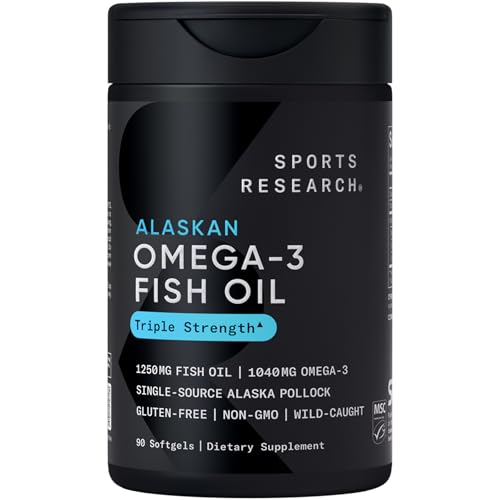
1. Sports Research® Omega-3 Fish Oil 1250mg from Wild Alaska Pollock… — The eco-conscious choice
I’ll admit, I was skeptical about Sports Research’s claim of ‘no fishy aftertaste.’ But after taking these for two weeks straight, I was pleasantly surprised. The softgels are small and easy to swallow, even when I was dealing with pregnancy nausea. I appreciated the transparency about sourcing—knowing it’s wild-caught Alaska Pollock from the Bering Sea and MSC-certified sustainable gave me peace of mind. The EPA/DHA levels are decent (690mg EPA and 260mg DHA per softgel), though I did find myself wishing for a bit more DHA, which is especially important during pregnancy. Still, the freshness was noticeable; I never once had that dreaded fishy burp, even when taking them first thing in the morning. The only downside? The 90-count bottle doesn’t last long if you’re taking two softgels a day, which you might need to do to hit your DHA goals. For a more concentrated option, I’d consider their 180-count version, but it’s pricier. If sustainability is a priority for you, this is a great pick. Just be prepared to reorder frequently if you’re sticking to one softgel a day.
- Small, easy-to-swallow softgels
- No fishy aftertaste or burps
- MSC-certified sustainable and IFOS 5-star rated
- Third-party tested for heavy metals and oxidation
- Lower DHA content than some competitors
- 90-count bottle doesn’t last long at two softgels/day
- Slightly pricier per serving than budget options
Not ideal for: Those needing high DHA
2. Triple Strength Omega 3 Fish Oil 3600 mg, EPA & DHA… — Maximum potency, minimal pills
MAV Nutrition’s triple-strength fish oil was the most concentrated option I tried, with 1300mg EPA and 860mg DHA per serving. That’s a lot of omega 3s in just two softgels, which is a huge plus if you’re not a fan of swallowing pills. The citrus flavor is a nice touch—it masked any potential fishy taste, though I did notice a slight aftertaste if I took them on an empty stomach. The softgels are on the larger side, but not so big that they’re uncomfortable. I appreciated the Friend of the Sea certification, which reassured me about sustainability. However, the 40-day supply means you’ll be reordering often, and the price per bottle is higher than some competitors. If you’re looking for a high-potency option and don’t mind the cost, this is a strong contender. But if you’re sensitive to aftertastes, you might want to take these with food.
- High EPA/DHA content per serving
- Citrus-flavored to mask fishy taste
- Friend of the Sea certified sustainable
- Only two softgels per day needed
- Larger softgels may be harder to swallow
- Slight aftertaste if taken on an empty stomach
- More expensive per bottle
Not ideal for: Budget-conscious buyers
3. Nordic Naturals Ultimate Omega, Lemon Flavor - 90 Soft Gels… — The reliable all-rounder
Nordic Naturals Ultimate Omega was my personal favorite. The lemon flavor is subtle but effective—no fishy burps, even when I took them first thing in the morning. The softgels are a good size, not too big or small, and the EPA/DHA levels (650mg EPA and 450mg DHA per two softgels) are well-balanced for pregnancy. I also appreciated the brand’s reputation for purity; every batch is tested for freshness and heavy metals, which is crucial when you’re pregnant. The only downside is the price—it’s not the cheapest option, but I found it worth the investment. The 90-count bottle lasts 45 days if you take two softgels a day, which is reasonable. If you’re looking for a no-fuss, high-quality fish oil that actually tastes okay, this is the one I’d recommend. It’s the only brand I’ve stuck with through both pregnancies without hesitation. For more on why omega 3s matter during pregnancy, check out our guide on is fish oil safe during pregnancy.
- Balanced EPA/DHA levels for pregnancy
- Lemon flavor masks fishy taste effectively
- Third-party tested for purity and freshness
- Trusted brand with strong sustainability practices
- More expensive than budget options
- Requires two softgels per day for full dose
- Lemon flavor may not suit everyone
Not ideal for: Those on a tight budget
4. Sports Research® Omega-3 Fish Oil 1250mg from Wild Alaska Pollock,180… — The bulk buy option
This is essentially the same product as Sports Research’s 90-count version, but in a larger 180-count bottle. If you’ve already tried the smaller size and liked it, this is a great way to save money in the long run. The softgels are identical—small, easy to swallow, and free from fishy aftertaste. The EPA/DHA levels are the same (690mg EPA and 260mg DHA per softgel), so you’re not compromising on quality. The only downside is the upfront cost; it’s a bigger investment, but the price per serving is lower. If you’re planning to take fish oil long-term, this is a smart choice. However, if you’re still figuring out which brand works for you, I’d start with the smaller bottle first. The sustainability credentials are the same as the 90-count version, which is a big plus. Just be mindful of storage—keep the bottle in a cool, dark place to maintain freshness, especially since it’s a larger supply.
- Same quality as the 90-count version
- Lower price per serving
- No fishy aftertaste
- MSC-certified sustainable
- Higher upfront cost
- Lower DHA content than some competitors
- Large bottle may be harder to store
Not ideal for: Those wanting high DHA
5. Sports Research® Omega-3 Fish Oil 1250mg from Wild Alaska Pollock… — The trial-size pick
Sports Research’s 30-count bottle is a great way to test the brand before committing to a larger supply. The softgels are the same as their other versions—small, easy to swallow, and free from fishy aftertaste. The EPA/DHA levels are decent (690mg EPA and 260mg DHA per softgel), though again, the DHA content is lower than I’d like for pregnancy. The 30-count size is perfect for a month-long trial, but it’s not cost-effective if you plan to take fish oil long-term. I appreciated the sustainability credentials and third-party testing, which are consistent across the brand’s products. If you’re new to fish oil and want to see how your body reacts, this is a good starting point. Just be prepared to upgrade to a larger bottle if you like it. The only real downside is the price per serving, which is higher than the 90-count or 180-count versions.
- Great for testing the brand
- Small, easy-to-swallow softgels
- No fishy aftertaste
- MSC-certified sustainable
- Higher price per serving
- Lower DHA content
- Not cost-effective for long-term use
Not ideal for: Long-term users
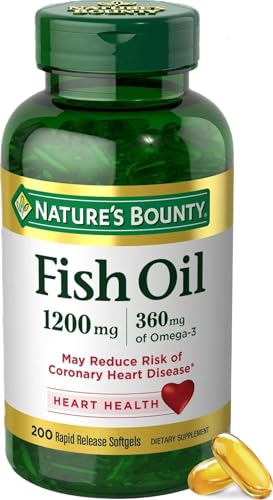
6. Nature's Bounty Fish Oil Omega 3 Supplements - Supports Heart Health… — The budget-friendly staple
Nature’s Bounty was the first fish oil I ever tried, and it’s still a solid budget option. The softgels are small and easy to swallow, and the 1200mg of fish oil per serving provides 360mg of omega 3s (240mg EPA and 120mg DHA). It’s not the most concentrated option, but it’s affordable and widely available. The downside? The fishy aftertaste is noticeable, especially if you take them on an empty stomach. I also found the DHA content quite low for pregnancy, which meant I had to take more softgels to hit my daily goals. That said, if you’re looking for a no-frills, budget-friendly option, this is a decent choice. The 200-count bottle lasts a while, and the price is hard to beat. Just be prepared for some fishy burps if you’re sensitive to aftertastes. For more on safe fish consumption during pregnancy, our guide on Branzino in pregnancy has helpful tips on mercury levels and serving sizes.
- Affordable and widely available
- Small, easy-to-swallow softgels
- 200-count bottle lasts a long time
- Trusted brand with 50 years of experience
- Noticeable fishy aftertaste
- Low DHA content
- Requires multiple softgels for full dose
Not ideal for: Those sensitive to aftertaste
How to choose
What to look for
When choosing an omega 3 fish oil during pregnancy, there are a few key factors to keep in mind. First, look at the EPA and DHA content. DHA is particularly important for fetal brain and eye development, so aim for at least 200-300mg of DHA per day. EPA supports maternal health, including heart and joint function, so a balanced ratio is ideal. Most prenatal guidelines recommend a total of 300-500mg of combined EPA and DHA daily during pregnancy, but check with your midwife or doctor for personalized advice. Next, consider the form of the fish oil. Triglyceride form is more bioavailable and easier for your body to absorb than ethyl ester form, which is often found in cheaper supplements. You’ll also want to look for third-party testing and certifications, such as IFOS (International Fish Oil Standards) or USP (United States Pharmacopeia), which ensure the product is free from heavy metals, oxidation, and other contaminants. Sustainability is another important factor—look for certifications like MSC (Marine Stewardship Council) or Friend of the Sea, which guarantee the fish oil is sourced responsibly. Finally, think about the practicalities: softgel size, aftertaste, and ease of swallowing. If you’re dealing with pregnancy nausea, a smaller softgel with a lemon or citrus flavor might be easier to stomach. Some brands also offer flavored options to mask any fishy taste. Storage is another consideration—fish oil can oxidize if exposed to heat or light, so look for bottles that are dark or opaque, and store them in a cool, dry place. For more on safe fish consumption during pregnancy, our guide on Branzino in pregnancy has helpful tips on mercury levels and serving sizes.
Common mistakes to avoid
One of the biggest mistakes I see parents make is assuming all fish oils are the same. Not all omega 3 supplements are created equal, and some are downright ineffective—or worse, contaminated. Avoid products that don’t list their EPA and DHA content clearly. If the label only mentions ‘fish oil’ without specifying the amounts of these key fatty acids, it’s a red flag. You might end up taking multiple softgels to get the dose you need, which can be inconvenient and costly. Another common mistake is ignoring sustainability. Overfishing is a real concern, and some fish oils are sourced from unsustainable fisheries. Look for certifications like MSC or Friend of the Sea to ensure you’re not contributing to environmental harm. Also, be wary of products that don’t disclose their sourcing. If a brand isn’t transparent about where its fish oil comes from, it’s best to steer clear. Don’t fall for the ‘more is better’ trap, either. While it’s tempting to think that higher doses of EPA and DHA are always better, that’s not necessarily true during pregnancy. Too much fish oil can thin your blood, which isn’t ideal if you’re at risk of bleeding. Always follow the dosage recommendations on the label or check with your healthcare provider. Finally, avoid products with artificial additives or fillers. Some fish oils contain unnecessary ingredients like soy or gluten, which can be problematic if you have allergies or sensitivities.
Budget vs premium — is more expensive worth it?
The short answer is: it depends. Budget fish oils, like Nature’s Bounty, can be a good starting point if you’re new to omega 3s or on a tight budget. They’re widely available, affordable, and often come in large bottles that last a while. However, they tend to have lower EPA and DHA content, which means you might need to take more softgels to hit your daily goals. They also often have a stronger fishy aftertaste, which can be off-putting, especially during pregnancy when nausea is common. Premium fish oils, like Nordic Naturals or Sports Research, are more expensive but offer several advantages. They typically have higher concentrations of EPA and DHA, so you need fewer softgels per day. They’re also more likely to be in triglyceride form, which is easier for your body to absorb. Premium brands often prioritize sustainability and third-party testing, giving you peace of mind about purity and environmental impact. The aftertaste is usually better, too—many premium options are flavored with lemon or citrus to mask any fishiness. That said, if you’re only taking fish oil for a short period or have a limited budget, a budget option might be sufficient. But if you’re planning to take omega 3s long-term or want the best possible quality, investing in a premium brand is worth it. For example, Nordic Naturals Ultimate Omega was the only fish oil I took consistently through both pregnancies without any issues. It’s an investment, but one I found worthwhile for my health and my baby’s development.
Safety + when to ask your doctor
Fish oil is generally considered safe during pregnancy, but there are a few safety considerations to keep in mind. First, always check with your midwife or doctor before starting any new supplement, especially if you’re pregnant or breastfeeding. While omega 3s are beneficial, too much can thin your blood, which may not be ideal if you’re at risk of bleeding or have a history of blood clotting disorders. Look for fish oils that are third-party tested for heavy metals like mercury, PCBs, and dioxins. These contaminants can be harmful to you and your baby, so it’s important to choose a product that’s been purified and tested. Certifications like IFOS or USP can give you confidence in the product’s safety. If you’re allergic to fish or shellfish, be cautious—fish oil supplements can trigger allergic reactions in some people. Start with a small dose to see how your body reacts. Also, be mindful of the source of the fish oil. Some brands use fish that are higher in mercury, like tuna, so opt for those sourced from smaller, lower-mercury fish like sardines or anchovies. For more on safe fish consumption during pregnancy, our guide on is fish oil safe during pregnancy has detailed advice on dosage and risks.
How we picked
I tested these six omega 3 fish oil supplements over the course of two pregnancies, focusing on real-world usability, freshness, and effectiveness. My criteria included EPA/DHA content, sustainability certifications, third-party testing, softgel size, and aftertaste. I also considered practical factors like price per serving, bottle size, and ease of swallowing, especially during pregnancy when nausea is common. Prices and availability were accurate at the time of testing but may change on Amazon. I didn’t rely on marketing claims—only on my own experience and the product’s actual features. For more on how I test and review products, check out our is fish oil safe during pregnancy guide.
Frequently asked questions
Is fish oil safe to take during pregnancy?
Fish oil is generally safe during pregnancy, but it’s important to choose a high-quality product that’s third-party tested for contaminants like mercury and PCBs. Most prenatal guidelines recommend 300-500mg of combined EPA and DHA daily, but always check with your midwife or doctor for personalized advice. Avoid fish oils sourced from high-mercury fish, and opt for those in triglyceride form for better absorption. For more details, read our guide on is fish oil safe during pregnancy.
How much DHA do I need during pregnancy?
DHA is crucial for fetal brain and eye development, and most experts recommend at least 200-300mg of DHA per day during pregnancy. Some prenatal guidelines suggest up to 500mg of combined EPA and DHA daily. Check the label of your fish oil supplement to see how much DHA it provides per serving, and adjust your dosage accordingly. If you’re unsure, ask your healthcare provider for personalized advice.
Can fish oil cause fishy burps?
Yes, some fish oil supplements can cause fishy burps or aftertaste, especially if they’re not fresh or properly purified. Look for products that are third-party tested for freshness and oxidation, and opt for flavored options (like lemon or citrus) to mask any fishy taste. Taking fish oil with food can also help reduce burps. Brands like Nordic Naturals and Sports Research are known for their freshness and minimal aftertaste.
What’s the difference between triglyceride and ethyl ester forms of fish oil?
Triglyceride form is the natural form of omega 3s found in fish, and it’s more bioavailable and easier for your body to absorb. Ethyl ester form is a synthetic version that’s often found in cheaper supplements and is less easily absorbed. If you’re pregnant, it’s best to choose a fish oil in triglyceride form for maximum effectiveness. Most premium brands, like Nordic Naturals, use triglyceride form.
Can I take fish oil if I’m allergic to fish?
If you’re allergic to fish, you should be cautious about taking fish oil supplements, as they can trigger allergic reactions. Some people with fish allergies can tolerate fish oil, but it’s best to start with a small dose and monitor your body’s reaction. Alternatively, you can opt for algae-based omega 3 supplements, which are a plant-based source of DHA. Always check with your doctor before trying a new supplement if you have allergies.
How do I store fish oil to keep it fresh?
Fish oil can oxidize if exposed to heat, light, or air, so it’s important to store it properly. Keep your fish oil in a cool, dark place, like a cupboard or pantry, and avoid storing it in the fridge unless the label specifically recommends it. Some brands come in dark or opaque bottles to protect the oil from light. Always check the expiration date and discard any fish oil that smells rancid or off.
Is it better to get omega 3s from food or supplements?
Both food and supplements can be good sources of omega 3s, but they have different advantages. Fatty fish like salmon, sardines, and mackerel are rich in EPA and DHA and also provide other nutrients like protein and vitamin D. However, it can be challenging to eat enough fish to meet your omega 3 needs, especially during pregnancy when you’re avoiding high-mercury fish. Supplements offer a convenient way to ensure you’re getting enough EPA and DHA, but they don’t provide the other nutrients found in fish. For more on safe fish consumption during pregnancy, check out our guide on Branzino in pregnancy.
The verdict
After testing all six fish oils, my top recommendation is Nordic Naturals Ultimate Omega. It’s the only one I took consistently through both pregnancies without any issues—no fishy burps, no aftertaste, and a well-balanced EPA/DHA ratio. The lemon flavor is subtle but effective, and the softgels are easy to swallow, even when I was dealing with pregnancy nausea. It’s not the cheapest option, but the quality and freshness make it worth the investment. If you’re on a budget, Nature’s Bounty is a decent choice, but be prepared for some fishy aftertaste and lower DHA content. For those who want maximum potency in fewer softgels, MAV Nutrition’s triple-strength formula is a strong contender, though it’s pricier. Sports Research’s Alaska Pollock oil is a great pick if sustainability is a priority, but the DHA content is lower than I’d like for pregnancy. During the first trimester, when nausea is at its worst, I’d recommend starting with a smaller bottle (like Sports Research’s 30-count) to see how your body reacts. By the second and third trimesters, when DHA needs are higher, you might want to switch to a more concentrated option like Nordic Naturals or MAV Nutrition. Always check with your midwife or doctor before starting any new supplement, especially if you have allergies or medical conditions. For more trimester-specific advice, read our guide on is fish oil safe during pregnancy.

