Safe in moderation: Fish oil is safe during pregnancy if you limit intake to 300-500mg DHA daily, especially in the third trimester. Learn safe brands and alternatives.
By Shubhra Mishra — a mom of two who turned her own confusion during pregnancy into BumpBites, a global mission to make food choices clear, safe, and stress-free for every expecting mother. 💛
Check whether any food is safe during pregnancy with the BumpBites Food Safety Checker.
Quick verdict: ⚠️ Safe with limits – moderate fish oil (about 1,000 mg total omega‑3 per day, providing 200‑300 mg DHA) is generally considered safe for most pregnant people, but high doses should be avoided and you should choose a low‑mercury, pregnancy‑tested brand.
It’s 2 a.m., the kitchen light hums, and you’re scrolling through a sea of “is fish oil safe during pregnancy?” headlines. Maybe you’ve already taken a couple of capsules before you knew you were expecting, or you’re holding a bottle in the grocery aisle wondering if it’s worth adding to your prenatal routine. First, take a breath – you’re not alone, and the answer isn’t a blanket “yes” or “no.” In short, fish oil can be a helpful source of omega‑3 fatty acids during pregnancy, but it’s safest when taken in moderate amounts and from a reputable, low‑mercury brand.
In this article we’ll break down the overall safety verdict, explore how each trimester may affect the recommendation, outline the dosage most clinicians endorse, flag potential side effects, and point you toward reliable brands and healthier alternatives. We’ll also compare fish oil to other common omega‑3 sources, debunk a few myths, and give you a concise cheat‑sheet you can keep in your pocket. By the end, you’ll have a clear, evidence‑based answer to the question “is fish oil safe during pregnancy?” and know exactly what steps to take next.
Pairing a low‑mercury fish oil with a prenatal vitamin can help you cover both DHA and essential nutrients.
Stage
Verdict
Notes
First trimester
⚠️ Safe with limits
200‑300 mg DHA daily is fine; avoid >1,000 mg total omega‑3.
Second trimester
⚠️ Safe with limits
Same dosage; may support fetal brain development.
Third trimester
⚠️ Safe with limits
Continue moderate dose; high doses not recommended.
Breastfeeding
⚠️ Safe with limits
Maintain DHA intake for infant neurodevelopment.
Choosing a low‑mercury fish oil supplement can help you feel confident about your prenatal nutrition.
What is fish oil?
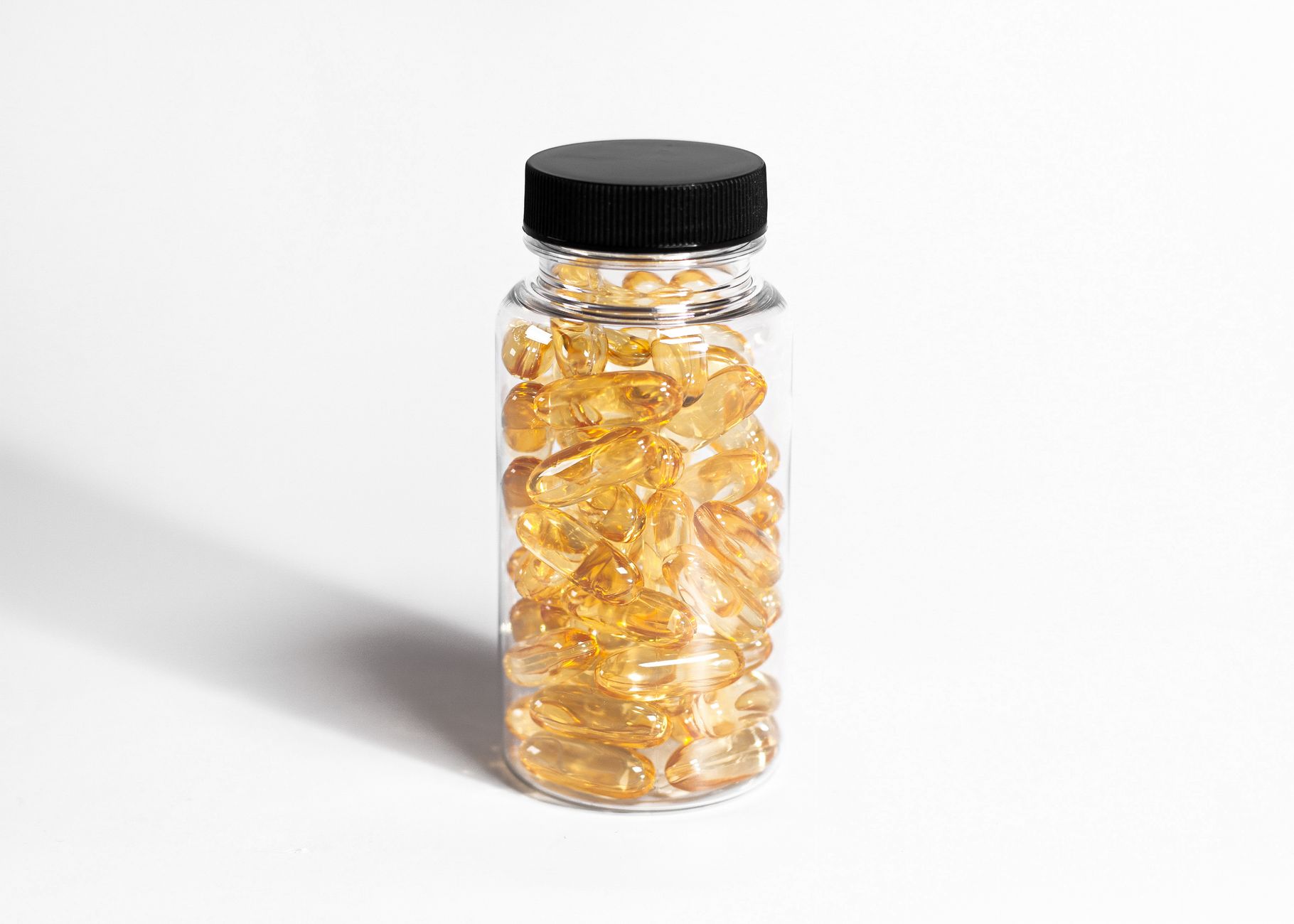
Fish oil is a dietary supplement derived from the tissues of oily fish such as sardines, anchovies, salmon, and mackerel. It’s rich in long‑chain omega‑3 fatty acids, primarily eicosapentaenoic acid (EPA) and docosahexaenoic acid (DHA). DHA is a key building block for the developing brain and retina, while EPA supports anti‑inflammatory pathways and may help regulate blood pressure. Pregnant people often turn to fish oil to fill the nutritional gap left by reduced fish consumption—especially when concerns about mercury or other contaminants limit intake of whole fish.
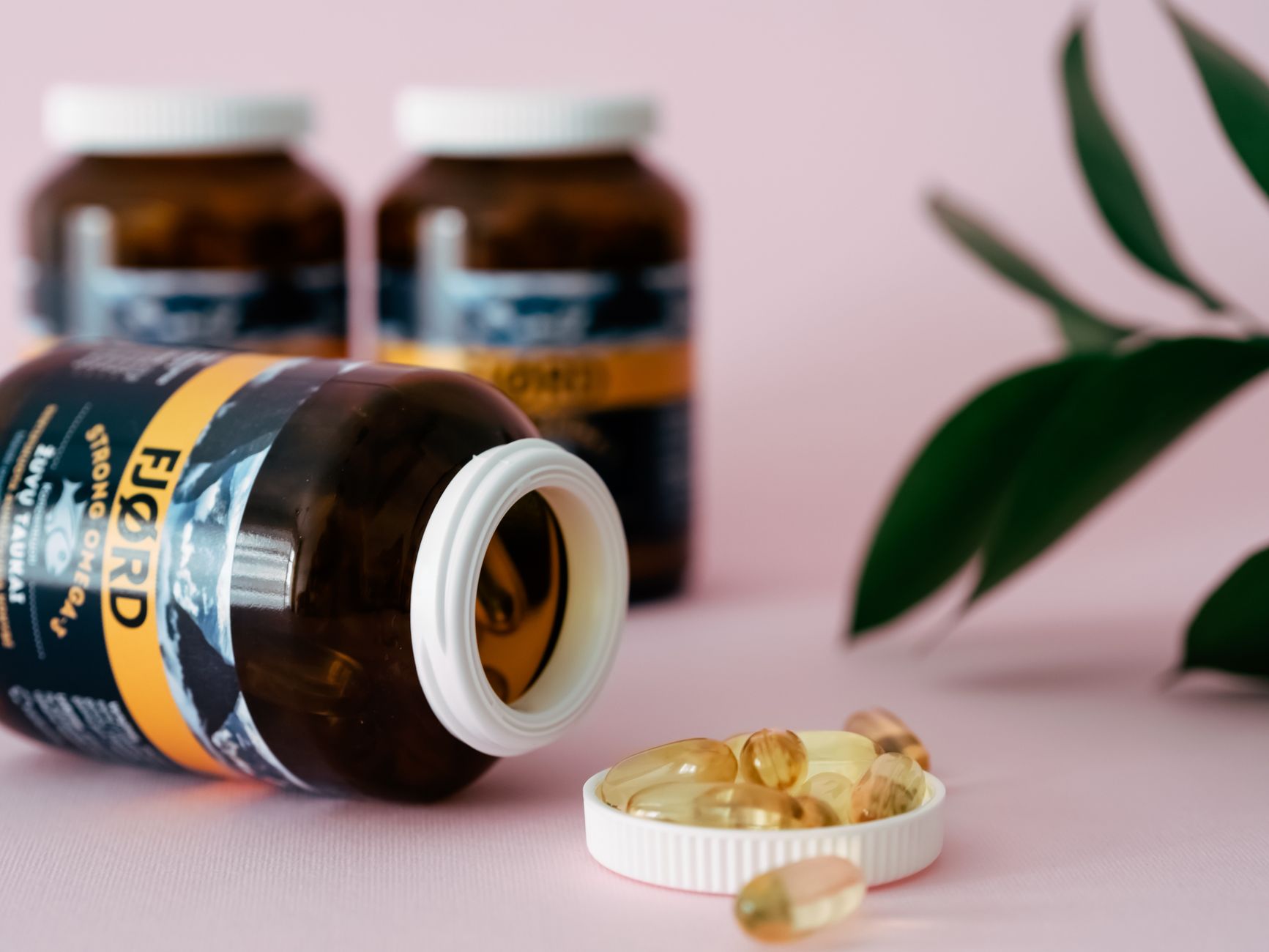
Most over‑the‑counter products are soft‑gel capsules, but liquid forms exist for those who have difficulty swallowing pills. The supplement industry standardizes EPA and DHA content on the label, though the exact ratio can vary widely. When selecting a product, the most important quality markers are purity (low mercury, PCBs, and dioxins) and a reputable third‑party certification, such as the United States Pharmacopeia (USP) or International Fish Oil Standards (IFOS). Because pregnancy increases the demand for DHA, many clinicians recommend a supplement that delivers at least 200 mg of DHA daily.
During pregnancy, the body’s ability to convert the plant‑based omega‑3 precursor alpha‑linolenic acid (ALA) into EPA and DHA becomes less efficient, making direct sources of EPA/DHA especially valuable. DHA is incorporated into fetal brain tissue at a rapid rate during the second and third trimesters, which is why a steady, moderate intake can make a measurable difference in neurodevelopmental outcomes.
Is fish oil safe during pregnancy?
C
urrent guidance from the American College of Obstetricians and Gynecologists (ACOG) and the UK’s National Health Service (NHS) indicates that moderate fish oil supplementation is safe and may be beneficial for fetal neurodevelopment (ACOG, 2023; NHS, 2022). The Food and Drug Administration (FDA) has not set a specific pregnancy‑only limit for fish oil, but it does recognize that daily intakes up to 3,000 mg of combined EPA + DHA are generally regarded as safe for adults, with the caveat that higher doses could increase bleeding risk.
Because fish oil is not a teratogen, the primary safety concerns revolve around contaminants (especially mercury) and excessive dosing. Studies that have examined high‑dose fish oil (>2 g EPA + DHA per day) in pregnant populations have reported no clear increase in birth defects but have noted a modest rise in maternal bleeding time and a potential for premature rupture of membranes. Consequently, most obstetricians recommend staying within the “moderate” range—roughly 200‑300 mg DHA daily, which typically translates to 1,000 mg total fish oil capsules.
Randomized controlled trials, including the large MOM (Maternal Omega‑3) study, have shown that women who took 500 mg DHA daily had infants with slightly higher scores on early language assessments, and a modest reduction in the risk of preterm birth. However, the benefit curve flattens after about 300 mg DHA, reinforcing the idea that “more isn’t always better.” If you have a history of bleeding disorders, are on anticoagulant medication, or have a seafood allergy, it’s wise to discuss supplementation with your provider before starting any fish oil regimen.
Common misconceptions include the belief that “all fish oil is safe” or that “more is better.” In reality, the benefits plateau at moderate doses, and excess intake can tip the balance toward unwanted side effects. If you’re already taking a standard prenatal vitamin that includes DHA, you may not need an additional fish oil supplement in the first trimester. Always check the label and consult your obstetrician if you’re unsure.
Is fish oil safe to take in the first trimester of pregnancy?
During the first trimester—the period of organogenesis—many expectant parents worry about any substance crossing the placenta. Research shows that DHA, the omega‑3 component most critical for early brain development, is safely transferred to the fetus at moderate levels. ACOG’s Committee Opinion (2023) specifically states that fish oil containing 200‑300 mg DHA per day is safe in the first trimester, provided the product is low‑mercury and free from contaminants.
However, high‑dose fish oil (exceeding 1,000 mg EPA + DHA) is not recommended in early pregnancy because it may interfere with platelet function and increase the risk of bleeding, which can be more concerning when the placenta is still forming. If you’re already taking a standard prenatal vitamin that includes DHA, you may not need an additional fish oil supplement in the first trimester. Always check the label and consult your obstetrician if you’re unsure.
Fish oil and gestational diabetes
Emerging research suggests that omega‑3 fatty acids may improve insulin sensitivity, a benefit that could be relevant for gestational diabetes. A 2021 meta‑analysis of randomized trials found that women who supplemented with 1 g of EPA + DHA daily experienced slightly lower fasting glucose levels compared with controls. Nonetheless, the effect size is modest, and ACOG does not currently list fish oil as a treatment for gestational diabetes. If you have this condition, discuss any supplementation with your provider to ensure it fits within your overall management plan.
Combining fish oil with prenatal vitamins
Many prenatal vitamins already contain DHA, usually in the 200‑300 mg range. Adding a separate fish oil supplement on top of a DHA‑fortified prenatal vitamin can quickly push you over the recommended daily total. Before you combine the two, compare the label amounts. If your prenatal vitamin provides the full 300 mg DHA, an additional fish oil capsule may be unnecessary and could increase the risk of mild gastrointestinal upset or bleeding. Talk to your clinician about whether you need extra supplementation based on your diet and blood work.
What is the recommended daily dosage of fish oil for pregnant women?
Most guidelines converge on a target of 200‑300 mg of DHA per day for pregnant individuals. This amount is typically achieved with one to two soft‑gel capsules of a standard fish oil supplement that contains 100‑150 mg DHA per capsule. The total EPA + DHA should not exceed 1,000 mg per day, aligning with the FDA’s general adult safe upper limit and preventing potential bleeding complications.
For those who prefer a liquid supplement, the same DHA amount can be measured with a calibrated dropper (approximately 0.5 mL of a 1,000 mg EPA + DHA per teaspoon formulation). If you’re taking a prenatal vitamin that already includes DHA, you may only need a half‑capsule or a reduced‑strength product. Always read the product’s label and, when in doubt, ask your provider to confirm the appropriate amount for your specific health profile.
Can fish oil cause birth defects or complications during pregnancy?
There is no credible evidence that fish oil, when taken at recommended levels, causes birth defects. Large‑scale cohort studies—including those reviewed by the CDC and the WHO—have not identified a teratogenic link between moderate fish oil consumption and structural anomalies. The primary concerns are indirect: excess omega‑3 intake can affect blood clotting, and certain low‑quality supplements may contain mercury or other pollutants that could harm fetal development.
Complications that have been loosely associated with very high doses (greater than 2 g EPA + DHA daily) include a slightly higher incidence of preterm premature rupture of membranes (PPROM) and prolonged bleeding after delivery. These findings are not definitive, and most obstetricians advise staying within the moderate dosage range to sidestep such risks.
Which fish oil supplement brands are considered safe for pregnant women?
When choosing a brand, look for third‑party testing that verifies purity, potency, and absence of heavy metals. The following brands consistently meet these standards and are frequently recommended by nutritionists and obstetricians:
Nordic Naturals – IFOS 5‑star rating, low‑odor soft gels, 125 mg DHA per capsule.
Viva Naturals – USP verified, 300 mg EPA + DHA per serving, sustainably sourced.
Omegavia – Certified by the International Fish Oil Standards, 250 mg DHA per capsule.
Nature Made – USP verified, budget‑friendly, 200 mg DHA per capsule.
Regardless of brand, always verify that the label states “molecularly distilled” or “purified to remove mercury.” If you have a shellfish allergy, opt for a product that is explicitly labeled “shellfish‑free.”
What are the best alternatives to fish oil for omega‑3 during pregnancy?
Algae‑based DHA supplement – plant‑derived, mercury‑free, and suitable for vegans.
Flaxseed oil – provides ALA, which the body partially converts to DHA/EPA.
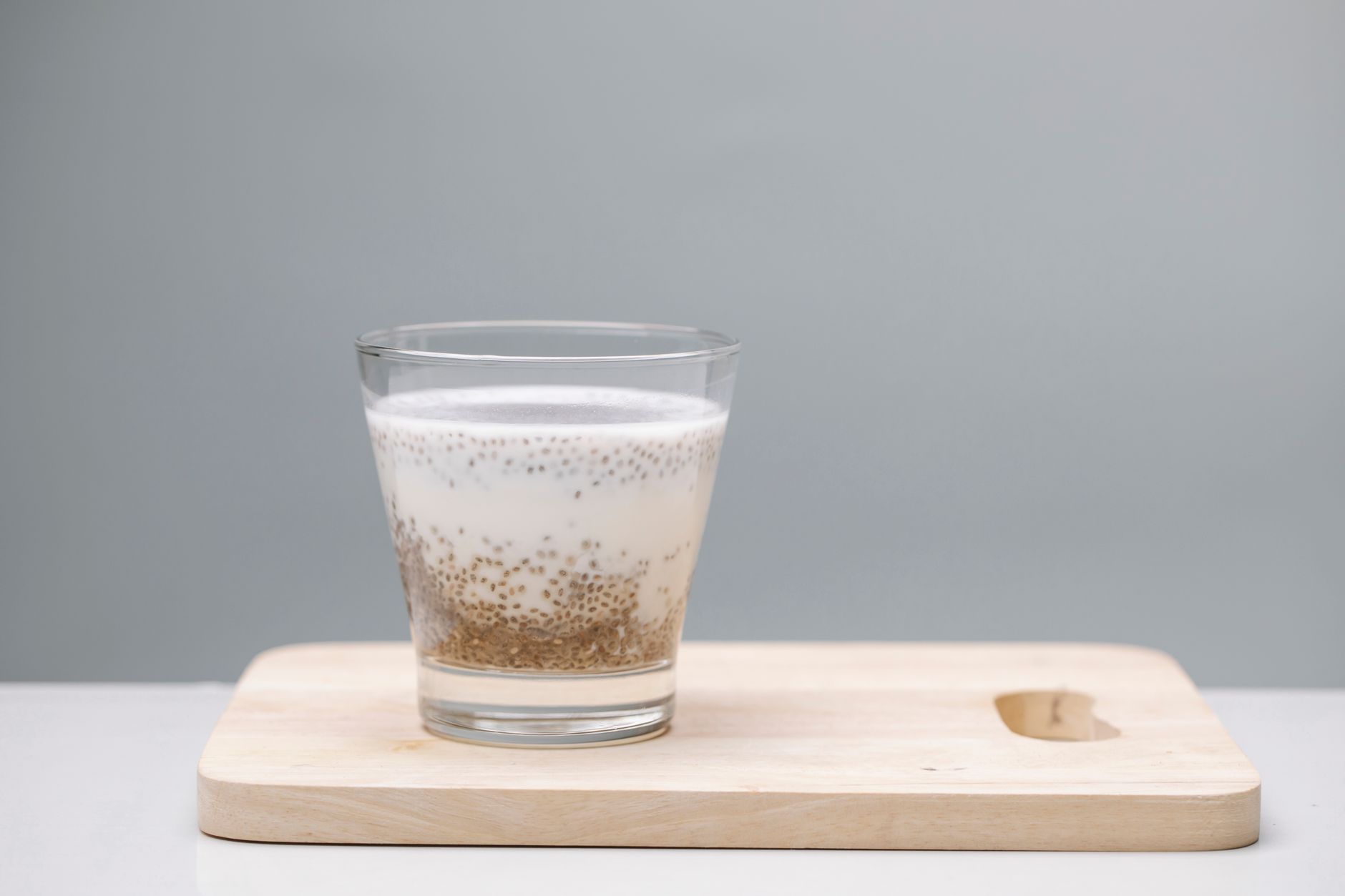
Chia seeds – whole food source of ALA and fiber.
Walnut oil – mild flavor, rich in ALA.
EPA/DHA fortified eggs – easy to incorporate into meals, low contaminant risk.
Omega‑3 enriched prenatal vitamins – combine DHA with iron, folic acid, and other prenatal nutrients.
Cooked sardines – low‑mercury, natural source of EPA and DHA, baked or grilled.
What are the risks of taking high doses of fish oil while pregnant?
High doses (>1,000 mg EPA + DHA per day) can lead to a few notable concerns. First, omega‑3 fatty acids have antiplatelet effects, meaning they can thin the blood and increase bleeding time. This is generally harmless in healthy adults but may pose a problem during labor or if you’re already on anticoagulant medication. Second, excessive fish oil can cause gastrointestinal upset—nausea, burping, or diarrhea—symptoms that can compound typical pregnancy discomfort.
Finally, the most serious theoretical risk is exposure to contaminants in low‑quality products. High‑dose products that are not rigorously purified may contain trace amounts of mercury, PCBs, or dioxins, which can cross the placenta and affect fetal neurodevelopment. Therefore, staying within the recommended dosage and selecting a certified brand are the best ways to mitigate these risks.
Is fish oil safe for pregnant women with high blood pressure?
Emerging evidence suggests that moderate omega‑3 intake may actually help modestly lower systolic blood pressure in pregnant individuals with hypertension, likely due to EPA’s vasodilatory properties. ACOG’s 2023 guidelines note that omega‑3 supplementation “can be considered as part of a comprehensive dietary approach for gestational hypertension,” provided the dosage does not exceed 1,000 mg total EPA + DHA per day.
Nevertheless, if you’re on antihypertensive medication, discuss fish oil with your provider to ensure there are no drug‑nutrient interactions. In most cases, a moderate dose (200‑300 mg DHA) is both safe and potentially beneficial for blood‑pressure control.
How does fish oil affect pregnancy nausea and fatigue?
Many pregnant people report that the mild fishy taste and oily texture of some capsules can aggravate nausea, especially during the first trimester. However, the anti‑inflammatory properties of EPA and DHA may help reduce overall fatigue by supporting mitochondrial function and lowering inflammatory cytokines. Some small studies have found that DHA supplementation can improve mood and reduce the severity of morning sickness, though the evidence is not yet conclusive.
If nausea is a barrier, consider taking fish oil with a meal, using a liquid formulation, or switching to an algae‑based DHA supplement, which often has a milder taste. Splitting the dose into two smaller servings throughout the day can also reduce gastrointestinal discomfort.
Algae‑based DHA and other plant sources can provide omega‑3s without the fishy aftertaste.
Safe dosage / amount / brands
For most pregnant individuals, the sweet spot is 200‑300 mg DHA per day, which usually corresponds to one 1,000 mg fish oil capsule (containing roughly 120 mg DHA and 80 mg EPA). If your prenatal vitamin already includes DHA, you may only need a half‑capsule or a reduced‑strength product. The upper limit, according to the FDA’s general adult guidance, is 3,000 mg total EPA + DHA per day, but obstetric experts advise not exceeding 1,000 mg to avoid bleeding risks.
When evaluating brands, prioritize those that display:
Third‑party testing (USP, IFOS, NSF)
“Molecularly distilled” or “purified” language indicating mercury removal
Clear EPA/DHA content per serving
Transparent sourcing (e.g., sustainably harvested anchovies or sardines)
If you’re on prescription anticoagulants, have a bleeding disorder, or have a known seafood allergy, discuss the appropriate dose with your provider before starting any supplement. For liquid formulations, a typical “1‑teaspoon” bottle contains about 1,000 mg EPA + DHA; using a calibrated dropper (½ mL) delivers roughly 250 mg EPA + DHA, allowing precise control over intake.
Side effects and risks
Common, mild side effects include a fishy aftertaste, mild nausea, belching, or loose stools. These can often be minimized by taking the supplement with food, refrigerating the capsules, or switching to a liquid or algae‑based form.
Potentially serious concerns are rare but worth monitoring:
Excessive bleeding or easy bruising – especially if you’re taking aspirin, heparin, or another blood‑thinner.
Allergic reaction – hives, swelling, or difficulty breathing may indicate a fish or shellfish allergy.
High mercury exposure – if the product is not properly purified, trace mercury could affect fetal development.
Gastrointestinal distress that leads to dehydration or weight loss, which can be problematic in later pregnancy.
If you notice any of these red‑flag symptoms, stop the supplement and contact your healthcare provider promptly.
Safer alternatives
Algae‑based DHA supplement – offers the same DHA without fish‑related contaminants.
Flaxseed oil – plant‑derived ALA, which the body can convert to DHA in small amounts.
Chia seeds – whole food source of ALA plus fiber and calcium.
Walnut oil – mild flavor, rich in ALA, easy to drizzle over salads.
Omega‑3 enriched prenatal vitamins – combine DHA with iron, folic acid, and other prenatal nutrients.
Cooked sardines – natural, low‑mercury source of EPA and DHA, baked or grilled.
Related items — safety at a glance
Item
Verdict
One‑line note
Salmon (cooked)
✅ Generally safe
Provides ~500 mg DHA per 3‑oz serving, low mercury.
Sardines (canned, in oil)
✅ Generally safe
Rich in EPA/DHA, minimal mercury; limit to 2 servings/week.
Mackerel (Atlantic)
⚠️ Limit
Higher mercury; choose Atlantic over king mackerel.
Anchovies
✅ Generally safe
Small fish, low mercury, good omega‑3 source.
Krill oil
⚠️ Talk to doctor
Less research in pregnancy; may contain shellfish allergens.
Cod liver oil
⚠️ Limit
High vitamin A content can be teratogenic at excess levels.
Omega‑3 prenatal vitamin
✅ Generally safe
Formulated for pregnancy, contains ~200 mg DHA.
Myth vs. fact
Myth: “All fish oil supplements are safe for pregnancy because they’re natural.”
Fact: Quality matters; only supplements that are purified, mercury‑tested, and taken within recommended dosages are considered safe (ACOG).
Myth: “More fish oil equals better brain development for the baby.”
Fact: Benefits plateau around 200‑300 mg DHA daily; higher doses do not provide additional neurodevelopmental advantage and may increase bleeding risk.
Myth: “If I’m vegetarian, fish oil is the only way to get omega‑3.”
Fact: Algae‑based DHA, flaxseed, chia, and fortified eggs are all viable, pregnancy‑safe sources of omega‑3.
Key takeaways
Fish oil is generally safe in pregnancy when limited to ~1,000 mg total EPA + DHA per day, providing 200‑300 mg DHA.
Choose a low‑mercury, third‑party‑tested brand; avoid high‑dose products without medical supervision.
First‑trimester use is fine at moderate doses, but avoid exceeding recommended limits.
Potential side effects are mild (nausea, fishy aftertaste); serious risks involve bleeding or contaminants.
Algae DHA, flaxseed oil, chia seeds, and omega‑3‑rich prenatal vitamins are excellent alternatives.
If you have a bleeding disorder, are on blood‑thinners, or have a seafood allergy, discuss any fish‑oil supplement with your provider before starting.
Frequently asked questions
Can I take fish oil supplements while pregnant?
Yes—moderate fish oil (about 1,000 mg total EPA + DHA per day, delivering 200‑300 mg DHA) is considered safe for most pregnant people, as long as you choose a low‑mercury, third‑party‑tested product.
What are the benefits of fish oil during pregnancy?
Fish oil provides DHA, which supports fetal brain and eye development, may reduce the risk of preterm birth, and can help moderate maternal inflammation and blood pressure when taken at recommended doses.
Is it safe to eat sushi while pregnant?
Raw fish sushi is not recommended because of potential parasites and higher mercury levels; cooked sushi made with low‑mercury fish (e.g., cooked salmon or shrimp) is generally safe in moderation.
How much fish oil is safe during pregnancy?
Most guidelines advise no more than 1,000 mg total EPA + DHA daily, which typically provides 200‑300 mg DHA—this amount aligns with ACOG and NHS recommendations.
Are there any side effects of fish oil for pregnant women?
Common side effects include a fishy aftertaste, mild nausea, or loose stools; serious concerns such as excessive bleeding or allergic reactions are rare but should prompt a call to your provider.
Which fish oil brand is recommended for pregnancy?
Brands like Nordic Naturals, Viva Naturals, Barlean’s, Omegavia, and Nature Made have earned third‑party certifications (USP or IFOS) and are frequently suggested by clinicians for pregnant users.
Can fish oil cause morning sickness?
Fish oil itself does not cause morning sickness, but the oily capsule may worsen nausea in some people; taking it with food or switching to an algae‑based DHA supplement can help.
Is fish oil safe for pregnant women with allergies?
If you have a known fish or shellfish allergy, avoid traditional fish oil and consider algae‑derived DHA, which is free of fish proteins and generally safe for allergic individuals.
Can I take fish oil if I’m pregnant with twins?
Yes—twins have higher DHA requirements, so the standard 200‑300 mg DHA daily is still appropriate; however, some clinicians may recommend a slightly higher dose after confirming no bleeding risk, so discuss your specific needs with your obstetrician.
Does fish oil help reduce postpartum depression?
Some studies suggest that higher DHA intake during pregnancy and after delivery may lower the risk of postpartum depression, but evidence is not yet definitive. If you’re concerned about mood, talk to your provider about a comprehensive plan that may include DHA alongside other supportive strategies.
When to call your doctor
Contact your obstetric provider promptly if you experience any of the following while taking fish oil: unusual bruising or bleeding, severe stomach pain, persistent nausea or vomiting that interferes with nutrition, signs of an allergic reaction (hives, swelling, difficulty breathing), or if you’re on blood‑thinning medication and notice increased bleeding. Remember, this article provides general information and does not replace personalized medical advice.
References
American College of Obstetricians and Gynecologists. “Omega‑3 Fatty Acid Supplementation During Pregnancy.” Committee Opinion, 2023.
National Health Service (UK). “Fish and Omega‑3 during pregnancy.” Updated 2022.
Food and Drug Administration. “Dietary Supplements: What You Need to Know.” 2021.
Centers for Disease Control and Prevention. “Guidelines for Fish Consumption.” 2020.
World Health Organization. “Nutrition for Health and Development.” 2020.
International Fish Oil Standards (IFOS). “Certification Report for Fish Oil Supplements.” 2023.
Not sure about the label on Is Fish Oil Safe During Pregnancy products?
Snap the ingredients list and SafeFilter checks every ingredient for your stage — only 3 free scans this month, then you're locked until reset. Unlimited from $7/mo or lock $50/yr through Aug 31 (16 days left).
When Shubhra Mishra was expecting her first child in 2016, she was overwhelmed by conflicting food advice — one site said yes, another said never. By the time her second baby arrived in 2019, she realized millions of mothers face the same confusion.
That sparked a five-year journey through clinical nutrition papers, cultural diets, and expert conversations — all leading to BumpBites: a calm, compassionate space where science meets everyday motherhood.
Her long-term vision is to build a global community ensuring safe, supported, and free deliveriesfor every mother — because no woman should face pregnancy alone or uninformed. 🌿
🌍 Stand with mothers, shape safer guidance
Join a small circle of experts who review BumpBites articles so expecting parents everywhere can decide with confidence.