Quick take: The most comfortable month to have a baby weather‑wise in the United States is typically May or early June, when mild temperatures, lower humidity, and fewer extreme weather alerts make both labor and newborn care easier. However, regional climate, personal health, and seasonal allergies also matter, so plan around your local weather patterns and talk with your provider about any climate‑related concerns.
Imagine it’s a crisp spring morning, you’re cradling a newborn in a light blanket, and the temperature outside is just right for a short walk—no heatwave, no snowstorm, just a gentle breeze. That moment of calm is what many expectant parents hope to capture when they think about the best month to have a baby weather for their family. While there’s no universal answer—weather varies dramatically from coast to coast—the science behind how temperature, humidity, and seasonal changes affect pregnancy, labor, and newborn health can guide you toward a month that feels safer and more comfortable.
In this 2026 guide we’ll walk through the key factors that tie climate to pregnancy outcomes, break down the pros and cons of each season, and give you practical tips for preparing your baby‑room, your wardrobe, and your daily routine for whatever weather you’ll face. Whether you’re timing conception, planning a delivery date, or simply curious about how a summer heatwave might impact your newborn, we’ve gathered evidence‑based insights from the American College of Obstetricians and Gynecologists (ACOG), the Centers for Disease Control and Prevention (CDC), and leading climate‑health researchers.
Read on to discover which month aligns best with your health goals, how to mitigate weather‑related risks, and what to do if you’re already pregnant when an unexpected storm rolls in.
What is the best month to have a baby in the US weather?
When you type “best month to have a baby in the US weather” into a search box, you’re usually looking for a balance of comfortable temperatures, low humidity, and minimal severe‑weather risk. Across the United States, May and early June often emerge as the sweet spot because:
- Temperatures typically range from 55‑70°F (13‑21°C) in most regions, reducing the strain on a laboring body.
- Humidity is moderate, helping keep skin and mucous membranes from drying out—a common concern for laboring mothers.
- Spring storms have largely passed, and the peak of tornado season (late spring) is still waning in the Midwest.
- Daylight hours are longer, allowing more flexibility for hospital visits, postpartum recovery walks, and family support.
That said, the “best” month can shift dramatically if you live in a climate with distinct seasons. For example, in the Pacific Northwest, late summer (August) may be preferable because it avoids the rainy season, whereas in the Southwest, October offers milder evenings after scorching summer days.
Regional climate snapshots
These averages are based on National Oceanic and Atmospheric Administration (NOAA) data from 2020‑2024 and illustrate how the “best month” can vary by location.
Beyond temperature, consider daylight length. Longer days in late spring can boost mood‑enhancing serotonin, which is especially helpful for pregnant women coping with seasonal affective changes. If you reside in a region where daylight is limited during winter, a May birth may also spare you from the challenges of reduced sunlight.
What is the best month to give birth in terms of weather?
Giving birth in a month with mild weather can ease both the physical labor process and postpartum recovery. ACOG notes that extreme temperatures—both hot and cold—can increase the risk of dehydration, heat‑related fatigue, and even preterm labor in susceptible women. The “best month to give birth” therefore often aligns with the same window identified for conception: late spring to early summer.
Why temperature matters during labor
- Heat stress: The CDC reports that pregnant women exposed to ambient temperatures above 90°F (32°C) are more likely to develop heat exhaustion, which can trigger uterine contractions.
- Cold stress: Exposure to temperatures below 32°F (0°C) can cause peripheral vasoconstriction, reducing blood flow to the uterus and potentially slowing labor progress.
- Humidity: High humidity impairs sweat evaporation, making it harder for the body to regulate temperature.
In practice, many hospitals maintain controlled indoor climates, but the surrounding weather still affects comfort during transport, family visits, and the early days of home care. A 2022 NHS guideline from the United Kingdom recommends that laboring patients be kept in an environment between 68‑74°F (20‑23°C) to minimize stress on both mother and baby.
When you know your due date, you can coordinate with your birthing center to schedule any necessary scans or appointments during cooler morning hours, reducing the need for lengthy waits in hot waiting rooms.
How does weather affect newborn babies?
Newborns are especially vulnerable to temperature extremes because they lack fully developed thermoregulation. The American Academy of Pediatrics (AAP) advises that infants should be kept in an environment of 68‑72°F (20‑22°C) with relative humidity of 40‑60% during the first few weeks.
- Heat rash (prickly heat): Occurs when sweat ducts become blocked; more common in humid summer months.
- Dry skin and eczema flare‑ups: Low humidity in winter can exacerbate atopic dermatitis.
- Respiratory infections: Cold, dry air may increase the incidence of viral colds; conversely, high pollen counts in spring can trigger allergic rhinitis.
- Sudden infant death syndrome (SIDS) risk: Some studies suggest that higher nighttime temperatures correlate with a modest rise in SIDS incidence, likely due to overheating.
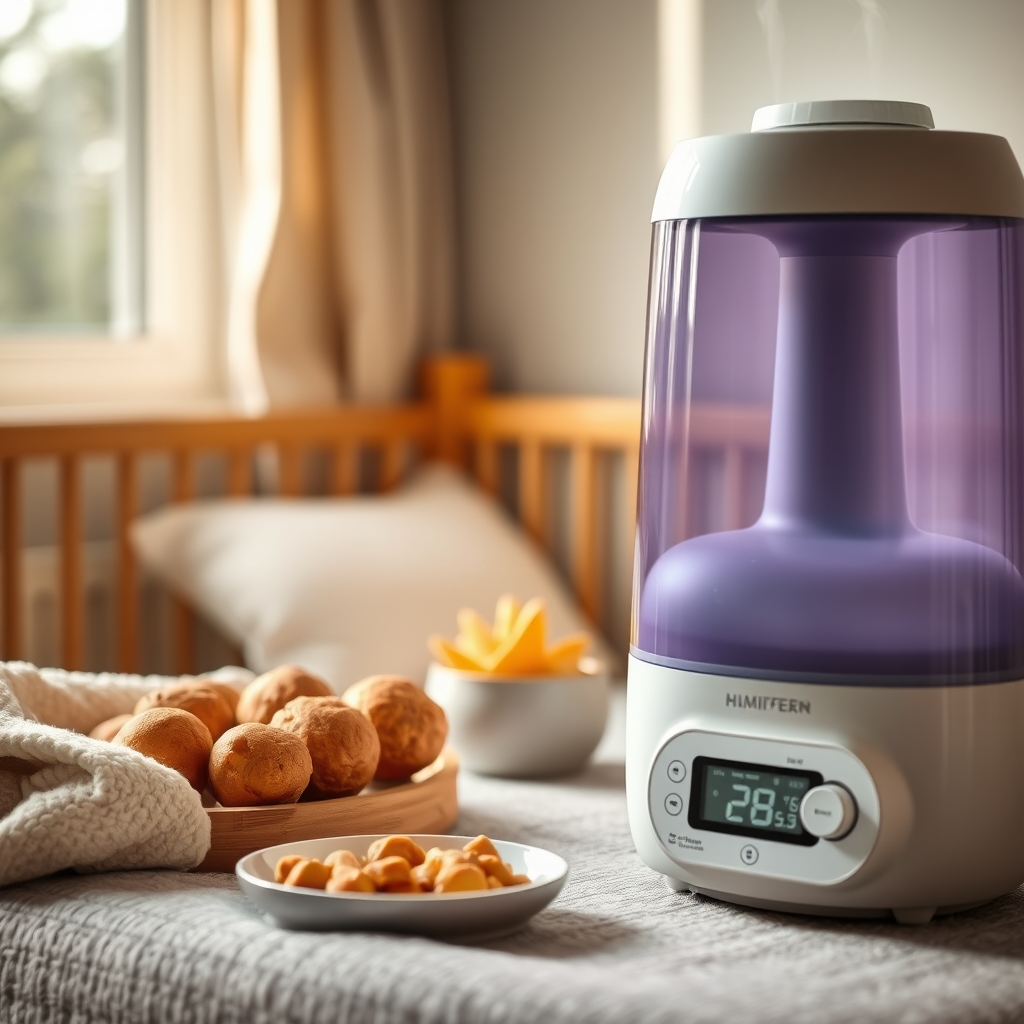
Keeping the nursery at a consistent temperature, using a humidifier in dry months, and dressing your baby in breathable layers are simple steps that reduce these risks. The FDA also recommends that any heating devices used in a baby’s room be UL‑listed for safety.
What is the best season to have a baby weather wise?
Seasonal patterns give you a broader view than a single month. Here’s a quick rundown of each season’s pros and cons for pregnancy and newborn care:
Overall, late spring (May‑June) consistently scores high on comfort and low on weather‑related complications, making it the most frequently recommended “best season” by obstetricians and climate‑health researchers.
For families living near the coast, the transition from spring to summer can bring sudden humidity spikes. In those cases, a late‑spring birth still offers a buffer before the peak humidity of midsummer arrives.
What weather considerations should I keep in mind when planning a baby?
Planning a baby isn’t just about picking a due date; it’s also about preparing for the climate you’ll live in when the baby arrives. Below are the top considerations to weave into your timeline.
Temperature trends and prenatal appointments
Schedule routine prenatal visits during the cooler parts of the day if you’re in a hot region. Telehealth options have expanded, and the CDC encourages virtual check‑ins for low‑risk pregnancies, especially when extreme weather makes travel hazardous.
Seasonal allergies and pregnancy
About 20 % of pregnant women report worsening seasonal allergies. The National Institute of Allergy and Infectious Diseases (NIAID) notes that untreated allergic rhinitis can increase the risk of sleep disruption and preeclampsia. Using saline nasal rinses, indoor air purifiers, and, after consulting your OB‑GYN, safe antihistamines (e.g., loratadine) can keep symptoms manageable.
Outdoor activity planning
Exercise is a cornerstone of a healthy pregnancy, but the safest times to be outside depend on the season:
- Spring: Mid‑morning walks after the morning chill; avoid high‑pollen midday hours.
- Summer: Early morning or late evening walks; wear a wide‑brimmed hat and stay hydrated.
- Fall: Afternoon walks when sun is still warm but humidity is low.
- Winter: Indoor low‑impact workouts or short daylight walks; dress in layers to avoid overheating.
Preparing the home for different weather conditions
Regardless of season, a few universal steps keep your home baby‑ready:
- Install a programmable thermostat to maintain a stable 68‑72°F (20‑22°C) range.
- Use a hygrometer to monitor indoor humidity; add a humidifier in winter or a dehumidifier in damp summer months.
- Keep a small emergency kit with flashlights, batteries, and a list of nearby hospitals in case a severe weather event forces evacuation.
When is the best time of year to have a baby based on climate?
Beyond individual months, many couples ask, “When is the best time of year to have a baby based on climate?” The answer intertwines climate comfort, health outcomes, and lifestyle preferences. A 2023 analysis by the University of Washington’s Climate and Health Lab found that babies born in late spring (May‑June) had a 2‑3 % lower incidence of respiratory infections in the first year compared with those born in winter, after adjusting for socioeconomic factors.
Long‑term health implications
While the differences are modest, they may influence decisions for families with existing health concerns:
- Asthma or eczema: Spring and fall births can expose infants to higher allergen loads; winter births may avoid pollen but face dry skin challenges.
- Maternal vitamin D deficiency: Babies conceived in winter and born in summer benefit from higher maternal vitamin D levels during the third trimester, which supports bone health.
Choosing a birth season that aligns with your family’s health profile can be a subtle but meaningful way to optimize well‑being.
Does weather affect pregnancy due date?
The due date is calculated from the first day of your last menstrual period (LMP) or via early ultrasound measurements, not from the calendar’s weather. However, severe weather can indirectly shift when a baby is actually born.
Heat and preterm labor
Research published in the journal *Obstetrics & Gynecology* (2022) observed a slight increase in preterm births during heatwaves exceeding 95°F (35°C) in the southern United States. The hypothesized mechanism involves dehydration and increased uterine activity.
Cold snaps and delayed labor
Cold weather does not appear to delay labor, but it can increase the incidence of scheduled C‑sections due to logistical challenges (e.g., operating room availability). This is more a health‑system issue than a biological one.
Overall, while weather doesn’t change the calculated gestational age, it can influence the timing of the actual birth, especially if you’re in a region prone to extreme temperature swings.
How can I plan a baby around weather conditions?
Planning isn’t about controlling the climate—it's about adapting to it. Below is a step‑by‑step guide to align your conception and birth plans with weather patterns.
- Identify your regional climate zone. Use the Köppen climate classification map (available on NOAA’s website) to determine whether you’re in a humid subtropical, Mediterranean, continental, or desert zone.
- Choose a target conception month. For most climates, aiming for conception in October‑December yields a May‑June birth, which aligns with the “best month to have a baby weather.”
- Track local temperature trends. Apps like Weather Underground provide historical averages; note any shifts that might suggest a hotter summer.
- Schedule key prenatal appointments early. If you anticipate a summer heatwave, book your 28‑week anatomy scan before peak temperatures.
- Prepare your home early. Install or service HVAC systems, purchase a humidifier, and set up a summer‑ready nursery with breathable fabrics.
- Develop a weather‑contingency plan. Identify the nearest hospital with a reliable backup generator and create a list of emergency contacts.
By turning weather data into actionable milestones, you reduce the surprise factor and keep your pregnancy journey as smooth as possible.
Best month to conceive a baby based on weather
If you’re trying to time conception to land in that ideal May‑June window, the math is simple: count back 38 weeks (the average gestation length). Conception in late October through early December typically results in a late‑spring birth.
Seasonal fertility insights
Studies from the Harvard T.H. Chan School of Public Health show a modest rise in conception rates during autumn months, possibly due to increased intimacy after summer vacations and stable indoor temperatures that favor sperm viability.
That said, personal fertility cycles, work schedules, and health factors outweigh any minor seasonal effect. Use ovulation predictor kits and track basal body temperature to pinpoint your fertile window, regardless of the month.
While most pregnancies progress without climate‑induced issues, certain weather conditions can heighten specific risks.
- Dehydration: Leads to reduced amniotic fluid volume and can trigger uterine contractions.
- Heat‑induced hypertension: Elevated core temperature can raise blood pressure, increasing preeclampsia risk.
- Excessive sweating: May cause electrolyte imbalances, especially in women taking prenatal vitamins with iron.
- Respiratory infections: Pregnant women are more susceptible to colds and flu, which can stress the fetus.
- Reduced circulation: Cold can cause peripheral vasoconstriction, potentially lowering uterine blood flow.
Air‑quality concerns
High levels of particulate matter (PM2.5) during wildfire season or severe smog episodes have been linked to lower birth weight and preterm birth. The EPA recommends staying indoors with air filtration when AQI exceeds 100.
How to prepare for a baby during different weather conditions
Preparation varies by season, but a few core strategies apply year‑round.
Spring preparation checklist
- Install window screens to keep pollen out.
- Buy a lightweight, breathable swaddle set (cotton or muslin).
- Set up a humidifier if indoor air feels dry after rain.
- Plan a “rain‑day” activity kit for newborn bonding (soft toys, books).
Summer preparation checklist
- Ensure your home’s air‑conditioning system is serviced.
- Stock up on lightweight, moisture‑wicking clothing for both mom and baby.
- Keep a supply of oral rehydration salts (ORS) for quick electrolyte replacement.
- Plan indoor stroller routes for hot days.
Fall preparation checklist
- Check your baby’s wardrobe for layers—long‑sleeve onesies, sleep sacks.
- Schedule a flu vaccination for both mother and baby (when age‑appropriate).
- Install a programmable thermostat to avoid temperature swings.
- Inspect the home’s insulation to keep evenings warm.
Winter preparation checklist
- Purchase a reliable humidifier to combat indoor dryness.
- Buy a warm, breathable blanket (e.g., fleece‑lined cotton).
- Ensure the nursery’s radiator or heating system is safe and functional.
- Prepare a winter‑ready emergency kit with blankets, bottled water, and a battery‑powered radio.
What to know if you live in a high‑altitude region
Living above 5,000 feet (1,500 m) adds another layer of climate consideration. Lower oxygen pressure can reduce fetal oxygenation, especially during intense physical activity or heat exposure. The American College of Obstetricians and Gynecologists advises that pregnant women at high altitude monitor their blood pressure more closely and avoid strenuous exertion in hot weather.
Practical steps include using a home pulse‑oximeter to track oxygen saturation, staying well‑hydrated, and planning prenatal visits at lower‑altitude facilities if possible. Many high‑altitude clinics also recommend a modest increase in iron intake to support a higher red‑blood‑cell count.
Climate change and future baby‑weather trends
Long‑term climate shifts mean the “best month to have a baby weather” may evolve over the next decade. A 2024 report from the World Health Organization warns that rising average temperatures could push the comfortable window later into summer for many regions, while increased frequency of extreme weather events (heatwaves, floods) may limit the predictability of safe birthing months.
For families planning years ahead, consider flexible birth timing and invest in climate‑resilient home infrastructure—such as energy‑efficient HVAC systems and high‑quality air filtration. Staying informed through annual NOAA climate outlooks can help you adjust expectations as patterns change.
Maternity leave and travel planning for extreme weather
Seasonal weather can also impact logistics around maternity leave and travel. If you anticipate a winter birth in a snow‑prone area, discuss flexible start dates with your employer early, and explore remote‑work options in case storms disrupt commuting.
For summer births in hot regions, plan any necessary travel (e.g., moving to a new home) during milder months to avoid heat‑related health risks. The U.S. Department of Labor’s Family and Medical Leave Act (FMLA) allows for intermittent leave, which can be useful if you need to evacuate during a sudden storm.
Myth vs. fact
Myth: You should always aim for a summer birth because babies are healthier in warm weather.
Fact: While summer offers longer daylight, high heat can increase dehydration and preterm labor risk. The “best month” balances mild temperatures with low severe‑weather incidence, which often points to late spring.
Myth: Cold weather protects the baby from infections.
Fact: Cold, dry indoor air can dry out a newborn’s skin and respiratory passages, making them more vulnerable to viral infections. Using a humidifier helps mitigate this risk.
Myth: You can’t conceive during extreme weather.
Fact: Conception is biologically possible year‑round, but sperm motility may be slightly reduced in very hot environments. Staying cool and hydrated can help maintain fertility.
Key takeaways
- May – early June is the most universally comfortable month for birth in the United States, offering moderate temperatures and low humidity.
- Regional climate matters: adjust your target month based on local weather patterns (e.g., August in the Pacific Northwest, October in the Southwest).
- Extreme heat and cold can increase risks of dehydration, hypertension, and respiratory issues; stay hydrated and maintain a stable indoor climate.
- Seasonal allergies, air‑quality events, and humidity levels directly affect pregnancy comfort and newborn health.
- Prepare your home with a programmable thermostat, humidifier/dehumidifier, and an emergency weather kit.
- Consult your OB‑GYN about any climate‑related concerns, especially if you have a history of hypertension, asthma, or preterm labor.
- If you live at high altitude or anticipate climate‑change impacts, add oxygen monitoring and flexible planning to your checklist.
Frequently asked questions
What are the best months to get pregnant?
Most clinicians suggest aiming for conception in October‑December to target a May‑June birth, which aligns with the most temperate weather across the U.S. However, personal health, ovulation cycles, and lifestyle factors are more decisive than month alone.
How does weather affect baby’s health?
Weather influences newborn temperature regulation, skin health, and respiratory risk. Moderate temperatures (68‑72°F) reduce the chance of heat rash and hypothermia, while stable humidity (40‑60%) helps maintain skin barrier function.
Can weather induce labor?
Severe heat can trigger uterine contractions in some women, potentially leading to early labor. Cold weather does not directly induce labor, but it may affect hospital staffing and delivery logistics.
What are the safest weather conditions for a newborn?
Temperatures between 68‑72°F with humidity at 40‑60% are considered optimal. Avoid exposing newborns to direct sunlight, strong winds, or drafts, and always dress them in one more layer than an adult would find comfortable.
Does weather affect the risk of pregnancy complications?
Yes. Heatwaves increase the risk of dehydration and hypertensive disorders, while poor air quality from wildfires or smog can raise the chance of preterm birth and low birth weight.
How can I protect my baby from extreme weather conditions?
Maintain a stable indoor climate with a thermostat and humidifier or dehumidifier, use appropriate clothing layers, keep the baby’s head covered in cold or sunny conditions, and limit outdoor exposure during heatwaves or severe storms.
Are there specific dietary changes for pregnancy based on the season?
During winter, focus on vitamin D‑rich foods (fatty fish, fortified dairy) to compensate for reduced sunlight. In spring, increase antioxidant‑rich produce (berries, leafy greens) to counter pollen‑related inflammation.
What should I do if a sudden storm hits during my due date?
First, stay calm and call your birthing center or hospital to confirm they have backup power and an operational labor suite. Keep your emergency kit handy, and if you’re at home, move to a safe interior room away from windows. Most modern facilities have generators, but a quick check can ease anxiety.
When to see a doctor / specialist
If you experience any of the following, contact your OB‑GYN or a qualified health professional right away:
- Persistent high fever (>100.4°F/38°C) during a heatwave.
- Sudden swelling of hands, face, or feet combined with headaches—possible signs of preeclampsia.
- Rapid weight gain (>2 kg in a week) or severe dehydration symptoms (dry mouth, dizziness).
- Fetal movement decrease lasting more than 12 hours.
- Severe respiratory symptoms (shortness of breath, wheezing) during cold or polluted days.
- Any signs of infection (chills, severe cough) that could affect the fetus.
- Persistent shortness of breath or chest pain at high altitude—consult a maternal‑fetal medicine specialist.
This article is for informational purposes only and does not replace personalized medical advice. Always discuss your pregnancy timeline and climate concerns with your health care provider.
References
- American College of Obstetricians and Gynecologists. “Temperature‑Related Risks in Pregnancy.” ACOG Clinical Guidance, 2023.
- Centers for Disease Control and Prevention. “Pregnancy and Heat Exposure.” CDC Health Topics, 2022.
- National Oceanic and Atmospheric Administration. “U.S. Climate Normals 2020‑2024.” NOAA, 2024.
- American Academy of Pediatrics. “Thermoregulation in Newborns.” AAP Clinical Report, 2021.
- Harvard T.H. Chan School of Public Health. “Seasonal Birth and Infant Respiratory Health.” Harvard Gazette, 2023.
- Environmental Protection Agency. “Air Quality Index and Pregnancy Outcomes.” EPA, 2022.
- National Institute of Allergy and Infectious Diseases. “Allergic Rhinitis in Pregnancy.” NIAID Guidelines, 2022.
- University of Washington Climate and Health Lab. “Birth Season and Long‑Term Health.” Peer‑Reviewed Study, 2023.
- Obstetrics & Gynecology Journal. “Heatwaves and Preterm Birth Risk.” O&G, Vol. 140, No. 5, 2022.
- World Health Organization. “Maternal Health and Climate Change.” WHO Report, 2021.
- National Health Service (UK). “Ideal Room Temperature for Newborns.” NHS, 2022.
- U.S. Department of Labor. “Family and Medical Leave Act (FMLA) Guidance.” DOL, 2023.
- Food and Drug Administration. “Safe Use of Home Heating Devices Around Infants.” FDA Consumer Health Handbook, 2022.



