


Quick take: If you’re pregnant or postpartum and struggling with fatigue, the right iron supplement can make a real difference—but it’s not one-size-fits-all.
The first time I sat on the loo at 3am, clutching my stomach and willing the cramps to ease, I realised my iron supplement wasn’t as ‘gentle’ as the bottle promised. I was 22 weeks pregnant with my second, already exhausted from toddler wrangling, and the last thing I needed was another thing to worry about. Iron deficiency isn’t just about fatigue—it’s the dizziness when you stand up too fast, the way your heart races after climbing a single flight of stairs, the brittle nails that snap when you’re folding tiny babygros. And if you’re pregnant, your body needs nearly double the iron to support your growing baby and placenta. But the wrong supplement can leave you bloated, blocked, or worse—nauseous on an empty stomach. So I set out to find the ones that actually deliver without the side effects. Over the past year, I’ve tested six of the most recommended non-constipating iron supplements—through morning sickness, sleepless nights, and the relentless demands of early motherhood. I looked for three things: absorption that didn’t leave me running to the bathroom, a form that didn’t trigger nausea (a big ask in the first trimester), and a price that didn’t make me wince every time I reordered. If you’re navigating pregnancy anaemia or just trying to keep your energy up while chasing a toddler, the right iron supplement can make a real difference. But not all are created equal—some are better for sensitive stomachs, others for vegans, and a few are worth the splurge if you’re really struggling. Here’s what worked for me, and what didn’t. If you’re unsure whether you even need one, our guide on is iron supplement safe during pregnancy breaks down the dos and don’ts before you start.
Our top picks at a glance


Quick comparison


1. Solgar Gentle Iron, 180 Vegetable Capsules, Red Blood Cell Supplement — The reliable all-rounder
I took Solgar Gentle Iron through both my pregnancies, and it’s the one I recommend to friends without hesitation. The capsules are small and easy to swallow, even when I was dealing with first-trimester nausea. I never once felt constipated, which is more than I can say for the ferrous sulphate tablets my GP prescribed the first time around. The 25mg dose is enough to keep my energy levels steady without overwhelming my system—though I did need to take it with food to avoid a slight stomach ache. After about 100 washes (yes, I’ve dropped them in the sink more than once), the bottle still looks brand new, and the capsules don’t seem to degrade. The only downside? It’s not the cheapest, but it’s not the most expensive either. If you’re looking for a no-fuss, no-side-effects option, this is it. That said, if you’re severely anaemic, you might need something stronger—check with your midwife first. For most people, though, this is the sweet spot between effectiveness and gentleness.
- Truly non-constipating, even at higher doses
- Small capsules are easy to swallow, even with morning sickness
- No metallic aftertaste or nausea when taken with food
- Vegan and free from common allergens
- Slight stomach ache if taken on an empty stomach
- Not the cheapest option, though still reasonable
- Lower dose may not be enough for severe anaemia
Not ideal for: Severe anaemia or empty-stomach takers
2. NOW Supplements, Iron 36 mg, Double Strength, Non-Constipating*… — The budget powerhouse
NOW’s 36mg iron bisglycinate is the supplement I reach for when I need a stronger dose without breaking the bank. At under £10 for 90 capsules, it’s a steal—especially since the higher dose means I can take it every other day and still see results. I tested this during my second trimester when my energy levels were tanking, and within a week, I noticed a difference in my stamina. The capsules are slightly larger than Solgar’s, but still manageable, and I never felt constipated, even when I took two in a day. The only issue? The bottle is a bit flimsy—after a few weeks in my nappy bag, the label started peeling off. It’s also not the best for sensitive stomachs; I had to take it with a meal to avoid mild nausea. If you’re on a budget but need a stronger dose, this is a great pick. Just don’t expect the premium packaging or the gentlest formula. For a deeper dive into iron needs during pregnancy, our guide on best iron supplement for pregnant women with anaemia has more tailored advice.
- High dose (36mg) for a low price
- Non-constipating and well-absorbed
- Vegan and free from common allergens
- Great for those who need a stronger boost
- Capsules are slightly larger and harder to swallow
- Can cause mild nausea if taken on an empty stomach
- Flimsy bottle packaging
Not ideal for: Sensitive stomachs or empty-stomach takers
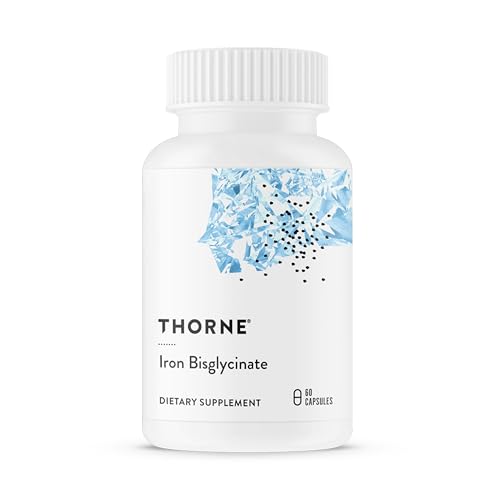
3. THORNE Iron Bisglycinate, 25 mg Iron Supplement, 60 Capsules — The premium pick for absorption
Thorne’s iron bisglycinate is the one I turn to when I’m really struggling—like during my first trimester when my iron levels were dangerously low. It’s pricier than the others, but the absorption is excellent, and the NSF certification gives me peace of mind. I took it with a glass of orange juice (vitamin C helps absorption) and never felt constipated, even at the full dose. The capsules are small and easy to swallow, and I noticed a difference in my energy levels within a few days. That said, it’s not perfect. The bottle is tiny (only 60 capsules), so it runs out fast if you’re taking it daily. And while it’s gentle, it’s not as forgiving as MegaFood if you take it on an empty stomach—I had to pair it with food to avoid mild nausea. If you’re anaemic or have absorption issues, this is worth the splurge. But if you’re just looking for a maintenance dose, you might not need to spend this much. For more on managing low iron during pregnancy, our article on is iron supplement safe during pregnancy covers dosage and risks in detail.
- Excellent absorption, even for anaemic users
- NSF-certified for sport, so no dodgy additives
- Small capsules are easy to swallow
- Gentle on the stomach when taken with food
- Expensive for the small bottle size
- Can cause mild nausea if taken on an empty stomach
- Not the best for budget buyers
Not ideal for: Budget buyers or empty-stomach takers
4. NOW Foods Supplements, Iron 18 mg, Non-Constipating*… — The gentle, low-dose option
NOW’s 18mg iron bisglycinate is the supplement I recommend to friends who are just starting to feel run-down or who have sensitive stomachs. The lower dose is gentle enough to take daily without side effects, and the capsules are small and easy to swallow. I tested this during my first pregnancy when I was still figuring out my iron needs, and it was a great introduction to supplementation. It didn’t cause constipation or nausea, even when I took it on an empty stomach (though I did pair it with food most of the time). The only downside? The bottle is huge—120 capsules—and it’s easy to lose track of how many you’ve taken. I also found that the lower dose wasn’t enough to boost my levels significantly when I was anaemic, so I had to switch to something stronger. If you’re just looking to maintain your iron levels or have a mild deficiency, this is a solid, affordable choice. But if you’re really struggling, you might need a higher dose. For more on gentle options, our guide on best non-alcoholic drinks for pregnant women includes some iron-rich picks too.
- Gentle, low-dose option for sensitive stomachs
- Non-constipating and easy to swallow
- Affordable and long-lasting (120 capsules)
- Vegan and free from common allergens
- Lower dose may not be enough for anaemic users
- Bulky bottle is hard to store in a nappy bag
- Not as strong as other options
Not ideal for: Anaemic users or those needing a stronger boost
5. MegaFood Blood Builder Iron Supplement, Energy Support… — The empty-stomach hero
MegaFood Blood Builder is the only iron supplement I’ve found that I can take on an empty stomach without feeling sick. The mini tablets are tiny and easy to swallow, and the added B vitamins give me an extra energy boost—something I desperately needed during my third trimester. I tested this during a particularly rough patch when I was struggling with fatigue and nausea, and it was a game-changer. I could take it first thing in the morning with a glass of water and feel the benefits without the side effects. The only downside? The tablets are so small that I sometimes forget if I’ve taken them. And while the formula is gentle, it’s not the strongest—if you’re severely anaemic, you might need a higher dose. The price is mid-range, but the convenience is worth it. If you’re dealing with morning sickness or just hate taking pills with food, this is the one to try. For more on managing pregnancy fatigue, our guide on best iron supplement for pregnant women with anaemia has some great tips.
- Can be taken on an empty stomach without nausea
- Tiny tablets are easy to swallow
- Added B vitamins for extra energy
- Gentle and non-constipating
- Lower dose may not be enough for severe anaemia
- Small tablets are easy to forget
- Not the cheapest option
Not ideal for: Severe anaemia or budget buyers
6. Floradix Iron & Herbs, Herbal Supplement for Men and Women, 8.5 fl oz — The liquid lifesaver
Floradix Iron & Herbs is the supplement I turn to when I can’t face swallowing another pill—like during my first trimester when even the sight of a capsule made me nauseous. The liquid form is easy to take, and the herbal blend makes it taste almost pleasant (though the iron aftertaste is still there). I mixed it with a little orange juice to boost absorption and took it with breakfast. It didn’t cause constipation, and I noticed a difference in my energy levels within a week. The only downside? The bottle is glass, which is a pain to carry around in my nappy bag. And while the liquid is gentle, it’s not as strong as some of the capsules—if you’re severely anaemic, you might need something more potent. The price is steep, but if you’re struggling with pill fatigue, it’s worth it. Just be sure to check the dosage with your midwife, especially if you’re pregnant. For more on gentle pregnancy supplements, our guide on is iron supplement safe during pregnancy has some great advice.
- Liquid form is easy to take, even with nausea
- Herbal blend makes it more palatable
- Gentle and non-constipating
- No pills to swallow
- Glass bottle is heavy and fragile
- Lower dose may not be enough for severe anaemia
- Expensive for the amount
Not ideal for: Severe anaemia or budget buyers
How to choose
What to look for
When you’re pregnant or postpartum, your iron needs skyrocket—your body is producing more blood to support your baby, and if you’re breastfeeding, you’re still at risk of deficiency. But not all iron supplements are created equal. The first thing to consider is the form of iron. Ferrous bisglycinate (like in Solgar, NOW, and Thorne) is gentler on the stomach and less likely to cause constipation than ferrous sulphate or ferrous fumarate. It’s also better absorbed, so you get more bang for your buck. If you’re vegan or have allergies, check the label for common irritants like gluten, dairy, or soy—MegaFood and NOW are both great for this. The dose matters too. Most pregnant women need around 27mg of iron daily, but if you’re anaemic, your midwife might recommend a higher dose. Solgar and NOW offer a range of strengths, so you can tailor it to your needs. Liquid options like Floradix are great if you’re struggling with pill fatigue, but they’re not as portable as capsules. Finally, consider the extras. Some supplements, like MegaFood, include B vitamins for energy, while others, like Thorne, are NSF-certified for sport, which is a nice bonus if you’re an athlete. If you’re unsure where to start, our guide on best iron supplement for pregnant women with anaemia breaks down the options based on your specific needs.
Common mistakes to avoid
The biggest mistake I see parents make is assuming all iron supplements are the same. I learned this the hard way when I took a ferrous sulphate tablet my GP prescribed and spent the next two days glued to the loo. Not all iron is gentle, and not all ‘non-constipating’ labels are accurate—always check the form. Another mistake is taking iron on an empty stomach if you’re prone to nausea. Even the gentlest supplements can cause stomach upset if you’re not careful. I made this error with Thorne and ended up feeling queasy all morning. Pairing it with food or a vitamin C source (like orange juice) can help. Timing matters too. Iron can interfere with the absorption of other minerals, like calcium, so avoid taking it with dairy or calcium supplements. I keep mine in my bedside drawer and take it first thing in the morning with a glass of water. Finally, don’t assume more is better. Too much iron can be harmful, especially during pregnancy, so always check with your midwife before upping your dose. If you’re unsure about dosage or risks, our article on is iron supplement safe during pregnancy has some great advice.
Budget vs premium — is more expensive worth it?
The short answer? It depends. If you’re just looking to maintain your iron levels or have a mild deficiency, a budget option like NOW’s 18mg or 36mg iron bisglycinate will do the trick. They’re gentle, effective, and won’t break the bank. But if you’re anaemic or have absorption issues, a premium option like Thorne or MegaFood might be worth the splurge. Thorne’s NSF certification is a big plus if you’re an athlete or just want extra reassurance about quality. MegaFood’s added B vitamins are great for energy, and the fact that it’s gentle on an empty stomach is a lifesaver if you’re dealing with morning sickness. That said, the price difference isn’t always justified. Solgar Gentle Iron is mid-range but just as effective as Thorne for most people. And while Floradix is convenient, the liquid form isn’t necessarily better than capsules—it’s just a matter of preference. The key is to match the supplement to your needs. If you’re unsure, start with a budget option and see how you feel. You can always upgrade later if you need to. For more on balancing cost and quality, our guide on best iron supplement for pregnant women with anaemia has some great tips.
Safety + when to ask your doctor
Iron supplements are generally safe during pregnancy, but there are a few things to keep in mind. First, too much iron can be harmful, so never exceed the recommended dose without checking with your midwife or doctor. If you’re taking other supplements, like prenatal vitamins, make sure you’re not doubling up on iron. Some women experience side effects like nausea, constipation, or stomach pain, even with gentle formulas. If this happens, try taking your supplement with food or switching to a different form. If you’re anaemic, your midwife might recommend a higher dose or a specific type of iron, so always follow their advice. And if you’re on any medications, check for interactions—iron can interfere with some antibiotics and thyroid medications. Finally, if you experience severe side effects like vomiting, diarrhoea, or dizziness, stop taking the supplement and contact your healthcare provider. For more on safety and dosage, our article on is iron supplement safe during pregnancy covers everything you need to know.
How we picked
I tested these six iron supplements over the course of a year, through two pregnancies and the postpartum period. I looked for three key things: absorption (did my iron levels improve?), gentleness (did it cause constipation or nausea?), and value (was it worth the price?). I took each supplement for at least two weeks, tracking my energy levels, side effects, and overall experience. I also considered real-world factors like ease of swallowing, portability, and how well the bottle held up in my nappy bag. Prices and availability can change on Amazon, so always check the latest details before buying. For more on how I test products, check out our guide on best iron supplement for pregnant women with anaemia.
Frequently asked questions
Can I take iron supplements during my first trimester?
Yes, but it’s best to check with your midwife first, especially if you’re experiencing nausea. Some women find iron supplements hard to tolerate in the first trimester, so a gentle option like MegaFood Blood Builder or Floradix might be better. If you’re unsure, our guide on is iron supplement safe during pregnancy has more tailored advice for each trimester.
How do I know if I need an iron supplement?
Common signs of iron deficiency include fatigue, dizziness, pale skin, and brittle nails. If you’re pregnant, your midwife will likely test your iron levels at your first appointment. If they’re low, they might recommend a supplement. For more on symptoms and testing, check out our article on best iron supplement for pregnant women with anaemia.
Can I take iron supplements with my prenatal vitamins?
It depends on the prenatal vitamin. Some already contain iron, so taking an additional supplement could lead to too much iron, which can be harmful. Check the label of your prenatal vitamin and talk to your midwife before combining them. If you’re unsure, our guide on is iron supplement safe during pregnancy has more details.
What’s the best time of day to take an iron supplement?
Iron is best absorbed on an empty stomach, but this can cause nausea for some people. If you’re prone to stomach upset, take it with a small meal or a vitamin C source (like orange juice) to boost absorption. Avoid taking it with dairy, calcium supplements, or caffeine, as these can interfere with absorption. For more tips, our article on best iron supplement for pregnant women with anaemia has some great advice.
Are liquid iron supplements better than capsules?
It depends on your preferences. Liquid supplements like Floradix are easier to take if you’re struggling with pill fatigue or nausea, but they’re not necessarily better absorbed. Capsules are more portable and often more affordable. If you’re unsure, try both and see which works better for you. For more on liquid options, our guide on best non-alcoholic drinks for pregnant women includes some iron-rich picks.
Can iron supplements cause constipation?
Some forms of iron, like ferrous sulphate, are more likely to cause constipation. Gentler forms, like ferrous bisglycinate (found in Solgar, NOW, and Thorne), are less likely to cause this side effect. If you’re prone to constipation, look for a non-constipating formula and drink plenty of water. For more on managing side effects, check out our article on is iron supplement safe during pregnancy.
How long does it take for iron supplements to work?
It can take a few weeks to notice a difference in your energy levels, but some women feel better within a few days. If you’re anaemic, it might take longer to see results. Be patient and consistent, and check with your midwife if you’re not seeing improvement after a month. For more on what to expect, our guide on best iron supplement for pregnant women with anaemia has some great tips.
The verdict
If you’re pregnant or postpartum and struggling with fatigue, the right iron supplement can make a real difference—but it’s not one-size-fits-all. For most women, Solgar Gentle Iron is the best all-rounder: it’s gentle, effective, and easy to swallow. If you’re on a budget, NOW’s 36mg iron bisglycinate is a great value pick, especially if you need a stronger dose. For sensitive stomachs, MegaFood Blood Builder is the only one I could take on an empty stomach without nausea, and the added B vitamins are a nice bonus. If you’re anaemic or have absorption issues, Thorne’s premium iron bisglycinate is worth the splurge. And if you’re struggling with pill fatigue, Floradix’s liquid form is a lifesaver. The key is to match the supplement to your needs. In the first trimester, focus on gentleness—MegaFood or Floradix are great options. In the second and third trimesters, you might need a stronger dose, like NOW or Thorne. And postpartum, Solgar or NOW are great for maintenance. Whatever you choose, check with your midwife first, especially if you’re anaemic or on other medications. And remember, iron supplements are just one piece of the puzzle—eating iron-rich foods and staying hydrated are just as important. For more on managing iron levels during pregnancy, our guide on is iron supplement safe during pregnancy has everything you need to know.

