Quick verdict: ⚠️ Safe with limits. Iron supplements are generally considered safe during pregnancy when taken at the recommended dose, but exceeding the guideline amount or using certain formulations without medical guidance can pose risks. Talk to your provider to tailor the right amount for you.
It’s completely normal to feel a flutter of anxiety the moment you wonder, “is iron supplement safe during pregnancy?” Whether you’ve already popped a tablet, are eyeing the prenatal aisle, or simply want to be prepared, you deserve a clear, evidence‑based answer. The short answer is that iron supplements are usually safe when you follow the dosage guidelines set by leading health organizations such as ACOG and the NHS.
In this article we’ll break down exactly how much iron you need each trimester, which brands are trusted, what side effects you might notice, and safer dietary alternatives. We’ll also cover special situations like gestational diabetes, interactions with other prenatal vitamins, and the signs that too much iron could become a problem. By the end you’ll have a practical roadmap—and the peace of mind to enjoy your pregnancy without endless worry.
Many expectant parents wonder whether a missed dose or a small overdose could jeopardize their baby’s health. The truth is, iron is a nutrient that the body tightly regulates, and short‑term deviations rarely cause lasting harm. Your obstetrician will typically check hemoglobin levels at the first prenatal visit and again in the second trimester, allowing you and your provider to adjust the supplement dose if needed. This proactive monitoring is why iron supplementation is a standard part of prenatal care worldwide.
| Stage | Verdict | Notes |
|---|---|---|
| First trimester | ⚠️ Safe with limits | Recommended 27 mg/day; avoid high‑dose (≥ 60 mg) without provider approval. |
| Second trimester | ⚠️ Safe with limits | Maintain 27 mg/day; consider split doses to reduce GI upset. |
| Third trimester | ⚠️ Safe with limits | Continue 27 mg/day; monitor for constipation or dark stools. |
| Breastfeeding | ✅ Generally safe | Continue 27 mg/day if iron‑deficient; no upper‑limit concerns for most mothers. |
Iron is a mineral essential for making hemoglobin—the protein in red blood cells that carries oxygen. During pregnancy, a woman’s blood volume expands by about 50 %, and the developing fetus also needs iron to build its own blood supply and brain. Because dietary iron isn’t always enough, many clinicians recommend a supplement to meet the increased demand. Iron supplements come in several forms, including ferrous sulfate, ferrous gluconate, and newer chelated compounds like iron bisglycinate. Each form varies in how well it’s absorbed and how likely it is to cause stomach upset.
Iron deficiency anemia affects up to 40 % of pregnant women worldwide, according to the CDC. This high prevalence underscores why routine screening and supplementation are part of standard prenatal protocols. When iron stores are low, fatigue, shortness of breath, and reduced immunity can compromise both maternal health and fetal growth. Addressing the deficiency early helps prevent these downstream complications.
So, is iron supplement safe during pregnancy? The consensus among top authorities—including the American College of Obstetricians and Gynecologists (ACOG), the UK’s National Health Service (NHS), and the U.S. Food and Drug Administration (FDA)—is that iron supplementation is safe when taken at the recommended daily allowance (RDA) of 27 mg for pregnant adults. The CDC notes that iron deficiency anemia affects up to 40 % of pregnant women worldwide, reinforcing the public‑health need for supplementation. No credible evidence links standard‑dose iron supplements to birth defects or major fetal malformations; the primary concerns are gastrointestinal irritation and, in rare cases, iron overload.
Most studies evaluating iron supplementation in pregnancy focus on outcomes like maternal anemia, birth weight, and preterm delivery. ACOG’s 2023 practice bulletin emphasizes that iron supplementation reduces the risk of anemia and may improve infant iron stores without increasing adverse outcomes. The NHS advises that iron tablets are safe for most pregnant women, especially when taken with vitamin C‑rich foods to boost absorption. However, the FDA requires manufacturers to label iron products with a warning about potential toxicity if taken in excess, underscoring the importance of staying within the recommended dose.
Randomized controlled trials from the United States and Europe have shown that women who receive the standard 27 mg iron supplement have lower rates of third‑trimester anemia and deliver babies with healthier iron stores. Importantly, these trials did not find an increase in congenital anomalies, preeclampsia, or miscarriage. This robust evidence base is why iron is listed among the “essential nutrients” in both ACOG and WHO prenatal guidelines.
Is it safe to take iron supplements in the first trimester of pregnancy?
The first trimester is the period of organogenesis, when the embryo’s major organs form. While some nutrients (like folic acid) are especially critical during this window, iron’s role is mainly to support the rapidly expanding maternal blood volume. ACOG states that taking the standard prenatal dose of 27 mg/day in the first trimester is safe and helps prevent early‑onset anemia. The NHS echoes this guidance, noting that iron deficiency at this stage can increase the risk of fatigue and low birth weight later on.
What you should watch for is the type of iron. Ferrous sulfate, the most common form, can be harsh on the stomach. If you experience severe nausea or vomiting, discuss switching to a gentler chelated form (e.g., iron bisglycinate) with your provider. Avoid high‑dose iron (> 60 mg) unless your doctor has identified a severe deficiency, as excessive iron can interfere with the absorption of other minerals like zinc and copper.
What is the recommended iron supplement dosage for each trimester?
Across all three trimesters, the RDA for iron remains steady at 27 mg per day for a healthy pregnancy. This uniform recommendation simplifies dosing: most prenatal vitamins already contain the appropriate amount, and stand‑alone iron tablets are typically labeled as 27 mg, 60 mg, or 120 mg. ACOG advises that the 27 mg dose is sufficient for most women, while higher doses should only be used under medical supervision after confirming iron deficiency via blood tests.
In the second and third trimesters, the maternal blood volume peaks, and the fetus’s iron stores increase dramatically. Keeping the 27 mg daily dose helps maintain hemoglobin levels and supports fetal brain development. The NHS recommends taking the supplement with a source of vitamin C (e.g., a glass of orange juice) to improve absorption, and suggests splitting the dose (e.g., 13 mg twice daily) if gastrointestinal discomfort occurs.
Can iron supplements cause constipation or other side effects during pregnancy?
Yes, iron supplements are notorious for causing constipation, dark‑colored stools, and occasional stomach upset. These side effects stem from iron’s chemical properties, which can irritate the lining of the gut. The CDC notes that up to 25 % of pregnant women report constipation after starting iron tablets. However, most side effects are mild and manageable.
To ease constipation, increase dietary fiber (whole grains, fruits, and vegetables), stay well‑hydrated, and consider a gentle stool softener if needed—always with your provider’s approval. Switching to a chelated iron form (such as iron bisglycinate) often reduces GI irritation. If you experience severe abdominal pain, vomiting, or black, tarry stools (which could signal bleeding), seek medical attention promptly.
Which iron supplement brands are considered safe for pregnant women?
When choosing a brand, look for products that are USP‑verified or have a “Pharmacy Verified” seal, indicating they meet strict quality standards. In the United States, reputable brands include:
- Nature Made Iron (ferrous sulfate 27 mg)
- Garden of Life Vitamin Code Raw Iron (iron bisglycinate)
- Solgar Gentle Iron (iron bisglycinate)
- Pregnancy‑specific prenatal vitamins that contain 27 mg of iron, such as One A Day Women’s Prenatal.
The NHS highlights that “iron tablets with a low‑dose (30 mg) and a gentle coating” are popular choices for British pregnant women. Avoid brands that contain excessive iron (e.g., 60 mg or higher) unless specifically prescribed. Always check the label for added ingredients like herbal extracts, which might not be pregnancy‑safe.
What are safe alternatives to iron supplements for pregnant women?
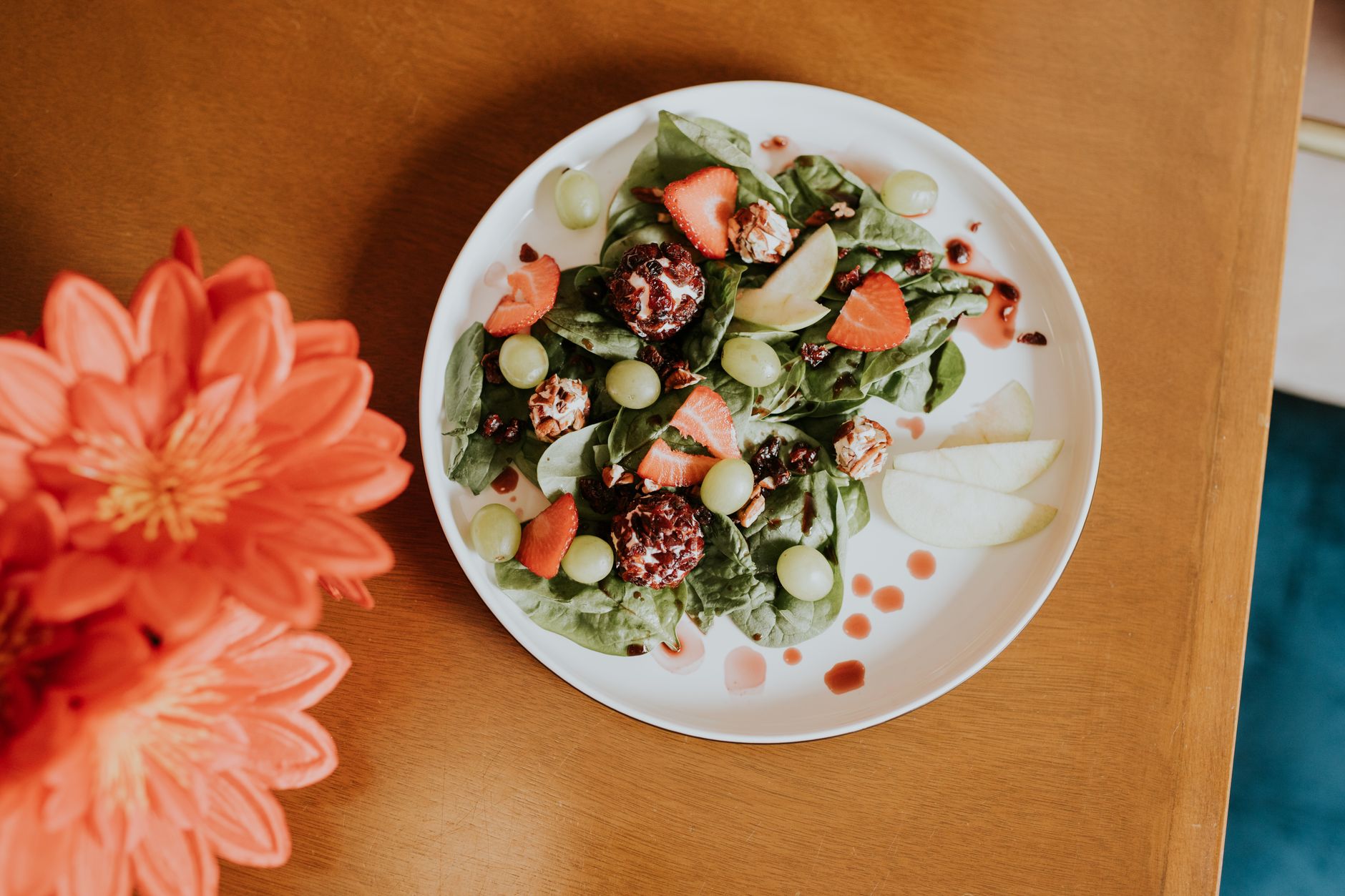
- Iron‑rich spinach salad – cooked spinach provides highly absorbable non‑heme iron.
- Lean beef steak – heme iron from meat is the most bioavailable form.
- Lentil soup – legumes offer a good plant‑based iron source when paired with vitamin C.
- Iron‑fortified prenatal multivitamin – combines iron with other essential nutrients.
- Heme iron supplement (e.g., Proferrin) – a medical‑grade option for those who tolerate ferrous sulfate poorly.
- Iron‑fortified breakfast cereal – convenient, especially when eaten with fruit.
- Vitamin C‑rich foods (citrus, strawberries) – boost non‑heme iron absorption.
- Cooked beans and chickpeas – provide iron and fiber, helping counter constipation.
Choosing food‑based sources can be especially helpful if you experience gastrointestinal side effects from tablets. Pairing iron‑rich plant foods with a source of vitamin C (like bell peppers or a squeeze of lemon) can increase absorption by up to 60 %.
What are the risks of taking too much iron during pregnancy?
Iron toxicity is rare but can be serious. Consuming more than 45 mg of elemental iron per day (the established Upper Level for adults) may lead to gastrointestinal distress, oxidative stress, and, in extreme cases, organ damage. The FDA warns that iron overdose can cause nausea, vomiting, abdominal pain, and even life‑threatening complications like liver failure.
Pregnant women are advised to keep total iron intake—including diet and supplements—below 45 mg/day unless a doctor orders a higher therapeutic dose. Symptoms of iron overload include persistent nausea, severe constipation, and dark, tarry stools. If you suspect you’ve taken too much iron, contact your provider or a poison‑control center right away.
Is iron supplement safe for women with gestational diabetes?
Gestational diabetes (GDM) does not inherently change the safety profile of iron supplements. ACOG’s guidance on GDM does not list iron as a contraindicated nutrient. However, some women with GDM may have altered gastrointestinal motility, making them more prone to constipation. In such cases, choosing a gentle iron formulation and pairing it with high‑fiber foods can mitigate discomfort.
Additionally, iron can affect blood glucose readings if taken in large doses, though typical prenatal amounts (27 mg) are unlikely to cause clinically significant changes. Your diabetes care team can monitor your glucose patterns when you start an iron supplement and adjust your diet or medication as needed.
Can I combine iron supplements with other prenatal vitamins safely?
Yes, most prenatal vitamins already contain the recommended 27 mg of iron, so taking an additional iron tablet is usually unnecessary. If you prefer a stand‑alone iron supplement, ensure the total iron from all sources does not exceed the 45 mg upper limit. Some minerals, like calcium, can interfere with iron absorption; the NHS advises spacing calcium‑containing supplements at least two hours apart from iron.
Vitamin C enhances iron absorption, so taking iron with a glass of orange juice or a vitamin C supplement can be beneficial. Conversely, high‑dose zinc or magnesium may compete for absorption pathways, so stagger their intake if you’re using multiple supplements.
How iron supplements interact with other prenatal nutrients
Iron’s absorption can be hindered by certain nutrients, most notably calcium and high‑dose zinc. To maximize iron uptake, the NHS recommends taking iron tablets on an empty stomach or with a small amount of fruit juice, and waiting at least two hours before consuming calcium‑rich foods or supplements. On the other hand, vitamin C, found in citrus fruits, strawberries, and bell peppers, dramatically improves non‑heme iron absorption, making it a useful companion for iron tablets.
Folate (folic acid) and vitamin B12 do not interfere with iron, and in fact, adequate levels of these B‑vitamins support red‑blood‑cell production alongside iron. This synergy is why many prenatal formulas combine iron, folic acid, and B12 in a single pill, simplifying the regimen for expectant mothers.
Can iron supplements help with common pregnancy fatigue?
Fatigue is one of the most frequently reported symptoms in pregnancy, and iron deficiency is a leading contributor. When hemoglobin levels dip, the body’s ability to transport oxygen declines, leading to tiredness and reduced stamina. Restoring iron stores to the recommended 27 mg/day often improves energy levels within a few weeks, especially if the underlying cause is anemia.
However, fatigue can also stem from hormonal changes, sleep disturbances, or increased metabolic demands unrelated to iron status. If you’ve taken iron for several weeks and still feel exhausted, discuss other potential causes with your provider. They may recommend additional testing, such as thyroid function or vitamin D levels, to pinpoint the root of your tiredness.

Safety by trimester
First trimester
During the first 13 weeks, the embryo’s organs are forming, making this a critical window for nutrient sufficiency. Iron’s role in this stage is to support the expanding maternal blood volume. ACOG confirms that a 27 mg daily dose is safe and helps prevent early‑onset anemia. If you experience nausea, consider taking iron with food or switching to a chelated form.
Because many women experience heightened morning sickness during the first trimester, some opt to split the iron dose into two smaller portions taken at different times of day. This strategy can reduce irritation while still delivering the full 27 mg daily total. Additionally, staying upright for at least 30 minutes after taking the tablet can help prevent reflux.
Second trimester
From weeks 14 to 27, the fetus grows rapidly, and iron demands increase. Maintaining the 27 mg daily dose continues to be recommended. The NHS advises splitting the dose (e.g., 14 mg twice daily) if constipation becomes problematic. This stage is also a good time to incorporate iron‑rich foods, such as lean meat and leafy greens, to complement the supplement.
Second‑trimester blood tests often include a ferritin level, which measures stored iron. If ferritin drops below 30 ng/mL, your provider may suggest a modest increase in supplemental iron or a switch to a more bioavailable chelated form. This personalized approach helps avoid both deficiency and excess.
Third trimester
The final three months see the greatest accumulation of fetal iron stores, especially for brain development. Continuing the standard dose is still appropriate. Some providers may increase the dose slightly if blood tests show borderline anemia, but this should only be done under medical supervision. Watch for darker stools—a normal sign of iron absorption—and stay hydrated to ease constipation.
Because the third trimester often brings heightened fatigue and occasional shortness of breath, many clinicians recommend taking iron with a small snack that includes vitamin C, such as a piece of fruit or a fortified cereal. This not only supports absorption but also provides a gentle energy boost.
Breastfeeding
After delivery, iron needs for the mother drop to 9 mg per day, but if you remain iron‑deficient, continuing a 27 mg supplement is considered safe. The CDC notes that iron in breast milk is low, so maternal stores are crucial for both mother and infant. Most lactating women tolerate iron supplements well, especially when taken with vitamin C.
While breastfeeding, keep an eye on your baby’s iron status during routine pediatric check‑ups. If the infant shows signs of anemia (pale skin, sluggishness), your pediatrician may recommend a pediatric iron supplement, independent of your own intake.